
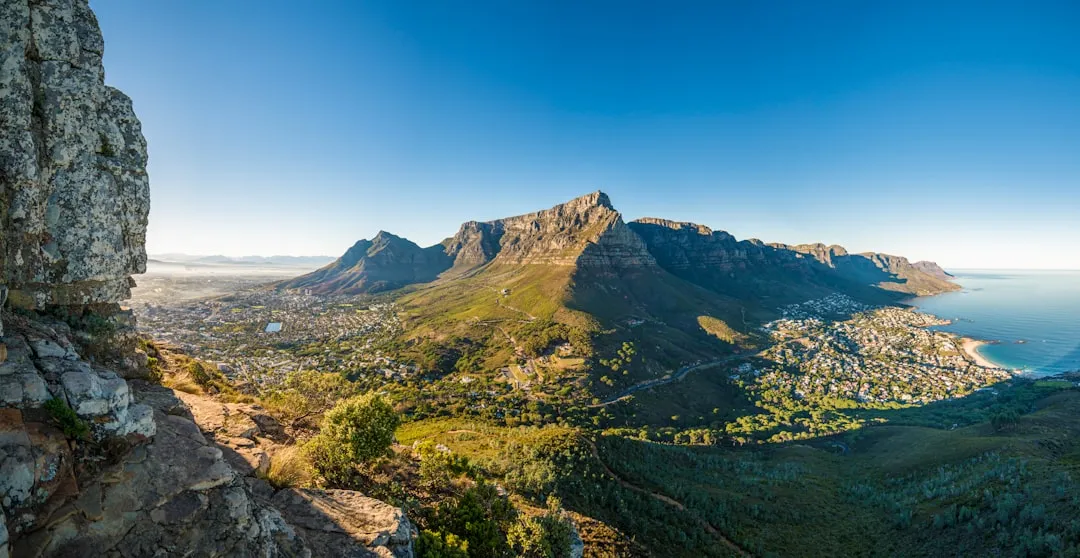
Mafadi Peak Trek - The Drakensberg's Ultimate Challenge
The Mafadi Peak Trek is South Africa's most demanding multi-day mountain traverse, a true test of endurance and spirit set within the dramatic Amphitheatre region of the Northern Drakensberg. This arduous 42-kilometre journey, typically completed over three to four days, plunges hikers into a world of towering basalt cliffs, pristine alpine meadows, and remote wilderness. Starting from the Injisuthi Camp, the trail ascends steeply towards the escarpment, culminating in the ascent of Mafadi Peak itself, one of the highest points in the range. The trek is renowned for its significant elevation gain, rugged terrain, and the sheer remoteness that offers an unparalleled sense of accomplishment and immersion in nature. It is a route for experienced hikers seeking a profound wilderness experience, far from the beaten path.
- Distance: 42.0 km one-way
- Duration: 3-4 days
- Season: April to May and September to October (cooler, drier months)
- Difficulty: Very Challenging
- Highest point: Mafadi Peak (approx. 3,450 m)
- Start/End: Injisuthi Camp
- Permits: Required from Ezemvelo KZN Wildlife
Overview
The Mafadi Peak Trek is not for the faint of heart. It represents a significant undertaking, demanding a high level of physical fitness, robust navigation skills, and a deep respect for the mountain environment. The trail begins at the relatively accessible Injisuthi Camp, but quickly transitions into a relentless ascent. Hikers will traverse a variety of landscapes, from the rolling grasslands of the lower slopes to the stark, windswept alpine plateau of the Drakensberg escarpment. The route is characterised by steep climbs, rocky descents, and long stretches where the only company is the wind and the vast, silent peaks.
The trek's defining feature is its sheer vertical gain. Over its 42 kilometres, hikers will ascend approximately 2,750 metres, a figure that underscores the demanding nature of the route. This constant elevation change means that every kilometre is hard-won, testing both physical stamina and mental fortitude. The reward for this effort is access to some of the most spectacular and untouched scenery in South Africa. From the summit of Mafadi Peak, on a clear day, the views stretch across the Maloti-Drakensberg Park, a UNESCO World Heritage Site, revealing a panorama of jagged peaks, deep valleys, and the vast African sky.
This trek is a true expedition. It requires careful planning, self-sufficiency, and a commitment to Leave No Trace principles. The remoteness means that rescue can be slow and difficult, making preparedness paramount. For those who rise to the challenge, the Mafadi Peak Trek offers an unforgettable adventure, a chance to connect with the raw power of the mountains and to experience a profound sense of achievement.
History and Cultural Context
The Drakensberg mountains, including the region around Mafadi Peak, have a rich and complex history. For millennia, these mountains were home to the San people, hunter-gatherers who left behind a legacy of rock art in numerous caves and overhangs throughout the range. These ancient paintings offer a glimpse into the spiritual beliefs and daily lives of the first inhabitants of this land, depicting animals, human figures, and abstract symbols. The Mafadi region, being remote and rugged, likely served as a significant hunting ground and spiritual sanctuary for these early peoples.
Later, the Zulu people, under leaders like Shaka Zulu, also utilized the lower slopes and foothills of the Drakensberg for grazing and as defensive strongholds. The imposing basalt cliffs of the escarpment provided a natural barrier, making the region strategically important. The Zulu name for the Drakensberg, "uKhahlamba," meaning "Barrier of Spears," aptly describes its formidable appearance.
The modern era of exploration and trekking in the Drakensberg began in the late 19th and early 20th centuries with the arrival of European settlers and the establishment of national parks. Early explorers and surveyors mapped out routes, often facing extreme conditions and the challenge of navigating the treacherous terrain. The Mafadi Peak Trek, while not a formally established "Great Walk" like some international counterparts, emerged from this tradition of challenging mountain expeditions. It is a route that has been forged by generations of hikers seeking to explore the highest and most remote corners of the Drakensberg.
The Maloti-Drakensberg Park, a transfrontier conservation area encompassing parts of South Africa and Lesotho, was inscribed as a UNESCO World Heritage Site in 2000. This designation recognises the outstanding universal value of the region, encompassing its unique biodiversity, geological significance, and rich cultural heritage, including the San rock art. The Mafadi Peak Trek traverses a portion of this protected area, highlighting the importance of preserving its natural and cultural integrity.
Seasonal Highlights and Weather Reality
The Mafadi Peak Trek is best undertaken during the cooler, drier months of autumn (April to May) and spring (September to October). These periods offer the most favourable weather conditions for high-altitude trekking in the Drakensberg.
Autumn (April to May): This is often considered the prime season for the Mafadi trek. The summer rains have ceased, and the landscape is typically dry and stable. Temperatures are generally mild during the day, though nights can become quite cold, especially at higher elevations. The air is often clear, offering excellent visibility for the spectacular mountain vistas. The risk of thunderstorms is significantly reduced compared to summer.
Spring (September to October): Spring also presents excellent trekking conditions. The vegetation begins to green after the winter, and the weather is usually dry and pleasant. However, spring can sometimes bring unpredictable weather patterns, including late-season snowfalls or unseasonably warm spells. Temperatures are similar to autumn, with cold nights at altitude.
Summer (November to March): Summer is the wet season in the Drakensberg. While temperatures can be warm, this period is characterised by frequent and often violent thunderstorms. These storms can bring heavy rain, hail, lightning, and fog, making the trek significantly more dangerous and uncomfortable. Flash floods are a serious risk in the valleys and riverbeds. Visibility can be severely reduced, and the risk of hypothermia increases even during the day due to rain and wind chill. Summer is generally not recommended for this trek unless hikers are highly experienced and prepared for extreme weather.
Winter (June to August): Winter in the Drakensberg is cold and dry. Snowfall is common on the higher peaks and escarpment, and temperatures can drop well below freezing, especially at night. While the days can be clear and crisp, the extreme cold, potential for ice on the trails, and shorter daylight hours make winter trekking challenging and potentially hazardous. It requires specialised winter gear and experience.
Weather Considerations: Regardless of the season, mountain weather is notoriously unpredictable. Hikers must always be prepared for rapid changes, including sudden drops in temperature, strong winds, and precipitation. The escarpment, in particular, is exposed to severe weather.
Recommended Itinerary
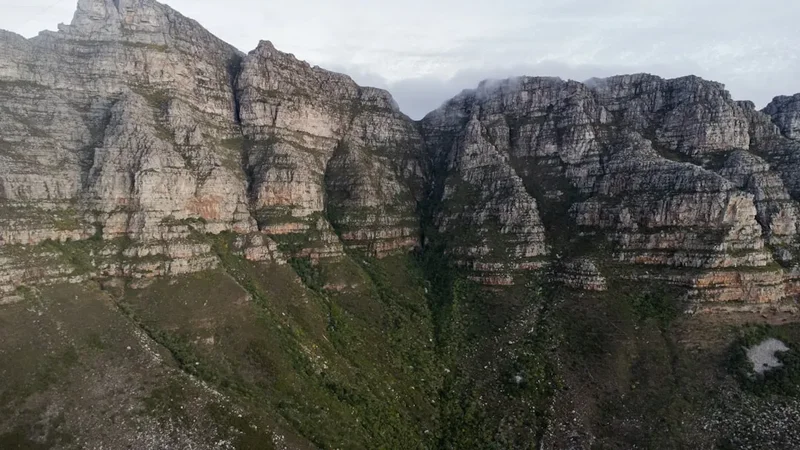
3-Day Mafadi Peak Trek Itinerary
Day 1: Injisuthi Camp to Centenary Hut
- Distance: Approximately 12 km
- Elevation gain: Approximately 1,000 m
- Time: 5–7 hours
- Start at Injisuthi Camp (1,700 m)
- Follow the Injisuthi River upstream
- Steep, sustained climb through indigenous forest and then open grassland
- Pass through the dramatic Injisuthi Gorge
- Arrive at Centenary Hut (2,700 m), a basic shelter
- This day is a significant physical challenge, setting the tone for the trek
- Set up camp near the hut or utilize its basic facilities
- Enjoy the remote wilderness and prepare for the next day's ascent
Day 2: Centenary Hut to Mafadi Peak Summit and Camp
- Distance: Approximately 15 km
- Elevation gain: Approximately 750 m to summit, then descent to camp
- Time: 7–9 hours
- Continue ascending from Centenary Hut towards the escarpment
- Navigate rocky terrain and open alpine plateau
- Reach the summit of Mafadi Peak (approx. 3,450 m)
- Enjoy panoramic views (weather permitting)
- Descend from the summit to a suitable camping spot on the plateau, often near a water source (e.g., near the "Marble Baths" area or a sheltered saddle)
- This is the most challenging day, involving significant altitude and exposure
- Camp on the exposed alpine plateau – be prepared for cold and wind
Day 3: Camp on Plateau to Injisuthi Camp
- Distance: Approximately 15 km
- Elevation loss: Approximately 1,750 m
- Time: 5–7 hours
- Descend from the plateau back towards the Injisuthi Valley
- Retrace steps down the Injisuthi Gorge
- The descent can be hard on the knees
- Arrive back at Injisuthi Camp
- A long day of descent, requiring careful footing
4-Day Mafadi Peak Trek Itinerary (Recommended for a more relaxed pace)
Day 1: Injisuthi Camp to Centenary Hut
- Distance: Approximately 12 km
- Elevation gain: Approximately 1,000 m
- Time: 5–7 hours
- As per 3-day itinerary.
Day 2: Centenary Hut to a Plateau Campsite (e.g., near Marble Baths)
- Distance: Approximately 10 km
- Elevation gain: Approximately 500 m
- Time: 4–6 hours
- Ascend from Centenary Hut towards the escarpment, but do not push to the summit today
- Camp at a scenic and sheltered spot on the plateau, allowing for acclimatisation and a less rushed start to summit day
- Explore the immediate surroundings of the campsite
Day 3: Plateau Campsite to Mafadi Peak Summit and return to Centenary Hut
- Distance: Approximately 15 km (round trip from plateau camp to summit and back to Centenary Hut)
- Elevation gain: Approximately 250 m to summit, then descent to Centenary Hut
- Time: 6–8 hours
- Summit Mafadi Peak in the morning
- Descend back to Centenary Hut for the night
- This breaks up the long descent and allows for a more comfortable final day
Day 4: Centenary Hut to Injisuthi Camp
- Distance: Approximately 12 km
- Elevation loss: Approximately 1,000 m
- Time: 4–5 hours
- Descend from Centenary Hut back to Injisuthi Camp
- A more relaxed final day after the previous day's summit push
Important Notes:
- This is a strenuous trek requiring excellent fitness and navigation skills.
- Water sources can be scarce on the plateau; carry sufficient water or a reliable purification method.
- Weather can change rapidly; always be prepared for cold, wind, and rain.
- No formal accommodation exists beyond Centenary Hut; camping is required on the plateau.
- Permits are mandatory and must be booked in advance.
- Inform someone of your hiking plans and expected return time.
Planning and Bookings
Book Your Trip
Everything you need to plan your journey
Accommodation
Find places to stay near Winterton
Flights
Search flights to Winterton
Essential Preparation
The Mafadi Peak Trek is a serious undertaking that requires meticulous planning. Given its remoteness and challenging nature, hikers must be exceptionally well-prepared. This includes a high level of physical fitness, honed over months of training that should simulate the demands of the trek, including significant elevation gain and carrying a heavy pack. Navigation skills are paramount; hikers must be proficient with map, compass, and GPS, as trails can be indistinct, especially on the alpine plateau. Familiarity with the Drakensberg environment, including its weather patterns and potential hazards, is crucial.
Logistics involve reaching Injisuthi Camp, the trailhead. The nearest major city is Winterton, from which a drive of approximately 1.5 to 2 hours will take you to the camp. Roads leading to Injisuthi are generally gravel and can be rough, especially after rain; a vehicle with good ground clearance is recommended. Ensure your vehicle is in good condition. Parking is available at Injisuthi Camp, but it is advisable to confirm availability and any associated fees with Ezemvelo KZN Wildlife.
It is essential to inform a reliable contact person of your detailed itinerary, expected return date, and emergency contact information. Consider carrying a satellite communication device for emergencies, as mobile phone reception is non-existent in most of the trekking area.
Trail Accommodation
The Mafadi Peak Trek offers very limited formal accommodation, requiring hikers to be self-sufficient and prepared for wild camping.
- Injisuthi Camp: This is the starting and ending point of the trek. It offers basic facilities, including campsites, ablution blocks with hot and cold water, and sometimes self-catering chalets (booking essential). This is where you will begin and end your journey.
- Centenary Hut: Located at approximately 2,700 metres, Centenary Hut is a basic stone shelter. It provides rudimentary protection from the elements but offers no amenities beyond a roof and walls. Hikers typically camp in the vicinity of the hut, utilizing its proximity to water sources. There are no cooking facilities, beds, or electricity.
- Alpine Plateau Campsites: Beyond Centenary Hut, there is no formal accommodation. Hikers must be prepared to camp in designated or suitable wild camping spots on the alpine plateau. These sites are often exposed to the elements and require careful selection for shelter from wind and proximity to water. Popular camping areas include near the "Marble Baths" or in sheltered saddles.
Booking Requirements: Permits for the Mafadi Peak Trek must be obtained from Ezemvelo KZN Wildlife. While there isn't a hut booking system in the same way as some international trails, securing your permit in advance is mandatory. Camping is permitted in designated areas or suitable wild spots, but always adhere to Leave No Trace principles.
Facilities Provided: Basic shelter at Centenary Hut, campsites at Injisuthi Camp. Water is generally available from streams and rivers, but must be treated.
What's NOT Provided: Food, cooking equipment, sleeping bags, mattresses, fuel, charging facilities, toilets (beyond Injisuthi Camp), showers, or any form of luxury. Hikers must be entirely self-sufficient.
Seasonal Availability: The trek is accessible year-round, but the best seasons are April-May and September-October due to more stable weather. Winter can bring snow and ice, making it significantly more challenging.
Costs: Permit fees apply, which vary for South African residents and international visitors. Check with Ezemvelo KZN Wildlife for current pricing.
Required Gear
- Sturdy Hiking Boots: Waterproof, well-broken-in boots with good ankle support are essential for navigating the rugged and often uneven terrain.
- Backpack: A robust, comfortable backpack of 60-75 litres capacity, with a good hip belt and rain cover, is necessary to carry all your gear and food.
- Tent: A lightweight, durable, and wind-resistant tent suitable for alpine conditions is crucial for camping on the plateau.
- Sleeping Bag: A warm, 3-season or 4-season sleeping bag (rated to at least -5°C comfort) is vital, as temperatures on the plateau can drop significantly below freezing.
- Sleeping Mat: An insulated sleeping mat will provide comfort and crucial insulation from the cold ground.
- Waterproof Outerwear: A high-quality waterproof and windproof jacket and trousers are non-negotiable. The Drakensberg is known for its sudden and severe weather changes.
- Warm Layers: Multiple layers of thermal base layers (merino wool or synthetic), fleece mid-layers, and an insulated jacket (down or synthetic) are essential for staying warm. A warm hat and gloves are also vital.
- Navigation Tools: A reliable map of the area, a compass, and a GPS device or smartphone with offline mapping capabilities are essential. Ensure you know how to use them.
- Head Torch: With spare batteries, for navigating in the dark at campsites and during early morning or late evening hikes.
- First-Aid Kit: Comprehensive, including blister treatment, pain relievers, antiseptic wipes, bandages, and any personal medications.
- Sun Protection: High SPF sunscreen, sunglasses, and a wide-brimmed hat are necessary, as the sun can be intense at altitude, even on cloudy days.
- Trekking Poles: Highly recommended for stability on ascents and descents, and to reduce strain on knees.
What to Bring
- Food: Sufficient high-energy, lightweight food for the duration of the trek (3-4 days). This includes breakfast, lunch, dinner, and plenty of snacks. Plan meals carefully to ensure adequate calorie intake.
- Water Treatment: A water filter or purification tablets are essential, as water sources, while generally available, must be treated to prevent illness.
- Cooking Gear: A lightweight camping stove, fuel, a pot, utensils, a mug, and a bowl.
- Toiletries: Biodegradable soap, toothbrush and toothpaste, toilet paper, hand sanitiser, and any personal hygiene items. Pack out all used toilet paper.
- Repair Kit: Duct tape, needle and thread, safety pins, and cordage for minor gear repairs.
- Emergency Shelter: An emergency bivvy bag or space blanket for unexpected situations.
- Communication Device: A satellite phone or personal locator beacon (PLB) is highly recommended for emergencies due to the lack of mobile signal.
- Trash Bags: To pack out all rubbish, including food scraps and packaging.
- Personal Items: Camera, book, journal, and any other personal items you deem necessary.
- Cash: For any potential purchases at Injisuthi Camp or for emergencies.
Permits
Access to the Mafadi Peak Trek and the surrounding Drakensberg wilderness requires a permit from Ezemvelo KZN Wildlife. This is a mandatory requirement for all hikers entering the park. It is crucial to obtain your permit well in advance of your planned trek, especially if you intend to hike during peak seasons or public holidays.
How to Obtain Permits:
- Contact Ezemvelo KZN Wildlife: Permits are typically obtained directly from Ezemvelo KZN Wildlife. You can usually do this via phone, email, or by visiting one of their offices. It is advisable to check their official website for the most up-to-date contact information and application procedures.
- Inquire about Specific Requirements: When applying, clearly state your intended route (Mafadi Peak Trek), your start and end points (Injisuthi Camp), and your planned dates of travel.
- Group Size Limits: Be aware that there may be limits on the size of hiking groups allowed in the park.
- Fees: Permit fees are applicable and vary depending on whether you are a South African resident or an international visitor. These fees contribute to the conservation and maintenance of the park.
- Safety Briefing: In some cases, you may be required to attend a brief safety orientation or provide details of your hiking experience.
Important Considerations:
- Advance Booking: It is highly recommended to book your permits several weeks, or even months, in advance, particularly for popular hiking periods.
- Information Required: Be prepared to provide details such as your name, contact information, emergency contact, number of people in your group, and your intended itinerary.
- Carry Your Permit: You must carry your permit with you at all times during your trek and be prepared to present it to park rangers if requested.
- No Formal Hut Bookings: Unlike some international trails, the Mafadi Peak Trek does not involve booking specific huts. Accommodation beyond Injisuthi Camp is wild camping.
Securing your permit is the first critical step in planning your Mafadi Peak Trek. It ensures that your trek is officially sanctioned and contributes to the ongoing conservation efforts within the Maloti-Drakensberg Park.
Other Activities in the Area
While the Mafadi Peak Trek is the primary draw for many visitors to the Injisuthi area, there are other activities and points of interest that can enhance your experience in the Drakensberg:
- Day Hikes from Injisuthi Camp: Several shorter, well-marked day hikes are accessible from Injisuthi Camp. These offer a taste of the Drakensberg's beauty without the commitment of a multi-day expedition. Popular options include hikes to the Marble Baths, the Upper Injisuthi Valley, and various waterfalls.
- Rock Art Sites: The Drakensberg is renowned for its ancient San rock art. While many sites require guided excursions or significant hiking to reach, there are some accessible shelters and paintings in the vicinity of Injisuthi that can be visited. Inquire at the Injisuthi office for information on local sites.
- Bird Watching: The Drakensberg region is a haven for birdlife, with numerous endemic and migratory species. Keep an eye out for the majestic Black Eagle, Bearded Vulture, and various sunbirds and finches.
- Photography: The dramatic landscapes of the Drakensberg, from the towering basalt cliffs to the sweeping alpine meadows and intricate rock formations, offer endless opportunities for stunning photography. Sunrise and sunset often provide the most dramatic light.
- Stargazing: Due to its remote location and lack of light pollution, the Drakensberg offers exceptional stargazing opportunities. On clear nights, the Milky Way is a breathtaking spectacle.
- Exploring the Amphitheatre Region: If time permits, consider extending your trip to explore other parts of the Northern Drakensberg, such as the Royal Natal National Park, which features the iconic Amphitheatre.
Safety and Conditions
Pre-Trek Preparation:
- Fitness: Ensure you are in peak physical condition. Months of training, including hiking with a loaded pack and significant elevation gain, are essential.
- Navigation: Be proficient with map, compass, and GPS. Trails can be indistinct, especially on the plateau.
- Weather Monitoring: Check the weather forecast for the Drakensberg region immediately before your departure and be prepared for rapid changes. MetVuw is a useful resource for South African weather.
- Inform Someone: Leave a detailed itinerary with a reliable contact person, including your expected return time and emergency contact details.
- Emergency Communication: Carry a satellite phone or Personal Locator Beacon (PLB). Mobile phone reception is non-existent.
On-Trail Hazards:
- Weather: The Drakensberg is notorious for its unpredictable and severe weather. Thunderstorms, heavy rain, hail, fog, and strong winds can occur suddenly, even in the dry season. Hypothermia is a serious risk.
- Altitude: Mafadi Peak is at a significant altitude (approx. 3,450 m). Acclimatisation is important, and hikers should be aware of the symptoms of altitude sickness.
- Terrain: The trail is steep, rocky, and can be slippery, especially after rain. Loose scree and uneven surfaces are common.
- Water Crossings: Rivers and streams can become swollen and dangerous after rain. Always assess the safety of crossings before attempting them.
- Remoteness: Rescue operations in the Drakensberg can be slow and difficult due to the terrain and remoteness. Self-sufficiency is paramount.
- Wildlife: While large dangerous animals are rare, be aware of snakes and scorpions. Always check your boots and tent before use.
- Navigation Errors: Getting lost is a significant risk, especially on the plateau where trails can be faint.
Essential Safety Practices:
- Start Early: Begin your hiking days early to allow ample time and avoid being caught out by afternoon storms.
- Stay Together: Hike as a group and maintain visual or verbal contact.
- Conserve Energy: Pace yourself and take regular breaks.
- Stay Hydrated and Fed: Drink plenty of water and eat regularly to maintain energy levels.
- Respect the Environment: Adhere to Leave No Trace principles.
- Turn Back if Necessary: Do not take unnecessary risks. If weather conditions deteriorate significantly or you are experiencing difficulties, be prepared to turn back or alter your plans.
Travel insurance is strongly recommended to cover potential medical emergencies, evacuation, and trip cancellations.
Side Trips and Points of Interest
Mafadi Peak Summit: The ultimate objective of the trek, standing at approximately 3,450 metres. On a clear day, the summit offers breathtaking 360-degree views across the Maloti-Drakensberg Park, stretching into Lesotho and across the South African highveld. It's a place of immense scale and raw beauty, a fitting reward for the arduous journey.
Injisuthi Gorge: A dramatic and imposing section of the trail on Day 1. The gorge is carved by the Injisuthi River and features sheer rock walls, creating a sense of awe and highlighting the powerful erosive forces of water in the mountains. The path through the gorge can be challenging, requiring careful footing.
Marble Baths: Located on the alpine plateau, these natural rock pools are formed by the river. On a warmer day, they offer a refreshing (and very cold!) opportunity for a dip. They also serve as a common landmark and potential camping spot for trekkers on the plateau.
San Rock Art Sites: While not always directly on the main Mafadi route, the broader Drakensberg region is dotted with numerous caves and overhangs containing ancient San rock art. If time and logistics permit, seeking out these sites offers a profound connection to the ancient history of the region.
Alpine Meadows and Flora: The high-altitude plateau is a unique ecosystem, characterised by vast, rolling alpine meadows dotted with hardy wildflowers during the spring and summer months. The stark beauty of the landscape, with its unique flora adapted to harsh conditions, is a point of interest in itself.
Views of the Amphitheatre: From certain vantage points on the plateau, particularly on clear days, you may be able to glimpse the iconic Amphitheatre formation in the distance, a testament to the grandeur of the Drakensberg range.
Leave No Trace
The Mafadi Peak Trek traverses a pristine and ecologically sensitive mountain environment. Adhering to Leave No Trace (LNT) principles is not just recommended; it is essential for preserving the wilderness for future generations and ensuring the safety of all who venture into this remote landscape.
Your responsibility as a hiker:
- Plan Ahead and Prepare: Thorough planning, including understanding the route, weather, and your own capabilities, is the first step in LNT. Pack appropriately and be prepared for all conditions.
- Travel and Camp on Durable Surfaces: Stick to established paths where they exist. On the alpine plateau, camp on bare ground or rock, avoiding fragile vegetation. Choose established campsites if available, or camp at least 70 metres away from water sources.
- Dispose of Waste Properly: Pack it in, pack it out. This includes all food scraps, packaging, and any other rubbish. Use designated toilets at Injisuthi Camp. For human waste on the trail, dig catholes at least 15-20 cm deep and at least 70 metres away from water, trails, and campsites. Pack out all toilet paper.
- Leave What You Find: Do not disturb or remove any natural or cultural objects. Take only photographs and memories.
- Minimize Campfire Impacts: Campfires are generally not permitted in the Drakensberg due to the risk of wildfires and the impact on vegetation. Use a lightweight camping stove for cooking.
- Respect Wildlife: Observe wildlife from a distance. Never feed animals, as this can disrupt their natural behaviours and diets, and can be harmful to them. Store food securely to prevent attracting animals.
- Be Considerate of Other Visitors: Keep noise levels down, especially in camping areas. Yield to other hikers on narrow trails.
The Mafadi Peak Trek offers an unparalleled opportunity to experience true wilderness. By practising LNT, you help ensure that this experience remains available and that the natural beauty of the Drakensberg is protected.