
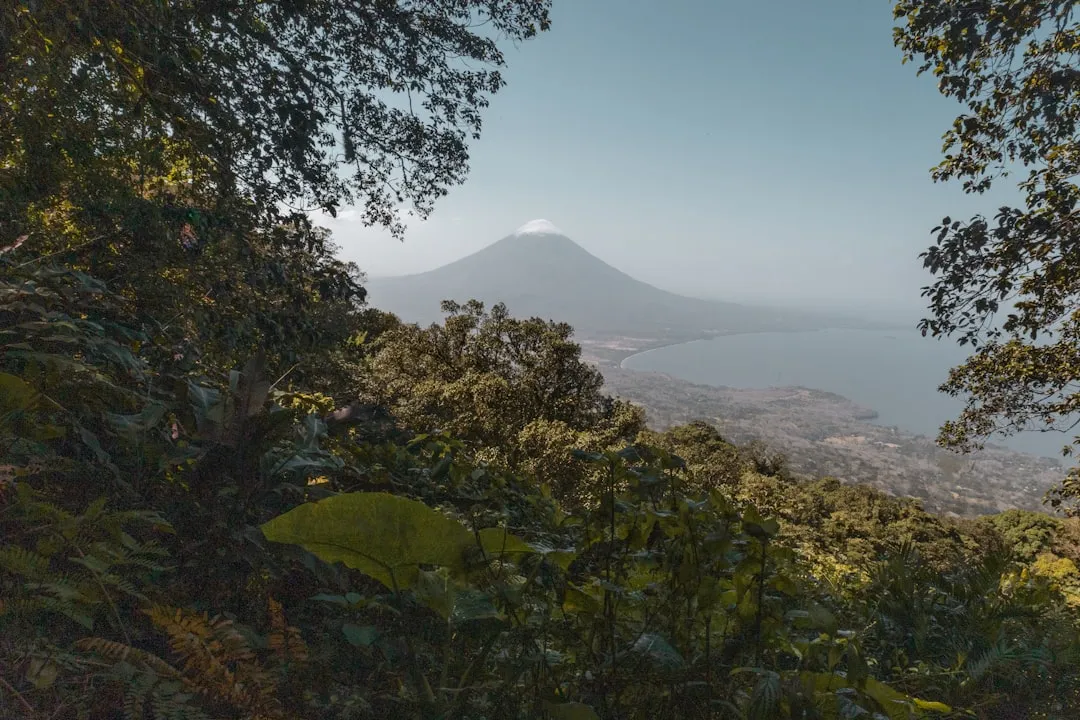
Maderas Volcano Hike - Ometepe Island's Majestic Ascent
The Maderas Volcano Hike is a challenging yet immensely rewarding day walk on Ometepe Island, Nicaragua. This dormant volcano, one of two that form the island's unique dual-volcano landscape, offers a steep ascent through diverse ecosystems, culminating in breathtaking panoramic views of Lake Nicaragua and the surrounding mainland. The trail winds through lush rainforest, past coffee plantations, and into cloud forest zones, providing a rich biodiversity experience. Reaching the summit crater lake is a significant achievement, offering a cool respite and a unique geological feature. This hike is a must-do for adventurers seeking a substantial physical challenge and unparalleled natural beauty in the heart of Nicaragua.
- Distance: 8.0 km (one-way to summit crater lake)
- Elevation Gain: 1394 m
- Duration: 6-8 hours (round trip)
- Difficulty: Challenging
- Best Time: December to April (dry season)
- Closest City: Moyogalpa
- Trailhead Access: Requires transport from Moyogalpa to the trailhead near Balgue.
- Permits: No official permits required, but hiring a local guide is strongly recommended.
Overview
The Maderas Volcano hike is a true test of endurance and a journey through a remarkably varied environment. Starting at a relatively low elevation, the trail quickly begins its steep ascent, gaining over 1,300 metres in just 8 kilometres. The initial stages often pass through agricultural land, including coffee and plantain farms, where the air is warm and humid. As you climb higher, the landscape transforms dramatically.
The trail enters dense rainforest, characterised by towering trees, vibrant green foliage, and a rich undergrowth. This section is often muddy and can be slippery, especially after rain. The humidity increases, and the sounds of the jungle become more pronounced – the calls of exotic birds, the rustling of unseen creatures, and the constant drip of moisture from the canopy. This is a prime habitat for a variety of wildlife, including monkeys, sloths, and numerous bird species.
Further up, the vegetation transitions into cloud forest. Here, the trees are often draped in mosses, lichens, and epiphytes, creating an ethereal, mystical atmosphere. The air becomes cooler and mist is frequently present, adding to the dramatic scenery. Visibility can be reduced, but the unique flora and fauna of this zone are a significant draw. The final push to the summit is steep and demanding, often involving scrambling over roots and rocks.
Upon reaching the crater rim, the reward is immense. A serene crater lake, often shrouded in mist, lies within the caldera. The views from the summit, when the weather permits, are spectacular, offering a sweeping vista of Ometepe Island, the vast expanse of Lake Nicaragua, and the distant volcanoes of the mainland. The descent, while easier on the lungs, can be tough on the knees and requires careful footing due to the steep and often slippery terrain.
History and Cultural Context
Ometepe Island, formed by the fusion of two volcanoes, Maderas and Concepción, has a rich pre-Columbian history. Archaeological evidence suggests human habitation dating back thousands of years, with numerous petroglyphs and artefacts found across the island, particularly on the slopes of Maderas. These ancient carvings, often depicting abstract symbols and animal figures, hint at a sophisticated indigenous culture that revered the volcanoes as sacred sites.
The Maderas Volcano itself, while dormant, has played a significant role in the island's cultural and ecological landscape. Its fertile slopes have historically been used for agriculture, with coffee cultivation becoming a prominent industry in the surrounding areas. The volcano's unique microclimate, influenced by its elevation and proximity to the lake, supports a diverse range of flora and fauna, making it a vital ecological zone.
In more recent history, Maderas Volcano has become a popular destination for hikers and nature enthusiasts. Local communities near the base of the volcano, such as those in Balgue, have developed tourism infrastructure, offering guides and accommodation to visitors. The hike is not just a physical challenge but also an immersion into the island's natural heritage and the traditional way of life of its inhabitants. The volcano's presence is deeply woven into the identity of Ometepe, a constant, majestic backdrop to daily life.
Seasonal Highlights and Weather Reality
The best time to hike Maderas Volcano is during the dry season, which typically runs from December to April. During these months, the weather is generally more stable, with less rainfall and lower humidity, making the ascent and descent more comfortable and safer. The trails are less likely to be excessively muddy, and visibility from the summit is often clearer.
Dry Season (December - April): This is the peak season for hiking Maderas. Days are typically sunny, though occasional brief showers can occur. Temperatures can be warm, especially at lower elevations, so starting early in the morning is highly recommended to avoid the midday heat. The trails are generally in better condition, though still can be slippery in places due to the rainforest environment.
Green Season / Rainy Season (May - November): This period sees significantly more rainfall. While the rainforest is at its most vibrant and lush during these months, the hike becomes considerably more challenging. Trails can be extremely muddy, slippery, and potentially hazardous. River crossings might become more difficult, and visibility from the summit is often poor due to persistent cloud cover and mist. However, the increased rainfall also means more waterfalls and a more dramatic, verdant landscape. Wildlife is also very active during this time.
Regardless of the season, weather on Ometepe Island, and particularly on the volcano, can change rapidly. Even during the dry season, unexpected rain showers can occur, and the summit can be shrouded in mist. It is crucial to be prepared for all conditions, including rain, wind, and cooler temperatures at higher elevations.
Recommended Itinerary
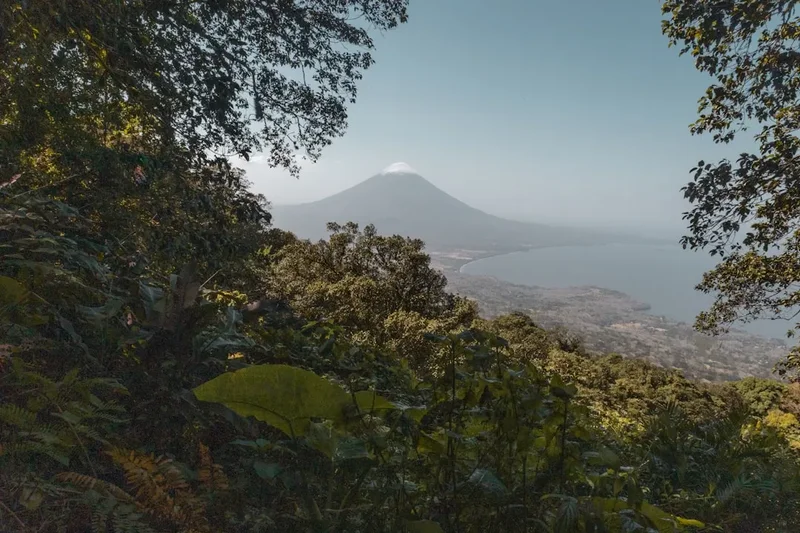
Maderas Volcano Day Hike Itinerary
Early Morning (Approx. 6:00 AM - 7:00 AM): Departure from Accommodation
- Arrange transport (taxi or moto-taxi) from your accommodation in Moyogalpa or Balgue to the trailhead.
- Ensure you have had breakfast and are carrying sufficient water and snacks.
- Meet your guide at the trailhead (if pre-arranged).
Morning (Approx. 7:00 AM - 11:00 AM): Ascent through Rainforest and Coffee Plantations
- Begin the hike from the trailhead, typically located near Balgue.
- The initial part of the trail may pass through coffee plantations and agricultural land.
- The path quickly enters dense rainforest, becoming steeper and more challenging.
- Expect muddy and slippery sections, especially during the green season.
- Keep an eye out for wildlife such as monkeys and various bird species.
- The air will become more humid as you gain elevation.
Late Morning / Midday (Approx. 11:00 AM - 1:00 PM): Reaching the Cloud Forest and Summit Push
- The vegetation transitions into cloud forest, characterised by moss-covered trees and a cooler, misty atmosphere.
- The trail becomes increasingly steep, often requiring the use of hands for balance.
- You may encounter challenging terrain, including roots, rocks, and steep inclines.
- The final ascent to the crater rim is the most demanding part of the hike.
Midday (Approx. 1:00 PM - 2:00 PM): Summit and Crater Lake Exploration
- Arrive at the summit crater rim.
- Explore the edge of the crater and, if conditions allow, descend slightly to view the crater lake.
- Take time to rest, rehydrate, and enjoy the panoramic views (weather permitting).
- Have your packed lunch and snacks at the summit.
- Be aware of the cooler temperatures and potential mist at this elevation.
Afternoon (Approx. 2:00 PM - 5:00 PM): Descent and Return to Trailhead
- Begin the descent back down the volcano.
- The descent can be as challenging as the ascent, requiring careful footing to avoid slips and falls on the steep, muddy terrain.
- Continue through the cloud forest and rainforest.
- Return to the trailhead near Balgue.
Late Afternoon (Approx. 5:00 PM onwards): Return to Accommodation
- Arrange for your transport to pick you up at the trailhead.
- Return to your accommodation in Moyogalpa or Balgue.
- Enjoy a well-deserved rest and meal.
Important Notes:
- Start as early as possible to maximise daylight and avoid the hottest part of the day.
- Hiring a local guide is highly recommended for navigation, safety, and to learn about the local flora and fauna.
- The trail can be very muddy and slippery, especially during the rainy season.
- Be prepared for rapid weather changes, including mist and rain, even during the dry season.
- Carry plenty of water and high-energy snacks.
Planning and Bookings
Book Your Trip
Everything you need to plan your journey
Accommodation
Find places to stay near Moyogalpa
Flights
Search flights to Moyogalpa
Essential Preparation
The Maderas Volcano hike is a significant undertaking that requires careful planning. The closest major town on Ometepe Island is Moyogalpa, which serves as the main hub for transport and accommodation. However, the trailhead for Maderas is typically accessed from the village of Balgue, located on the northern side of the island. It is advisable to base yourself in either Moyogalpa or Balgue.
Logistics: Transport to the trailhead from Moyogalpa or Balgue can be arranged via taxi or moto-taxi. The roads leading to the volcano base can be rough and unpaved, so a sturdy vehicle or a local driver familiar with the conditions is recommended. Parking at the trailhead is limited and informal.
Fitness Requirements: This hike is considered challenging due to the steep elevation gain over a relatively short distance. A good level of cardiovascular fitness and leg strength is essential. Regular hiking, running, or cycling will help prepare you for the sustained climb. Be prepared for a strenuous 6-8 hour round trip.
Booking Coordination: While no formal booking system or permits are required for the Maderas Volcano hike itself, it is highly recommended to arrange a local guide in advance, especially if you are unfamiliar with the area or the trail. Guides can be hired through your accommodation or directly from local operators in Balgue. Booking your accommodation and transport in advance is also advisable, particularly during peak tourist seasons.
Base Town/City Information:
- Moyogalpa: The largest town on Ometepe Island, offering a range of accommodation from hostels to hotels, restaurants, banks, and a bus terminal connecting to other parts of the island and the mainland ferry ports.
- Balgue: A smaller village closer to the Maderas Volcano trailhead. It offers a more laid-back atmosphere and a selection of guesthouses and eco-lodges, often catering to hikers and nature lovers. Many guides operate from Balgue.
Trail Accommodation
This is a day hike requiring no overnight accommodation on the trail itself. Hikers typically stay in accommodation on Ometepe Island, either in Moyogalpa or Balgue, and complete the hike within a single day.
Required Gear
- Sturdy Hiking Boots: Waterproof and with good ankle support are essential. The terrain is steep, uneven, and often muddy.
- Waterproof Jacket: Essential for protection against rain and the cooler temperatures at higher elevations, especially in the cloud forest.
- Quick-Drying Clothing: Lightweight, breathable layers are best. Avoid cotton, which stays wet and heavy.
- Backpack: A comfortable daypack (20-30 litres) to carry essentials.
- Head Torch: With spare batteries, in case of an early start or late finish.
- Navigation: While a guide is recommended, a map or GPS device with an offline map of the area is useful. Mobile signal can be unreliable.
- First Aid Kit: Including blister treatment, pain relievers, antiseptic wipes, and any personal medications.
- Insect Repellent: Mosquitoes and other biting insects can be present, especially at lower elevations.
- Sun Protection: Sunscreen (SPF 30+), sunglasses, and a wide-brimmed hat are crucial, even on cloudy days, due to the tropical sun.
What to Bring
- Food: Plenty of high-energy snacks (nuts, dried fruit, energy bars) and a packed lunch. There are no facilities to purchase food on the trail.
- Water: At least 2-3 litres of water per person. Water sources on the trail are not guaranteed to be safe for drinking without treatment. Consider a water filter or purification tablets as a backup.
- Toiletries: Hand sanitiser, biodegradable wet wipes, and toilet paper.
- Personal Items: Camera, fully charged mobile phone (for emergencies), small amount of cash for guides or transport.
- Trekking Poles: Highly recommended for stability and to reduce strain on knees during the steep ascent and descent.
- Small Towel: For wiping sweat or drying off after unexpected rain.
Permits
No official permits are required to hike Maderas Volcano. The trail is generally accessible to the public. However, it is strongly advised to hire a local guide. Guides are typically hired through your accommodation or directly from local contacts in villages like Balgue. They are invaluable for navigation, safety, and providing insights into the local flora, fauna, and culture. The cost of a guide can vary but is generally affordable and well worth the investment for a safer and more informative experience.
Guide Fees: Expect to pay approximately $20-$30 USD for a guide for the entire hike, though this can be negotiated. It is good practice to agree on the price and duration of the hike before setting off.
Trailhead Access: Access to the trailhead is usually via a rough track that may require a 4x4 vehicle or a moto-taxi. Ensure your transport is arranged to take you as close to the starting point as possible.
Other Activities in the Area
Ometepe Island offers a wealth of activities beyond the Maderas Volcano hike:
- Concepción Volcano Hike: For a more strenuous and active volcano experience, consider hiking Concepción Volcano. This is an active volcano and requires a high level of fitness and a guide.
- Ojo de Agua: Natural freshwater springs where you can swim and relax in a beautiful, tropical setting.
- San Ramón Waterfall: A beautiful waterfall accessible via a moderate hike, offering a refreshing swimming spot.
- Pueblo de Balgue: Explore the charming village of Balgue, known for its organic farms and relaxed atmosphere.
- Kayaking and Paddleboarding on Lake Nicaragua: Enjoy the calm waters of the lake, offering stunning views of the volcanoes.
- Petroglyph Sites: Visit various sites around the island to see ancient rock carvings left by indigenous peoples.
- Charco Verde: A nature reserve with a lagoon, hiking trails, and opportunities for birdwatching.
- Horseback Riding: Explore the island's scenic routes on horseback.
- Cultural Tours: Learn about the island's history, agriculture (especially coffee and tobacco), and local life.
Safety and Conditions
Trail Conditions: The Maderas Volcano trail is steep, uneven, and can be extremely muddy and slippery, particularly during the rainy season (May to November). Roots, rocks, and loose soil are common. The trail is not well-maintained in all sections, and navigation can be challenging without a guide.
Weather: Weather on Ometepe Island can change rapidly. While the dry season offers more stable conditions, rain showers are still possible. The summit of Maderas is often shrouded in mist, and temperatures can be significantly cooler at higher elevations. Be prepared for rain, wind, and reduced visibility.
Wildlife: While generally not dangerous, be aware of the local wildlife. Monkeys (howler and capuchin) are common, and you may encounter various bird species, insects, and possibly snakes. It's important to maintain a safe distance and avoid disturbing the animals.
Hydration and Nutrition: Carry ample water (at least 2-3 litres per person) and high-energy snacks. Dehydration and fatigue can increase the risk of accidents. Start the hike well-nourished and hydrated.
Guides: Hiring a local guide is highly recommended for safety and navigation. They are familiar with the trail, current conditions, and potential hazards. They can also assist in case of an emergency.
Emergency Preparedness: Inform someone of your hiking plans, including your expected return time. Carry a fully charged mobile phone, although signal may be intermittent. A basic first-aid kit is essential for treating minor injuries.
Footwear: Wear sturdy, broken-in hiking boots with good grip. Avoid trainers or sandals, as they offer insufficient support and protection on the challenging terrain.
Respect the Environment: Stay on marked trails to avoid damaging fragile vegetation and to prevent getting lost. Do not feed any wildlife.
Side Trips and Points of Interest
Maderas Crater Lake: The primary destination of the hike, this serene lake sits within the volcano's caldera. While often covered in mist, on clear days, it offers a unique and beautiful sight. The descent into the crater to reach the lake's edge is steep and can be challenging, so assess conditions carefully.
Cloud Forest Ecosystem: The transition zone from rainforest to the higher cloud forest is a point of interest in itself. The dense vegetation, covered in mosses, lichens, and epiphytes, creates a mystical and visually stunning environment. This zone is rich in biodiversity.
Wildlife Spotting: Keep an eye out for the diverse wildlife that inhabits Maderas Volcano. Howler monkeys are frequently heard and seen, and capuchin monkeys are also present. Numerous bird species, including toucans and parrots, can be spotted. If you are lucky, you might even see a sloth.
Panoramic Views: On a clear day, the summit offers spectacular panoramic views of Ometepe Island, including the neighbouring Concepción Volcano, the vast expanse of Lake Nicaragua, and the distant mainland mountains. These views are a significant reward for the strenuous climb.
Petroglyphs: While not directly on the main hiking trail, there are known petroglyph sites on the slopes of Maderas Volcano, remnants of the island's ancient indigenous inhabitants. If you have a guide knowledgeable in local history, they may be able to point out or lead you to some of these significant cultural sites.
Leave No Trace
The Maderas Volcano hike traverses a sensitive natural environment, and it is crucial to practice Leave No Trace principles to preserve its beauty and ecological integrity for future visitors and the local ecosystem.
Plan Ahead and Prepare: Research the trail, understand its challenges, and prepare accordingly. Hire a local guide to ensure you are well-informed about conditions and safety.
Travel and Camp on Durable Surfaces: Stick to the established trail. Avoid creating new paths, which can lead to erosion and habitat destruction. The trail itself is the designated durable surface.
Dispose of Waste Properly: Pack out everything you pack in. This includes all food scraps, wrappers, and any other litter. Use designated toilet facilities where available, or if not, dig a cathole at least 60 metres (60 m) away from water sources, trails, and campsites. Pack out used toilet paper.
Leave What You Find: Do not take any natural objects (rocks, plants, flowers) or cultural artefacts from the volcano. Leave them for others to enjoy and to maintain the natural balance.
Minimise Campfire Impacts: Campfires are not permitted on this day hike. If you were to camp (which is not standard practice for this hike), use a portable stove for cooking.
Respect Wildlife: Observe wildlife from a distance. Never feed animals, as it can disrupt their natural behaviours and diets, and can be harmful to their health. Secure your food properly to prevent attracting animals.
Be Considerate of Other Visitors: Keep noise levels down, especially in natural settings. Yield to other hikers on narrow sections of the trail. Allow others to enjoy the peace and solitude of the volcano.