
Lycian Way Section Hike
The Lycian Way is a spectacular long-distance walking trail in Turkey, tracing the ancient paths and coastal routes of the Lycia region. This historical trail, stretching over 500 kilometres, winds through rugged mountains, fragrant pine forests, and along the turquoise waters of the Mediterranean coast. It connects numerous ancient Lycian ruins, Roman amphitheatres, and Byzantine churches, offering a unique blend of natural beauty, cultural immersion, and historical discovery. While the entire trail can take over 20 days to complete, many walkers choose to hike specific sections, allowing for a more focused and manageable experience. This description focuses on a popular and representative section, offering a taste of the Lycian Way's diverse landscapes and rich heritage.
- Distance: 150.0 km (representative section)
- Duration: 7-10 days (representative section)
- Season: Spring (April-May) or Autumn (September-October)
- Difficulty: Moderate
- Closest City: Fethiye
- Trailhead Access: Fly to Dalaman Airport (DLM). Take a Havaş bus or taxi to Fethiye. From Fethiye, take a local dolmuş (minibus) to Ölüdeniz, the trailhead.
- No permits needed for this section.
Overview
The Lycian Way is a testament to the enduring allure of the Mediterranean coast, a journey that unfolds through a tapestry of ancient history and breathtaking natural scenery. This trail is not a single, monolithic path but rather a network of ancient tracks, shepherd's routes, and coastal paths that have been meticulously mapped and marked by Kate Clow, a British expatriate. The route generally follows the coastline, punctuated by dramatic mountain ascents and descents, offering panoramic views of the azure sea and the rugged Anatolian landscape.
The experience of walking the Lycian Way is one of constant discovery. One moment you might be navigating a narrow, winding path through fragrant pine forests, the scent of wild herbs filling the air, and the next you emerge onto a clifftop overlooking a secluded cove with crystal-clear waters. Ancient Lycian cities, some remarkably well-preserved, lie scattered along the route, inviting exploration and contemplation of a civilisation that thrived here millennia ago. These ruins, often nestled in dramatic natural settings, serve as poignant reminders of the region's rich past.
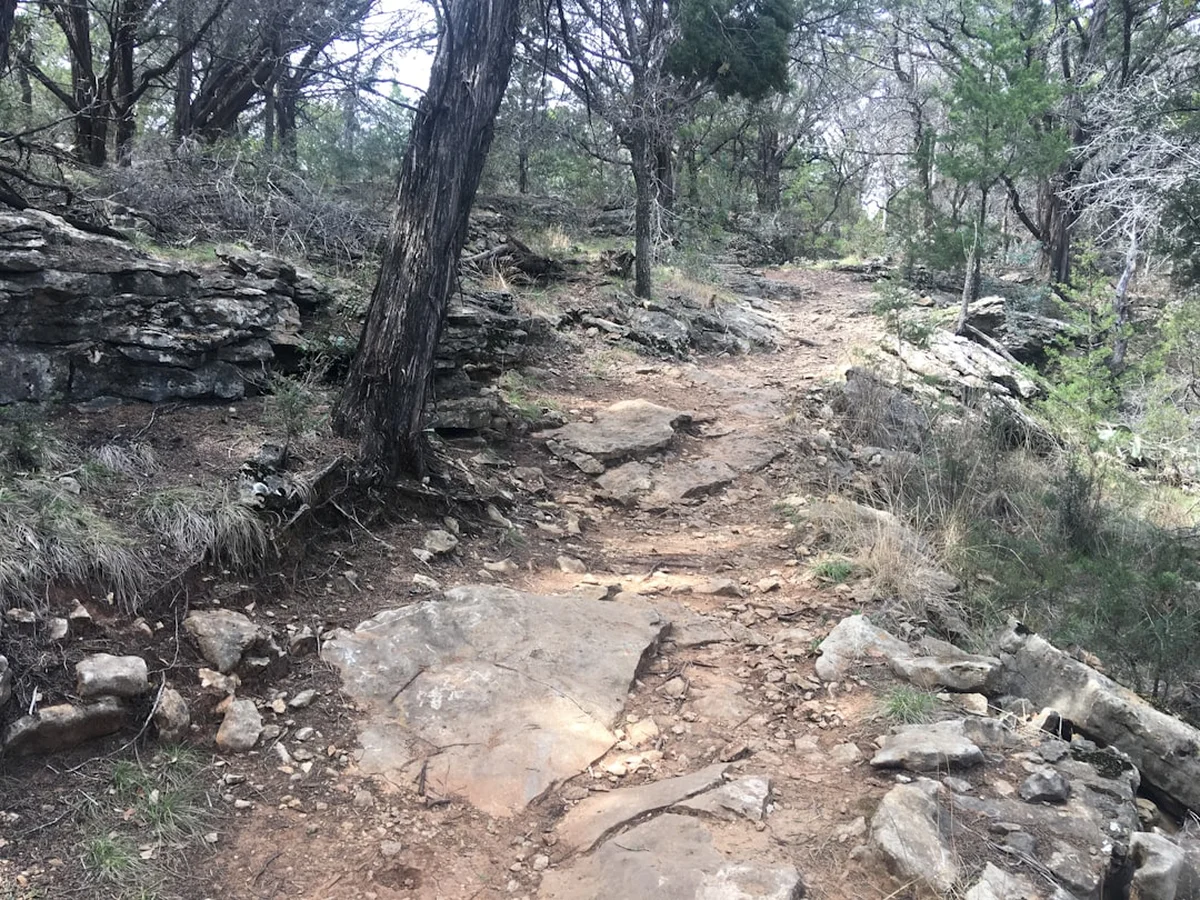
The trail's moderate difficulty is attributed to its varied terrain. While many sections are relatively flat and follow coastal paths, others involve significant elevation changes as the route traverses mountain ridges and descends into valleys. The paths can be rocky and uneven, requiring sturdy footwear and a degree of sure-footedness. The climate, particularly during the recommended spring and autumn seasons, is generally pleasant, with warm, sunny days and cooler evenings, though summer can be intensely hot.
Accommodation options along the Lycian Way are diverse, ranging from simple guesthouses and pensions in small coastal villages to more established hotels in larger towns. Wild camping is also an option in many remote areas, provided it is done responsibly and with respect for the environment. The trail's accessibility, with major towns like Fethiye and Antalya serving as gateways, makes it an attractive destination for independent hikers seeking an authentic and rewarding adventure.
History and Cultural Context
The Lycian Way traces the footsteps of the ancient Lycians, an Indo-European people who inhabited the region from the 2nd millennium BCE. Known for their seafaring prowess and independent spirit, the Lycians established a sophisticated civilisation, leaving behind a legacy of impressive rock-cut tombs, sarcophagi, and the ruins of numerous cities such as Xanthos, Patara, Myra, and Olympos. These sites, many of which are accessible from the trail, offer a profound connection to the past, allowing walkers to imagine life in this ancient land.
Following the Lycians, the region was successively conquered by the Persians, Greeks, and Romans, each leaving their mark on the landscape and culture. The Roman period saw the construction of roads, theatres, and temples, many of which are still visible today. Later, the Byzantine Empire established a significant presence, with numerous churches and monasteries dotting the coastline, some of which are now in ruins but still evoke a sense of spiritual history.
The modern Lycian Way was conceived and marked by Kate Clow, a British woman who fell in love with the region and its history. Over several years, she painstakingly researched ancient routes, consulted local historians, and marked the trail with the distinctive red-and-white paint flashes that guide walkers today. Her efforts have opened up this historically rich and scenically stunning area to hikers from around the world, transforming it into one of Turkey's premier long-distance walking destinations.
The cultural context of the Lycian Way is also deeply intertwined with the traditional lifestyles of the local Turkish people. Small villages along the route often retain a timeless charm, with residents engaged in agriculture, fishing, and olive cultivation. Interacting with these communities, sampling local cuisine, and experiencing their hospitality are integral parts of the Lycian Way experience.
Seasonal Highlights and Weather Reality
The Lycian Way is best enjoyed during the shoulder seasons of spring (April to May) and autumn (September to October). During these periods, the weather is generally ideal for walking, with warm, sunny days and comfortable temperatures, typically ranging from 15°C to 25°C. The landscape is vibrant in spring, with wildflowers in bloom and the scent of wild herbs perfuming the air. Autumn offers clear skies, calm seas, and pleasant temperatures, making it perfect for coastal walking and exploring ancient ruins.
Spring (April-May): This is a particularly beautiful time to walk the Lycian Way. The mountains are still green, and the coastal areas are awash with colourful wildflowers. The sea is warming up, and the days are long enough for ample walking time. However, occasional spring showers are possible, and higher mountain passes might still have some lingering snow in early April.
Summer (June-August): Summer on the Lycian coast can be extremely hot, with temperatures frequently exceeding 30°C and often reaching into the 40s. While the sea offers opportunities for cooling off, walking during the midday heat can be arduous and potentially dangerous. If hiking in summer, it is essential to start very early, carry ample water, and plan for rest during the hottest parts of the day. Many walkers avoid the Lycian Way during the peak summer months.
Autumn (September-October): Autumn is another prime season for walking the Lycian Way. The intense heat of summer subsides, and the sea remains warm enough for swimming well into October. The light is often beautiful, casting a golden glow over the ancient ruins and coastal landscapes. The trail is generally dry, and the risk of rain is lower than in spring.
Winter (November-March): While the coastal areas are mild, winter can bring rain, strong winds, and cooler temperatures. Some higher sections of the trail may experience snow, making them impassable without winter hiking experience and equipment. However, for those seeking solitude and willing to brave cooler weather, winter can offer a unique perspective on the Lycian Way, with fewer crowds and a dramatic, moody atmosphere.
Recommended Itinerary
7-Day Lycian Way Section Hike (Ölüdeniz to Kaş)
Day 1: Ölüdeniz to Faralya
- Distance: 12 km
- Elevation gain: 600 m
- Time: 4-5 hours
- Start at Ölüdeniz beach, ascend towards the Lycian Way
- Pass through olive groves and pine forests
- Reach the village of Faralya, known for its stunning views of Butterfly Valley
- Overnight in a guesthouse in Faralya
Day 2: Faralya to Kabak Bay
- Distance: 8 km
- Elevation gain: 400 m, descent 500 m
- Time: 3-4 hours
- Descend steeply into Butterfly Valley (optional detour)
- Continue along the coast to Kabak Bay, a beautiful secluded beach
- Option to stay in a simple bungalow or campsite in Kabak
Day 3: Kabak Bay to Alinca
- Distance: 15 km
- Elevation gain: 800 m
- Time: 5-6 hours
- Steep ascent from Kabak Bay into the mountains
- Pass through remote mountain terrain
- Arrive in the small, traditional village of Alinca
- Overnight in a local guesthouse
Day 4: Alinca to Geyik Bay (Yavuz Village)
- Distance: 18 km
- Elevation gain: 500 m, descent 700 m
- Time: 6-7 hours
- Descend from Alinca towards the coast
- Pass through more remote landscapes
- Reach the vicinity of Geyik Bay (Yavuz Village)
- Overnight in a guesthouse or camp near the coast
Day 5: Geyik Bay to Demre (Myra)
- Distance: 25 km
- Elevation gain: 400 m
- Time: 7-8 hours
- Follow coastal paths and tracks
- Pass by ancient Lycian ruins and sarcophagi
- Arrive in the town of Demre, famous for the ancient city of Myra and St. Nicholas Church
- Overnight in Demre
Day 6: Demre to Çayağzı (Andriake) and walk towards Kaş
- Distance: 15 km (walking towards Kaş)
- Elevation gain: 200 m
- Time: 4-5 hours
- Explore the ancient city of Myra and its rock-cut tombs
- Visit the Church of St. Nicholas
- Walk from Demre to Çayağzı (Andriake), the ancient port of Myra
- Continue walking along the coast or arrange transport towards Kaş
- Overnight in Kaş
Day 7: Kaş Exploration and Departure
- Explore the charming town of Kaş, visit its ancient theatre and sarcophagi
- Relax by the sea or take a boat trip to the sunken city of Kekova (optional)
- Depart from Kaş
Important Notes:
- This is a sample itinerary; distances and times can vary based on fitness and route choices.
- Accommodation in villages is often basic but welcoming. Booking ahead is recommended, especially during peak season.
- Water sources can be scarce in some sections; carry sufficient water and a purification method.
- The trail is marked with red and white paint flashes, but a map and compass or GPS device are essential.
- Consider local transport (dolmuş) for sections if needed or to adjust the itinerary.
Planning and Bookings
Book Your Trip
Everything you need to plan your journey
Accommodation
Find places to stay near Fethiye
Flights
Search flights to Fethiye
Essential Preparation
Planning your Lycian Way section hike involves understanding the terrain, climate, and logistical requirements. Given the trail's length and varied accessibility, choosing a specific section is crucial. For a representative experience, the Ölüdeniz to Kaş section offers a good balance of coastal beauty, ancient ruins, and challenging ascents. Researching accommodation options in the villages along your chosen route is paramount, as availability can be limited, especially during peak seasons. Many villages have small pensions or guesthouses run by local families, offering authentic hospitality. Booking these in advance is highly recommended. Similarly, understanding local transport, primarily dolmuş (minibuses), is vital for accessing trailheads and for flexibility in case of itinerary changes or fatigue. Fethiye is the primary gateway city, with Dalaman Airport (DLM) being the closest international airport. From Dalaman, Havaş buses or taxis can take you to Fethiye, from where local dolmuş services connect to Ölüdeniz and other coastal towns.
Trail Accommodation
Accommodation along the Lycian Way varies significantly depending on the section and proximity to villages. For the Ölüdeniz to Kaş section:
- Villages (Faralya, Kabak, Alinca, Geyik Bay): These small settlements typically offer family-run guesthouses (pansiyons) and pensions. Facilities are usually basic but clean, often including en-suite bathrooms and home-cooked meals. Some locations, like Kabak Bay, also offer simple bungalows or camping facilities. Booking ahead is strongly advised, especially during spring and autumn.
- Towns (Demre, Kaş): Larger towns like Demre and Kaş provide a wider range of accommodation, from budget-friendly hostels and pensions to more comfortable hotels. These towns offer more amenities and dining options.
- Wild Camping: In more remote sections between villages, wild camping is often possible. It's crucial to camp responsibly, away from ancient sites and water sources, and to pack out all rubbish. Ensure you have appropriate camping gear, including a lightweight tent and sleeping bag.
Booking Requirements: For guesthouses and pensions, direct contact via phone or email is usually the best method. Some may have online booking platforms, but this is less common in smaller villages. For hotels in towns, standard online booking sites are available.
Facilities Provided: Guesthouses typically provide beds, linens, and often breakfast. Many offer dinner as well. Campsites provide space for tents, and sometimes basic toilet and shower facilities.
What's NOT Provided: Huts or shelters in the traditional sense are rare. You will need to bring your own sleeping bag if camping or if your guesthouse does not provide adequate bedding. Cooking facilities are generally not available in guesthouses, though some campsites may have communal cooking areas.
Seasonal Availability: Accommodation is generally available from April to October. Some places may close during the winter months. Spring and autumn are the busiest seasons.
Costs: Guesthouses can range from €20-€50 per night for a double room, often including breakfast. Camping fees are typically €5-€10 per person per night. Hotels in towns will be more expensive.
Required Gear
- Hiking Boots: Sturdy, waterproof, and well-broken-in hiking boots are essential. The terrain is often rocky and uneven.
- Backpack: A comfortable daypack (25-35 litres) for day hikes or a larger pack (40-55 litres) if carrying overnight gear. Ensure it has a good hip belt and rain cover.
- Waterproof Jacket: A lightweight, breathable waterproof jacket is crucial for unpredictable weather, especially in the mountains.
- Trekking Poles: Highly recommended for steep ascents and descents, providing stability and reducing strain on joints.
- Navigation Tools: A detailed map of the Lycian Way section, a compass, and a GPS device or smartphone with offline maps are vital. The trail markings can sometimes be faded or ambiguous.
- Head Torch: With spare batteries, for early starts, late finishes, or in case of unexpected delays.
- First-Aid Kit: Comprehensive kit including blister treatment, pain relievers, antiseptic wipes, bandages, and any personal medications.
- Sun Protection: Wide-brimmed hat, sunglasses, and high SPF sunscreen.
What to Bring
- Food and Water: Carry plenty of water (at least 2-3 litres per person per day, more in hot weather). Water sources can be infrequent between villages. Water purification tablets or a filter are recommended. Pack high-energy snacks and lunches.
- Clothing: Lightweight, moisture-wicking hiking clothes (trousers, shirts). Bring layers for warmth, including a fleece or insulated jacket, and warm socks.
- Toiletries: Biodegradable soap, toothbrush, toothpaste, toilet paper, hand sanitiser. Consider a small quick-dry towel.
- Personal Items: Camera, power bank for electronics, book or journal, insect repellent (especially for evenings), small knife or multi-tool.
- Money: Turkish Lira (TRY) is essential for local transport, food, and accommodation in villages. Credit cards are accepted in larger towns but not always in smaller establishments.
- Sleeping Bag: If camping or if your accommodation requires it. A lightweight 3-season bag is usually sufficient.
Permits
The Lycian Way is a public footpath and does not require any specific permits for walking. The trail is maintained by local communities and volunteers, and access to the ancient sites along the route may have separate entrance fees, but these are typically nominal and paid locally at the time of visit. For example, the ancient city of Myra in Demre has an entrance fee, as does the theatre in Kaş. These fees are usually very reasonable and contribute to the preservation of these historical treasures.
It is important to note that while no permits are required for the trail itself, respecting the environment and local customs is paramount. Always stay on marked paths to avoid damaging fragile ecosystems and archaeological sites. When visiting ancient ruins, be mindful of any regulations posted by local authorities regarding photography or access to certain areas.
For those planning to camp, it is advisable to do so in designated areas or discreetly away from inhabited zones and ancient ruins. Wild camping is generally tolerated in remote areas, but always practice Leave No Trace principles. If you are unsure about any specific regulations or access to a particular site, it is best to inquire with local guides or tourism offices in the nearest town.
Other Activities in the Area
The region surrounding the Lycian Way offers a wealth of activities beyond hiking:
- Ancient Site Exploration: Dedicate time to thoroughly explore the numerous well-preserved Lycian, Roman, and Byzantine ruins. Key sites include Xanthos (UNESCO World Heritage site), Patara (ancient capital with a magnificent theatre and beach), Myra (rock-cut tombs and St. Nicholas Church), Olympos (ancient city nestled in a valley), and Phaselis (ruins set in a beautiful bay).
- Beach Relaxation: The Lycian coast boasts some of Turkey's most stunning beaches. Ölüdeniz's Blue Lagoon is world-famous for its paragliding and turquoise waters. Patara Beach is a vast, sandy expanse ideal for swimming and watching loggerhead turtles. Kaputaş Beach, near Kaş, is a picturesque cove accessible by a steep staircase.
- Water Sports: Enjoy swimming, snorkelling, and diving in the clear Mediterranean waters. Boat trips are popular, offering opportunities to visit secluded coves, explore sea caves, and discover the sunken city of Kekova. Paragliding from Babadağ mountain above Ölüdeniz provides an exhilarating aerial perspective of the coastline.
- Cultural Immersion: Visit local markets in towns like Fethiye and Kaş to experience the vibrant atmosphere and sample regional produce. Enjoy traditional Turkish cuisine at local restaurants, trying dishes like gözleme (stuffed flatbread), mezes (appetisers), and fresh seafood.
- Kayaking and Paddleboarding: Explore the coastline at your own pace by renting kayaks or paddleboards, particularly in calmer bays and around islands.
- Day Trips: Consider day trips to nearby attractions such as Saklıkent Gorge, a dramatic canyon perfect for a refreshing walk, or the charming town of Kalkan, known for its whitewashed houses and boutique shops.
Safety and Conditions
Trail Conditions: The Lycian Way is generally well-marked with red and white paint flashes, but sections can be overgrown or eroded, especially after winter rains. Always carry a map and compass or GPS device. Be prepared for rocky, uneven terrain, steep ascents and descents, and potential heat exposure.
Water Availability: Water sources can be scarce between villages. Carry at least 2-3 litres of water per person per day, and more in hot weather. Always treat water from natural sources using purification tablets or a filter.
Weather: While spring and autumn offer pleasant temperatures, be prepared for variations. Days can be warm and sunny, but evenings can be cool, especially at higher elevations. Occasional rain showers are possible. Summer months are extremely hot and should be approached with caution.
Navigation: While marked, the trail can be confusing in places. It is advisable to have a reliable map and/or GPS device. Familiarise yourself with the route before you set off each day.
Health:
- Sunburn and Heatstroke: Protect yourself from the sun with a hat, sunscreen, and appropriate clothing. Stay hydrated and avoid strenuous activity during the hottest parts of the day.
- Insect Bites: Sandflies and mosquitoes can be present, especially near water. Use insect repellent.
- Injuries: Be cautious on uneven terrain to avoid sprains and falls. Carry a well-stocked first-aid kit.
- Emergency Contacts: In case of emergency, the general emergency number in Turkey is 112. It is advisable to have the contact details for local guesthouses or guides.
Cultural Sensitivity: Dress modestly when passing through villages or visiting religious sites. Learn a few basic Turkish phrases; it is greatly appreciated by locals.
Dogs: While many villages have dogs, some can be territorial. It is advisable to carry a walking stick for protection and to avoid direct confrontation. Most trail dogs are accustomed to hikers.
Side Trips and Points of Interest
Butterfly Valley (Kelebekler Vadisi): Accessible via a steep descent from the trail between Faralya and Kabak Bay. This stunning, secluded valley is home to numerous butterfly species (seasonal) and features a beautiful beach. The descent and ascent are challenging but rewarding.
Ancient City of Xanthos: A UNESCO World Heritage site and the ancient capital of Lycia. Xanthos boasts impressive Lycian tombs, Roman theatre, and mosaics. It's a significant historical detour, requiring a short drive or taxi from the main trail route.
Ancient City of Patara: Once a major Lycian port, Patara features a well-preserved Roman theatre, Odeon, and extensive ruins. It also boasts one of Turkey's longest and most beautiful sandy beaches, a nesting ground for loggerhead turtles.
Myra Rock Tombs and St. Nicholas Church: Located near Demre, the Lycian rock-cut tombs overlooking the ancient theatre are spectacular. The Church of St. Nicholas, the reputed burial place of Santa Claus, is a significant historical and religious site.
Sunken City of Kekova: Accessible by boat trip from Kaş or Üçağız. The ruins of an ancient Lycian city lie submerged in the clear waters, visible from glass-bottomed boats or by kayaking/swimming.
Kaputaş Beach: A breathtaking cove located between Kaş and Kalkan, accessible via a steep flight of stairs. Its vibrant turquoise water makes it a popular spot for swimming and photography.
Leave No Trace
The Lycian Way traverses a landscape of immense natural beauty and historical significance. Adhering to Leave No Trace principles is crucial to preserving this environment for future generations and respecting the local communities.
Plan Ahead and Prepare: Research your chosen section thoroughly, understand the terrain, water availability, and accommodation options. Pack appropriately for varying weather conditions and carry sufficient supplies.
Travel and Camp on Durable Surfaces: Stick to the marked trails to avoid damaging vegetation and archaeological sites. When camping, choose established sites or durable surfaces away from water sources and ancient ruins.
Dispose of Waste Properly: Pack out everything you pack in, including all food scraps, wrappers, and toilet paper. Use designated toilet facilities in villages or dig catholes at least 60 metres away from water, camp, and trails if wild camping.
Leave What You Find: Do not remove any natural objects (rocks, plants) or historical artefacts. Take only photographs and memories.
Minimise Campfire Impacts: Campfires are generally discouraged due to the risk of wildfires and damage to vegetation. Use a portable stove for cooking.
Respect Wildlife: Observe wildlife from a distance and never feed animals. Be aware of local dogs and approach them calmly and respectfully.
Be Considerate of Other Visitors: Keep noise levels down, especially in villages and near accommodation. Respect the local culture and traditions.