

Lumbini Pilgrimage Walk - A Journey to the Birthplace of Peace
The Lumbini Pilgrimage Walk is a profound spiritual and cultural journey located in the Rupandehi District of southern Nepal, within the vast plains of the Terai. As the birthplace of Siddhartha Gautama, who later became the Buddha, Lumbini stands as one of the four most sacred sites in Buddhism, alongside Bodh Gaya, Sarnath, and Kushinagar. This 20-kilometre circuit is not merely a physical trek but a meditative passage through the Master Plan designed by Japanese architect Kenzo Tange in 1978. The route encompasses the Sacred Garden, the sprawling Monastic Zone, and the surrounding rural landscapes that have remained largely unchanged for centuries. Walking this trail offers a rare opportunity to witness the global diversity of Buddhist traditions, as dozens of nations have established monasteries, stupas, and temples here, each reflecting unique architectural heritages from across Asia and Europe.
Unlike the high-altitude treks of the Himalayas, the Lumbini Pilgrimage Walk is a flat, accessible route that prioritises contemplation over physical exertion. It serves as a bridge between the ancient past—represented by the 3rd-century BCE Ashoka Pillar and the ruins of the Maya Devi Temple—and the modern global community. The walk is typically undertaken over one or two days, allowing visitors to immerse themselves in the chanting of monks, the vibrant colours of prayer flags, and the serene atmosphere of the World Peace Pagoda. For many, the journey is a transformative experience, providing a quiet space to reflect on the principles of non-violence, compassion, and mindfulness in the very place where these teachings originated over 2,500 years ago.
- Distance: 20.0 km (full circuit including Monastic Zones)
- Duration: 1–2 days
- Season: October to April (dry season with pleasant temperatures)
- Accommodation: Numerous hotels and guest houses in Lumbini Bazaar and nearby Bhairahawa
- Highest point: 150 m (negligible elevation gain)
- Difficulty: Easy (flat terrain, paved and gravel paths)
- Direction: Flexible, though most begin at the Maya Devi Temple and move north
Overview
The Lumbini Pilgrimage Walk is defined by its unique layout, structured around a central canal that stretches three kilometres from the Sacred Garden in the south to the World Peace Pagoda in the north. This "Master Plan" area is divided into three distinct zones: the Sacred Garden, the Monastic Zone, and the New Lumbini Village. The walk begins at the heart of the site, the Maya Devi Temple, where archaeologists have uncovered structures dating back to the time of the Buddha's birth. Surrounding the temple is the Sacred Garden, a tranquil space filled with ancient pipal trees, archaeological ruins, and the sacred Pushkarini pond where Queen Maya Devi is said to have bathed before giving birth.
As you move north from the Sacred Garden, the trail enters the Monastic Zone, which is split into the East Monastic Zone (dedicated to Theravada Buddhism) and the West Monastic Zone (dedicated to Mahayana and Vajrayana traditions). This section of the walk is a visual feast of international architecture. You will pass the ornate Thai Monastery with its gleaming white marble, the colourful and intricate Tibetan Great Drigung Kagyud Lotus Stupa, the minimalist Japanese Nipponzan Myohoji, and the grand Chinese Zhong Hua Monastery. Each site offers a different perspective on Buddhist practice, and many are open to visitors for meditation and quiet observation. The scale of the Monastic Zone is immense, and walking between these sites allows for a gradual transition between different cultural expressions of faith.
The northern terminus of the walk is marked by the towering white dome of the World Peace Pagoda (Shanti Stupa), built by Japanese monks to promote global harmony. Beyond the formal Master Plan area, the pilgrimage can be extended into the surrounding villages, where the local Madhesi culture provides a glimpse into the traditional agricultural life of the Terai. Here, the landscape is a patchwork of mustard fields, rice paddies, and small clusters of mud-brick houses. The contrast between the grand international monuments and the humble local villages adds a layer of social depth to the walk, reminding pilgrims of the lived reality of the region that nurtured the Buddha.
The terrain is exceptionally flat, making it suitable for walkers of all ages and fitness levels. However, the lack of shade in certain sections and the potential for high temperatures, even in the shoulder seasons, requires careful planning. The walk is best experienced at a slow pace, allowing time for meditation at the various temples and interaction with the local community. Whether you are a devout Buddhist or a cultural enthusiast, the Lumbini Pilgrimage Walk provides a unique intersection of history, spirituality, and international cooperation.
History and Cultural Context
The history of Lumbini is inextricably linked to the life of Siddhartha Gautama, born here in 623 BCE. According to Buddhist tradition, Queen Maya Devi was travelling from her husband's capital at Kapilvastu to her parental home in Devadaha when she went into labour in the beautiful gardens of Lumbini. After the Buddha's Parinirvana (passing), Lumbini became a major site of pilgrimage. The most significant historical marker is the Ashoka Pillar, erected by the Mauryan Emperor Ashoka in 249 BCE during his pilgrimage to the site. The inscription on the pillar, written in Brahmi script, confirms Lumbini as the birthplace of the Buddha and records Ashoka's decision to exempt the village from certain taxes in honour of its sacred status.
For centuries, Lumbini flourished as a centre of learning and devotion, visited by famous Chinese pilgrims such as Faxian in the 4th century and Xuanzang in the 7th century. Their detailed travelogues provided crucial clues for the eventual rediscovery of the site. However, following the decline of Buddhism in India and the subsequent Muslim invasions, Lumbini was reclaimed by the jungle and its exact location was lost to the world for nearly a thousand years. It was not until 1896 that General Khadga Samsher Rana, the Governor of Tansen, and German archaeologist Alois Führer rediscovered the Ashoka Pillar, sparking a new era of archaeological interest and spiritual revival.
In the 20th century, the United Nations took an active interest in the development of Lumbini. Following a visit by Secretary-General U Thant in 1967, the Lumbini Development Trust was formed, and Kenzo Tange was commissioned to create the Master Plan. This plan sought to transform the site into a global centre for peace and spirituality. In 1997, Lumbini was designated a UNESCO World Heritage Site, recognising its outstanding universal value. Today, the walk represents the culmination of these efforts, serving as a living museum of Buddhist history and a testament to the enduring relevance of the Buddha's message in the modern world. The land remains deeply significant to the local population, who have maintained their own traditions and connections to the site through centuries of change.
Want more background? Read extended notes on history and cultural context → Learn more
Seasonal Highlights and Weather Reality
The climate of the Terai is vastly different from the mountainous regions of Nepal, characterised by tropical heat and a distinct monsoon season. Choosing the right time for the Lumbini Pilgrimage Walk is essential for a comfortable and meaningful experience.
Autumn (October to November): This is arguably the best time to visit. The monsoon rains have washed the landscape clean, leaving the fields lush and green. The air is clear, providing occasional views of the distant Himalayan peaks to the north. Temperatures are pleasant, ranging from 20°C to 30°C, making long walks comfortable. This period also coincides with several local festivals, adding a vibrant cultural dimension to the journey.
Winter (December to February): Winter in Lumbini is mild during the day but can be surprisingly chilly at night and in the early morning. Temperatures can drop to 8°C. A significant feature of this season is the thick morning fog that often blankets the plains, creating a mystical, ethereal atmosphere around the stupas and temples. While the fog can delay travel, it adds a layer of silence and introspection to the walk. By midday, the sun usually breaks through, providing perfect walking weather.
Spring (March to April): This is another excellent window for the walk. The weather is dry and warm, and the local flora is in bloom. However, temperatures begin to rise significantly toward the end of April, often exceeding 35°C. This is also the time of Buddha Jayanti (the Buddha's birthday), which usually falls in May. While the celebrations are spectacular, the heat can be intense, and the crowds are at their peak.
Monsoon and Summer (May to September): This season is challenging for walkers. From May to June, the heat is oppressive, often reaching 40°C with high humidity. The monsoon rains arrive in late June and continue through September. While the rain brings relief from the heat, it can cause flooding on local paths and make the rural sections of the walk muddy and difficult to navigate. Mosquitoes are also more prevalent during this time, increasing the risk of insect-borne illnesses.
Recommended Itinerary
2-Day Lumbini Pilgrimage Itinerary
Day 1: The Sacred Core and East Monastic Zone
- Distance: 8 km
- Time: 5–6 hours
- Start at the Maya Devi Temple (Sacred Garden) at sunrise to witness the morning prayers and avoid the midday heat
- Explore the Ashoka Pillar and the Marker Stone inside the temple
- Circumambulate the Pushkarini Pond and sit under the ancient Bodhi trees for meditation
- Walk north toward the Eternal Peace Flame, marking the entrance to the canal area
- Enter the East Monastic Zone (Theravada tradition)
- Visit the Royal Thai Monastery (stunning white marble architecture)
- Visit the Myanmar Golden Temple (one of the oldest structures in the zone)
- Explore the Sri Lankan Monastery and the Dhamma Janani Vipassana Centre
- Return to Lumbini Bazaar for a traditional Nepali or Indian dinner
- Evening: Optional participation in chanting at one of the local monasteries
Day 2: West Monastic Zone and World Peace Pagoda
- Distance: 12 km
- Time: 6–7 hours
- Begin at the Eternal Peace Flame and head into the West Monastic Zone (Mahayana/Vajrayana traditions)
- Visit the Zhong Hua Chinese Monastery (grand courtyard and traditional pagoda style)
- Visit the Drigung Kagyud Lotus Stupa (German-funded, featuring exquisite Tibetan murals)
- Explore the Korean Temple (noted for its massive scale and traditional architecture)
- Visit the Vietnam Phat Quoc Tu and the French Austrian Monastery
- Continue north along the canal or through the forested areas to the World Peace Pagoda (Shanti Stupa)
- Climb the steps of the Pagoda for a panoramic view of the Lumbini Master Plan area
- Optional: Extend the walk into the nearby Lumbini Crane Sanctuary to spot Sarus Cranes
- Walk back through the local villages to experience the rural life of the Terai
- Finish the circuit at the New Lumbini Village for local handicrafts and souvenirs
Important Notes:
- The walk is entirely flat, but the distances can be tiring in the sun
- Bicycles and electric rickshaws are available for hire if you wish to cover more ground
- Dress modestly (shoulders and knees covered) when entering any temple or monastery
- Remove shoes before entering temple interiors or designated sacred platforms
- Carry plenty of water, as hydration is critical in the Terai heat
- Respect "No Photography" signs inside certain temple sanctuaries
Planning and Bookings
Book Your Trip
Everything you need to plan your journey
Accommodation
Find places to stay near Bhairahawa
Flights
Search flights to Bhairahawa
Essential Preparation
Planning a trip to Lumbini requires coordination of transport and timing. The closest major transport hub is Bhairahawa (Siddharthanagar), which is approximately 22 kilometres from Lumbini. The Gautam Buddha International Airport (BWA) in Bhairahawa receives daily flights from Kathmandu (35 minutes). From the airport, you can take a pre-paid taxi or a local bus to Lumbini Bazaar, the main service area for the pilgrimage site. If travelling by land from India, the Sunauli border crossing is only 28 kilometres away, making Lumbini an easy addition to an Indian Buddhist circuit.
Physical preparation is minimal due to the flat terrain, but walkers should be prepared for long hours on their feet. Comfortable, breathable footwear is essential. It is also important to research the opening times of various monasteries, as some close for a few hours during midday (typically 12:00 to 14:00). Booking accommodation in advance is recommended during the peak season (October to March) and is essential during the Buddha Jayanti festival in May.
Trail Accommodation
Lumbini offers a wide range of accommodation options, primarily concentrated in Lumbini Bazaar and along the road to Bhairahawa. Unlike Himalayan treks, there are no "huts" on the trail itself, but the proximity of the bazaar to the Sacred Garden makes it a convenient base.
Accommodation Types:
- Monastery Stays: Several monasteries (notably the Korean and Chinese monasteries) offer basic accommodation for pilgrims. These usually involve simple rooms, communal vegetarian meals, and an expectation to follow monastery rules and participate in early morning prayers. Costs are typically low (donations are encouraged).
- Lumbini Bazaar Guest Houses: A variety of budget and mid-range guest houses are located just outside the main gate. These provide private rooms, Wi-Fi, and attached bathrooms. Prices range from US$15 to US$40 per night.
- Luxury Hotels: Several high-end resorts are located a few kilometres from the main site, offering air conditioning, swimming pools, and international cuisine. These are ideal for those seeking comfort after a day of walking in the heat.
- Bhairahawa Hotels: For more urban amenities, many visitors stay in Bhairahawa and commute to Lumbini for the day.
Facilities Provided: Most guest houses provide basic bedding, towels, and mosquito nets. Air conditioning is highly recommended if visiting between April and September. Electricity can be intermittent, though most hotels have backup generators.
Required Gear
- Walking Shoes: Lightweight, breathable walking shoes or sturdy sandals. Heavy hiking boots are not necessary.
- Modest Clothing: Lightweight trousers or long skirts and shirts that cover the shoulders. This is mandatory for entering sacred sites.
- Sun Protection: A wide-brimmed hat, high-quality sunglasses, and a lightweight umbrella (useful for both sun and rain).
- Daypack: A 15–25L pack to carry water, snacks, and personal items.
- Socks: Breathable cotton or bamboo socks to prevent blisters.
- Light Jacket: For early mornings or late evenings during the winter months (December–February).
What to Bring
- Water Treatment: While bottled water is widely available, a reusable bottle with a built-in filter or purification tablets is more environmentally friendly.
- Sunscreen: SPF 50+ is recommended, as the Terai sun is intense.
- Insect Repellent: Essential for preventing mosquito bites, especially in the evenings.
- Hand Sanitiser: Useful for hygiene before meals and after visiting public areas.
- Small Change: Nepali Rupees in small denominations for donations at temples and purchasing snacks from local vendors.
- Personal Medications: Including rehydration salts (ORS) and basic first aid for blisters or minor cuts.
- Power Bank: To keep phones and cameras charged, as you will likely take many photographs.
- Earplugs: Useful if staying in the bazaar area or in communal monastery dormitories.
Permits
The permit system for Lumbini is relatively straightforward compared to the trekking permits required for the Annapurna or Everest regions. There is no specific "trekking permit" for the Lumbini Pilgrimage Walk, but there are entry fees for the main archaeological site and specific areas within the Master Plan.
Entry Fees (Subject to change):
- SAARC Nationals: Approximately NPR 200 per person.
- Other Foreign Nationals: Approximately NPR 500 per person.
- Nepali Citizens: Free or a nominal fee (NPR 20).
- Camera Fees: There is usually a small additional fee for professional video cameras, though standard photography with mobile phones or DSLR cameras is typically included in the entry price.
Where to Purchase: Tickets are purchased at the main entrance gates to the Lumbini Development Zone. There are multiple gates, but the most common entry point is near Lumbini Bazaar. Keep your ticket with you at all times, as you may be asked to show it when entering the Maya Devi Temple or other specific enclosures.
Monastery Access: Most international monasteries in the Monastic Zone do not charge an entry fee. However, they rely on donations for maintenance. It is customary to leave a small donation (NPR 100–500) in the donation boxes provided if you spend time exploring the grounds or meditating inside.
Village Walks: If you choose to walk outside the formal Lumbini Development Zone into the surrounding villages, no permits are required. However, always be respectful of private property and local customs.
Other Activities in the Area
Lumbini is a gateway to several other significant historical and natural sites in the Rupandehi and Kapilvastu districts:
- Tilaurakot (Ancient Kapilvastu): Located 27 kilometres west of Lumbini, this is the archaeological site of the Shakya capital where Siddhartha Gautama spent the first 29 years of his life as a prince. The ruins of the city gates and palace walls offer a hauntingly beautiful connection to the Buddha's early life.
- Lumbini Crane Sanctuary: Situated within the northern part of the Master Plan area, this sanctuary protects the habitat of the Sarus Crane, the world's tallest flying bird. It is a haven for birdwatchers and offers a peaceful escape from the temple crowds.
- Kudhan: The site where the Buddha is said to have met his father, King Suddhodana, for the first time after his enlightenment. It features several large mounds and archaeological remains.
- Gotihawa and Niglihawa: These sites feature Ashoka Pillars dedicated to previous Buddhas (Krakuchanda and Kanakamuni), highlighting the deep antiquity of the region's spiritual heritage.
- Devadaha: The maternal home of Queen Maya Devi, located about 35 kilometres east of Lumbini. It is another important site on the Buddhist pilgrimage circuit.
- Bhairahawa Market: For a taste of modern Nepali life, the bustling markets of Bhairahawa offer a variety of local goods, textiles, and street food.
Safety and Conditions
Heat and Hydration: The most significant safety concern in Lumbini is the heat. Temperatures can soar quickly, leading to heat exhaustion or heatstroke. Walkers should drink at least 3–4 litres of water per day, wear a hat, and seek shade during the hottest part of the day (12:00 to 15:00). Rehydration salts are highly recommended if you feel fatigued.
Insect-Borne Diseases: The Terai is a malaria and dengue-prone region, although the risk in Lumbini is relatively low during the dry season. Nevertheless, using insect repellent and wearing long sleeves in the evening is a necessary precaution. Ensure your accommodation has functional mosquito nets or air conditioning.
Local Customs and Etiquette: Lumbini is a deeply religious site. Inappropriate behaviour, such as loud talking, public displays of affection, or wearing revealing clothing, can cause offence. Always walk clockwise around stupas and temples. Ask for permission before taking photos of monks or local people.
Wildlife: While the area is generally safe, be aware of stray dogs in the bazaar and monkeys around some of the older ruins. Do not feed the animals, as this can encourage aggressive behaviour. In the rural areas, be mindful of snakes during the monsoon season.
Road Safety: If walking along the main roads outside the pedestrian zones, be extremely cautious of traffic. Buses and trucks in Nepal often travel at high speeds, and pedestrian infrastructure is limited. Stick to the designated paths within the Master Plan area whenever possible.
Travel Insurance: As with any international trip, comprehensive travel insurance that covers medical emergencies and evacuation is essential. While there are basic medical facilities in Lumbini and Bhairahawa, serious conditions may require transport to Kathmandu.
Side Trips and Points of Interest
The Eternal Peace Flame: Located at the southern end of the central canal, this flame was brought from the United Nations in New York in 1986 to commemorate the International Year of Peace. It serves as a powerful symbol of the global hope for harmony and is a popular spot for reflection at the start or end of the walk.
The World Peace Pagoda (Shanti Stupa): This massive white stupa is one of the most iconic landmarks in Lumbini. Built by the Nipponzan Myohoji order of Japan, it features four golden statues of the Buddha representing different stages of his life. The climb to the upper level provides the best vantage point for understanding Kenzo Tange's Master Plan, with the canal stretching out toward the Sacred Garden.
The Museum and Research Institute: Located in the New Lumbini Village area, the Lumbini Museum houses a collection of archaeological finds from the site, including ancient coins, pottery, and religious artefacts. The nearby Lumbini International Research Institute (LIRI) is a world-class facility for the study of Buddhism and related cultures.
The Monastic Zones: Each monastery is a point of interest in its own right. The German Lotus Stupa is famous for its intricate ceiling paintings depicting the life of the Buddha. The Thai Monastery is noted for its elegant architecture and peaceful gardens. The Korean Temple offers a glimpse into the austere and grand traditions of East Asian Buddhism. Walking between these sites is like taking a whirlwind tour of the Buddhist world.
Village Immersion: Taking a detour into the villages of Tawalihawa or Ekala allows walkers to see the traditional lifestyle of the Terai. You can observe farmers working with ox-drawn ploughs, women weaving traditional mats, and children playing in the dusty lanes. This "living history" is as much a part of the Lumbini experience as the ancient ruins.
Leave No Trace
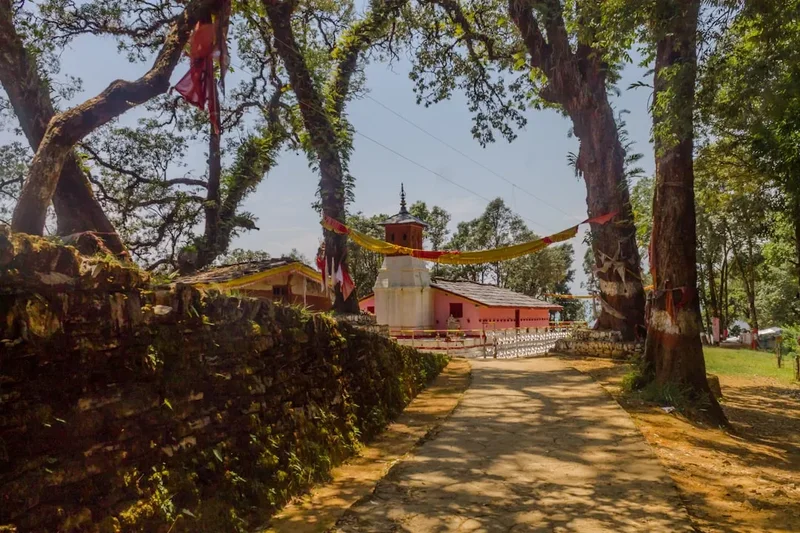
Lumbini is not only a UNESCO World Heritage Site but also a place of active worship for millions. Maintaining its purity and cleanliness is a collective responsibility. The "Leave No Trace" principles are essential for preserving the spiritual and environmental integrity of the site.
Your responsibility as a walker:
- Waste Management: Carry a small bag for your own trash and dispose of it in designated bins in the bazaar or at your hotel. Avoid leaving any litter, including organic waste like fruit peels, within the Sacred Garden or Monastic Zones.
- Respect the Silence: Many people come to Lumbini for silent meditation. Keep your voice low, turn off mobile phone ringers, and avoid playing music while walking through the Monastic Zones.
- Protect the Ruins: Do not touch, climb on, or remove any stones or artefacts from the archaeological sites. These structures are thousands of years old and extremely fragile.
- Water Conservation: Use water sparingly, especially if staying in local guest houses. The Terai faces significant water management challenges.
- Support Local Economy: Purchase handicrafts and food from local vendors to ensure that the benefits of tourism reach the community. Avoid haggling excessively over small amounts.
- No Feeding Wildlife: Do not feed the birds or monkeys. This disrupts their natural diet and can lead to dependency and conflict with humans.
- Stay on Paths: Stick to the established walkways to avoid trampling the local flora and disturbing the nesting sites of birds in the sanctuary areas.
By walking with mindfulness and respect, you contribute to the preservation of Lumbini as a sanctuary of peace for future generations. Leave the site exactly as you found it, taking only memories and a sense of inner calm.
 Nepal
Nepal