
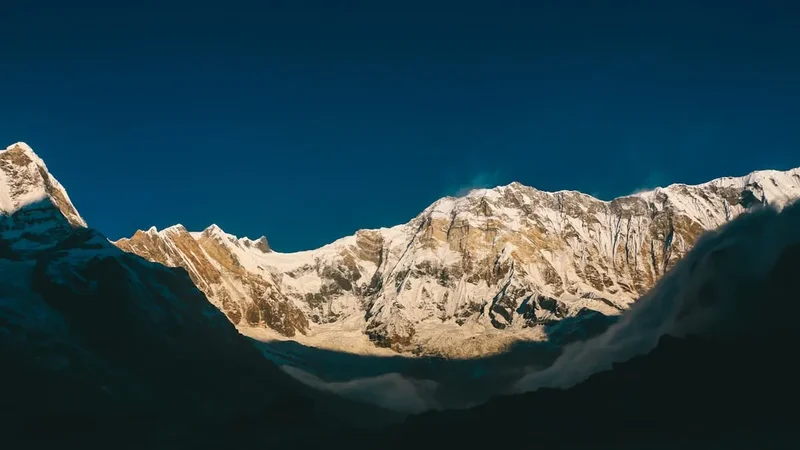
Lumba Sumba Pass Trek - A Remote Himalayan Traverse
The Lumba Sumba Pass Trek is an emerging, remote, and challenging expedition through the less-travelled regions of the eastern Nepal Himalayas. This arduous journey traverses a vast expanse of diverse landscapes, from arid desert-like valleys to high alpine passes, offering an unparalleled immersion into the raw beauty and cultural isolation of the region. Stretching approximately 177 kilometres and typically taking between 17 to 21 days, this trek is designed for experienced trekkers seeking an authentic adventure far from the well-trodden paths. The Lumba Sumba Pass itself, a formidable high-altitude crossing, presents a significant physical and mental challenge, rewarding those who conquer it with breathtaking panoramic views and a profound sense of accomplishment. This trek is a true test of endurance, resilience, and a deep appreciation for the wild, untamed spirit of the Himalayas.
- Distance: 177 km one-way
- Duration: 17–21 days
- Season: October–November (Autumn) or April–May (Spring)
- Difficulty: Very Challenging
- Highest point: Lumba Sumba Pass (approx. 5,200 m)
- Category: Desert/Remote Trek
- Closest City: Taplejung
Overview
The Lumba Sumba Pass Trek is a journey into the heart of Nepal's remote eastern frontier, a region characterised by its stark beauty, dramatic elevation changes, and rich cultural tapestry. Unlike more popular treks, this route offers a profound sense of solitude, allowing trekkers to connect deeply with the natural environment and the local communities who inhabit these isolated valleys. The trek begins in the vicinity of Taplejung, a gateway town that itself is a significant cultural centre, before venturing into increasingly wild and arid landscapes that contrast sharply with the lush foothills often associated with Nepal.
The trail's progression is a testament to the diverse geography of the Himalayas. Early stages might involve traversing lower-altitude valleys, gradually ascending through terraced fields and small villages where traditional lifestyles persist. As the trek gains altitude, the landscape transforms into a more rugged, desert-like terrain, with sparse vegetation clinging to steep slopes and dramatic rock formations dominating the horizon. This arid environment is a unique feature, a stark reminder of the rain shadow effect and the extreme climatic conditions that shape life in these high-altitude regions.
The climax of the trek is the Lumba Sumba Pass, a challenging high-altitude crossing that demands significant physical fitness and acclimatisation. Reaching the pass, often adorned with prayer flags fluttering in the wind, offers a spectacular reward: sweeping vistas of the surrounding Himalayan giants, including potential views of Kanchenjunga and other formidable peaks. The descent from the pass leads into different valleys, potentially offering a glimpse into yet another distinct cultural and geographical zone. This trek is not merely a physical challenge; it is an expedition that tests one's endurance, adaptability, and spirit of adventure, providing an authentic and unforgettable Himalayan experience.
History and Cultural Context
The Lumba Sumba Pass region, while not as historically documented as some of Nepal's more famous trekking routes, has a rich history tied to ancient trade routes and the resilient communities that have called these remote valleys home for centuries. Historically, passes like Lumba Sumba served as vital links between different valleys and regions, facilitating trade and cultural exchange between communities in Nepal and Tibet. These routes were often used by yak herders, traders, and pilgrims, navigating challenging terrain and extreme weather conditions.
The ethnic groups inhabiting the areas around the Lumba Sumba Pass, such as the Rai, Limbu, Sherpa, and Tibetan communities, have unique cultural practices, languages, and traditions that have been shaped by their environment. Their livelihoods have traditionally depended on subsistence farming, animal husbandry (particularly yaks and sheep), and, in some areas, trade. The isolation of these regions has helped preserve these distinct cultural identities, offering trekkers a rare opportunity to witness a way of life that has remained largely unchanged for generations.
The development of Lumba Sumba Pass as a trekking route is a relatively recent phenomenon. As Nepal's tourism industry has expanded, there has been a growing interest in exploring less-visited areas, leading to the gradual establishment of trails and basic teahouses in some parts of the region. However, the Lumba Sumba Pass Trek remains firmly in the realm of expedition trekking, requiring a high degree of self-sufficiency and preparedness. The historical significance of the pass as a conduit between cultures and its role in the subsistence of local communities add a profound layer of depth to the trekking experience, connecting modern adventurers with the ancient pathways of the Himalayas.
Seasonal Highlights and Weather Reality
The Lumba Sumba Pass Trek is best undertaken during two distinct windows, each offering unique advantages and challenges:
Autumn (October–November): This is widely considered the prime season for trekking in Nepal, and Lumba Sumba is no exception. The monsoon rains have subsided, leaving the skies clear and offering excellent visibility of the surrounding mountain ranges. The air is crisp and cool, making for comfortable trekking conditions during the day. Temperatures at higher altitudes can drop significantly, especially at night and on the pass itself, so warm layers are essential. The autumn colours in the lower valleys can be beautiful, and the overall weather is generally stable, reducing the risk of significant travel disruptions.
Spring (April–May): Spring is another favourable season, characterised by warming temperatures and the blooming of rhododendrons and other wildflowers, particularly in the lower and mid-altitudes. The skies are generally clear, though there can be an increased chance of afternoon cloud build-up and occasional showers as summer approaches. The higher passes may still hold some snow, but they are typically passable. This season offers a vibrant and colourful trekking experience, with pleasant daytime temperatures. However, it is also the season when sandflies can become prevalent in lower, warmer areas, requiring appropriate precautions.
Weather Realities: It is crucial to understand that the Lumba Sumba Pass region is subject to extreme and unpredictable mountain weather. Even during the best seasons, conditions can change rapidly. High altitudes mean that temperatures can plummet quickly, and snow can fall at any time of year, especially on the pass. The desert-like sections of the trek can experience intense sun during the day, leading to dehydration and sunburn, while nights can be frigid. Wind is also a significant factor, particularly at higher elevations and on exposed passes, increasing the risk of hypothermia. Trekkers must be prepared for all eventualities, carrying appropriate gear for a wide range of temperatures and weather conditions.
Recommended Itinerary
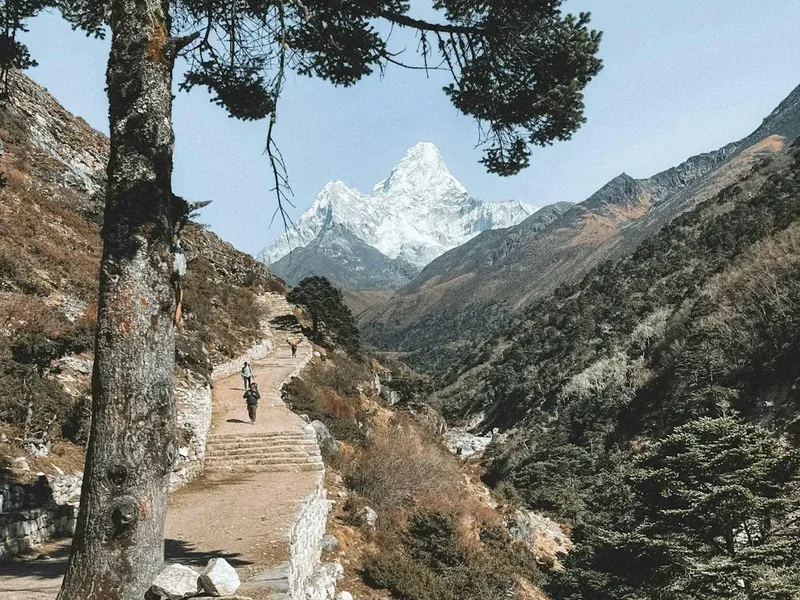
17-Day Lumba Sumba Pass Trek Itinerary (Sample)
Day 1: Arrival in Kathmandu
- Arrive at Tribhuvan International Airport (KTM)
- Transfer to hotel in Kathmandu
- Rest and acclimatisation
- Final gear check and briefing
Day 2: Fly to Bhadrapur, Drive to Taplejung
- Morning flight from Kathmandu to Bhadrapur Airport (BDP)
- Approx. 8–10 hour drive to Taplejung (Suketar)
- Check into a guesthouse in Taplejung
- Obtain necessary permits
Day 3: Taplejung to Chiruwa
- Distance: Approx. 15 km
- Elevation gain: Approx. 800 m
- Time: 6–7 hours
- Begin trek from Taplejung
- Descend towards the Tamur River valley
- Trek through terraced fields and small villages
- Overnight at a teahouse in Chiruwa
Day 4: Chiruwa to Sekathum
- Distance: Approx. 12 km
- Elevation gain: Approx. 600 m
- Time: 5–6 hours
- Continue along the Tamur River
- Pass through lush vegetation and occasional settlements
- Overnight at a teahouse in Sekathum
Day 5: Sekathum to Amjilosa
- Distance: Approx. 10 km
- Elevation gain: Approx. 900 m
- Time: 6–7 hours
- Steeper ascent into a more remote valley
- Scenery becomes more rugged
- Overnight at a teahouse in Amjilosa
Day 6: Amjilosa to Gyabla
- Distance: Approx. 11 km
- Elevation gain: Approx. 700 m
- Time: 5–6 hours
- Trek through rhododendron forests and alpine meadows
- The landscape starts to feel more arid
- Overnight at a teahouse in Gyabla
Day 7: Gyabla to Phale
- Distance: Approx. 9 km
- Elevation gain: Approx. 500 m
- Time: 4–5 hours
- Continue towards higher altitudes
- Pass through small settlements with Tibetan influence
- Overnight at a teahouse in Phale
Day 8: Phale to Ghunsa
- Distance: Approx. 10 km
- Elevation gain: Approx. 600 m
- Time: 5–6 hours
- Reach the larger settlement of Ghunsa
- Opportunity to acclimatise and explore the village
- Overnight at a teahouse in Ghunsa
Day 9: Acclimatisation Day in Ghunsa
- Rest and acclimatisation day
- Optional short hikes to nearby viewpoints or monasteries
- Prepare for the challenging ascent to Lumba Sumba Pass
Day 10: Ghunsa to Kambachen
- Distance: Approx. 12 km
- Elevation gain: Approx. 800 m
- Time: 6–7 hours
- Trek through a dramatic, arid valley
- The landscape becomes increasingly barren and rocky
- Overnight at a teahouse in Kambachen
Day 11: Kambachen to Lumba Sumba Base Camp
- Distance: Approx. 10 km
- Elevation gain: Approx. 900 m
- Time: 6–7 hours
- Ascend towards the pass
- The terrain becomes very steep and challenging
- Set up camp or stay in a basic shelter at the base of the pass
Day 12: Lumba Sumba Pass Crossing to Thungba Kharka
- Distance: Approx. 14 km
- Elevation gain: Approx. 500 m to pass, 700 m descent
- Time: 8–10 hours
- Early morning start for the pass crossing
- Ascend to Lumba Sumba Pass (approx. 5,200 m)
- Enjoy panoramic views (weather permitting)
- Descend to Thungba Kharka
- Overnight camping or basic shelter
Day 13: Thungba Kharka to Yampathang
- Distance: Approx. 15 km
- Elevation gain: Approx. 400 m descent
- Time: 6–7 hours
- Continue descent into a new valley system
- The landscape may start to show signs of more vegetation
- Overnight at a teahouse or camping in Yampathang
Day 14: Yampathang to Olangchung Gola
- Distance: Approx. 13 km
- Elevation gain: Approx. 500 m
- Time: 5–6 hours
- Trek towards the settlement of Olangchung Gola
- This area has strong Tibetan cultural influences
- Overnight at a teahouse in Olangchung Gola
Day 15: Olangchung Gola to Hongongma
- Distance: Approx. 16 km
- Elevation gain: Approx. 600 m descent
- Time: 6–7 hours
- Continue descending through varied terrain
- Pass through forests and meadows
- Overnight at a teahouse or camping in Hongongma
Day 16: Hongongma to Dovan
- Distance: Approx. 18 km
- Elevation gain: Approx. 700 m descent
- Time: 7–8 hours
- Trek towards the final destination
- The landscape becomes greener and more populated
- Overnight at a teahouse in Dovan
Day 17: Dovan to Taplejung (Suketar)
- Distance: Approx. 20 km
- Elevation gain: Approx. 800 m descent
- Time: 7–8 hours
- Final day of trekking
- Reach Taplejung (Suketar)
- Celebrate the completion of the trek
- Overnight at a guesthouse in Taplejung
Day 18: Taplejung to Bhadrapur, Fly to Kathmandu
- Morning drive from Taplejung to Bhadrapur Airport
- Afternoon flight from Bhadrapur to Kathmandu
- Transfer to hotel in Kathmandu
Day 19: Departure from Kathmandu
- Free time for souvenir shopping or sightseeing
- Transfer to airport for departure
Note: This is a sample itinerary and can be adjusted based on trekking pace, acclimatisation needs, and specific route variations. Camping may be required in certain sections, especially around Lumba Sumba Pass.
Planning and Bookings
Book Your Trip
Everything you need to plan your journey
Accommodation
Find places to stay near Taplejung
Flights
Search flights to Taplejung
Essential Preparation
The Lumba Sumba Pass Trek is a demanding expedition that requires meticulous planning and preparation. Due to its remote nature and challenging terrain, trekkers must be in excellent physical condition. A high level of cardiovascular fitness, muscular strength, and endurance is essential, particularly for the sustained ascents and descents and the high-altitude pass crossing. It is recommended to engage in regular aerobic exercise, strength training, and hiking with a weighted backpack in the months leading up to the trek.
Logistics are paramount. Given the limited infrastructure, it is highly advisable to book this trek through a reputable trekking agency. They will handle permits, arrange transportation (including the flight to Bhadrapur and the subsequent drive to Taplejung), secure guides and porters, and organise accommodation and meals. The closest major city for international arrivals is Kathmandu. From Kathmandu, the journey typically involves a flight to Bhadrapur Airport (BDP), followed by a long and often rough road journey to Taplejung, which serves as the primary trailhead. This road journey can take 8-10 hours or more, depending on road conditions. It is crucial to factor in buffer days for potential travel delays due to weather or road issues.
Permits are required for trekking in this region, and these should be obtained in Kathmandu or Taplejung. Information regarding specific permit requirements and costs should be confirmed with your trekking agency or local authorities well in advance.
Trail Accommodation
Accommodation along the Lumba Sumba Pass Trek varies significantly depending on the section of the trail. In the lower-altitude areas closer to Taplejung, trekkers will typically stay in local teahouses or guesthouses. These establishments offer basic but comfortable lodging, usually with twin-sharing rooms and communal dining areas. Facilities are generally simple, with shared bathrooms and limited amenities.
As the trek progresses towards higher altitudes and more remote regions, particularly around the Lumba Sumba Pass itself, accommodation becomes more rudimentary. It is common to rely on camping for several nights. This requires carrying tents, sleeping bags, and cooking equipment, or having these provided by a trekking agency. Campsites are usually established in relatively flat, sheltered areas near water sources. Basic shelters or rudimentary teahouses may exist in some of the higher settlements, but these are often very basic and may not offer full services.
Booking Requirements: For teahouse stays, bookings are generally made by the trekking agency as part of the overall package. For camping sections, all necessary equipment must be arranged in advance. It is advisable to confirm the exact accommodation arrangements with your chosen agency.
Facilities Provided: Teahouses typically provide a bed with a mattress and blankets (though a sleeping bag is essential). They offer a dining area where meals are served. Camping requires carrying all necessary equipment.
What's NOT Provided: Sleeping bags, personal toiletries, towels, and often hot showers are not standard. Meals are usually ordered from a menu at teahouses, and for camping, all food must be carried in.
Seasonal Availability: Teahouses are generally open year-round, but their services may be reduced during the off-seasons. Camping is possible throughout the trekking season but is highly dependent on weather conditions.
Costs: Teahouse costs vary but are generally affordable, ranging from $10-30 USD per night for a room. Meals are additional. Camping requires the cost of equipment rental or purchase, and potentially a campsite fee.
Required Gear
- Sturdy Trekking Boots: Waterproof, well-broken-in hiking boots with good ankle support are essential for navigating varied and challenging terrain.
- Waterproof and Windproof Outerwear: A high-quality waterproof and breathable jacket (e.g., Gore-Tex) and overtrousers are critical for protection against rain, wind, and snow.
- Warm Layers: Multiple insulating layers are necessary. This includes thermal base layers (merino wool or synthetic), fleece jackets or down vests, and a warm, insulated jacket for colder altitudes and evenings.
- Sleeping Bag: A 4-season sleeping bag with a comfort rating of at least -15°C to -20°C is highly recommended, especially for camping and higher altitude stays.
- Backpack: A comfortable trekking backpack (60-75 litres) with a good hip belt and rain cover. A smaller daypack for excursions from base camps is also useful.
- Head Torch: With spare batteries, essential for navigating in the dark, especially in teahouses and during early morning starts.
- Sun Protection: High SPF sunscreen, sunglasses with UV protection, and a wide-brimmed hat or cap. The sun at high altitudes is intense.
- First-Aid Kit: Comprehensive kit including blister treatment, pain relievers, antiseptic wipes, bandages, any personal medications, and altitude sickness medication (consult your doctor).
- Navigation Tools: Map of the region, compass, and a GPS device or smartphone with offline maps. While guides will navigate, personal tools are a safety backup.
- Trekking Poles: Highly recommended for reducing strain on knees during descents and providing stability on uneven terrain.
- Water Bottles/Hydration Reservoir: At least 2-3 litres capacity.
- Water Purification: Water filter, purification tablets, or UV steriliser.
What to Bring
- Food Supplies: While teahouses offer meals, it's wise to carry high-energy snacks like energy bars, nuts, dried fruit, and chocolate, especially for long trekking days and camping sections.
- Toiletries: Biodegradable soap, toothbrush and toothpaste, toilet paper (carry out used paper), hand sanitiser, and any personal hygiene items. Wet wipes are also useful.
- Personal Medications: Any prescription medications, plus basic over-the-counter remedies for common ailments.
- Camera and Batteries: Plenty of memory cards and spare batteries, as charging facilities may be limited.
- Power Bank: For charging electronic devices, as electricity is not always available.
- Duct Tape and Repair Kit: For minor gear repairs.
- Small Towel: Quick-drying travel towel.
- Book or Journal: For downtime in the evenings.
- Cash: Sufficient Nepalese Rupees for personal expenses, tips, and any incidentals not covered by the trekking package. ATMs are not available on the trek.
- Insect Repellent: Especially for lower altitudes during warmer months.
- Lip Balm with SPF: To protect against sun and wind.
Permits
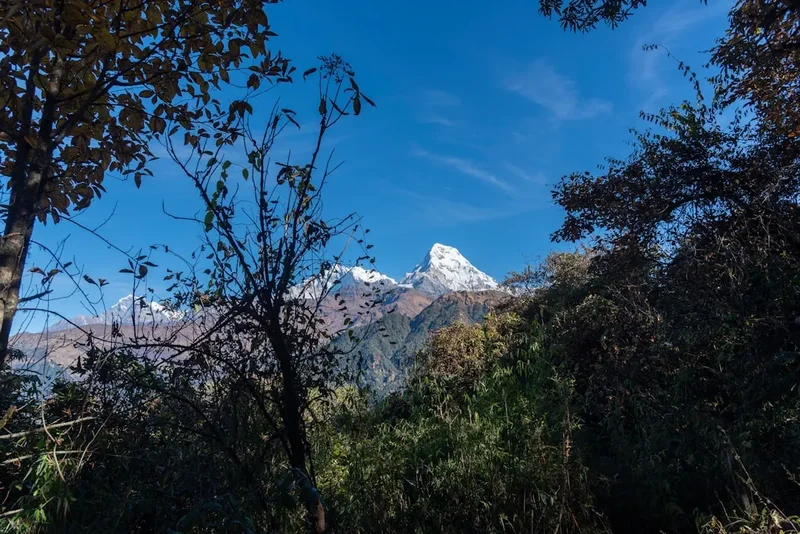
Trekking in the Lumba Sumba Pass region requires specific permits to ensure the protection of the environment and to manage visitor numbers in these sensitive areas. The exact permits needed can vary, but typically include:
- National Park Entry Permit: For entry into the Sagarmatha National Park or any other protected areas the trek may traverse.
- TIMS Card (Trekkers' Information Management System): This card helps track trekkers for safety and security purposes.
- Local Area Permits: Depending on the specific route and local government regulations, additional permits may be required for certain districts or regions.
Obtaining Permits:
- Kathmandu: Most permits can be obtained from the Nepal Tourism Board or relevant government offices in Kathmandu before commencing the trek. Reputable trekking agencies will handle this process on behalf of their clients.
- Taplejung: Some permits may also be obtainable in Taplejung, but it is generally recommended to secure them in Kathmandu to avoid delays.
Important Considerations:
- Advance Booking: While not always mandatory for all permits, it is highly recommended to arrange them well in advance, especially if using a trekking agency.
- Costs: Permit fees vary. The TIMS card typically costs around NPR 2,000 for individual trekkers and NPR 1,000 for trekkers organised by an agency. National Park entry fees can range from $20-30 USD per person. Local area permits may have additional charges.
- Documentation: You will need your passport and visa for Nepal, and passport-sized photographs for the permits.
- Agency Assistance: If you are trekking with an agency, they will guide you through the permit application process and ensure you have all the necessary documentation.
It is crucial to confirm the latest permit requirements with your trekking operator or the Nepal Tourism Board closer to your travel date, as regulations can change.
Other Activities in the Area
While the Lumba Sumba Pass Trek is the primary focus, the surrounding region offers opportunities for cultural immersion and exploration:
- Village Exploration: Spend time in villages like Ghunsa and Olangchung Gola to interact with local communities, learn about their unique customs, and observe their traditional way of life.
- Monastery Visits: Many of the settlements in the higher regions have small monasteries or gompas. Visiting these sacred sites offers insight into the local Buddhist traditions and provides opportunities for quiet reflection.
- Cultural Homestays: In some lower-altitude villages, it might be possible to arrange homestays with local families, offering a deeply authentic cultural experience.
- Photography: The dramatic landscapes, unique flora and fauna, and vibrant local cultures provide endless opportunities for photography.
- Stargazing: Away from light pollution, the night skies in the remote Himalayas are spectacular, offering incredible stargazing opportunities.
- Bird Watching: The diverse altitudes and habitats support a variety of bird species, making it an interesting area for bird watchers.
Safety and Conditions
Altitude Sickness (AMS): This is the most significant risk on the Lumba Sumba Pass Trek due to the high altitude (up to 5,200 metres). Symptoms include headache, nausea, dizziness, and fatigue. Gradual ascent, adequate hydration, and acclimatisation days are crucial. Listen to your body and your guide. If symptoms worsen, descend immediately.
Weather: Mountain weather is notoriously unpredictable. Be prepared for extreme cold, strong winds, rain, and snow, even during the trekking season. Hypothermia is a serious risk. Always carry appropriate gear and know the signs and treatment.
Terrain: The trail can be steep, rocky, and slippery, especially after rain or snow. Trekking poles are highly recommended for stability. Landslides can occur, particularly during the monsoon season or after heavy rainfall.
Remoteness: This is a remote trek with limited access to medical facilities. Evacuation can be difficult and expensive. Ensure you have comprehensive travel insurance that covers high-altitude trekking and emergency helicopter evacuation.
Guides and Porters: Hiring experienced local guides and porters is essential. They possess invaluable knowledge of the terrain, weather, and local culture, and are trained to handle emergencies. Ensure your guides are certified and your porters are treated ethically and paid fairly.
Communication: Mobile phone reception is unreliable and often non-existent in remote areas. Consider carrying a satellite phone or personal locator beacon (PLB) for emergencies.
Water and Food Safety: Drink only purified water. Be cautious with food hygiene; stick to well-cooked meals at teahouses and ensure any food carried is stored properly.
Pre-Trek Health Check: Consult your doctor before the trek to ensure you are fit for high-altitude travel and to discuss necessary vaccinations and altitude sickness medication.
Side Trips and Points of Interest
Lumba Sumba Pass (approx. 5,200 m): The undisputed highlight of the trek. This high-altitude pass offers a challenging but immensely rewarding crossing. On a clear day, the panoramic views from the summit are breathtaking, potentially encompassing the majestic peaks of the Kanchenjunga massif and other surrounding Himalayan giants. The pass is typically adorned with prayer flags, adding a spiritual dimension to the achievement.
Ghunsa Village: A significant settlement in the region, Ghunsa is a vibrant hub with a strong Tibetan cultural influence. It offers a glimpse into the daily lives of the local people, their unique architecture, and their Buddhist traditions. The village is often a resting point for trekkers and provides a good opportunity to acclimatise.
Olangchung Gola: Another culturally rich settlement, Olangchung Gola is known for its ancient monastery and its historical role as a trading post between Nepal and Tibet. The village provides a fascinating insight into the region's past and its enduring cultural heritage.
Arid Valleys: The trek traverses stark, desert-like valleys that are a unique feature of this region. These landscapes, with their rugged rock formations and sparse vegetation, offer a dramatic contrast to the lush foothills and provide excellent photographic opportunities.
Local Monasteries and Chortens: Throughout the trek, particularly in higher settlements, you will encounter numerous small monasteries (gompas) and stupas (chortens). These sacred sites are integral to the local Buddhist culture and offer moments of peace and reflection.
Leave No Trace
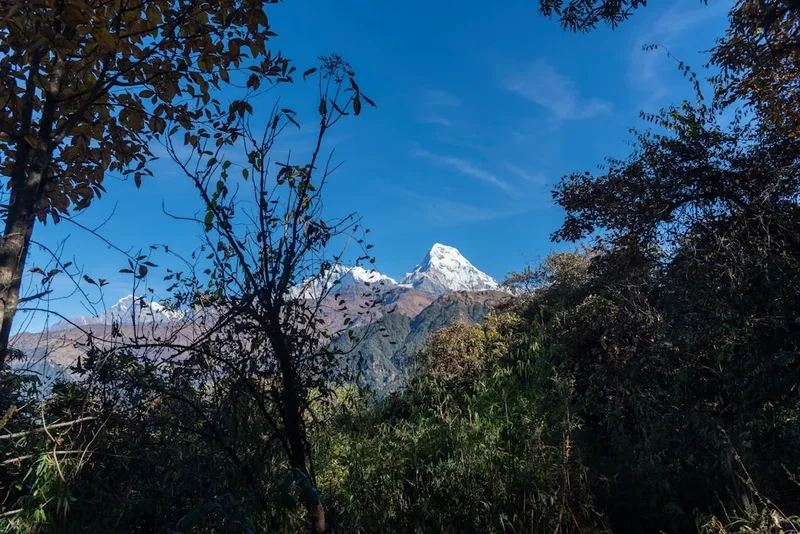
The Lumba Sumba Pass region is a pristine wilderness, home to unique ecosystems and fragile environments. Practising Leave No Trace principles is paramount to preserving its natural beauty and cultural integrity for future generations. As a trekker, you play a vital role in minimising your impact:
- Plan Ahead and Prepare: Understand the challenges of the trek, pack appropriately, and be aware of local regulations.
- Travel and Camp on Durable Surfaces: Stick to established trails and camp in designated areas or on durable surfaces like rock or dry grass. Avoid trampling vegetation.
- Dispose of Waste Properly: Pack out everything you pack in, including all food scraps, wrappers, and toilet paper. Use designated toilets where available, or dig catholes at least 60 metres away from water sources, trails, and campsites.
- Leave What You Find: Do not disturb or remove natural or cultural objects. Take only photographs, leave only footprints.
- Minimise Campfire Impacts: Campfires are generally discouraged in high-altitude and remote areas due to the risk of environmental damage and the scarcity of fuel. Use a portable stove for cooking.
- Respect Wildlife: Observe wildlife from a distance and never feed animals. Feeding can alter their natural behaviour and diet, and can be harmful to their health.
- Be Considerate of Other Visitors: Respect the solitude and tranquility of the wilderness. Keep noise levels down and yield to other trekkers and porters on the trail.
By adhering to these principles, you help ensure that the Lumba Sumba Pass Trek remains a wild and beautiful experience for all who follow.
Useful Links
- Nepal Tourism Board - Lumba Sumba Pass Trek Information
- Trekking Agencies' Association of Nepal (TAAN) - Eastern Himalaya Region
- Department of National Parks and Wildlife Conservation - Kanchenjunga Conservation Area (Note: Lumba Sumba may border or be near this area)
- MetService - Nepal Mountain Forecasts (General guidance, specific local forecasts may be limited)
- Kathmandu Airport Information
 Nepal
Nepal