
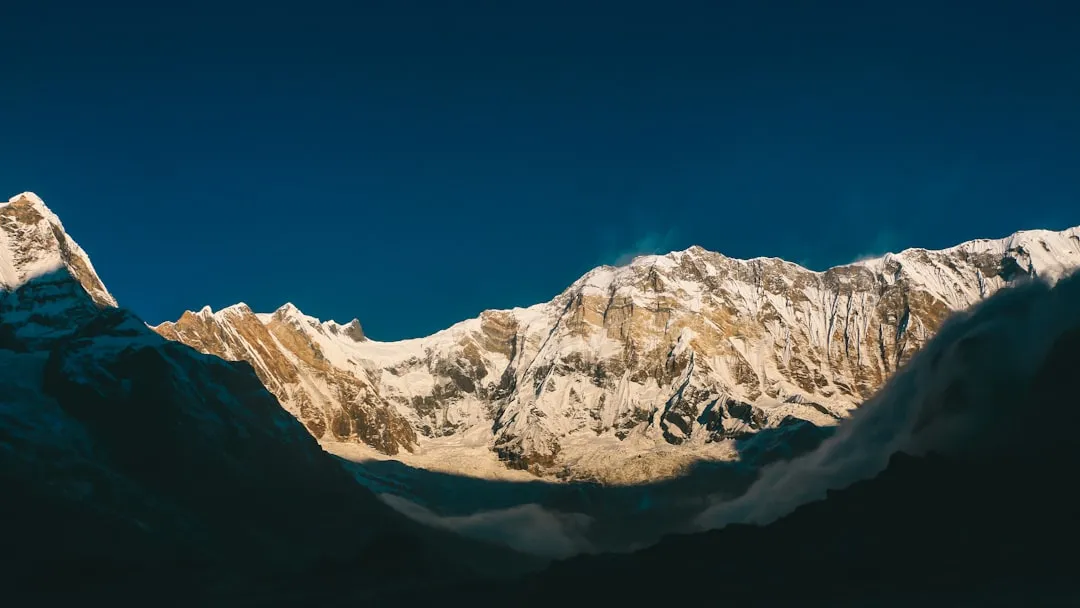
Lower Dolpo Trek - The Hidden Gem of the Himalayas
The Lower Dolpo Trek is an extraordinary journey into one of Nepal's most remote and culturally preserved regions. This challenging trek offers a profound immersion into Tibetan Buddhist culture, ancient Bon traditions, and a landscape of breathtaking, untouched beauty. Unlike many popular Himalayan routes, Lower Dolpo remains relatively unvisited, providing a rare opportunity to experience the authentic spirit of the high Himalayas. The trek traverses high mountain passes, visits remote villages with traditional stone houses, and explores pristine glacial lakes, all while offering stunning views of snow-capped peaks.
- Distance: Approximately 170 km
- Duration: 12–18 days
- Season: September to November (Autumn) and April to May (Spring)
- Difficulty: Challenging
- Highest point: Kang La (Pass) at 5,200 metres
- Closest City: Nepalgunj
- Trailhead Access: Fly to Nepalgunj, then a connecting flight to Juphal (JUM).
- Permits required: Restricted Area Permit (Dolpo), Shey Phoksundo National Park entry permit.
Overview
The Lower Dolpo Trek is an expedition into a land that time seems to have forgotten. Nestled in the rain shadow of the Dhaulagiri massif, this region of Nepal was closed to foreigners until 1989, and even today, access is restricted, preserving its unique cultural and ecological integrity. The trek begins with a dramatic flight into Juphal, a small airstrip perched precariously on a mountainside, marking the gateway to this secluded world.
From Juphal, the trail winds through diverse landscapes. Initially, it follows the Bheri River, passing through terraced fields and small villages. As the trek progresses, the terrain becomes more rugged, ascending through rhododendron and pine forests towards higher altitudes. The highlight of the trek is undoubtedly the journey to Shey Phoksundo National Park, home to the stunning, turquoise Phoksundo Lake. This sacred lake, surrounded by dramatic cliffs and snow-capped peaks, is a place of deep spiritual significance for the local Bonpo and Buddhist communities.
The trek continues over high passes, including the Kang La (5,200m) and potentially the Jeng La (5,080m), offering panoramic views of the Dolpo landscape and surrounding Himalayan giants. The villages encountered, such as Dunai, Juphal, Ringmo, and Saldang, are characterised by their traditional architecture, prayer flags fluttering in the wind, and the warm hospitality of their inhabitants. The people of Lower Dolpo are predominantly of Tibetan descent, maintaining ancient customs, dress, and religious practices, including the pre-Buddhist Bon religion, which is still practiced here alongside Tibetan Buddhism.
This trek is not for the faint-hearted. It demands excellent physical fitness, acclimatisation to high altitudes, and a willingness to embrace basic living conditions. However, the rewards are immense: an unparalleled cultural experience, breathtaking natural scenery, and the satisfaction of having explored one of the last truly wild frontiers of the Himalayas.
History and Cultural Context
The Dolpo region has a rich and ancient history, deeply intertwined with Tibetan culture and the spread of Buddhism and the Bon religion. For centuries, Dolpo served as a vital trading route connecting Tibet with the lower valleys of Nepal. Its isolation, enforced by formidable mountain ranges and a harsh climate, has allowed its unique cultural heritage to flourish largely untouched by external influences.
The Bon religion, which predates Buddhism in Tibet, has a strong presence in Lower Dolpo. Ancient Bon monasteries, such as the one in Saldang, are still active centres of worship and learning. The Bonpo people have preserved their distinct rituals, scriptures, and cosmology, offering a fascinating glimpse into a spiritual tradition that predates many of the more widely known Buddhist practices.
The region's isolation was further reinforced by Nepal's political landscape. Until the late 20th century, Dolpo was a restricted area, largely inaccessible to outsiders. This policy, while limiting external interaction, was instrumental in preserving the traditional way of life, the unique architecture of the villages, and the pristine natural environment. The opening of Dolpo to trekking in 1989 marked a significant shift, allowing a select few to witness its wonders, but strict regulations remain in place to protect its fragile ecosystem and cultural identity.
The villages of Lower Dolpo, such as Ringmo and Saldang, are living museums. Their stone houses, flat roofs, and narrow alleyways are characteristic of traditional Tibetan settlements. The rhythm of life is dictated by the seasons, with agriculture and animal husbandry forming the backbone of the local economy. The spiritual life of the communities is vibrant, with prayer flags adorning every vantage point, mani walls (stones carved with Buddhist mantras) lining the paths, and the chanting of monks echoing through the valleys.
Seasonal Highlights and Weather Reality
The best times to trek in Lower Dolpo are during the spring (April to May) and autumn (September to November). These periods offer the most favourable weather conditions for high-altitude trekking.
Spring (April to May): As winter recedes, the snow begins to melt, and the landscape awakens. Rhododendrons bloom in vibrant colours, adding a splash of beauty to the lower valleys. The weather is generally stable, with clear skies and moderate temperatures, although higher passes can still be snow-covered early in the season. This is an excellent time for photography, with good visibility and blooming flora.
Autumn (September to November): This is considered the prime trekking season for Lower Dolpo. The monsoon rains have ceased, leaving the air crisp and clear. Visibility is excellent, offering spectacular panoramic views of the Himalayan peaks. Temperatures are cool to cold, especially at higher altitudes, but daytime trekking is usually pleasant. The skies are typically a deep blue, and the landscapes are bathed in golden sunlight. This season is ideal for experiencing the full grandeur of the Dolpo region.
Monsoon (June to August): The summer months bring heavy rainfall to much of Nepal. However, Lower Dolpo lies in the rain shadow of the Dhaulagiri Himalayas, meaning it receives significantly less rainfall than the southern regions. While trekking is possible, trails can be muddy, and visibility may be reduced due to cloud cover. The landscape is lush and green, but the high passes might be obscured. This season is generally less preferred due to potential travel disruptions and less predictable weather.
Winter (December to March): Winter in Lower Dolpo is harsh, with heavy snowfall and extremely cold temperatures. High passes become impassable, and many villages are cut off. Trekking during this period is only recommended for experienced mountaineers with specialised winter gear and extensive knowledge of the region. Most lodges and teahouses in the lower regions may be closed.
Recommended Itinerary
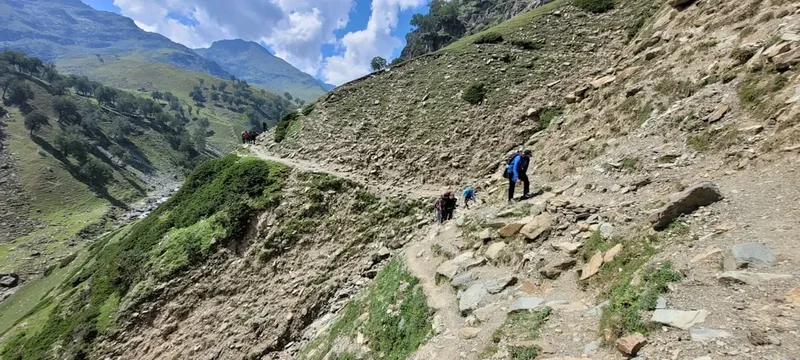
15-Day Lower Dolpo Trek Itinerary
Day 1: Arrival in Nepalgunj & Flight to Juphal
- Fly from Kathmandu to Nepalgunj (KEP)
- Connect to a domestic flight from Nepalgunj to Juphal (JUM)
- Juphal is the starting point of the trek
- Check into a local lodge or guesthouse in Juphal
- Briefing and gear check
Day 2: Juphal to Dunai
- Distance: Approximately 10 km
- Time: 3–4 hours
- Trek through terraced fields and small villages
- Follow the Bheri River downstream
- Arrive in Dunai, the administrative centre of Dolpa district
- Explore the town and its surroundings
Day 3: Dunai to Ankhe
- Distance: Approximately 12 km
- Time: 5–6 hours
- Ascend through rhododendron and pine forests
- Cross suspension bridges over the Bheri River
- The trail becomes steeper as you approach Ankhe
Day 4: Ankhe to Sulighat
- Distance: Approximately 10 km
- Time: 4–5 hours
- Continue through dense forest
- Descend towards the Sulighat River
- The trail is often narrow and can be slippery
Day 5: Sulighat to Phoksundo Lake (Ringmo Village)
- Distance: Approximately 15 km
- Time: 6–7 hours
- A challenging day with significant ascent
- Enter Shey Phoksundo National Park
- Reach the stunning turquoise Phoksundo Lake
- Arrive at Ringmo village, a traditional Bonpo settlement
Day 6: Acclimatisation and Exploration around Phoksundo Lake
- Rest day for acclimatisation
- Explore Ringmo village and its ancient Bon monastery
- Walk along the shores of Phoksundo Lake
- Enjoy the breathtaking scenery
Day 7: Ringmo to Sallaghari
- Distance: Approximately 10 km
- Time: 4–5 hours
- Trek through pine forests
- Ascend gradually towards Sallaghari
- Camp in a scenic spot
Day 8: Sallaghari to Nangdalo La Base Camp
- Distance: Approximately 8 km
- Time: 4–5 hours
- Continue ascending towards the Nangdalo La
- Set up camp at the base of the pass
- Prepare for the high pass crossing the next day
Day 9: Nangdalo La (5,200m) to Shey Gompa
- Distance: Approximately 12 km
- Time: 7–8 hours
- Cross the Nangdalo La, the highest point of the trek
- Enjoy spectacular panoramic views of the Dolpo region
- Descend towards Shey Gompa, a sacred Buddhist monastery
- Explore the ancient monastery and its surroundings
Day 10: Shey Gompa to Namgung Village
- Distance: Approximately 10 km
- Time: 4–5 hours
- Trek through a high alpine landscape
- Descend towards Namgung village
- Visit the Namgung monastery
Day 11: Namgung Village to Saldang
- Distance: Approximately 10 km
- Time: 4–5 hours
- Trek through a fertile valley
- Arrive in Saldang, a large and important village in Lower Dolpo
- Explore the village and its unique architecture
Day 12: Saldang to Yangjer Gompa
- Distance: Approximately 12 km
- Time: 5–6 hours
- Trek along the Nawa Khola river
- Visit the Yangjer Gompa, another significant monastery
- Camp in the vicinity of the gompa
Day 13: Yangjer Gompa to Khomagaon
- Distance: Approximately 15 km
- Time: 6–7 hours
- Continue trekking through remote valleys
- Pass through small hamlets
- Arrive in Khomagaon
Day 14: Khomagaon to Juphal
- Distance: Approximately 18 km
- Time: 7–8 hours
- A long day of trekking, mostly downhill
- Rejoin the Bheri River
- Arrive back in Juphal
- Celebrate the completion of the trek
Day 15: Flight from Juphal to Nepalgunj & Departure
- Morning flight from Juphal to Nepalgunj
- Connect to your international flight from Kathmandu
Note: This itinerary is a guideline and can be adjusted based on weather conditions, acclimatisation, and the pace of the group. It is also possible to extend the trek to explore more remote areas of Dolpo.
Planning and Bookings
Book Your Trip
Everything you need to plan your journey
Accommodation
Find places to stay near Nepalgunj
Flights
Search flights to Nepalgunj
Essential Preparation
Lower Dolpo is a remote region, and planning is paramount. Due to its restricted status, trekkers must be accompanied by a licensed guide and a minimum group size is often enforced. All necessary permits must be obtained in advance, typically in Kathmandu. Flights to Juphal are weather-dependent and can be subject to delays or cancellations, so building in buffer days is crucial. Nepalgunj serves as the gateway city for flights into Dolpo, and it's advisable to spend at least one night there to manage logistics and acclimatise slightly before the flight to Juphal.
Fitness is a critical component of preparation. The trek involves long days of walking at high altitudes, often over challenging terrain and high mountain passes. A good level of cardiovascular fitness, stamina, and experience with multi-day trekking is essential. Training should include hiking with a weighted backpack, hill climbing, and endurance exercises. Acclimatisation is also key; the itinerary is designed with gradual ascents and rest days to minimise the risk of altitude sickness.
Trail Accommodation
Accommodation in Lower Dolpo is basic and varies significantly depending on the location. In larger villages like Dunai and Juphal, you will find local lodges or teahouses offering simple rooms with beds and blankets. These establishments provide a communal dining area where meals are served.
As you move into more remote areas and higher altitudes, accommodation transitions to camping. Your trekking agency will arrange for tents, sleeping mats, and a full support crew including cooks and porters. Meals will be prepared by your trekking team, offering a range of Nepali and Tibetan dishes. Campsites are typically set up in scenic locations, often near villages or water sources.
Hut/Lodge Facilities:
- Basic rooms with beds and mattresses
- Communal dining area
- Limited toilet facilities (often squat toilets, sometimes pit latrines)
- No electricity for charging devices in most locations
- No heating in rooms
Camping Facilities:
- Tents for sleeping
- Dining tent for meals
- Kitchen tent for food preparation
- Portable toilet facilities may be provided
What's NOT Provided:
- Hot showers are rare and often an extra charge
- Personal toiletries
- Sleeping bags (must be brought by the trekker, rated for cold temperatures)
- Cooking equipment (provided by the trekking agency)
- Food (provided by the trekking agency during camping portions)
Seasonal Availability: Lodges and teahouses are generally open during the trekking seasons (Spring and Autumn). During the winter months, many may be closed due to snow and lack of visitors.
Costs: Lodge stays are typically inexpensive, ranging from $5-$15 USD per night. Camping costs are included in the overall trekking package price, which covers guides, porters, food, and permits.
Required Gear
- Sturdy Trekking Boots: Waterproof, well broken-in, with good ankle support.
- Waterproof Jacket and Trousers: Essential for protection against rain and wind, especially at higher altitudes.
- Warm Layers: Thermal base layers (merino wool or synthetic), fleece jackets, and a warm down or synthetic insulated jacket for evenings and high passes.
- Sleeping Bag: A 4-season sleeping bag rated to at least -15°C (-17°C) is recommended for camping.
- Backpack: A comfortable trekking backpack (50-70 litres) with a rain cover.
- Daypack: A smaller pack (20-30 litres) for essentials during daily treks.
- Headlamp: With extra batteries, for use in lodges and during early morning starts.
- Sun Protection: High SPF sunscreen, lip balm with SPF, sunglasses (polarized recommended), and a wide-brimmed hat or cap.
- First-Aid Kit: Comprehensive kit including personal medications, blister treatment, pain relievers, antiseptic wipes, bandages, and altitude sickness medication (consult your doctor).
- Trekking Poles: Highly recommended for stability and reducing strain on knees, especially on descents.
What to Bring
- Food and Snacks: While meals are provided during camping, it's wise to carry high-energy snacks like nuts, dried fruit, energy bars, and chocolate for between meals and for the trek itself.
- Water Purification: Water purification tablets or a filter are essential, as treated water is not always available.
- Toiletries: Biodegradable soap, toothbrush, toothpaste, wet wipes, hand sanitiser, and any personal hygiene items.
- Personal Items: Camera, extra batteries, power bank for charging devices, book or journal, small towel.
- Documents: Passport, visa, trekking permits, travel insurance details, and copies of all important documents.
- Cash: Nepali Rupees for lodges, tips, and personal expenses. ATMs are not available in Dolpo.
- Insect Repellent: While less of an issue at high altitudes, it can be useful in lower valleys.
- Duct Tape: Invaluable for quick repairs to gear.
Permits
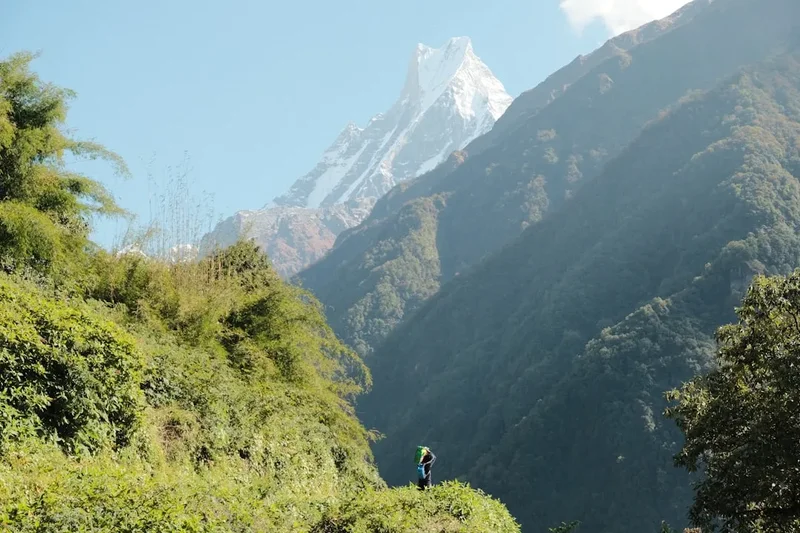
Trekking in Lower Dolpo requires specific permits due to its restricted area status and its location within a national park. These permits are essential for your entry and must be obtained in advance, typically through your registered trekking agency in Kathmandu.
Required Permits:
- Restricted Area Permit (Dolpo): This permit is mandatory for all foreign trekkers entering the Dolpo region. The cost and validity period can vary, but it is generally a significant portion of the overall permit fees. As of recent regulations, the fee is approximately USD $500 per person for the first 10 days, with an additional $50 USD per day for each extra day.
- Shey Phoksundo National Park Entry Permit: This permit is required to enter the national park where the stunning Phoksundo Lake is located. The fee is typically around USD $30 per person.
- TIMS Card (Trekkers' Information Management System): While sometimes waived for restricted area permits, it's advisable to confirm if a TIMS card is still required or included in your package.
Obtaining Permits:
- Through a Trekking Agency: The most common and recommended method is to arrange your permits through a reputable, government-registered trekking agency in Kathmandu. They will handle the application process, ensuring all requirements are met.
- In Person (Less Common): It is theoretically possible to obtain some permits in person in Kathmandu, but this is often more complex and time-consuming for restricted areas.
Important Considerations:
- Advance Application: Permits for restricted areas like Dolpo must be applied for well in advance of your trek start date.
- Group Trekking: Trekkers are generally required to trek in groups of at least two people and must be accompanied by a licensed Nepali guide.
- Documentation: You will need to provide copies of your passport, visa, and passport-sized photographs.
Failure to obtain the correct permits can result in denial of entry, fines, or deportation. Ensure your trekking agency handles all permit arrangements efficiently.
Other Activities in the Area
While the primary focus of a Lower Dolpo trek is the journey itself, the region offers opportunities for cultural immersion and exploration beyond the main trail:
- Village Exploration: Spend extra time in villages like Ringmo, Namgung, and Saldang to interact with locals, observe their daily life, and learn about their unique customs and traditions.
- Monastery Visits: Dolpo is dotted with ancient monasteries, including the Bon monastery at Ringmo and the Shey Gompa. Visiting these sacred sites offers insight into the spiritual heart of the region.
- Bonpo Cultural Immersion: If your trek coincides with local festivals or ceremonies, you may have the opportunity to witness unique Bonpo rituals and practices.
- Photography: The dramatic landscapes, traditional villages, and vibrant culture of Lower Dolpo provide endless opportunities for stunning photography.
- Stargazing: With minimal light pollution, the night skies in Dolpo are incredibly clear, offering spectacular views of the Milky Way and constellations.
- Local Crafts: In some villages, you may find opportunities to purchase local handicrafts, such as hand-woven textiles and traditional artwork.
Safety and Conditions
Altitude Sickness (AMS): This is the most significant risk on any high-altitude trek. Symptoms include headache, nausea, dizziness, and fatigue. The best prevention is gradual acclimatisation, adequate hydration, and avoiding overexertion. Your guide will monitor your condition closely. If symptoms worsen, descent is the only cure.
Weather: Weather in the Himalayas can change rapidly. Be prepared for cold temperatures, strong winds, and potential snow, especially at higher elevations and on passes. Always carry appropriate clothing layers.
Trail Conditions: Trails can be narrow, rocky, and uneven. Some sections may be slippery, especially after rain or snow. Trekking poles are highly recommended for stability.
Remoteness: Lower Dolpo is very remote, and medical facilities are extremely limited. Evacuation can be difficult and expensive. Ensure you have comprehensive travel insurance that covers high-altitude trekking and emergency helicopter evacuation.
Guides and Porters: Always trek with a licensed and experienced guide. They are trained in first aid, altitude sickness management, and navigation. Porters are essential for carrying gear, making the trek more manageable.
Hygiene: Practice good hygiene to prevent gastrointestinal problems. Use hand sanitiser before eating and after using the toilet. Ensure water is purified.
Communication: Mobile phone reception is virtually non-existent in most of Lower Dolpo. Satellite phones are sometimes carried by trekking agencies for emergencies.
Respect Local Customs: Dress modestly when visiting villages and monasteries. Always ask permission before taking photographs of people. Be mindful of local traditions and beliefs.
Side Trips and Points of Interest
Phoksundo Lake: The jewel of Lower Dolpo, this stunning turquoise lake is considered sacred. Its pristine waters, surrounded by dramatic cliffs and snow-capped peaks, are a sight to behold. The village of Ringmo, perched above the lake, offers a unique cultural experience with its traditional Bonpo architecture and way of life.
Shey Gompa: Located at an altitude of 4,200 metres, Shey Gompa is one of the oldest and most important Buddhist monasteries in Dolpo. It is often referred to as the "Crystal Monastery" due to its location and the surrounding mineral-rich rocks. The monastery is a centre of spiritual activity and offers a glimpse into the deep-rooted Buddhist traditions of the region.
Saldang Village: This is one of the largest and most important settlements in Lower Dolpo, situated on a plateau overlooking the Nawa Khola river. Saldang is known for its traditional flat-roofed houses, its ancient Bon monastery, and its role as a vital trading hub. The surrounding landscape is rugged and beautiful, with terraced fields clinging to the hillsides.
Nangdalo La (Pass): Reaching over 5,200 metres, this high mountain pass offers breathtaking panoramic views of the Dolpo region. The ascent is challenging, but the reward of standing atop the pass, surrounded by a sea of peaks, is immense. It's a prime spot for photography and appreciating the vastness of the Himalayas.
Bon Monasteries: Dolpo is a stronghold of the Bon religion. Visiting ancient Bon monasteries, such as the one in Ringmo or Saldang, provides a unique opportunity to learn about this pre-Buddhist spiritual tradition, its rituals, and its distinct iconography.
Leave No Trace
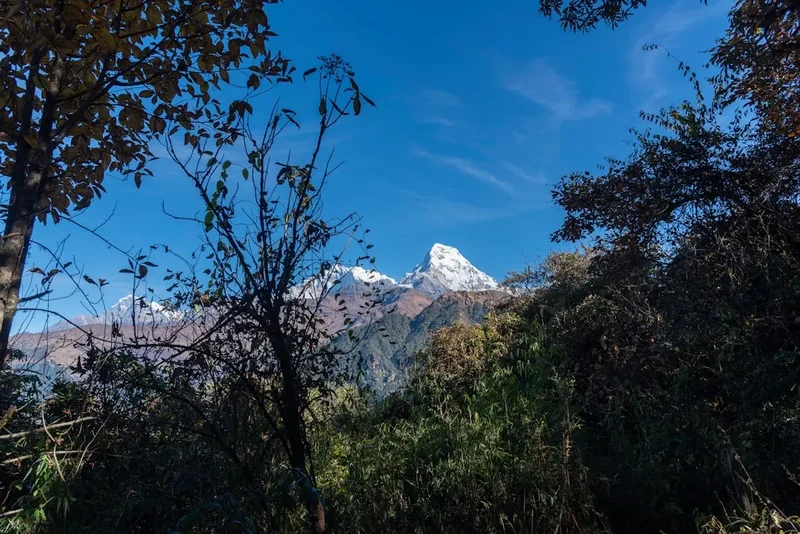
The Lower Dolpo region is a pristine wilderness, and it is crucial for trekkers to adhere to Leave No Trace principles to preserve its natural beauty and cultural heritage for future generations. The remoteness and fragility of this environment demand a high level of responsibility from every visitor.
Plan Ahead and Prepare: Understand the regulations and unique characteristics of Dolpo. Travel with a licensed guide and ensure your trekking agency follows responsible practices.
Travel and Camp on Durable Surfaces: Stick to established trails to avoid damaging vegetation. When camping, use designated campsites or choose durable surfaces like rock or dry grass, well away from water sources.
Dispose of Waste Properly: Pack out everything you pack in, including all food scraps, wrappers, and toilet paper. Use designated toilets where available, or dig catholes at least 60 metres away from water, trails, and campsites. Human waste can contaminate water sources in this sensitive environment.
Leave What You Find: Do not remove any natural objects, cultural artifacts, or historical items. Respect the local culture and traditions; observe without disturbing.
Minimise Campfire Impacts: Campfires are generally not permitted in Dolpo due to the risk of environmental damage and the scarcity of firewood. Use portable stoves for cooking.
Respect Wildlife: Observe wildlife from a distance and never feed animals. Feeding them can alter their natural behaviour and diet, and can be harmful.
Be Considerate of Other Visitors: While Dolpo is remote, you may encounter other trekkers or local communities. Keep noise levels down, respect their privacy, and be courteous.
By following these principles, you contribute to the long-term sustainability of trekking in Lower Dolpo, ensuring its magic remains for years to come.
 Nepal
Nepal