
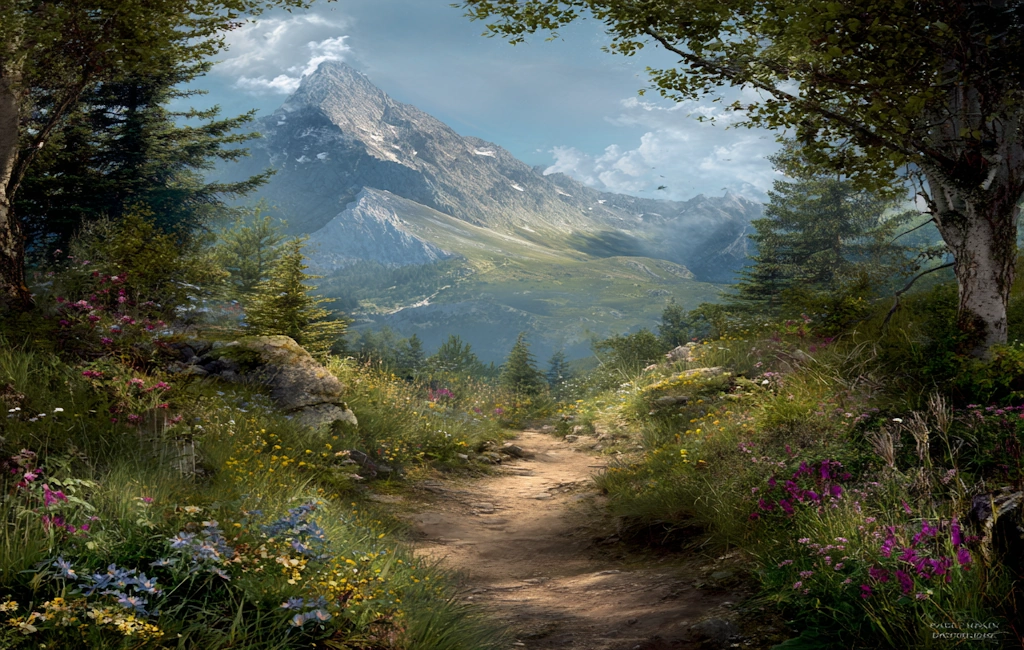
Lost Lake Trail - The Mirror of Mount Hood
The Lost Lake Trail is one of Oregon’s most iconic and visually rewarding day walks, offering a quintessential Pacific Northwest experience within the shadow of the majestic Mount Hood. This 8.0-kilometre loop circumnavigates the pristine, deep-blue waters of Lost Lake, providing walkers with a front-row seat to the famous "mirror reflection" of the snow-capped peak. Situated at an elevation of approximately 957 metres within the Mount Hood National Forest, the trail traverses a diverse landscape of ancient old-growth forests, lush wetlands, and rocky shorelines. Unlike many of the more strenuous alpine ascents in the Cascade Range, the Lost Lake Trail is celebrated for its accessibility and high reward-to-effort ratio, making it a favourite for families, photographers, and nature enthusiasts alike.
The journey is more than just a walk; it is an immersion into a temperate rainforest ecosystem where Douglas firs and Western red cedars, some centuries old, tower overhead. The trail is meticulously maintained, offering a gentle gradient that allows walkers to focus on the surrounding biodiversity, from the vibrant huckleberry bushes to the occasional sighting of an osprey diving for trout. Whether you are visiting in the crisp clarity of late spring or the golden hues of early autumn, the Lost Lake Trail serves as a serene sanctuary, far removed from the urban bustle of nearby Portland, yet perfectly positioned to showcase the raw, volcanic beauty of the Oregon Cascades.
- Distance: 8.0 km loop
- Duration: 2–4 hours
- Elevation Gain: 244 m
- Difficulty: Moderate
- Best Time: Late May to October (seasonal road closures apply)
- Closest City: Portland, Oregon (approx. 1.5–2 hours drive)
- Trailhead: Lost Lake Campground / Resort
- Highest Point: Approximately 1,050 m (on the viewpoint spurs)
Overview
The Lost Lake Trail is a masterclass in lakeside trekking, designed to showcase the varying faces of Mount Hood from every conceivable angle. The loop is generally walked in a clockwise direction to save the most dramatic views for the latter half of the journey, though it is equally rewarding in reverse. The path is a mixture of soft forest floor, wooden boardwalks over sensitive wetlands, and occasional rocky sections that require steady footing. With a modest elevation gain of 244 metres, the trail provides enough of a challenge to feel like a genuine hike without the punishing verticality often associated with the Cascades.
The lake itself is a geological marvel. Reaching depths of up to 53 metres, it is one of the deepest lakes in the Mount Hood National Forest. Its clarity is legendary, often allowing walkers to see submerged logs and fish swimming several metres below the surface. The "Lost Lake" name is shared by several bodies of water in Oregon, but this particular location is the most famous due to its perfectly framed view of Mount Hood (3,429 m). On a calm day, the lake acts as a giant liquid mirror, reflecting the mountain’s glaciers and crags with such precision that it is often difficult to tell where the water ends and the sky begins.
Beyond the visual spectacle, the trail offers a deep dive into the ecology of the region. The northern and western shores are dominated by old-growth forest, where the air is thick with the scent of pine and damp earth. Here, the canopy is so dense that even on the brightest summer days, the trail remains cool and shaded. In contrast, the southern shore opens up into marshy wetlands and meadows that burst into colour during the wildflower season. This variety ensures that every kilometre of the 8.0-km loop feels distinct, keeping the walker engaged and curious about what lies around the next bend.
History and Cultural Context
The area surrounding Lost Lake has been a place of significance for thousands of years. Long before European settlers arrived in the Pacific Northwest, the land was frequented by Indigenous peoples, including the Wasco-Wishram and Molala tribes. For these communities, the lake and the surrounding forests were vital for seasonal hunting, berry gathering, and spiritual reflection. Mount Hood, known to the local tribes as Wy'east, holds a central place in regional mythology, often depicted as a powerful and temperamental deity. The lake was seen as a sacred space beneath the watchful eye of the mountain.
The "discovery" of the lake by Westerners is attributed to a search party in 1880. Led by Joe and John Casaneira, the group was searching for a legendary lake they had heard about from Indigenous guides. When they finally stumbled upon the hidden basin, they found it so well-concealed by the dense timber that they aptly named it "Lost Lake." By the early 20th century, the secret was out, and the lake became a popular destination for early Oregonian tourists who would travel by horse and wagon from the Columbia River Gorge to camp on its shores.
The development of the trail and the surrounding facilities saw a significant boost during the 1930s. The Civilian Conservation Corps (CCC), a public work relief programme established during the Great Depression, was instrumental in building many of the original structures and paths in the Mount Hood National Forest. Their craftsmanship is still visible today in the stone masonry and well-graded trails that have stood the test of time. Today, the lake is managed as part of the Mount Hood National Forest, with the Lost Lake Resort operating under a special use permit, ensuring that the historical charm of the area is preserved while providing modern amenities for the thousands of visitors who walk the trail each year.
Want more background? Read extended notes on history and cultural context → Learn more
Seasonal Highlights and Weather Reality
The Lost Lake Trail is a seasonal gem, with its accessibility dictated by the heavy snowpack that defines the Oregon Cascades. Because the trailhead sits at nearly 1,000 metres, the access roads (specifically Lolo Pass Road) are typically blocked by snow from November through to May. Consequently, the prime walking season is relatively short, peaking in the summer months when the alpine air is warm and the trail is dry.
Spring (Late May to June): This is a period of transition. While the lower sections of the trail may be clear, walkers should expect lingering snow patches in the deeper forest sections. The lake is at its highest level during this time, fed by the melting snow from the surrounding ridges. The waterfalls and small tributary streams are at their most vigorous, and the forest is a vibrant, neon green as new growth emerges. However, be prepared for "June-uary"—a local term for the cold, rainy spells that can suddenly return to the mountains.
Summer (July to August): This is the most popular time to visit. The weather is generally stable, with temperatures ranging from 15°C to 25°C. The wildflowers in the southern meadows, including lupine and Indian paintbrush, are in full bloom. This is also the best time for the iconic mountain reflection, as the winds are often calmer in the early morning and late evening. The downside of summer is the presence of mosquitoes, particularly near the marshy areas, so repellent is essential.
Autumn (September to October): Many locals consider this the best season for the Lost Lake Trail. The crowds thin out, the mosquitoes disappear, and the vine maples turn brilliant shades of orange and red. The air is crisp and clear, often providing the best visibility for viewing Mount Hood. By late October, the first dustings of snow begin to appear on the mountain’s lower flanks, signalling the impending closure of the access roads for the winter.
Winter (November to April): The trail is effectively closed to standard walking. While the area is accessible to experienced snowshoers or cross-country skiers, it requires a significant trek from the winter road closure point, often adding 15–20 km to the journey. Avalanche risk must be assessed, and self-sufficiency is mandatory as the resort facilities are shuttered.
Recommended Itinerary
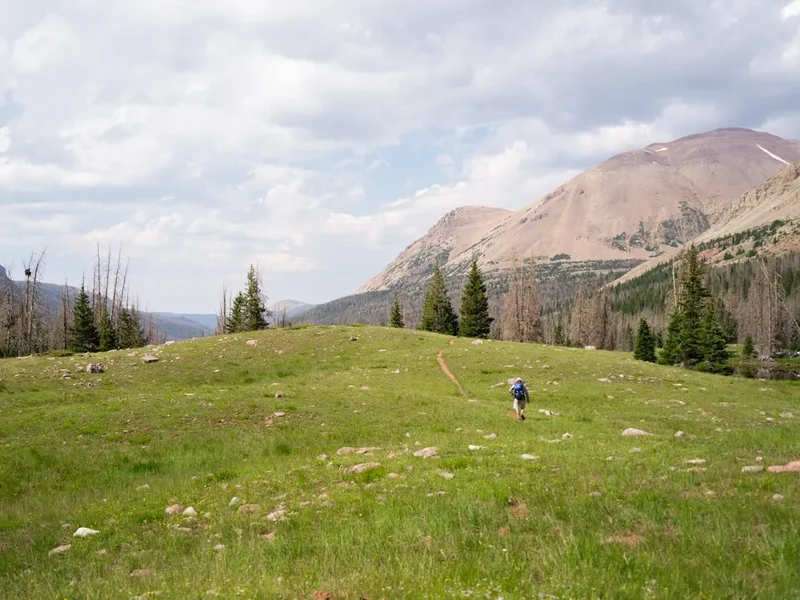
Lost Lake Loop Progression
Phase 1: The North Shore and Old Growth Forest
- Distance: 2.5 km
- Time: 45–60 minutes
- Start at the main day-use parking area near the Lost Lake Resort.
- Follow the signs for the "Lakeshore Trail" heading clockwise (north).
- The trail begins on a well-maintained path that quickly enters a stand of ancient Douglas firs.
- Cross several small wooden bridges over crystal-clear inlet streams.
- Look for the "Old Growth Boardwalk" spur—a short, accessible loop that takes you into the heart of the oldest trees in the basin.
- This section is cool and shaded, perfect for a mid-morning start.
Phase 2: The Western Shore and Viewpoint Spurs
- Distance: 2.0 km
- Time: 45–60 minutes
- As you round the northern tip of the lake, the trail begins to climb slightly away from the water.
- This section offers the first glimpses of Mount Hood through the trees.
- Keep an eye out for the "Lost Lake Butte" trail junction; while the Butte is a strenuous climb, there are smaller, flatter spurs that lead to rocky outcrops overlooking the lake.
- The terrain here is slightly more rugged, with exposed roots and occasional rocky steps.
- Pause at the various "window" viewpoints where the forest opens up to reveal the mountain’s reflection in the water below.
Phase 3: The Southern Meadows and Wetlands
- Distance: 2.0 km
- Time: 30–45 minutes
- The trail descends back to lake level as you reach the southern end.
- The environment shifts dramatically from dense forest to open marshland and meadows.
- Extensive boardwalks protect the fragile wetland ecosystem.
- This is the prime location for wildflower viewing in July and August.
- The view of Mount Hood from the southern shore is the "classic" postcard shot—the mountain is perfectly centred across the long axis of the lake.
- Expect more sunshine in this section as the canopy opens up.
Phase 4: The Eastern Shore and Return
- Distance: 1.5 km
- Time: 30 minutes
- The final leg of the loop follows the eastern shoreline back towards the resort and campground.
- The trail is mostly flat and runs close to the water’s edge.
- Pass through several small walk-in campsites and picnic spots.
- The eastern shore is a great place to spot waterfowl, including mergansers and the occasional loon.
- Finish the walk at the Lost Lake Store, where you can grab a cold drink or an ice cream to celebrate the completion of the loop.
Important Notes:
- The trail is a loop, so you can start from any point in the campground or day-use areas.
- Clockwise is recommended for the best "reveal" of Mount Hood.
- Allow extra time for photography; the light changes rapidly and you will want to stop often.
- The trail is dog-friendly but pets must be kept on a lead at all times.
- Bicycles are not permitted on the Lakeshore Trail to protect the path and ensure walker safety.
Planning and Bookings
Book Your Trip
Everything you need to plan your journey
Accommodation
Find places to stay near Portland, Oregon
Flights
Search flights to Portland, Oregon
Essential Preparation
Planning a trip to Lost Lake requires a bit of logistical foresight, primarily due to its popularity and the seasonal nature of the access roads. The trail is located approximately 130 kilometres east of Portland. The most common route is via US-26 East towards Mount Hood, then turning onto Lolo Pass Road (NF-18). While the road is paved, it is winding and can be narrow in places; expect the drive to take between 90 minutes and two hours depending on traffic and weather conditions.
Fitness requirements for the Lost Lake Trail are moderate. While the 8.0-km distance is manageable for most people with a basic level of fitness, the 244 metres of elevation gain and the occasional uneven terrain (roots and rocks) mean that comfortable walking shoes or hiking boots are highly recommended. There is no mobile phone reception at the lake or along much of Lolo Pass Road, so it is essential to download offline maps or carry a physical map of the area before leaving Portland or Hood River.
Trail Accommodation
For those wishing to extend their stay beyond a day hike, the Lost Lake Resort and Campground offers a variety of accommodation options. Because this is a highly sought-after destination, bookings often need to be made months in advance, particularly for summer weekends.
Accommodation Options:
- Campground: There are over 140 campsites spread across several loops. Some are drive-in for caravans and tents, while others are walk-in only for a more secluded experience. Facilities include fire rings, picnic tables, and vault toilets. There are no hook-ups for RVs.
- Lodge Rooms: The historic lodge offers basic but charming rooms for those who prefer a real bed.
- Cabins and Yurts: Various sizes of cabins and yurts are available, some with kitchens and private bathrooms, others more rustic.
- Facilities: The resort features a general store with basic groceries, camping supplies, and a small café serving hot food and drinks.
What is NOT Provided:
- Bedding is often not provided in the more basic yurts or rustic cabins; check your booking details carefully.
- There is no public WiFi or cellular service.
- Drinking water is available at the resort and campground, but it is always wise to bring your own supply or a treatment method for trail use.
Required Gear
- Footwear: Sturdy walking shoes or hiking boots with good grip. The trail can be slippery when wet, and the western shore has many exposed roots.
- Clothing: Layering is key. Even in summer, the temperature can drop significantly in the shade of the old-growth forest. Bring a lightweight waterproof jacket, as mountain weather is notoriously unpredictable.
- Navigation: A physical map or a pre-loaded GPS map on your phone. Do not rely on live data.
- Sun Protection: Even though much of the trail is shaded, the southern meadows and the lake surface reflect significant UV radiation. Bring a hat, sunglasses, and SPF30+ sunscreen.
- First Aid: A basic kit containing plasters, antiseptic wipes, and any personal medications.
What to Bring
- Water: At least 1.5 to 2 litres per person. While the lake water looks clean, it must be filtered or treated before drinking to avoid Giardia.
- Food: High-energy snacks (nuts, dried fruit, energy bars) and a packed lunch to enjoy at one of the many scenic viewpoints.
- Insect Repellent: Essential from June through August to combat mosquitoes and biting flies.
- Trash Bags: This is a "Pack It In, Pack It Out" area. There are no bins along the trail itself.
- Camera/Binoculars: For capturing the mountain reflection and spotting local wildlife like bald eagles or black-tailed deer.
Permits
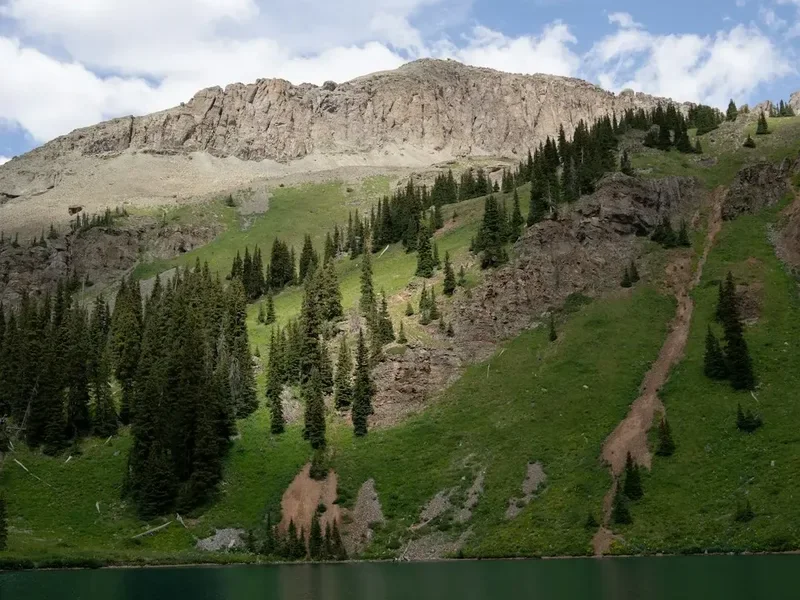
Accessing the Lost Lake Trail typically requires a day-use fee or a valid Northwest Forest Pass. Because the trailhead is located within a developed resort and campground area, the fee structure is slightly different from more remote trailheads in the Mount Hood National Forest.
Permit and Fee Details:
- Day-Use Fee: If you do not have an annual pass, you can pay a daily vehicle fee at the entrance station to the Lost Lake Resort. As of the current season, this is approximately $10–$15 USD per vehicle.
- Northwest Forest Pass: This annual pass ($30 USD) is accepted at most trailheads in Oregon and Washington and is a cost-effective option if you plan on doing multiple hikes in the region.
- America the Beautiful Pass: The federal interagency pass (Senior, Military, or General Annual) is also accepted for the day-use fee.
- No Hiking Permit Required: Unlike some high-altitude wilderness areas in the Cascades (such as the Enchantments or certain parts of the Three Sisters Wilderness), the Lost Lake Trail does not currently require a specific limited-entry hiking permit. You simply pay for parking and start walking.
Important Considerations:
- Parking Availability: During peak summer weekends, the day-use parking lots can fill up by 10:00 AM. Arriving early is highly recommended to secure a spot and avoid a long walk from overflow parking.
- Payment Methods: The entrance station usually accepts cash and major credit cards, but it is always a good idea to have cash on hand in case the electronic systems are down due to the remote location.
- Displaying Your Pass: Ensure your pass or day-use permit is clearly visible on your dashboard to avoid a fine from Forest Service rangers.
Other Activities in the Area
Lost Lake is a multi-faceted destination. If you have extra time before or after your hike, consider these popular activities:
- Boating and Paddling: The resort rents rowboats, canoes, kayaks, and stand-up paddleboards (SUPs). Being out on the water provides a unique perspective of the mountain and is the best way to experience the lake's famous clarity. Note that motorised boats are strictly prohibited to maintain the lake's tranquility.
- Fishing: Lost Lake is regularly stocked with rainbow trout, and it also holds a population of brook trout and brown trout. A valid Oregon fishing licence is required for anyone aged 12 and older.
- Lost Lake Butte Trail: For those seeking a more strenuous challenge, this 6.5-km return trail climbs steeply from the lake to a former fire lookout site. The reward is a panoramic 360-degree view of Mount Hood, Mount Adams, Mount Rainier, and Mount St. Helens.
- Stargazing: Due to its distance from major city lights and its high elevation, Lost Lake is an exceptional spot for astrophotography and stargazing. On clear nights, the Milky Way is often visible reflecting in the lake.
- Columbia River Gorge: On your drive back to Portland, you can stop at various waterfalls along the Historic Columbia River Highway, including the world-famous Multnomah Falls.
Safety and Conditions
Weather Awareness: Mountain weather can change with startling rapidity. A clear, sunny morning can transform into a thunderstorm by mid-afternoon. Always check the mountain-specific forecast (such as the National Weather Service's "Point Forecast" for Mount Hood) before heading out. If you see dark clouds building or hear thunder, move away from the lake's edge and the open meadows, as these are high-risk areas for lightning strikes.
Wildlife Encounters: The Mount Hood National Forest is home to black bears, cougars, and elk. While encounters on the busy Lost Lake Trail are rare, they are possible. Practice "Bear Aware" principles: make noise while walking, keep children close, and never leave food unattended. If you encounter a bear, do not run; stand your ground, make yourself look large, and speak in a calm, firm voice while backing away slowly. Cougars are even more elusive, but the same "do not run" rule applies.
Water Safety: The lake water is extremely cold, even in the height of summer. Cold water shock can occur if you fall in unexpectedly. If you are paddling, always wear a life jacket (PFD). For swimmers, stay close to the shore and be aware that the lake bottom drops off steeply in many places.
Trail Conditions: After heavy rain, the trail can become very muddy, particularly on the western shore. Exposed tree roots become incredibly slippery when wet. Take your time and use trekking poles if you have balance concerns. In the early season (May/June), be cautious of "snow bridges" over small streams, which can collapse under a walker's weight.
Emergency Services: As there is no mobile signal, help is not a phone call away. In the event of an injury, you will need to send someone back to the Lost Lake Resort store, which has a landline and radio communication with emergency services. Carrying a Personal Locator Beacon (PLB) or a satellite messenger (like a Garmin inReach) is highly recommended for any hiking in the Cascades.
Side Trips and Points of Interest
The Old Growth Boardwalk: Located on the northern end of the loop, this short, accessible spur is a must-see. It winds through a grove of ancient trees that escaped the logging and fires of the past century. Some of the cedars here have circumferences that require several people to encircle. The boardwalk protects the delicate root systems of these giants while allowing walkers to get up close to the prehistoric-feeling flora.
The "Lost Lake" Hole: While the famous "draining lake" hole is actually located at a different Lost Lake near Santiam Pass, this Mount Hood version has its own geological curiosities. Look for the volcanic rock formations along the western shore, which are remnants of the lava flows that originally dammed the valley to create the lake basin thousands of years ago.
The Viewpoint Spur: About halfway along the western shore, there is a well-marked but steep spur trail that climbs about 50 metres above the main path. This elevated vantage point offers a superior view of the lake's depth and the full scale of Mount Hood's Sandy Glacier. It is the perfect spot for a quiet lunch away from the busier lakeshore path.
Inlet Creek Delta: At the far northern tip of the lake, where the main tributary enters, a small delta has formed. This area is a hotspot for birdwatching. In the early morning, you can often see herons stalking the shallows and kingfishers diving from overhanging branches. The sound of the rushing creek provides a beautiful acoustic backdrop to this section of the walk.
Leave No Trace
Lost Lake is a fragile ecosystem that faces significant pressure from its high volume of visitors. To ensure that this "Mirror of Mount Hood" remains pristine for future generations, all walkers must strictly adhere to the Seven Principles of Leave No Trace.
Specific Guidelines for Lost Lake:
- Plan Ahead and Prepare: Check the weather and road conditions. Ensure you have the correct pass to avoid unnecessary administrative burden on forest rangers.
- Travel on Durable Surfaces: Stay on the established trail and boardwalks. The wetlands at the south end of the lake are extremely sensitive; stepping off the boardwalk can destroy rare plants and disturb nesting sites.
- Dispose of Waste Properly: There are no bins on the trail. Pack out all orange peels, apple cores, and micro-trash. If you must use the "bathroom" on the trail, move at least 60 metres from the water and bury solid waste in a hole 15–20 cm deep.
- Leave What You Find: Do not pick wildflowers or remove rocks. The beauty of the trail belongs to everyone.
- Minimise Campfire Impacts: Fires are only permitted in designated metal rings within the campground. Never build a "wild" fire along the lakeshore. During late summer, strict fire bans are often in place due to wildfire risk.
- Respect Wildlife: Never feed the birds or squirrels. Human food disrupts their natural diet and makes them aggressive towards other walkers.
- Be Considerate of Others: Lost Lake is a place of peace. Keep noise levels down, yield to uphill hikers on the narrower sections, and ensure your dog is always on a lead.
 USA
USA