
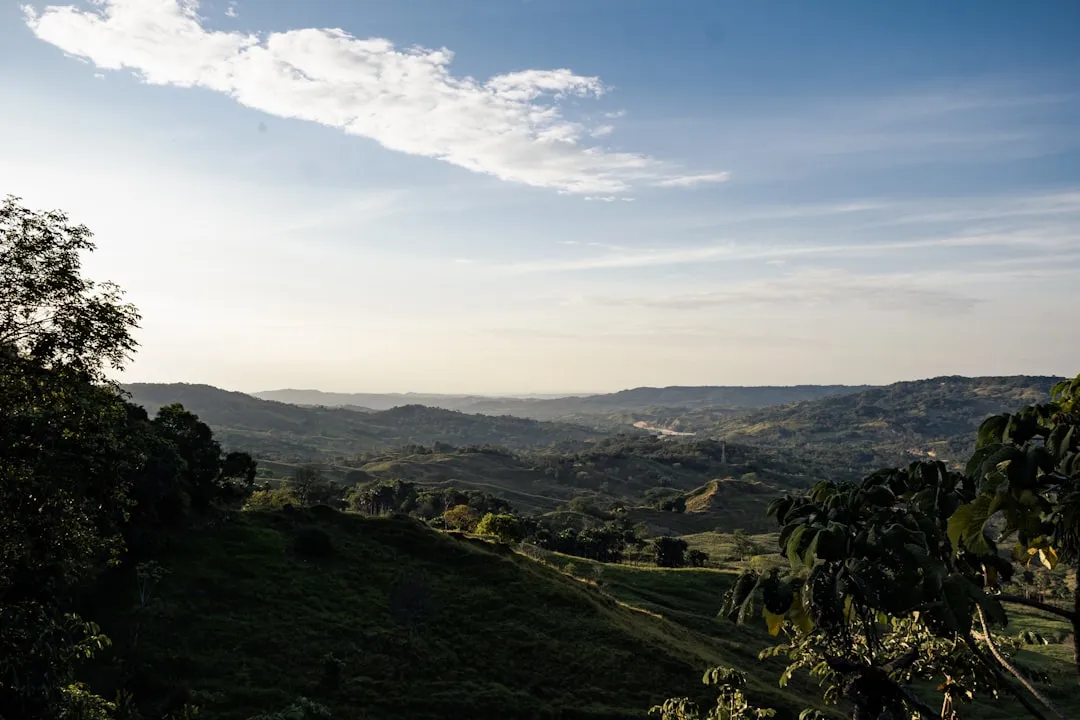
Lost City Trek - Journey to the Sierra Nevada
The Lost City Trek, or "Ciudad Perdida" in Spanish, is one of Colombia's most iconic and challenging multi-day hikes. This ancient archaeological site, predating Machu Picchu by over a thousand years, lies hidden deep within the dense jungle of the Sierra Nevada de Santa Marta mountain range. The trek is a demanding 47-kilometre journey, typically completed over 4 to 6 days, ascending through diverse ecosystems from humid lowland rainforest to cooler, cloud-forested mountain slopes. It's a pilgrimage through a landscape rich in biodiversity and indigenous culture, culminating in the discovery of a remarkable pre-Columbian city built by the Tayrona civilisation.
- Distance: 47.0 km one-way
- Duration: 4–6 days
- Season: December to March (dry season is preferred, but rain is possible year-round)
- Accommodation: Basic jungle camps and lodges
- Highest point: Approximately 1,200 metres
- Daily walkers: Limited by tour operator capacity
- Direction: Out-and-back route from El Mamey
- Difficulty: Challenging (due to heat, humidity, steep ascents/descents, and river crossings)
Overview
The Lost City Trek is far more than just a hike; it's an immersion into a vibrant, untamed wilderness and a journey back in time. The trail winds through the foothills and steep slopes of the Sierra Nevada de Santa Marta, the world's highest coastal mountain range. This region is the ancestral homeland of several indigenous groups, including the Kogi, Arhuaco, Wiwa, and Kankuamo, who still maintain their traditional ways of life and consider the archaeological site sacred.
The trek begins in the small village of El Mamey (also known as Machete Pelao), a remote settlement accessible by a rough, unpaved road from Santa Marta. From here, the path immediately plunges into the dense jungle. The initial days are characterised by intense heat and humidity, with steep, muddy ascents and descents that test physical endurance. You'll cross numerous rivers, some requiring wading or using basic bridges, and pass through small indigenous communities where you might catch glimpses of their unique culture.
As you gain altitude, the environment gradually changes. The dense, steamy jungle gives way to cloud forest, with cooler temperatures and a different array of flora and fauna. The sounds of the jungle—the calls of exotic birds, the chatter of monkeys, and the hum of insects—are a constant soundtrack to the journey. The physical demands are significant, with daily distances often involving substantial elevation changes. However, the reward is immense.
The climax of the trek is reaching the Lost City itself, known to the Tayrona people as Teyuna. This sprawling complex of terraces, plazas, and circular stone structures is spread across a mountainside, intricately carved into the landscape. Climbing the final 1,200 stone steps to the upper terraces offers a breathtaking sense of accomplishment and a profound connection to the ancient civilisation that once thrived here. The panoramic views from the top, looking out over the verdant jungle canopy, are unforgettable. The trek is typically undertaken with a licensed tour operator, who provides guides, porters, and accommodation, ensuring a safe and culturally sensitive experience.
History and Cultural Context
The Lost City of Teyuna was built by the Tayrona civilisation, a sophisticated indigenous group that flourished in the Sierra Nevada de Santa Marta region from around 800 AD to 1600 AD. The Tayrona were skilled engineers and architects, constructing extensive networks of stone paths, terraces, and ceremonial centres throughout the mountains. Teyuna, their largest and most important settlement, was strategically located on a steep mountainside, accessible only by a complex system of stone stairways and paths.
The city was abandoned around the time of the Spanish conquest, likely due to disease and conflict, and was gradually reclaimed by the dense jungle. For centuries, it remained a secret known only to the indigenous communities of the Sierra Nevada, who continued to consider it a sacred site. Local legends spoke of a hidden city, sparking the interest of archaeologists and treasure hunters.
In 1972, a local treasure hunter named Alberto Véliz stumbled upon the site, and his discovery led to its excavation and partial restoration by Colombian archaeologists in the late 1970s and early 1980s. The site was officially opened to tourism in the early 1980s, though its remote location and challenging access meant it remained relatively unknown to the wider world for some time.
The Lost City is not just an archaeological marvel; it is also a living cultural landscape. The Kogi, Arhuaco, Wiwa, and Kankuamo peoples are descendants of the Tayrona and continue to inhabit the region. They hold deep spiritual connections to the land and the ancient sites, viewing the trek as a sacred journey. Respect for their culture, traditions, and beliefs is paramount for all visitors. The indigenous communities play a vital role in guiding and protecting the site, ensuring that tourism is managed in a way that respects their heritage and the fragile environment.
Seasonal Highlights and Weather Reality
The Sierra Nevada de Santa Marta experiences a tropical climate with high temperatures and humidity year-round. While there isn't a strict "dry" season in the same way as other parts of Colombia, the period from December to March is generally considered the best time to undertake the Lost City Trek. During these months, rainfall is typically less frequent and intense, making the trails less muddy and river crossings potentially easier.
December to March (Dry Season): This is the most popular time for the trek. The weather is generally warmer and sunnier, though rain showers can still occur. The jungle is lush, and the rivers are at a manageable level. However, this is also peak tourist season, so booking in advance is essential.
April to November (Rainy Season): This period sees more frequent and heavier rainfall. The trails can become very muddy and slippery, and river levels can rise significantly, sometimes making crossings difficult or impossible. Humidity is also at its highest. Despite the rain, the jungle is incredibly vibrant and green, and there are fewer tourists. For experienced trekkers comfortable with challenging conditions, this can be a rewarding time to visit, offering a more solitary experience.
Temperature: Temperatures in the lower jungle can reach 30-35°C, with high humidity. As you ascend towards the Lost City, temperatures become cooler, dropping to around 20-25°C, especially at night. The highest elevations can feel quite cool, particularly in the early mornings and evenings.
Wildlife: The Sierra Nevada is a biodiversity hotspot. During any season, you have the chance to spot a variety of wildlife, including monkeys (howler, squirrel, and capuchin), sloths, numerous bird species (toucans, parrots, hummingbirds), and various reptiles and amphibians. The jungle is alive with sound and movement.
Recommended Itinerary
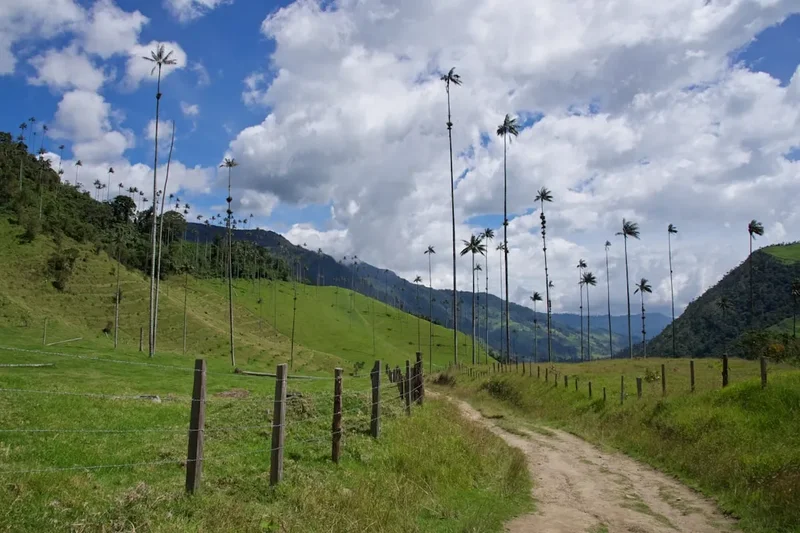
4-Day Lost City Trek Itinerary (Typical)
Day 1: El Mamey to Campamento Adán (or similar)
- Distance: Approximately 10 km
- Elevation gain: Significant, with steep ascents and descents
- Time: 5–7 hours
- Morning: Fly to Simon Bolivar Airport (SMR) in Santa Marta. Meet your tour operator for a briefing and transfer to El Mamey (approx. 3-4 hours by 4x4 vehicle). The road to El Mamey is unpaved and can be rough.
- Midday: Begin the trek from El Mamey. The trail immediately enters dense jungle.
- Afternoon: Hike through humid rainforest, crossing rivers and navigating muddy, steep sections. Arrive at the first jungle camp (e.g., Campamento Adán, or similar provided by your operator).
- Evening: Settle into basic camp accommodation, enjoy dinner prepared by your guides, and rest.
Day 2: Campamento Adán to Campamento Paraíso (or similar)
- Distance: Approximately 12 km
- Elevation gain: Continued steep ascents and descents
- Time: 6–8 hours
- Morning: After breakfast, continue trekking deeper into the jungle.
- Midday: The trail remains challenging, with more river crossings and steep climbs. You will pass through indigenous communities, offering a glimpse into their way of life.
- Afternoon: Arrive at the second jungle camp (e.g., Campamento Paraíso, or similar). This camp is typically at a higher altitude than the first.
- Evening: Relax, enjoy another hearty meal, and prepare for the final push to the Lost City.
Day 3: Campamento Paraíso to Ciudad Perdida (Lost City) and return to Campamento Adán (or similar)
- Distance: Approximately 15 km (round trip to the city)
- Elevation gain: Significant climb to the city, then descent
- Time: 7–9 hours (including time at the city)
- Early Morning: An early start is crucial to reach the Lost City before the heat of the day and to experience it with fewer crowds.
- Morning: Ascend the final 1,200 stone steps to the archaeological site of Teyuna. Explore the terraces, plazas, and ceremonial centres. Spend ample time absorbing the history and the stunning views.
- Midday: Begin the descent back towards the camps.
- Afternoon: Trek back down to a camp closer to the start, often Campamento Adán or a similar intermediate camp.
- Evening: Celebrate reaching the Lost City with your group and guides.
Day 4: Campamento Adán (or similar) to El Mamey and Santa Marta
- Distance: Approximately 10 km
- Elevation loss: Mostly downhill
- Time: 3–5 hours
- Morning: Enjoy a final jungle breakfast and begin the trek back towards El Mamey.
- Midday: The descent is quicker but can still be challenging due to muddy conditions.
- Afternoon: Arrive back in El Mamey, where your 4x4 transfer will be waiting to take you back to Santa Marta.
- Evening: Arrive back in Santa Marta, typically in the late afternoon or early evening.
Important Notes:
- This itinerary is a guideline; actual distances and timings can vary based on the tour operator and trail conditions.
- Accommodation in camps is basic: bunk beds, mosquito nets, shared bathrooms, and communal dining areas.
- All meals are provided by the tour operator and are typically hearty and nutritious, designed to fuel the trek.
- Guides are mandatory and will provide historical and cultural insights.
- Hydration is critical; drink plenty of water throughout the day.
Planning and Bookings
Book Your Trip
Everything you need to plan your journey
Accommodation
Find places to stay near Santa Marta
Flights
Search flights to Santa Marta
Essential Preparation
The Lost City Trek is a serious undertaking that requires careful planning. The primary logistical hub is Santa Marta, a coastal city in northern Colombia. Most trekkers fly into Simón Bolívar Airport (SMR) in Santa Marta. From Santa Marta, you will be transferred by 4x4 vehicle to El Mamey, the starting point of the trek. This transfer itself can take 3-4 hours over rough, unpaved roads, so be prepared for a bumpy ride.
Booking a Tour Operator: It is mandatory to undertake the Lost City Trek with a licensed tour operator. These operators handle all aspects of the trek, including permits, guides, porters, food, and accommodation in the jungle camps. Several reputable operators work this route, offering different itineraries (4, 5, or 6 days) and varying levels of comfort in the camps. Research operators thoroughly, read reviews, and book well in advance, especially if travelling during the peak season (December to March).
Fitness Requirements: This trek is physically demanding. You should be in good cardiovascular condition and have experience with multi-day hikes. Expect long days of walking, steep ascents and descents, muddy and slippery trails, river crossings, and high temperatures and humidity. Training that includes hiking with a backpack, hill work, and endurance exercises is highly recommended.
Base Town: Santa Marta is the most convenient base for organising and starting the trek. It offers a range of accommodation options, from budget hostels to comfortable hotels, as well as restaurants, ATMs, and gear shops. It's advisable to spend at least one night in Santa Marta before and after the trek to finalise arrangements and recover.
Trail Accommodation
Accommodation during the Lost City Trek is basic and rustic, consisting of jungle camps operated by the tour companies. These camps are designed to provide shelter and essential amenities in a remote environment.
Camp Facilities:
- Bunk Beds: You will sleep in bunk beds, usually with a mattress.
- Mosquito Nets: Essential for protection against insects.
- Communal Dining Areas: Open-air or covered areas where meals are served.
- Basic Bathrooms: Typically squat toilets or simple flush toilets, often with limited water. Showers, if available, are usually cold.
- Electricity: Generally unavailable, so bring a power bank for charging devices.
- Water: Treated water is usually provided for drinking, but it's wise to carry your own purification method as a backup.
What's NOT Provided:
- Luxury amenities (e.g., hot showers, air conditioning, private rooms)
- Cooking equipment (all meals are prepared by camp staff)
- Bedding (you will need to bring your own sleeping bag or liner)
- Towels
Seasonal Availability: The camps operate year-round. However, during the rainy season (April to November), conditions can be more challenging due to mud and higher river levels.
Costs: The cost of accommodation is included in the overall tour package price. Prices vary between operators but typically range from US$250 to US$400 per person for a 4-day trek, depending on the operator and inclusions.
Required Gear
- Hiking Boots: Sturdy, waterproof hiking boots with good ankle support are essential. Ensure they are well broken-in to prevent blisters.
- Waterproof Jacket: A lightweight, breathable waterproof jacket is crucial, as rain can occur at any time.
- Backpack: A comfortable daypack (20-30 litres) for essentials you need during the day (water, snacks, camera, rain gear). Your main luggage will be stored at your hotel in Santa Marta, or some operators offer porter services for a limited amount of gear.
- Sleeping Bag or Liner: Lightweight and compact. Huts provide mattresses but no bedding.
- Head Torch: With spare batteries, for navigating camps and trails in the dark.
- Insect Repellent: High-DEET concentration (30-50%) is recommended to ward off mosquitoes and sandflies.
- Sun Protection: High SPF sunscreen, wide-brimmed hat, and sunglasses.
- First-Aid Kit: Personal medications, blister treatment, pain relievers, antiseptic wipes, bandages.
- Water Bottles or Hydration Reservoir: Capacity for at least 2-3 litres.
What to Bring
- Clothing:
- Lightweight, quick-drying hiking trousers (2 pairs)
- Moisture-wicking t-shirts (3-4)
- Long-sleeved shirt (for sun and insect protection)
- Warm layer (fleece or light down jacket) for cooler evenings at higher altitudes
- Swimsuit (for river dips)
- Socks: Several pairs of moisture-wicking hiking socks (wool or synthetic)
- Underwear: Quick-drying
- Footwear:
- Sandals or flip-flops for camp
- Water shoes or sturdy sandals for river crossings (optional but recommended)
- Toiletries:
- Biodegradable soap and shampoo
- Toothbrush and toothpaste
- Hand sanitiser
- Toilet paper (carry out used paper)
- Small, quick-drying towel
- Miscellaneous:
- Camera and spare batteries/power bank
- Zip-lock bags (to protect electronics and keep items dry)
- Cash (Colombian Pesos) for tips, souvenirs, and any personal purchases in indigenous communities (small denominations are best)
- Passport (carry a copy and leave the original secured)
- Snacks: Energy bars, nuts, dried fruit (optional, as meals are provided)
- Small notebook and pen
Permits
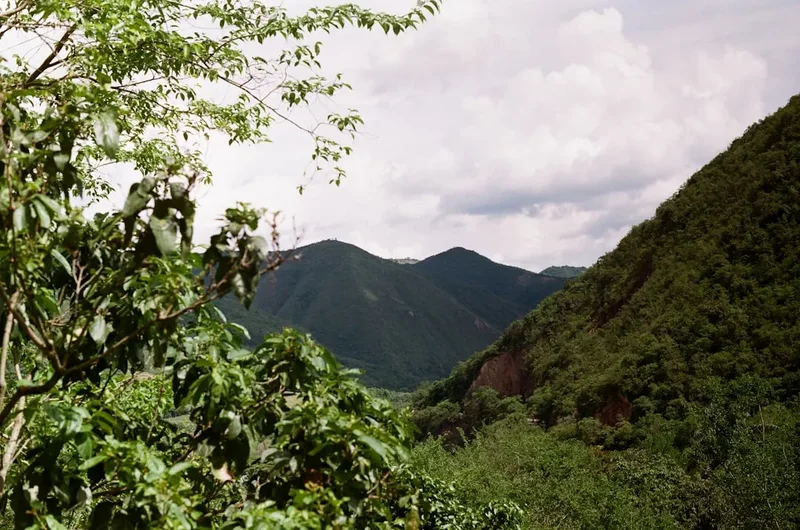
Access to the Lost City archaeological site is strictly controlled and requires a permit. This permit is typically included in the price of your tour package and is arranged by your chosen tour operator. They will handle the necessary registration and payment to the relevant authorities and indigenous communities.
Permit Inclusion: When booking your trek, confirm that the permit fee is included in the quoted price. This fee contributes to the preservation of the site and supports the local indigenous communities.
Indigenous Community Contributions: The trek passes through lands belonging to the Kogi, Arhuaco, Wiwa, and Kankuamo peoples. Your tour operator will also manage any required contributions or fees associated with respecting their territories and cultural practices. It is important to be aware of and respectful of their customs throughout the journey.
Registration: You will likely need to provide your passport details for registration purposes when booking your tour. Ensure you have your passport with you on the trek, as it may be required for verification.
No Independent Access: It is not possible to hike to the Lost City independently. All visitors must be part of an organised tour with a licensed operator. This ensures that the trek is conducted safely, respectfully, and in accordance with regulations designed to protect the archaeological site and the environment.
Other Activities in the Area
While the Lost City Trek is the primary draw, Santa Marta and the surrounding Sierra Nevada region offer several other compelling activities:
- Tayrona National Natural Park: Explore stunning Caribbean coastline with pristine beaches, lush jungle, and ancient Tayrona ruins. Popular spots include Cabo San Juan, La Piscina, and Arrecifes. Requires separate entry fees and accommodation bookings.
- Minca: A charming mountain village nestled in the foothills of the Sierra Nevada, offering cooler temperatures, coffee plantations, waterfalls, birdwatching, and hiking opportunities. Easily accessible from Santa Marta.
- Palomino: A laid-back beach town further up the coast, known for its relaxed vibe, surfing, tubing down the Palomino River, and beautiful beaches.
- Santa Marta City Tour: Explore the historic centre of Santa Marta, visit the Quinta de San Pedro Alejandrino (Simon Bolivar's final residence), and enjoy the waterfront promenade.
- Snorkelling and Diving: The waters around Santa Marta and Tayrona Park offer opportunities for snorkelling and diving, with coral reefs and marine life to discover.
- Indigenous Community Visits: Beyond the Lost City trek, some operators offer specialised tours focused on cultural immersion with indigenous communities in the Sierra Nevada, providing deeper insights into their traditions and way of life.
Safety and Conditions
Guides are Mandatory: The most crucial safety measure is that the Lost City Trek must be undertaken with a licensed and experienced guide. They are trained in first aid, navigation, and local conditions, and are essential for navigating the challenging terrain and ensuring your well-being.
Terrain and Weather: The primary risks are related to the environment:
- Heat and Humidity: Can lead to dehydration and heat exhaustion. Stay hydrated, wear light clothing, and take breaks.
- Muddy and Slippery Trails: Steep ascents and descents can be treacherous, especially after rain. Wear appropriate footwear and walk carefully.
- River Crossings: Rivers can swell rapidly after heavy rain. Your guides will assess conditions and ensure safe crossings, but be prepared for potentially challenging water levels.
- Insects: Mosquitoes and sandflies are prevalent. Use strong repellent and wear long sleeves and trousers, especially at dawn and dusk.
- Wildlife: While most wildlife is harmless, be aware of your surroundings. Your guides will advise on any specific animal precautions.
Health Precautions:
- Vaccinations: Consult your doctor about recommended vaccinations for Colombia, including Yellow Fever (often required for jungle areas) and Hepatitis A.
- Malaria: The risk of malaria is generally considered low in the areas visited by the trek, but it's advisable to consult your doctor or a travel clinic.
- Water: Drink only treated or bottled water. Your tour operator will provide safe drinking water.
- Food: Eat only food prepared by your tour operator.
Communication: Mobile phone signal is virtually non-existent for most of the trek. Tour operators usually have satellite phones for emergencies. Inform your family and friends of your itinerary and expected return date.
Travel Insurance: Comprehensive travel insurance that covers medical emergencies, evacuation, and trip cancellation is highly recommended. Ensure it covers trekking activities in remote areas.
Side Trips and Points of Interest
Indigenous Communities: Along the trek route, you will pass through small settlements inhabited by the Kogi, Arhuaco, Wiwa, and Kankuamo peoples. These encounters offer a unique opportunity to observe traditional lifestyles, architecture (e.g., conical huts), and the deep connection these communities have with the land. Your guides will facilitate respectful interactions, and it's important to ask permission before taking photographs.
Biodiversity Hotspot: The Sierra Nevada de Santa Marta is a region of immense biodiversity. Keep an eye out for various species of monkeys (howler, squirrel, capuchin), sloths, toucans, parrots, hummingbirds, and a multitude of insects and amphibians. The dense jungle environment is teeming with life.
River Swimming: On hot days, your guides may stop at safe points along the rivers for a refreshing swim. These natural pools offer a welcome respite from the jungle heat and a chance to cool off.
Tayrona Archaeological Sites: While Teyuna is the main attraction, the trek itself traverses land that was once part of the extensive Tayrona civilisation. You may see smaller, less excavated ruins or remnants of ancient pathways and agricultural terraces along the route, hinting at the scale of their former presence.
The Final Ascent: The climb of approximately 1,200 stone steps to the upper terraces of Teyuna is a significant point of interest in itself. These steps, meticulously crafted by the Tayrona, are a testament to their engineering prowess and offer a dramatic prelude to the discovery of the city.
Leave No Trace
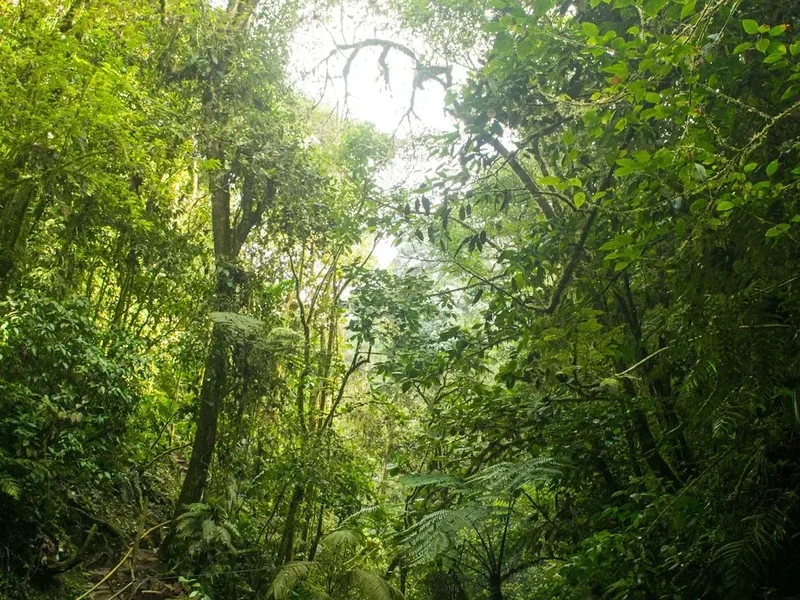
The Lost City Trek traverses a fragile ecosystem and passes through lands considered sacred by indigenous communities. Adhering to Leave No Trace principles is paramount to preserving this environment and respecting local culture.
Pack It In, Pack It Out: This is the golden rule. Carry out everything you carry in, including all food wrappers, plastic, and any other waste. Do not bury or burn trash. Your tour operator will provide designated bins at camps, but smaller items should be carried with you.
Stay on the Trail: The jungle trails are well-trodden, but it's important to stay on them to avoid damaging delicate vegetation and to prevent erosion. Venturing off-trail can disturb wildlife and impact the environment.
Respect Wildlife: Observe animals from a distance and never feed them. Feeding wildlife can alter their behaviour, diet, and health, and can make them dependent on humans.
Dispose of Waste Properly: Use designated latrines at camps. If nature calls while on the trail, dig a small cathole at least 60 metres away from water sources, trails, and campsites. Pack out all toilet paper.
Leave What You Find: Do not take any natural objects (rocks, plants, artefacts) or cultural items from the site or the trail. Leave the area as you found it for others to enjoy.
Be Considerate of Other Visitors: Keep noise levels down, especially in camps and at the archaeological site. Respect the peace and tranquility of the jungle.
Respect Indigenous Culture: Always ask permission before taking photographs of people or their homes. Be mindful of local customs and traditions. Your guides will provide specific guidance on respectful interaction.
By following these principles, you help ensure that the Lost City Trek remains a sustainable and enriching experience for future generations and that the cultural heritage of the region is protected.