
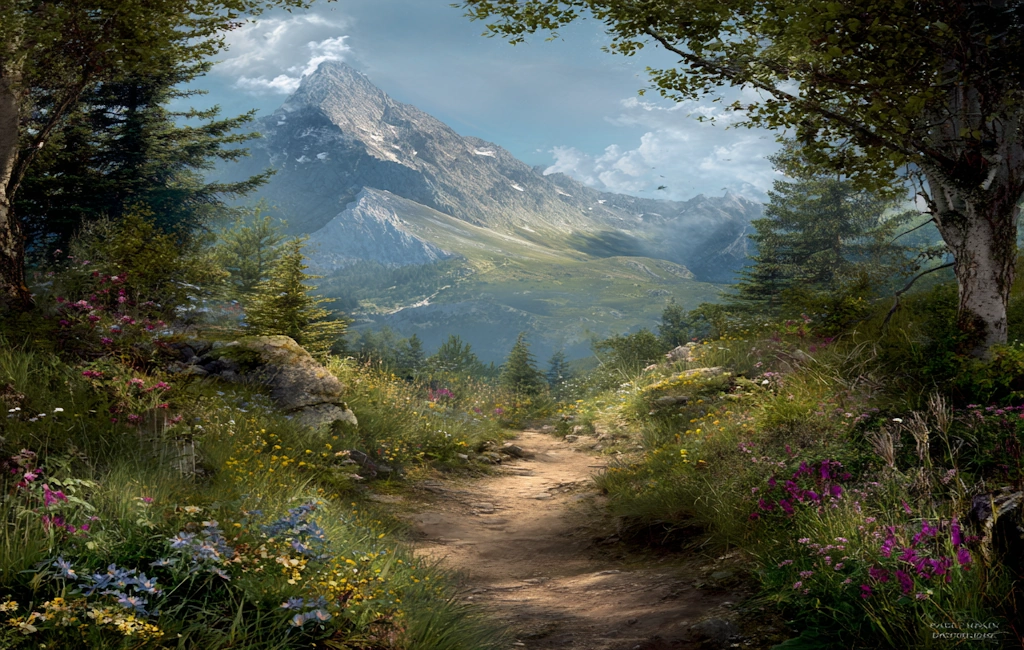
Loch Muick Circular: A Highland Gem
The Loch Muick Circular is a classic Scottish Highland day walk, offering a captivating journey around the picturesque Loch Muick, nestled within the vast Royal Deeside estate of Balmoral. This moderate circuit provides a perfect blend of stunning natural beauty, historical intrigue, and accessible wilderness. The trail winds through ancient Caledonian pine forests, skirts the shores of the deep, dark loch, and offers breathtaking views of surrounding granite peaks, including the iconic Lochnagar. It's a route that appeals to a wide range of walkers, from families seeking a scenic outing to seasoned hikers looking for a rewarding day in the mountains.
- Distance: 13.0 km
- Elevation Gain: 400 m
- Duration: 4 hours
- Difficulty: Moderate
- Best Time: April–October
- Closest City: Ballater
- Trailhead Access: Spittal of Glen Muick Car Park (charge applies)
- No permits needed
Overview
The Loch Muick Circular is a walk that truly encapsulates the rugged charm of the Scottish Highlands. Starting from the Spittal of Glen Muick, the path initially leads you through the atmospheric Muir of Dinnet National Nature Reserve, where ancient Scots pines create a sense of timelessness. As you approach Loch Muick, the landscape opens up, revealing the dramatic expanse of the loch itself, often reflecting the imposing presence of Lochnagar (1,154 m) and its surrounding corries. The trail is well-maintained for the most part, though sections can be boggy after rain, adding to the wild character of the walk.
The route is predominantly a circuit around the loch, offering varied perspectives. On one side, you'll experience the dense, fragrant pine forests, alive with the sounds of birdsong. On the other, the path opens up to vast moorland, with the loch stretching out before you, its dark waters hinting at its depth and mystery. The ascent towards the eastern end of the loch brings you closer to the dramatic slopes of Lochnagar, a mountain steeped in folklore and famously described in Lord Byron's poem "The Giaour." The presence of the iconic Glas-allt Shiel hunting lodge, perched dramatically on the hillside, adds a touch of human history to the wild landscape.
This walk is a moderate challenge, with a steady but manageable ascent and descent. The 400 metres of elevation gain are spread out, making it achievable for most reasonably fit individuals. The 13 km distance can be comfortably completed in around 4 hours, allowing ample time for stops to admire the views, take photographs, and absorb the serene atmosphere of this special place. It's a walk that offers a profound connection with the Scottish landscape, a place where nature's grandeur and human history intertwine.
History and Cultural Context
The area around Loch Muick has a rich and varied history, deeply intertwined with the Royal Family and the ancient landscape of the Scottish Highlands. The most prominent historical landmark on the route is Glas-allt Shiel, a former royal hunting lodge built by Queen Victoria in 1863. She used it as a retreat for shooting parties and as a place to escape the formality of Balmoral Castle. The lodge, though now largely disused and in a state of disrepair, stands as a testament to the area's royal connections and its past as a favoured sporting estate.
The wider Balmoral estate itself has been a royal residence since 1852, when Prince Albert purchased it for Queen Victoria. The estate encompasses a vast area of Highland landscape, including mountains, forests, and moorland, much of which is accessible to the public for walking and recreation. The Loch Muick Circular traverses a small but significant part of this historic domain.
Beyond the royal connections, the landscape itself holds ancient significance. The presence of Scots pine forests, some of the last remnants of the ancient Caledonian Forest, speaks to a time when these woods covered much of Scotland. The surrounding mountains, including Lochnagar, have been shaped by millennia of geological activity and glacial erosion, and have been a source of inspiration for poets and artists for centuries. The dark, deep waters of Loch Muick have also fuelled local folklore, with tales of mysterious creatures and hidden depths.
The Spittal of Glen Muick, the starting point for the walk, was historically a place of rest and refreshment for travellers crossing the Cairngorms. The name "Spittal" often refers to a place of hospitality, perhaps an ancient hospice or inn. Today, the car park serves as the gateway to this magnificent landscape, allowing modern visitors to explore the same paths and vistas that have captivated people for generations.
Seasonal Highlights and Weather Reality
The Loch Muick Circular is a walk that can be enjoyed throughout much of the year, but each season offers a distinct experience.
Spring (April–May): This is a beautiful time to visit as the landscape awakens from winter. The Scots pines remain evergreen, and the first signs of new growth appear on the moorland. The weather can be variable, with crisp, clear days interspersed with rain and wind. Snow may linger on the higher slopes of Lochnagar, adding a dramatic backdrop. The risk of boggy conditions is present, especially in early spring.
Summer (June–August): The longest days and generally the warmest weather make summer a popular choice. The heather on the moorland may begin to bloom, adding splashes of purple to the landscape. The forests are lush and green. However, summer can also bring midges, particularly in the early mornings and evenings, and after rain. The weather can still be unpredictable, with thunderstorms a possibility in the afternoons.
Autumn (September–October): This is arguably one of the most spectacular times to walk the circuit. The Scots pines retain their colour, and the surrounding moorland can turn shades of gold, russet, and brown. The air is often crisp and clear, offering excellent visibility. The crowds tend to thin out after the summer holidays, providing a more tranquil experience. The weather can be more settled, but autumn storms are also a possibility.
Winter (November–March): While possible, winter walking requires careful preparation and appropriate gear. Snow and ice can make sections of the path treacherous, particularly on the ascents and around the loch. The days are short, and the weather can be harsh, with strong winds and sub-zero temperatures. Lochnagar can be a serious winter mountaineering objective, and the circular route around the loch may be significantly altered by snow cover. Only experienced winter walkers with appropriate equipment should attempt this walk during winter months.
Weather Reality: Regardless of the season, the Scottish Highlands are renowned for their changeable weather. Visitors should always be prepared for rain, wind, and a significant drop in temperature, even on seemingly fine days. Checking the mountain forecast for Lochnagar (MetService) is highly recommended before setting out.
Recommended Itinerary
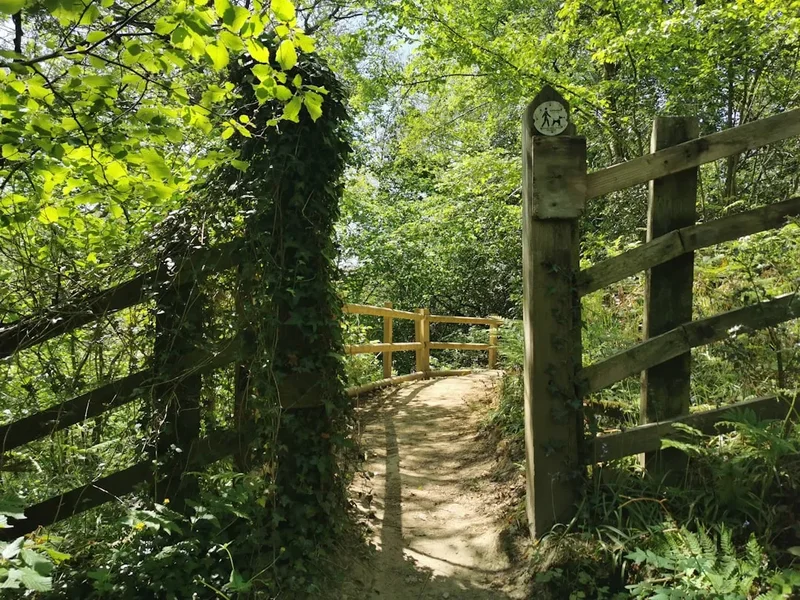
Loch Muick Circular Day Walk Itinerary
Early Morning (Approx. 9:00 AM): Arrival and Start
- Arrive at Spittal of Glen Muick Car Park (charge applies).
- Ensure you have paid for parking and have your map, compass, and appropriate gear.
- Begin the walk by heading east from the car park, following the clear path towards Loch Muick.
- The initial section passes through the atmospheric Scots pine forest of the Muir of Dinnet.
Morning (Approx. 9:30 AM - 11:00 AM): Forest and Loch Approach
- Continue on the well-defined path, enjoying the scent of pine and the sounds of the forest.
- The path gradually opens up as you approach the southern shore of Loch Muick.
- Catch your first glimpses of the loch's expansive waters and the imposing mountains beyond.
- The terrain is generally flat to gently undulating during this section.
Midday (Approx. 11:00 AM - 1:00 PM): Lochside and Glas-allt Shiel
- Follow the path along the southern shore of Loch Muick.
- This section offers excellent views across the loch towards the northern slopes.
- Keep an eye out for the distinctive Glas-allt Shiel hunting lodge, perched on the hillside to your right.
- The path may become slightly rougher and potentially boggy in places, especially after rain.
- Consider a brief stop here to admire the lodge and the surrounding scenery.
Afternoon (Approx. 1:00 PM - 3:00 PM): Lochnagar Ascent and Descent
- As you round the eastern end of the loch, the path begins to ascend more noticeably.
- This is where the majority of the elevation gain occurs, leading you towards the base of Lochnagar.
- Enjoy panoramic views as you climb, with the loch and surrounding glens unfolding below.
- The path can be steep and rocky in sections.
- Reach the highest point of the walk, offering spectacular vistas of Lochnagar and its corries.
- Begin the descent back towards the western end of the loch.
Late Afternoon (Approx. 3:00 PM - 4:00 PM): Return to Car Park
- The path now follows the northern shore of Loch Muick, offering a different perspective.
- This section is generally flatter and easier underfoot than the ascent.
- Re-enter the Scots pine forest as you approach the starting point.
- Arrive back at the Spittal of Glen Muick Car Park, completing the circular walk.
Important Notes:
- Wear sturdy, waterproof walking boots.
- Carry a waterproof jacket and trousers, as weather can change rapidly.
- Bring plenty of water and snacks.
- A map and compass are essential, and knowledge of how to use them is recommended.
- Check the weather forecast before you leave home.
- Be aware of midges, especially during warmer months.
Planning and Bookings
Book Your Trip
Everything you need to plan your journey
Accommodation
Find places to stay near Ballater
Flights
Search flights to Ballater
Essential Preparation
The Loch Muick Circular is a popular day walk, and while it doesn't require the extensive pre-booking of multi-day treks, proper preparation is key to a safe and enjoyable experience. The closest town with comprehensive amenities is Ballater, located approximately 15 kilometres to the east. Ballater offers a range of accommodation options, from hotels and guesthouses to bed and breakfasts, as well as shops for purchasing supplies, outdoor gear, and food. It's advisable to base yourself in or near Ballater for easy access to the trailhead.
Access to the Spittal of Glen Muick Car Park is via a well-maintained public road from Ballater, turning off the A93. The road is generally suitable for most vehicles, but can be narrow and winding in places. The car park itself has a charge, so ensure you have cash or check for contactless payment options. There are no public transport services directly to the trailhead, making a private vehicle or taxi the most practical means of access.
Before setting out, always check the weather forecast, particularly for the Cairngorms region. Conditions can change rapidly, and being prepared for rain, wind, and cooler temperatures is essential, even in summer. Inform someone of your walking plans, including your intended route and estimated return time.
Trail Accommodation
This is a day hike requiring no overnight accommodation. The Loch Muick Circular is designed to be completed within a single day, with walkers returning to their accommodation in Ballater or surrounding areas in the evening.
Required Gear
- Sturdy Walking Boots: Waterproof, with good ankle support. Essential for navigating potentially boggy and uneven terrain.
- Waterproof Jacket: A breathable, waterproof jacket with a hood is crucial.
- Waterproof Overtrousers: To keep your lower half dry in persistent rain.
- Warm Layers: Including a fleece or insulated jacket. Temperatures can drop significantly, especially at higher elevations or with wind chill.
- Hat and Gloves: Even in summer, these can be useful for warmth and protection against wind.
- Backpack: A comfortable daypack (20-30 litres) to carry your essentials.
- Navigation: A detailed map of the area (e.g., Ordnance Survey Explorer map OL56) and a compass. GPS devices or smartphone apps with offline maps are also recommended.
- First Aid Kit: Including blister plasters, bandages, antiseptic wipes, and any personal medication.
- Sun Protection: Sunscreen, sunglasses, and a sun hat, as the sun can be strong, especially at higher altitudes.
- Head Torch: With spare batteries, in case your walk takes longer than expected.
What to Bring
- Food: Plenty of high-energy snacks (e.g., nuts, dried fruit, energy bars) and a packed lunch. There are no facilities to purchase food on the trail.
- Water: At least 1.5-2 litres of water per person. While there are streams, it's advisable to carry treated water or a water filter/purification tablets if you intend to refill from natural sources.
- Toiletries: Hand sanitiser, toilet paper (and a bag to pack it out), and any personal hygiene items.
- Insect Repellent: Particularly important during the summer months to ward off midges.
- Mobile Phone: Fully charged, for emergencies. Note that signal coverage can be intermittent in remote areas.
- Whistle: For signalling in an emergency.
- Camera: To capture the stunning scenery.
- Cash: For car park fees and any potential purchases in Ballater.
Permits
No specific permits are required to walk the Loch Muick Circular. The path is part of the general access land in Scotland, and the area is managed by the Balmoral Estate and Forestry and Land Scotland, with public access rights generally respected.
However, it is important to note that the Spittal of Glen Muick Car Park operates on a pay-and-display system, so a fee is applicable for parking your vehicle. Ensure you have the correct change or check for alternative payment methods upon arrival.
While no permits are needed for the walk itself, visitors are expected to adhere to the Scottish Outdoor Access Code, which promotes responsible access to the countryside. This includes respecting the environment, private property, and the safety of yourself and others.
Other Activities in the Area
The Royal Deeside area surrounding Loch Muick offers a wealth of activities for those looking to extend their visit:
- Balmoral Castle: The Scottish holiday home of the Royal Family. Visitors can tour the castle grounds, gardens, and the exhibition room when the castle is open to the public (typically from April to July).
- Royal Lochnagar Distillery: Located near Balmoral, this historic distillery offers tours and tastings of its single malt Scotch whisky.
- Hiking in the Cairngorms National Park: The Loch Muick Circular is just one of many excellent walks in the area. Other popular routes include ascents of Lochnagar itself (for experienced hikers), walks around nearby Loch Callater, and trails in the Glen Tanar Estate.
- Cycling: The quiet country roads around Ballater and the estate offer excellent opportunities for road cycling. Mountain biking trails are also available within the Cairngorms.
- Wildlife Watching: The Deeside area is home to a variety of wildlife, including red deer, red squirrels, and a wide array of bird species. Keep an eye out for ospreys during the summer months.
- Ballater Town: Explore the charming Victorian town of Ballater, with its independent shops, cafés, and the Royal Station, a former railway station now a visitor centre and museum.
- Golf: Several excellent golf courses are located in the vicinity, including Ballater Golf Club.
Safety and Conditions
Weather: The most significant safety consideration for this walk is the unpredictable Highland weather. Always check the MetService mountain forecast for Lochnagar and the surrounding Cairngorms before you set off. Be prepared for rapid changes, including strong winds, heavy rain, mist, and a significant drop in temperature, even on a sunny day. Hypothermia is a real risk if you become wet and cold.
Terrain: While much of the path is well-trodden, sections around Loch Muick can be boggy and wet, especially after periods of rain. The ascent and descent around the eastern end of the loch can be steep and rocky. Sturdy, waterproof footwear is essential. In winter, snow and ice can make the path treacherous, and an ice axe and crampons may be necessary for the higher sections, particularly if attempting an ascent of Lochnagar.
Navigation: While the Loch Muick Circular is a relatively straightforward route, it is crucial to carry a map and compass and know how to use them. Visibility can drop dramatically in mist, making it easy to lose your bearings. Do not rely solely on mobile phone GPS, as signal coverage can be unreliable.
Midges: During the warmer months (late spring to early autumn), midges can be a significant nuisance, particularly in damp, still conditions and at dawn and dusk. Carrying an effective midge repellent (containing DEET or a similar repellent) and wearing long sleeves and trousers can help mitigate their impact.
Emergencies: In case of an emergency, dial 999 or 112 and ask for the police, then mountain rescue. Provide your location as accurately as possible. It is advisable to inform someone of your walking plans before you depart, including your route and expected return time.
Car Park: The Spittal of Glen Muick Car Park is popular, especially on weekends and during peak season. Arrive early to secure a parking space. Be aware of the parking charges.
Side Trips and Points of Interest
Glas-allt Shiel Lodge: This historic hunting lodge, built by Queen Victoria, is a prominent feature on the southern shore of Loch Muick. While not open to the public for accommodation, its picturesque setting and historical significance make it a notable point of interest. Imagine the royal parties who once stayed here, enjoying the wild beauty of the Highlands.
Lochnagar Ascent: For those seeking a more challenging day, the summit of Lochnagar (1,154 m) can be ascended from the eastern end of Loch Muick. This adds significant distance and elevation gain (approximately 5-7 km and 400-500 m extra ascent, depending on the exact route) and requires good navigation skills and appropriate mountain gear, especially in adverse weather or winter conditions. The views from the summit are spectacular, encompassing a vast swathe of the Cairngorms.
The Muckle Burn: As you ascend towards the eastern end of the loch, you will cross the Muckle Burn. This stream cascades down the hillside, and in wetter conditions, it can be quite impressive. It's a good spot to pause and appreciate the watercourses that shape the Highland landscape.
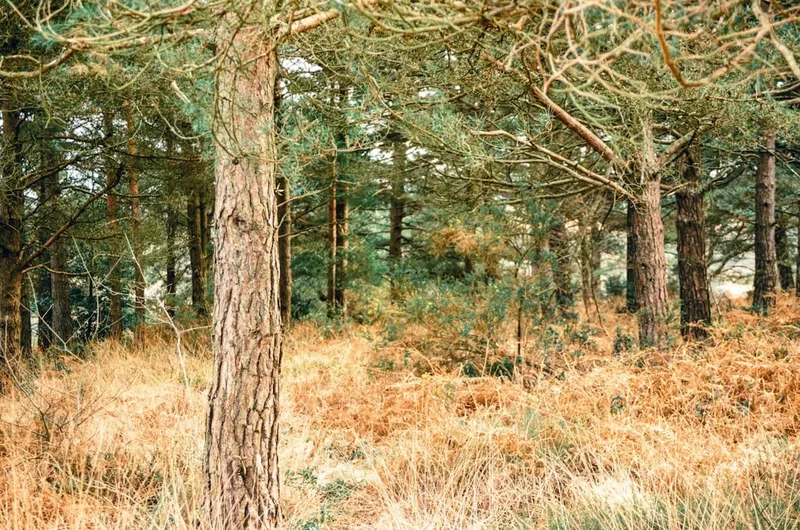
Ancient Scots Pines: The walk begins and ends through sections of the Muir of Dinnet, which contains remnants of the ancient Caledonian Forest. Look out for the gnarled, majestic Scots pines, some of which are centuries old, and appreciate the unique ecosystem they support.
Lochan Uaine: A small, unnamed lochan (loch) can be found off the main path on the northern side of Loch Muick, offering a quieter, more secluded spot for a brief rest and reflection.
Leave No Trace
The Loch Muick Circular traverses a beautiful and ecologically sensitive area within the Cairngorms National Park and the Balmoral Estate. Practising Leave No Trace principles ensures that this landscape remains pristine for future generations and that the local environment and wildlife are protected.
Plan Ahead and Prepare: Familiarise yourself with the route, check the weather forecast, and pack appropriate gear. Understand the parking arrangements and any associated fees.
Travel and Camp on Durable Surfaces: Stick to the established paths. The terrain around Loch Muick can be boggy, so using the main track helps prevent erosion and protects fragile vegetation. Avoid trampling vegetation unnecessarily.
Dispose of Waste Properly: Pack out everything you pack in. This includes all litter, food scraps, and anything else you bring with you. Use the toilet facilities at the car park if available, or if not, ensure you follow proper wild toileting procedures: dig a cathole at least 60 metres away from water sources, trails, and campsites, and bury human waste and toilet paper. Never leave toilet paper exposed.
Leave What You Find: Do not disturb or remove any natural objects, such as rocks, plants, or historical artefacts. Take only photographs and memories.
Minimise Campfire Impacts: Campfires are generally not permitted on this day walk. If you were to camp (which is not the primary purpose of this route), use a lightweight stove for cooking and ensure any fire is managed responsibly and completely extinguished.
Respect Wildlife: Observe wildlife from a distance. Do not feed any animals, as this can disrupt their natural behaviour and diet. Be aware of ground-nesting birds, especially during spring and summer.
Be Considerate of Other Visitors: Keep noise levels down, especially in quieter sections of the walk. Yield to other walkers on narrow paths. Respect the private nature of the Balmoral Estate and any signage.