
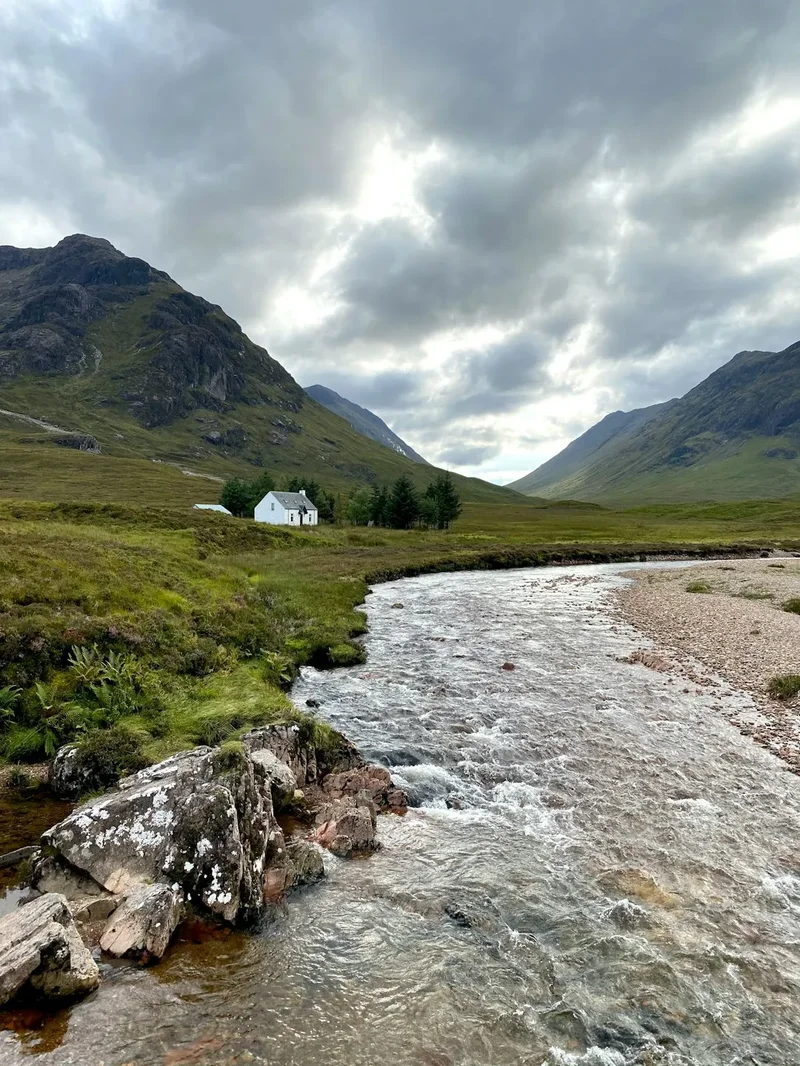
Loch Lomond & The Trossachs Trail
The Loch Lomond & The Trossachs Trail is a captivating journey through the heart of Scotland's first National Park, offering a blend of dramatic mountain scenery, serene loch-side paths, and rich historical tapestry. This trail, while not a single continuous multi-day trek in the vein of some more famous routes, encompasses a network of paths and waymarked routes that can be combined to create a significant walking experience. It winds through ancient Caledonian pine forests, skirts the shores of the majestic Loch Lomond, and climbs to vantage points offering breathtaking panoramas of the surrounding glens and peaks. The area is steeped in legend and history, from Rob Roy MacGregor to the romanticism of the Scottish Highlands, making it a destination that appeals to both the seasoned hiker and the casual explorer seeking natural beauty and cultural resonance.
- Distance: Variable, but a significant loop can be constructed around 18.0 km
- Duration: 5-6 hours for a moderate day hike, or can be extended over multiple days
- Season: April-October for best weather and accessibility
- Closest City: Balloch (gateway town to Loch Lomond)
- Trailhead Access: Multiple access points, with Inversnaid on Loch Lomond being a key point for boat access and onward travel. Nearest airport: Glasgow (GLA). From Glasgow, take a train to Balloch, then bus/taxi to Inversnaid. Driving: A82 to Balloch, then minor roads to Inversnaid. Road conditions can be narrow. Parking available at Inversnaid Hotel (check availability/fees).
- Difficulty: Moderate
- Elevation Gain: Approximately 850 m for a substantial loop
- Permits: Generally not required for day hiking on public paths, but specific access or camping regulations may apply in certain areas.
Overview
The Loch Lomond & The Trossachs National Park is a landscape of immense beauty and diversity, and the trails within it offer a profound connection to Scotland's wild heart. This particular route, often explored as a substantial day hike or a segment of a longer exploration, focuses on the dramatic western shores of Loch Lomond, venturing into the rugged terrain that defines the Trossachs. The trail typically begins with access to the lochside, perhaps from a ferry point like Inversnaid, and then ascends into the surrounding hills. Expect a challenging but rewarding climb, with sections that test your stamina and navigation skills. The reward is immense: sweeping views across the vast expanse of Loch Lomond, dotted with its many islands, and the surrounding mountains, including the iconic Ben Lomond. The path may traverse ancient woodlands, open moorland, and rocky outcrops, providing a varied hiking experience. The air is often filled with the scent of pine and damp earth, and the sounds of nature—birdsong, the rustle of leaves, and the distant lapping of water—create a tranquil atmosphere.
The Trossachs, often referred to as the "Highlands in Miniature," are characterised by their dramatic glens, steep-sided lochs, and dense forests. This area has inspired poets and artists for centuries, most notably Sir Walter Scott, whose works brought the romantic allure of the Trossachs to a wider audience. Walking here is to step into a landscape that has shaped Scottish history and culture, a place where myth and reality intertwine. The trails are generally well-maintained but can be steep and rocky in places, requiring sturdy footwear and a reasonable level of fitness. The weather in Scotland is famously changeable, so being prepared for all conditions is paramount, even during the summer months. The beauty of this trail lies not just in its physical challenge but in its ability to transport you to a place of wild, untamed beauty, offering a true escape into the Scottish wilderness.
History and Cultural Context
The Loch Lomond and The Trossachs region is steeped in history, its landscapes bearing the marks of ancient peoples, clan feuds, and industrial heritage. For millennia, this area has been a vital corridor, connecting the Scottish Highlands with the Lowlands. Evidence of prehistoric settlement can be found in the form of standing stones and ancient hill forts, hinting at the long human presence in these glens.
During the medieval period and the subsequent Jacobite uprisings, the Trossachs became a stronghold for figures like Rob Roy MacGregor, the legendary outlaw and folk hero. His exploits and defiance against the English crown are deeply woven into the fabric of the region, with many locations associated with his life and adventures. The dramatic terrain provided natural defence and a perfect environment for his clan's activities.
The 19th century saw the rise of Romanticism, and the Trossachs, with its wild beauty and historical associations, became a popular destination for artists, writers, and tourists. Sir Walter Scott's poem "The Lady of the Lake," set in the Trossachs, immortalised locations like Loch Katrine and Ben Venue, drawing visitors eager to experience the landscapes that had captured the imagination of a generation. This era also saw the development of infrastructure, including roads and steamboats on the lochs, making the area more accessible.
The establishment of the Loch Lomond and The Trossachs National Park in 2002 recognised the unique natural and cultural significance of this area, aiming to conserve its beauty while providing opportunities for recreation and enjoyment. The trails themselves often follow ancient drove roads, military paths, and routes used by local communities for centuries, each step a connection to the past.
Seasonal Highlights and Weather Reality
The Loch Lomond & The Trossachs National Park offers a different charm throughout the year, with distinct advantages and challenges for walkers.
Spring (April-May): This is a beautiful time to visit as the landscape awakens. Bluebells carpet the woodlands, and new growth appears on the trees. The weather can be unpredictable, with a mix of sunny days and showers, but temperatures are generally mild. Snow may linger on the higher peaks, adding a dramatic contrast to the emerging greenery. Birdlife is abundant, and the longer daylight hours are a bonus.
Summer (June-August): The most popular time for visitors, offering the warmest weather and longest daylight hours. The Trossachs are at their most vibrant, with lush vegetation and the lochs reflecting the clear skies. However, this is also the peak season for midges, tiny biting insects that can be a significant nuisance, especially at dawn and dusk and in damp, still conditions. It is essential to come prepared with effective midge repellent. The trails can be busy, particularly on weekends and in popular areas.
Autumn (September-October): Many consider autumn to be the most spectacular season. The deciduous forests transform into a riot of colour, with reds, oranges, and yellows painting the hillsides. The air is crisp and clear, and the midge population usually subsides. The weather can be more settled than in summer, though rain and wind are always possibilities. The lower angle of the sun creates beautiful light for photography.
Winter (November-March): The park takes on a stark, dramatic beauty in winter. Snow can transform the landscape into a winter wonderland, but it also brings challenges. Many paths can become icy or snow-covered, requiring appropriate winter walking gear, including ice axe and crampons for higher routes. Daylight hours are short, and the weather can be harsh, with strong winds and freezing temperatures. Some facilities, such as visitor centres and certain ferry services, may have reduced operating hours or be closed. This season is best suited for experienced winter walkers.
Weather Reality: Scotland's weather is notoriously changeable. Even in summer, you can experience all four seasons in a single day. Rain is frequent, and the wind can be strong, especially at higher elevations. It is crucial to check the forecast before setting out and to be prepared for wet and cold conditions at any time of year. Layers are essential, and waterproofs are non-negotiable.
Recommended Itinerary
Loch Lomond & The Trossachs Trail - Sample Day Hike (Approx. 18 km)
This itinerary focuses on a substantial day hike that captures the essence of the Trossachs, often starting from or involving access via Loch Lomond. A common approach is to use boat access to a more remote starting point like Inversnaid, then hike a loop or section of the West Highland Way before returning via boat or a longer path.
Morning (Approx. 9:00 AM - 12:00 PM): Access and Ascent
- Start Point: Inversnaid (accessible by boat from Tarbet or Luss on Loch Lomond, or by road with limited parking)
- Initial Ascent: Begin by following the West Highland Way north from Inversnaid. The path immediately begins to climb, leaving the lochside behind and entering the dense woodland of the Trossachs.
- Terrain: The initial section is often rocky and can be muddy, especially after rain. The path is well-trodden but can be uneven.
- Elevation Gain: Steady climb of approximately 400-500 metres over the first few hours.
- Key Waypoints: Pass through ancient oak and pine forests, with occasional glimpses of Loch Lomond through the trees.
Midday (Approx. 12:00 PM - 2:00 PM): Summit and Views
- Highest Point: Reach a significant vantage point, potentially a section of the West Highland Way offering panoramic views towards Ben Lomond and across the vast expanse of Loch Lomond. This could be around the area of Inverarnan or a designated viewpoint.
- Lunch Break: Find a sheltered spot to enjoy your packed lunch and soak in the spectacular scenery. The views from these elevated positions are breathtaking, showcasing the scale of the loch and the rugged beauty of the surrounding mountains.
- Terrain: The terrain may open up to moorland or rocky ridges as you gain altitude.
- Elevation: Aiming for an elevation gain of around 850 metres in total for the day's hike.
Afternoon (Approx. 2:00 PM - 5:00 PM): Descent and Return
- Descent: Begin the descent, which may follow a different path or continue along the West Highland Way, gradually leading back towards the lochside.
- Terrain: The descent can be steep and requires careful footing. Some sections might involve traversing scree or boggy ground.
- Key Waypoints: Pass through different types of woodland and potentially cross small streams or burns.
- Return to Lochside: The route will eventually lead you back towards the shores of Loch Lomond, potentially to a different access point than your start, or back to Inversnaid if a loop has been completed.
- End Point: Depending on the chosen route, this could be back at Inversnaid for a boat pickup, or a point where road access is available.
Important Notes:
- This is a sample itinerary; actual routes can vary significantly based on starting point, desired length, and available transport.
- Always check ferry schedules if relying on boat access.
- Carry a detailed map and compass, and know how to use them. Mobile signal can be unreliable.
- Be prepared for rapidly changing weather conditions.
- Carry sufficient food and water for the entire duration of your hike.
Planning and Bookings
Book Your Trip
Everything you need to plan your journey
Accommodation
Find places to stay near Balloch
Flights
Search flights to Balloch
Essential Preparation
The Loch Lomond & The Trossachs National Park is a popular destination, and planning is key to a successful and enjoyable visit. For day hikes, the primary considerations are access, weather, and personal fitness. If planning multi-day treks or wild camping, more detailed planning regarding routes, permissions, and supplies is necessary.
Logistics: The gateway town to Loch Lomond is Balloch, which has good transport links from Glasgow. From Balloch, you can access various parts of the park via local buses, ferries on Loch Lomond, or by car. For more remote starting points like Inversnaid, boat access is often the most practical option, and ferry schedules must be checked in advance. Driving within the park can involve narrow, winding roads, so allow ample time for travel.
Base Towns/Cities: Balloch is the main hub with a range of accommodation, shops, and transport services. Other villages around Loch Lomond, such as Luss and Tarbet, offer charming bases with local amenities. For those seeking a more rural experience, smaller hamlets and individual lodges can be found throughout the park.
Fitness: The trails in the Trossachs range from gentle lochside strolls to challenging mountain ascents. For a hike of approximately 18 km with 850 m of elevation gain, a good level of cardiovascular fitness and leg strength is required. Be prepared for steep, uneven, and potentially boggy terrain. If you are new to hiking, start with shorter, less demanding routes and gradually build up your experience.
Trail Accommodation
This trail description focuses on a substantial day hike, therefore, no overnight accommodation is required on the trail itself. However, the Loch Lomond & The Trossachs National Park offers various accommodation options for those wishing to extend their stay:
Lochside Villages: Towns like Balloch, Luss, and Tarbet offer hotels, guesthouses, bed and breakfasts, and self-catering cottages. These provide convenient access to amenities and transport links.
Inversnaid: The Inversnaid Hotel is a historic accommodation option situated directly on the eastern shore of Loch Lomond, accessible by boat or a challenging drive. It offers rooms and dining facilities.
Camping: Designated campsites are available within the park, offering facilities such as pitches, toilets, and sometimes showers. Wild camping is permitted in certain areas under the Scottish Outdoor Access Code, but it is essential to follow the principles of responsible camping, including leaving no trace and respecting the environment and local communities. Specific restrictions may apply in sensitive areas or during peak seasons.
Hostels and Bunkhouses: Several hostels and bunkhouses are located within or near the park, providing more budget-friendly accommodation options.
Booking Requirements: Accommodation in popular villages and hotels should be booked well in advance, especially during peak season (summer and school holidays). Campsites may also require advance booking. Wild camping does not require booking but must adhere to the Scottish Outdoor Access Code.
Required Gear
- Waterproof Hiking Boots: Sturdy, waterproof boots with good ankle support are essential. Ensure they are well broken-in to prevent blisters.
- Waterproof Jacket and Trousers: Essential for protection against Scotland's unpredictable weather. Look for breathable, taped-seam garments.
- Layered Clothing: Multiple thin layers are better than one thick one. Include a moisture-wicking base layer (merino wool or synthetic), an insulating mid-layer (fleece or down jacket), and an outer shell.
- Warm Hat and Gloves: Even in summer, temperatures can drop significantly at higher elevations or in windy conditions.
- Backpack: A comfortable daypack (25-40 litres) with a rain cover is suitable for a day hike.
- Navigation Tools: A detailed map of the area (e.g., Ordnance Survey Landranger or Explorer series), a compass, and a GPS device or smartphone with offline maps. Know how to use them.
- First-Aid Kit: Including blister plasters, antiseptic wipes, bandages, pain relievers, and any personal medications.
- Head Torch: With spare batteries, in case of unexpected delays or early starts/late finishes.
- Sun Protection: Sunscreen, sunglasses, and a sun hat, as the sun can be strong even on cloudy days, especially at higher altitudes.
What to Bring
- Food: High-energy snacks (nuts, dried fruit, energy bars) and a packed lunch. Ensure you have enough for the duration of your hike, plus a little extra in case of delays.
- Water: Carry at least 2 litres of water per person. Water sources may be available, but purification (filter or tablets) is recommended if you plan to refill from streams.
- Midge Repellent: Crucial during the summer months (May-September). Look for products containing DEET or Picaridin. A head net can also be a lifesaver.
- Insect Bite Cream: For any inevitable bites.
- Trekking Poles: Highly recommended for steep ascents and descents, as they reduce strain on knees and ankles.
- Mobile Phone: Fully charged, for emergencies. Note that signal can be patchy.
- Whistle: For signalling in emergencies.
- Small Towel: Quick-drying, useful for wiping sweat or drying off after a shower.
- Camera: To capture the stunning scenery.
- Binoculars: For wildlife spotting and appreciating distant views.
- Cash: For small purchases, parking fees, or ferry tickets where card payment might not be accepted.
Permits
For general day hiking on established public paths and trails within the Loch Lomond & The Trossachs National Park, no specific permits are typically required. The park operates under the principles of the Scottish Outdoor Access Code, which grants the public the right to responsible access to most land.
However, there are some important considerations:
- Wild Camping: While generally permitted under the Scottish Outdoor Access Code, there are specific restrictions in place for certain areas, particularly around Loch Lomond's eastern shore (between March and September). It is crucial to familiarise yourself with these regulations and practice responsible wild camping, which includes leaving no trace, camping away from roads and buildings, and not staying for more than two or three nights in one spot. Always check the National Park's official website for the most up-to-date information on camping restrictions.
- Organised Events: If you are planning to lead an organised group event, such as a guided walk or a charity challenge, you may need to inform the National Park authority or obtain specific permissions, especially for larger groups.
- Private Land: Always respect private property and enclosed farmland. Stick to marked paths where available and avoid disturbing livestock or crops.
- Ferry Access: If using boat services to access trailheads (e.g., to Inversnaid), you will need to pay for the ferry ticket. These are typically booked directly with the ferry operator.
In summary, for a standard day hike, you can generally explore the trails without needing to obtain a permit. However, always be aware of the Scottish Outdoor Access Code and any specific local restrictions that may be in place.
Other Activities in the Area
The Loch Lomond & The Trossachs National Park offers a wealth of activities beyond hiking, catering to a wide range of interests:
- Loch Lomond Cruises: Explore the vast expanse of Loch Lomond by taking a scenic boat trip. Various operators offer cruises from different villages, providing stunning views of the loch, its islands, and the surrounding mountains. Some cruises offer commentary on the history and wildlife of the area.
- Water Sports: Loch Lomond is a hub for water sports. Activities include kayaking, canoeing, sailing, windsurfing, and paddleboarding. Equipment hire and lessons are available from various centres around the loch.
- Cycling: Numerous cycle routes exist within the park, ranging from gentle lochside paths to more challenging off-road trails. The West Loch Lomond Cycle Path is a popular option for a scenic ride.
- Wildlife Watching: The park is home to a diverse range of wildlife, including red deer, roe deer, golden eagles, ospreys, and various waterfowl. Bird hides and designated viewing points are available.
- Visiting Villages: Explore charming villages like Luss, with its picturesque cottages and historic church, or Tarbet, a popular ferry point. These villages offer local crafts, tearooms, and a glimpse into traditional Scottish life.
- Historic Sites: Discover ancient standing stones, ruined castles, and sites associated with figures like Rob Roy MacGregor. Inveraray Castle, a short drive from the park, is a magnificent example of Scottish baronial architecture.
- Photography: The dramatic landscapes, lochs, and forests provide endless opportunities for photographers, especially during the golden hours of sunrise and sunset.
- Fishing: Permits are available for fishing in Loch Lomond and its tributaries, offering opportunities for trout and salmon fishing.
Safety and Conditions
Weather Preparedness: The most critical safety aspect in this region is being prepared for the weather. Scotland's climate is notoriously changeable. Always check the mountain forecast (e.g., from MetService or MWIS) before you set out and be prepared for rain, wind, and temperature drops, even in summer. Hypothermia is a real risk, even on relatively mild days, if you get wet and cold.
Navigation: While many trails are well-marked, it is essential to carry a map and compass and know how to use them. Visibility can drop rapidly in fog or heavy rain, making it easy to get disoriented. Mobile phone signal can be unreliable in remote areas.
Terrain: Trails can be steep, rocky, and uneven. Some sections may be boggy or slippery, especially after rain. Wear appropriate footwear with good grip and ankle support. Trekking poles can be beneficial for stability and reducing impact on joints.
Water Crossings: Be cautious when crossing streams or burns, especially after heavy rain when they can become swollen and fast-flowing. If in doubt, do not attempt to cross.
Wildlife: While generally not dangerous, be aware of your surroundings. Deer can be present, and ticks can be found in grassy and woodland areas; check yourself for ticks after your walk. Midges can be a significant nuisance during warmer months; use repellent and consider a head net.
Emergency Procedures: Inform someone of your planned route and expected return time. Carry a fully charged mobile phone. In a genuine emergency, dial 999 or 112 and ask for Police, then Mountain Rescue. Be prepared to give your location as accurately as possible.
Fitness: Ensure you are physically fit enough for the chosen route. A 18 km hike with 850 m of elevation gain is a significant undertaking and requires a good level of stamina and strength.
Side Trips and Points of Interest
Ben Lomond: While not directly on the described 18 km loop, Ben Lomond (974 m) is the most southerly munro (Scottish mountain over 914 m) and a popular objective for hikers. The main path from Rowardennan offers a challenging but rewarding ascent with spectacular views. It can be incorporated into a longer multi-day itinerary or tackled as a separate, demanding day hike.
Loch Katrine: Made famous by Sir Walter Scott's "The Lady of the Lake," Loch Katrine is a beautiful, long, and narrow loch. A steamship, the SS Sir Walter Scott, still operates on the loch, offering scenic cruises and access to various points along its shores. The Trossachs are easily accessible from Loch Katrine.
Rob Roy's Grave: Located in the Balquhidder Glen, this is the traditional burial site of the legendary outlaw Rob Roy MacGregor. It's a place of historical interest and a short detour from some routes in the wider Trossachs area.
Inversnaid Falls: Near the Inversnaid Hotel, these small but picturesque waterfalls are a pleasant short walk from the lochside, offering a taste of the tumbling water that characterises the Scottish glens.
The Queen Elizabeth Forest Park: This extensive forest park surrounds much of the Trossachs and Loch Lomond, offering a network of walking trails, viewpoints, and visitor centres. It's a great place to explore diverse woodland ecosystems.
Loch Lomond Islands: Loch Lomond is dotted with numerous islands, some of which are accessible by boat or kayak. Inchcailloch, for example, is a nature reserve with walking trails and opportunities for wildlife spotting.
Leave No Trace
The Loch Lomond & The Trossachs National Park is a precious natural and cultural landscape, and it is vital that all visitors adhere to the principles of Leave No Trace to preserve its beauty and integrity for future generations.
Plan Ahead and Prepare: Familiarise yourself with the Scottish Outdoor Access Code. Know the regulations regarding wild camping and any local restrictions. Check the weather forecast and be prepared for all conditions. Pack appropriate gear and sufficient food and water.
Travel and Camp on Durable Surfaces: Stick to established paths and trails to avoid damaging fragile vegetation. If wild camping, choose a spot that is already well-used or on a durable surface like rock or grass, away from water sources and sensitive habitats. Avoid trampling vegetation.
Dispose of Waste Properly: Pack out everything you pack in, including all litter, food scraps, and toilet paper. Use designated bins where available, or take your waste home with you. If you must go to the toilet in the wild, dig a cathole at least 60 metres away from water, trails, and campsites, and bury human waste and toilet paper. Pack out used toilet paper.
Leave What You Find: Do not disturb or remove any natural or historical objects. Take photographs, but leave rocks, plants, and artefacts in place.
Minimise Campfire Impacts: Campfires are generally discouraged in the National Park, especially in sensitive areas. If you must have a fire, use a portable stove instead. If a campfire is absolutely necessary, keep it small, use an existing fire ring, and ensure it is completely extinguished and cold before leaving.
Respect Wildlife: Observe wildlife from a distance and never feed wild animals. Their natural behaviours can be disrupted by human food, and it can make them dependent or aggressive.
Be Considerate of Other Visitors: Respect the experience of others. Keep noise levels down, yield to other walkers on narrow paths, and be mindful of livestock and local residents.