
Loch an Eilein Loop - Cairngorms National Park
The Loch an Eilein Loop is a delightful and accessible day walk located within the Rothiemurchus Estate, a jewel in the heart of Scotland's Cairngorms National Park. This relatively short circuit, approximately 7.0 km in length, offers a perfect blend of natural beauty, historical intrigue, and gentle terrain, making it an ideal outing for families, casual walkers, and nature enthusiasts. The trail meanders through ancient Caledonian pine forest, skirts the shores of the picturesque Loch an Eilein, and culminates at the ruins of a 13th-century island castle, adding a touch of historical mystique to the scenic surroundings. With minimal elevation gain, the loop is suitable for most fitness levels, providing a rewarding experience without demanding strenuous effort. The accessibility from Aviemore, a popular tourist hub, further enhances its appeal, allowing for easy integration into a wider exploration of the Cairngorms.
- Distance: 7.0 km loop
- Elevation Gain: 150 m
- Duration: 2 hours
- Difficulty: Easy
- Best Time: April–October
- Closest City: Aviemore
- Trailhead Access: Loch an Eilein Car Park (fee applies)
- Permits: None required
Overview
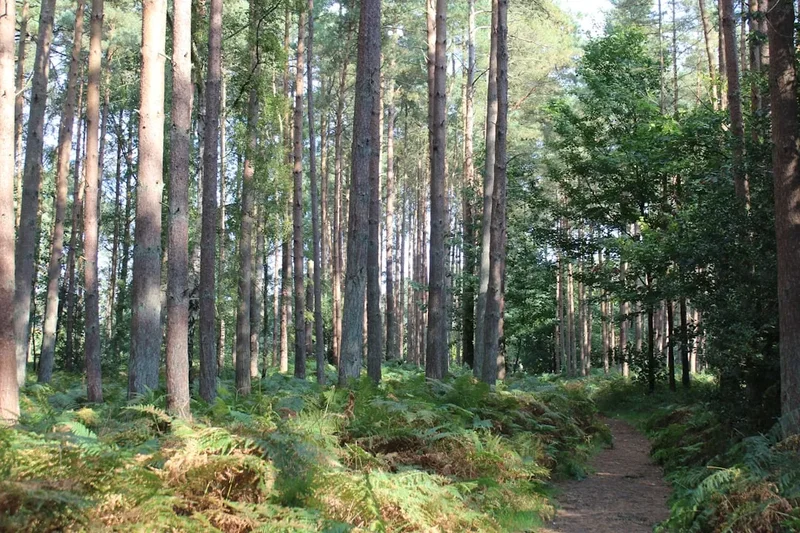
The Loch an Eilein Loop is a quintessential Scottish Highland experience, encapsulating the charm and wild beauty of the Cairngorms. The walk begins at the well-maintained Loch an Eilein car park, where clear signage guides you onto the path. The initial section leads you into the Rothiemurchus Forest, one of the largest remnants of the ancient Caledonian pine forest. Here, majestic Scots pines, some centuries old, tower overhead, their gnarled branches creating a dappled canopy. The air is often filled with the scent of pine needles and damp earth, and the forest floor is carpeted with heather, mosses, and ferns. Birdsong is a constant companion, with species like the crested tit, Scottish crossbill, and various finches often heard and seen.
As the trail progresses, it opens up to reveal the stunning Loch an Eilein itself. The loch is renowned for its exceptionally clear, dark waters, reflecting the surrounding pine-clad hills and the dramatic ruins of Loch an Eilein Castle, which sits on a small island in the centre of the loch. This island castle, dating back to the 13th century, is a prominent landmark and a focal point of the walk. Its weathered stone walls, standing sentinel in the middle of the water, evoke a sense of history and mystery, hinting at past lives and ancient conflicts. The path follows the loch's shoreline, offering numerous vantage points for photography and quiet contemplation. The gentle undulations of the terrain ensure that the walk remains pleasant, with the occasional rise providing elevated views over the water and the wider Rothiemurchus landscape.
The loop is designed to showcase the diverse habitats within the estate. Beyond the pine forest, you'll encounter areas of birch woodland and open moorland, each supporting its own unique flora and fauna. The trail is generally well-trodden and easy to follow, making it suitable for a wide range of visitors. The combination of ancient woodland, a beautiful loch, and a historic ruin makes the Loch an Eilein Loop a truly memorable and rewarding day walk, embodying the natural and cultural heritage of the Cairngorms.
History and Cultural Context
The history of Loch an Eilein and its surroundings is deeply intertwined with the story of the Rothiemurchus Estate and the wider Cairngorms region. The most striking historical feature is the ruin of Loch an Eilein Castle, situated on the island in the centre of the loch. This formidable structure dates back to the 13th century, making it one of the oldest castles in the Scottish Highlands. It is believed to have been built by the Clan Cumming, a powerful family in the medieval period, as a defensive stronghold. The castle's strategic location on an island within the loch provided natural protection, making it difficult to attack.
Over the centuries, the castle has witnessed periods of conflict and change. It is said to have been burned by the Clan Grant in the 15th century during a feud with the Cummings. Despite its ruined state, the castle remains a powerful symbol of the region's turbulent past. Its presence on the loch adds a layer of romanticism and historical intrigue to the landscape, drawing visitors to imagine the lives of those who once inhabited its walls.
The Rothiemurchus Estate itself has a long and rich history, with evidence of human settlement dating back to prehistoric times. The estate has been managed for centuries, with a strong emphasis on forestry and traditional Highland land use. The preservation of the ancient Caledonian pine forest is a testament to this long-standing stewardship. This forest is a rare and precious ecosystem, a surviving fragment of the vast pine woodlands that once covered much of Scotland. Its ecological significance is immense, providing a habitat for a unique array of flora and fauna, including rare birds and insects.
The area also holds cultural significance for the indigenous Pictish people who inhabited Scotland in ancient times, and later for the Gaelic-speaking clans who shaped the Highland landscape. The presence of standing stones and ancient burial sites in the wider Cairngorms region attests to this deep historical connection. The Loch an Eilein Loop, therefore, is not just a walk through beautiful scenery, but a journey through layers of history, from ancient woodland ecosystems to medieval fortifications and the enduring traditions of the Scottish Highlands.
Seasonal Highlights and Weather Reality
The Loch an Eilein Loop is a year-round destination, with each season offering a distinct experience. However, the most popular and generally pleasant time to visit is from April to October.
Spring (April–May): This is a beautiful time to visit as the forest awakens from winter. New growth appears on the trees, and wildflowers begin to bloom along the path. The air is fresh, and the birdlife becomes increasingly active. The weather can be variable, with crisp, sunny days interspersed with cooler, wetter periods. Snow may still linger on the higher peaks of the Cairngorms, offering a dramatic backdrop.
Summer (June–August): Summer offers the longest daylight hours, making it ideal for extended exploration. The forest is lush and green, and the loch is at its most inviting. This is also the peak season for visitors, so the car park can get busy, especially on weekends and during school holidays. Sandflies can be present, particularly in damp, still conditions, so insect repellent is advisable. The weather is generally warmer, but rain showers are still common in the Scottish Highlands.
Autumn (September–October): Autumn is a spectacular season for the Loch an Eilein Loop. The Caledonian pine forest transforms into a tapestry of rich colours, with the Scots pines retaining their green but the surrounding deciduous trees, such as birch and rowan, turning shades of gold, red, and orange. The air is crisp, and the light is often soft and atmospheric, making it a photographer's paradise. The crowds thin out, offering a more tranquil experience. The weather can be unpredictable, with potential for frost and early snow as the season progresses.
Winter (November–March): While the loop is still accessible in winter, it requires more preparation. Snow and ice can make the paths slippery, and daylight hours are significantly reduced. The forest takes on a stark, beautiful character under a blanket of snow, and the frozen loch can be a magical sight. However, conditions can change rapidly, and it's essential to check weather forecasts and be prepared for cold temperatures and potential winter hazards. The car park may also be affected by snow.
Weather Reality: The Cairngorms are known for their changeable weather. Even in summer, it's wise to be prepared for rain, wind, and cooler temperatures. Layers are essential, and waterproof outer gear is highly recommended regardless of the season. The lochside can be exposed, so wind protection is also advisable.
Recommended Itinerary
Loch an Eilein Loop - Day Walk Itinerary
Early Morning (Approx. 9:00 AM): Arrival and Start
- Drive to Loch an Eilein Car Park (fee applies).
- Ensure you have appropriate footwear, clothing, and any necessary supplies.
- Begin the walk from the car park, following the well-marked signs for the Loch an Eilein Loop.
Morning (Approx. 9:15 AM - 10:30 AM): Ancient Pine Forest Exploration
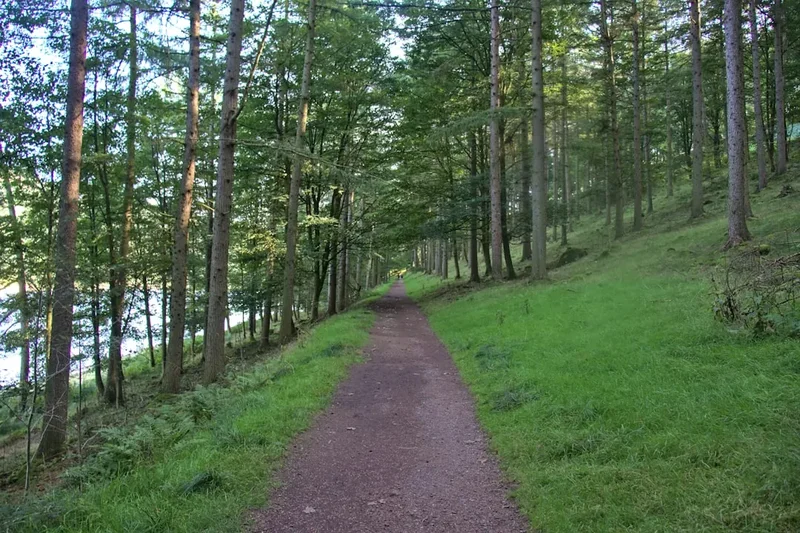
- Enter the Rothiemurchus Forest, a significant remnant of the ancient Caledonian pine forest.
- Walk amongst towering Scots pines, some of which are hundreds of years old.
- Observe the diverse undergrowth, including heather, mosses, and ferns.
- Listen for the calls of woodland birds such as crested tits and Scottish crossbills.
- The path is generally flat and well-maintained, with gentle undulations.
Midday (Approx. 10:30 AM - 12:00 PM): Loch an Eilein and Castle Views
- The trail emerges to reveal the stunning Loch an Eilein.
- Walk along the loch's shoreline, enjoying panoramic views.
- Admire the clear, dark waters of the loch and the reflections of the surrounding landscape.
- Spot the 13th-century ruins of Loch an Eilein Castle situated on the island in the centre of the loch.
- Take time to appreciate the historical significance and picturesque setting.
- There are several points along the lochside suitable for a short break or photography.
Afternoon (Approx. 12:00 PM - 1:00 PM): Return to Car Park
- Continue following the loop path as it winds back towards the car park.
- The path may take you through different sections of woodland or open heathland.
- Enjoy the final views of the forest and the wider Rothiemurchus landscape.
- Arrive back at the Loch an Eilein Car Park, completing the 7.0 km loop.
Optional Extensions/Variations:
- For a longer walk, consider exploring other trails within the Rothiemurchus Estate, such as those leading towards Glenmore Forest Park or the Cairngorm foothills.
- Picnic spots are available around the loch, offering a pleasant place to enjoy a packed lunch.
Important Notes:
- The loop is well-signposted, but carrying a map or using a GPS device is always recommended.
- Wear sturdy walking shoes or boots, as some sections may be uneven or muddy.
- Be prepared for changeable Scottish weather; bring waterproofs and layers.
- Insect repellent is advisable, especially during summer months.
- Respect the natural environment and historical site; stay on marked paths and do not disturb the castle ruins.
Planning and Bookings
Book Your Trip
Everything you need to plan your journey
Accommodation
Find places to stay near Aviemore
Flights
Search flights to Aviemore
Essential Preparation
The Loch an Eilein Loop is a straightforward day walk, requiring minimal complex planning. The primary consideration is ensuring you have adequate time to enjoy the walk and the surrounding area. Aviemore is the closest major town and serves as the main hub for visitors to the Cairngorms. It offers a wide range of accommodation options, from budget hostels and campsites to hotels and self-catering cottages. Aviemore also has numerous outdoor gear shops, supermarkets for purchasing supplies, and a variety of restaurants and cafes.
Access to the trailhead is straightforward. From Aviemore, follow the signs for Rothiemurchus and Loch an Eilein. The drive is short, typically around 10 minutes, and the road is paved and in good condition. The Loch an Eilein car park is well-signposted and has ample space, though it can become busy during peak times. A parking fee applies, so it's advisable to have change or check for payment options upon arrival. For those without a car, local bus services operate to Aviemore, and taxis can be hired for the short journey to the loch. The walk itself requires no advance booking or permits, making it a spontaneous and accessible option.
Trail Accommodation
This is a day hike requiring no overnight accommodation. The Loch an Eilein Loop is designed to be completed within a few hours, allowing visitors to stay in nearby towns or villages such as Aviemore, or to continue exploring other attractions within the Cairngorms National Park.
Required Gear
- Footwear: Sturdy walking shoes or boots with good grip are recommended. While the path is generally well-maintained, some sections can be uneven or muddy, especially after rain.
- Clothing: Wear comfortable, layered clothing suitable for the prevailing weather conditions. This should include a moisture-wicking base layer, an insulating mid-layer (fleece or wool), and a waterproof and windproof outer jacket.
- Headwear: A warm hat or beanie is advisable, especially outside of summer months, and a sun hat or cap for sunny days.
- Gloves: Lightweight gloves can be useful for cooler days or windy conditions.
- Navigation: While the loop is well-signposted, a map of the Rothiemurchus Estate or a GPS device with the route loaded is a good precaution. A compass can also be useful for general orientation.
- Safety Gear: A basic first-aid kit including plasters, antiseptic wipes, and any personal medication is always recommended for day walks. A mobile phone with a fully charged battery is essential for emergencies, though signal coverage can be intermittent in some areas.
What to Bring
- Food and Drink: Carry sufficient water for the duration of your walk (at least 1 litre per person). Packed lunch and snacks are recommended, as there are no facilities at the trailhead or along the immediate loop.
- Toiletries: Hand sanitiser and any personal hygiene items. Toilet facilities are available at the car park.
- Sun Protection: Sunscreen and sunglasses are advisable, even on cloudy days, as UV rays can still be strong.
- Insect Repellent: Especially during the summer months (June-August), sandflies and midges can be present. A good quality insect repellent is highly recommended.
- Camera: To capture the stunning scenery of the loch, castle ruins, and ancient forest.
- Binoculars: For birdwatching and observing wildlife.
- Small Backpack: To comfortably carry all your essentials.
- Cash: For parking fees and any potential purchases in Aviemore.
Permits
No permits are required to walk the Loch an Eilein Loop. The trail is part of the Rothiemurchus Estate, which is managed for public access. However, a parking fee is applicable at the Loch an Eilein car park. It is advisable to check the current parking charges before your visit, as these can be subject to change. Payment is typically made via an honesty box or a pay-and-display machine.
The Rothiemurchus Estate is committed to conservation and sustainable tourism. While no specific permits are needed for walking, visitors are expected to adhere to the estate's guidelines for responsible access, which include staying on marked paths, not disturbing wildlife, and taking all litter home. These principles align with broader Scottish outdoor access codes.
Other Activities in the Area
The Rothiemurchus Estate and the surrounding Cairngorms National Park offer a wealth of activities for visitors:
- Rothiemurchus Estate Activities: Beyond the Loch an Eilein Loop, the estate offers numerous other walking trails, cycling routes, and opportunities for wildlife spotting. Activities such as archery, clay pigeon shooting, and guided nature walks are also available.
- Glenmore Forest Park: Located a short drive from Loch an Eilein, Glenmore offers further walking and cycling opportunities, including trails around Loch Morlich, which features a popular sandy beach and watersports facilities.
- Cairngorm Mountain: For those seeking higher-altitude experiences, Cairngorm Mountain offers hiking trails, stunning views, and a funicular railway (check operational status). In winter, it's a popular destination for skiing and snowboarding.
- Aviemore: The bustling town of Aviemore provides a range of amenities, including shops, restaurants, pubs, an ice rink, and a swimming pool. It's also the starting point for the Strathspey Steam Railway.
- Highland Wildlife Park: Located near Kingussie, this park is home to a variety of native and exotic animals, including polar bears, tigers, and Scottish wildcats.
- Whisky Distilleries: The Speyside region, famous for its whisky production, is within driving distance, offering distillery tours and tastings.
- Watersports: Loch Morlich and other nearby lochs offer opportunities for kayaking, canoeing, paddleboarding, and sailing.
Safety and Conditions
Weather: The most significant safety consideration in the Cairngorms is the unpredictable weather. Always check the mountain forecast (e.g., from MetOffice or MWIS) before setting out. Be prepared for rapid changes, including rain, strong winds, and even snow at higher elevations, regardless of the season. Layers of clothing are essential, and waterproofs are a must.
Terrain: The Loch an Eilein Loop is generally easy, but paths can be uneven, muddy, or slippery, especially after rain. Wear appropriate footwear with good ankle support and grip. The castle ruins on the island are not maintained and should be approached with extreme caution; climbing on them is dangerous and prohibited.
Wildlife: While most wildlife is shy, be aware of your surroundings. Ticks can be present in grassy and woodland areas, particularly during warmer months. Check yourself for ticks after your walk and know how to remove them safely. Deer are common, and while generally harmless, it's best to observe them from a distance.
Navigation: Although the loop is well-signposted, it's always wise to carry a map and compass or a GPS device. Mobile phone signal can be unreliable in parts of the forest and around the loch, so do not rely solely on your phone for navigation or emergency calls.
Emergencies: In case of an emergency, dial 999 or 112 and ask for the police, then mountain rescue. Be prepared to give your exact location, the nature of the emergency, and the number of people involved. The Loch an Eilein car park is a good reference point.
Sandflies and Midges: During warmer months, particularly in damp, still conditions, sandflies and midges can be a nuisance. Carry effective insect repellent containing DEET or Picaridin, and consider wearing a head net if you are particularly sensitive.
Side Trips and Points of Interest
Loch an Eilein Castle Ruins: The undisputed highlight of the walk. These 13th-century ruins stand on a small island in the middle of the loch, adding a dramatic and historical dimension to the natural beauty. The castle is believed to have been built by the Clan Cumming and later burned by the Clan Grant. Its picturesque setting makes it a popular spot for photography and contemplation. Visitors should exercise caution around the ruins, as they are unrestored and potentially unstable.
Ancient Caledonian Pine Forest: The loop passes through a significant section of the Rothiemurchus Forest, one of the largest and best-preserved remnants of the ancient Caledonian pine forest. Walking amongst these majestic Scots pines, some of which are centuries old, is a unique experience. The forest floor is rich with heather, mosses, and ferns, creating a diverse and atmospheric environment. Keep an eye out for the specialised flora and fauna that inhabit this rare ecosystem, including the endangered crested tit and Scottish crossbill.
Rothiemurchus Estate: The wider Rothiemurchus Estate offers numerous opportunities for exploration beyond the immediate loop. Various walking and cycling trails crisscross the estate, leading through different types of woodland, open moorland, and alongside rivers. The estate is a hub for outdoor activities, and exploring further can reveal hidden glens, viewpoints, and diverse wildlife.
Loch an Eilein Shoreline: The path circumnavigates much of the loch, providing constantly changing perspectives of the water, the castle, and the surrounding hills. There are numerous natural stopping points along the shore, perfect for a rest, a picnic, or simply to soak in the tranquil atmosphere and enjoy the reflections on the water.
Leave No Trace
The Loch an Eilein Loop, situated within the beautiful Rothiemurchus Estate and the Cairngorms National Park, is a precious natural and historical resource. Adhering to Leave No Trace principles ensures that this area remains pristine for future generations and that the delicate ecosystem and historical integrity are preserved.
Plan Ahead and Prepare: Familiarise yourself with the route, check the weather forecast, and pack accordingly. Understand the parking arrangements and any associated fees.
Travel and Camp on Durable Surfaces: Stick to the marked paths and trails. Avoid walking on fragile vegetation, especially mosses and young trees, which can take a long time to recover. The paths around Loch an Eilein are well-established and designed to minimise impact.
Dispose of Waste Properly: Pack out everything you pack in. This includes all litter, food scraps, and anything else you bring with you. There are no bins along the trail, so be prepared to carry your rubbish back to the car park or to a suitable disposal point in Aviemore. Use the toilet facilities at the car park and avoid leaving any waste behind.
Leave What You Find: Do not disturb or remove any natural objects, such as rocks, plants, or fungi. Similarly, respect the historical site of the castle ruins; do not climb on them or remove any stones. Take only photographs and memories.
Minimise Campfire Impacts: Campfires are not permitted on this day walk. If you are planning to camp elsewhere in the Cairngorms, always use a stove and follow local regulations regarding fires.
Respect Wildlife: Observe wildlife from a distance and never feed animals. Feeding can alter their natural behaviour and diet, and can be harmful to their health. Be aware of ticks and take precautions to avoid bites.
Be Considerate of Other Visitors: Keep noise levels down, especially in the forest and around the loch, to allow everyone to enjoy the peace and tranquility of the area. Yield to other walkers on narrower sections of the path.