
Llanganuco Lakes Trail
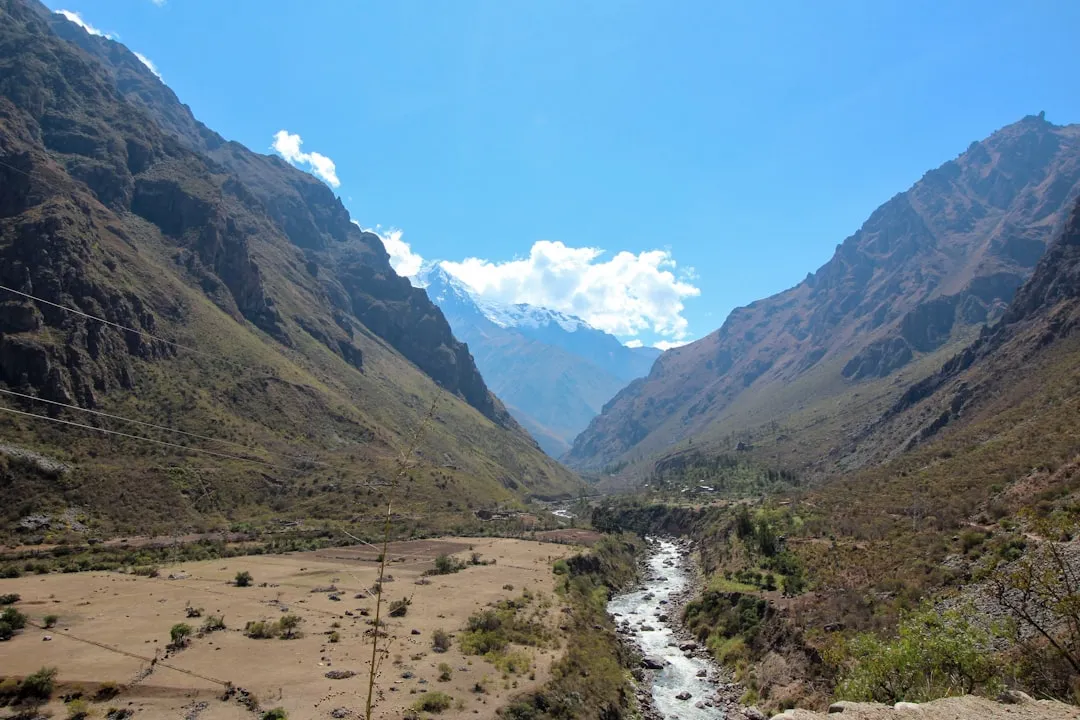
The Llanganuco Lakes Trail, nestled within the breathtaking Cordillera Blanca mountain range of Peru, offers a spectacular day hike to two vibrant turquoise glacial lakes: Chinancocha and Orconcocha. Situated within the Huascarán National Park, this trail is renowned for its stunning alpine scenery, accessible yet rewarding terrain, and the sheer beauty of its glacial-fed waters. The hike provides an excellent introduction to the high-altitude environment of the Andes, with panoramic views of snow-capped peaks, including the majestic Huascarán, Peru's highest mountain. The trail is relatively short in distance but gains significant elevation, making it a moderate challenge that is well worth the effort for the unparalleled vistas it provides.
- Distance: 12.0 km (round trip)
- Elevation Gain: 400 m
- Duration: 5-6 hours
- Difficulty: Moderate
- Best Time: May to September (dry season)
- Closest City: Huaraz
- Trailhead Access: From Huaraz, take a colectivo or taxi to Yungay (approx. 1 hour). From Yungay, hire a taxi to the Llanganuco Lakes trailhead (Parque Nacional Huascarán entrance). The road is paved but can be bumpy. Parking available. Park entrance fee required.
- Coordinates: -9.0736, -77.6283
Overview
The Llanganuco Lakes Trail is a quintessential Andean day hike, offering a concentrated dose of the Cordillera Blanca's dramatic beauty. The journey begins at the Llanganuco Lakes trailhead, situated at an already impressive altitude of approximately 3,850 metres. From here, the path winds its way upwards, gradually ascending through a landscape that transitions from sparse alpine meadows to rocky scree slopes. The primary objective is to reach the viewpoints overlooking the twin lakes, Chinancocha (female lake) and Orconcocha (male lake), whose striking turquoise hues are a result of glacial silt suspended in the water. These colours are most vibrant under clear skies, reflecting the surrounding snow-capped peaks like Pisco, Huandoy, and the formidable Huascarán.
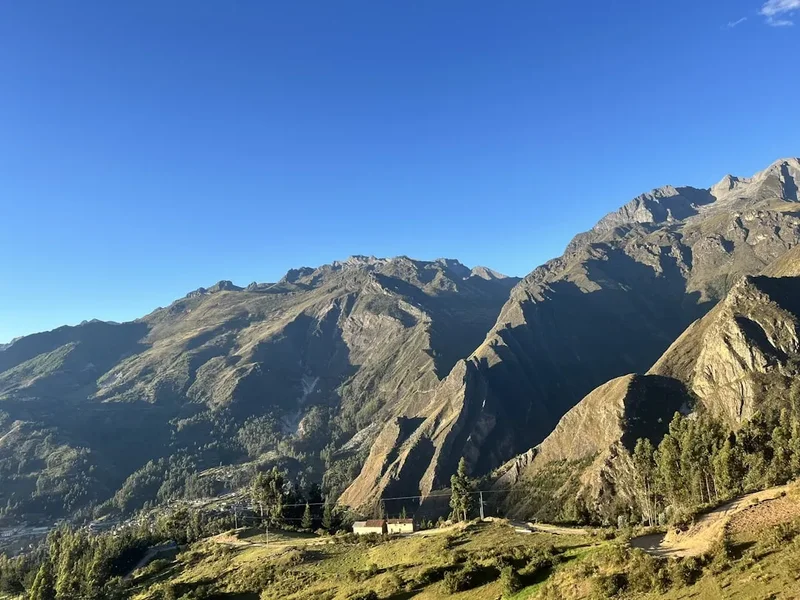
The trail itself is well-trodden but can be steep in sections, requiring a steady pace and acclimatisation to the altitude. As you climb, the air thins, and the silence of the high mountains becomes more profound, broken only by the wind or the distant cry of a bird. The vegetation is sparse, consisting mainly of hardy grasses, low-lying shrubs, and the iconic Puya Raimondii, a giant bromeliad that can take decades to bloom. The views expand with every metre gained, offering increasingly spectacular panoramas of the surrounding peaks and the vast glacial valleys.
The moderate difficulty rating reflects the altitude and the sustained climb. Hikers should be prepared for cooler temperatures, especially in the early morning and late afternoon, and the possibility of strong winds. The dry season, from May to September, offers the most stable weather conditions, with sunny days and minimal rainfall, making it the ideal time to undertake this trek. The Llanganuco Lakes Trail is not just a hike; it's an immersion into a high-altitude ecosystem, a visual feast of colour and form, and a testament to the raw power and beauty of the Andes.
History and Cultural Context
The Llanganuco Lakes and the surrounding Cordillera Blanca have a rich history deeply intertwined with the indigenous peoples of the Andes. For centuries, these mountains have been considered sacred by local communities, with the towering peaks often revered as powerful deities or apus. The valleys and lakes were likely used for seasonal grazing, hunting, and as part of ancient trade routes connecting different regions of the Andean highlands.
The area's geological history is equally significant. The Cordillera Blanca is a young mountain range, geologically speaking, formed by tectonic uplift and shaped by extensive glaciation. The Llanganuco Lakes themselves are a direct result of this glacial activity. They were formed in cirques carved by ancient glaciers, and their vibrant colours are due to rock flour—fine sediment ground down by glaciers and suspended in the meltwater. This phenomenon is common in glacial lakes worldwide but is particularly striking at Llanganuco due to the mineral composition of the surrounding rocks and the clarity of the water.
In more recent history, the Cordillera Blanca has become a mecca for mountaineers and trekkers from around the globe. The establishment of Huascarán National Park in 1975 was a crucial step in protecting this unique environment and its biodiversity. The park encompasses a vast area of high-altitude ecosystems, including glaciers, puna grasslands, and cloud forests, and is home to a remarkable array of flora and fauna, some of which are endemic. The Llanganuco Lakes Trail, while a relatively short and accessible hike, passes through this protected landscape, offering visitors a glimpse into both the natural and cultural heritage of the Peruvian Andes.
Seasonal Highlights and Weather Reality
The Llanganuco Lakes Trail is best experienced during the dry season in the Peruvian Andes, which typically runs from May to September. This period offers the most favourable weather conditions for hiking at high altitudes.
Dry Season (May to September): This is the prime hiking season. Days are generally sunny and clear, with minimal rainfall. Temperatures can be cool to cold, especially at night and in the early morning, often dropping below freezing. Daytime temperatures can reach pleasant levels in direct sunlight, but the thin air means UV radiation is intense. The skies are typically a brilliant blue, providing excellent visibility of the surrounding peaks and enhancing the vibrant colours of the lakes. This is the period when the trail is most accessible and enjoyable for most hikers.
Shoulder Seasons (April and October): These months can be transitional. April may still see some lingering rain from the wet season, while October can mark the beginning of increased rainfall. However, these periods can also offer fewer crowds and potentially more dramatic cloud formations over the mountains. Weather can be more unpredictable, with a higher chance of afternoon showers or cloudy conditions.
Wet Season (November to March): This period is characterised by frequent and heavy rainfall, often in the form of intense afternoon thunderstorms. While mornings might be clear, the afternoons are typically overcast and wet. The trails can become muddy and slippery, and visibility of the peaks is often obscured by clouds. The vibrant colours of the lakes may be muted by overcast skies. While hiking is still possible, it is generally less recommended due to the challenging weather conditions and potential for reduced visibility and trail conditions.
Altitude and Weather: Regardless of the season, it is crucial to remember that you are at high altitude. Weather can change rapidly in the mountains. Even during the dry season, unexpected showers or strong winds can occur. Always be prepared for a range of conditions, including cold temperatures, wind, and rain, even if the forecast is for clear skies.
Recommended Itinerary
Llanganuco Lakes Day Hike Itinerary
Early Morning (approx. 7:00 AM - 8:00 AM): Departure from Huaraz
- Depart Huaraz by taxi or colectivo.
- The journey to Yungay takes approximately 1 hour.
- From Yungay, arrange a taxi or private vehicle to the Llanganuco Lakes trailhead. This part of the journey involves a scenic but sometimes bumpy drive up into the mountains.
Morning (approx. 9:00 AM - 10:00 AM): Arrival at Trailhead and Park Entrance
- Arrive at the entrance to Huascarán National Park.
- Pay the park entrance fee.
- Continue a short distance to the main Llanganuco Lakes trailhead parking area (approx. 3,850 m).
- Take time to acclimatise, drink water, and prepare your gear.
Midday (approx. 10:00 AM - 1:00 PM): Hike to the Lakes
- Begin the hike towards the Llanganuco Lakes.
- The trail is generally well-defined but can be steep in places.
- Ascend through alpine meadows and rocky terrain.
- Enjoy increasingly spectacular views of the surrounding peaks, including Huascarán and Huandoy.
- Reach the viewpoint overlooking the first lake, Chinancocha (the larger, more vibrant turquoise lake).
- Continue a short distance to Orconcocha (the smaller, slightly darker lake).
- Spend time at the lakes, taking photographs and soaking in the scenery.
- Elevation gain: Approximately 400 metres.
- Distance covered: Approximately 6.0 km (one way).
Afternoon (approx. 1:00 PM - 3:00 PM): Return Hike and Lunch
- Begin the descent back to the trailhead.
- The descent is generally quicker than the ascent.
- Enjoy the changing perspectives of the landscape on your way down.
- Have a packed lunch at the trailhead or a scenic spot along the way.
- Distance covered: Approximately 6.0 km (return).
Late Afternoon (approx. 3:00 PM onwards): Departure and Return to Huaraz
- Meet your pre-arranged taxi or driver at the trailhead.
- Begin the journey back to Yungay and then to Huaraz.
- Arrive back in Huaraz in the late afternoon or early evening.
Important Notes:
- This is a day hike; no overnight accommodation is required.
- Acclimatisation is crucial. Spend at least one or two nights in Huaraz (3,050 m) before attempting this hike.
- Carry plenty of water and high-energy snacks.
- Wear sturdy hiking boots and dress in layers.
- Sun protection (hat, sunglasses, sunscreen) is essential due to the high altitude and intense UV rays.
- Be prepared for changing weather conditions.
Planning and Bookings
Book Your Trip
Everything you need to plan your journey
Accommodation
Find places to stay near Huaraz
Flights
Search flights to Huaraz
Essential Preparation
The Llanganuco Lakes Trail is a popular day hike, and while it doesn't require the extensive advance booking of multi-day treks, proper preparation is key to a successful and enjoyable experience. The primary logistical hub for accessing the Llanganuco Lakes is the city of Huaraz. It is highly recommended to spend at least one to two full days in Huaraz (altitude 3,050 metres) for acclimatisation before attempting this hike, which reaches an elevation of over 4,000 metres. This allows your body to adjust to the thinner air, significantly reducing the risk of altitude sickness.
Huaraz offers a wide range of accommodation options, from budget-friendly hostels and guesthouses to comfortable mid-range hotels. It also has numerous tour operators that can arrange transport to the Llanganuco Lakes, often as part of a larger day tour that may include other attractions in the region. Alternatively, you can hire a private taxi or take a colectivo (shared van) to Yungay and then arrange a taxi from there to the trailhead. Ensure your transport is confirmed for both the outward journey and the return trip, especially if you are not part of a tour group.
Trail Accommodation
This is a day hike requiring no overnight accommodation.
Required Gear
- Hiking Boots: Sturdy, broken-in hiking boots with good ankle support are essential for navigating the uneven terrain.
- Backpack: A comfortable daypack (20-30 litres) to carry essentials like water, snacks, extra layers, and camera.
- Waterproof Jacket: A lightweight, waterproof and windproof jacket is crucial, as mountain weather can change rapidly.
- Warm Layers: Even in the dry season, temperatures at altitude can be cold. Bring a fleece or down jacket, a warm hat (beanie), and gloves.
- Sun Protection: High SPF sunscreen, sunglasses, and a wide-brimmed hat are vital due to the intense UV radiation at high altitudes.
- Headlamp/Torch: Essential in case of unexpected delays or if starting very early.
- First-Aid Kit: A basic kit including blister treatment, pain relievers, antiseptic wipes, and any personal medications.
- Trekking Poles: Highly recommended for stability on ascents and descents, and to reduce strain on knees.
What to Bring
- Water: Carry at least 2-3 litres of water per person. Water sources on the trail are generally not recommended for drinking without treatment.
- Food: High-energy snacks such as nuts, dried fruit, energy bars, and chocolate. A packed lunch is also recommended.
- Camera: To capture the stunning scenery. Ensure you have spare batteries or a power bank.
- Toiletries: Hand sanitiser, toilet paper (as facilities may be basic or non-existent), and any personal hygiene items.
- Identification: Carry your passport or a copy for park entry.
- Cash: For park entrance fees and any local purchases. Peruvian Soles are recommended.
- Insect Repellent: While not as prevalent as in lower altitudes, some biting insects can be present.
Permits
Access to the Llanganuco Lakes Trail is within the Huascarán National Park, a UNESCO World Heritage site. Therefore, an entrance fee is required to enter the park. This fee is typically paid at the park entrance gate before proceeding to the trailhead.
Park Entrance Fee:
- The cost of the entrance fee can vary, but it is generally a one-time payment for access to the park for a specified period (often one day for day hikes).
- It is advisable to have cash (Peruvian Soles) readily available, as card payment facilities may not always be available at the park entrance.
- The exact fee amount should be confirmed with local tour operators or your accommodation in Huaraz, as it can be subject to change.
Booking Requirements:
- For day hikes like the Llanganuco Lakes Trail, advance booking of the park entrance fee is generally not required. You can typically purchase your ticket upon arrival at the park entrance.
- However, if you are arranging transport through a tour operator, the entrance fee may sometimes be included in the tour package. Clarify this when booking your tour.
Important Considerations:
- Always carry your identification (passport or copy) with you, as park rangers may request to see it.
- Respect the park regulations and guidelines to help preserve the fragile alpine environment.
Other Activities in the Area
The region around Huaraz and Huascarán National Park offers a wealth of activities for outdoor enthusiasts and cultural explorers:
- Laguna 69 Hike: Another iconic day hike, leading to a stunning turquoise lake at the base of a massive glacier. This hike is more challenging than Llanganuco Lakes due to higher altitude and steeper ascents.
- Pastoruri Glacier: Visit the rapidly receding Pastoruri Glacier, a stark reminder of climate change. The site also features the unique Puya Raimondii plants.
- Chavín de Huántar: Explore the ancient ruins of the Chavín culture, a pre-Inca civilization known for its impressive stone carvings and ceremonial centre. This is a significant archaeological site.
- Trekking in the Cordillera Blanca: For multi-day adventures, consider treks like the Santa Cruz Trek (3-4 days) or the more challenging Huayhuash Circuit (8-12 days), offering unparalleled mountain scenery.
- Mountaineering: The Cordillera Blanca is a world-renowned destination for mountaineering, with numerous peaks suitable for various skill levels, from beginner climbs like Pisco to challenging ascents of Huascarán itself.
- Rock Climbing: Several areas offer opportunities for rock climbing, with routes catering to different abilities.
- Exploring Huaraz: The city itself offers a vibrant atmosphere with local markets, museums (like the Museo Arqueológico de Ancash), and opportunities to sample Peruvian cuisine.
- Thermal Baths: Relax in the hot springs of Monterrey, located a short distance from Huaraz.
Safety and Conditions
Altitude Sickness (Soroche): This is the most significant risk when hiking at high altitudes. Symptoms can include headache, nausea, dizziness, and fatigue. To mitigate this:
- Acclimatise properly: Spend at least 1-2 days in Huaraz (3,050 m) before hiking to Llanganuco Lakes (over 4,000 m).
- Hydrate: Drink plenty of water throughout the day.
- Avoid alcohol and heavy meals: Especially during the acclimatisation period.
- Ascend gradually: Do not exert yourself excessively on your first day at altitude.
- Consider medication: Diamox (acetazolamide) can be prescribed by a doctor to help with acclimatisation.
- Listen to your body: If symptoms worsen, descend immediately.
Weather: Mountain weather is unpredictable. Be prepared for:
- Rapid changes: Sunny mornings can quickly turn into cold, windy, or rainy afternoons.
- Intense sun: The UV index is very high at altitude. Use high SPF sunscreen, wear a hat and sunglasses.
- Cold temperatures: Especially in the early morning and late afternoon. Layering clothing is essential.
- Wind: Strong winds can make it feel much colder.
Trail Conditions:
- The trail is generally well-maintained but can be steep and rocky in sections.
- During the wet season (November to March), trails can become muddy and slippery.
- Ensure you wear appropriate footwear with good grip.
General Safety:
- Stay on the trail: Wandering off marked paths can lead to getting lost or damaging fragile vegetation.
- Inform someone of your plans: Let your accommodation or a friend know your hiking itinerary and expected return time.
- Carry a mobile phone: While signal may be intermittent, it's useful in emergencies. Consider a portable charger.
- Travel insurance: Ensure your insurance covers high-altitude trekking and emergency evacuation.
- Respect wildlife: Do not feed or disturb any animals you encounter.
Side Trips and Points of Interest
While the Llanganuco Lakes themselves are the primary destination, the journey and the surrounding area offer several points of interest:
Laguna Chinancocha: The larger and more accessible of the two lakes, Chinancocha is renowned for its striking turquoise colour. The vibrant hue is a result of glacial silt (rock flour) suspended in the water, which reflects sunlight. The lake is often surrounded by lush green meadows and offers stunning reflections of the surrounding peaks, particularly the imposing Huandoy massif.
Laguna Orconcocha: Located just a short distance from Chinancocha, Orconcocha is the smaller of the two lakes. Its colour can sometimes appear slightly darker or more muted than Chinancocha, depending on the light and water levels. It offers a quieter, more intimate experience and still provides beautiful views of the alpine landscape.
Puya Raimondii: Keep an eye out for these magnificent plants, also known as the Queen of the Andes. The Puya Raimondii is a giant bromeliad that can grow up to 15 metres tall and takes decades, sometimes over a century, to bloom. Its single, spectacular flowering event is followed by its death. While not always in bloom, their unique form is a notable feature of the high-altitude landscape.
Panoramic Mountain Views: The trail offers increasingly expansive views as you ascend. Key peaks visible include:
- Huascarán: Peru's highest mountain (6,768 m), its massive south face is a dominant feature of the Cordillera Blanca.
- Huascarán Norte: The northern summit of Huascarán.
- Pisco: A popular mountaineering peak (5,752 m) known for its accessible summit and stunning views.
- Huandoy: A distinctive massif with four peaks, often appearing as a jagged crown against the sky.
Alpine Meadows and Flora: The lower sections of the trail pass through alpine meadows dotted with hardy grasses and wildflowers. As you gain altitude, the vegetation becomes sparser, transitioning to a more rocky, scree-covered environment, showcasing the resilience of life in extreme conditions.
Leave No Trace
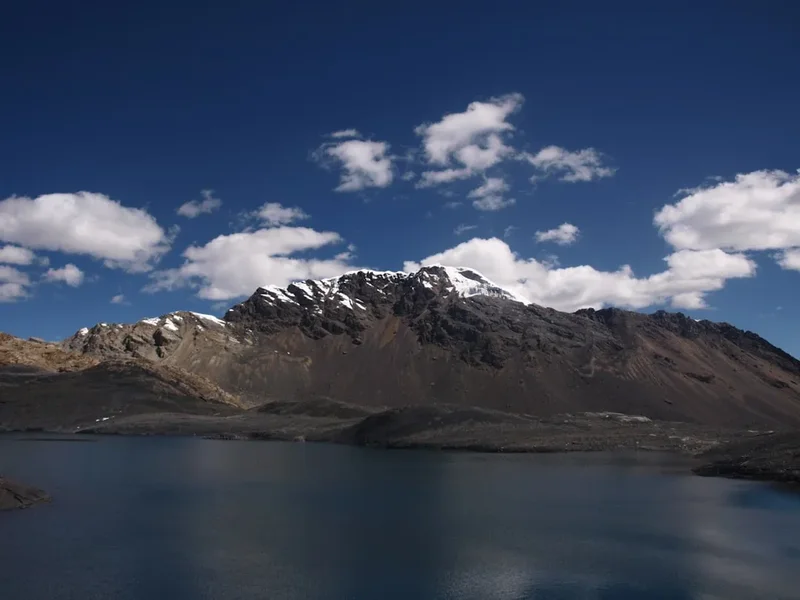
The Llanganuco Lakes Trail traverses a fragile alpine ecosystem within Huascarán National Park. Adhering to Leave No Trace principles is paramount to preserving this beautiful environment for future visitors and for the health of the ecosystem itself.
Plan Ahead and Prepare:
- Research the trail conditions, weather, and any park regulations before your visit.
- Pack appropriately for the conditions, including layers of clothing and sufficient food and water.
- Acclimatise properly to the altitude to ensure a safe and enjoyable hike.
Travel and Camp on Durable Surfaces:
- Stay on the marked trails at all times. This prevents erosion and protects delicate alpine vegetation that can take years to recover.
- Avoid cutting switchbacks, as this causes significant erosion.
Dispose of Waste Properly:
- Pack it in, pack it out. Carry out all trash, including food scraps, wrappers, and any other waste you generate.
- Use designated toilet facilities if available. If not, dig a cathole at least 60 metres (60 m) away from water sources, trails, and campsites, and bury human waste. Pack out used toilet paper.
Leave What You Find:
- Do not remove any natural objects, such as rocks, plants, or flowers.
- Avoid carving or marking on trees or rocks.
Minimise Campfire Impacts:
- Campfires are generally not permitted within Huascarán National Park, especially on day hikes. Always check current regulations.
- Use a portable stove for cooking if necessary.
Respect Wildlife:
- Observe wildlife from a distance. Do not feed animals, as this can disrupt their natural behaviours and diets.
- Secure your food properly to prevent attracting animals.
Be Considerate of Other Visitors:
- Keep noise levels down and avoid loud music.
- Yield to uphill hikers.
- Be courteous and respectful of other hikers and local communities.