
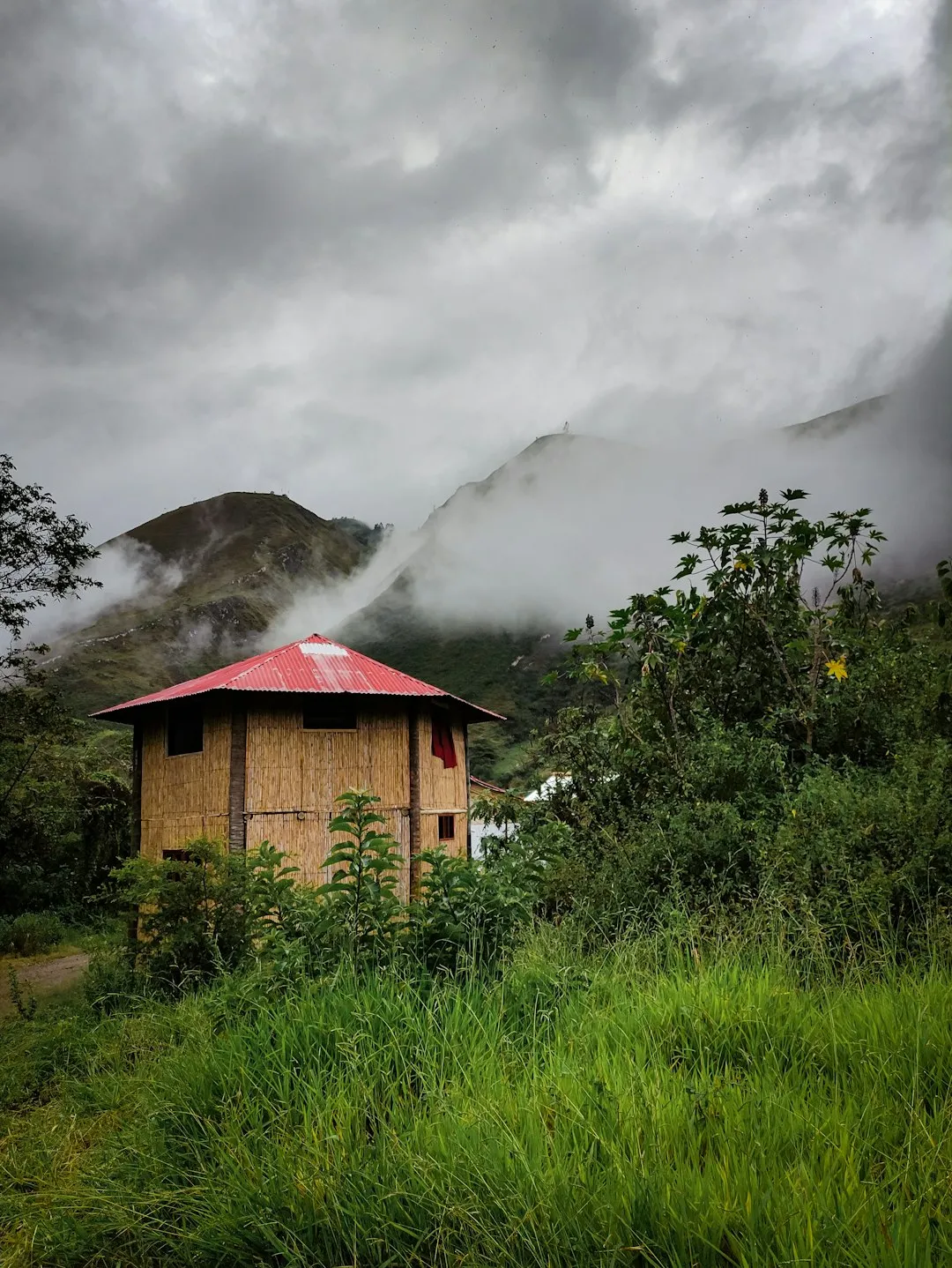
Llaca Glacier Trail - A High-Altitude Andean Gem
The Llaca Glacier Trail is a spectacular day hike located in the Cordillera Blanca mountain range of Peru, near the popular trekking hub of Huaraz. This trail offers trekkers an incredible opportunity to experience the raw beauty of the high Andes, culminating in breathtaking views of the Llaca Glacier and the surrounding snow-capped peaks. It's a journey that takes you from the high-altitude grasslands and rocky moraines to the very edge of a magnificent glacier, providing a tangible connection to the powerful forces of nature that shape these dramatic landscapes.
The trail is renowned for its accessibility relative to its altitude, making it a popular choice for acclimatisation hikes and for those seeking a challenging yet achievable day trip into the heart of the Cordillera Blanca. The path winds through varied terrain, showcasing the unique flora and fauna of the region, and offering increasingly dramatic vistas as you ascend. The final approach to the glacier's viewpoint is a testament to the immense geological processes at play, with vast moraines and the imposing ice wall of the Llaca Glacier itself serving as a powerful reminder of the mountain environment.
- Distance: 12.0 km (round trip)
- Elevation gain: 600 m
- Duration: 4-6 hours
- Season: May to September (dry season)
- Closest City: Huaraz
- Trailhead Access: From Huaraz, take a colectivo or taxi to the trailhead. Colectivos leave from Huaraz market area. Taxi is more direct. The road is unpaved but generally accessible to most vehicles. Driving time approx. 1.5-2 hours. Limited parking at the trailhead. No permits required.
- Difficulty: Moderate
Overview
The Llaca Glacier Trail is a quintessential high-altitude Andean experience, offering a rewarding day hike that immerses you in the dramatic scenery of the Cordillera Blanca. Starting from a relatively modest elevation, the trail steadily climbs through a landscape that transforms from sparse vegetation to rugged alpine terrain. The path is well-trodden but can be steep in sections, requiring a good level of fitness and proper acclimatisation to the altitude.
As you ascend, the views open up, revealing panoramic vistas of the surrounding peaks, many of which exceed 5,000 metres. The air becomes thinner, and the silence of the mountains is broken only by the wind and the occasional call of high-altitude birds. The trail is characterised by its rocky sections, scree slopes, and the distinct geological features left by glacial activity, such as moraines and U-shaped valleys.
The ultimate destination is the viewpoint overlooking the Llaca Glacier. Here, you are met with the awe-inspiring sight of a vast ice mass clinging to the steep slopes of the surrounding mountains. The glacier's surface is a complex tapestry of ice, crevasses, and seracs, a dynamic and powerful natural phenomenon. The sheer scale of the glacier and the surrounding peaks, including the prominent Nevado Pisco and Nevado Huandoy, is truly humbling. This hike is not just about reaching a destination; it's about the journey through a starkly beautiful, high-altitude environment that showcases the grandeur of the Peruvian Andes.
History and Cultural Context
The Cordillera Blanca, where the Llaca Glacier Trail is situated, has a long and rich history intertwined with human activity and the powerful forces of nature. For centuries, indigenous communities, including the ancestors of the Quechua people, have lived in and around these mountains. These communities have developed a deep spiritual and practical connection with the Andean landscape, utilising its resources for agriculture, herding, and as pathways for trade and migration.
The mountains themselves have always held a sacred significance. Peaks like Nevado Pisco and Nevado Huandoy, visible from the Llaca Glacier viewpoint, are often considered apus, or mountain spirits, by local cultures. These spirits are believed to influence weather, fertility, and the well-being of the communities below. Traditional practices and beliefs surrounding these sacred mountains continue to influence how the landscape is perceived and respected.
In more recent history, the Cordillera Blanca gained international recognition as a premier destination for mountaineering and trekking in the mid-20th century. Explorers and climbers were drawn to its challenging peaks and stunning glacial landscapes. The development of infrastructure in Huaraz, such as improved roads and accommodation, has made these high-altitude trails more accessible to international visitors. However, the Llaca Glacier Trail, while popular, retains a sense of wildness and remoteness, a testament to the enduring power of the Andean environment.
The glacier itself, Llaca Glacier, is a direct product of the region's high altitude and cold climate. Its formation and retreat are indicators of climate change, a contemporary issue that impacts not only the visual landscape but also the water resources for communities downstream. Understanding the historical and cultural context of the Cordillera Blanca adds a deeper layer of appreciation to the experience of hiking the Llaca Glacier Trail.
Seasonal Highlights and Weather Reality
The Llaca Glacier Trail is best experienced during the dry season in the Cordillera Blanca, which typically runs from May to September. This period offers the most stable weather conditions, with clear blue skies and minimal rainfall, making for ideal hiking conditions.
Dry Season (May to September): This is the prime trekking season. Days are generally sunny and warm, though temperatures can drop significantly at night and at higher elevations. The skies are usually clear, offering excellent visibility of the surrounding peaks and glaciers. This is the period when the Llaca Glacier viewpoint is most reliably accessible and offers the most spectacular views. However, even during the dry season, weather can change rapidly in the mountains, so it's essential to be prepared for unexpected shifts.
Shoulder Seasons (April and October): These months can offer a transition period with a mix of weather. There might be occasional rain showers, but also periods of good weather. The landscape can be greener in April after the rainy season. These months can be less crowded than the peak dry season.
Wet Season (November to March): This period is characterised by frequent and heavy rainfall, often in the afternoons. The trails can become muddy and slippery, and visibility can be severely reduced due to cloud cover and fog. Glacier travel and high-altitude hikes are generally not recommended during this time due to safety concerns and poor conditions. The Llaca Glacier Trail would be significantly more challenging and potentially hazardous during the wet season.
Temperatures: Even during the dry season, temperatures at the trailhead can be cool in the morning and evening, often dropping to near freezing. At the higher elevations and near the glacier, temperatures will be significantly colder. Daytime temperatures can range from 10-20°C in the sun, but will plummet below freezing once the sun sets or if you are in the shade. It is crucial to pack layers to adapt to these fluctuating conditions.
Recommended Itinerary
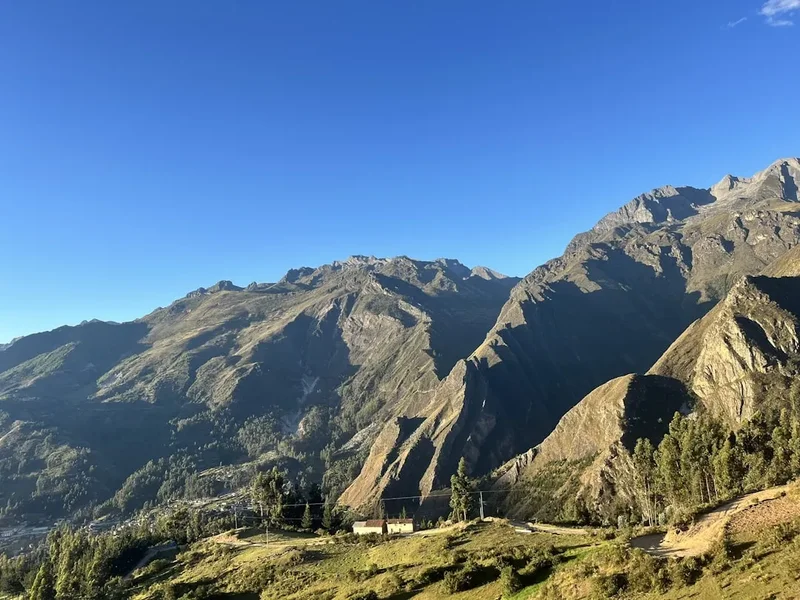
Llaca Glacier Trail - Day Hike Itinerary
Early Morning (Approx. 7:00 AM): Departure from Huaraz
- Arrange transport (colectivo or taxi) from Huaraz to the Llaca Glacier trailhead.
- The drive takes approximately 1.5 to 2 hours, traversing unpaved roads that can be rough but are generally accessible to most vehicles.
- Ensure you have had a good breakfast and are well-hydrated.
Morning (Approx. 9:00 AM): Arrival at Trailhead and Start of Hike
- Arrive at the Llaca Glacier trailhead (elevation approx. 4,300 metres).
- Final gear check, apply sunscreen and insect repellent, and begin the ascent.
- The initial part of the trail is relatively gentle, winding through high-altitude grasslands and rocky terrain.
- You will start to notice the thinning air and the dramatic change in vegetation.
Late Morning (Approx. 10:30 AM - 12:00 PM): Ascending Through Moraines
- The trail becomes steeper as you approach the glacial moraines.
- Navigate through loose scree and rocky paths.
- The views of the surrounding peaks, including Nevado Pisco and Nevado Huandoy, become increasingly impressive.
- Take short breaks to acclimatise and enjoy the expanding panoramas.
Midday (Approx. 12:00 PM - 1:00 PM): Reaching the Llaca Glacier Viewpoint
- Arrive at the viewpoint overlooking the Llaca Glacier.
- Spend time admiring the immense ice wall, the crevasses, and the surrounding glaciated landscape.
- This is an excellent spot for lunch and photography.
- Note: Do not attempt to walk onto the glacier without proper equipment and a certified guide.
Afternoon (Approx. 1:00 PM - 2:30 PM): Descent
- Begin the descent back towards the trailhead.
- The descent can be faster but requires careful footing, especially on scree slopes.
- Enjoy the changing light and perspectives on the mountains as you descend.
Late Afternoon (Approx. 3:30 PM - 4:00 PM): Return to Huaraz
- Arrive back at the trailhead.
- Meet your pre-arranged transport for the return journey to Huaraz.
- Celebrate your accomplishment with a well-deserved meal in Huaraz.
Important Considerations:
- This is a high-altitude hike; acclimatisation in Huaraz for at least 2-3 days prior is strongly recommended.
- Carry plenty of water and high-energy snacks.
- Wear sturdy hiking boots, layered clothing, and sun protection.
- Be prepared for rapidly changing weather conditions.
- Consider hiring a local guide for enhanced safety and local knowledge.
Planning and Bookings
Book Your Trip
Everything you need to plan your journey
Accommodation
Find places to stay near Huaraz
Flights
Search flights to Huaraz
Essential Preparation
The Llaca Glacier Trail is a day hike, but its high altitude (trailhead at ~4,300m, viewpoint higher) demands careful preparation. The primary concern is acclimatisation. Spend at least 2-3 days in Huaraz (elevation ~3,050m) before attempting this hike. During this acclimatisation period, engage in shorter, lower-altitude walks around Huaraz or consider a visit to the Laguna Wilcacocha or Laguna Churup (lower sections) to help your body adjust to the thinner air. Proper hydration is crucial; drink plenty of water in the days leading up to and during your hike. Ensure you have adequate travel insurance that covers high-altitude trekking and potential medical evacuation.
Huaraz is the logistical hub for all Cordillera Blanca treks. It offers a wide range of accommodation, from budget hostels to comfortable hotels, and numerous tour operators and trekking agencies. You can arrange transport to the Llaca Glacier trailhead here, either by hiring a private taxi for flexibility or by joining a group tour. Many agencies offer guided day trips to Llaca Glacier, which can be a convenient option if you prefer not to arrange transport independently. Stock up on food, water, and any last-minute gear in Huaraz.
Trail Accommodation
This is a day hike requiring no overnight accommodation.
Required Gear
- Hiking Boots: Sturdy, broken-in hiking boots with good ankle support are essential for navigating the rocky and uneven terrain.
- Waterproof and Windproof Jacket: A high-quality jacket is crucial for protection against sudden weather changes, wind, and potential rain or sleet.
- Warm Layers: Multiple layers of clothing are recommended. This includes a thermal base layer (merino wool or synthetic), an insulating mid-layer (fleece or down jacket), and an outer shell.
- Trousers: Comfortable, durable hiking trousers. Waterproof overtrousers are highly recommended.
- Hat: A warm hat (beanie) for cold temperatures and a sun hat or cap for sun protection.
- Gloves: Warm gloves are essential, especially for the early morning and at higher elevations.
- Sunglasses: High UV protection sunglasses are vital due to the intense sun at altitude.
- Headlamp/Torch: With spare batteries, in case of an early start or late finish.
- First-aid Kit: Including personal medications, blister treatment, pain relievers, and antiseptic wipes.
- Sunscreen: High SPF (50+) sunscreen, as the sun's rays are very strong at altitude.
- Lip Balm: With SPF protection.
What to Bring
- Water: At least 2-3 litres of water per person. Water sources on the trail are limited and should be treated.
- Food: High-energy snacks such as nuts, dried fruit, energy bars, and sandwiches. Pack enough for lunch and snacks throughout the hike.
- Backpack: A comfortable daypack (20-30 litres) to carry your gear, water, and food.
- Trekking Poles: Highly recommended for stability on ascents and descents, especially on scree and rocky sections.
- Camera: To capture the stunning scenery.
- Personal Identification: And any necessary travel documents.
- Small amount of cash: For any unexpected expenses or local purchases.
- Hand Sanitiser: For hygiene.
- Insect Repellent: While less of an issue at high altitude, it can be useful in lower sections or if you stop for extended periods.
Permits
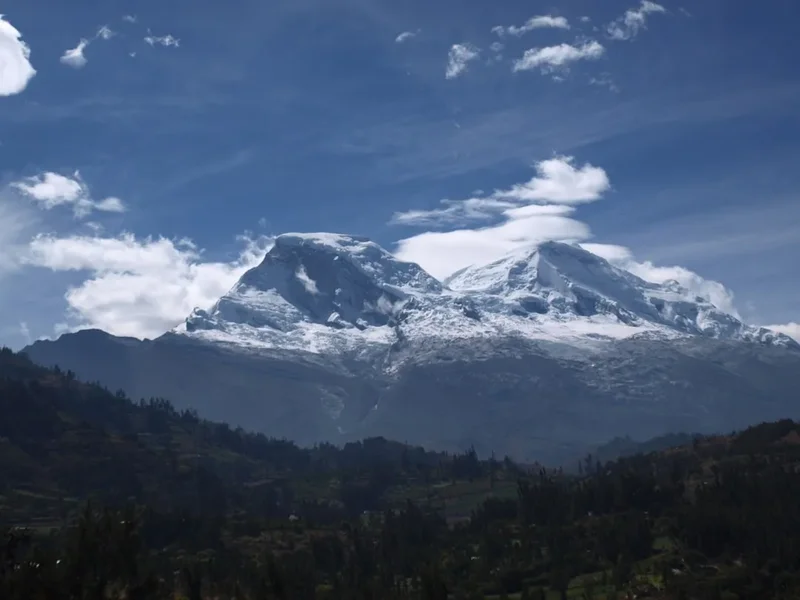
No specific permits are required to hike the Llaca Glacier Trail. Access to the trailhead is generally open, and the trail itself is not managed by a national park system that mandates entry fees or permits for day hikers. However, it is important to note that the Cordillera Blanca is a protected area, and visitors are expected to adhere to responsible tourism practices.
While no permits are needed, it is always advisable to check for any local advisories or temporary access restrictions that might be in place, especially if travelling during periods of unusual weather or local events. Information can usually be obtained from the tourist information centres in Huaraz or through reputable local trekking agencies.
The primary "requirement" for this hike is adequate acclimatisation and preparation. Ensure you have arranged suitable transportation to and from the trailhead, as public transport options are limited and infrequent. Hiring a taxi or joining a guided tour from Huaraz are the most common and practical methods of reaching the Llaca Glacier trailhead.
Other Activities in the Area
Huaraz and the surrounding Cordillera Blanca region offer a wealth of activities for outdoor enthusiasts:
- Laguna 69 Trek: A highly popular and stunning day hike to a turquoise glacial lake, often considered one of the most beautiful in Peru. It's a challenging but rewarding trek.
- Pastoruri Glacier: Visit the rapidly receding Pastoruri Glacier, a stark reminder of climate change. The trail also passes through unique Puya Raimondi forests.
- Laguna Churup: Another beautiful glacial lake hike, offering a more challenging ascent with some scrambling sections near the top.
- Nevado Pisco Ascent: For experienced mountaineers, Nevado Pisco (5,752m) offers a relatively accessible 5,000m peak with incredible panoramic views. This requires technical climbing skills and a guide.
- Huaraz City Exploration: Explore the bustling city of Huaraz, visit its markets, museums (like the Museo Arqueológico de Ancash), and enjoy the local cuisine.
- Archaeological Sites: Visit nearby pre-Inca ruins such as Chavín de Huántar, a UNESCO World Heritage site, which offers a glimpse into ancient Andean civilisations.
- Thermal Baths: Relax in the hot springs of Monterrey or Baños Termales de Chancos after a long day of trekking.
- Mountain Biking: The region offers numerous trails for mountain biking, catering to various skill levels.
Safety and Conditions
Altitude Sickness (Soroche): This is the most significant risk on the Llaca Glacier Trail. Symptoms can include headache, nausea, dizziness, fatigue, and shortness of breath. Proper acclimatisation is the best prevention. If symptoms worsen, descend immediately. Coca tea, widely available in Huaraz, can help alleviate mild symptoms.
Weather: Mountain weather is unpredictable. Be prepared for rapid changes, including strong winds, sudden temperature drops, and potential precipitation (rain, sleet, or even snow at higher elevations). Always check the weather forecast before you go, but be ready for conditions to differ.
Trail Conditions: The trail is generally well-defined but can be steep, rocky, and covered in scree, especially in the upper sections. Loose rocks can be a hazard, so watch your footing. The path to the glacier viewpoint is not technically difficult but requires careful navigation.
Glacier Safety: The Llaca Glacier itself is a dynamic ice mass with crevasses and unstable areas. Do not attempt to walk on the glacier without a certified guide and appropriate mountaineering equipment (ice axe, crampons, rope). The viewpoint offers spectacular views without the need to step onto the ice.
Hydration and Nutrition: Carry ample water and high-energy snacks. Dehydration can exacerbate altitude sickness and reduce your physical performance. The thin air means you will dehydrate faster than at lower altitudes.
Communication: Mobile phone signal is unlikely to be available for most of the hike. Inform someone in Huaraz of your plans, including your expected return time. Consider carrying a personal locator beacon (PLB) if hiking independently in remote areas.
Guides: For those less experienced with high-altitude trekking or unfamiliar with the area, hiring a local guide is highly recommended. Guides provide invaluable knowledge of the trail, weather conditions, altitude sickness, and safety protocols.
Side Trips and Points of Interest
Llaca Glacier Viewpoint: The primary destination of the hike, offering a dramatic close-up view of the Llaca Glacier. The sheer scale of the ice wall, the deep blue hues of the ice, and the surrounding jagged peaks create a breathtaking panorama. This is a prime spot for photography and contemplation of the immense power of nature.
Moraine Fields: As you ascend, you will traverse extensive moraine fields – accumulations of rock and debris deposited by the glacier. These offer a fascinating insight into the glacier's past movements and the geological processes that have shaped the landscape.
High-Altitude Flora: Keep an eye out for the hardy vegetation that survives at these extreme altitudes. You might spot various species of ichu grass, cushion plants, and other alpine flora adapted to the harsh conditions.
Panoramic Mountain Vistas: Throughout the hike, especially as you gain elevation, you will be rewarded with spectacular 360-degree views of the Cordillera Blanca. Prominent peaks such as Nevado Pisco (5,752m) and the Huandoy massif are often visible, offering a true sense of the scale of this mountain range.
Potential Wildlife: While wildlife is sparse at these altitudes, you might spot high-flying birds of prey, such as Andean Condors if you are very lucky, or smaller birds adapted to the alpine environment. Vicuñas, a type of wild camelid, are sometimes seen in the lower grasslands on the drive to the trailhead.
Leave No Trace
The Llaca Glacier Trail traverses a fragile high-altitude ecosystem. Practising Leave No Trace principles is essential to preserve its natural beauty and ecological integrity for future visitors.
Plan Ahead and Prepare: Research the trail, understand the altitude and weather conditions, and pack appropriately. Acclimatise properly in Huaraz before attempting the hike.
Travel and Camp on Durable Surfaces: Stick to the established trail. Avoid cutting switchbacks or walking on fragile vegetation, especially in the moraine fields. The trail is the most durable surface.
Dispose of Waste Properly: Pack out everything you pack in. This includes all food scraps, wrappers, and any other litter. There are no bins on the trail. Use designated toilets if available at the trailhead, or practice proper cathole digging techniques if necessary, well away from water sources.
Leave What You Find: Do not take rocks, plants, or any natural or historical objects from the trail or its surroundings. Leave the landscape as you found it.
Minimise Campfire Impacts: Campfires are not permitted on this day hike. If you were to camp (which is not recommended or typical for this trail), use a lightweight stove for cooking.
Respect Wildlife: Observe wildlife from a distance. Do not feed any animals, as this can disrupt their natural behaviours and diets. Keep noise levels down to avoid disturbing the environment.
Be Considerate of Other Visitors: Keep noise to a minimum and yield to other hikers, especially on narrow sections of the trail. Allow others to enjoy the peace and solitude of the mountains.