
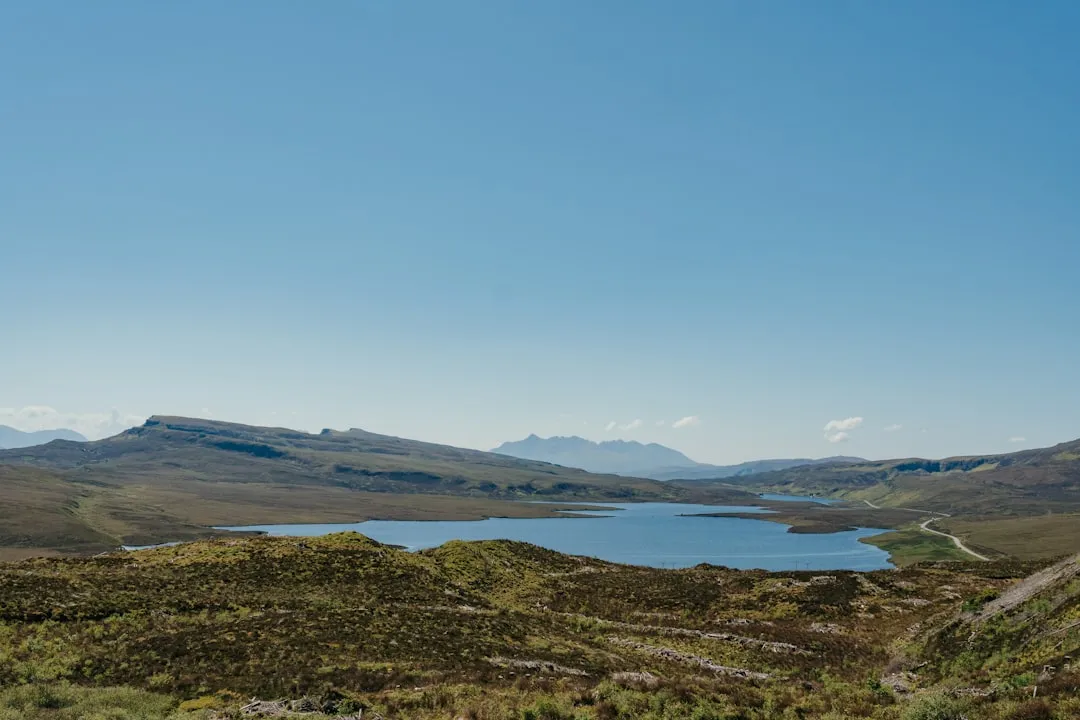
The Lizard Coastal Walk
The Lizard Coastal Walk is a captivating journey along the southernmost tip of mainland Britain, offering dramatic cliff-top vistas, secluded coves, and a rich maritime history. This relatively short but rewarding trail showcases the raw beauty of the Cornish coastline, where rugged granite cliffs meet the turquoise waters of the Atlantic Ocean. It's a walk that encapsulates the wild spirit of Cornwall, providing stunning scenery, abundant wildlife, and a sense of remoteness despite its accessibility. Perfect for a day trip or as part of a longer exploration of the region, the Lizard Coastal Walk promises an unforgettable experience for nature lovers and hikers alike.
- Distance: 11.0 km one-way
- Duration: 3-4 hours
- Season: Year-round, but best April-October for milder weather and longer daylight hours
- Difficulty: Moderate (due to some uneven terrain and potential for wind)
- Closest City: Helston
- Trailhead Access: Lizard Point (parking available, fees apply)
- Highest point: Varied cliff elevations, no single significant summit
- Direction: Can be walked in either direction, but often started at Lizard Point
Overview
The Lizard Peninsula is a geological marvel, composed of ancient Lizard Gabbro and Serpentine rocks, which give the landscape its distinctive character and vibrant colours. The coastal path here is part of the larger South West Coast Path, a national trail that stretches for over 1,000 kilometres. This section, however, is particularly renowned for its dramatic scenery and the feeling of being at the very edge of England. The walk typically starts at Lizard Point, the most southerly point of mainland Britain, marked by its iconic lighthouse. From here, the path winds its way along the clifftops, offering breathtaking views of the churning sea below and the vast expanse of the Atlantic Ocean.
As you traverse the route, you'll encounter a variety of landscapes. Expect to walk along well-trodden paths, sometimes narrow and uneven, with steep ascents and descents as the path navigates the contours of the coastline. The air is often filled with the cries of seabirds, and if you're lucky, you might spot seals basking on the rocks or dolphins playing in the waves. The path leads you past hidden coves, such as Kynance Cove, often described as one of the most beautiful beaches in the world, with its serpentine rock formations, white sand, and clear, emerald waters. Further along, you'll find stretches of heathland dotted with wildflowers in spring and summer, adding splashes of colour to the rugged terrain.
The moderate difficulty rating reflects the undulating nature of the path and the potential for strong winds, which are common on this exposed coastline. While not technically challenging, good footwear and a reasonable level of fitness are recommended. The walk offers a profound connection with nature, a chance to witness the power of the sea, and a glimpse into the unique geology and rich maritime heritage of the Lizard Peninsula.
History and Cultural Context
The Lizard Peninsula has a long and fascinating history, deeply intertwined with the sea. For centuries, its dramatic coastline has been a significant maritime route, and unfortunately, a treacherous one. The infamous "Graveyard of the Atlantic" reputation is well-earned, with countless shipwrecks littering the seabed around the peninsula. The Lizard Lighthouse, first lit in 1752 and rebuilt in its current form in 1902, stands as a testament to the dangers faced by mariners navigating these waters. The RNLI Lizard lifeboat station, established in 1861, has a proud history of brave rescues, saving countless lives from the unforgiving sea.
The serpentine rock that forms the bedrock of the Lizard Peninsula is unique and has been quarried for centuries, used in everything from local buildings to decorative items. This distinctive geology has also shaped the local flora and fauna, with several rare and endemic species found here. The area was also historically important for fishing and small-scale mining, with remnants of these industries still visible along the coast.
Culturally, the Lizard Peninsula retains a strong sense of Cornish identity. The local dialect, traditions, and community spirit are deeply rooted in the area's history and its relationship with the sea. Walking this coastal path offers a chance to connect with this heritage, imagining the lives of fishermen, lighthouse keepers, and the brave souls who manned the lifeboats.
Seasonal Highlights and Weather Reality
The Lizard Coastal Walk can be enjoyed year-round, but each season offers a different experience.
Spring (April-May): This is a beautiful time to visit. The coastal paths burst into life with a vibrant display of wildflowers, including sea pinks (thrift), bluebells, and gorse. The weather is generally milder, and the days are getting longer, making for pleasant walking conditions. Seabird colonies begin to return to the cliffs, adding to the natural spectacle. However, spring can still bring unpredictable weather, with occasional showers and brisk winds.
Summer (June-August): Summer offers the warmest temperatures and the longest daylight hours, ideal for extended exploration. The sea is often calmer, and the possibility of spotting seals and dolphins increases. Kynance Cove is particularly stunning in the summer sun. However, this is also the busiest period, and popular spots can be crowded. Sandflies can also be present, especially in sheltered, damp areas, though they are generally less of an issue than on some other UK coastal paths.
Autumn (September-October): Autumn is often considered one of the best times to walk the Lizard. The crowds of summer have dispersed, the weather can be settled with crisp, clear days, and the coastal scenery remains spectacular. The sea often takes on a deeper, more dramatic hue, and the sunsets can be magnificent. The wildflowers may have faded, but the rugged beauty of the landscape is ever-present.
Winter (November-March): Winter on the Lizard can be dramatic and wild. Strong Atlantic storms can batter the coast, creating spectacular wave action against the cliffs. While the weather can be harsh, with cold winds and rain, the dramatic scenery and the feeling of solitude can be incredibly rewarding for experienced walkers. The lighthouse and lifeboat station offer a sense of human resilience against the elements. However, paths can become muddy and slippery, and visibility can be poor. It's essential to check weather forecasts and be prepared for challenging conditions.
Recommended Itinerary
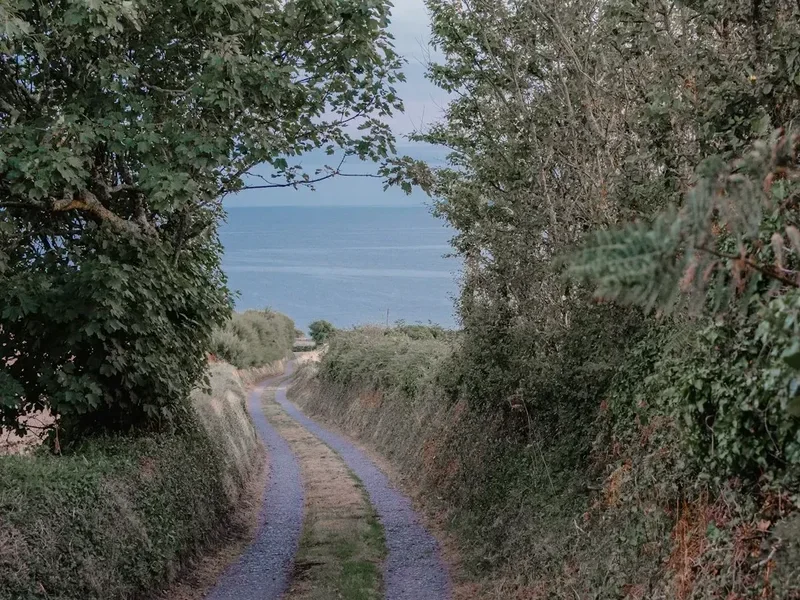
Lizard Coastal Walk - Day Itinerary
Start: Lizard Point
- Morning (approx. 9:00 AM): Begin at Lizard Point, the most southerly point of mainland Britain. Take time to visit the Lizard Lighthouse Heritage Centre to learn about the area's maritime history and the dangers of the coastline. Enjoy the initial panoramic views of the Atlantic Ocean.
- Late Morning (approx. 10:00 AM - 12:00 PM): Commence the walk heading west along the coastal path. The initial section offers stunning views back towards the lighthouse and the rugged cliffs. You'll navigate some uneven terrain and potentially steep ascents and descents as the path follows the natural contours of the coastline.
- Midday (approx. 12:00 PM - 1:30 PM): Continue walking towards Kynance Cove. This iconic cove is a highlight, known for its serpentine rock formations, small sandy beaches, and clear turquoise waters. If the tide is out, you can explore the caves and rock pools. This is an ideal spot for a picnic lunch, but be mindful of the tide times as access can be cut off.
- Afternoon (approx. 1:30 PM - 3:30 PM): After Kynance Cove, the path continues west. The landscape remains dramatic, with sheer cliffs and open sea views. You'll pass through areas of heathland and potentially encounter seabird colonies nesting on the cliffs. The terrain will continue to be undulating, requiring careful footing.
- Late Afternoon (approx. 3:30 PM - 4:00 PM): The walk concludes at a suitable point for onward travel or return transport. Depending on your chosen endpoint, this could be a designated parking area or a point where public transport is accessible. For a 11.0 km walk, this might be near Cadgwith or a similar coastal village, or you may choose to retrace your steps or arrange a taxi back to Lizard Point.
End: Cadgwith (or chosen endpoint)
Important Notes:
- This itinerary describes a one-way walk of approximately 11.0 km. You can adapt the start and end points based on your transport arrangements and desired distance.
- Tide times are crucial, especially when visiting Kynance Cove. Check tide tables before your walk to ensure safe access and enjoyment.
- The path can be exposed to strong winds. Be prepared for changing weather conditions.
- Wear sturdy, broken-in walking boots with good ankle support.
- Carry sufficient water and snacks, as facilities can be limited along the route.
- Mobile phone signal can be intermittent in some areas.
Planning and Bookings
Book Your Trip
Everything you need to plan your journey
Accommodation
Find places to stay near Helston
Flights
Search flights to Helston
Essential Preparation
The Lizard Coastal Walk is a relatively accessible trail, but proper preparation ensures a safe and enjoyable experience. The closest major town with comprehensive services is Helston, which is approximately a 20-minute drive from Lizard Point. Helston offers a range of accommodation, supermarkets for supplies, and outdoor gear shops. For those wishing to stay closer to the trail, the villages of Lizard, Cadgwith, and Mullion offer charming bed and breakfasts, pubs with rooms, and small campsites.
Logistics: Access to Lizard Point is primarily by car. There is a large car park at Lizard Point, though fees apply during peak season. Public transport options include bus services from Helston to Lizard Point, operated by transport companies like Go Cornwall Bus. However, bus frequencies can be limited, especially outside of the summer months, so it's advisable to check timetables in advance. For a one-way walk, arranging a taxi or using a local bus service for your return journey is essential. Consider booking accommodation and any necessary transport in advance, particularly during the busy summer season.
Trail Accommodation
This is a day hike requiring no overnight accommodation on the trail itself. However, there are numerous options for accommodation in the surrounding villages and towns:
- Lizard Village: Offers several pubs with rooms, bed and breakfasts, and a small campsite.
- Cadgwith: A picturesque fishing village with a few charming B&Bs and holiday cottages.
- Mullion: A larger village with a wider range of accommodation, including hotels, guesthouses, and campsites.
- Helston: Provides the most extensive choice of hotels, guesthouses, and budget-friendly options.
Booking Requirements: It is highly recommended to book accommodation in advance, especially during peak season (summer holidays and bank weekends), as the Lizard Peninsula is a popular tourist destination.
Facilities Provided: Accommodation providers will typically offer standard amenities such as en-suite bathrooms, Wi-Fi, and breakfast. Campsites will provide pitches for tents and caravans, with access to toilet and shower facilities.
What's NOT Provided: No specific trail accommodation exists. All amenities are standard hotel/B&B/campsite provisions.
Seasonal Availability: Most accommodation providers operate year-round, but some may have reduced services or opening hours during the winter months.
Costs: Prices vary significantly depending on the type of accommodation and the season. Expect to pay from £70-£150 per night for a double room in a B&B or hotel during peak season, and around £20-£40 per night for a pitch at a campsite.
Required Gear
- Sturdy walking boots: Waterproof and with good ankle support are essential due to the uneven and sometimes slippery terrain.
- Waterproof jacket: The coastal weather can change rapidly, so a reliable waterproof jacket is a must.
- Waterproof overtrousers: Recommended for protection against wind and rain, especially during autumn and winter.
- Layers of clothing: Advise wearing moisture-wicking base layers, an insulating mid-layer (fleece or wool), and an outer shell.
- Sun protection: Sunscreen (SPF 30+), sunglasses, and a wide-brimmed hat are important, even on cloudy days, due to the intensity of the sun at the coast.
- Navigation: While the path is generally well-marked, a map of the area (Ordnance Survey Explorer map OL20) and a compass are advisable, especially if venturing off the main path or in poor visibility. A GPS device or smartphone with offline maps is also useful.
- First-aid kit: Include blister plasters, antiseptic wipes, pain relievers, and any personal medications.
- Mobile phone: For emergencies, though signal can be unreliable.
What to Bring
- Food and water: Carry enough water for the duration of your walk (at least 1.5-2 litres per person). Pack a picnic lunch and snacks, as facilities are sparse along the trail.
- Toiletries: Biodegradable soap, toothbrush, toothpaste, and hand sanitiser.
- Personal items: Camera, binoculars (for wildlife spotting), a small backpack to carry essentials.
- Towel: If planning to visit Kynance Cove and brave a dip in the sea.
- Cash: Some smaller cafes or parking areas may not accept card payments.
- Insect repellent: Particularly useful during warmer months to ward off sandflies.
Permits
No specific permits are required to walk the Lizard Coastal Walk. This section of the South West Coast Path is a public right of way, and access is generally free. However, there are parking fees at Lizard Point and potentially at other access points or popular locations like Kynance Cove, especially during the peak tourist season.
Parking Fees:
- Lizard Point Car Park: Fees typically apply from Easter to October. Prices vary but expect around £5-£8 for a full day.
- Kynance Cove Car Park: Also has fees, often similar to Lizard Point, and can fill up quickly during busy periods.
National Trust Access: Parts of the coastline are managed by the National Trust. While access to the paths is free, visitors may need to pay for parking at National Trust car parks. Membership with the National Trust provides free parking at their sites.
Important Considerations:
- Always check local signage for current parking charges and operating times.
- Consider using public transport or arranging drop-off/pick-up to avoid parking issues, especially during peak times.
- Be aware of tide times if visiting beaches like Kynance Cove, as access can be restricted at high tide.
Other Activities in the Area
The Lizard Peninsula offers a wealth of activities beyond the coastal walk:
- Visit Kynance Cove: Even if not part of your walk, this stunning cove is a must-see. Explore its serpentine rock formations, sea caves, and enjoy the beautiful sandy beaches at low tide.
- Lizard Lighthouse Heritage Centre: Learn about the peninsula's maritime history, the role of the lighthouse, and the brave rescues carried out by the RNLI.
- RNLI Lizard Lifeboat Station: Visit the lifeboat station to understand the vital work of the Royal National Lifeboat Institution.
- Explore Lizard Village: Wander through the charming village, visit local craft shops, and enjoy a traditional Cornish pasty or cream tea.
- Cadgwith Cove: A picturesque fishing village with a working harbour, colourful boats, and a traditional pub.
- Mullion Cove: Another beautiful harbour with dramatic cliffs and opportunities for coastal exploration.
- Geological Exploration: The Lizard is famous for its unique serpentine rock. Look for examples of this distinctive green and red rock along the coast and in local craft shops.
- Birdwatching: The cliffs are home to various seabird colonies, including guillemots, razorbills, and kittiwakes, especially during the breeding season.
- Seal Spotting: Keep an eye out for grey seals basking on the rocks or swimming in the waters below the cliffs.
- Photography: The dramatic landscapes, colourful coves, and abundant wildlife provide endless opportunities for stunning photographs.
Safety and Conditions
Pre-Departure Checks:
- Weather Forecast: Always check the Met Office or BBC Weather for the latest forecast for the Lizard Peninsula. Coastal weather can be unpredictable and change rapidly.
- Tide Times: Crucial for planning visits to beaches like Kynance Cove. High tides can cut off access to certain areas and make paths impassable. Consult tide tables for the specific day of your walk.
- Path Conditions: The South West Coast Path is generally well-maintained, but sections can become muddy, slippery, or eroded after heavy rain or storms. Be aware of any temporary closures or diversions reported by the National Trust or local authorities.
Coastal Hazards:
- Cliffs: Stay well back from cliff edges. The ground can be unstable, and erosion is an ongoing process. Never climb on cliff faces.
- Sea Conditions: Be aware of the power of the sea. Avoid walking on beaches or near the water's edge during high tide or rough seas. Rogue waves can occur.
- Slippery Surfaces: Wet rocks, mud, and vegetation can make paths treacherous. Wear appropriate footwear with good grip.
- Getting Lost: While the main path is clear, fog or poor visibility can make navigation difficult. Carry a map and compass and know how to use them.
Wildlife:
- Seabirds: Observe from a distance and do not disturb nesting birds.
- Seals: Maintain a respectful distance. Do not approach or attempt to feed seals.
- Insects: Sandflies can be present, especially in sheltered, damp areas during warmer months. Use insect repellent.
Emergency Procedures:
- In case of an emergency, dial 999 or 112 and ask for the Coastguard.
- Be prepared to give your exact location, which can be challenging on the coast. Use landmarks, GPS coordinates if available, or descriptions of your surroundings.
- Carry a fully charged mobile phone.
General Advice:
- Inform someone of your walking plans, including your intended route and estimated return time.
- Carry a basic first-aid kit and know how to use it.
- Pace yourself and take regular breaks.
- Respect the environment and follow Leave No Trace principles.
Side Trips and Points of Interest
Kynance Cove: Arguably the most famous and picturesque spot on the Lizard Peninsula. Accessible via a steep path, this cove boasts stunning serpentine rock formations, small sandy beaches, and crystal-clear turquoise waters. At low tide, you can explore its sea caves, including the famous "The Parlour" and "The Bathing Pool." Be mindful of the tide, as the cove can become cut off at high tide.
Lizard Lighthouse: A prominent landmark on the peninsula, the Lizard Lighthouse has guided ships for centuries. The Heritage Centre offers fascinating insights into its history, the dangers of the surrounding waters, and the lives of the lighthouse keepers. The views from the lighthouse grounds are spectacular.
The Lizard Lifeboat Station: Located at Kilcobben Cove, this station is home to the RNLI Lizard lifeboat. It's a testament to the bravery of the local volunteers who risk their lives to save others at sea. Visitors can learn about the history of the station and the vital role it plays.
Mullion Island and Cove: A short detour from the main path can lead you to Mullion Cove, a charming harbour with a small island just offshore. The island is a haven for seabirds, and the cove itself offers a picturesque setting with dramatic cliffs.
Predannack Head: This elevated headland offers expansive views along the coast and out to sea. It's a great spot for spotting seals and seabirds, and on a clear day, you can see for miles.
Cadgwith Cove: A quintessential Cornish fishing village with a working harbour. Watch the local fishermen bring in their catch, explore the narrow streets, and soak up the atmosphere of this traditional village.
Leave No Trace
The Lizard Coastal Walk traverses a beautiful and ecologically sensitive area. Adhering to Leave No Trace principles ensures that this stunning landscape remains pristine for future generations to enjoy.
Your responsibility as a walker:
- Pack it in, pack it out: Take all your litter with you, including food scraps, wrappers, and any other waste. Do not leave anything behind.
- Stay on the path: The coastal vegetation is fragile and can be easily damaged. Stick to marked trails to prevent erosion and protect plant life.
- Respect wildlife: Observe birds and seals from a distance. Do not disturb them, their nests, or their habitats. Never feed wild animals.
- Dispose of waste properly: Use designated bins where available. If not, carry your waste until you find a suitable disposal point.
- Minimise campfire impacts: Campfires are generally not permitted on the coast path or beaches. If camping in designated areas, use existing fire rings and ensure fires are completely extinguished.
- Leave what you find: Do not take rocks, plants, or any other natural items from the environment.
- Be considerate of others: Keep noise levels down, especially in quieter areas, and be mindful of other walkers.
By following these principles, you help preserve the natural beauty and ecological integrity of the Lizard Peninsula.