

The Peak District Limestone Way
The Peak District Limestone Way is a captivating long-distance trail that winds through the heart of England's most dramatic karst landscape. This 74-kilometre journey offers a unique blend of geological wonders, rich industrial heritage, and picturesque Derbyshire countryside. Unlike the rugged peaks of the Dark Peak, the Limestone Way traverses rolling hills, deep dales, and ancient dry-stone walls, revealing a softer, yet equally compelling, side of the Peak District National Park. The trail is a celebration of the region's distinctive geology, showcasing vast limestone quarries, subterranean river systems, and the unique flora and fauna that thrive on this calcium-rich terrain. It's a walk that appeals to those who appreciate subtle beauty, geological intrigue, and the enduring spirit of rural England.
- Distance: 74.0 km one-way
- Duration: 4–5 days
- Elevation Gain: Approximately 1,800 m
- Difficulty: Moderate
- Best Time: May to September (for wildflowers and generally favourable weather)
- Closest City: Sheffield
- Trailhead Access: Nearest major airport: Manchester (MAN). From Manchester, take a train to Sheffield, then a local bus service to Castleton (start point). By car from Sheffield, take the A625 directly to Castleton. Ample parking is available in Castleton, though fees may apply.
- Permits: No specific permits are required for walking the Limestone Way.
- Coordinates: Start: 53.2000° N, 1.7500° W (Castleton)
Overview
The Peak District Limestone Way is a journey through a landscape sculpted by water and time. Beginning in the picturesque village of Castleton, nestled beneath the dramatic escarpments of Mam Tor and Kinder Scout, the trail quickly plunges into the White Peak's iconic limestone scenery. The route is characterised by its gentle undulations, punctuated by steep descents into deep dales and equally challenging ascents out of them. You'll traverse through charming villages with ancient churches and traditional pubs, past vast, active limestone quarries that bear testament to the region's industrial past, and alongside rivers that often disappear underground, only to re-emerge miles downstream.
The geology is the star here. The White Peak is formed from a thick layer of Carboniferous limestone, laid down in a shallow tropical sea millions of years ago. Over millennia, rainwater, slightly acidic, has dissolved the limestone, creating a unique landscape of dry valleys, sinkholes, and underground cave systems. This geological activity has shaped not only the land but also the human history of the area, from early settlements to the development of the quarrying industry that continues to this day.
The trail is a sensory experience. The scent of wild herbs in the air, the sound of sheep grazing on steep hillsides, the sight of ancient dry-stone walls crisscrossing the fields, and the taste of local ale in a village pub all contribute to its charm. While not as physically demanding as some of the more mountainous routes in the Peak District, the Limestone Way requires a good level of fitness due to its cumulative elevation gain and the often uneven terrain. It offers a rewarding and immersive exploration of a truly unique corner of England.
History and Cultural Context
The landscape traversed by the Peak District Limestone Way is steeped in human history, stretching back to prehistoric times. The fertile limestone soils and abundant water sources made this region attractive to early settlers. Evidence of Neolithic and Bronze Age activity can be found in the form of burial mounds and ancient field systems, some of which are still visible today.
During Roman times, the area was strategically important, with roads and settlements established to exploit mineral resources, particularly lead. The Romans were adept at mining and smelting, and their influence can still be seen in the landscape, particularly in the form of spoil heaps and the remnants of ancient trackways.
The medieval period saw the development of monastic estates and the growth of market towns. The distinctive pattern of small, enclosed fields, separated by dry-stone walls, which characterises much of the White Peak, largely dates from the Enclosure Acts of the 18th and 19th centuries. This agricultural revolution transformed the landscape, creating the patchwork quilt of fields we see today.
The Limestone Way also tells a story of industrial heritage. The region's vast limestone deposits have been quarried for centuries, providing building materials, agricultural lime, and aggregate for roads and industry. The trail passes through or near several significant quarries, some of which are still active, offering a stark reminder of the human effort involved in shaping this landscape. The legacy of lead mining, which was once a major industry in the Peak District, is also evident in the spoil heaps and drainage systems found along the route.
More recently, the Limestone Way has become a popular route for walkers, hikers, and cyclists, celebrating the natural beauty and historical significance of the White Peak. It connects a series of villages and hamlets, each with its own unique character and history, offering a glimpse into the enduring rural traditions of Derbyshire.
Seasonal Highlights and Weather Reality
The Peak District Limestone Way can be walked year-round, but each season offers a distinct experience. The best time for most walkers is generally from late spring to early autumn.
Spring (April to May): This is a beautiful time to walk the Limestone Way. The landscape bursts into life with a vibrant display of wildflowers, particularly in the dales and along the verges. Bluebells can be seen in woodlands, and the meadows are carpeted with primroses and cowslips. The weather can be variable, with a mix of sunshine and showers, but temperatures are generally mild. The early part of spring may still see some muddy sections, especially after wet winters.
Summer (June to August): The longest days and warmest temperatures make summer an ideal season for completing the Limestone Way. The countryside is lush and green, and the wildflowers are in full bloom. This is also the peak season for tourism, so villages and popular spots may be busier. The weather can be hot and dry, but summer thunderstorms are also a possibility, bringing sudden downpours and dramatic skies. Sandflies can be present in damper areas, though generally less of an issue than in more remote regions.
Autumn (September to October): Autumn offers a spectacular display of colour as the leaves on the trees turn shades of gold, red, and brown. The air is often crisp and clear, providing excellent visibility for the panoramic views. The crowds of summer have dispersed, making for a more tranquil walking experience. However, days become shorter, and the weather can turn cooler and wetter, with increased chances of fog in the valleys.
Winter (November to March): While the Limestone Way can be walked in winter, it is generally considered the most challenging season. Days are short, and the weather can be cold, wet, and windy. Snow is possible, especially on higher ground, which can make some sections of the path slippery and difficult to navigate. However, winter can also offer a stark beauty, with frost-covered landscapes and dramatic skies. Pubs and cafes provide welcome warmth and shelter.
Weather Considerations: The Peak District is known for its changeable weather. Even in summer, you can experience all four seasons in a single day. It is essential to be prepared for rain, wind, and cooler temperatures, regardless of the season. Always check the weather forecast before you set out and be prepared to adapt your plans if necessary.
Recommended Itinerary
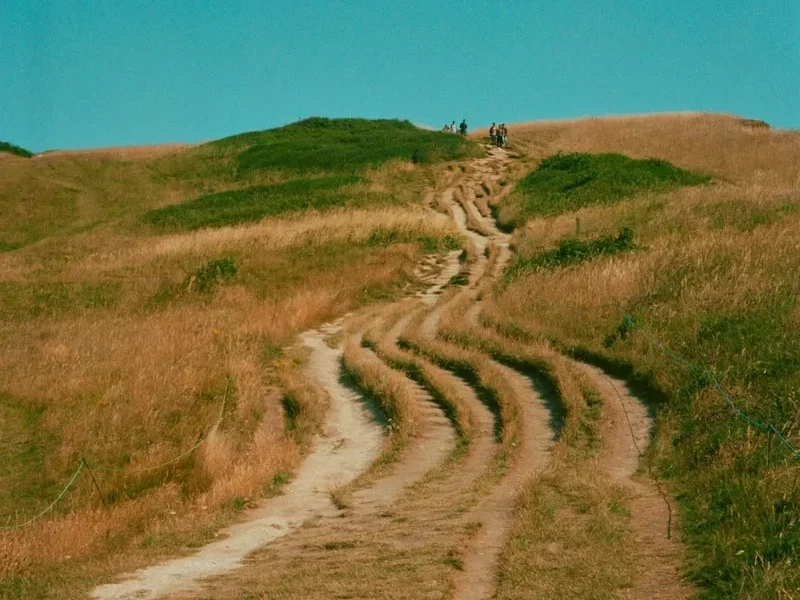
4-Day Peak District Limestone Way Itinerary
Day 1: Castleton to Bakewell
- Distance: 18.5 km
- Elevation Gain: 450 m
- Time: 5–6 hours
- Start in Castleton, a historic village at the foot of the Dark Peak
- Ascend through fields and along dry stone walls, gaining views of Mam Tor
- Descend into the Hope Valley, passing through the village of Hope
- Follow the River Noe upstream towards the charming market town of Bakewell
- Pass through picturesque countryside with classic White Peak scenery
- Arrive in Bakewell, famous for its tart
Day 2: Bakewell to Matlock
- Distance: 19.0 km
- Elevation Gain: 500 m
- Time: 5–7 hours
- Depart Bakewell, heading south through rolling farmland
- Pass through the village of Ashford-in-the-Water, known for its historic bridge
- Descend into the dramatic Monsal Dale, following the River Wye
- Option to walk through the historic Headstone Viaduct and tunnels (check accessibility)
- Continue through scenic valleys and woodlands towards Matlock
- Arrive in Matlock, a former spa town with a lively centre
Day 3: Matlock to Wirksworth
- Distance: 17.0 km
- Elevation Gain: 400 m
- Time: 4–5 hours
- Leave Matlock, climbing out of the Derwent Valley
- Journey through a landscape dotted with former quarries and industrial remnants
- Pass through the village of Cromford, with its historic mills
- Continue towards Wirksworth, a town with a rich mining heritage
- Explore the charming streets and discover its unique character
- Arrive in Wirksworth, a vibrant community with a strong artistic presence
Day 4: Wirksworth to Ashbourne
- Distance: 19.5 km
- Elevation Gain: 450 m
- Time: 5–6 hours
- Depart Wirksworth, heading south-west through the heart of the White Peak
- Traverse open countryside, passing through small hamlets and farms
- Encounter more limestone scenery, including dry valleys and sinkholes
- The route offers expansive views across the Derbyshire countryside
- Arrive in Ashbourne, a historic market town known as the "Gateway to Dovedale"
- The trail concludes here, with good transport links for onward travel
Alternative 5-Day Itinerary:
- Day 1: Castleton to Ashford-in-the-Water (approx. 14 km)
- Day 2: Ashford-in-the-Water to Bakewell (approx. 4.5 km) - allowing more time in Bakewell
- Day 3: Bakewell to Matlock (approx. 19 km)
- Day 4: Matlock to Wirksworth (approx. 17 km)
- Day 5: Wirksworth to Ashbourne (approx. 19.5 km)
Notes:
- This itinerary is a suggestion and can be adapted to your pace and preferences.
- Accommodation options are available in each of the overnight stops.
- Public transport links are generally good in the Peak District, but check timetables in advance.
- The terrain can be uneven and muddy, especially after rain.
Planning and Bookings
Book Your Trip
Everything you need to plan your journey
Accommodation
Find places to stay near Sheffield
Flights
Search flights to Sheffield
Essential Preparation
The Peak District Limestone Way is a well-established long-distance trail, but careful planning is still essential for an enjoyable and safe experience. Given its moderate difficulty and varied terrain, a good level of fitness is recommended. The trail passes through numerous villages, offering ample opportunities for resupply and accommodation, but it's wise to book accommodation in advance, especially during peak season (summer and school holidays).
Logistics: The trail starts in Castleton and ends in Ashbourne. Both locations are accessible by public transport, though connections may require changes. Castleton is reachable via train to Manchester Piccadilly, then a connecting train to Hope or Edale, followed by a bus. Ashbourne has bus services connecting to Derby and other regional centres. If travelling by car, parking is available in Castleton and Ashbourne, with options in intermediate villages. Consider arranging luggage transfer services if you prefer to travel light between accommodations.
Base Towns/Cities: Castleton is an excellent starting point, offering a range of accommodation, pubs, and shops. Ashbourne provides a good conclusion with further amenities and transport links. For those seeking more extensive facilities, Sheffield is the nearest major city, offering comprehensive transport options and a wider choice of accommodation and services.
Trail Accommodation
The Peak District Limestone Way passes through numerous villages and towns, offering a variety of accommodation options. There are no designated trail huts or campsites specifically for the Limestone Way; walkers typically use established commercial accommodation.
Types of Accommodation:
- B&Bs and Guesthouses: Found in most villages along the route, offering comfortable rooms and breakfast.
- Hotels: Available in larger towns like Bakewell, Matlock, and Ashbourne, providing a range of amenities.
- Pubs with Rooms: Many traditional pubs offer accommodation, providing a cosy atmosphere and convenient access to food and drink.
- Self-Catering Cottages: An option for groups or those seeking more independence, particularly in smaller villages.
- Campsites: While not directly on the trail, established campsites are available in the wider Peak District area, though they may require a short detour from the main route.
Booking Requirements: It is highly recommended to book accommodation in advance, especially during the peak walking season (May to September) and during school holidays. Popular locations can fill up quickly.
Facilities Provided: Typically include a bed, breakfast (in B&Bs, hotels, and pubs), and en-suite or shared bathroom facilities. Some may offer packed lunches or evening meals.
What's NOT Provided: Cooking facilities (unless in self-catering), sleeping bags (unless specified), or any specific hiking gear. You are responsible for your own food and supplies between villages.
Seasonal Availability: Most commercial accommodation operates year-round, though some may have reduced hours or closures during the winter months. Booking ahead is always advisable.
Costs: Prices vary significantly depending on the type of accommodation and location. Expect to pay approximately £50-£120 per night for a double room in a B&B or hotel, with campsites being considerably cheaper.
Required Gear
- Waterproof Hiking Boots: Sturdy, waterproof boots with good ankle support are essential. The terrain can be uneven, rocky, and muddy, especially after rain. Ensure they are well broken-in to prevent blisters.
- Waterproof Jacket and Trousers: The Peak District weather is notoriously changeable. A reliable waterproof jacket with a hood and waterproof overtrousers are non-negotiable.
- Backpack: A comfortable daypack (25-35 litres) is sufficient for day hikes or if you are using luggage transfer. If carrying all your gear, a larger pack (45-60 litres) will be needed. Ensure it has a good hip belt and adjustable straps.
- Navigation Tools: A detailed map of the Peak District (Ordnance Survey Explorer OL24 or similar) and a compass are vital. Familiarise yourself with map reading and compass use. A GPS device or smartphone with offline mapping apps can be a useful supplement but should not be relied upon solely.
- Head Torch: With spare batteries. Essential for early starts, late finishes, or in case of unexpected delays.
- First-Aid Kit: Including blister plasters, antiseptic wipes, bandages, pain relievers, any personal medication, and tweezers.
- Sun Protection: Sunscreen, sunglasses, and a wide-brimmed hat, even on cloudy days, as UV rays can still be strong.
- Insect Repellent: Particularly useful during summer months in damper areas.
What to Bring
- Food and Snacks: While villages offer opportunities to resupply, carry sufficient snacks and lunch for each day's walk. Energy bars, fruit, nuts, and sandwiches are good options.
- Water Bottles or Hydration Reservoir: Carry at least 1.5-2 litres of water per person. Water sources are available in villages, but it's advisable to treat water from natural sources if you need to refill on the trail.
- Water Treatment: Water purification tablets or a filter are recommended if you plan to refill from streams or rivers.
- Clothing Layers: Pack a range of clothing that can be layered. This includes moisture-wicking base layers (merino wool or synthetic), insulating mid-layers (fleece or down jacket), and comfortable walking trousers. Avoid cotton, as it retains moisture and can make you cold.
- Warm Hat and Gloves: Even in summer, temperatures can drop, especially at higher elevations or in windy conditions.
- Walking Poles: Optional but highly recommended, especially for descents and ascents, as they can reduce strain on knees and ankles.
- Toiletries: Biodegradable soap, toothbrush, toothpaste, and any personal hygiene items.
- Mobile Phone: For emergencies. Ensure it is fully charged and consider a portable power bank. Signal can be intermittent in some areas.
- Camera: To capture the stunning scenery.
- Small Towel: Quick-drying travel towels are useful.
- Cash: Some smaller establishments or remote pubs may not accept card payments.
Permits
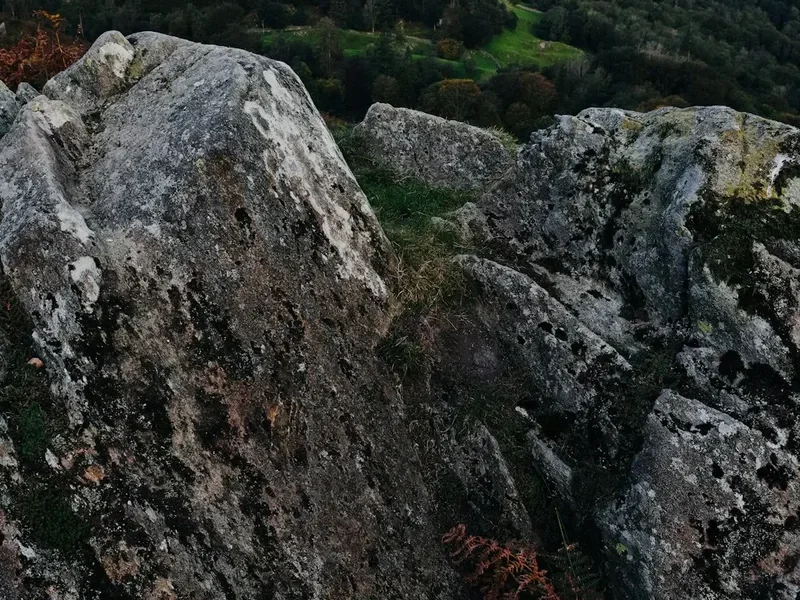
The Peak District Limestone Way is a public right-of-way and does not require any specific permits for walking. The trail largely follows established footpaths, bridleways, and public roads within the Peak District National Park. You are free to walk the route without needing to obtain special permission.
However, it is important to be aware of and respect the rules and regulations of the Peak District National Park Authority and landowners. This includes:
- Respecting Private Property: Always stay on marked footpaths and bridleways. Do not trespass on private land, as this can damage crops, disturb livestock, and lead to legal issues.
- Livestock: You will encounter sheep and cattle grazing in fields along the route. Keep dogs under close control, especially in fields with livestock, and close gates behind you to prevent animals from escaping.
- Quarries: The trail passes near active and disused limestone quarries. These areas can be dangerous due to unstable ground, steep drops, and heavy machinery. Never enter quarry sites unless they are specifically designated as public access areas and follow all safety signage.
- Environmental Protection: Adhere to Leave No Trace principles (detailed in section 11) to minimise your impact on the environment.
While no permits are needed, responsible behaviour and respect for the countryside are paramount to ensuring the continued enjoyment of the Limestone Way for all.
Other Activities in the Area
The Peak District offers a wealth of activities beyond walking the Limestone Way, making it an ideal destination for a longer stay:
- Exploring the Dark Peak: For those seeking more challenging terrain, the gritstone edges and moorlands of the Dark Peak, including Kinder Scout and Mam Tor, are easily accessible from Castleton and offer superb hiking and climbing opportunities.
- Caving and Potholing: The limestone geology of the White Peak is riddled with caves. Guided caving trips are available in areas like Castleton and Wirksworth, offering an exhilarating underground adventure.
- Cycling: The Peak District is a haven for cyclists. The Monsal Trail, a traffic-free former railway line, is accessible from Bakewell and offers a scenic and gentle cycling experience. Mountain biking routes are also abundant.
- Visiting Historic Houses and Gardens: Chatsworth House, a magnificent stately home with extensive gardens, is a short detour from Bakewell and a must-visit for history and art enthusiasts. Haddon Hall, a medieval manor house, is also nearby.
- Exploring Market Towns: Beyond the trail's endpoints, towns like Buxton (famous for its spa waters and opera house) and Eyam (the "plague village") offer rich history and culture.
- Rock Climbing and Bouldering: The limestone cliffs and gritstone edges provide world-class climbing opportunities for experienced climbers.
- Photography: The dramatic landscapes, charming villages, and unique geological features offer endless photographic possibilities.
- Local Food and Drink: Sample local produce, including Bakewell Pudding/Tart, Derbyshire oatcakes, and award-winning cheeses. Enjoy traditional ales in historic country pubs.
Safety and Conditions
Weather: The Peak District's weather is highly unpredictable. Always check the Met Office forecast for the Peak District before and during your walk. Be prepared for rain, wind, and temperature fluctuations, even in summer. Hypothermia is a risk if you get wet and cold.
Terrain: The Limestone Way involves varied terrain, including well-maintained footpaths, bridleways, stiles, gates, and some sections of road. Be aware of uneven ground, slippery surfaces (especially after rain), and steep ascents and descents. Some sections may be muddy.
Navigation: While the route is generally well-signposted, it is essential to carry a map and compass and know how to use them. Mobile phone signal can be intermittent in some valleys and remote areas. Download offline maps to your phone as a backup.
Livestock: You will encounter sheep and cattle in fields. Keep dogs under close control and on a lead when near livestock. Close all gates behind you to prevent animals from straying. If you encounter a bull in a field with cows, it is best to leave the field and find an alternative route if possible.
Quarries: Active and disused quarries pose significant dangers. Never enter quarry sites unless they are clearly marked as public access areas. Heed all warning signs and stay well away from quarry edges and machinery.
Water Sources: While villages offer potable water, natural water sources should be treated before drinking. Carry sufficient water for your needs between villages.
Emergency Contacts: Save the emergency services number (999 or 112) on your phone. Inform someone of your planned route and expected return time.
First Aid: Carry a well-stocked first-aid kit and know how to treat common hiking injuries such as blisters, sprains, and cuts.
Accommodation and Resupply: Plan your overnight stops and resupply points carefully. Villages offer pubs, cafes, and small shops, but opening times can vary, especially outside of peak season. It is advisable to book accommodation in advance.
Side Trips and Points of Interest
Castleton Village and Peveril Castle: Begin your journey in the picturesque village of Castleton, renowned for its four show caves (Speedwell Cavern, Treak Cliff Cavern, Blue John Cavern, and Peak Cavern). Dominating the skyline is Peveril Castle, a Norman fortress with a rich history, offering panoramic views of the surrounding valleys.
Mam Tor: Although not directly on the Limestone Way for its entirety, the iconic Mam Tor ("Shivering Mountain") is a prominent landmark visible from the early stages of the walk. Its distinctive shape and the dramatic landslide that has reshaped its southern face make it a compelling sight. A detour to its summit offers spectacular 360-degree views of both the Dark Peak and the White Peak.
Hope Valley: The trail follows the Hope Valley for a significant portion of the first day. This broad, fertile valley is a classic example of White Peak scenery, with rolling pastures, dry-stone walls, and the meandering River Noe.
Bakewell: A charming market town famous for its Bakewell Pudding (and the more commercially known Bakewell Tart). Explore its historic buildings, the River Wye, and its bustling market square. It's an ideal place for a lunch stop or overnight stay.
Monsal Dale and Headstone Viaduct: The trail descends into the dramatic Monsal Dale, where the River Wye carves its way through the limestone. The impressive Headstone Viaduct, a Victorian railway bridge, spans the dale and is a striking piece of industrial heritage. Sections of the old railway line have been converted into the Monsal Trail, offering a traffic-free walking and cycling route.
Cromford Mill: A UNESCO World Heritage Site, Cromford Mill was one of the first water-powered cotton mills in the world, built by Sir Richard Arkwright in the 18th century. It represents a pivotal moment in the Industrial Revolution and offers a fascinating glimpse into early industrial history.
Wirksworth: This historic market town has a strong connection to lead mining and quarrying. Its narrow streets, ancient buildings, and vibrant arts scene make it a rewarding place to explore. The Wirksworth Heritage Centre provides insights into the town's past.
Ashbourne: The southern terminus of the Limestone Way, Ashbourne is a Georgian market town known as the "Gateway to Dovedale." It boasts elegant architecture, a fine parish church, and a lively atmosphere, providing a fitting end to the walk.
Leave No Trace
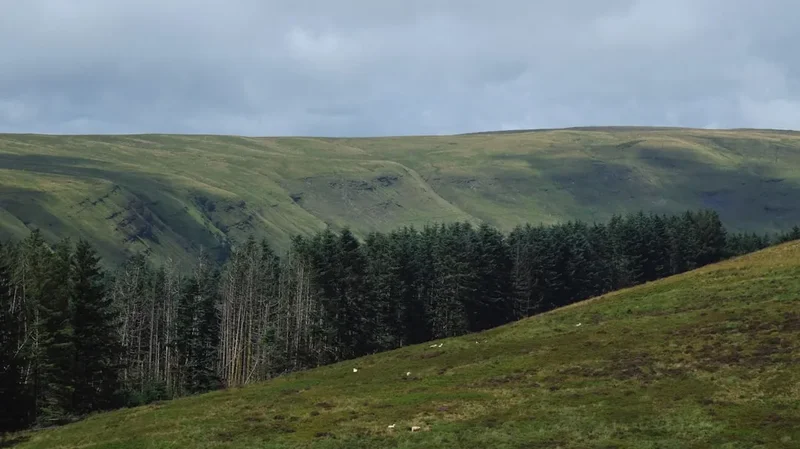
The Peak District Limestone Way traverses a landscape that is both beautiful and ecologically sensitive. Adhering to Leave No Trace principles is crucial to preserving its natural and cultural heritage for future generations. As you walk, remember that you are a visitor in this environment.
Plan Ahead and Prepare: Research the trail, understand the terrain, and check weather forecasts. Pack appropriate gear and sufficient food and water. Know the local regulations regarding fires, camping, and waste disposal.
Travel and Camp on Durable Surfaces: Stick to marked paths and bridleways. Avoid walking on fragile vegetation, especially in meadows and along riverbanks. If camping is permitted in designated areas (though not typical for this trail), use established pitches.
Dispose of Waste Properly: Pack out everything you pack in. This includes all food scraps, wrappers, and any other litter. Use designated bins in villages or take your rubbish home. Use toilet facilities in villages or designated areas. If no facilities are available, dig a cathole at least 60 metres (60 m) from water, trails, and campsites, and bury human waste.
Leave What You Find: Do not remove or disturb natural objects such as rocks, plants, or historical artefacts. Take only photographs and memories.
Minimise Campfire Impacts: Campfires are generally not permitted on the Limestone Way. If you are camping in designated areas where fires are allowed, use existing fire rings and keep fires small. Ensure fires are completely extinguished before leaving.
Respect Wildlife: Observe wildlife from a distance. Do not feed animals, as this can disrupt their natural behaviour and diet. Keep dogs under control at all times, especially around livestock.
Be Considerate of Other Visitors: Keep noise levels down, especially in villages and natural areas. Yield to other walkers and cyclists on shared paths. Respect the local culture and traditions.
Useful Links
- Peak District National Park - Limestone Way
- Ordnance Survey Explorer Map OL24 (Peak District - White Peak)
- National Trails Website (for general info on long-distance walking in the UK)
- Visit Peak District & Derbyshire
- Met Office - Peak District Weather Forecast
- National Express (for bus travel)
- The Trainline (for train travel)