
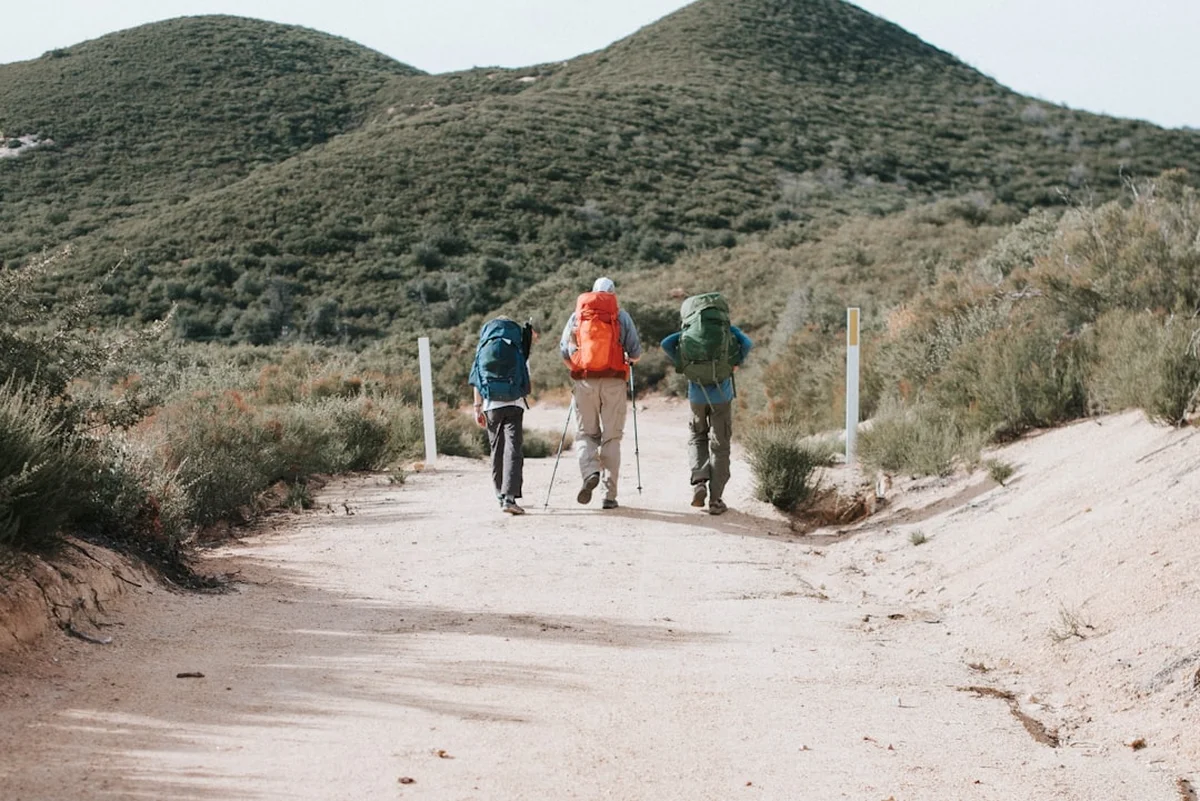
Lençóis Maranhenses Trek - The Dunes of Water
The Lençóis Maranhenses Trek is a unique and breathtaking journey through one of Brazil's most extraordinary natural wonders—a vast expanse of pristine white sand dunes interspersed with crystal-clear freshwater lagoons. Located in the state of Maranhão, this "desert" is unlike any other, receiving significant rainfall during the first half of the year, which fills the depressions between the dunes to create temporary, vibrant blue and green pools. This trek offers an immersive experience into this surreal landscape, combining challenging navigation across shifting sands with the refreshing reward of swimming in the ephemeral lagoons. It's a remote adventure that tests endurance and offers unparalleled photographic opportunities, a true escape into a world of sand and water.
- Distance: Approximately 50.0 km (variable due to shifting sands)
- Duration: 3–5 days
- Season: May to September (after the rainy season, when lagoons are full)
- Accommodation: Basic campsites and rustic pousadas (guesthouses)
- Highest point: Dunes can reach up to 30-40 metres, but overall elevation gain is minimal
- Daily walkers: No strict limit, but guided tours are highly recommended
- Direction: Variable, typically circular routes starting and ending near Barreirinhas or Santo Amaro
Overview
The Lençóis Maranhenses National Park is a geological marvel, a seemingly endless sea of undulating white sand dunes that stretch for over 1,500 square kilometres. What makes this landscape truly unique is its seasonal transformation. From January to June, heavy rains replenish the region, creating thousands of temporary lagoons that dot the landscape. These lagoons, often a brilliant turquoise or emerald green, offer a stark and stunning contrast to the pure white silica sand. The trek through Lençóis Maranhenses is not about conquering steep ascents or dramatic mountain passes; it's about navigating a dynamic, ever-changing environment where the primary challenges are the heat, the soft sand underfoot, and the sheer scale of the dunes.
The experience is one of profound isolation and natural beauty. Days are spent walking across vast, open dune fields, with the sun beating down and the wind shaping the landscape. The silence is broken only by the whisper of the wind and the crunch of sand. The reward comes with reaching a lagoon, a shimmering oasis where one can cool off and marvel at the surreal juxtaposition of desert and water. The trek typically involves camping under a canopy of stars, far from any artificial light, or staying in very basic, locally-run pousadas in small, remote communities nestled amongst the dunes.
This is a trek for those seeking an unconventional adventure, a chance to disconnect from the modern world and reconnect with nature in its most elemental form. The landscape is constantly shifting, meaning no two treks are ever exactly the same. It requires a good level of fitness to handle the walking distances and the challenging terrain, but the visual and sensory rewards are immense, offering a truly unforgettable experience.
History and Cultural Context
The Lençóis Maranhenses region has a long history of human habitation, though not in the conventional sense of permanent settlements due to the harsh, shifting nature of the dunes. Indigenous communities, such as the Caeté people, have historically inhabited the coastal areas and fringes of this region, relying on fishing and the limited resources available. However, the interior of the dunes has always been sparsely populated, primarily by nomadic or semi-nomadic groups who moved with the seasons and the availability of water.
The modern understanding and exploration of the Lençóis Maranhenses as a tourist destination began to develop in the latter half of the 20th century. The creation of the Lençóis Maranhenses National Park in 1981 was a crucial step in protecting this unique ecosystem from uncontrolled development and ensuring its preservation. The park covers an area of 1,550 square kilometres, encompassing the most spectacular dune fields and lagoons.
The local economy in the gateway towns like Barreirinhas and Santo Amaro is now heavily reliant on tourism. Small communities, often referred to as "vilas" or "povoações," exist within the park boundaries, such as Queimada dos Britos and Baixa Grande. These communities are home to families who have lived in the region for generations, adapting to the challenging environment. They often serve as guides and hosts for trekkers, offering a glimpse into a traditional way of life that is intrinsically linked to the rhythms of the dunes and the seasonal rains. The cultural context of the Lençóis Maranhenses is one of resilience, adaptation, and a deep connection to a landscape that is both beautiful and demanding.
Seasonal Highlights and Weather Reality
The Lençóis Maranhenses experience a distinct wet and dry season, which dictates the best time to visit and the nature of the trek.
Best Season (May to September): The "Green Season"
This is the prime time for trekking. Following the heavy rains from January to June, the dunes are filled with thousands of crystal-clear lagoons. The water is fresh, cool, and inviting, providing essential relief from the heat. The landscape is at its most visually stunning, with vibrant blues and greens contrasting against the white sand. Temperatures are generally warm but more bearable than in the dry season, typically ranging from 25°C to 30°C. The humidity is also lower, making walking more comfortable.
Shoulder Season (April and October): Transition Periods
April can still see some lingering rain, and lagoons may not be at their fullest, but the landscape is beginning to transform. October marks the start of the dry season, and while many lagoons may have already dried up, some larger, deeper ones might persist. The heat begins to increase significantly.
Dry Season (November to March): The "White Season"
During these months, the lagoons largely dry up, leaving behind vast expanses of sand. While the landscape is still impressive, the iconic blue pools are absent, making it a less desirable time for a trek focused on the lagoons. Temperatures soar, often exceeding 35°C, and the humidity can be high. Walking during this period is extremely challenging due to the heat and lack of water sources. Some larger, deeper lagoons might remain, particularly in areas with higher groundwater tables, but the overall experience is very different.
Weather Considerations: Even during the best season, expect hot, sunny days. Sun protection is paramount. While rain is common during the wet season, it usually comes in the form of heavy, short-lived downpours rather than prolonged drizzle. The wind can also be a factor, sometimes creating sandstorms that reduce visibility and make walking more difficult.
Recommended Itinerary
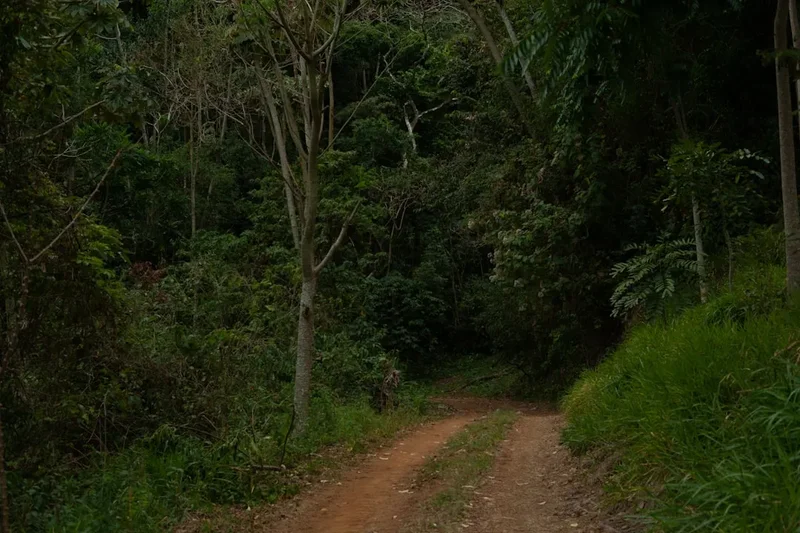
3-Day Lençóis Maranhenses Trek (Example Route)
Day 1: Barreirinhas to Queimada dos Britos (or similar remote camp)
- Distance: Approximately 15 km
- Elevation gain: Minimal, undulating dunes
- Time: 5–7 hours
- Morning: Transfer from Barreirinhas by 4x4 vehicle to the park entrance near Sangue.
- Late Morning: Begin trekking on foot, entering the vast dune fields.
- Midday: Navigate across rolling dunes, with stops for water and rest in the shade of larger dunes.
- Afternoon: Reach a designated camping area or a remote pousada like Queimada dos Britos.
- Evening: Set up camp or settle into basic accommodation. Enjoy dinner and stargazing.
- Key Waypoints: Initial 4x4 access point, various dune formations, arrival at remote settlement/campsite.
- Note: This day focuses on acclimatisation to the environment and the initial immersion into the dune landscape.
Day 2: Queimada dos Britos to Baixa Grande (or similar remote camp)
- Distance: Approximately 18 km
- Elevation gain: Minimal, undulating dunes
- Time: 6–8 hours
- Morning: Depart from camp after breakfast, continuing deeper into the park.
- Midday: Trek across expansive dune fields, stopping to swim in any lagoons encountered along the route.
- Afternoon: Arrive at another remote settlement or campsite, such as Baixa Grande.
- Evening: Relax, swim in nearby lagoons, and experience the tranquility of the remote desert.
- Key Waypoints: Numerous lagoons (e.g., Lagoa da Gaivota, Lagoa Azul - names can vary seasonally), arrival at Baixa Grande.
- Note: This is often the most visually spectacular day, with opportunities to swim in multiple iconic lagoons.
Day 3: Baixa Grande to Santo Amaro
- Distance: Approximately 17 km
- Elevation gain: Minimal, undulating dunes
- Time: 5–7 hours
- Morning: Begin the final leg of the trek, heading towards the town of Santo Amaro.
- Midday: Traverse more dunes and potentially pass through smaller communities.
- Afternoon: Arrive in Santo Amaro, a charming town that serves as another gateway to the park.
- Late Afternoon: Transfer by 4x4 from Santo Amaro back to Barreirinhas or your next destination.
- Key Waypoints: Final dune crossings, arrival in Santo Amaro.
- Note: This day concludes the trek, offering a final immersion in the landscape before returning to civilisation.
Important Considerations:
- This itinerary is a sample and can be adjusted based on weather, lagoon availability, and group preferences.
- All trekking should be done with a local guide who knows the terrain and safe routes.
- Accommodation is basic: either camping in designated areas or staying in simple pousadas with shared facilities.
- Water sources are limited; carrying sufficient water and purification methods is essential.
- The trek is highly dependent on the season; lagoons may be dry outside the May-September window.
Planning and Bookings
Book Your Trip
Everything you need to plan your journey
Accommodation
Find places to stay near Barreirinhas
Flights
Search flights to Barreirinhas
Essential Preparation
The Lençóis Maranhenses is a remote and challenging environment, requiring careful planning. The primary gateway towns are Barreirinhas and Santo Amaro. Barreirinhas is more developed with a wider range of accommodation and tour operators, while Santo Amaro offers a more rustic and authentic experience, often considered the "true" entry point for deeper exploration. Access to these towns is typically via São Luís (SLZ) airport, followed by a bus or private transfer to Barreirinhas (approx. 4-5 hours) or a combination of bus and 4x4 to Santo Amaro.
Fitness is crucial. While there are no significant ascents, walking for 5-8 hours a day across soft, undulating sand under a hot sun is physically demanding. Participants should be comfortable with long days of walking and carrying a daypack with essentials. Coordination of transport, guides, and accommodation is vital, as services within the park are limited and often require advance booking, especially during peak season.
Trail Accommodation
Accommodation within the Lençóis Maranhenses National Park is very basic and rustic, reflecting the remote nature of the environment. There are no formal "huts" in the traditional sense. Trekkers typically stay in one of two options:
1. Camping:
- Description: Designated camping areas are often located near remote communities or specific points of interest. Tents are usually provided by tour operators.
- Facilities: Basic, often just a flat area for tents. Toilets may be rudimentary pit latrines or natural. Showers are rare and usually involve a bucket of water.
- What's NOT provided: Sleeping bags, mats, cooking equipment (unless part of a guided tour package), electricity, running water.
- Seasonal Availability: Available year-round, but more comfortable during the dry season when there's less chance of rain.
- Costs: Typically included in guided tour packages.
2. Remote Pousadas (Guesthouses):
- Description: Small, family-run guesthouses located in remote communities within the park, such as Queimada dos Britos or Baixa Grande. These offer a more authentic cultural experience.
- Facilities: Basic rooms, often with shared bathrooms. Beds are usually simple mattresses on the floor or basic frames. Meals (breakfast, lunch, dinner) are typically provided and are communal.
- What's NOT provided: Air conditioning, hot water, electricity for charging devices (limited charging may be available), toiletries, towels.
- Seasonal Availability: Available year-round, but booking is essential due to limited capacity.
- Costs: Usually part of a package deal with guides and transport. Expect to pay around R$200-R$400 per person per day for a package including accommodation, meals, and guiding.
Outside the Park (Gateway Towns):
In Barreirinhas and Santo Amaro, a wide range of accommodation is available, from budget hostels to comfortable pousadas and hotels. These are used before and after the trek.
Required Gear
- Footwear: Sturdy, broken-in walking boots or robust trail running shoes with good grip. Sandals or flip-flops for use around camp/pousada.
- Clothing: Lightweight, quick-drying synthetic or merino wool clothing. Long-sleeved shirts and trousers for sun protection and to prevent sand irritation. Shorts and t-shirts for warmer periods and swimming. A warm layer (fleece or light jacket) for cooler evenings.
- Headwear: Wide-brimmed hat or cap for sun protection.
- Eyewear: Sunglasses with UV protection.
- Navigation: While guides are essential, a personal GPS device or offline map app on a smartphone can be useful for personal reference.
- Safety Gear: Personal first-aid kit including blister treatment, pain relievers, antiseptic wipes, and any personal medications. A whistle for emergencies.
- Sun Protection: High SPF sunscreen (SPF 50+), lip balm with SPF.
What to Bring
- Backpack: A comfortable daypack (20-30 litres) for carrying essentials during daily treks. A larger duffel bag or backpack for gear that will be transported by 4x4 or mule (if applicable).
- Water: Reusable water bottles or a hydration reservoir (minimum 3 litres capacity per person). Water purification tablets or a filter are highly recommended.
- Food: High-energy snacks such as nuts, dried fruit, energy bars, and chocolate. Meals are usually provided by guides or pousadas, but snacks are essential for energy during the day.
- Toiletries: Biodegradable soap, toothbrush, toothpaste, hand sanitiser, insect repellent (especially for evenings), toilet paper (carry out used paper).
- Personal Items: Camera, power bank for charging devices, book or journal, small towel.
- Money: Brazilian Reais (BRL) in cash. ATMs are scarce within the park, and most small communities only accept cash.
- Sleeping Bag: A lightweight sleeping bag or liner is recommended, especially for camping.
Permits
The Lençóis Maranhenses National Park is a protected area, and while there isn't a strict permit system for independent trekkers in the same way as some other national parks, access and trekking are best managed through local guides and tour operators. These operators are familiar with the park's regulations, the best routes, and the locations of safe water sources and accommodation.
Park Entrance Fees:
- There may be a small entrance fee for the National Park itself, which is typically collected at designated points or included in tour operator packages. The exact fee can vary and is subject to change.
- Some specific attractions or communities within the park might also have small local fees or request contributions for the use of facilities or for local guides.
Guided Tours are Essential:
- Due to the dynamic nature of the dunes, the lack of marked trails, and the potential for extreme weather, trekking independently is strongly discouraged and can be dangerous.
- Local guides are invaluable for navigation, safety, and providing insights into the local culture and environment. They are often the best way to arrange accommodation in remote pousadas and camping logistics.
- Booking a guided tour is the most practical and safest way to experience the Lençóis Maranhenses trek. Tour operators will handle all necessary arrangements, including transport, guides, food, and accommodation.
Booking in Advance:
- It is highly recommended to book your guided tour and accommodation well in advance, especially if travelling during the peak season (May to September) or during Brazilian holidays.
- Reputable tour operators can be found in Barreirinhas and Santo Amaro, or booked online through various travel agencies.
Other Activities in the Area
Beyond the multi-day trek, the Lençóis Maranhenses region offers several other compelling activities:
- Lagoa Azul and Lagoa Bonita Tours: These are popular half-day or full-day 4x4 tours from Barreirinhas to the most accessible and iconic lagoons. They offer a taste of the landscape without the commitment of a multi-day trek.
- Quad Biking Tours: Explore the fringes of the park on quad bikes, offering a faster-paced way to see some of the dunes and lagoons.
- Boat Trips on the Rio Preguiças: Take a scenic boat trip from Barreirinhas up the Rio Preguiças, visiting charming fishing villages like Vassouras (known for its monkeys), Mandacaru (with its lighthouse offering panoramic views), and Caburé (a narrow strip of land between the river and the sea).
- Kitesurfing and Windsurfing: The coastal areas and some larger lagoons can be suitable for kitesurfing and windsurfing, particularly during the windy season.
- Exploring Santo Amaro: Spend time in the more tranquil town of Santo Amaro, known for its beautiful lagoons like Lagoa da Betânia and its laid-back atmosphere.
- Visiting Local Communities: Engage with the local communities within the park, learn about their unique way of life, and sample traditional cuisine.
Safety and Conditions
Heat and Dehydration: The Lençóis Maranhenses can be extremely hot, especially during the dry season. Always carry ample water (at least 3 litres per person per day) and drink frequently, even if you don't feel thirsty. Electrolyte supplements can be beneficial. Wear light-coloured, loose-fitting clothing, a wide-brimmed hat, and sunglasses.
Sunburn: The sun's intensity is high, and the white sand reflects UV rays. Apply high SPF sunscreen liberally and reapply often, especially after swimming. Protect your lips with SPF balm.
Navigation: The dunes are constantly shifting, and there are no marked trails. It is essential to trek with a qualified local guide who knows the terrain, safe routes, and the location of water sources and accommodation. Getting lost in the dunes can be extremely dangerous.
Sandstorms: Strong winds can whip up sand, reducing visibility and making breathing difficult. If a sandstorm occurs, seek shelter behind a large dune or in a community if possible. Your guide will know how to manage this situation.
Water Quality: While the lagoons are generally clean and fresh, it's advisable to treat water from natural sources if possible, or rely on water provided by your guide or pousada. Avoid drinking stagnant water.
Insect Bites: Mosquitoes and other biting insects can be present, especially around water sources and during dawn and dusk. Use insect repellent, especially in the evenings.
Remote Location: Medical facilities are limited within the park. The nearest significant hospital is in Barreirinhas. Ensure you have adequate travel insurance that covers medical evacuation and treatment in remote areas.
Communication: Mobile phone signal is unreliable and often non-existent within the park. Inform someone of your trekking plans and expected return date.
Respecting the Environment: Stick to designated paths where they exist, avoid disturbing wildlife, and do not leave any litter behind.
Side Trips and Points of Interest
Lagoa Bonita: Accessible via a steep dune climb, this lagoon offers spectacular panoramic views of the surrounding dune sea. It's a popular spot for sunset and sunrise, providing a breathtaking vista of the vast, undulating landscape.
Lagoa Azul: Another iconic lagoon, known for its vibrant blue waters. It's often one of the first major lagoons encountered on shorter tours from Barreirinhas and is a popular spot for swimming and photography.
Queimada dos Britos: A small, remote community nestled deep within the park, often used as an overnight stop for multi-day treks. It offers a glimpse into the unique lifestyle of people living in this challenging environment.
Baixa Grande: Similar to Queimada dos Britos, Baixa Grande is another settlement that serves as a base for trekkers. It's surrounded by numerous lagoons and offers a profound sense of isolation and natural beauty.
Lagoa da Gaivota: Often considered one of the most beautiful lagoons, its name means "Seagull Lagoon." It's a large, picturesque body of water that is a highlight for many trekkers.
The Lighthouse at Mandacaru: While not directly on the trekking routes, a boat trip up the Rio Preguiças often includes a stop at Mandacaru. Climbing the lighthouse offers a stunning 360-degree view of the river, the dunes, and the Atlantic Ocean, providing a different perspective on the region's geography.
Leave No Trace
The Lençóis Maranhenses is a fragile ecosystem, and responsible tourism is crucial for its preservation. Adhering to Leave No Trace principles ensures that this unique landscape can be enjoyed by future generations.
Plan Ahead and Prepare: Understand the conditions, book with reputable guides, and pack appropriately to minimise waste and impact.
Travel and Camp on Durable Surfaces: Stick to established paths where they exist. When camping, use designated areas. Avoid trampling fragile vegetation or disturbing the dune structure unnecessarily.
Dispose of Waste Properly: Pack out everything you pack in. This includes all food scraps, wrappers, and any other litter. Use designated waste disposal facilities in communities or carry waste back to Barreirinhas or Santo Amaro. Do not bury waste.
Leave What You Find: Do not take sand, shells, or any natural objects from the park. Leave the landscape as you found it.
Minimise Campfire Impacts: Campfires are generally not permitted within the national park. If cooking, use portable stoves. If a campfire is absolutely necessary and permitted in a specific area, ensure it is contained and fully extinguished.
Respect Wildlife: Observe animals from a distance and do not feed them. Feeding wildlife can alter their behaviour and diet, potentially harming them.
Be Considerate of Other Visitors: Keep noise levels down, especially in remote areas and at campsites. Respect the peace and tranquility of the natural environment.
The Lençóis Maranhenses is a place of immense natural beauty and ecological significance. By following these principles, you contribute to its protection and ensure a positive experience for yourself and others.