
Le Soliat Ridge Trail
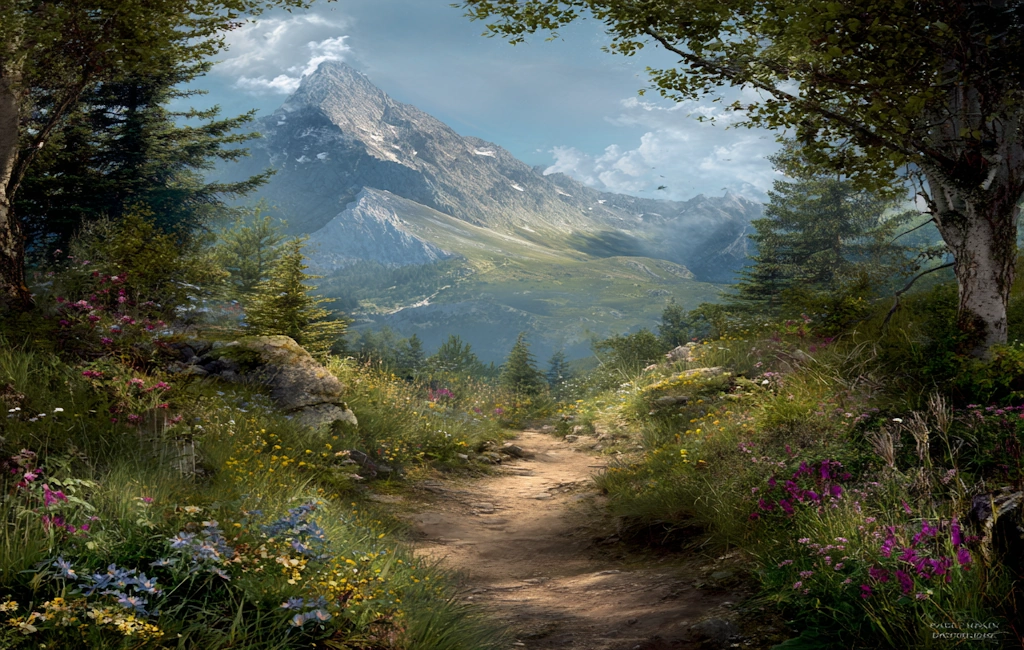
The Le Soliat Ridge Trail is a spectacular day walk located in the Jura Mountains of Switzerland, offering breathtaking panoramic views across the Swiss Plateau, the Alps, and the French Jura. This moderately challenging hike is renowned for its dramatic limestone formations, expansive meadows, and the iconic "Creux du Van," a colossal natural amphitheatre carved into the rock face. The trail provides a rewarding experience for hikers seeking stunning natural beauty and a sense of wildness within accessible reach of urban centres.
- Distance: 14.5 km
- Duration: 4–5 hours
- Elevation gain: 650 m
- Season: June to October
- Difficulty: Moderate
- Closest City: Neuchâtel
- Trailhead Access: Nearest airport: Geneva (GVA). Train to Neuchâtel, then bus 615 to Le Soliat. By car: A5 motorway to Travers, then follow signs to Le Soliat. Parking available. Road accessible, but can be narrow. No permits required.
- Coordinates: 46.9465, 6.6873
Overview
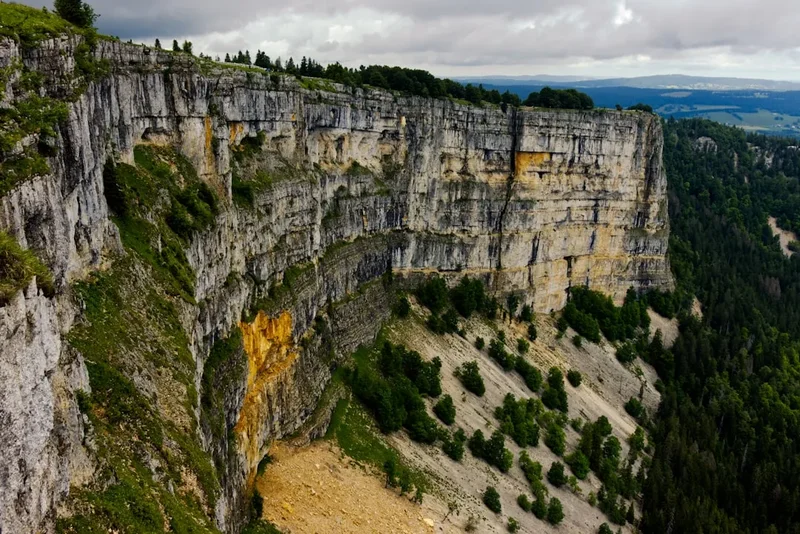
The Le Soliat Ridge Trail is a circular route that ascends to the rim of the Creux du Van, a geological marvel that dominates the landscape. The hike begins with a steady climb through forests, gradually opening up to alpine meadows and the rugged terrain of the Jura ridge. The highlight is undoubtedly the Creux du Van itself—a vast, sheer-sided cirque measuring approximately 1.6 kilometres long, 140 metres deep, and 400 metres wide. Its sheer rock walls, sculpted by millennia of erosion, create a dramatic and awe-inspiring spectacle. The trail circumnavigates the rim, offering continuously changing perspectives of this natural wonder and the expansive vistas beyond.
The Jura Mountains, a range stretching across Switzerland, France, and Italy, are characterised by their folded limestone geology, which has resulted in unique landscapes of karst formations, deep valleys, and high plateaus. Le Soliat Ridge exemplifies this, with its exposed rock faces, scree slopes, and resilient alpine flora. The trail's moderate difficulty makes it accessible to most reasonably fit hikers, while the significant elevation gain ensures a good workout. The best time to undertake this walk is from June to October, when the weather is generally favourable, and the trails are clear of snow.
The journey to the trailhead is relatively straightforward, with good public transport links from Neuchâtel and ample parking for those travelling by car. The proximity to Neuchâtel, a vibrant city on the shores of Lake Neuchâtel, makes it an ideal destination for a day trip or as part of a longer exploration of the Jura region. The trail is well-marked, but the exposed nature of the ridge and the potential for rapidly changing weather necessitate preparedness.
History and Cultural Context
The Jura Mountains have a long history of human interaction, primarily centred around agriculture, forestry, and, in more recent centuries, watchmaking and industry. The region surrounding Le Soliat, particularly the Val de Travers, is historically significant for its association with absinthe production, famously linked to figures like Jean-Anthelme Brillat-Savarin and later, the writer Ernest Hemingway. While the trail itself is a natural formation, its accessibility and the surrounding landscape have been shaped by centuries of human activity, from ancient pastoralism to modern tourism infrastructure.
The Creux du Van, as a natural landmark, has likely been known to local populations for centuries, its dramatic scale inspiring awe and perhaps folklore. Early exploration and mapping of the Jura would have documented its existence, but its development as a tourist destination is a more recent phenomenon, coinciding with the rise of hiking and mountaineering in the Alps and surrounding ranges during the 19th and 20th centuries. The establishment of marked trails and the provision of basic amenities like parking and signage have made it a popular excursion point.
The geological history of the Creux du Van is a story of immense natural forces. Formed by a combination of erosion, tectonic uplift, and the dissolution of soluble rock (karstification), the amphitheatre is a testament to the slow but powerful processes that shape our planet. The limestone layers visible in its walls tell a story of ancient marine environments, uplift, and subsequent weathering. The surrounding forests, predominantly beech and fir, have been managed for timber for generations, contributing to the cultural landscape of the region.
Seasonal Highlights and Weather Reality
The Le Soliat Ridge Trail is best enjoyed during the warmer months, from June to October. During this period, the weather is generally more stable, and the trails are free from snow and ice, making for a safer and more pleasant hiking experience.
Spring (April-May): While the lower slopes may begin to green up, higher elevations can still hold snow, and the weather can be unpredictable. This is generally not the ideal time for this particular hike, as conditions can be muddy and trails may be less defined.
Summer (June-August): This is peak season for the Le Soliat Ridge Trail. The days are long, and the weather is typically warm and sunny, perfect for enjoying the panoramic views. Wildflowers bloom in the alpine meadows, adding vibrant colours to the landscape. However, summer can also bring thunderstorms, especially in the afternoons, so it's essential to start early and be prepared for sudden changes in weather. Sandflies are not a significant issue in this region of Switzerland.
Autumn (September-October): Autumn offers a different kind of beauty. The forests begin to turn golden and red, creating a stunning contrast with the grey rock of the Creux du Van. The air is crisp, and the crowds are generally thinner than in summer. The weather can be more variable, with cooler temperatures and a higher chance of rain or early snow, particularly in late October. However, clear autumn days provide some of the most spectacular views.
Winter (November-March): The trail is generally not recommended for hiking during winter due to snow, ice, and hazardous conditions on the exposed ridge. The area is more suited for winter sports like cross-country skiing or snowshoeing in designated areas, but the ridge trail itself becomes a serious mountaineering challenge.
Recommended Itinerary
Le Soliat Ridge Trail - Day Walk Itinerary
Early Morning (Approx. 8:00 AM): Departure from Neuchâtel
- Travel from Neuchâtel to the trailhead at Le Soliat.
- By public transport: Take bus 615 from Neuchâtel towards Val de Travers, alighting at the stop closest to Le Soliat (check local schedules for exact stop and frequency).
- By car: Drive on the A5 motorway towards Yverdon-les-Bains, then take the exit for Travers. Follow signs for Le Soliat. Parking is available at the designated area near the start of the trail.
Morning (Approx. 9:00 AM - 12:00 PM): Ascent to the Ridge
- Begin the hike from the Le Soliat parking area.
- The initial section involves a steady ascent through mixed forests, gradually gaining elevation.
- The path is well-marked, winding through trees and opening up to occasional clearings with early views.
- As you gain altitude, the terrain may become rockier, and the forest may thin out, giving way to more open scrubland and meadows.
- The climb is consistent, building your fitness for the ridge walk ahead.
Midday (Approx. 12:00 PM - 2:00 PM): Exploring the Creux du Van Rim
- Reach the rim of the Creux du Van.
- The trail now follows the edge of the colossal natural amphitheatre.
- Take time to absorb the immense scale and dramatic sheer drops of the Creux du Van.
- Walk along the designated paths, enjoying the panoramic views across the Swiss Plateau and towards the distant Alps.
- Find a suitable spot for a picnic lunch, taking care to stay well back from the cliff edge.
- Observe the unique rock formations and the hardy vegetation that clings to the cliff faces.
Afternoon (Approx. 2:00 PM - 4:00 PM): Descent and Return
- Continue along the ridge, completing the circuit or retracing your steps depending on the chosen route.
- The descent will lead you back through meadows and forests towards the trailhead.
- The path may be steep in places, requiring careful footing.
- Enjoy the changing perspectives as you descend, with the vastness of the Creux du Van receding behind you.
- Arrive back at the Le Soliat parking area.
Late Afternoon (Approx. 4:00 PM onwards): Return to Neuchâtel
- Begin your journey back to Neuchâtel.
- Consider stopping in the Val de Travers for a local refreshment or to explore the region's absinthe heritage.
Important Notes:
- Wear sturdy hiking boots with good ankle support.
- Carry sufficient water, as there are no reliable water sources on the ridge itself.
- Pack layers of clothing, as weather can change rapidly at higher altitudes.
- Be aware of the cliff edges; maintain a safe distance at all times.
- The trail is well-marked, but a map or GPS device is recommended for navigation.
Planning and Bookings
Book Your Trip
Everything you need to plan your journey
Accommodation
Find places to stay near Neuchâtel
Flights
Search flights to Neuchâtel
Essential Preparation
The Le Soliat Ridge Trail is a day walk, meaning no overnight accommodation is required. However, thorough preparation is still crucial for a safe and enjoyable experience. The closest major city and logistical hub is Neuchâtel. From Neuchâtel, you can access the trailhead via public transport or by car. If travelling by public transport, familiarise yourself with the bus schedules for route 615 to the Val de Travers area, ensuring you alight at the correct stop for Le Soliat. If driving, the A5 motorway provides good access to the region, with clear signage directing towards Travers and then Le Soliat. Parking is available at the trailhead, though it can become busy during peak season, so arriving early is advisable. Ensure your vehicle is suitable for potentially narrow and winding access roads.
Trail Accommodation
This is a day hike requiring no overnight accommodation.
Required Gear
- Hiking Boots: Sturdy, waterproof hiking boots with good ankle support are essential for navigating the varied terrain, including rocky sections and potentially slippery descents.
- Waterproof Jacket: A reliable waterproof and windproof jacket is crucial, as weather in the Jura Mountains can change quickly, with rain and strong winds possible even in summer.
- Layers of Clothing: Pack thermal base layers, a fleece or insulating mid-layer, and an outer shell. Temperatures can vary significantly between the forest floor and the exposed ridge.
- Navigation Tools: While the trail is generally well-marked, a map of the area, a compass, or a GPS device with an offline map app is highly recommended for orientation and in case of unexpected detours or poor visibility.
- Sun Protection: Even on cloudy days, the sun can be intense at higher altitudes. Bring sunglasses, a wide-brimmed hat, and sunscreen (SPF 30 or higher).
- First-Aid Kit: A basic first-aid kit including plasters, antiseptic wipes, pain relievers, and any personal medications is essential for treating minor injuries.
- Head Torch: Although a day hike, a head torch with spare batteries is a sensible precaution in case of unexpected delays or if you start earlier or finish later than planned.
What to Bring
- Food: Pack plenty of high-energy snacks and a substantial lunch. There are no facilities for purchasing food along the trail. Consider items like sandwiches, fruit, nuts, energy bars, and chocolate.
- Water: Carry at least 1.5 to 2 litres of water per person. There are no reliable water sources on the ridge, so you must bring all the water you need for the duration of the hike.
- Toiletries: Biodegradable soap, a small towel, toothbrush and toothpaste, and hand sanitiser are recommended. Pack out all used toilet paper.
- Personal Items: Include a mobile phone (ensure it's fully charged), a power bank if needed, and any personal items you require.
- Camera: The views are spectacular, so bring a camera to capture the scenery.
- Trekking Poles: Optional, but can be very helpful for stability on ascents and descents, particularly on steeper or uneven sections.
- Small Backpack: A comfortable daypack (20-30 litres) to carry all your essentials.
Permits
No specific permits are required to hike the Le Soliat Ridge Trail. As a public hiking route within the Jura Mountains, access is generally free and open to all. However, it is always advisable to check for any local regulations or temporary closures that may be in effect, particularly during periods of high fire risk or for specific conservation efforts. Information regarding such matters can typically be found through local tourism offices or the relevant cantonal authorities in Switzerland.
Other Activities in the Area
The region surrounding Le Soliat and the Val de Travers offers a variety of activities for visitors:
- Explore Neuchâtel: Spend time in the charming city of Neuchâtel, with its picturesque old town, lakeside promenade, and the impressive Neuchâtel Castle. The city also boasts excellent museums, including the Laténium, an archaeological museum dedicated to the La Tène culture.
- Val de Travers Absinthe Trail: Discover the history and culture of absinthe in its traditional homeland. Several distilleries offer tours and tastings, and a dedicated trail explores the region's connection to the "green fairy."
- Lake Neuchâtel Activities: Enjoy watersports on Lake Neuchâtel, such as swimming, sailing, or paddleboarding. The lake offers beautiful scenery and opportunities for relaxation.
- Hiking in the Jura: The Jura Mountains are crisscrossed with numerous hiking trails, offering a wide range of difficulties and scenic experiences. Explore other ridges, valleys, and natural parks in the vicinity.
- Cycling: The region is also popular with cyclists, with many well-maintained routes suitable for road cycling and mountain biking.
- Visit Local Villages: Explore the quaint villages dotted throughout the Val de Travers, each with its own unique character and local charm.
Safety and Conditions
Weather: The most significant safety consideration for the Le Soliat Ridge Trail is the unpredictable mountain weather. Conditions can change rapidly, with fog, rain, and strong winds appearing with little warning. Always check the weather forecast before you set out and be prepared for all eventualities. If severe weather is predicted, it is best to postpone your hike.
Terrain: The trail involves significant elevation gain and loss, with sections of rocky ground, scree, and potentially slippery paths, especially after rain. Sturdy hiking boots with good grip are essential. The rim of the Creux du Van is a sheer drop; always maintain a safe distance from the edge and supervise children closely.
Navigation: While the trail is generally well-marked, it is advisable to carry a map and compass or use a GPS device. In conditions of poor visibility (fog or heavy rain), it can be easy to lose your way, especially on the exposed ridge.
Water: There are no reliable water sources on the ridge. Ensure you carry enough water for the entire hike, as dehydration can be a serious risk, especially on warm days.
Emergency Contacts: Know the emergency numbers for Switzerland (112 or 144 for medical emergencies, 117 for police, 118 for fire). Inform someone of your hiking plans, including your intended route and expected return time.
Wildlife: While large predators are rare in this region, be aware of local wildlife. Respect their space and do not attempt to feed any animals.
Side Trips and Points of Interest
The Creux du Van Amphitheatre: The primary attraction, this immense natural cirque is a geological wonder. Its sheer limestone walls, carved by erosion over millennia, create a dramatic and awe-inspiring spectacle. The scale is difficult to comprehend until you stand on its rim.
Fôret du Creux du Van: The forests surrounding the Creux du Van are ancient and atmospheric. Walking through these woodlands, particularly in the early morning or late afternoon, offers a sense of tranquility and immersion in nature. Look for diverse flora and fauna adapted to the mountain environment.
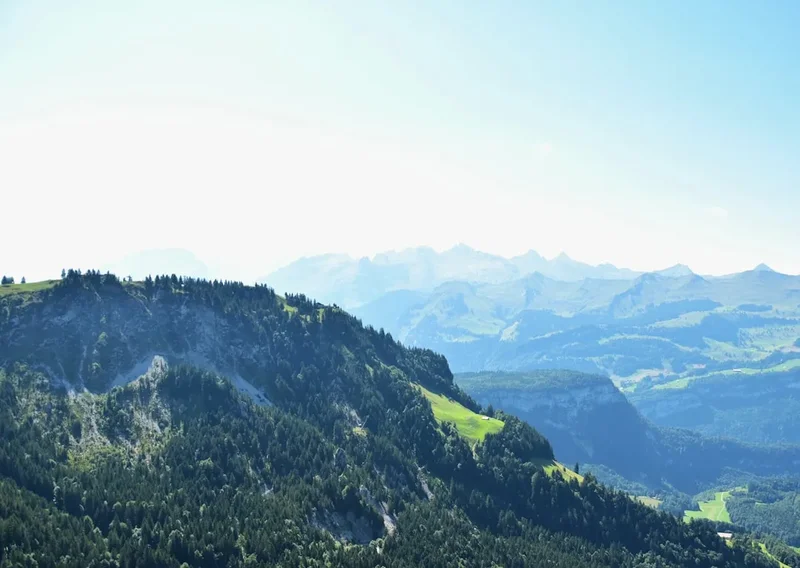
Panoramic Viewpoints: Along the ridge, numerous vantage points offer breathtaking views. These include vistas across the Swiss Plateau, the Jura chain, and on clear days, the distant snow-capped peaks of the Alps. Each turn in the trail can reveal a new, stunning panorama.
Local Flora and Fauna: Keep an eye out for the unique plant life that thrives in the alpine meadows and on the rocky slopes. Depending on the season, you might see a variety of wildflowers. The area is also home to various bird species, and if you are lucky, you might spot chamois or ibex in the more remote sections.
The "Dents de Savigny": These are distinctive rock formations on the rim of the Creux du Van, adding to the dramatic geological features of the site.
Leave No Trace
The Le Soliat Ridge Trail traverses a beautiful and ecologically sensitive area. Adhering to Leave No Trace principles is vital to preserve its natural state for future visitors and for the health of the ecosystem.
- Plan Ahead and Prepare: Familiarise yourself with the trail, weather conditions, and any local regulations before your hike. Pack appropriately for the conditions.
- Travel and Camp on Durable Surfaces: Stick to marked trails to avoid damaging fragile vegetation. The areas around the Creux du Van are particularly susceptible to erosion.
- Dispose of Waste Properly: Pack out everything you pack in, including all food scraps, wrappers, and used toilet paper. Use designated toilet facilities where available, or dig catholes at least 70 metres away from water sources, trails, and campsites.
- Leave What You Find: Do not remove or disturb natural objects, plants, or rocks. Take only photographs and memories.
- Minimise Campfire Impacts: Campfires are generally not permitted on this day hike. If you are on a multi-day trip in a designated camping area, use established fire rings and keep fires small.
- Respect Wildlife: Observe wildlife from a distance and never feed them. Feeding wild animals can disrupt their natural behaviours and diets.
- Be Considerate of Other Visitors: Keep noise levels down, yield to other hikers, and maintain a respectful attitude towards fellow visitors and the natural environment.
By following these principles, you help ensure that the Le Soliat Ridge Trail remains a pristine and enjoyable destination for everyone.
Useful Links
- MySwitzerland - Creux du Van Information
- Neuchâtel Tourism - Creux du Van
- SBB (Swiss Federal Railways) - Public Transport Planner
- <a href="https://www.meteosuisse.admin.ch/home.html?tab=forecast&geo=32870000000000000000000000000000000000000000000000000000000000000000000000000000000000000000000000000000000000000000000000000000000000000000000000000000000000000000000000000000000000000000000000000000000000000000000000000000000000000000000000000000000000000000000000000000000000000000000000000000000000000000000000000000000000000000000000000000000000000000000000000000000000000000000000000000000000000000000000000000000000000000000000000000000000000000000000000000000000000000000000000000000000000000000000000000000000000000000000000000000000000000000000000000000000000000000000000000000000000000000000000000000000000000000000000000000000000000000000000000000000000000000000000000000000000000000000000000000000000000000000000000000000000000000000000000000000000000000000000000000000000000000000000000000000000000000000000000000000000000000000000000000000000000000000000000000000000000000000000000000000000000000000000000000000000000000000000000000000000000000000000000000000000000000000000000000000000000000000000000000000000000000000000000000000000000000000000000000000000000000000000000000000000000000000000000000000000000000000000000000000000000000000000000000000000000000000000000000000000000000000000000000000000000000000000000000000000000000000000000000000000000000000000000000000000000000000000000000000000000000000000000000000000000000000000000000000000000000000000000000000000000000000000000000000000000000000000000000000000000000000000000000000000000000000000000000000000000000000000000000000000000000000000000000000000000000000000000000000000000000000000000000000000000000000000000000000000000000000000000000000000000000000000000000000000000000000000000000000000000000000000000000000000000000000000000000000000000000000000000000000000000000000000000000000000000000000000000000000000000000000000000000000000000000000000000000000000000000000000000000000000000000000000000000000000000000000000000000000000000000000000000000000000000000000000000000000000000000000000000000000000000000000000000000000000000000000000000000000000000000000000000000000000000000000000000000000000000000000000000000000000000000000000000000000000000000000000000000000000000000000000000000000000000000000000000000000000000000000000000000000000000000000000000000000000000000000000000000000000000000000000000000000000000000000000000000000000000000000000000000000000000000000000000000000000000000000000000000000000000000000000000000000000000000000000000000000000000000000000000000000000000000000000000000000000000000000000000000000000000000000000000000000000000000000000000000000000000000000000000000000000000000000000000000000000000000000000000000000000000000000000000000000000000000000000000000000000000000000000000000000000000000000000000000000000000000000000000000000000000000000000000000000000000000000000000000000000000000000000000000000000000000000000000000000000000000000000000000000000000000000000000000000000000000000000000000000000000000000000000000000000000000000000000000000000000000000000000000000000000000000000000000000000000000000000000000000000000000000000000000000000000000000000000000000000000000000000000000000000000000000000000000000000000000000000000000000000000000000000000000000000000000000000000000000000000000000000000000000000000000000000000000000000000000000000000000000000000000000000000000000000000000000000000000000000000000000000000000000000000000000000000000000000000000000000000000000000000000000000000000000000000000000000000000000000000000000000000000000000000000000000000000000000000000000000000000000000000000000000000000000000000000000000000000000000000000000000000000000000000000000000000000000000000000000000000000000000000000000000000000000000000000000000000000000000000000000000000000000000000000000000000000000000000000000000000000000000000000000000000000000000000000000000000000000000000000000000000000000000000000000000000000000000000000000000000000000000000000000000000000000000000000000000000000000000000000000000000000000000000000000000000000000000000000000000000000000000000000000000000000000000000000000000000000000000000000000000000000000000000000000000000000000000000000000000000000000000000000000000000000000000000000000000000000000000000000000000000000000000000000000000000000000000000000000000000000000000000000000000000000000000000000000000000000000000000000000000000000000000000000000000000000000000000000000000000000000000000000000000000000000000000000000000000000000000000000000000000000000000000000000000000000000000000000000000000000000000000000000000000000000000000000000000000000000000000000000000000000000000000000000000000000000000000000000000000000000000000000000000000000000000000000000000000000000000000000000000000000000000000000000000000000000000000000000000000000000000000000000000000000000000000000000000000000000000000000000000000000000000000000000000000000000000000000000000000000000000000000000000000000000000000000000000000000000000000000000000000000000000000000000000000000000000000000000000000000000000000000000000000000000000000000000000000000000000000000000000000000000000000000000000000000000000000000000000000000000000000000000000000000000000000000000000000000000000000000000000000000000000000000000000000000000000000000000000000000000000000000000000000000000000000000000000000000000000000000000000000000000000000000000000000000000000000000000000000000000000000000000000000000000000000000000000000000000000000000000000000000000000000000000000000000000000000000000000000000000000000000000000000000000000000000000000000000000000000000000000000000000000000000000000000000000000000000000000000000000000000000000000000000000000000000000000000000000000000000000000000000000000000000000000000000000000000000000000000000000000000000000000000000000000000000000000000000000000000000000000000000000000000000000000000000000000000000000000000000000000000000000000000000000000000000000000000000000000000000000000000000000000000000000000000000000000000000000000000000000000000000000000000000000000000000000000000000000000000000000000000000000000000000000000000000000000000000000000000000000000000000000000000000000000000000000000000000000000000000000000000000000000000000000000000000000000000000000000000000000000000000000000000000000000000000000000000000000000000000000000000000000000000000000000000000000000000000000000000000000000000000000000000000000000000000000000000000000000000000000000000000000000000000000000000000000000000000000000000000000000000000000000000000000000000000000000000000000000000000000000000000000000000000000000000000000000000000000000000000000000000000000000000000000000000000000000000000000000000000000000000000000000000000000000000000000000000000000000000000000000000000000000000000000000000000000000000000000000000000000000000000000000000000000000000000000000000000000000000000000000000000000000000000000000000000000000000000000000000000000000000000000000000000000000000000000000000000000000000000000000000000000000000000000000000000000000000000000000000000000000000000000000000000000000000000000000000000000000000000000000000000000000000000000000000000000000000000000000000000000000000000000000000000000000000000000000000000000000000000000000000000000000000000000000000000000000000000000000000000000000000000000000000000000000000000000000000000000000000000000000000000000000000000000000000000000000000000000000000000000000000000000000000000000000000000000000000000000000000000000000000000000000000000000000000000000000000000000000000000000000000000000000000000000000000000000000000000000000000000000000000000000000000000000000000000000000000000000000000000000000000000000000000000000000000000000000000000000000000000000000000000000000000000000000000000000000000000000000000000000000000000000000000000000000000000000000000000000000000000000000000000000000000000000000000000000000000000000000000000000000000000000000000000000000000000000000000000000000000000000000000000000000000000000000000000000000000000000000000000000000000000000000000000000000000000000000000000000000000000000000000000000000000000000000000000000000000000000000000000000000000000000000000000000000000000000000000000000000000000000000000000000000000000000000000000000000000000000000000000000000000000000000000000000000000000000000000000000000000000000000000000000000000000000000000000000000000000000000000000000000000000000000000000000000000000000000000000000000000000000000000000000000000000000000000000000000000000000000000000000000000000000000000000000000000000000000000000000000000000000000000000000000000000000000000000000000000000000000000000000000000000000000000000000000000000000000000000000000000000000000000000000000000000000000000000000000000000000000000000000000000000000000000000000000000000000000000000000000000000000000000000000000000000000000000000000000000000000000000000000000000000000000000000000000000000000000000000000000000000000000000000000000000000000000000000000000000000000000000000000000000000000000000000000000000000000000000000000000000000000000000000000000000000000000000000000000000000000000000000000000000000000000000000000000000000000000000000000000000000000000000000000000000000000000000000000000000000000000000000000000000000000000000000000000000000000000000000000000000000000000000000000000000000000000000000000000000000000000000000000000000000000000000000000000000000000000000000000000000000000000000000000000000000000000000000000000000000000000000000000000000000000000000000000000000000000000000000000000000000000000000000000000000000000000000000000000000000000000000000000000000000000000000000000000000000000000000000000000000000000000000000000000000000000000000000000000000000000000000000000000000000000000000000000000000000000000000000000000000000000000000000000000000000000000000000000000000000000000000000000000000000000000000000000000000000000000000000000000000000000000000000000000000000000000000000000000000000000000000000000000000000000000000000000000000000000000000000000000000000000000000000000000000000000000000000000000000000000000000000000000000000000000000000000000000000000000000000000000000000000000000000000000000000000000000000000000000000000000000000000000000000000000000000000000000000000000000000000000000000000000000000000000000000000000000000000000000000000000000000000000000000000000000000000000000000000000000000000000000000000000000000000000000000000000000000000000000000000000000000000000000000000000000000000000000000000000000000000000000000000000000000000000000000000000000000000000000000000000000000000000000000000000000000000000000000000000000000000000000000000000000000000000000000000000000000000000000000000000000000000000000000000000000000000000000000000000000000000000000000000000000000000000000000000000000000000000000000000000000000000000000000000000000000000000000000000000000000000000000000000000000000000000000000000000000000000000000000000000000000000000000000000000000000000000000000000000000000000000000000000000000000000000000000000000000000000000000000000000000000000000000000000000000000000000000000000000000000000000000000000000000000000000000000000000000000000000000000000000000000000000000000000000000000000000000000000000000000000000000000000000000000000000000000000000000000000000000000000000000000000000000000000000000000000000000000000000000000000000000000000000000000000000000000000000000000000000000000000000000000000000000000000000000000000000000000000000000000000000000000000000000000000000000000000000000