

Las Médulas Trail - Ancient Gold and Crimson Landscapes
The Las Médulas Trail is a captivating day walk in the El Bierzo region of northwestern Spain, offering a unique blend of natural beauty, geological wonder, and historical significance. This trail winds through a landscape dramatically sculpted by Roman mining operations over two millennia ago, transforming a once-lush area into a striking panorama of ochre-red earth, verdant vegetation, and dramatic rock formations. The primary attraction is the vast open-cast gold mine, a testament to Roman engineering prowess and a UNESCO World Heritage site. The trail provides access to viewpoints overlooking this immense landscape, allowing walkers to appreciate the scale of the ancient extraction and the subsequent ecological regeneration. It's a journey that connects the present-day visitor with the echoes of a powerful empire and the enduring resilience of nature.
- Distance: 7.5 km loop
- Duration: 3-4 hours
- Season: Spring and Autumn (ideal for pleasant temperatures and vibrant colours)
- Difficulty: Moderate (involves some elevation gain and uneven terrain)
- Closest City: Ponferrada
- Trailhead Access: Via LE-191 road from Ponferrada, parking near the Visitor Centre
- Permits: Not required for general access, but check local visitor centre for any specific regulations.
Overview
The Las Médulas Trail is more than just a walk; it's an immersion into a landscape that tells a story of human ambition and natural reclamation. The Romans, in their relentless pursuit of gold, employed a sophisticated hydraulic mining technique known as *ruina montium* (the ruin of mountains). This involved diverting rivers and streams to flood the hillsides, saturating the earth and then using the water pressure to wash away vast quantities of soil and rock, exposing the gold-bearing veins. The result is the iconic, almost surreal, landscape of Las Médulas: towering pinnacles of red clay, known as *cutanes*, interspersed with deep ravines and valleys, all softened by the encroaching green of chestnut trees, holm oaks, and various shrubs that have recolonised the area over centuries.
The trail itself is designed to showcase these features. It typically begins near the Visitor Centre, offering initial orientation and historical context. As you ascend, the views open up, revealing the sheer scale of the Roman intervention. You'll encounter viewpoints that provide breathtaking panoramas of the *cutanes*, the remnants of ancient aqueducts, and the surrounding countryside. The path can be uneven, with sections of gravel, dirt, and sometimes rocky terrain, reflecting the natural and historical character of the site. The moderate elevation gain ensures that while it's a physical exertion, it remains accessible to most walkers with a reasonable level of fitness. The best times to visit are spring, when the vegetation is lush and wildflowers bloom, and autumn, when the chestnut forests turn golden and the red earth takes on a deeper hue under the softer light.
Beyond the visual spectacle, the trail offers a chance to reflect on the immense human effort involved. Imagine thousands of labourers working under harsh conditions, the constant roar of water, and the sheer volume of earth moved to extract precious metal. The subsequent abandonment of the mines allowed nature to begin its slow, persistent process of healing and transformation, creating a unique symbiosis between the scars of the past and the vibrant life of the present. This duality makes Las Médulas a profoundly moving and unforgettable destination.
History and Cultural Context
The story of Las Médulas is inextricably linked to the Roman Empire's insatiable demand for gold. From the 1st century BCE to the 3rd century CE, this region was one of the most important gold-producing areas in the Roman world. The sheer scale of the operation is staggering; it is estimated that the Romans extracted approximately 165,000 kg of gold from Las Médulas during their occupation. This wealth fuelled the Roman economy, financed legions, and contributed to the empire's vast infrastructure projects.
The primary mining technique employed was *ruina montium*, a method of hydraulic mining that involved diverting water from distant rivers, such as the Sil and the Cabrera, through an extensive network of channels and aqueducts. These channels, some carved directly into the rock, would carry water for tens of kilometres to the mining sites. Once at the hillsides, the water was released under immense pressure, causing the earth to collapse and wash away. The loosened material was then channelled into sluices where gold particles could be separated. The distinctive red, conical formations, the *cutanes*, are the direct result of this process – the exposed, iron-rich clay that remains after the gold-bearing strata have been eroded.
The Roman presence in El Bierzo was not limited to mining. They established settlements, roads, and agricultural practices, leaving a lasting imprint on the region. The decline of Roman power in the 3rd century CE led to the gradual abandonment of Las Médulas. However, the landscape they created persisted, and over the subsequent centuries, nature began to reclaim the scarred earth. Chestnut trees, introduced by the Romans, thrived in the iron-rich soil, creating the characteristic autumnal colours that are a hallmark of the modern landscape. In 1997, Las Médulas was declared a UNESCO World Heritage site, recognising its outstanding universal value as a unique example of Roman mining technology and its dramatic, human-altered landscape.
Seasonal Highlights and Weather Reality
The Las Médulas Trail is a destination that offers distinct charms throughout the year, though certain seasons are particularly recommended for the optimal experience.
Spring (March to May): This is an excellent time to visit. The landscape bursts into life with vibrant green foliage covering the red earth. Wildflowers bloom, adding splashes of colour to the hillsides. The weather is generally mild and pleasant, with average temperatures ranging from 10°C to 20°C. Rainfall is possible, but usually in the form of showers rather than prolonged downpours. The air is fresh, and the light is often soft, making for beautiful photography.
Summer (June to August): Summers in El Bierzo can be hot, with temperatures frequently exceeding 30°C, especially in July and August. While the long daylight hours are an advantage, the heat can make hiking strenuous. It is advisable to start the walk early in the morning or late in the afternoon to avoid the midday sun. The landscape remains green, but the colours may be less vibrant than in spring or autumn. Water sources can be lower during this period.
Autumn (September to November): Autumn is arguably the most visually spectacular season for Las Médulas. The chestnut forests surrounding the red clay formations turn brilliant shades of gold, ochre, and russet, creating a breathtaking contrast with the deep red of the *cutanes*. The weather is typically mild and stable, with average temperatures between 15°C and 25°C. This season offers a perfect balance of comfortable hiking conditions and stunning visual appeal. The air is crisp, and the light is often warm and inviting.
Winter (December to February): Winters are generally cool and can be damp, with average temperatures ranging from 5°C to 12°C. Frost is common, and occasional snow can fall, dusting the landscape in white and creating a starkly beautiful, albeit different, scene. The vegetation is less vibrant, and some of the more exposed viewpoints might be less appealing due to colder winds. However, winter offers fewer crowds and a unique, serene atmosphere. The red earth against a grey sky or a dusting of snow can be quite dramatic.
Weather Reality: While the seasons offer general guidance, it's crucial to check the local weather forecast before your visit. El Bierzo can experience unpredictable weather patterns, including sudden rain showers or periods of intense sun. Always be prepared for changing conditions, regardless of the season.
Recommended Itinerary
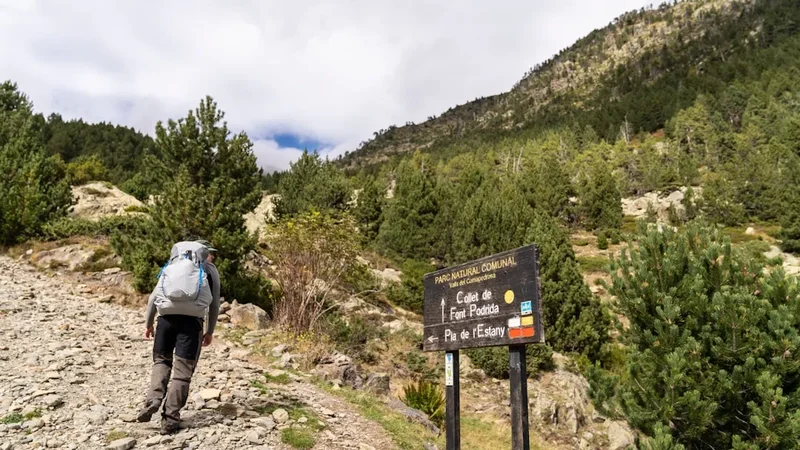
Day Walk: Las Médulas Trail
This itinerary is structured to allow for a comprehensive exploration of the Las Médulas landscape, incorporating key viewpoints and historical context.
Early Morning (Approx. 9:00 AM): Arrival and Visitor Centre Orientation
- Arrive at the Las Médulas Visitor Centre (Centro de Recepción de Visitantes).
- Park your vehicle in the designated parking area near the centre.
- Spend 30–45 minutes exploring the visitor centre exhibits. These provide essential historical background on Roman mining techniques, the geology of the area, and the ecological regeneration that has occurred.
- Pick up a trail map and any local information regarding current conditions or recommended routes.
- Use the facilities and prepare for your walk.
Morning (Approx. 9:45 AM): Ascent to Mirador de Orellán
- Begin the walk from the Visitor Centre, following the clearly marked trail signs.
- The initial section involves a moderate ascent, primarily on well-maintained dirt paths and gravel tracks.
- The path gradually leads you upwards, offering increasingly impressive views of the surrounding landscape.
- You will start to see the distinctive red clay formations, the *cutanes*, emerge from the vegetation.
- The walk to Mirador de Orellán takes approximately 45–60 minutes, depending on your pace.
- Waypoint: Mirador de Orellán (Orellán Viewpoint).
Midday (Approx. 10:45 AM): Mirador de Orellán and La Cuevona
- At Mirador de Orellán, you will find one of the most iconic viewpoints of Las Médulas.
- Take ample time to absorb the panoramic vista of the vast Roman mining pits, the towering *cutanes*, and the surrounding valleys.
- Look for remnants of ancient Roman infrastructure and imagine the scale of the operation.
- Optional Detour: La Cuevona. From Mirador de Orellán, a short, well-marked path leads to La Cuevona, a natural cave that was used by the Romans as part of their hydraulic system. It's a fascinating glimpse into the engineering methods. Allow an extra 30 minutes for this detour.
- Enjoy a snack or drink while taking in the views.
Afternoon (Approx. 12:00 PM): Descent and Exploration of the Lower Valleys
- Begin your descent from Mirador de Orellán, following a different loop of the trail that takes you through the lower valleys.
- This section of the walk allows you to experience the landscape from a different perspective, walking amongst the red clay formations and through the regenerating forests.
- You may encounter smaller, less dramatic mining features and evidence of the ecological recovery.
- The path may be more uneven in places, with some rocky sections.
- Keep an eye out for local flora and fauna, particularly birds of prey that often soar above the canyons.
- The descent is generally less strenuous than the ascent but requires careful footing.
Late Afternoon (Approx. 1:30 PM): Return to Visitor Centre and Optional Lunch
- The trail loop typically brings you back towards the vicinity of the Visitor Centre.
- Total walking time is approximately 3–4 hours, including stops for photography and enjoying the views.
- Consider having lunch at a local restaurant in the nearby village of Las Médulas or returning to Ponferrada for more extensive dining options.
- Reflect on the incredible history and natural beauty you have witnessed.
Important Notes:
- Wear sturdy walking shoes with good grip.
- Carry water, especially during warmer months.
- Sun protection (hat, sunscreen) is essential, as much of the trail is exposed.
- Check the weather forecast before you go and be prepared for potential rain.
- The trail is well-marked, but a map or GPS device is recommended.
Planning and Bookings
Book Your Trip
Everything you need to plan your journey
Accommodation
Find places to stay near Ponferrada
Flights
Search flights to Ponferrada
Essential Preparation
The Las Médulas Trail is a day walk, meaning no overnight accommodation is required. However, proper planning ensures a more enjoyable and safe experience. The closest major city and logistical hub is Ponferrada. From Ponferrada, the drive to Las Médulas is approximately 20 km and takes about 30 minutes via the LE-191 road. This road is paved and well-maintained, making access straightforward. Ample parking is available near the Visitor Centre, which is the primary starting point for most visitors. It is advisable to check the weather forecast for the El Bierzo region in the days leading up to your visit and pack accordingly. While no specific fitness regime is mandatory for this moderate walk, a reasonable level of mobility and stamina will allow you to fully appreciate the terrain and viewpoints.
Trail Accommodation
This is a day hike requiring no overnight accommodation.
Required Gear
- Sturdy walking boots: With good ankle support and non-slip soles, suitable for uneven and potentially rocky terrain.
- Comfortable walking clothing: Layers are recommended to adapt to changing temperatures.
- Waterproof jacket: Essential, as weather can change quickly in the region.
- Sun hat: For protection against the sun, especially during warmer months.
- Sunglasses: To protect your eyes from glare.
- Backpack: A small daypack (15-25 litres) to carry essentials.
- First-aid kit: Basic supplies for minor injuries (band-aids, antiseptic wipes, pain relievers).
- Navigation: A trail map (available from the Visitor Centre) or a reliable GPS device/app. Mobile signal can be intermittent.
What to Bring
- Water: At least 1.5–2 litres per person, especially during spring and summer.
- Food: Snacks such as energy bars, fruit, nuts, and sandwiches for lunch.
- Sunscreen: High SPF, as much of the trail is exposed.
- Insect repellent: While not as notorious as some other regions, it's wise to have some on hand, particularly during warmer months.
- Camera: To capture the unique landscape.
- Binoculars (optional): For observing wildlife or distant features.
- Cash: For any small purchases at local establishments or for potential parking fees (though parking is generally free).
- Toilet paper and hand sanitiser: For use if facilities are not readily available on the trail.
Permits
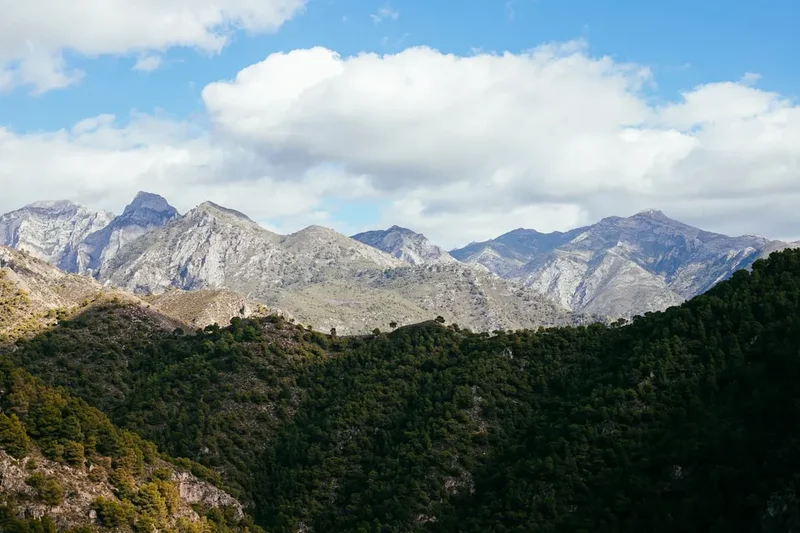
Access to the Las Médulas landscape and the designated walking trails does not require any specific permits for general day visitors. The area is managed by local authorities and the regional government, and the trails are open to the public. However, it is always advisable to visit the Las Médulas Visitor Centre upon arrival. The centre staff can provide up-to-date information on trail conditions, any temporary closures, or specific local regulations that might be in place. They can also offer insights into the best routes to take based on current weather and your fitness level. While no formal booking is needed, respecting the site and adhering to any guidelines provided by the visitor centre will ensure a positive experience for everyone and help preserve this remarkable heritage site.
Other Activities in the Area
The region surrounding Las Médulas offers several other attractions and activities that can complement your visit:
- Explore the Village of Las Médulas: Wander through the small, picturesque village of Las Médulas itself. It retains a traditional charm and offers a glimpse into local life. There are typically small shops selling local produce and crafts, and a few charming restaurants and cafés.
- Visit the Visitor Centre (Centro de Recepción de Visitantes): As mentioned, this is an essential stop. The exhibits provide crucial context about the Roman mining operations, the geology, and the ecological recovery of the area. It's an excellent starting point for understanding the significance of what you're about to see.
- Discover the Roman Aqueducts: While the main trail focuses on the mining pits, remnants of the Roman aqueducts that supplied water for the *ruina montium* technique can be found in the surrounding area. Some are more visible than others, and exploring these can add another layer to your historical understanding.
- Wine Tasting in El Bierzo: The El Bierzo region is renowned for its distinctive wines, particularly those made from the Mencía grape. Many local bodegas (wineries) offer tours and tastings. This is a fantastic way to experience the local culture and sample regional specialities.
- Explore Ponferrada: The nearby city of Ponferrada is well worth a visit. Its most prominent landmark is the impressive Templar Castle, a medieval fortress with a rich history. The city also boasts a fascinating Museo de la Radio (Radio Museum) and a pleasant old town with traditional architecture and lively squares.
- Hiking in the Montes de León: For those who enjoy longer hikes, the wider Montes de León natural park offers numerous trails through diverse landscapes, including forests, mountains, and river valleys.
- Gastronomy: El Bierzo cuisine is hearty and flavourful. Don't miss trying local specialities such as *botillo* (a cured pork product), *empanada berciana* (a regional savoury pie), and various game dishes.
Safety and Conditions
Trail Conditions: The Las Médulas Trail is generally well-maintained, but sections can be uneven, rocky, or dusty, especially after dry periods. During and after rainfall, some paths may become slippery. Always wear appropriate footwear.
Weather: The weather in El Bierzo can be variable. Summers can be hot, while spring and autumn offer milder temperatures but can also bring rain. It is crucial to check the local weather forecast before your visit and be prepared for changes. Hypothermia is a risk in cooler, wet conditions, even if not at high altitude, due to wind chill and prolonged exposure.
Sun Exposure: Much of the trail is exposed, with limited shade. Sun protection is vital, especially during the warmer months. Carry sunscreen, a hat, and sunglasses, and drink plenty of water to prevent dehydration.
Navigation: The main trails are usually well-signposted, particularly around the Visitor Centre and key viewpoints like Mirador de Orellán. However, it is always recommended to carry a map or use a GPS device, as some smaller paths can be less clear. Mobile phone reception can be unreliable in certain areas.
Wildlife: While large dangerous wildlife is not a significant concern in this area, be aware of your surroundings. You might encounter various bird species, including birds of prey, and smaller mammals. Respect their habitat and do not disturb them.
Hydration and Nutrition: Carry sufficient water and snacks. There are limited facilities directly on the trail, so it's best to be self-sufficient. The Visitor Centre and the village of Las Médulas offer places to replenish supplies.
Emergency Contacts: In case of an emergency, the national emergency number in Spain is 112. Ensure you have this number readily available and know your approximate location.
Visitor Centre: The Las Médulas Visitor Centre is your primary resource for safety information. Staff can advise on current trail conditions, weather warnings, and any specific hazards to be aware of.
Side Trips and Points of Interest
Mirador de Orellán: This is the quintessential viewpoint of Las Médulas. Perched high above the mining pits, it offers an unparalleled panoramic vista of the vast, sculpted landscape. From here, you can truly appreciate the scale of the Roman *ruina montium* technique, with the red clay pinnacles (*cutanes*) stretching out before you. It's an ideal spot for photography and contemplation of the immense human effort involved in extracting gold.
La Cuevona: A short, accessible detour from Mirador de Orellán, La Cuevona is a natural cave that the Romans ingeniously incorporated into their hydraulic mining system. Walking into this cavern provides a tangible connection to the ancient engineering methods. The cool, damp interior offers a stark contrast to the exposed landscape outside and is a fascinating point of interest for those keen on understanding the practicalities of Roman mining.
The Roman Aqueducts: While not always clearly marked on standard trail maps, remnants of the extensive Roman aqueduct system that channelled water to Las Médulas can be found in the surrounding hills. Spotting these ancient water channels, often carved into rock or built with stone, adds another dimension to the historical exploration of the site. They are a testament to the Romans' sophisticated understanding of engineering and their determination to exploit the region's gold.
The Village of Las Médulas: The small village itself, nestled amidst the regenerated landscape, is a point of interest. It offers a sense of place and continuity, showing how human habitation has adapted to and coexisted with this unique environment over centuries. The traditional architecture and local atmosphere provide a peaceful counterpoint to the dramatic mining landscape.
The Chestnut Forests: Particularly in autumn, the extensive chestnut forests that have recolonised the red earth are a major point of interest. The vibrant golden and russet hues create a stunning visual spectacle, contrasting beautifully with the deep red of the *cutanes*. Walking through these forests offers a different sensory experience, with the scent of damp earth and the rustling of leaves underfoot.
Leave No Trace
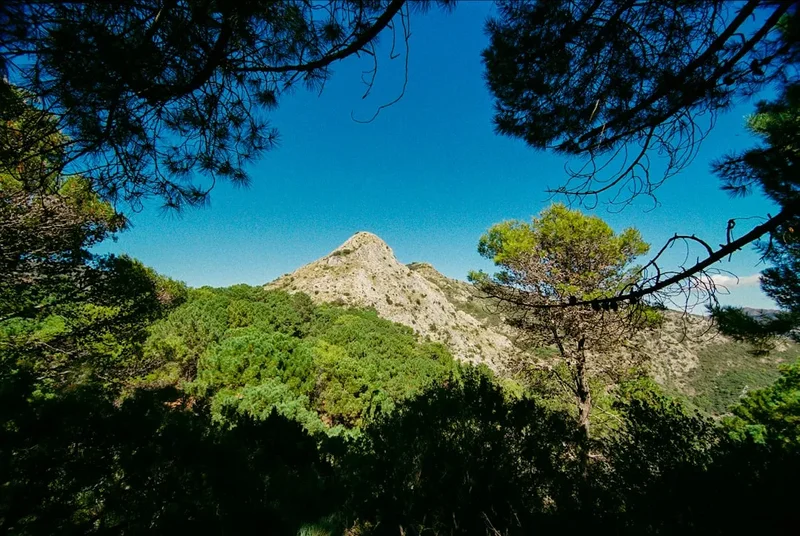
Las Médulas is a UNESCO World Heritage site, a landscape of immense historical and geological importance that is also a living ecosystem. Preserving its unique character for future generations is paramount. Adhering to Leave No Trace principles ensures that your visit has a minimal impact on this fragile environment.
Plan Ahead and Prepare: Familiarise yourself with the trail and its conditions before you go. Check the weather forecast and pack accordingly. Understand the historical and ecological significance of the site.
Travel and Camp on Durable Surfaces: Stick to marked trails. The red earth and surrounding vegetation are sensitive. Wandering off-trail can cause erosion and damage delicate plant life that has taken centuries to re-establish.
Dispose of Waste Properly: Pack out everything you pack in. This includes all food scraps, wrappers, and any other litter. There are limited waste disposal facilities on the trail itself. Use the bins provided at the Visitor Centre or take your rubbish home with you.
Leave What You Find: Do not take any natural or historical artefacts from the site. Leave rocks, plants, and any historical remnants in place for others to appreciate and for their preservation.
Minimize Campfire Impacts: This is a day walk, so campfires are not applicable. However, if you were to picnic, ensure you use designated areas and do not damage vegetation.
Respect Wildlife: Observe wildlife from a distance. Do not feed any animals, as this can disrupt their natural behaviour and diet. Be aware of your surroundings and avoid disturbing their habitat.
Be Considerate of Other Visitors: Keep noise levels down, especially at viewpoints. Allow others to enjoy the peace and beauty of the landscape. Yield to others on narrower sections of the trail.
By following these principles, you contribute to the ongoing preservation of Las Médulas, ensuring its unique heritage and natural beauty can be enjoyed by all.
 Spain
Spain