
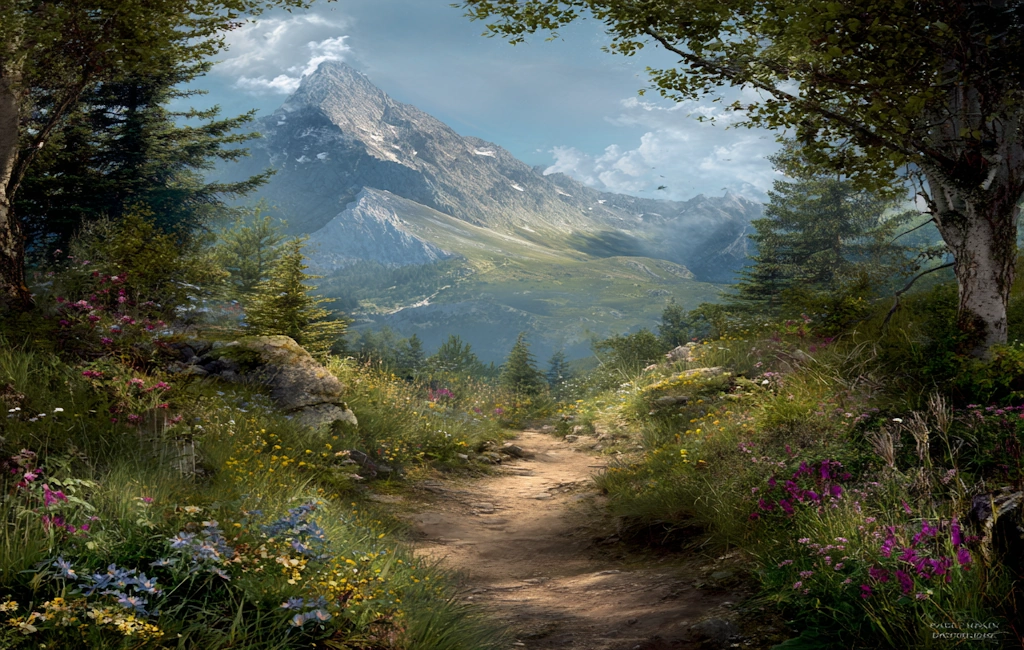
Lares Trek - The Sacred Valley's Hidden Gem
The Lares Trek is a captivating multi-day walk in the Peruvian Andes, offering a more authentic and less crowded alternative to the famous Inca Trail. This 33-kilometre journey winds through remote Andean communities, past vibrant textile markets, and over high mountain passes, providing a profound cultural immersion alongside breathtaking natural beauty. Unlike its more popular counterparts, the Lares Trek allows walkers to connect with the traditional Quechua way of life, witnessing ancient farming practices and experiencing the warm hospitality of the local people. The trek culminates with stunning views of snow-capped peaks and a descent into the Sacred Valley, often finishing with a visit to the iconic Inca ruins of Machu Picchu.
- Distance: 33.0 km one-way
- Duration: 3-4 days
- Season: April to October (dry season)
- Difficulty: Moderate
- Highest point: Approximately 4,600 metres (4,600 m)
- Closest City: Cusco
- Accommodation: Camping (tents provided by tour operators)
- Direction: Typically starts in Lares and ends near Ollantaytambo or Urubamba
Overview
The Lares Trek is a journey into the heart of the Andes, a region where ancient traditions persist and the dramatic mountain landscapes are as awe-inspiring as the cultural encounters. This trek is renowned for its authentic connection to the Quechua people, offering a glimpse into their daily lives, their vibrant textiles, and their deep spiritual connection to the land. The route traverses high mountain passes, revealing panoramic vistas of snow-capped peaks such as Veronica, Pitusiray, and Chicon, and descends through fertile valleys dotted with small agricultural communities.
The trek begins in the town of Lares, famous for its thermal hot springs, and gradually ascends into the high Andes. The initial days involve acclimatisation and steady climbs, allowing walkers to adjust to the altitude while taking in the rugged beauty of the terrain. The highest point of the trek, often around 4,600 metres, offers unparalleled views and a true sense of accomplishment. As the trek progresses, the landscape transitions from stark alpine environments to lush green valleys, where terraced fields cling to steep hillsides and traditional farming methods are still in practice. The descent leads towards the Sacred Valley, a region rich in Inca history and natural splendour.
What sets the Lares Trek apart is its intimate cultural experience. Unlike more commercialised routes, this trek prioritises interaction with local communities. Tour operators often arrange visits to schools and weaving cooperatives, providing direct support to these villages. Walkers have the opportunity to learn about traditional weaving techniques, sample local cuisine, and witness a way of life that has remained largely unchanged for centuries. The trek is a moderate challenge, suitable for those with a reasonable level of fitness and a spirit of adventure, offering a rewarding and deeply personal Andean experience.
History and Cultural Context
The Lares region, nestled in the Peruvian Andes, has been inhabited by indigenous Quechua communities for millennia. This area was an integral part of the Inca Empire, serving as a vital agricultural and spiritual centre. The terraces and ancient pathways that still crisscross the landscape are testaments to the ingenuity and resilience of these ancient peoples. The Quechua language, a direct descendant of the Inca's language, is still widely spoken here, and many of the traditions and customs observed today have roots stretching back to pre-Inca times.
The Lares Trek itself, as a defined hiking route, gained popularity in the latter half of the 20th century as travellers sought alternatives to the increasingly popular Inca Trail. Its appeal lies in its remoteness and the opportunity it provides for genuine cultural exchange. Unlike the Inca Trail, which was a major Inca highway, the Lares Trek follows ancient paths used by local communities for trade, herding llamas and alpacas, and accessing seasonal pastures. These paths were not built for mass tourism but for the practical needs of the Andean people.
The region's history is also intertwined with the Spanish conquest, which brought significant cultural and social changes. However, the Quechua communities in the Lares Valley have managed to preserve much of their heritage, including their intricate weaving traditions, their agricultural practices (such as the cultivation of potatoes and quinoa), and their spiritual beliefs, which often blend indigenous cosmology with Catholicism. The Lares Trek offers a unique window into this living history, allowing visitors to witness a culture that has successfully adapted while retaining its core identity.
Seasonal Highlights and Weather Reality
The Lares Trek is best undertaken during the dry season, which typically runs from April to October. This period offers the most favourable weather conditions for trekking in the Andes, with sunny days and cold nights.
Dry Season (April to October):
- April-May: The beginning of the dry season. The landscape is still green from the rainy months, and the weather is generally pleasant. Temperatures can range from 0°C to 20°C. This is an excellent time to trek, with fewer crowds than in the peak months.
- June-August: These are the coldest and driest months. Daytime temperatures are mild, often reaching 15-20°C in the sun, but nights can drop significantly below freezing, sometimes to -10°C or lower at higher altitudes. This is peak season, so expect more trekkers and book well in advance. The skies are typically clear, offering spectacular views of the mountains.
- September-October: The end of the dry season. The landscape may appear drier, but the weather remains stable. Temperatures are similar to April-May. This is another good time to trek, with slightly fewer people than the mid-winter months.
Wet Season (November to March):
- This period is characterised by frequent and heavy rainfall, particularly in the afternoons. While daytime temperatures can be warmer, the rain can make trekking conditions challenging, with muddy trails and reduced visibility. Landslides can also occur, potentially disrupting routes. Many tour operators suspend treks during this time, or offer them with significant caveats regarding weather. It is generally not recommended for this trek.
Altitude and Weather: Regardless of the season, the altitude is a significant factor. Even during the dry season, mountain weather can change rapidly. Expect strong winds, especially at higher elevations, and be prepared for a wide range of temperatures within a single day. Hypothermia is a risk, even in summer, due to the combination of altitude, wind, and potential rain.
Recommended Itinerary
3-Day Lares Trek Itinerary (Typical)
Day 1: Cusco to Lares Hot Springs & Hike to Huacawasi
- Early morning pick-up from Cusco hotel (approx. 6:00 AM)
- Transfer to Lares town (approx. 3-4 hours), stopping for breakfast en route
- Arrive in Lares (approx. 3,200 m / 3,200 m)
- Opportunity to visit the local hot springs for relaxation before starting the trek
- Begin hiking towards Huacawasi village (approx. 3,800 m / 3,799 m)
- Distance: Approx. 10 km
- Time: Approx. 4-5 hours
- Elevation gain: Approx. 600 m
- Camp at Huacawasi, a traditional Andean community
- Dinner prepared by the trekking crew
Day 2: Huacawasi to Ipsaycocha Pass & Cuncani
- After breakfast, begin the most challenging day of the trek
- Ascend to Ipsaycocha Pass (approx. 4,600 m / 4,600 m), the highest point of the trek
- Enjoy spectacular panoramic views of surrounding snow-capped mountains
- Descend towards Ipsaycocha Lake
- Continue hiking to the community of Cuncani (approx. 3,900 m / 3,899 m)
- Distance: Approx. 12 km
- Time: Approx. 6-7 hours
- Elevation gain: Approx. 800 m; Elevation loss: Approx. 700 m
- Camp near Cuncani, another remote Andean village
- Dinner prepared by the trekking crew
Day 3: Cuncani to Patacancha & Transfer to Ollantaytambo/Aguas Calientes
- After breakfast, descend through scenic valleys
- Pass through the community of Patacancha (approx. 3,700 m / 3,699 m), known for its weaving traditions
- Opportunity to interact with locals and observe their crafts
- Continue the descent towards the Sacred Valley
- Meet transport at a designated pick-up point (e.g., near Ollantaytambo)
- Distance: Approx. 11 km
- Time: Approx. 4-5 hours
- Elevation loss: Approx. 200 m
- Transfer to Ollantaytambo for lunch and exploration of the ruins, or continue to Aguas Calientes (Machu Picchu town) via train for an early start to Machu Picchu the next day.
Optional 4-Day Itinerary: An extra day can be added, often by spending more time in a community or exploring additional valleys, allowing for a more relaxed pace and deeper cultural immersion.
Important Notes:
- This itinerary is a typical example and can be customised by tour operators.
- Acclimatisation in Cusco for at least 2-3 days prior to the trek is highly recommended.
- All meals and camping equipment are provided by reputable tour operators.
- The trek involves significant altitude gain and loss; fitness is essential.
Planning and Bookings
Book Your Trip
Everything you need to plan your journey
Accommodation
Find places to stay near Cusco
Flights
Search flights to Cusco
Essential Preparation
The Lares Trek is a moderate-difficulty trek that requires careful planning, especially concerning altitude acclimatisation and booking a reputable tour operator. Given its remote nature and the need for camping, engaging a professional guiding service is highly recommended. These operators handle logistics such as transportation, camping equipment, meals, and experienced guides and porters.
Acclimatisation: Cusco, the gateway city, sits at 3,400 metres (3,398 m). It is crucial to spend at least 2-3 full days in Cusco or the Sacred Valley (which is at a slightly lower altitude) before commencing the trek. This allows your body to adjust to the lower oxygen levels, significantly reducing the risk of altitude sickness. Activities during acclimatisation should be light, such as gentle walks around the city, visiting museums, and avoiding strenuous exercise or alcohol.
Tour Operators: Research and select a reputable tour operator. Look for companies with good reviews, clear safety protocols, fair treatment of porters and guides, and a commitment to supporting local communities. Most operators offer various packages, including different trek durations and inclusions (e.g., Machu Picchu entrance fees, train tickets). Book your chosen trek well in advance, especially if travelling during the dry season (April-October).
Logistics: Your tour operator will typically arrange pick-up from your Cusco accommodation and transport to the trailhead. They will also coordinate your return transfer from the end of the trek, often to Ollantaytambo or Cusco. Ensure you understand what is included in your package (e.g., meals, camping gear, entrance fees, train tickets) and what you need to arrange yourself.
Trail Accommodation
This is a camping trek. There are no permanent lodges or huts along the Lares Trek route. Accommodation is provided in tents, set up by the tour operator's crew at designated campsites in or near remote Andean villages.
Camping Facilities:
- Tents: High-quality, four-season tents are provided, typically for two people, offering protection from the elements.
- Sleeping Mats: Inflatable or foam sleeping mats are usually provided for comfort and insulation.
- Dining Tent: A separate tent is set up for meals, providing shelter from wind and rain.
- Kitchen Tent: A dedicated area for the cook to prepare meals.
- Toilet Tent: A portable toilet tent is often set up for privacy, with a chemical toilet or a dug pit.
What's NOT Provided:
- Sleeping bags (though many operators offer rentals)
- Pillows
- Personal toiletries
- Trekking poles (rentals often available)
Seasonal Availability: The trek is generally available year-round, but the dry season (April-October) is highly recommended due to more predictable weather. During the wet season (November-March), camping can be challenging due to rain and mud.
Costs: The cost of accommodation is included within the overall tour package price, which varies significantly between operators based on inclusions, group size, and service level. Expect prices to range from approximately US$400 to US$1000+ per person for a 3-day trek, excluding flights and personal expenses.
Required Gear
- Hiking Boots: Waterproof, sturdy, and well broken-in hiking boots with good ankle support are essential.
- Waterproof Jacket: A high-quality, breathable waterproof jacket (e.g., Gore-Tex) is crucial for protection against rain and wind.
- Waterproof Overtrousers: Essential for keeping your legs dry during downpours.
- Warm Layers: Multiple layers are key. Include a thermal base layer (merino wool or synthetic), a fleece or down mid-layer, and an insulating outer jacket.
- Hat: A warm woollen hat or beanie for cold nights and high altitudes, and a sun hat for daytime.
- Gloves: Warm gloves, preferably waterproof, for cold mornings and evenings.
- Backpack: A comfortable daypack (25-35 litres) for carrying essentials during the day's hike. Porters will carry your main duffel bag (usually provided by the operator, up to a certain weight limit, e.g., 5-7 kg).
- Head Torch: With spare batteries, for navigating the campsite and tent at night.
- First-Aid Kit: Personal kit including blister treatment, pain relievers, any personal medications, and altitude sickness medication (consult your doctor).
- Sun Protection: High SPF sunscreen, sunglasses, and lip balm with SPF. The sun is intense at high altitudes.
- Insect Repellent: Especially for lower altitudes and evenings.
What to Bring
- Sleeping Bag: A warm, 4-season sleeping bag is highly recommended, as temperatures can drop well below freezing at night. Many operators offer rentals.
- Trekking Poles: Highly recommended for stability on ascents and descents, and to reduce strain on knees. Rentals are often available.
- Water Bottles/Hydration Reservoir: Capacity for at least 2-3 litres. Water sources are available, but you'll need to treat it.
- Water Purification: Water filter, purification tablets, or UV steriliser. Do not drink untreated water.
- Personal Toiletries: Biodegradable soap, toothbrush, toothpaste, wet wipes, hand sanitiser.
- Quick-Dry Towel: A small, lightweight towel.
- Snacks: High-energy snacks like nuts, dried fruit, energy bars, and chocolate. While meals are provided, extra snacks are always welcome.
- Camera: With spare batteries and memory cards.
- Power Bank: For charging electronic devices, as charging opportunities are limited.
- Duffel Bag: For your main gear to be carried by porters (check weight limits with your operator).
- Passport: For identification and entry into Machu Picchu.
- Cash: Peruvian Soles (PEN) for tips, souvenirs, and personal expenses. ATMs are available in Cusco and Ollantaytambo, but not on the trek itself.
Permits
Unlike the Inca Trail, the Lares Trek does not require a specific government-issued permit for the trail itself. However, access to Machu Picchu at the end of the trek does require an entrance ticket, which must be booked in advance. The availability of Machu Picchu tickets can be limited, especially during peak season, and it is advisable to book these concurrently with your trek, or ensure your tour operator includes them.
Machu Picchu Entrance Tickets:
- Booking: Tickets are sold by the Peruvian Ministry of Culture and can be purchased online through their official website or via authorised tour operators.
- Types: There are different ticket options, including entry to the citadel only, or combined tickets that include hikes up Huayna Picchu or Machu Picchu Mountain. These additional hikes require separate, limited permits and should be booked far in advance.
- Timing: For the Lares Trek, you will typically aim for a ticket for the morning of Day 4 (or Day 5 if it's a 4-day trek), allowing you to visit Machu Picchu after completing the trek and travelling to Aguas Calientes.
- Cost: Standard Machu Picchu citadel entrance fees vary but are generally around US$40-50.
Train Tickets to Aguas Calientes:
- If your trek concludes near Ollantaytambo, you will need to take a train to Aguas Calientes (Machu Picchu town). These tickets are also in high demand and should be booked in advance through PeruRail or Inca Rail.
- The cost of train tickets varies depending on the class of service and time of booking, typically ranging from US$60 to US$150+ for a one-way journey.
Tour Operator Inclusions: Most reputable Lares Trek tour operators will include the Machu Picchu entrance ticket and the train ticket to Aguas Calientes in their package price. It is essential to confirm this when booking.
Other Activities in the Area
The Lares Trek offers a gateway to exploring the rich cultural and natural wonders of the Cusco region and the Sacred Valley:
- Cusco City Tour: Explore the historic capital of the Inca Empire, including the Plaza de Armas, Cusco Cathedral, Qorikancha (Temple of the Sun), and the Inca ruins of Sacsayhuamán, Q'enqo, Puka Pukara, and Tambomachay.
- Sacred Valley Exploration: Visit the vibrant markets and Inca ruins of Pisac, the impressive Inca fortress and town of Ollantaytambo, and the salt pans of Maras and the circular agricultural terraces of Moray. Many of these can be visited before or after your trek.
- Lares Hot Springs: The trek often starts or includes a visit to the thermal hot springs in Lares town, offering a relaxing soak amidst stunning mountain scenery.
- Textile Markets and Weaving Demonstrations: Engage with local communities to learn about traditional Andean weaving techniques and purchase authentic textiles directly from artisans.
- Andean Cuisine: Sample local delicacies such as cuy (guinea pig), alpaca steak, quinoa soup, and various potato dishes. Many restaurants in Cusco and the Sacred Valley offer these traditional meals.
- Horseback Riding: Explore the Sacred Valley or the areas around Cusco on horseback, offering a different perspective of the landscape.
- Mountain Biking: For the adventurous, there are opportunities for mountain biking in the Sacred Valley and surrounding areas.
Safety and Conditions
Altitude Sickness (Soroche): This is the primary safety concern. Symptoms can include headache, nausea, dizziness, fatigue, and shortness of breath. Prevention is key: acclimatise properly in Cusco for 2-3 days, stay hydrated, avoid alcohol and heavy meals, and consider consulting your doctor about prescription altitude medication (e.g., Diamox). If symptoms worsen, descend immediately.
Trek Conditions: The trails are generally well-defined but can be steep and rocky. During the wet season (November-March), trails can become muddy and slippery, increasing the risk of falls. The highest pass can be cold and windy, with potential for snow or ice, especially outside the peak dry season.
Weather: Andean weather is unpredictable. Be prepared for rapid changes, including strong winds, rain, and freezing temperatures, even during the dry season. Hypothermia is a risk, so layering clothing and staying dry is paramount.
Guides and Porters: Always trek with a reputable tour operator that employs experienced, certified guides and porters. Guides are trained in first aid and emergency procedures. Porters carry the bulk of the gear, but ensure they are treated ethically and have appropriate equipment and working conditions.
Water: Never drink untreated water from streams or rivers. Always use a water filter, purification tablets, or boil water. Tour operators typically provide boiled or purified water.
Communication: Mobile phone signal is non-existent on most of the trek. Tour operators usually carry satellite phones or personal locator beacons (PLBs) for emergencies.
Travel Insurance: Comprehensive travel insurance that covers high-altitude trekking and emergency medical evacuation is essential.
Community Interaction: While generally safe, always be respectful of local customs and traditions. Ask permission before taking photographs of people. Be mindful of your belongings in villages and markets.
Side Trips and Points of Interest
Lares Hot Springs: Located in the town of Lares, these natural thermal pools offer a perfect opportunity to relax and soak tired muscles before or after the trek. The mineral-rich waters are said to have therapeutic properties, and the setting amidst the Andean landscape is serene.
Huacawasi Community: This village is often the first campsite and provides an excellent introduction to traditional Andean life. Visitors can observe local farming practices, see llamas and alpacas, and witness the intricate weaving techniques passed down through generations. Many tours arrange visits to local weaving cooperatives, allowing direct interaction and support for the community.
Ipsaycocha Pass Views: The highest point of the trek, Ipsaycocha Pass (approx. 4,600 m), offers breathtaking panoramic views of the surrounding snow-capped peaks, including Veronica, Pitusiray, and Chicon. This is a prime spot for photography and a significant milestone for trekkers.
Ipsaycocha Lake: A beautiful alpine lake situated near the pass, often reflecting the surrounding mountains. It's a picturesque spot for a brief rest and to appreciate the high-altitude environment.
Patacancha Community: Another significant community visited on the trek, Patacancha is renowned for its skilled weavers. The opportunity to see and purchase high-quality, hand-woven textiles directly from the artisans is a highlight for many travellers.
Ollantaytambo Ruins: If your trek concludes near Ollantaytambo, exploring the impressive Inca fortress and town is a must. This well-preserved archaeological site features massive stone terraces, temples, and a fascinating water management system. It was a royal estate of the Inca emperor Pachacuti and a strategic military, religious, and agricultural centre.
Leave No Trace
The Lares Trek traverses pristine Andean landscapes and passes through remote indigenous communities. Adhering to Leave No Trace principles is crucial to minimise your impact and preserve the environment and culture for future generations.
Plan Ahead and Prepare: Choose a reputable tour operator committed to sustainable practices. Understand the conditions and plan accordingly to avoid the need for shortcuts or risky behaviour.
Travel and Camp on Durable Surfaces: Stick to established trails to avoid damaging fragile vegetation. Set up camp in designated areas or on bare ground, away from water sources.
Dispose of Waste Properly: Pack out everything you pack in, including all food scraps, wrappers, and toilet paper. Use designated toilet facilities or dig catholes at least 60 metres away from water, camp, and trails. Ensure all waste is carried out by your trekking crew.
Leave What You Find: Do not remove rocks, plants, or cultural artefacts. Take only photographs and memories.
Minimise Campfire Impacts: Campfires are generally not permitted on the Lares Trek due to environmental concerns and the availability of cooking fuel. Your tour operator will use portable stoves.
Respect Wildlife: Observe wildlife from a distance and never feed animals. This includes domestic animals in villages.
Be Considerate of Other Visitors and Locals: Keep noise levels down, especially in villages and at campsites. Be respectful of local customs and traditions. Ask permission before taking photos of people.
Support Local Communities: Purchase authentic handicrafts directly from artisans and consider supporting community-based tourism initiatives. Ensure your tour operator treats their guides and porters fairly.