
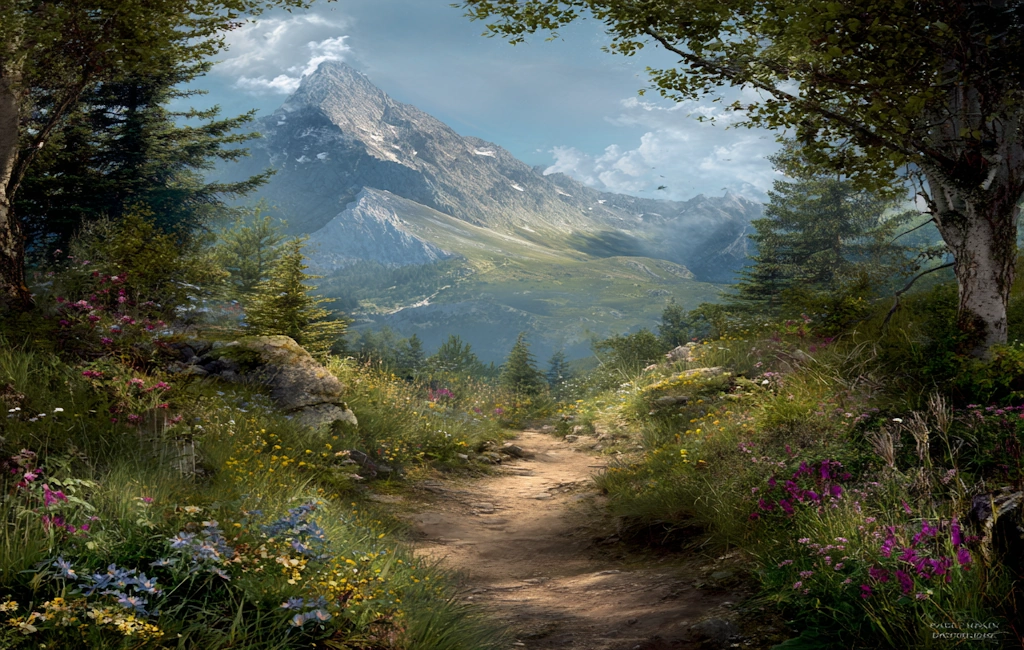
Lampa to Pucara Pilgrimage
The Lampa to Pucara Pilgrimage is a moderate, multi-day trek through the high Andean landscapes of Peru, offering a profound connection to ancient Incan history and the vibrant culture of the Altiplano. This route, stretching approximately 75 kilometres, winds through remote valleys, past traditional Quechua villages, and culminates at the impressive Pucara ruins, a significant archaeological site offering insights into pre-Incan civilisations. The pilgrimage is best undertaken during the dry season, from May to September, when clear skies and stable weather conditions prevail, though temperatures can still be cool at higher elevations.
- Distance: 75.0 km one-way
- Duration: 3-4 days
- Season: May to September (dry season)
- Difficulty: Moderate
- Highest point: Variable, but generally around 4,000 metres
- Closest City: Juliaca
- Trailhead Access: From Juliaca airport (JUL), take a taxi or bus to Lampa (approx. 1 hour). Road is paved.
- Permits: No specific permits required for this trail.
Overview
The Lampa to Pucara Pilgrimage is more than just a hike; it's a journey back in time and a deep immersion into the spiritual heart of the Peruvian Andes. Unlike the more famous Inca Trail, this route offers a more authentic and less crowded experience, allowing walkers to connect with the land and its people on a more intimate level. The trail begins in the colonial town of Lampa, known for its distinctive red-tiled roofs and the impressive church of Santiago Apóstol, and gradually ascends into the vast, open altiplano. Here, the landscape is characterised by rolling puna grasslands, dotted with hardy ichu grass, and framed by distant, snow-capped peaks. Herds of llamas and alpacas are common sights, tended by local shepherds who continue age-old traditions.
As the pilgrimage progresses, the trail passes through small, remote communities where life moves at a slower pace. Visitors may have the opportunity to interact with local Quechua families, experiencing their warm hospitality and learning about their way of life, which remains deeply connected to the land and ancestral customs. The route is not always clearly defined, often following ancient Incan pathways or shepherd tracks, requiring good navigation skills or the guidance of a local expert. The elevation gain is significant but spread over several days, making it a moderate challenge for those with a reasonable level of fitness.
The climax of the pilgrimage is the arrival at the Pucara ruins. This archaeological complex, dating back to the Pucara culture (c. 100–400 AD), predates the Inca Empire and is a UNESCO World Heritage site. The site features impressive stone structures, ceremonial platforms, and enigmatic monoliths, offering a glimpse into a sophisticated ancient civilisation. The journey's end at Pucara provides a powerful sense of accomplishment and a deep appreciation for the rich historical tapestry of the region.
History and Cultural Context
The region traversed by the Lampa to Pucara Pilgrimage is steeped in millennia of human history, long before the rise of the Inca Empire. The Pucara culture, which flourished between 100 and 400 AD in the northern Titicaca Basin, is one of the earliest complex societies in the Andean highlands. The Pucara people were skilled artisans, farmers, and builders, and their influence extended across a wide area. The archaeological site of Pucara, the destination of this pilgrimage, is a testament to their advanced civilisation. It served as a major ceremonial and administrative centre, featuring impressive stone architecture, plazas, and burial sites. The distinctive Pucara pottery, often decorated with zoomorphic and anthropomorphic figures, is renowned for its artistic merit and symbolic depth.
Following the decline of the Pucara culture, the region was inhabited by various local groups before eventually being incorporated into the vast Inca Empire in the 15th century. The Incas, known for their sophisticated road network (the Qhapaq Ñan), likely utilised and adapted existing pathways for their own administrative and military purposes. While the Lampa to Pucara route may not have been a major Inca highway, it undoubtedly served as an important local route connecting communities and facilitating trade and travel across the altiplano.
The town of Lampa itself has a colonial history, founded by the Spanish in the 16th century. It became an important centre for agriculture and mining. The striking church of Santiago Apóstol, with its distinctive red stone facade, is a prominent example of colonial architecture in the region. The pilgrimage route, therefore, offers a layered historical experience, moving from the colonial era in Lampa, through the remnants of Inca influence, to the profound legacy of the ancient Pucara civilisation.
Seasonal Highlights and Weather Reality
The Lampa to Pucara Pilgrimage is best undertaken during the dry season, which typically runs from May to September. This period offers the most favourable weather conditions for trekking in the high Andes.
May to September (Dry Season): This is the prime time for the pilgrimage. Days are generally sunny and clear, offering excellent visibility of the surrounding mountain ranges and the vast altiplano landscape. The air is crisp and cool, with daytime temperatures often pleasant, ranging from 10°C to 20°C. However, nights can be very cold, frequently dropping below freezing, especially at higher elevations. Snowfall is rare during the day but can occur, particularly in June and July. The dry season means less chance of rain-induced trail closures or difficult river crossings.
October to April (Wet Season): This period is characterised by frequent rainfall, often in the form of heavy afternoon thunderstorms. While the landscape is greener and more vibrant, trekking can be challenging. Trails can become muddy and slippery, and river levels can rise significantly, potentially making some sections impassable. Visibility can be poor due to cloud cover and fog. Temperatures are generally milder than in the dry season, but the increased humidity and persistent rain can make for a less comfortable experience. This season is generally not recommended for this pilgrimage unless the trekker is experienced in wet-weather trekking and has flexible plans.
Recommended Itinerary
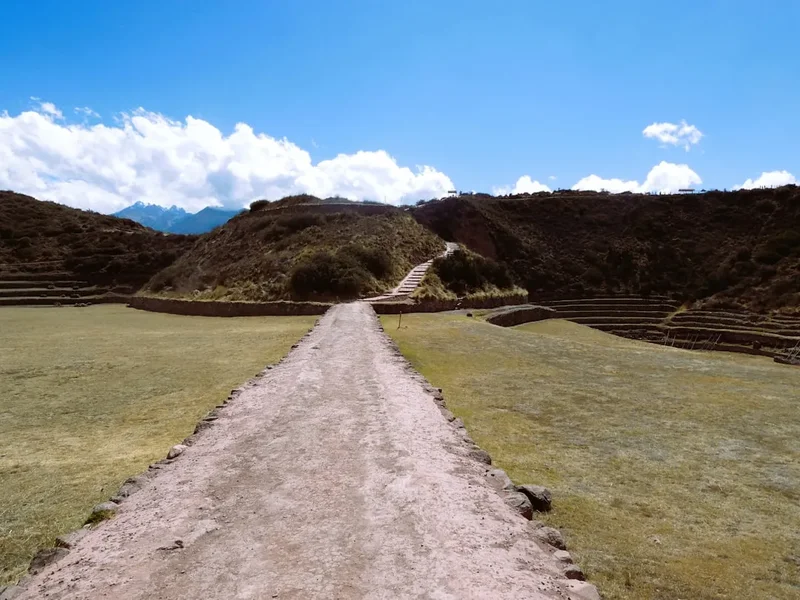
3-Day Lampa to Pucara Pilgrimage Itinerary
Day 1: Lampa to Huayllapampa (or nearby village)
- Distance: Approx. 25 km
- Elevation gain: Approx. 400 m
- Time: 6–7 hours
- Start in Lampa town square, visit the church of Santiago Apóstol
- Begin walking east out of Lampa, following local tracks
- Ascend gradually into the rolling puna grasslands
- Pass through small agricultural fields and occasional traditional homes
- Observe herds of llamas and alpacas tended by local shepherds
- Camp near the village of Huayllapampa or a similar suitable location
- This day focuses on acclimatisation and transitioning from the colonial town to the high Andean environment
Day 2: Huayllapampa to near Pucara
- Distance: Approx. 30 km
- Elevation gain: Approx. 600 m
- Time: 7–8 hours
- Continue east across the altiplano
- The terrain becomes more open and exposed
- Possible to encounter higher passes, requiring careful navigation
- Pass through remote hamlets, offering glimpses of traditional Quechua life
- The landscape is vast and often feels untouched
- Aim to camp at a suitable spot with water access, within a few hours' walk of Pucara
- This is the longest and most challenging day, requiring good stamina and navigation
Day 3: Camp to Pucara Ruins and return to Lampa (or arrange transport)
- Distance: Approx. 20 km (to ruins and back to a pickup point)
- Elevation gain: Variable, with some ascents and descents
- Time: 5–6 hours (to ruins and back to pickup point)
- Short morning walk to the Pucara archaeological site
- Explore the Pucara ruins, including ceremonial platforms and monoliths
- Spend time understanding the history and significance of this ancient site
- Return walk towards a pre-arranged pickup point or back towards Lampa
- Alternatively, arrange for transport to meet you near Pucara if returning to Lampa is not desired
- The final day offers the reward of exploring the ancient Pucara ruins before concluding the pilgrimage
Alternative 4-Day Itinerary:
- Day 1: Lampa to a mid-point village (shorter day for acclimatisation)
- Day 2: Mid-point village to a higher camp closer to Pucara
- Day 3: Explore Pucara ruins and camp nearby
- Day 4: Return walk to Lampa or arrange transport
Important Notes:
- This is a self-supported trek; all food, water treatment, and camping gear must be carried.
- Local guides are highly recommended for navigation and cultural insights.
- Acclimatisation to altitude is crucial. Spend at least 1-2 days in Juliaca or Lampa before starting.
- Weather can change rapidly; be prepared for sun, wind, and cold.
- Water sources are generally available but should be treated.
Planning and Bookings
Book Your Trip
Everything you need to plan your journey
Accommodation
Find places to stay near Juliaca
Flights
Search flights to Juliaca
Essential Preparation
The Lampa to Pucara Pilgrimage is a moderate trek that requires careful planning, particularly regarding altitude acclimatisation and logistics. Given its remote nature, it is highly recommended to arrange for a local guide and potentially a muleteer with pack animals to carry gear. This not only aids in navigation and safety but also provides invaluable cultural context and support. Before embarking, spend at least one to two full days in Juliaca or Lampa to acclimatise to the high altitude (Lampa is around 3,900 metres). This will significantly reduce the risk of altitude sickness. Ensure you have adequate travel insurance that covers trekking at high altitudes.
Juliaca is the closest major city and transport hub, with an airport (JUL) and bus connections. From Juliaca, you can take a taxi or a local bus to Lampa, which takes approximately one hour. Lampa is a small town with basic accommodation options, including guesthouses and small hotels. It's advisable to book accommodation in Lampa for the night before your trek begins. Limited parking is available in Lampa's town square if you are travelling independently.
Trail Accommodation
This is a trekking route requiring overnight camping. There are no established huts or lodges along the Lampa to Pucara Pilgrimage. Walkers must be self-sufficient and carry all necessary camping equipment.
Camping:
- Designated campsites are not provided. Campers should seek flat, sheltered spots in relatively flat areas, ideally near a water source.
- Respect the environment and local communities; avoid camping in or too close to villages or archaeological sites.
- Ensure you have a sturdy tent capable of withstanding strong winds, which are common in the altiplano.
What's Provided:
- The natural environment of the altiplano.
What's NOT Provided:
- Any form of shelter, cooking facilities, or amenities.
- Food or water supplies.
- Toilet facilities.
Seasonal Availability: Camping is possible year-round, but the dry season (May to September) is strongly recommended for safety and comfort due to more predictable weather and less rainfall.
Costs: There are no direct costs for camping itself, but the expense of carrying camping gear and potentially hiring a muleteer should be factored in.
Required Gear
- Sturdy, waterproof hiking boots – well broken-in to prevent blisters.
- Waterproof and windproof jacket and trousers – essential for unpredictable mountain weather.
- Warm layers – including fleece or down jacket, thermal base layers (merino wool is ideal).
- Sleeping bag – rated for sub-zero temperatures (e.g., -10°C to -15°C comfort rating) due to cold nights.
- Sleeping mat – for insulation and comfort.
- Backpack – 50-70 litre capacity, with a rain cover.
- Head torch – with spare batteries.
- First-aid kit – comprehensive, including blister treatment, pain relievers, antiseptic wipes, and any personal medications.
- Sun protection – high SPF sunscreen, lip balm with SPF, wide-brimmed hat, and sunglasses.
- Navigation tools – map of the area, compass, and a GPS device or smartphone with offline maps. A local guide is highly recommended.
- Trekking poles – highly beneficial for stability on uneven terrain and reducing strain on knees.
What to Bring
- Food for 3-4 days – lightweight, high-energy meals (dehydrated meals, pasta, rice, nuts, dried fruit, energy bars). Plan for breakfast, lunch, dinner, and snacks.
- Water bottles or hydration reservoir – at least 2-3 litres capacity per person.
- Water purification method – filter, purification tablets, or UV steriliser.
- Toiletries – biodegradable soap, toothbrush, toothpaste, hand sanitiser, toilet paper. Pack out all used toilet paper.
- Small trowel – for burying human waste at least 10 metres away from water sources and trails.
- Camera and spare batteries/power bank.
- Personal identification and copies of important documents.
- Cash (Peruvian Soles) – for local purchases, guides, and potential transport.
- Small backpack or daypack – for carrying essentials during day explorations from camp.
- Duct tape and repair kit – for gear emergencies.
Permits
The Lampa to Pucara Pilgrimage does not require any specific permits for trekking or camping. The route traverses public lands and passes through areas that are either sparsely populated or used for traditional grazing. However, it is always advisable to check with local authorities or your guide for any regional regulations that may be in place, especially concerning access to archaeological sites like Pucara.
Archaeological Site Access: While no formal permit is needed to walk the trail, access to the Pucara ruins themselves might involve a small entrance fee or require a guide, depending on current local management practices. It is best to confirm this with your guide or local contacts in Lampa before your trek. Respect for the archaeological site is paramount; do not touch or remove any artefacts.
Guides and Muleteers: If you choose to hire a local guide or muleteer, their services will involve a fee. This is not a permit but a service charge. Negotiate terms and costs clearly before commencing the trek. Hiring local guides supports the community and ensures a safer, more informative experience.
Respect for Local Communities: While no permits are required, it is essential to be respectful when passing through or near local villages. Always ask permission before taking photographs of people or their homes. Understanding and respecting local customs is part of the pilgrimage experience.
Other Activities in the Area
Beyond the pilgrimage itself, the region surrounding Lampa and Pucara offers several enriching experiences:
- Exploring Lampa: Spend time in Lampa before or after your trek. Visit the impressive Church of Santiago Apóstol, admire its unique red stone architecture, and explore the town's colonial streets. The local market is a great place to experience daily life and purchase local crafts.
- Visiting the Pucara Museum: In the town of Pucara itself, there is a small museum dedicated to the Pucara culture, which can provide further context and understanding of the ruins you will visit.
- High-Altitude Lakes: The altiplano is dotted with numerous high-altitude lakes, some of which may be accessible via short excursions from Lampa or along the pilgrimage route. These offer stunning reflections of the surrounding mountains and are often home to diverse birdlife.
- Cultural Immersion: If you arrange for a local guide, consider extending your stay to engage more deeply with Quechua communities. This could involve participating in local festivals (if timing permits), learning about traditional weaving techniques, or understanding agricultural practices.
- Photography: The vast, open landscapes of the altiplano, the traditional dress of the local people, and the ancient ruins offer incredible photographic opportunities. The quality of light at high altitudes is exceptional.
- Stargazing: With minimal light pollution in the remote altiplano, the night sky is spectacular. On clear nights, the Milky Way is vividly visible, offering an unforgettable celestial display.
Safety and Conditions
Altitude Sickness (Soroche): This is the primary safety concern. Lampa is at approximately 3,900 metres, and the pilgrimage will take you to even higher elevations. Symptoms include headache, nausea, dizziness, and fatigue. Acclimatise properly by spending 1-2 days at altitude before starting the trek. Stay hydrated, avoid alcohol and heavy meals, and consider consulting your doctor about altitude medication (e.g., Diamox). If symptoms worsen, descend immediately.
Weather: The altiplano weather is highly unpredictable. Be prepared for strong winds, sudden temperature drops, and intense sun, even in the dry season. Hypothermia is a risk, especially at night and if you get wet. Always carry warm layers and waterproofs.
Navigation: Trails can be faint or non-existent in places, especially in the more remote sections. Relying solely on GPS can be risky due to potential battery failure or signal loss. Hiring a local guide is strongly recommended for navigation and safety.
Water: While water sources are generally available, they should always be treated to prevent waterborne illnesses. Carry a reliable water filter or purification tablets.
Terrain: The terrain is varied, including grasslands, rocky paths, and potentially some scree. Trekking poles are highly recommended to aid stability and reduce impact on joints.
Wildlife: While large dangerous animals are not a concern, be aware of local dogs in villages. Respect wildlife and maintain a safe distance from llamas and alpacas.
Communication: Mobile phone signal is virtually non-existent along most of the route. Inform someone of your itinerary and expected return date. Consider carrying a satellite communication device for emergencies.
Emergency Services: Medical facilities are basic in Lampa and non-existent along the trail. The nearest significant medical facilities are in Juliaca. Evacuation may be necessary in case of serious injury or illness, which can be costly and time-consuming.
Side Trips and Points of Interest
Church of Santiago Apóstol, Lampa: Before commencing your trek, take time to explore Lampa's magnificent church. Constructed from local red stone, it is a striking example of colonial architecture. Inside, you can find impressive altarpieces and a notable collection of religious art. The church is a central landmark and a good starting point for understanding the region's history.
Pucara Archaeological Site: The primary destination of the pilgrimage. This ancient site, dating back to the Pucara culture (c. 100–400 AD), is a significant pre-Inca ceremonial centre. Key features include impressive stone structures, plazas, and enigmatic monoliths. Exploring the site offers a profound connection to one of the earliest complex societies in the Andes. Look for the distinctive Pucara pottery fragments and understand the site's strategic and spiritual importance.
Pucara Town and Museum: The modern town of Pucara is located near the ruins. A small local museum provides further context about the Pucara culture, displaying artefacts found at the site and offering insights into their way of life, beliefs, and artistic achievements. Visiting the museum can enhance your understanding and appreciation of the ruins.
Altiplano Landscapes: The entire pilgrimage route offers breathtaking views of the high Andean plateau. Keep an eye out for the vast, open expanses of puna grassland, the distant snow-capped peaks, and the unique flora and fauna adapted to this harsh environment. The quality of light and the sheer scale of the landscape are points of interest in themselves.
Traditional Quechua Villages: As you trek, you will pass through or near small, traditional Quechua villages. These offer a glimpse into the enduring rural lifestyle of the Andean people. Observing their farming practices, their interaction with livestock (llamas and alpacas), and their simple, resilient way of life is a significant point of interest and cultural insight.
Leave No Trace
The Lampa to Pucara Pilgrimage traverses a fragile high-altitude ecosystem and passes through areas inhabited by traditional communities. Adhering to Leave No Trace principles is crucial to minimise your impact and preserve the natural and cultural integrity of the region.
Plan Ahead and Prepare: Research the route, understand the conditions, and pack appropriately. Hiring a local guide is highly recommended for navigation and safety, and to ensure you are following local customs respectfully.
Travel and Camp on Durable Surfaces: Stick to existing trails and paths where possible. When camping, choose established or durable surfaces away from water sources and vegetation. Avoid creating new campsites.
Dispose of Waste Properly: Pack out everything you pack in, including all food scraps, wrappers, and any other litter. Human waste should be disposed of properly by digging catholes at least 10 metres away from water, trails, and campsites, and then burying it. Pack out all toilet paper.
Leave What You Find: Do not remove any natural objects, plants, or cultural artefacts. The Pucara ruins are an important archaeological site; do not touch, climb on, or remove anything from them.
Minimise Campfire Impacts: Campfires are generally not recommended or permitted in this sensitive environment due to the risk of wildfires and the slow regeneration of vegetation. Use a lightweight stove for cooking.
Respect Wildlife: Observe wildlife from a distance. Do not feed animals, as this can disrupt their natural behaviours and diets. Be mindful of livestock such as llamas and alpacas.
Be Considerate of Other Visitors and Local People: Keep noise levels down, especially in villages and at campsites. Always ask for permission before taking photographs of people. Be respectful of local customs and traditions.