
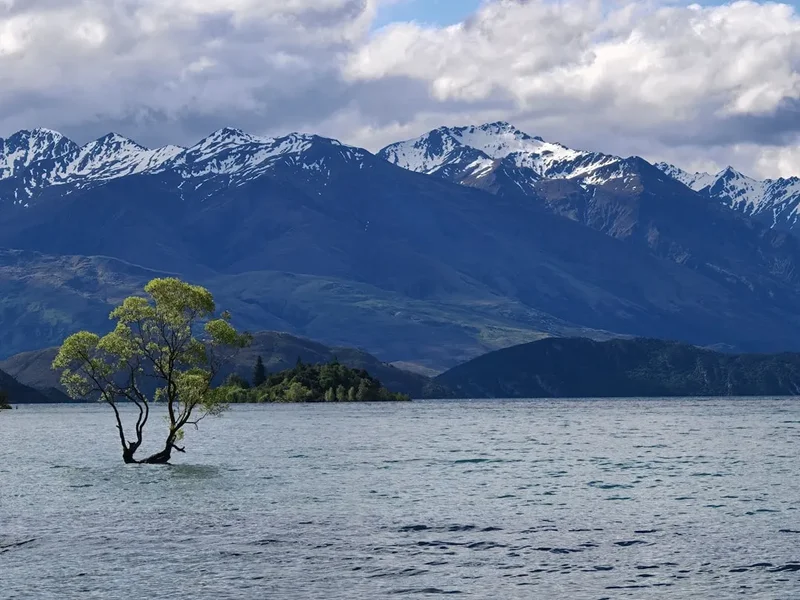
Lake Waikareiti Walk
The Lake Waikareiti Walk is a captivating day hike nestled within the Urewera region of New Zealand's North Island. This moderate trail offers a rewarding journey through native forest, culminating in the serene beauty of Lake Waikareiti, a jewel-like lake renowned for its crystal-clear waters and tranquil atmosphere. The walk provides a wonderful opportunity to immerse yourself in the unique ecology and stunning landscapes of the Te Urewera, a place of immense cultural and natural significance.
- Distance: 9.0 km return
- Duration: 4–5 hours
- Elevation Gain: 350 m
- Difficulty: Moderate
- Season: October to April (best weather)
- Closest City: Wairoa
- Trailhead Access: Via State Highway 38, approximately 1.5 hours drive from Wairoa. Parking available at Lake Waikareiti Carpark.
- Permits: Generally not required for day use, but always check Department of Conservation (DOC) website for current alerts or potential changes.
Overview
The Lake Waikareiti Walk is a quintessential New Zealand forest experience, offering a blend of challenging ascents and rewarding, peaceful vistas. The trail begins with a steady climb through dense native bush, where the air is thick with the scent of damp earth and native flora. Towering trees, draped in moss and ferns, create a verdant canopy overhead, filtering the sunlight and casting dappled patterns on the forest floor. As you ascend, the sounds of the forest envelop you – the chirping of native birds, the rustling of leaves, and the distant murmur of water.
The moderate difficulty is primarily due to the consistent elevation gain, which requires a reasonable level of fitness. However, the trail is well-maintained and the gradient, while noticeable, is manageable for most walkers. Along the way, you'll encounter varied terrain, from well-trodden paths to sections that might be a little muddier after rain, adding to the sense of adventure.
The true reward awaits at the summit: Lake Waikareiti. This stunning lake is a natural wonder, its waters so clear that you can often see the lakebed and the submerged vegetation. The lake is surrounded by steep, forested hills, creating a sense of seclusion and pristine wilderness. It's an ideal spot for a picnic, quiet contemplation, or simply to soak in the breathtaking scenery. The return journey offers a different perspective on the forest, often feeling quicker as you descend, allowing you to appreciate the details you might have missed on the way up.
This walk is a fantastic introduction to the beauty of Te Urewera, offering a substantial day hike without the commitment of an overnight stay. It’s a place where you can truly disconnect from the everyday and reconnect with nature.
History and Cultural Context
The Urewera region, and specifically the area around Lake Waikareiti, holds profound cultural and historical significance for the Tūhoe people, the Māori iwi (tribe) who have been custodians of this land for centuries. Te Urewera is not just a forest; it is a living entity, a place of deep spiritual connection, ancestral heritage, and a sanctuary that has resisted external influence for generations. The name "Te Urewera" itself translates to "The Burnt Stomach," a name steeped in oral traditions and historical events that speak to the land's resilience and the Tūhoe people's enduring relationship with it.
For Tūhoe, the forests, lakes, and mountains of Te Urewera are imbued with mana (prestige, spiritual power) and whakapapa (genealogy). The lakes, including Waikareiti, are considered taonga (treasures) and are vital to the Tūhoe way of life, providing sustenance, spiritual connection, and a place for traditional practices. The forests were a source of food, medicinal plants, and materials for building and crafting.
In more recent history, Te Urewera has been a focal point for land rights and cultural revitalisation. In 2014, Te Urewera was legally recognised as a living entity, no longer Crown property but an independent legal person, with Tūhoe as its rightful guardians. This landmark decision marked a significant step in acknowledging the deep spiritual and cultural connection Tūhoe have with their ancestral homeland.
The trails within Te Urewera, including the path to Lake Waikareiti, are part of this living landscape. They are not merely recreational routes but pathways that connect people to the land, its history, and its enduring spirit. Walking here is an opportunity to tread lightly on land that has been cherished and protected for generations, to appreciate its natural beauty and to acknowledge its deep cultural roots.
Seasonal Highlights and Weather Reality
The Lake Waikareiti Walk is accessible year-round, but the optimal time for visiting is during the warmer months, from October to April. During this period, the weather is generally more stable, and the forest is at its most vibrant.
Spring (October–November): The forest begins to awaken after winter. Native flowers start to bloom, and bird activity increases. Days are getting longer and warmer, though rain is still common. The forest floor may be damp, and some sections of the track could be muddy.
Summer (December–February): This is typically the warmest and driest period, offering the best chance for pleasant walking conditions. The forest is lush and green, and the lake is inviting. However, summer can also bring sandflies, so insect repellent is essential. Long daylight hours allow for a relaxed pace and ample time to enjoy the lake.
Autumn (March–April): The colours of the forest begin to change, with beautiful autumnal hues appearing in some deciduous trees. The air is crisp and cool, and the sandfly population usually diminishes. This is a fantastic time for photography, with softer light and fewer crowds. However, rain can become more frequent as winter approaches.
Winter (May–September): While the walk is still possible, winter presents more challenges. Days are shorter, and temperatures are cooler. Rain is frequent, and frost can occur at higher elevations. The track may be slippery and muddy, and visibility can be reduced by fog or low cloud. Access roads can also be affected by weather. If visiting in winter, ensure you are well-prepared with appropriate gear and check weather forecasts diligently.
Weather Reality: Te Urewera is a region that experiences significant rainfall throughout the year. Even in summer, you should be prepared for wet conditions. The forest canopy provides some shelter, but waterproof clothing is always recommended. The elevation gain to Lake Waikareiti means that temperatures can be cooler at the lake than at the trailhead, especially if there is a breeze.
Recommended Itinerary
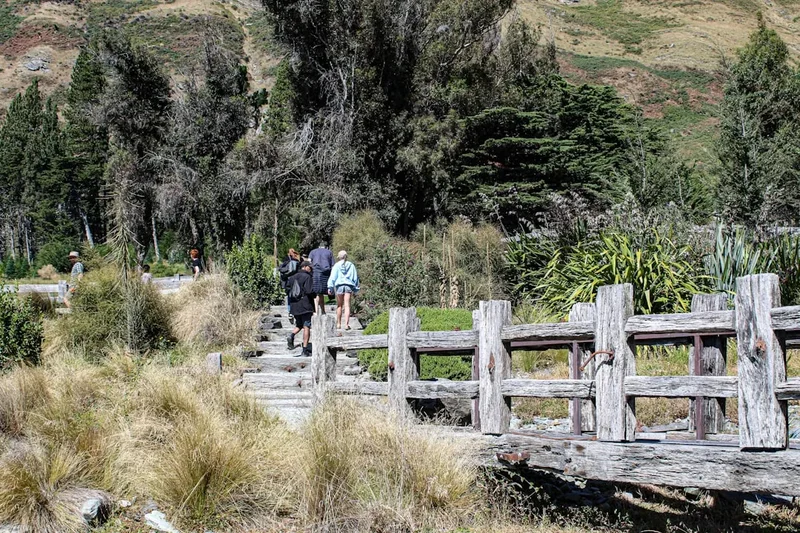
Lake Waikareiti Walk - Day Hike Itinerary
Early Morning (Approx. 8:00 AM): Departure from Wairoa
- Begin your journey from Wairoa.
- Drive north on State Highway 38 towards Te Urewera.
- The drive takes approximately 1.5 hours, with the latter part of the road being gravel. Enjoy the scenic drive through the Urewera landscape.
- Ensure you have sufficient fuel and supplies, as services are limited.
Mid-Morning (Approx. 9:30 AM): Arrival at Lake Waikareiti Carpark
- Arrive at the designated carpark for the Lake Waikareiti Walk.
- Take time to prepare your gear, use restroom facilities if available, and check the trail information board.
- Note the GPS coordinates for your return: -38.7532, 176.8625.
Morning (Approx. 9:45 AM): Commence Walk to Lake Waikareiti
- Start the hike. The initial section involves a steady climb through native forest.
- Distance: 4.5 km to the lake.
- Elevation gain: Approximately 350 m.
- Time: Allow 2–2.5 hours for the ascent.
- Key Waypoints: Follow the well-marked track signs. You will pass through dense bush, with opportunities to observe native flora and fauna.
Midday (Approx. 12:00 PM - 1:00 PM): Arrival and Exploration at Lake Waikareiti
- Reach the shores of Lake Waikareiti.
- Distance: 4.5 km from the carpark.
- Spend time enjoying the serene beauty of the lake.
- Find a suitable spot for a picnic lunch.
- Observe the clarity of the water and the surrounding forested hills.
- Optional: Short exploration around the lake's edge, being mindful of the fragile environment.
Afternoon (Approx. 1:00 PM - 1:30 PM): Begin Descent
- Start the return journey back to the carpark.
- Time: Allow 1.5–2 hours for the descent.
- The descent can be quicker but requires careful footing, especially if the track is wet.
Late Afternoon (Approx. 3:00 PM - 3:30 PM): Return to Carpark
- Arrive back at the Lake Waikareiti Carpark.
- Ensure you have all your belongings and have left no trace.
Late Afternoon (Approx. 3:30 PM onwards): Departure for Wairoa
- Begin the drive back to Wairoa.
- Allow ample time for the return journey, especially if driving in fading light.
Important Notes:
- This is a day hike; no overnight accommodation is required or available on the track itself.
- Carry sufficient water and food for the entire duration of the walk.
- Wear sturdy, comfortable walking shoes or boots.
- Be prepared for changeable weather conditions.
- Insect repellent is highly recommended, especially during warmer months.
Planning and Bookings
Book Your Trip
Everything you need to plan your journey
Accommodation
Find places to stay near Wairoa
Flights
Search flights to Wairoa
Essential Preparation
The Lake Waikareiti Walk is a day hike, meaning overnight accommodation is not a factor. However, thorough preparation is still crucial for a safe and enjoyable experience. The closest major town with comprehensive services is Wairoa. It's advisable to stock up on food, water, and any last-minute gear in Wairoa before heading out to the trailhead. Ensure your vehicle is in good condition, as the drive to the trailhead involves some gravel sections. Inform someone of your hiking plans, including your expected return time.
The drive from Wairoa to the Lake Waikareiti Carpark takes approximately 1.5 hours. The State Highway 38 is mostly sealed but transitions to gravel for a significant portion as you approach the Urewera region. This road can be winding and narrow in places, so drive with caution. There are no regular public transport services to the trailhead, making a private vehicle essential.
Trail Accommodation
This is a day hike requiring no overnight accommodation.
Required Gear
- Sturdy Footwear: Waterproof hiking boots or sturdy walking shoes with good ankle support are essential. The track can be uneven and muddy in places.
- Waterproof Jacket: Fiordland's weather is notoriously changeable, and rain is common. A good quality waterproof and windproof jacket is a must.
- Warm Layers: Even on a pleasant day, temperatures can drop, especially at higher elevations or if the weather turns. Carry a fleece or woollen mid-layer.
- Backpack: A comfortable day pack (20-30 litres) to carry your essentials.
- Navigation: While the track is generally well-marked, a map of the area and a compass or GPS device are recommended, especially if you plan to explore off the main path. A charged mobile phone is useful for emergencies, but reception is unreliable.
- First Aid Kit: A basic kit including plasters, antiseptic wipes, pain relievers, and any personal medications.
- Head Torch: Essential in case of unexpected delays or if you start your walk later in the day.
What to Bring
- Food: Pack plenty of high-energy snacks and a substantial lunch. There are no facilities for purchasing food along the track.
- Water: Carry at least 1.5–2 litres of water per person. While there are streams, it's advisable to treat or filter any water collected from natural sources.
- Water Treatment: Water filter or purification tablets as a backup.
- Insect Repellent: Sandflies can be prevalent, particularly during warmer months. A strong repellent with DEET is highly recommended.
- Sun Protection: Sunscreen, sunglasses, and a wide-brimmed hat, even on cloudy days, as UV rays can be strong.
- Toiletries: Hand sanitiser, toilet paper (pack out used paper), and any personal hygiene items.
- Camera: To capture the stunning scenery.
- Walking Poles (Optional): Can be helpful for stability on ascents and descents, especially if the track is wet.
Permits

For day use of the Lake Waikareiti Walk, permits are generally not required. The Department of Conservation (DOC) manages this area, and for standard day hiking, you can typically access the track without needing to book or pay a fee. However, it is always prudent to check the official DOC website for the Te Urewera region for any current alerts, track closures, or changes in access regulations before your visit. Conditions can change due to weather events, maintenance work, or local iwi management decisions.
Key points regarding permits:
- Day Use: No permit required for walking to Lake Waikareiti.
- Check DOC Website: Always verify current conditions and any potential requirements on the DOC website for Te Urewera National Park.
- Local Management: Be aware that Te Urewera is managed by Tūhoe, and local protocols or advisories should be respected.
- Group Size: While not typically regulated for day walks, large organised groups may wish to contact DOC or Tūhoe for guidance.
Other Activities in the Area
The Urewera region offers a wealth of experiences beyond the Lake Waikareiti Walk, allowing for a deeper immersion into this unique landscape and its cultural heritage:
- Lake Waikaremoana Great Walk: For those seeking a multi-day adventure, the Lake Waikaremoana Track is a world-renowned Great Walk. It offers a stunning circuit around the lake, passing through ancient forests, past waterfalls, and offering breathtaking views. This requires separate booking and planning.
- Waikaremoana Lake Activities: The lake itself is a hub for recreation. Kayaking, swimming, fishing (with a licence), and boat tours are popular ways to experience the beauty of Lake Waikaremoana.
- Te Urewera Visitor Centre: Located near Aniwaniwa, the visitor centre provides valuable information about the history, ecology, and cultural significance of Te Urewera. It's an excellent starting point for understanding the region.
- Aniwaniwa Falls: A short, accessible walk from the visitor centre leads to the picturesque Aniwaniwa Falls, a beautiful cascade that is easily enjoyed.
- Scenic Drives: The drive along State Highway 38 itself is incredibly scenic, offering numerous viewpoints and opportunities to stop and appreciate the vastness of Te Urewera.
- Cultural Experiences: Depending on local arrangements, there may be opportunities to engage with Tūhoe culture, learn about traditional practices, and gain a deeper understanding of their connection to the land. Enquiries at the visitor centre or through local iwi organisations may provide insights.
Safety and Conditions
Pre-Walk Checks:
- Weather Forecast: Always check the MetService weather forecast for the Urewera region before you depart. Be prepared for rain, wind, and cooler temperatures, even in summer.
- Track Conditions: Visit the Department of Conservation (DOC) website for Te Urewera for any track alerts or closures. Heavy rain can make sections of the track slippery and potentially hazardous.
- Road Conditions: State Highway 38 can be winding and has gravel sections. Drive with caution, especially in wet or foggy conditions.
On the Trail:
- Stay on the Track: The forest environment is fragile. Stick to the marked path to avoid damaging vegetation and to prevent getting lost.
- Water: Carry sufficient water. While streams are present, it is always best practice to treat or filter water from natural sources.
- Navigation: The track to Lake Waikareiti is generally well-marked, but it's wise to carry a map and compass or GPS device, especially if you are unfamiliar with the area. Mobile phone reception is unreliable.
- Sandflies: These biting insects are common in the Urewera, particularly during warmer months. Use a strong insect repellent containing DEET and wear long sleeves and trousers when stationary.
- First Aid: Be prepared to handle minor injuries. A well-stocked first aid kit is essential.
- Emergency Contact: Inform someone of your hiking plans, including your expected return time. In a genuine emergency, call 111.
Environmental Hazards:
- Slippery Surfaces: The forest floor, roots, and rocks can become very slippery when wet. Wear appropriate footwear and take your time on descents.
- Changing Weather: Weather can change rapidly in forested and mountainous areas. Be prepared for sudden downpours or drops in temperature.
Side Trips and Points of Interest
While the primary destination of the Lake Waikareiti Walk is the lake itself, the journey offers several points of interest and potential minor detours:
Native Forest Immersion: The walk itself is a point of interest. As you ascend, take time to appreciate the diverse native flora. Look for rimu, tōtara, kahikatea, and beech trees, often draped in mosses, lichens, and ferns. The understory is rich with smaller plants, creating a vibrant, green environment. The sounds of native birds like the tūī, bellbird, and fantail are a constant soundtrack to the walk.
Stream Crossings: The track involves several small stream crossings. These are usually managed by simple bridges or stepping stones, but they offer a chance to observe the clear, cool water flowing through the forest.
Lake Waikareiti Shoreline: Upon reaching the lake, you can explore its immediate shoreline. The clarity of the water is remarkable, often allowing views of the lakebed. The surrounding hills provide a dramatic backdrop, creating a sense of seclusion and natural beauty. Find a quiet spot to sit, enjoy your lunch, and absorb the tranquility.
Potential for Wildlife Sightings: Keep an eye out for native New Zealand birds. While sightings are never guaranteed, the Urewera is a haven for many species. You might spot a curious fantail flitting through the undergrowth or hear the distinctive call of a tūī.
Leave No Trace
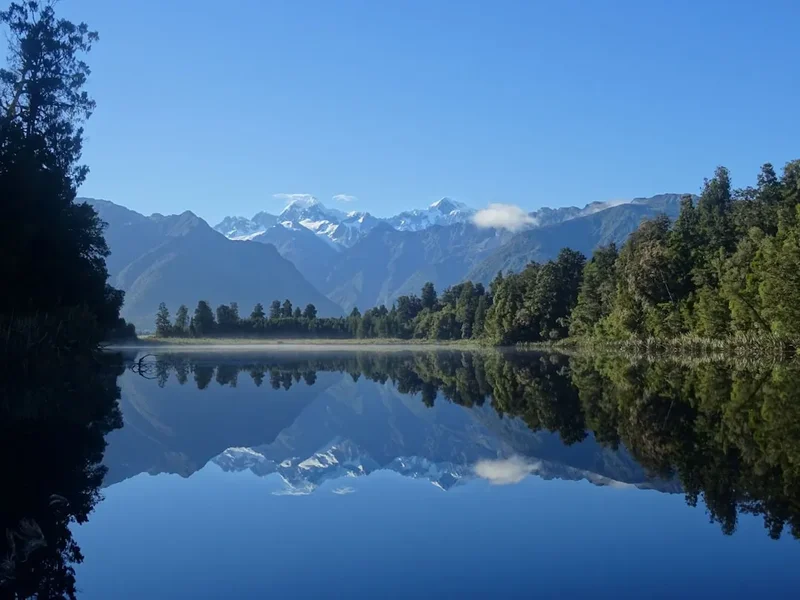
The Urewera region is a precious natural and cultural landscape, and it is vital that all visitors practice Leave No Trace principles to preserve its integrity for future generations. The Lake Waikareiti Walk, though a day hike, is part of this larger, sensitive ecosystem.
Your responsibility includes:
- Pack It In, Pack It Out: Carry out all rubbish, including food scraps, wrappers, and any other waste you generate. Do not bury or burn rubbish.
- Stay on the Track: The forest floor, especially the mosses and delicate plants, is easily damaged. Stick to the marked trail to minimise your impact.
- Respect Wildlife: Observe native birds and other animals from a distance. Do not feed them, as this can harm their health and alter their natural behaviour.
- Dispose of Waste Properly: Use designated toilet facilities where available. If no facilities exist, dig a cathole at least 70 metres away from water sources, trails, and campsites, and bury human waste. Pack out toilet paper.
- Leave What You Find: Do not remove plants, rocks, or any natural or cultural artefacts from the area.
- Minimise Campfire Impacts: Campfires are generally not permitted on day walks and should be avoided. If permitted in specific areas for overnight stays, use established fire rings and ensure fires are completely extinguished.
- Be Considerate of Other Visitors: Keep noise levels down to allow everyone to enjoy the natural environment.
By adhering to these principles, you help protect the unique beauty and cultural heritage of Te Urewera.
 New Zealand