
Lake Rotoiti Circuit
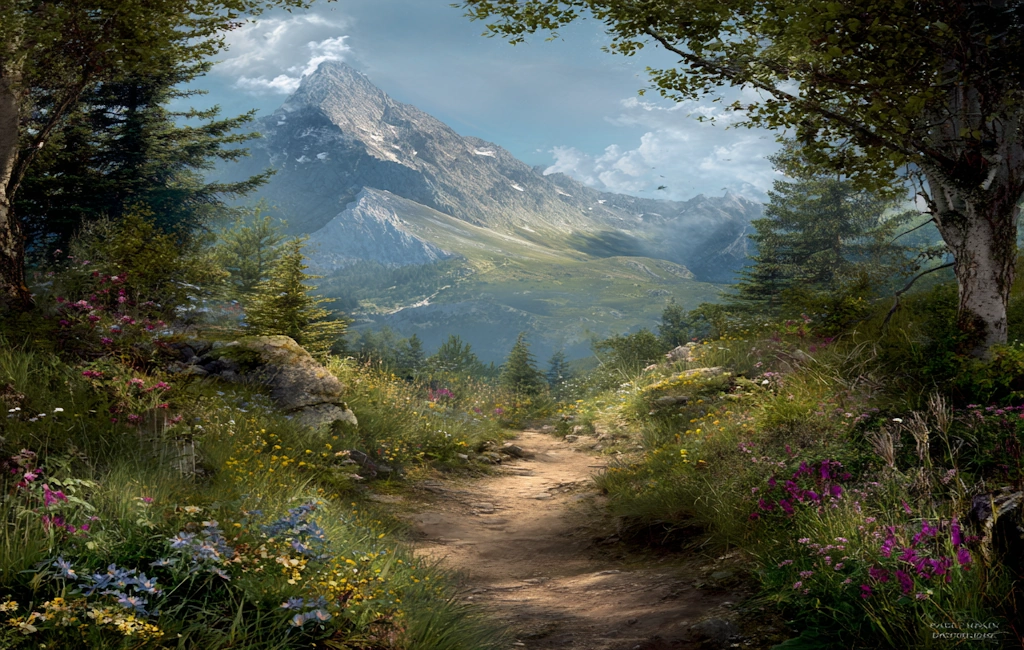
The Lake Rotoiti Circuit is a captivating multi-day tramp nestled within the Nelson Lakes National Park, offering a diverse and rewarding experience for trampers seeking immersion in the heart of New Zealand's Southern Alps. This circuit gracefully navigates through ancient beech forests, skirts the shimmering shores of Lake Rotoiti, and ascends to alpine vistas that showcase the rugged beauty of the region. While often undertaken as a two- or three-day journey, its moderate difficulty and well-maintained tracks make it accessible to a wide range of fitness levels. The trail is a testament to the park's ecological richness, providing opportunities to observe native flora and fauna in their natural habitat, with the majestic St Arnaud Range providing a dramatic backdrop throughout.
- Distance: 33.0 km
- Duration: 2–3 days
- Season: All year round, but best in summer (December–February)
- Huts: Lake Rotoiti Hut, Lakehead Hut, John Reid Hut
- Highest point: Approximately 1,000 m
- Difficulty: Moderate
- Closest town: St Arnaud
Overview
The Lake Rotoiti Circuit is a journey that unfolds with a gentle introduction before building to more challenging alpine sections, offering a balanced hiking experience. The trail begins from the popular St Arnaud village, a gateway to the Nelson Lakes National Park, and immediately immerses walkers into the serene environment of the beech forest. The initial stages are characterised by relatively flat terrain, following the picturesque shoreline of Lake Rotoiti, where the crystal-clear waters reflect the surrounding mountains and dense forest. This section is often punctuated by opportunities for quiet contemplation, birdwatching, and enjoying the tranquil atmosphere.
As the circuit progresses, the path gradually ascends, leading walkers away from the immediate lakeside and into the higher reaches of the St Arnaud Range. Here, the forest canopy begins to thin, revealing expansive views of the lake and the wider park landscape. The trail navigates through varied terrain, including some steeper ascents and descents, requiring a moderate level of fitness. The higher sections offer a different perspective, showcasing alpine tussock lands and rocky outcrops, with panoramic vistas that stretch across the park and beyond. The presence of several well-placed huts along the route provides comfortable overnight stops, allowing trampers to break the journey and fully appreciate the natural beauty at a relaxed pace.
The circuit is renowned for its accessibility and the variety of its scenery. From the lush, moss-laden beech forests to the open alpine tops and the serene lake shores, the Lake Rotoiti Circuit offers a comprehensive taste of the Nelson Lakes National Park. It’s a trail that appeals to those seeking a genuine wilderness experience without the extreme challenges of more remote alpine routes, making it a popular choice for families, beginner multi-day trampers, and seasoned hikers alike.
History and Cultural Context
The Nelson Lakes region, including the area around Lake Rotoiti, has a rich history deeply intertwined with Māori settlement and exploration. For centuries, Māori, particularly the Ngāti Apa and Ngāti Rarua iwi, utilized these valleys and lakes for hunting, fishing, and as routes for travel. The abundant resources of the area, including native birds and fish, made it a valuable territory. Evidence of past Māori presence can be found in the form of old campsites and trails, though much of this history is preserved through oral traditions and archaeological sites.
European exploration and settlement in the area began in the mid-19th century, driven by the search for gold and timber. The establishment of St Arnaud village in the late 19th century marked a more permanent human presence. The area's natural beauty and recreational potential were recognised early on, leading to the establishment of the Nelson Lakes National Park in 1956. This designation was crucial in protecting the unique ecological values of the region, including its ancient beech forests and the pristine waters of Lake Rotoiti and Lake Rotoroa.
The development of the Lake Rotoiti Circuit as a walking track reflects the growing appreciation for New Zealand's natural landscapes and the desire to provide access for recreational purposes. The huts along the route, such as Lake Rotoiti Hut, Lakehead Hut, and John Reid Hut, were built and maintained by the Department of Conservation (DOC) and its predecessors to facilitate overnight stays and enhance the tramping experience. These huts not only provide shelter but also serve as focal points for the tramping community, fostering a shared appreciation for the wilderness. The circuit’s history is thus a blend of indigenous heritage, pioneering exploration, and modern conservation efforts, all contributing to the unique character of the trail today.
Seasonal Highlights and Weather Reality
The Lake Rotoiti Circuit is a year-round destination, each season offering a distinct experience. However, the most popular and generally most pleasant time to walk the circuit is during the summer months, from December to February. During this period, the weather is typically warmer and more stable, with longer daylight hours, making for more enjoyable hiking and camping. The beech forests are vibrant, and the alpine areas are free from snow, allowing for full access to the circuit's higher sections.
Autumn (March to May) is another excellent time to visit. The weather can still be fine, and the deciduous beech trees turn to beautiful shades of gold and russet, creating a spectacular display of colour. The air is crisp, and the number of visitors tends to decrease, offering a more tranquil experience. However, temperatures begin to drop, and early snowfalls on higher sections are possible towards the end of autumn.
Winter (June to August) presents a more challenging and starkly beautiful environment. Snowfall is common, particularly at higher elevations, and can transform the landscape into a winter wonderland. However, this also means that sections of the track may be covered in snow and ice, requiring appropriate winter hiking gear, navigation skills, and a good understanding of avalanche risk. Some huts may be more difficult to access, and the overall experience is best suited for experienced winter trampers.
Spring (September to November) sees the landscape reawaken. Snowmelt can make some sections of the track muddy and waterlogged, and river crossings may be higher. However, the native flora begins to bloom, and birdlife becomes more active. The weather can be unpredictable, with a mix of fine days and late snowfalls. It’s a time of transition, offering a chance to see the park in a state of renewal.
Regardless of the season, trampers should always be prepared for changeable mountain weather. Fiordland's weather can shift rapidly, with rain, wind, and temperature drops possible at any time of year, even on seemingly clear days. It is essential to check the weather forecast before setting out and to carry appropriate clothing and gear for all conditions.
Recommended Itinerary
2-Day Lake Rotoiti Circuit Itinerary
Day 1: St Arnaud to Lakehead Hut
- Distance: 16.5 km
- Elevation gain: Approximately 200 m
- Time: 4–5 hours
- Start at the St Arnaud village car park, near the DOC visitor centre.
- Follow the well-marked track along the western shore of Lake Rotoiti.
- The initial section is relatively flat, passing through regenerating beech forest and open areas with views across the lake.
- Pass the historic St Arnaud church.
- The track gradually moves away from the immediate shoreline, entering denser forest.
- Arrive at Lakehead Hut (20 bunks), situated in a clearing beside the lake.
- This day is designed for acclimatisation and enjoying the lakeside scenery.
Day 2: Lakehead Hut to St Arnaud via John Reid Hut
- Distance: 16.5 km
- Elevation gain: Approximately 200 m (with some ups and downs)
- Time: 4–5 hours
- Depart Lakehead Hut and continue on the circuit track.
- The track heads inland, ascending gently into the beech forest of the St Arnaud Range.
- Pass through sections of mature beech forest, with opportunities to observe native birdlife.
- Reach John Reid Hut (12 bunks), a smaller, more remote-feeling hut.
- From John Reid Hut, the track continues its ascent before beginning a gradual descent back towards St Arnaud.
- The latter part of the walk offers occasional glimpses of Lake Rotoiti through the trees.
- Arrive back at the St Arnaud village car park.
3-Day Lake Rotoiti Circuit Itinerary (More Relaxed Pace)
Day 1: St Arnaud to Lake Rotoiti Hut
- Distance: 10.0 km
- Elevation gain: Approximately 100 m
- Time: 2.5–3 hours
- A shorter first day, allowing for a leisurely start and more time to explore the immediate vicinity of St Arnaud.
- Arrive at Lake Rotoiti Hut (20 bunks).
Day 2: Lake Rotoiti Hut to John Reid Hut
- Distance: 12.0 km
- Elevation gain: Approximately 200 m
- Time: 3–4 hours
- A moderate day's walk, focusing on the ascent into the St Arnaud Range.
- Arrive at John Reid Hut (12 bunks).
Day 3: John Reid Hut to St Arnaud
- Distance: 11.0 km
- Elevation gain: Approximately 100 m (mostly descent)
- Time: 3–3.5 hours
- A shorter final day, allowing for a relaxed morning and an earlier return to St Arnaud.
Important Notes:
- Hut bookings are recommended, especially during peak season and weekends.
- Water is available from streams and huts; treatment is advised.
- Carry sufficient food and cooking supplies for the duration of your trip.
- Be prepared for variable weather conditions.
- Check DOC website for any track alerts or closures.
Planning and Bookings
Book Your Trip
Everything you need to plan your journey
Accommodation
Find places to stay near Nelson
Flights
Search flights to Nelson
Essential Preparation
The Lake Rotoiti Circuit is located within Nelson Lakes National Park, with St Arnaud serving as the primary base town. St Arnaud offers essential amenities including a general store, accommodation options (motels, holiday parks), and a DOC visitor centre where you can obtain maps, current track conditions, and safety advice. It is crucial to plan your trip well in advance, especially if visiting during peak season (summer holidays, weekends, and school holidays), as hut accommodation can become fully booked.
Before departing for the track, ensure you have a reliable weather forecast for the Nelson Lakes region. Mountain weather can change rapidly, so it's wise to build flexibility into your plans. Inform someone of your itinerary, including your expected return time. Familiarise yourself with the route using maps and guidebooks, and understand the potential hazards, such as river crossings (though generally straightforward on this circuit) and changing weather conditions.
Trail Accommodation
The Lake Rotoiti Circuit features three Department of Conservation (DOC) huts: Lake Rotoiti Hut, Lakehead Hut, and John Reid Hut. These huts provide basic shelter and are a vital part of the tramping experience.
Lake Rotoiti Hut:
- Capacity: 20 bunks
- Location: Situated on the western shore of Lake Rotoiti, accessible on Day 1 of the 2-day itinerary or Day 1 of the 3-day itinerary.
- Facilities: Bunk beds with mattresses, wood-burning stove for heating, communal cooking and dining area, water from a nearby stream (treatment recommended), pit toilet.
- Booking: Recommended, especially during peak season. Bookings can be made via the DOC website.
- Seasonal Availability: Open year-round.
- Costs: Standard DOC hut fees apply (check DOC website for current pricing, typically around NZ$20-30 per person per night).
Lakehead Hut:
- Capacity: 20 bunks
- Location: Located at the northern end of Lake Rotoiti, a common overnight stop for the 2-day circuit.
- Facilities: Similar to Lake Rotoiti Hut, with bunk beds, wood-burning stove, communal area, stream water (treatment recommended), pit toilet.
- Booking: Recommended.
- Seasonal Availability: Open year-round.
- Costs: Standard DOC hut fees apply.
John Reid Hut:
- Capacity: 12 bunks
- Location: Situated further inland within the St Arnaud Range, typically visited on Day 2 of the 2-day circuit or Day 2 of the 3-day itinerary.
- Facilities: Smaller than the lakeside huts, offering bunk beds, wood-burning stove, communal area, stream water (treatment recommended), pit toilet.
- Booking: Recommended.
- Seasonal Availability: Open year-round.
- Costs: Standard DOC hut fees apply.
What's NOT provided in any hut:
- Food
- Cooking utensils, pots, pans, or cutlery
- Sleeping bags or bedding (you must bring your own)
- Fuel for stoves (huts have wood burners, but you may need to collect firewood)
- Electricity or charging facilities
- Running hot water
Required Gear
- Footwear: Sturdy, waterproof tramping boots with good ankle support. Ensure they are well broken-in to prevent blisters.
- Clothing:
- Waterproof and windproof jacket (Gore-Tex or similar)
- Waterproof overtrousers
- Warm layers: fleece or wool mid-layers, thermal base layers (merino wool is ideal)
- Warm hat (beanie) and gloves
- Spare dry clothing (kept in waterproof bags)
- Navigation:
- Topographic map of the Nelson Lakes National Park
- Compass
- GPS device or smartphone with offline maps (ensure it's fully charged and you have a power bank)
- Safety Gear:
- First-aid kit (including blister treatment, pain relief, personal medications)
- Head torch or flashlight with spare batteries
- Emergency shelter (e.g., lightweight bivvy bag or space blanket)
- Whistle
- Personal Locator Beacon (PLB) - recommended for remote areas
- Other Essentials:
- Tramping pack (40-60 litre capacity) with a rain cover
- Sleeping bag (rated for expected temperatures, typically 0-5°C comfort rating is sufficient for most seasons)
- Sleeping mat
What to Bring
- Food: Sufficient non-perishable food for the duration of your trip, including breakfast, lunch, dinner, and snacks. Lightweight, high-energy foods are ideal. Plan meals carefully to avoid carrying excess weight.
- Water Treatment: Water filter, purification tablets, or a method to boil water. While stream water is generally clear, treatment is always recommended to prevent illness.
- Cooking Equipment:
- Lightweight portable stove (gas or liquid fuel)
- Fuel for your stove
- Cooking pot and lid
- Utensils (spork or lightweight cutlery)
- Mug for hot drinks
- Plate or bowl
- Lighter or waterproof matches
- Toiletries:
- Toothbrush and toothpaste
- Biodegradable soap
- Small towel
- Toilet paper (carry out used paper if facilities are basic)
- Hand sanitiser
- Sunscreen (SPF 30+)
- Insect repellent (especially for sandflies, though less prevalent than in Fiordland)
- Personal Items:
- Camera and spare batteries/power bank
- Book or journal for downtime
- Sunglasses
- Trekking poles (optional, but helpful for ascents and descents)
- Small backpack for day trips or side excursions
- Cash for any local services or donations
Permits
For the Lake Rotoiti Circuit, no specific permits are required for general day hiking or overnight stays in the DOC huts, provided you pay the standard hut fees. However, it is highly recommended to book your hut spaces in advance, particularly during the peak season (summer months, December to February) and around public holidays or weekends. This is because the huts have limited capacity, and booking ensures you have a place to sleep.
Hut Booking Process:
- Online Booking: Hut bookings for Nelson Lakes National Park huts, including those on the Lake Rotoiti Circuit, are managed through the Department of Conservation (DOC) website.
- Advance Booking: It is advisable to book your huts as far in advance as possible, especially if you have specific dates in mind. Popular huts can fill up quickly.
- Hut Fees: Standard DOC hut fees apply. These fees contribute to the maintenance and upkeep of the hut network and tracks. Current fees can be found on the DOC website, but typically range from NZ$20 to NZ$30 per person per night for basic huts.
- Payment: Payment is usually made online at the time of booking.
Other Considerations:
- National Park Entry: Entry into Nelson Lakes National Park is free.
- Camping: Camping is generally permitted in designated areas or at campsites, but for the Lake Rotoiti Circuit, staying in the huts is the standard and recommended practice. If camping, ensure you are in an appropriate area and follow DOC guidelines.
- Group Bookings: For larger groups, it's essential to contact DOC directly to discuss arrangements and availability.
Always check the official Department of Conservation website for the most up-to-date information regarding booking requirements, fees, and any specific regulations for Nelson Lakes National Park before your trip.
Other Activities in the Area
The Nelson Lakes region offers a wealth of activities beyond the Lake Rotoiti Circuit, making it an ideal destination for a longer stay:
- Lake Rotoroa: A larger, more remote lake accessible via a scenic drive or a longer walk. It offers opportunities for kayaking, fishing, and exploring quieter forest trails.
- Robert Ridge Track: For experienced hikers seeking a challenging alpine day trip, the Robert Ridge Track offers spectacular panoramic views of the surrounding lakes and mountains. This is a strenuous climb and requires good fitness and navigation skills.
- Mount Robert Lookout: A shorter, popular day walk from the Mount Robert car park that leads to a lookout point with excellent views over Lake Rotoiti and the surrounding ranges.
- Fishing: Lake Rotoiti and Lake Rotoroa are popular for trout fishing. A New Zealand fishing licence is required.
- Kayaking and Canoeing: The calm waters of Lake Rotoiti are perfect for kayaking or canoeing. Rentals may be available in St Arnaud or can be arranged.
- Birdwatching: The park is home to a variety of native New Zealand birds, including tūī, bellbirds, fantails, and the rare blue duck (whio).
- St Arnaud Village: Explore the small village, visit the local store, or enjoy a meal at one of the eateries. The DOC visitor centre is also a valuable resource for local information.
- Scenic Drives: The drive to St Arnaud and through the surrounding countryside offers beautiful rural and mountain vistas.
Safety and Conditions
Weather Preparedness: The most critical safety aspect for the Lake Rotoiti Circuit is being prepared for variable mountain weather. Conditions can change rapidly, with rain, strong winds, and temperature drops possible at any time of year. Always check the MetService mountain forecast for the Nelson Lakes region before you depart and monitor it throughout your trip if possible.
Track Conditions: While the main circuit tracks are generally well-maintained, sections can become muddy, slippery, or overgrown, especially after periods of rain. Be aware of your footing, particularly on descents and ascents. River crossings on this circuit are usually straightforward, but water levels can rise significantly after heavy rain, making them hazardous. Always assess the safety of any river crossing before attempting it.
Navigation: Although the Lake Rotoiti Circuit is well-marked, it is essential to carry a map and compass and know how to use them. Visibility can be significantly reduced in fog or poor weather, making navigation more challenging. A GPS device or smartphone with offline maps can be a useful backup, but should not be relied upon as the sole navigation tool.
Wildlife: While generally not a significant hazard, be aware of native wildlife. Keep a safe distance from any animals you encounter. Sandflies can be present, particularly in damper areas and during warmer months, so insect repellent is advisable.
Hut Safety: Huts provide shelter, but they are basic. Be mindful of fire safety when using wood-burning stoves. Ensure fires are properly extinguished before leaving the hut or going to sleep. Keep huts clean and tidy, and pack out all rubbish.
Communication: Mobile phone coverage is unreliable within Nelson Lakes National Park. Consider carrying a Personal Locator Beacon (PLB) for emergencies, especially if hiking alone or during less favourable weather conditions. Informing a reliable contact of your itinerary and expected return time is a crucial safety measure.
First Aid: Carry a comprehensive first-aid kit and know how to treat common hiking injuries such as blisters, sprains, and cuts. Be prepared to manage minor ailments yourself, as medical assistance may be hours away.
Side Trips and Points of Interest
Lake Rotoiti Shoreline: The initial section of the circuit along the western shore of Lake Rotoiti offers numerous opportunities for short detours. You can pause at scenic viewpoints, skip stones, or simply enjoy the tranquil atmosphere. The historic St Arnaud church, located near the start of the track, is also a point of interest.
Lakehead Hut Area: The location of Lakehead Hut itself is a beautiful spot for a break. The clear waters of the lake provide excellent reflections of the surrounding mountains, and the open clearing offers a sense of spaciousness after walking through dense forest.
Inland Forest Sections: As the track moves inland towards John Reid Hut, it traverses through mature beech forest. Keep an eye out for native birdlife such as tūī, bellbirds, and fantails. The forest floor is often carpeted with mosses and ferns, creating a lush, verdant environment.
John Reid Hut Vicinity: John Reid Hut offers a more secluded experience compared to the lakeside huts. The surrounding area provides a sense of being deeper within the park's wilderness. While not a major landmark, the hut's location is a point of interest for those seeking a quieter overnight stay.
Optional Detour to Mount Robert Lookout: For those with extra time and energy, a significant detour from the main circuit can lead to the Mount Robert Lookout. This involves a steeper climb but rewards with expansive panoramic views over Lake Rotoiti, Lake Rotoroa, and the surrounding mountain ranges. This is best undertaken as a separate day trip from St Arnaud rather than a detour from the circuit itself due to the additional time and effort required.
Leave No Trace
The Lake Rotoiti Circuit, like all natural areas, benefits immensely from visitors adhering to Leave No Trace principles. These guidelines help to minimise human impact, preserve the natural beauty of Nelson Lakes National Park, and ensure the area remains pristine for future generations.
Plan Ahead and Prepare: Research the trail, understand its conditions, and be prepared for all weather. Pack appropriate gear and sufficient food. Inform someone of your plans.
Travel and Camp on Durable Surfaces: Stick to the marked tracks and designated hut areas. Avoid walking on fragile vegetation, especially mosses and alpine plants, which can take a long time to recover.
Dispose of Waste Properly: Pack out everything you pack in, including all food scraps, wrappers, and any other rubbish. Use the pit toilets provided at the huts. If you must go to the toilet outside of designated facilities, do so at least 10 metres away from water sources and bury human waste.
Leave What You Find: Do not remove any natural objects, such as rocks, plants, or flowers. Take only photographs and memories.
Minimise Campfire Impacts: Campfires are generally discouraged on the Lake Rotoiti Circuit, and wood-burning stoves are provided in the huts. If you do use a stove, ensure it is used responsibly and that any collected firewood is dead and fallen. Ensure fires are completely extinguished.
Respect Wildlife: Observe wildlife from a distance. Do not feed any animals, as this can disrupt their natural behaviours and diets. Store your food securely to prevent attracting pests.
Be Considerate of Other Visitors: Keep noise levels down, especially in huts and natural quiet areas. Yield to other trampers on the track. Respect the experience of others.
By following these principles, you contribute to the ongoing preservation of the beautiful Nelson Lakes National Park and ensure that the Lake Rotoiti Circuit remains a special place for all to enjoy.
 New Zealand