
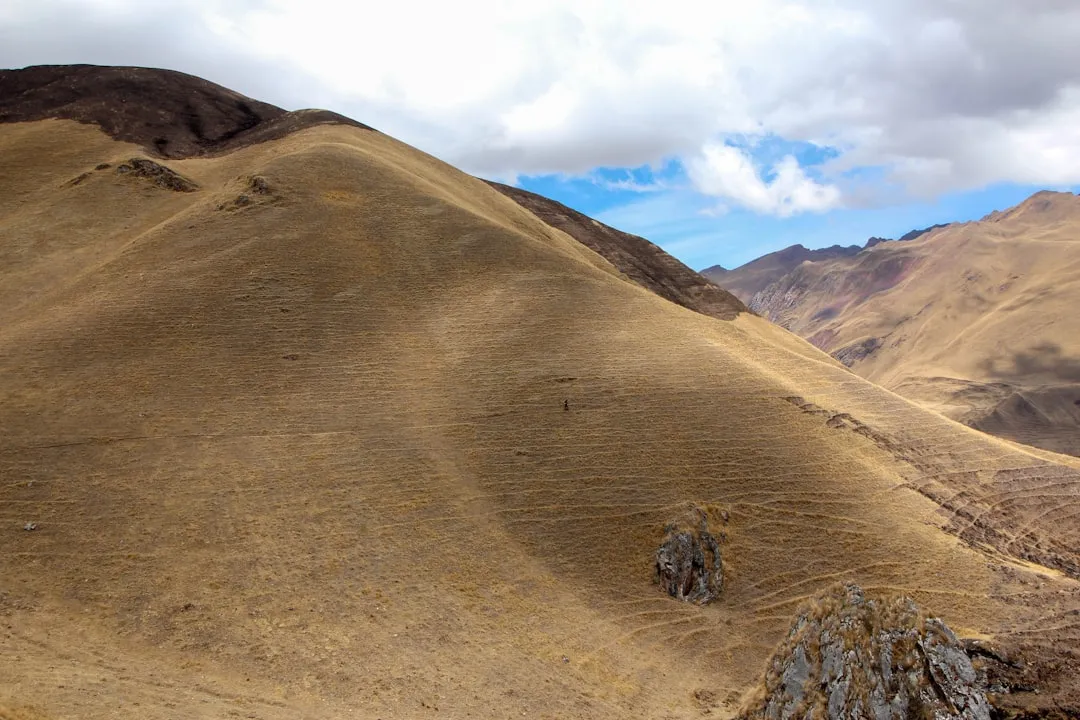
Lake Parón Hike
The Lake Parón Hike is a captivating day walk located in the Cordillera Blanca mountain range of Peru, offering breathtaking views of the country's largest glacial lake. Nestled at an altitude of approximately 4,200 metres, Lake Parón is renowned for its striking turquoise waters, framed by towering snow-capped peaks, including the formidable Nevado Artesonraju. This trail provides an accessible yet rewarding experience for hikers seeking to immerse themselves in the dramatic Andean landscape without the commitment of multi-day trekking. The journey to the lake is as much a part of the adventure as the destination itself, with a scenic drive through rugged terrain leading to a truly spectacular natural wonder.
- Distance: 8.0 km (round trip)
- Duration: 4-6 hours (including travel time to trailhead and time at lake)
- Season: May to September (dry season)
- Elevation Gain: 300 m (cumulative, mostly on the approach to the lake)
- Difficulty: Moderate
- Closest City: Caraz, Peru
- Trailhead Access: Primarily by vehicle from Caraz
- Permits: Entrance fee required for the lake area; no specific hiking permits needed
Overview
The Lake Parón Hike is a relatively short but intensely rewarding day excursion that showcases the raw beauty of the Cordillera Blanca. The primary objective is reaching the shores of Lake Parón, a vast expanse of impossibly blue water that reflects the surrounding colossal peaks. The hike itself is not a traditional trail in the sense of a winding path through wilderness; rather, it involves an ascent along a rough access road or a more direct, steeper path that leads to the lake's edge. The moderate difficulty stems from the high altitude, which can affect even fit individuals, and the uneven terrain of the access route.
The journey begins with a scenic drive from the town of Caraz, winding through arid valleys and past small agricultural communities. As you ascend, the landscape transforms, revealing dramatic rock formations and increasingly impressive views of the Andean giants. Upon arrival at Lake Parón, the sheer scale of the environment is overwhelming. The lake, fed by glacial meltwater, is a vibrant turquoise, a stark contrast to the grey rock and white snow of the surrounding mountains. The most prominent peak visible is Nevado Artesonraju, famously known as the "Paramount Mountain" due to its resemblance to the logo of Paramount Pictures.
Visitors can walk along the dam at the far end of the lake, offering panoramic vistas and opportunities for photography. The air is thin and crisp, and the silence, broken only by the wind or the distant rumble of icefall, is profound. While the direct hiking distance to the lake is modest, the altitude requires a steady pace and acclimatisation. The experience is a powerful reminder of the immense geological forces that have shaped this region, offering a glimpse into a pristine alpine environment.
History and Cultural Context
Lake Parón and its surrounding region have a rich history intertwined with the indigenous peoples of the Andes and the more recent development of mountaineering and tourism in Peru. For centuries, the Quechua-speaking communities of the Ancash region have lived in harmony with this dramatic landscape, utilising its resources and respecting its power. The high-altitude lakes and valleys were likely known and perhaps even revered by ancient Andean cultures, though specific historical records detailing their use of Lake Parón are scarce.
The modern era of exploration in the Cordillera Blanca began in the early 20th century with European mountaineers drawn to the challenging peaks. The Cordillera Blanca is home to the highest concentration of tropical glaciers in the world, making it a prime destination for alpinism. The development of access roads, such as the one leading to Lake Parón, was often driven by mining interests or, more recently, by the burgeoning tourism industry seeking to showcase the region's natural beauty.
The construction of the dam at Lake Parón, visible at the far end, is a testament to human engineering in a challenging environment. This dam helps regulate water flow, a crucial resource for agriculture and hydroelectric power in the valleys below. The lake itself is a product of glacial erosion and moraine damming, a common geological feature in glaciated mountain ranges. The recognition of the Cordillera Blanca as a national park (Huascarán National Park) in 1975 has been instrumental in preserving its unique ecosystems and dramatic landscapes, including Lake Parón, for both scientific study and recreational enjoyment.
Seasonal Highlights and Weather Reality
The best time to visit Lake Parón is during the dry season, which typically runs from May to September. This period offers the most stable weather conditions, with clear blue skies and minimal rainfall, making for ideal hiking and photography opportunities.
Dry Season (May to September):
- Weather: Characterised by sunny days, cool to cold nights, and very little precipitation. Temperatures can range from around 5°C to 15°C during the day, dropping significantly below freezing at night.
- Visibility: Excellent, providing clear views of the surrounding peaks, including Nevado Artesonraju. The turquoise colour of the lake is at its most vibrant.
- Trail Conditions: The access road and any walking paths are generally dry and in good condition.
- Crowds: This is the peak tourist season, so expect more visitors, especially on weekends.
Wet Season (October to April):
- Weather: Frequent afternoon thunderstorms are common, with heavy rain and occasional hail. Days can be overcast, and visibility may be poor. Temperatures are slightly milder than in the dry season.
- Visibility: Often limited by cloud cover, obscuring the mountain views. The lake's colour may appear less vibrant due to overcast skies.
- Trail Conditions: The access road can become muddy and difficult to navigate, potentially requiring a 4x4 vehicle. Some sections might be prone to small landslides.
- Crowds: Significantly fewer tourists, offering a more solitary experience. However, the weather can be unpredictable and potentially hazardous.
Altitude Considerations: Regardless of the season, the high altitude (over 4,200 metres) is a significant factor. Visitors should spend at least 24-48 hours acclimatising in Caraz or Huaraz before attempting the hike to minimise the risk of altitude sickness.
Recommended Itinerary
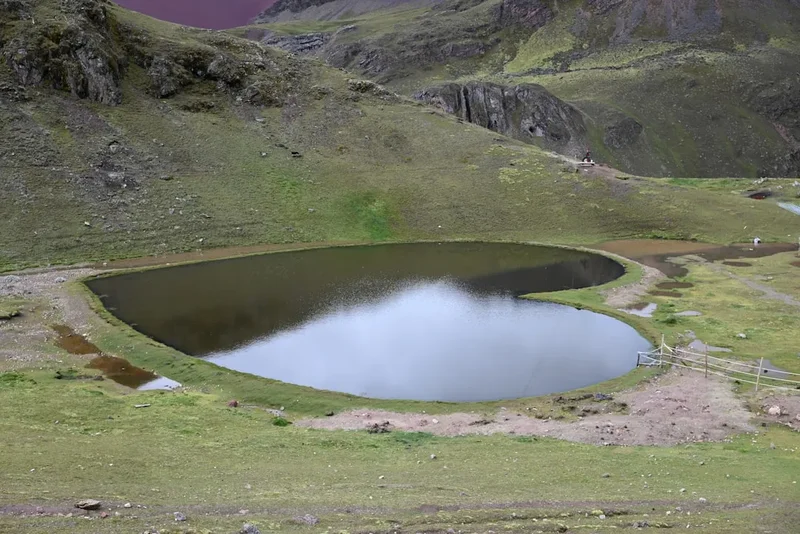
Lake Parón Day Hike from Caraz
Early Morning (approx. 7:00 AM - 8:00 AM): Departure from Caraz
- Arrange a taxi or colectivo from Caraz to Lake Parón. A 4x4 vehicle is recommended, especially if travelling during or just after the wet season, as the road can be rough.
- The drive takes approximately 1.5 to 2 hours, depending on road conditions and vehicle type.
- Enjoy the scenic journey as you ascend into the Cordillera Blanca, passing through small villages and dramatic landscapes.
Morning (approx. 9:30 AM - 10:00 AM): Arrival at Lake Parón Entrance
- Pay the entrance fee at the park entrance booth. Registration may be required.
- Park your vehicle near the lake entrance.
Late Morning (approx. 10:00 AM - 12:00 PM): Exploration of Lake Parón
- Begin your walk along the lake's edge. The most common route is to walk along the dam at the far end of the lake.
- Distance: Approximately 4 km one way to the dam from the entrance.
- Elevation Gain: Gradual ascent along the access road/path, with some steeper sections. Total gain to the dam is around 300 metres from the lake entrance.
- Time: Allow 1.5 to 2 hours for the walk to the dam, taking breaks to admire the views and acclimatise.
- Key Waypoints: The lake entrance, various viewpoints along the shore, the dam at the far end.
- Take your time to absorb the stunning scenery, photograph Nevado Artesonraju and the surrounding peaks, and enjoy the tranquility of this high-altitude environment.
Midday (approx. 12:00 PM - 1:00 PM): Lunch and Relaxation at the Lake
- Enjoy a packed lunch with a spectacular backdrop.
- Spend time relaxing by the lake, perhaps walking along the dam for different perspectives.
- Be mindful of the altitude and stay hydrated.
Afternoon (approx. 1:00 PM - 3:00 PM): Return Walk to the Entrance
- Walk back along the same route to the vehicle.
- This descent is generally easier but requires attention to footing on the uneven terrain.
- Time: Allow 1 to 1.5 hours for the return journey.
Late Afternoon (approx. 3:00 PM onwards): Departure and Return to Caraz
- Begin the drive back to Caraz.
- The return journey offers different light and perspectives on the landscape.
- Arrive back in Caraz in the late afternoon or early evening.
Important Notes:
- Acclimatisation is crucial. Spend at least one night in Caraz (2,250 m) or Huaraz (3,050 m) before visiting Lake Parón.
- Carry plenty of water and high-energy snacks.
- Wear layers of clothing, as temperatures can fluctuate significantly.
- Sun protection (hat, sunglasses, sunscreen) is essential due to the high altitude and intense sun.
- A sturdy pair of walking shoes or hiking boots is recommended.
- Consider hiring a local guide or driver familiar with the road conditions.
Planning and Bookings
Book Your Trip
Everything you need to plan your journey
Accommodation
Find places to stay near Caraz
Flights
Search flights to Caraz
Essential Preparation
The Lake Parón hike is a day trip, but its high altitude makes preparation paramount. The closest major town for logistics is Caraz, situated at approximately 2,250 metres. It is highly recommended to spend at least 24-48 hours acclimatising in Caraz or, ideally, in Huaraz (3,050 metres) before undertaking this excursion. This allows your body to adjust to the lower oxygen levels, significantly reducing the risk of altitude sickness.
From Caraz, access to Lake Parón is primarily via private taxi or a shared colectivo. Hiring a private taxi offers the most flexibility and comfort, especially as the road can be rough and challenging. Ensure your driver is experienced with the route and has a suitable vehicle, preferably a 4x4, particularly if travelling during or immediately after the wet season. Colectivos might be available but can be less frequent and may not go all the way to the lake entrance, potentially requiring a further walk or additional transport.
The drive itself is part of the experience, offering stunning views of the Cordillera Blanca. Factor in the driving time (1.5-2 hours each way from Caraz) when planning your day. It's advisable to start your journey early in the morning to maximise daylight hours and enjoy the best weather conditions, which are typically clearer in the morning.
Trail Accommodation
This is a day hike requiring no overnight accommodation.
Required Gear
- Hiking Boots/Shoes: Sturdy, broken-in hiking boots or trail shoes with good grip are essential for navigating the uneven terrain and potentially loose gravel of the access road/path.
- Waterproof Jacket: Even in the dry season, mountain weather can change rapidly. A lightweight, waterproof and windproof jacket is advisable.
- Warm Layers: Temperatures at Lake Parón can be significantly colder than in Caraz due to the altitude. Bring a fleece or down jacket, and consider a thermal base layer.
- Sun Protection: High-altitude sun is intense. A wide-brimmed hat, sunglasses with UV protection, and high SPF sunscreen are non-negotiable.
- Headlamp/Torch: While not typically needed for the main hike, it's always wise to carry one in case of unexpected delays, especially if starting very early or returning late.
- First Aid Kit: A basic kit including blister treatment, pain relievers (for headaches associated with altitude), antiseptic wipes, and any personal medications.
- Navigation: While the route is straightforward, a map or GPS device with offline maps downloaded is recommended, especially if you plan to explore beyond the main access road. A compass can also be useful.
What to Bring
- Water: Carry at least 2-3 litres of water per person. Dehydration is exacerbated at high altitudes.
- Food: Pack a substantial lunch, high-energy snacks (nuts, dried fruit, energy bars), and perhaps some hot drinks in a thermos. There are no facilities for purchasing food or drinks at Lake Parón.
- Toiletries: Biodegradable toilet paper and hand sanitiser are essential, as facilities are minimal.
- Camera: The photographic opportunities are immense. Ensure you have spare batteries and memory cards.
- Cash: Bring sufficient Peruvian Soles (PEN) for the entrance fee, potential tips for drivers, and any small purchases in Caraz. Card payment facilities are unlikely to be available at the lake entrance.
- Personal Locator Beacon (PLB) or Satellite Messenger: For added safety in remote areas, though mobile phone signal is unlikely.
- Trekking Poles: Highly recommended for stability on the uneven terrain and to reduce strain on knees during the descent.
Permits
To access Lake Parón, an entrance fee is typically required. This fee is collected at a designated booth near the lake's entrance. The exact cost can vary, but it is generally a modest amount payable in Peruvian Soles (PEN).
Entrance Fee:
- Approximately 10-20 PEN per person (subject to change).
- Payment is usually in cash only.
Registration:
- Visitors may be asked to register their details at the entrance booth. This is standard practice for national park areas and helps with visitor management and safety.
Hiking Permits:
- No specific hiking permits are required for the walk to Lake Parón itself, as it is considered a day excursion along an established access route.
- However, the area is part of the Huascarán National Park, and adherence to park regulations is mandatory.
Vehicle Access:
- If travelling by private vehicle or taxi, ensure your driver is aware of any road access regulations or fees that might apply to vehicles entering the park area.
Booking:
- No advance booking is necessary for the Lake Parón hike. It is a destination accessible on a day-trip basis.
- However, if you are travelling during peak season (June-August), it is advisable to arrange your transport (taxi or colectivo) a day or two in advance to secure reliable options.
Other Activities in the Area
The region surrounding Caraz and Lake Parón offers a wealth of activities for outdoor enthusiasts and cultural explorers:
- Laguna 69 Hike: A more challenging but incredibly rewarding day hike to another stunning turquoise glacial lake, situated at a higher altitude (4,600 m) and requiring a full day's trek.
- Pastoruri Glacier: Visit the rapidly receding Pastoruri Glacier, a stark reminder of climate change, and explore the surrounding Puya Raimondii forests (the world's largest bromeliad).
- Chavín de Huántar Archaeological Site: Explore the ancient ruins of the Chavín culture, a significant pre-Inca civilisation known for its impressive stone carvings and ceremonial centre. This is a UNESCO World Heritage site.
- Huaraz City Exploration: Spend time in Huaraz, the capital of the Ancash region, visiting its bustling markets, museums (like the Museo Arqueológico de Ancash), and enjoying the local cuisine.
- Trekking in the Cordillera Blanca: For experienced trekkers, the Cordillera Blanca offers numerous multi-day routes, including the famous Santa Cruz Trek, exploring remote valleys and high mountain passes.
- Rock Climbing and Mountaineering: The Cordillera Blanca is a world-renowned destination for climbing, with peaks ranging from beginner-friendly ascents to extreme technical challenges.
- Thermal Baths: Relax in the natural hot springs found in various locations around Huaraz and Caraz, such as Baños Termales de Monterrey.
Safety and Conditions
Altitude Sickness (Soroche): This is the primary safety concern for the Lake Parón hike. Symptoms can include headache, nausea, dizziness, fatigue, and shortness of breath. To mitigate risk:
- Acclimatise: Spend at least 24-48 hours at lower altitudes (Caraz or Huaraz) before ascending to Lake Parón.
- Hydrate: Drink plenty of water throughout the day.
- Avoid Alcohol and Heavy Meals: These can exacerbate altitude sickness symptoms.
- Pace Yourself: Walk slowly and take frequent breaks.
- Medication: Consult your doctor about Diamox (acetazolamide) as a preventative measure.
- Descend if Necessary: If symptoms become severe, descend immediately.
Road Conditions: The road to Lake Parón is unpaved and can be rough, especially after rain. It is prone to potholes, loose gravel, and occasional minor landslides. A 4x4 vehicle is highly recommended. If travelling in a standard vehicle, be prepared for a slow and bumpy ride, and consider hiring a local driver familiar with the conditions.
Weather: Mountain weather is unpredictable. While the dry season offers clearer skies, sudden changes can occur. Be prepared for strong winds, a significant drop in temperature, and intense sun. Afternoon thunderstorms are common in the wet season and can pose a risk due to lightning and flash floods.
Trail Conditions: The "trail" is largely an access road or a rough path. Footing can be uneven, with loose rocks and scree. Trekking poles are highly recommended for stability, especially on descents.
Remoteness: While not extremely remote, Lake Parón is a significant drive from major towns. Mobile phone signal is unreliable or non-existent. Inform someone of your plans, including your expected return time. Carrying a personal locator beacon (PLB) or satellite messenger is advisable for solo travellers or those venturing off the main path.
Wildlife: While large dangerous wildlife is not a concern, be aware of the environment. Respect any local fauna and do not disturb them.
Water Safety: The lake water is extremely cold and deep. Swimming is not recommended due to the temperature and potential currents. Stick to designated walking areas.
Side Trips and Points of Interest
Nevado Artesonraju: The iconic peak that dominates the skyline above Lake Parón. Its distinctive pyramid shape is instantly recognisable and a photographer's dream. While climbing Artesonraju is a serious mountaineering expedition, admiring its grandeur from the lake is a highlight of the visit.
The Dam: Located at the far end of Lake Parón, the dam is a significant piece of engineering. Walking along its crest offers the most expansive and unobstructed panoramic views of the lake and the surrounding mountain amphitheatre. It's an excellent spot for photography and to appreciate the sheer scale of the landscape.
Artesonraju Glacier: While not directly accessible for hiking, the glaciers feeding Lake Parón are visible on the slopes of Nevado Artesonraju and other surrounding peaks. Observing these icy giants provides a tangible connection to the glacial processes that formed the stunning landscape.
Scenic Drive Views: The journey to and from Lake Parón is filled with numerous viewpoints. Keep an eye out for opportunities to stop and admire the changing scenery, from arid valleys to high alpine vistas, and the small agricultural communities that dot the landscape.
Puya Raimondii (in surrounding areas): While not directly at Lake Parón, if your journey takes you via routes that pass through areas like the Cordillera Blanca's lower slopes, you might encounter the unique Puya Raimondii, a giant bromeliad that flowers only once in its lifetime after decades of growth.
Leave No Trace
The Lake Parón area, being part of the Huascarán National Park, is a pristine natural environment that requires careful stewardship. Practising Leave No Trace principles ensures that this beautiful location remains unspoiled for future visitors and for the preservation of its delicate ecosystem.
Plan Ahead and Prepare: Research the conditions, understand the altitude, and pack appropriately. This includes bringing all necessary food and water, as there are no facilities at the lake.
Travel and Camp on Durable Surfaces: Stick to the established access road or paths. Avoid trampling vegetation, especially the sparse alpine flora, which is slow to recover.
Dispose of Waste Properly: Pack out everything you pack in. This includes all food scraps, wrappers, and any other litter. Use designated toilet facilities if available at the entrance, or carry out all human waste if no facilities exist. Do not bury waste, as it can contaminate the fragile alpine soil.
Leave What You Find: Do not take any natural souvenirs, such as rocks, plants, or flowers. Leave the landscape as you found it.
Minimise Campfire Impacts: Campfires are not permitted on this day hike. If you were to camp in the wider region, always use a stove and avoid fires.
Respect Wildlife: Observe any wildlife from a distance. Do not feed animals, as this can disrupt their natural behaviours and diets.
Be Considerate of Other Visitors: Keep noise levels down, especially at this high-altitude location where sounds can carry. Allow others to enjoy the peace and tranquility of the environment.