
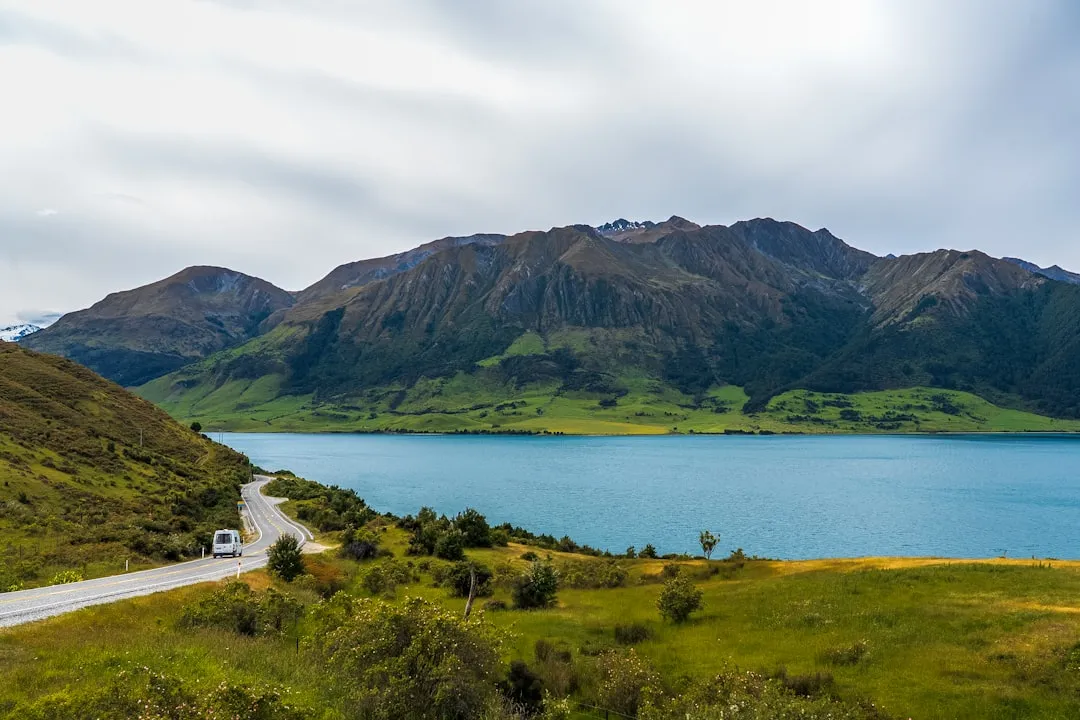
Lake Okataina Track
The Lake Okataina Track is a captivating day walk nestled within the Rotorua region of New Zealand's North Island. This moderate trail offers a delightful immersion into native New Zealand bush, showcasing the beauty of the Okataina volcanic complex and providing stunning vistas of Lake Okataina itself. It's an accessible adventure, perfect for those seeking a taste of the country's natural splendour without the commitment of an overnight trek. The track winds through a diverse landscape, from lush fern gullies to open ridgelines, offering a rewarding experience for walkers of all abilities. Its proximity to Rotorua makes it an ideal excursion for visitors to the area, combining natural beauty with the convenience of a nearby urban centre.
- Distance: 13.5 km one-way
- Duration: 4–5 hours
- Elevation gain: 350 m
- Difficulty: Moderate
- Best Time: All year round, but summer (December–February) offers the most pleasant conditions
- Closest City: Rotorua
- Trailhead Access: Nearest city: Rotorua. Drive east on SH30 towards Whakatane. Turn onto Okataina Road. Follow signs to Okataina Outdoor Education Centre. Road is sealed. Drive time ~30 mins from Rotorua. Parking available. No permits required at trailhead.
- Coordinates: -38.1167, 176.4333
Overview
The Lake Okataina Track is a circular route that offers a comprehensive exploration of the Okataina Scenic Reserve, a gem of the Rotorua region. This walk is celebrated for its varied terrain and the rewarding panoramic views it provides. Starting from the Okataina Outdoor Education Centre, the track initially descends towards the lake shore, offering glimpses of the clear, blue waters through the dense native forest. As the trail progresses, it begins a steady ascent, taking walkers through a rich tapestry of New Zealand's flora, including ancient ferns, moss-covered trees, and various native bush species. The higher sections of the track open up to reveal expansive views of Lake Okataina and the surrounding volcanic landscape, a testament to the area's geological past.
The moderate difficulty rating is well-earned; while not overly strenuous, the track features consistent elevation changes and some uneven terrain that requires a reasonable level of fitness. The 350 metres of elevation gain are spread across the 13.5 km distance, meaning there are sustained climbs and descents that will challenge your legs and lungs. However, the rewards are plentiful. The forest canopy provides a cool, shaded environment for much of the walk, making it comfortable even on warmer days. The air is fresh, filled with the scent of damp earth and native bush. Birdsong is a constant companion, with opportunities to spot native species like tūī, fantails, and perhaps even a rare kākāriki.
The track's loop design means you experience a continuous progression of scenery, avoiding the monotony of out-and-back routes. The summit sections offer prime vantage points for photography and quiet contemplation, allowing you to truly appreciate the scale and beauty of the Okataina basin. The descent back towards the education centre is equally engaging, often following different forest types or offering new perspectives on the lake. This track is a fantastic introduction to the natural heritage of the Rotorua region, showcasing its volcanic origins and its vibrant, resilient native ecosystems.
History and Cultural Context
The Okataina region, including Lake Okataina, is steeped in Māori history and mythology. The name "Okataina" itself is Māori, often translated as "the lake of the pine trees" or "the lake of the flax," reflecting the natural resources that have long been present in the area. The Okataina volcanic centre is part of the larger Taupō Volcanic Zone, a geologically active area that has shaped the landscape over millennia. The formation of Lake Okataina is a direct result of volcanic activity, with caldera collapse and subsequent infilling by water creating the picturesque lake we see today.
For Māori, the lakes and surrounding forests were important sources of food, water, and materials. Traditional knowledge of the land, its plants, and its animals would have been passed down through generations, guiding sustainable use and ensuring the preservation of these valuable resources. The area holds cultural significance for local iwi (tribes), who have a deep spiritual connection to the land and its ancestral stories. While specific historical accounts of human activity directly on the Lake Okataina Track itself are less documented than for some other major New Zealand trails, the broader history of the region is one of continuous human interaction with a dynamic natural environment.
In more recent history, the Okataina Scenic Reserve has been established to protect its unique ecological values and provide recreational opportunities. The development of the Lake Okataina Track reflects a modern approach to conservation and public access, allowing visitors to experience the natural and cultural heritage of the area. The Okataina Outdoor Education Centre, located at the trailhead, further underscores the area's importance for environmental education and fostering a connection with nature, particularly for younger generations. The track's existence is a testament to the ongoing efforts to preserve this beautiful part of New Zealand for both its intrinsic natural value and its historical and cultural importance.
Seasonal Highlights and Weather Reality
The Lake Okataina Track is a year-round destination, offering a different experience depending on the season. However, certain times of the year are generally more favourable for walking.
Summer (December–February): This is arguably the best time to visit. The weather is typically warmer and drier, with longer daylight hours, allowing for a more relaxed pace and ample time to enjoy the views. The native bush is lush and vibrant, and bird activity is high. Temperatures usually range from 15°C to 25°C. However, summer can also bring higher humidity and the possibility of afternoon thunderstorms, so always be prepared for rain. Sandflies can also be present, though generally less intense than in coastal Fiordland.
Autumn (March–May): Autumn offers a beautiful spectacle of changing colours in the surrounding vegetation, though New Zealand's native bush doesn't exhibit the dramatic reds and oranges of deciduous forests. The weather becomes cooler and more settled, with crisp air and fewer crowds. Temperatures range from 10°C to 20°C. This season is excellent for photography and enjoying the tranquility of the forest.
Winter (June–August): Winter in Rotorua is mild compared to many other parts of the world, with daytime temperatures typically between 8°C and 15°C. While it can be cooler and wetter, the forest retains its green beauty, and the mist can add a dramatic, atmospheric quality to the landscape. The track may be muddier, and visibility on higher sections could be reduced on overcast days. It's a good time for those who prefer solitude and don't mind cooler conditions.
Spring (September–November): Spring brings a sense of renewal to the forest. Native flowers begin to bloom, and birdlife becomes more active as they prepare for nesting season. Temperatures gradually warm up, ranging from 10°C to 20°C. The weather can be variable, with a mix of sunny days and rain showers. It's a pleasant time to walk, with the landscape coming back to life.
Weather Considerations: Regardless of the season, the weather in the Rotorua region can change quickly. It's always advisable to check the local forecast before you set out and be prepared for rain, even on a sunny morning. Waterproof clothing and sturdy footwear are recommended year-round.
Recommended Itinerary
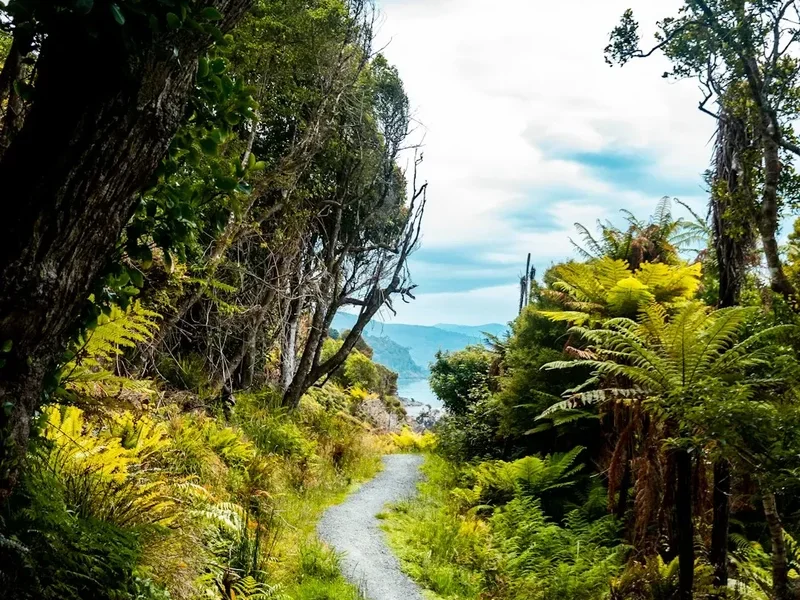
Lake Okataina Track - Day Walk Itinerary
Early Morning (Approx. 8:00 AM - 9:00 AM): Arrival and Preparation
- Drive from Rotorua to the Okataina Outdoor Education Centre (approx. 30 minutes).
- Park your vehicle at the designated parking area.
- Use the facilities at the centre to prepare for your walk.
- Review the track map and ensure you have all necessary gear and water.
- Begin the walk from the trailhead located near the Okataina Outdoor Education Centre.
Morning (Approx. 9:00 AM - 12:00 PM): Forest Descent and Lake Views
- The initial section of the track descends through native forest towards the shores of Lake Okataina.
- Experience the cool, shaded environment of the forest, with abundant ferns and mosses.
- Catch glimpses of the lake through the trees as you get closer to the water's edge.
- The path may be uneven and can be slippery after rain.
- The gradient is moderate, but the descent can be steep in places.
Midday (Approx. 12:00 PM - 2:00 PM): Ascent and Ridge Walking
- The track begins its ascent away from the lake, leading you onto the ridgelines of the Okataina volcanic complex.
- This section involves more sustained climbing, testing your fitness.
- As you gain elevation, the forest canopy may open up, offering the first significant panoramic views.
- Look out for viewpoints that provide sweeping vistas of Lake Okataina and the surrounding landscape.
- This is a good time to take a break, have a snack, and rehydrate.
Afternoon (Approx. 2:00 PM - 4:00 PM): Summit Views and Descent
- Reach the higher points of the track, where the most expansive views are typically found.
- Enjoy the 360-degree panoramas of the lake, the volcanic cones, and the distant countryside.
- The descent back towards the Okataina Outdoor Education Centre begins.
- This section may follow a different route than the ascent, offering new perspectives.
- The terrain can be steep and potentially muddy, requiring careful footing.
Late Afternoon (Approx. 4:00 PM - 5:00 PM): Return to Trailhead
- Complete the loop and arrive back at the Okataina Outdoor Education Centre.
- Take time to relax and reflect on your walk.
- Utilise the facilities for a final check before departing.
- Drive back to Rotorua.
Important Notes:
- This is a day walk; no overnight accommodation is required or available on the track itself.
- The track is well-marked but can be muddy and slippery, especially after rain.
- Wear sturdy, waterproof walking shoes or boots.
- Carry sufficient water and snacks, as there are no facilities along the track.
- Check the weather forecast before you go and be prepared for changing conditions.
- Mobile phone reception can be intermittent in some areas.
Planning and Bookings
Book Your Trip
Everything you need to plan your journey
Accommodation
Find places to stay near Rotorua
Flights
Search flights to Rotorua
Essential Preparation
The Lake Okataina Track is a day walk, which simplifies planning considerably compared to multi-day treks. The primary logistical consideration is travel to and from the trailhead. Rotorua is the closest major city, offering a wide range of accommodation options, from budget hostels to luxury hotels. It also serves as a hub for supplies, including outdoor gear, food, and fuel. Ensure your vehicle is in good condition for the drive, as the Okataina Road is sealed but can be winding.
Before setting out, it's crucial to check the weather forecast for the Rotorua region. While the track is generally accessible year-round, conditions can change rapidly, particularly in terms of rain and temperature. Inform someone of your plans, including your intended route and estimated return time, as a safety precaution. The Okataina Outdoor Education Centre provides a good starting point, with facilities available for visitors.
Trail Accommodation
This is a day hike requiring no overnight accommodation.
Required Gear
- Sturdy walking shoes or boots: Waterproof and with good ankle support are recommended due to potentially uneven and muddy terrain.
- Waterproof jacket: Essential for protection against rain, which can be frequent in the region.
- Backpack: A small day pack (15-30 litres) is sufficient to carry essentials.
- Navigation: While the track is generally well-marked, a map of the area or a reliable GPS device/app is advisable.
- First aid kit: A basic kit with plasters, antiseptic wipes, pain relief, and any personal medications.
- Sun protection: Sunscreen, sunglasses, and a hat, especially for exposed sections of the track.
- Insect repellent: Particularly useful during warmer months to ward off sandflies and other biting insects.
What to Bring
- Water: Carry at least 1.5–2 litres of water per person, as there are no water sources available for refilling along the track.
- Food: Pack plenty of high-energy snacks and a packed lunch. There are no food services available on the track.
- Extra layers: Even on a warm day, temperatures can drop, especially in shaded forest areas or if the weather turns. A fleece or warm jumper is recommended.
- Camera: To capture the stunning scenery and wildlife.
- Trekking poles (optional): Can be helpful for stability on descents and ascents, especially if the track is wet.
- Toilet paper and hand sanitiser: For personal hygiene.
Permits

No permits are required to walk the Lake Okataina Track. Access to the Okataina Scenic Reserve and the trailhead at the Okataina Outdoor Education Centre is free of charge. This makes it an easily accessible and cost-effective outdoor activity for visitors and locals alike.
While no specific permits are needed for the track itself, it is always good practice to be aware of any local regulations or guidelines set by the Department of Conservation (DOC) or the Okataina Outdoor Education Centre, particularly regarding parking, waste disposal, and behaviour within the reserve. These are generally standard rules for protected natural areas, focusing on conservation and visitor safety.
Other Activities in the Area
The Rotorua region is a treasure trove of activities, offering a diverse range of experiences to complement your walk on the Lake Okataina Track:
- Explore Rotorua's Geothermal Wonders: Visit world-renowned geothermal parks like Te Puia, Wai-O-Tapu Thermal Wonderland, or Waimangu Volcanic Valley to witness bubbling mud pools, geysers, and colourful hot springs.
- Experience Māori Culture: Immerse yourself in Māori traditions with a cultural performance, hangi feast, or a visit to a living Māori village.
- Adventure Activities: Rotorua is the adventure capital of the North Island. Try mountain biking on the Whakarewarewa Forest trails, go zorbing, or experience the thrill of a luge ride at Skyline Rotorua.
- Lake Rotorua and Surrounds: Enjoy water sports on Lake Rotorua, visit the historic Rotorua Museum (check for reopening status), or explore the Government Gardens.
- Redwoods Treewalk: Walk amongst the giants of the Whakarewarewa Forest on a series of suspended walkways, offering a unique perspective of the forest canopy.
- Hamurana Springs: A beautiful and tranquil spot featuring crystal-clear springs and a grove of redwood trees.
- Waimangu Volcanic Valley: Explore the world's youngest geothermal system, with boat cruises on Lake Rotomahana offering unique views of geothermal activity.
Safety and Conditions
Trail Conditions: The Lake Okataina Track is generally well-maintained, but it is a natural bush track. Expect uneven surfaces, exposed tree roots, and potentially muddy sections, especially after rain. The track can be slippery, so sturdy footwear is essential.
Weather: Rotorua's weather can be unpredictable. Always check the forecast before you depart. Be prepared for rain, wind, and cooler temperatures, even if the day starts sunny. Hypothermia is a risk if you get wet and cold, so carry extra layers.
Navigation: The track is marked, but it's wise to carry a map or use a GPS device/app. Pay attention to track markers, especially at junctions. Mobile phone reception can be patchy in forested areas and on higher ridges.
Wildlife: While New Zealand is relatively free of dangerous wildlife, be aware of your surroundings. Native birds are common, and you might encounter insects like sandflies, especially in damper areas. Carry insect repellent.
Water: There are no potable water sources along the track. Carry all the water you will need for the duration of your walk. A minimum of 1.5–2 litres per person is recommended.
Fitness: The track is rated as moderate due to its length and elevation gain. Ensure you have a reasonable level of fitness before attempting it. If you are new to hiking, consider starting with shorter, flatter walks.
Emergency: In case of an emergency, call 111. If you have limited mobile reception, try to reach a higher point on the track where signal might be stronger. Informing someone of your plans before you leave is crucial for your safety.
Side Trips and Points of Interest
While the Lake Okataina Track is a loop in itself, the surrounding area offers several points of interest that can enhance your visit:
Lake Okataina Shoreline: Although the main track stays on the higher ridges, there are opportunities to access the lake shore near the Okataina Outdoor Education Centre. The clear waters of Lake Okataina are beautiful, and the shoreline offers a different perspective of the landscape. You can often see the reflections of the surrounding hills in the calm water, especially in the early morning or late afternoon.
Okataina Outdoor Education Centre: The trailhead is located at this centre, which itself is set in a picturesque location by the lake. While primarily for organised groups, the grounds offer a pleasant place to start and finish your walk, with picnic areas and facilities.
Panoramic Viewpoints: The higher sections of the Lake Okataina Track are specifically designed to offer expansive views. Keep an eye out for designated viewpoints or clearings in the forest that provide sweeping vistas of Lake Okataina, the surrounding volcanic cones (part of the Okataina caldera), and the wider Rotorua landscape. These spots are ideal for photography and taking a moment to appreciate the scale of the natural environment.
Native Flora and Fauna: The track is an excellent opportunity to observe New Zealand's unique native bush. Look for various fern species, mosses, and native trees like tōtara, rimu, and pōhutukawa (depending on the specific microclimate). The forest is alive with birdsong; keep an eye out for tūī, fantails (pīwakawaka), silvereyes (tauhou), and other common New Zealand forest birds. The rich biodiversity is a key feature of the Okataina Scenic Reserve.
Leave No Trace
The Lake Okataina Track traverses a beautiful natural area, and it's essential to practice Leave No Trace principles to help preserve its beauty and ecological integrity for future visitors and for the environment itself.
Plan Ahead and Prepare: Familiarise yourself with the track conditions, weather forecast, and any local regulations before you go. Pack appropriately for the conditions.
Travel and Camp on Durable Surfaces: Stick to the marked track at all times. Avoid walking on vegetation or creating new paths, as this can damage fragile ecosystems and lead to erosion.
Dispose of Waste Properly: Pack out everything you pack in. This includes all food scraps, wrappers, and any other litter. Use the bins provided at the trailhead if available, but it's best practice to carry all your rubbish with you.
Leave What You Find: Do not take any natural souvenirs, such as rocks, plants, or flowers. Leave them for others to enjoy and for the ecosystem to thrive.
Minimise Campfire Impacts: Campfires are not permitted on this day walk. If you were to camp in a designated area (which is not applicable here), use established fire rings and ensure fires are completely extinguished.
Respect Wildlife: Observe wildlife from a distance. Do not feed any animals, as this can disrupt their natural behaviours and diets. Keep pets under control if they are permitted (though generally not recommended on conservation tracks).
Be Considerate of Other Visitors: Keep noise levels down, especially in natural settings. Yield to other walkers, particularly on narrow sections of the track. Allow others to enjoy the peace and quiet of the natural environment.
 New Zealand