
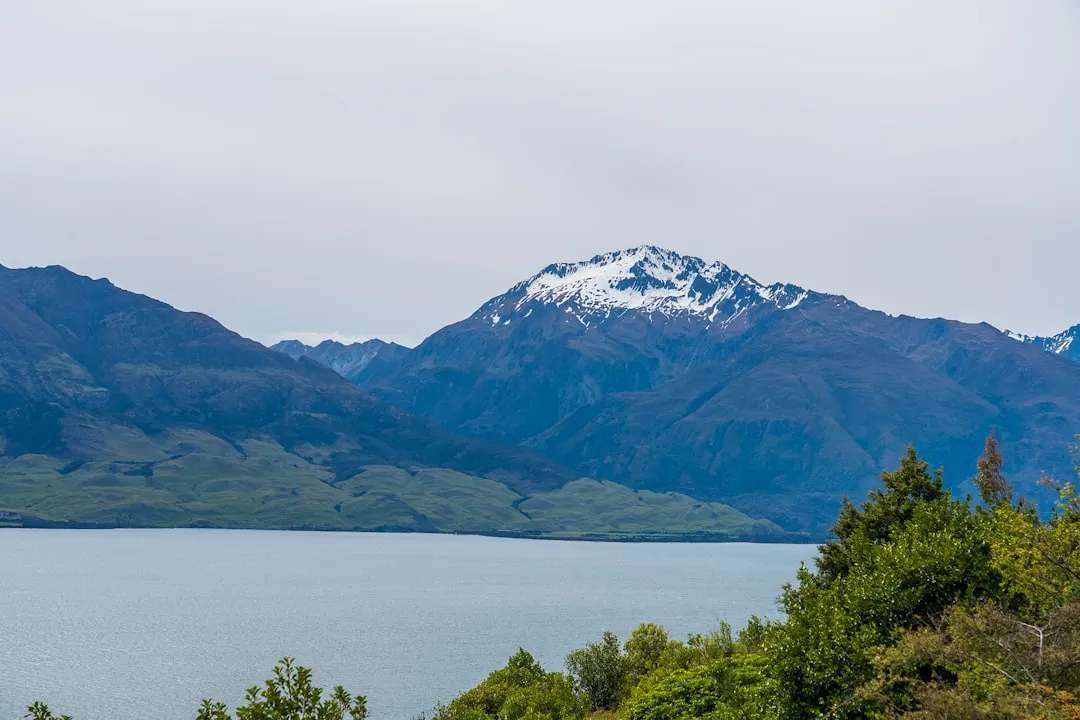
Lake Marian Track - Fiordland's Alpine Gem
The Lake Marian Track is a spectacular day walk located in the heart of Fiordland National Park, New Zealand. This challenging yet incredibly rewarding trail ascends through ancient temperate rainforest to a stunning alpine lake, nestled beneath towering granite peaks. The journey offers a dramatic contrast between the lush, moss-laden forest floor and the stark, majestic beauty of the alpine environment. While not as famous as the multi-day Great Walks, Lake Marian provides an accessible taste of Fiordland's raw, untamed wilderness, making it a must-do for those visiting the region.
- Distance: 11.2 km return
- Duration: 3–4 hours return
- Elevation Gain: 800 m
- Difficulty: Moderate to challenging
- Best Time: October to April
- Closest City: Te Anau
- Trailhead Access: Milford Road (SH94), approximately 1.5 hours drive from Te Anau
Overview
The Lake Marian Track is a testament to Fiordland's dramatic geological history and its vibrant, resilient ecosystems. The walk begins at a modest elevation, quickly plunging you into a world of towering beech trees, abundant ferns, and the constant murmur of unseen water. As you ascend, the forest canopy gradually thins, revealing glimpses of the surrounding mountains and the increasingly steep terrain. The final push to Lake Marian involves a scramble over boulder fields and rocky outcrops, a true alpine experience that culminates in the breathtaking sight of the lake itself.
Lake Marian is a glacial lake, carved out by ancient ice flows and now cradled in a cirque of imposing peaks. Its waters are often a striking turquoise or emerald hue, reflecting the dramatic grey granite of the surrounding mountains. On a clear day, the views are simply phenomenal, offering a panoramic vista of Fiordland's rugged interior. The air at this altitude is crisp and clean, a refreshing contrast to the humid rainforest below. The sheer scale of the landscape, combined with the pristine beauty of the lake, makes this walk an unforgettable experience.
The track is well-formed for much of its length, but the final section requires sure footing and a degree of comfort with uneven terrain. It is a popular day walk, particularly during the warmer months, and can be busy. However, the sheer effort required to reach the lake means that the crowds tend to thin out, and moments of solitude are still readily achievable, especially if you venture slightly beyond the main viewpoint.
History and Cultural Context
The area surrounding Lake Marian, like much of Fiordland, holds deep cultural significance for Ngāi Tahu, the Māori iwi of the South Island. For centuries, Māori have traversed these valleys and mountains, utilising the rich natural resources and following ancient routes. The dramatic landscapes of Fiordland are woven into their whakapapa (genealogy) and spiritual beliefs, representing ancestral lands and sacred places.
The development of the Lake Marian Track as a recreational trail is a more recent phenomenon, tied to the exploration and settlement of the region by Europeans. The construction of the Milford Road (State Highway 94) in the mid-20th century opened up access to many of Fiordland's hidden valleys and alpine basins, including the one that cradles Lake Marian. Prior to the road, reaching this area would have been an arduous expedition, requiring significant backcountry skills and time.
The track itself was likely established by early surveyors and adventurers who recognised the allure of the alpine lake. Over time, it has been maintained and improved by the Department of Conservation (DOC) to provide a safe and accessible route for day hikers. The track's existence is a direct result of the engineering feat that is the Milford Road, which allows relatively easy access to this remote and wild corner of New Zealand. The contrast between the modern infrastructure of the road and the ancient, untouched wilderness that the track leads into is a striking aspect of the experience.
Seasonal Highlights and Weather Reality
The Lake Marian Track is best enjoyed during the warmer months, from October to April. During this period, the weather is generally more stable, and the track conditions are at their most favourable.
Spring (October–November): The rainforest is vibrant and alive, with new growth emerging. Waterfalls are often at their most spectacular due to snowmelt. However, snow can still linger at higher elevations, and the pass to the lake might be icy or snow-covered in early spring. Sandflies begin to emerge.
Summer (December–February): This is the most popular time to visit. The days are longer, and the weather is typically warmer. The alpine meadows may be in bloom. However, summer also brings the peak sandfly season, and the track can be busy. Afternoon thunderstorms are common in Fiordland, so starting early is always recommended.
Autumn (March–April): The colours of the beech forest can be stunning, with golden hues appearing. The sandfly numbers usually decrease, and the weather can be crisp and clear. However, the risk of early snow on the higher sections of the track increases as the season progresses.
Winter (May–September): The Lake Marian Track is generally not recommended for casual day hikers during winter. Snow and ice can make the track treacherous, particularly the boulder field section and the approach to the lake. Avalanche risk is also a significant concern. Only experienced mountaineers with appropriate winter gear and knowledge should consider attempting this walk during the winter months.
Weather: Fiordland is renowned for its extreme and rapidly changing weather. Even on a clear morning, conditions can deteriorate quickly. Expect rain, wind, and significant temperature drops, especially as you gain elevation. Always be prepared for all types of weather, regardless of the season.
Recommended Itinerary
Lake Marian Day Walk Itinerary
Early Morning (approx. 7:00 AM - 8:00 AM): Depart Te Anau
- Drive from Te Anau towards Milford Sound on State Highway 94 (SH94).
- The drive takes approximately 1.5 hours to reach the Lake Marian car park.
- Ensure you have checked the Milford Road conditions before departing.
Morning (approx. 8:30 AM - 9:00 AM): Arrive at Trailhead and Begin Walk
- Park at the Lake Marian car park, located off SH94.
- The trailhead is clearly marked.
- Begin the ascent through the temperate rainforest.
- Initial section is a well-formed track with boardwalks and bridges over streams.
- Distance covered: ~2 km
- Elevation gain: ~200 m
- Time: ~45 minutes - 1 hour
Late Morning (approx. 10:00 AM - 11:00 AM): Transition to Steeper Terrain
- The track becomes steeper and more rugged.
- You will encounter more exposed roots and rocks.
- The forest canopy begins to open up, offering occasional views.
- Listen for the sound of waterfalls and the Clinton River below.
- Distance covered: ~2 km
- Elevation gain: ~300 m
- Time: ~1 hour
Midday (approx. 11:30 AM - 12:30 PM): Boulder Field and Final Ascent
- The track transitions into a steep, rocky ascent over a boulder field.
- This section requires careful foot placement and is the most challenging part of the hike.
- Follow the orange track markers carefully.
- The gradient is significant, and you will be gaining elevation rapidly.
- Distance covered: ~1.6 km
- Elevation gain: ~300 m
- Time: ~1 hour
Early Afternoon (approx. 12:30 PM - 1:30 PM): Arrive at Lake Marian
- Reach the stunning alpine lake.
- Take time to explore the shoreline and admire the panoramic views.
- Enjoy your packed lunch and soak in the incredible scenery.
- The lake is surrounded by steep, imposing granite peaks.
- Total distance to lake: ~5.6 km
- Total elevation gain: ~800 m
- Total time to lake: ~3–3.5 hours
Afternoon (approx. 1:30 PM - 3:30 PM): Descent and Return to Car Park
- Begin the descent back down the track.
- Take care on the rocky sections, especially when descending.
- The descent is generally quicker than the ascent.
- Return to the Lake Marian car park.
- Total descent time: ~1.5–2 hours
Late Afternoon (approx. 3:30 PM onwards): Drive back to Te Anau
- Continue your journey along the Milford Road, perhaps stopping at other viewpoints.
Important Notes:
- Start early to avoid crowds and potential afternoon weather changes.
- Wear sturdy, waterproof hiking boots.
- Carry plenty of water and snacks.
- Be prepared for all weather conditions.
- The boulder field section requires good balance and agility.
Planning and Bookings
Book Your Trip
Everything you need to plan your journey
Accommodation
Find places to stay near Te Anau
Flights
Search flights to Te Anau
Essential Preparation
The Lake Marian Track is a popular day walk, and while no bookings are required for the track itself, planning is still essential for a safe and enjoyable experience. The closest major town and logistical hub is Te Anau, which offers a range of accommodation, from budget hostels to comfortable hotels. Te Anau also has supermarkets for stocking up on food and supplies, outdoor gear shops, and information centres. Ensure your vehicle is in good condition for the drive along the Milford Road, which can be winding and subject to weather-related closures. Check the Waka Kotahi (NZ Transport Agency) website for any road alerts before you set off.
Given the track's popularity, starting your walk early in the morning is highly recommended to avoid the busiest periods and to allow ample time for the hike and any potential weather delays. The drive from Te Anau to the trailhead is scenic, but allow sufficient time for stops at viewpoints along the Milford Road, such as Mirror Lakes or the Homer Tunnel.
Trail Accommodation
This is a day hike requiring no overnight accommodation. The Lake Marian Track is designed to be completed within a single day, with hikers returning to their accommodation in Te Anau or nearby areas in the late afternoon or evening.
Required Gear
- Sturdy hiking boots: Waterproof and with good ankle support are essential, especially for the boulder field section.
- Waterproof jacket and overtrousers: Fiordland weather is notoriously unpredictable; rain is common even in summer.
- Warm layers: A fleece or wool mid-layer is recommended, as temperatures can drop significantly at higher elevations.
- Head torch: Even for a day hike, it's wise to carry one in case of unexpected delays or if you start very early or finish late.
- First-aid kit: Including blister treatment, pain relief, and any personal medications.
- Navigation: While the track is generally well-marked, a map of the area or a reliable GPS device/app is advisable.
- Sun protection: Sunscreen, sunglasses, and a hat, as the sun can be intense at higher altitudes.
What to Bring
- Food: Plenty of high-energy snacks and a packed lunch. There are no facilities on the track.
- Water: At least 1.5–2 litres per person. While there are streams, it's best to carry treated water or a water filter/purification tablets.
- Insect repellent: Sandflies are prevalent, especially during warmer months.
- Backpack: A comfortable day pack (20–30 litres) to carry your gear.
- Camera: To capture the stunning scenery.
- Trekking poles: Optional, but can be helpful for stability on the steep and rocky sections.
- Small towel: Useful if you get wet from rain or spray.
Permits
No permits are required for day hiking the Lake Marian Track. Access to the trailhead and the track itself is free of charge. However, it is always advisable to check the Department of Conservation (DOC) website for any current track alerts, closures, or advisories before your visit. Fiordland National Park is a dynamic environment, and conditions can change due to weather or other factors.
While no specific permits are needed for this day walk, it's important to be aware of the general regulations within Fiordland National Park, such as the prohibition of fires and the requirement to carry out all rubbish.
Other Activities in the Area
The Lake Marian Track is located along the scenic Milford Road, offering numerous opportunities for exploration and enjoyment:
- Homer Tunnel: A historic, single-lane tunnel that is an engineering marvel, leading towards the Cleddau Valley.
- Mirror Lakes: A short, easy walk to a boardwalk offering stunning reflections of the Earl Mountains in calm water.
- Key Summit Track: A more challenging day hike from the same car park as the Lake Marian Track, offering spectacular alpine views.
- Gertrude Saddle Route: A very challenging and exposed alpine route for experienced hikers, offering incredible views.
- Milford Sound: The ultimate destination of the Milford Road, offering boat cruises, kayaking, and scenic flights.
- Te Anau: The gateway town to Fiordland, offering a range of amenities, including restaurants, accommodation, and the Te Anau Glowworm Caves.
- Fiordland National Park Visitor Centre (Te Anau): Provides valuable information on tracks, weather, and safety.
Safety and Conditions
Weather: Fiordland's weather is notoriously unpredictable. Be prepared for rain, wind, and rapid temperature changes at any time of year. Check the MetService mountain forecast for the Fiordland region before you depart.
Track Conditions: The track is generally well-maintained, but the final section involves a steep boulder field that requires careful navigation and sure footing. In wet conditions, rocks can be slippery. Snow and ice can be present on the higher sections during spring and autumn, and in winter, the track is considered hazardous and suitable only for experienced mountaineers with appropriate gear.
Sandflies: These biting insects are a significant nuisance in Fiordland, particularly during warmer months. Carry effective insect repellent (containing DEET) and wear long sleeves and trousers when stationary. Starting your walk early can help minimise exposure.
Water: While there are streams along the track, it is advisable to carry sufficient water or use a water filter/purification tablets. The water quality can be affected by rainfall and animal activity.
Fitness: The track involves a significant elevation gain (800 m) over a relatively short distance, making it a moderately challenging hike. Ensure you have a reasonable level of fitness before attempting it.
Communication: Mobile phone reception is unreliable to non-existent along most of the Milford Road and on the track itself. Consider carrying a personal locator beacon (PLB) for emergencies.
Emergency Contact: In case of an emergency, contact the Department of Conservation or emergency services. Know your location and the nature of the emergency.
Side Trips and Points of Interest
Lake Marian Viewpoints: As you ascend, there are several points where the forest opens up, offering glimpses of the surrounding valleys and mountains. These are excellent spots for a brief rest and to appreciate the scale of the landscape.
The Boulder Field: This is the most distinctive feature of the upper part of the track. Navigating the jumble of large rocks requires concentration and agility. It's a fun challenge that adds to the adventure of reaching the lake.
Alpine Flora and Fauna: Keep an eye out for the unique plant life adapted to the alpine environment. If you are lucky, you might spot native birds such as the fantail (pīwakawaka) or the cheeky kea (the world's only alpine parrot) in the higher sections.
The Homer Tunnel Entrance: While not directly on the track, the drive through the Homer Tunnel is an experience in itself. The tunnel is a dark, damp, and awe-inspiring passage through the mountains, and its construction was a monumental feat.
Leave No Trace
The Lake Marian Track traverses a pristine natural environment within Fiordland National Park. Adhering to Leave No Trace principles is crucial to preserving its beauty and ecological integrity for future visitors.
- Pack it in, pack it out: Carry out all rubbish, including food scraps, wrappers, and any other waste you generate. Do not bury or burn rubbish.
- Stay on the track: Stick to the marked trail to avoid damaging fragile vegetation and to prevent erosion. The alpine environment is particularly sensitive.
- Respect wildlife: Observe native birds and animals from a distance. Do not feed them, as this can disrupt their natural behaviours and diets.
- Dispose of waste properly: Use designated toilet facilities where available. If no facilities are present, dig a cathole at least 10 cm deep and 200 m away from water sources, camp sites, and trails. Pack out all toilet paper.
- Minimise campfire impacts: Campfires are generally not permitted in Fiordland National Park. If you are on an overnight trip (not applicable for Lake Marian day hike), use a lightweight stove for cooking.
- Travel and camp on durable surfaces: For day hikes, this means staying on the track.
- Be considerate of other visitors: Keep noise levels down and yield to uphill hikers.
By following these principles, you help ensure that the Lake Marian Track remains a wild and beautiful place.
 New Zealand