
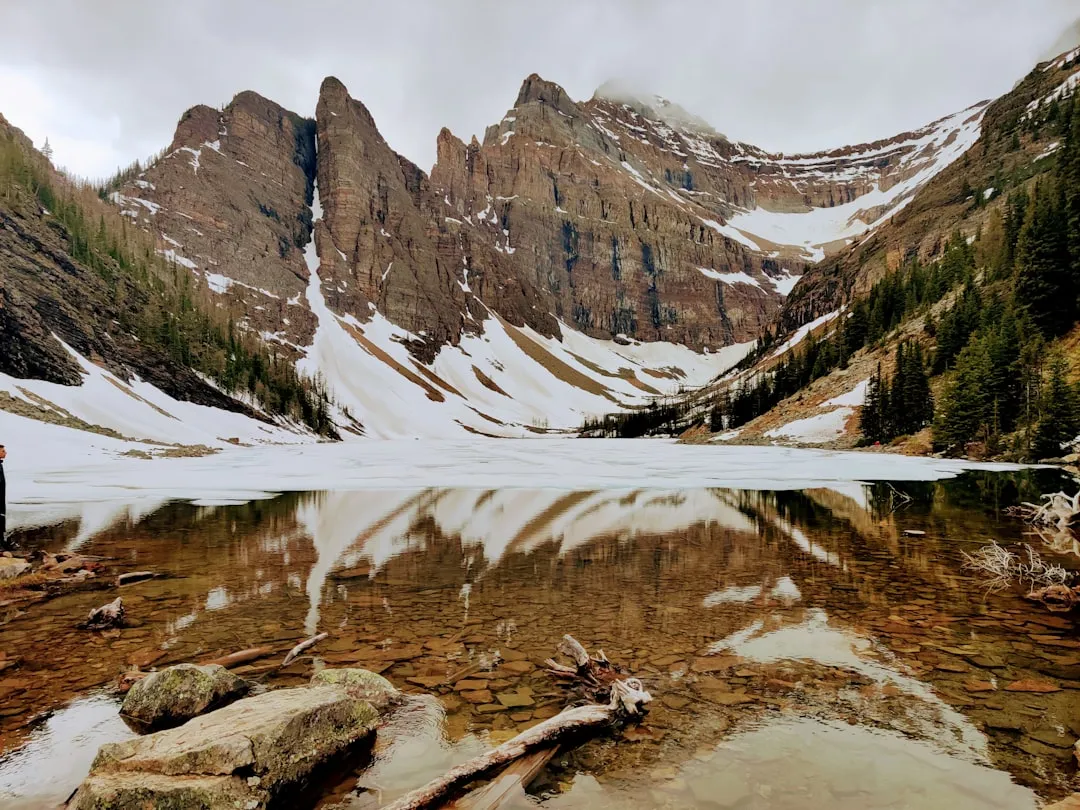
Lake Agnes Tea House Trail
The Lake Agnes Tea House Trail is a quintessential day hike located in the heart of Banff National Park, Alberta, Canada. This popular route offers a moderate challenge with a significant reward: a picturesque alpine lake and a historic tea house nestled amidst stunning mountain scenery. Starting from the shores of the world-famous Lake Louise, the trail ascends through a dense coniferous forest, gradually opening up to breathtaking views of the surrounding peaks and the iconic turquoise waters of Lake Louise itself. The destination, Lake Agnes, is a serene alpine lake fed by cascading waterfalls, providing a tranquil setting for a well-deserved break. The trail is well-maintained and suitable for most fitness levels, making it a must-do for visitors to the Lake Louise area.
- Distance: 7.0 km (round trip)
- Elevation Gain: 385 m
- Duration: 2-3 hours (round trip)
- Difficulty: Moderate
- Best Time: May to October
- Closest City: Lake Louise
- Trailhead Access: Lake Louise shoreline
- Permits: Parks Canada Discovery Pass required for entry into Banff National Park
Overview
The Lake Agnes Tea House Trail is a classic Canadian Rockies hike that perfectly balances physical exertion with natural beauty. The journey begins at the bustling shoreline of Lake Louise, a glacial lake renowned for its vibrant turquoise hue, framed by the majestic Victoria Glacier and surrounding peaks. As you leave the lake's edge, the trail immediately enters a shaded forest of lodgepole pine and spruce, offering a cool respite from the sun. The path is well-trodden and generally wide, with a steady, consistent incline that allows hikers to find a comfortable rhythm. Along the way, several viewpoints offer increasingly spectacular panoramas of Lake Louise and the Fairmont Chateau Lake Louise hotel, providing excellent photo opportunities and a chance to gauge your progress.
Approximately halfway up, the trail crosses a series of switchbacks that offer glimpses of the valley below. The sound of rushing water grows louder as you approach the destination, hinting at the waterfalls that feed Lake Agnes. The final ascent leads you to the shores of Lake Agnes, a stunning alpine tarn situated at an elevation of 2,135 metres. The lake is often surrounded by dramatic cliffs and snow-capped peaks, creating a truly awe-inspiring setting. The historic Lake Agnes Tea House, built in 1901, is a charming log cabin that serves a variety of teas, baked goods, and light snacks. It's a popular spot to relax, refuel, and soak in the magnificent surroundings before beginning the descent back to Lake Louise.
The trail's popularity means it can be busy, especially during peak season (July and August). However, the steady ascent and the sheer beauty of the destination make it a worthwhile experience. The moderate difficulty level, combined with the relatively short duration, makes it accessible to a wide range of hikers, from families to seasoned trekkers looking for a rewarding day out.
History and Cultural Context
The Lake Agnes Tea House Trail and its destination are steeped in the history of Canadian tourism and the development of the Canadian Pacific Railway (CPR). The area around Lake Louise was first explored by European settlers in the late 19th century, drawn by its dramatic mountain scenery. The CPR recognised the potential for tourism and established a presence in the region, building the iconic Fairmont Chateau Lake Louise in 1914, which replaced an earlier hotel built in 1890.
The tea house itself has a fascinating origin. In the early 1900s, the CPR began constructing a network of hiking trails and rustic tea houses in the Canadian Rockies to encourage guests to explore the wilderness surrounding their hotels. The Lake Agnes Tea House was built in 1901 by the CPR as a destination for guests of the original Lake Louise Chalet. It was designed to be a simple, rustic shelter where hikers could rest and enjoy refreshments. The tea house was constructed using local timber and has retained much of its original charm over the decades. It was operated by the CPR until 1928, when it was leased to the current family who have maintained its tradition of hospitality and simple fare.
The tea house has been a beloved institution for over a century, offering a unique experience that combines outdoor adventure with a touch of old-world charm. It has witnessed generations of visitors, from early railway tourists to modern-day hikers, all drawn to the allure of Lake Agnes and its serene setting. The trail and the tea house are integral parts of the history of tourism in Banff National Park, representing a time when exploring the wilderness was an adventure in itself, facilitated by the pioneering spirit of the railway companies.
Seasonal Highlights and Weather Reality
The Lake Agnes Tea House Trail is a seasonal hike, primarily accessible and enjoyable from late spring through early autumn. The best time to visit is generally between May and October, though conditions can vary significantly within this window.
Spring (May - early June): During this period, the trail may still have lingering snow, especially at higher elevations and on shaded sections. While the lower parts of the trail might be clear, icy patches can persist, making microspikes or trekking poles advisable. The surrounding forests are beginning to green, and wildflowers may start to appear. Lake Louise itself is often still partially frozen or surrounded by ice.
Summer (mid-June - August): This is the peak season for the Lake Agnes Tea House Trail. The weather is typically warm and sunny, with long daylight hours. The trail is usually completely snow-free, and the lake is a brilliant turquoise. Wildflowers are in full bloom, and the tea house is fully operational. However, this is also the busiest time, so expect crowds on the trail and at the tea house. Sandflies can be present, though generally less of a nuisance than in some other parts of the Rockies.
Autumn (September - October): This is often considered the most beautiful time to hike the trail. The larch trees in the surrounding forests turn a brilliant golden yellow, creating a spectacular display of colour. The air is crisp and cool, and the crowds begin to thin out. However, snow can begin to fall in late September or October, and the tea house may have reduced hours or close for the season. It's essential to check conditions before heading out.
Weather: Mountain weather is notoriously unpredictable. Even in summer, conditions can change rapidly. Be prepared for rain, wind, and cooler temperatures, especially at higher elevations. Always check the weather forecast before you go and pack layers accordingly.
Recommended Itinerary
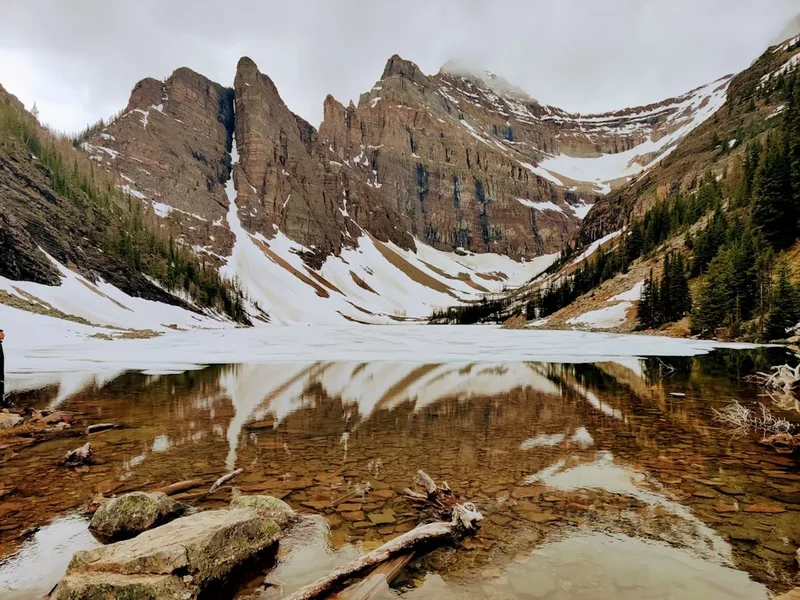
Lake Agnes Tea House Trail - Day Hike Itinerary
Early Morning (Approx. 8:00 AM - 9:00 AM): Arrival and Trailhead Start
- Arrive at Lake Louise. Parking is extremely limited and fills very early; consider using the Parks Canada shuttle service or arriving before 7:00 AM.
- Locate the trailhead at the far end of the Lake Louise shoreline, past the Fairmont Chateau Lake Louise.
- Begin the hike, enjoying the initial views of Lake Louise in the morning light.
Morning (Approx. 9:00 AM - 11:00 AM): Forest Ascent and Viewpoints
- Ascend through the dense coniferous forest.
- Pass several viewpoints offering increasingly expansive vistas of Lake Louise and the surrounding valley.
- The trail is a steady, moderate incline, allowing for a comfortable pace.
- Listen for the sounds of waterfalls as you get closer to the destination.
Midday (Approx. 11:00 AM - 1:00 PM): Arrival at Lake Agnes and Tea House Break
- Reach the shores of Lake Agnes.
- Admire the serene alpine lake, the surrounding peaks, and the cascading waterfalls feeding the lake.
- Visit the historic Lake Agnes Tea House.
- Enjoy a well-deserved break with tea, scones, or other refreshments.
- Take time to explore the immediate area around the lake.
Afternoon (Approx. 1:00 PM - 3:00 PM): Descent and Return to Lake Louise
- Begin the descent back down the trail.
- The descent can be faster but requires careful footing, especially on switchbacks.
- Enjoy the changing perspectives of Lake Louise as you approach the trailhead.
- Return to the Lake Louise shoreline.
Optional Extensions:
- Little Beehive: A short, steeper detour from the main trail offers even more expansive views of Lake Louise and the surrounding valleys. (Adds approx. 1.0 km round trip, 100 m elevation gain).
- Big Beehive: A more challenging extension that circles around the back of Lake Agnes, offering panoramic views from a higher vantage point. (Adds approx. 2.0 km round trip, 150 m elevation gain from Lake Agnes).
- Mirror Lake: A beautiful, calm lake located just before Lake Agnes, often reflecting the surrounding mountains.
Important Notes:
- The tea house operates on a cash-only basis.
- Be prepared for crowds, especially during peak season. Arrive early or consider visiting on a weekday.
- Carry water and snacks, even though refreshments are available at the tea house.
- Wear sturdy, comfortable hiking shoes.
- Check the Parks Canada website for trail conditions and shuttle information.
Planning and Bookings
Book Your Trip
Everything you need to plan your journey
Accommodation
Find places to stay near Lake Louise
Flights
Search flights to Lake Louise
Essential Preparation
The Lake Agnes Tea House Trail is a popular day hike, and planning is key to a smooth and enjoyable experience. The primary logistical challenge is accessing Lake Louise itself, as parking is extremely limited and often full by mid-morning, especially during the summer months. Parks Canada operates a shuttle service from designated parking lots in the Lake Louise village, which is highly recommended. Booking shuttle tickets in advance is often necessary.
If you are driving, aim to arrive at Lake Louise before 7:00 AM, particularly during July and August. Alternatively, consider staying in the town of Banff or Canmore and taking a bus tour or the Roam Public Transit service to Lake Louise. The closest major airport is Calgary International Airport (YYC), approximately a 2-hour drive east of Lake Louise. Ensure you have a Parks Canada Discovery Pass for entry into Banff National Park; these can be purchased online or at park gates.
The hike is moderate, but good physical condition is recommended. Ensure you are comfortable walking uphill for an extended period. The trail is well-marked, but carrying a map or using a navigation app is always a good idea.
Trail Accommodation
This is a day hike requiring no overnight accommodation. The destination, Lake Agnes Tea House, is a historic establishment that serves refreshments but does not offer overnight lodging. Hikers typically complete the trail and return to their accommodation in Lake Louise, Banff, or surrounding areas.
Required Gear
- Hiking Boots: Sturdy, broken-in hiking boots with good ankle support are essential for navigating the uneven terrain and elevation gain.
- Waterproof Jacket: Mountain weather can change rapidly. A waterproof and windproof jacket is crucial, even on a sunny day.
- Layers of Clothing: Wear moisture-wicking base layers, an insulating mid-layer (fleece or down jacket), and a waterproof outer shell. Avoid cotton.
- Backpack: A comfortable daypack (20-30 litres) to carry essentials.
- Navigation: A map of the area and a compass, or a reliable GPS device/smartphone with offline maps. The trail is well-marked, but it's good practice to have navigation tools.
- First-Aid Kit: A basic kit including bandages, antiseptic wipes, pain relievers, blister treatment, and any personal medications.
- Sun Protection: High SPF sunscreen, sunglasses, and a wide-brimmed hat are important, as the sun can be intense at higher altitudes.
- Insect Repellent: Especially important during summer months to ward off mosquitoes and black flies.
What to Bring
- Water: Carry at least 1-2 litres of water per person. While there are streams, it's best to treat or filter any water you collect.
- Food/Snacks: While the tea house offers refreshments, it's wise to bring your own snacks (trail mix, energy bars, fruit) to keep your energy levels up.
- Cash: The Lake Agnes Tea House operates on a cash-only basis. Ensure you have enough Canadian dollars for your desired refreshments.
- Camera: To capture the stunning scenery.
- Trekking Poles (Optional): Can be helpful for stability on the ascent and to reduce strain on knees during the descent.
- Binoculars (Optional): For wildlife viewing or appreciating distant peaks.
Permits
To hike the Lake Agnes Tea House Trail, you will need a Parks Canada Discovery Pass to enter Banff National Park. This pass is required for all visitors driving into the park. Passes can be purchased online in advance through the Parks Canada website or at park gates upon arrival.
Parking and Shuttle Reservations:
- Parking: Parking at Lake Louise is extremely limited and operates on a first-come, first-served basis. It is highly recommended to arrive very early in the morning (before 7:00 AM) or consider alternative transportation.
- Parks Canada Shuttle: A shuttle service operates from designated parking lots in the Lake Louise village to the Lake Louise lakeshore. Reservations for the shuttle are mandatory during peak season (typically May to October) and can be made online through the Parks Canada website. It is advisable to book shuttle tickets well in advance, as they sell out quickly.
- Roam Public Transit: Roam Transit offers bus services from Banff and Canmore to Lake Louise, which can be a convenient alternative to driving and parking.
Trail Access: There are no specific permits required for hiking the Lake Agnes Tea House Trail itself, beyond the general park entry pass. However, it is always recommended to check the Parks Canada website for any trail advisories, closures, or special conditions before your visit.
Other Activities in the Area
The Lake Louise area offers a wealth of activities for visitors to enjoy, complementing the Lake Agnes Tea House hike:
- Lake Louise Shoreline Walk: A gentle, paved path along the edge of Lake Louise, offering iconic views and photo opportunities.
- Fairmont Chateau Lake Louise: Explore the historic hotel, enjoy afternoon tea, or dine with stunning lake views.
- Canoeing on Lake Louise: Rent a canoe from the boathouse and paddle on the turquoise waters for a unique perspective of the surrounding mountains.
- Plain of Six Glaciers Trail: A more challenging hike that continues past Lake Agnes, leading to another historic tea house and stunning views of glaciers.
- Moraine Lake: A short drive (or shuttle ride) from Lake Louise, Moraine Lake is another jewel of Banff National Park, famous for its vibrant blue water and the Valley of the Ten Peaks. Access to Moraine Lake Road is restricted to shuttle or tour bus services.
- Banff Gondola: Take a scenic gondola ride up Sulphur Mountain in Banff town for panoramic views of the Bow Valley.
- Johnston Canyon: A popular boardwalk trail through a stunning canyon with waterfalls and unique geological formations.
Safety and Conditions
Trail Conditions:
- The Lake Agnes Tea House Trail is generally well-maintained and clearly marked.
- Snow can linger on the trail into early June, especially in shaded areas. Check Parks Canada advisories for current conditions.
- The trail can be busy, particularly during peak season. Be courteous to other hikers and yield to those coming downhill.
- The tea house is cash-only. Ensure you have sufficient Canadian currency if you plan to purchase refreshments.
Weather:
- Mountain weather is unpredictable. Be prepared for sudden changes in temperature, wind, and precipitation.
- Always check the weather forecast before you go.
- Dress in layers and carry waterproof and windproof outer gear.
Wildlife:
- Banff National Park is home to various wildlife, including elk, deer, bears, and smaller mammals.
- Maintain a safe distance from all wildlife. Never feed animals.
- Carry bear spray and know how to use it, especially if venturing onto less-travelled trails or during dawn/dusk.
General Safety:
- Stay on marked trails to avoid getting lost and to protect the fragile alpine environment.
- Inform someone of your hiking plans, including your expected return time.
- Carry a fully charged mobile phone, though reception can be spotty in the mountains.
- Drink plenty of water and take breaks as needed.
- Be aware of your physical limitations. The trail is moderate, but the elevation gain can be challenging for some.
Side Trips and Points of Interest
Mirror Lake: Located just before the final ascent to Lake Agnes, Mirror Lake is a small, serene body of water that often provides stunning reflections of the surrounding mountains, particularly Mount Fairview and the Big Beehive. It's a beautiful spot for a brief pause and some photography.
Waterfalls of Lake Agnes: As you approach Lake Agnes, you'll hear the roar of cascading water. Several waterfalls feed the lake, tumbling down the steep cliffs. The main waterfall is particularly impressive, especially after periods of rain or snowmelt.
Lake Agnes Tea House: The historic tea house itself is a point of interest. Built in 1901, it has been serving hikers for over a century. Enjoying a cup of tea and a scone in this rustic setting, surrounded by alpine scenery, is a quintessential Canadian Rockies experience.
Little Beehive: For an enhanced view, a short, steep detour from the main trail leads to the Little Beehive. From this vantage point, you get a broader panorama of Lake Louise, the Chateau, and the Bow Valley. It's a worthwhile addition if you have the energy.
Big Beehive: A more significant extension from Lake Agnes, the Big Beehive offers arguably the most spectacular views of Lake Louise. The trail circles around the back of Lake Agnes, providing a bird's-eye perspective of the lake's vibrant colour and the surrounding peaks. This adds considerable distance and elevation but is highly recommended for those seeking the ultimate vista.
Leave No Trace
The Lake Agnes Tea House Trail, like all trails in Banff National Park, is a precious natural resource that requires responsible stewardship. Adhering to Leave No Trace principles ensures that this beautiful environment remains pristine for future generations.
Plan Ahead and Prepare: Research trail conditions, weather forecasts, and any specific regulations for Banff National Park before your visit. Understand the shuttle system and parking limitations.
Travel and Camp on Durable Surfaces: Stay on the marked trail at all times. The vegetation in the alpine environment is fragile and can take many years to recover from damage. Stick to the established paths and viewpoints.
Dispose of Waste Properly: Pack out everything you pack in. This includes all food scraps, wrappers, and any other litter. There are no garbage bins on the trail or at the tea house. Use the facilities at the tea house or carry a small bag for your waste.
Leave What You Find: Do not remove any natural objects, such as rocks, flowers, or plants. Take only photographs and memories.
Minimize Campfire Impacts: Campfires are not permitted on this day hike. The tea house is a historic structure and not a camping location.
Respect Wildlife: Observe wildlife from a distance and never feed them. Feeding animals can alter their natural behaviour and pose risks to both the animals and future visitors.
Be Considerate of Other Visitors: Keep noise levels down, yield to other hikers, and be mindful of the shared experience. The popularity of this trail means respecting others is paramount.
 Canada