
Laguna Torre Trail - El Chaltén's Glacial Gem
The Laguna Torre Trail is one of the most iconic and accessible day hikes in El Chaltén, Argentina, often referred to as the "Trekking Capital of Argentina." This moderately challenging route leads hikers through a diverse Patagonian landscape, culminating in the breathtaking sight of Laguna Torre, a glacial lake fed by the mighty Cerro Torre massif. The trail offers a quintessential El Chaltén experience, showcasing windswept plains, dense lenga forests, and dramatic mountain vistas, all within a manageable day's trek. It's a journey that promises awe-inspiring scenery without requiring multi-day commitment, making it a must-do for visitors to the region.
- Distance: 19.0 km (return)
- Duration: 6–8 hours
- Elevation Gain: 750 m
- Difficulty: Moderate
- Best Time: October to April (Spring to Autumn)
- Closest City: El Chaltén
- Trailhead Access: Walkable from El Chaltén town centre; parking available
- Permits: No permits required for day hikes
Overview
The Laguna Torre Trail is a classic Patagonian trek that encapsulates the raw beauty and dramatic scale of Los Glaciares National Park. Starting from the outskirts of El Chaltén, the path initially traverses open, rolling terrain, offering expansive views of the surrounding steppe and distant mountain ranges. As the trail progresses, it dips into the enchanting lenga forests, their vibrant autumn colours (if hiking in April) or fresh green foliage providing a stark contrast to the open plains. The sound of the Fitz Roy River, a powerful glacial meltwater stream, accompanies much of the journey, its turquoise hue a constant reminder of the icy origins of this landscape.
The ascent is gradual for the most part, with a more significant climb in the latter stages as the trail approaches the lake. Along the way, several viewpoints offer tantalising glimpses of the iconic Cerro Torre, a needle-like granite spire that is one of the world's most challenging and visually striking mountains. The final approach to Laguna Torre is particularly rewarding, with the landscape opening up to reveal the full grandeur of the massif, its glaciers, and the ice-choked lake.
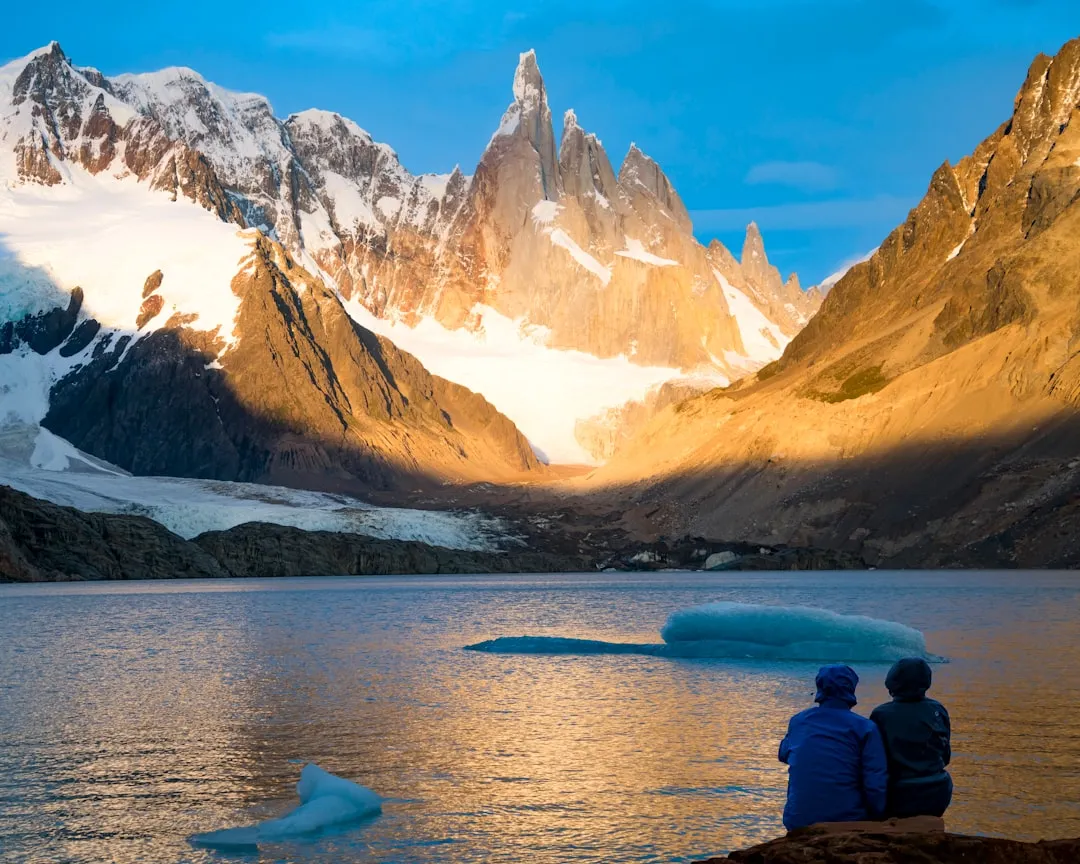
Upon reaching Laguna Torre, hikers are greeted by a spectacular panorama. The lake itself is often dotted with icebergs calved from the Torre Glacier, creating a dynamic and ever-changing scene. Dominating the backdrop is the legendary Cerro Torre, its sheer granite walls often shrouded in wisps of cloud, adding to its mystique. The trail is well-maintained and marked, making it accessible to most reasonably fit hikers, though the distance and elevation gain require a good level of stamina. It's a journey that rewards effort with unforgettable vistas, solidifying its reputation as a premier day hike in Patagonia.
History and Cultural Context
The region surrounding El Chaltén, including the area around Laguna Torre, has a rich history deeply intertwined with the indigenous Tehuelche people, who were the original inhabitants of Patagonia. These nomadic groups traversed the vast plains and mountains for millennia, their lives dictated by the seasons and the availability of game. While specific historical records of their use of the immediate Laguna Torre area are scarce, their presence and deep connection to this land are undeniable.
The modern history of El Chaltén and its trekking routes is more recent, dating back to the mid-20th century. The establishment of El Chaltén as a national park and a trekking hub began in the 1970s and 1980s. The allure of the dramatic granite spires, particularly Mount Fitz Roy and Cerro Torre, drew mountaineers and adventurers from around the globe. The development of trails like the one to Laguna Torre was driven by the need to provide access for these explorers and, later, for the growing number of trekkers and tourists.
Cerro Torre itself has a legendary status in mountaineering history. Its first ascent in 1974 by an Italian expedition led by Walter Bonatti, Cesare Maestri, and Carlo Claus was one of the most audacious and debated climbs of the 20th century. The mountain's extreme technical difficulty, unpredictable weather, and remote location have made it a formidable challenge, attracting only the most skilled and determined climbers. The trails leading to its base, such as the Laguna Torre path, offer ordinary hikers a chance to witness its imposing presence up close, a testament to the enduring human fascination with these wild, vertical landscapes.
Seasonal Highlights and Weather Reality
The best time to hike the Laguna Torre Trail is during the Patagonian spring, summer, and early autumn, generally from October to April. This period offers the most favourable weather conditions, with longer daylight hours and a higher chance of clear skies.
Spring (October–November): The landscape begins to awaken after winter. Wildflowers start to bloom, and the lenga forests show fresh green growth. While days are getting longer, temperatures can still be cool, and snow may linger at higher elevations. Wind is a constant factor, and rain is always a possibility.
Summer (December–February): This is the peak season. Days are longest, and temperatures are generally mildest, though rarely hot. The lenga forests are in full leaf, and the Fitz Roy River is at its most vibrant turquoise due to glacial melt. However, summer also brings the highest number of visitors and the most intense winds. Sandflies can be present, though generally less problematic than in wetter coastal regions.
Autumn (March–April): This is a spectacular time to visit, particularly for photographers. The lenga forests turn brilliant shades of red, orange, and yellow, creating a breathtaking spectacle against the granite peaks. The weather can be more unpredictable, with a higher chance of rain and snow, but the reduced crowds and stunning colours make it a favourite for many. Temperatures begin to drop, and daylight hours shorten.
Winter (May–September): The trail is generally not recommended for day hiking during winter due to heavy snowfall, icy conditions, and extremely cold temperatures. Access can be difficult, and the risk of avalanches is present. While experienced winter mountaineers might attempt parts of the route, it is not suitable for casual hikers.
Weather Reality: It is crucial to understand that Patagonian weather is notoriously fickle and can change with extreme rapidity. Even during the summer months, you can experience all four seasons in a single day. Strong winds, often referred to as "Patagonian gales," are a defining characteristic of the region and can make hiking challenging and uncomfortable. Always be prepared for rain, wind, and cold, regardless of the season.
Recommended Itinerary
Laguna Torre Day Hike Itinerary
Early Morning (Approx. 8:00 AM): Departure from El Chaltén
- Begin walking from your accommodation in El Chaltén towards the trailhead.
- The trailhead is well-marked and located on the northern edge of town, accessible via a short walk along Avenida Lago del Desierto.
- Ensure you have all your gear, water, and snacks packed.
Morning (Approx. 8:30 AM - 12:30 PM): Ascent through Forests and Plains
- Distance covered: Approximately 8.5 km
- Elevation gain: Gradual, with some undulating sections
- The trail starts with a gentle climb through open steppe, offering panoramic views of the valley and the iconic Mount Fitz Roy in the distance (weather permitting).
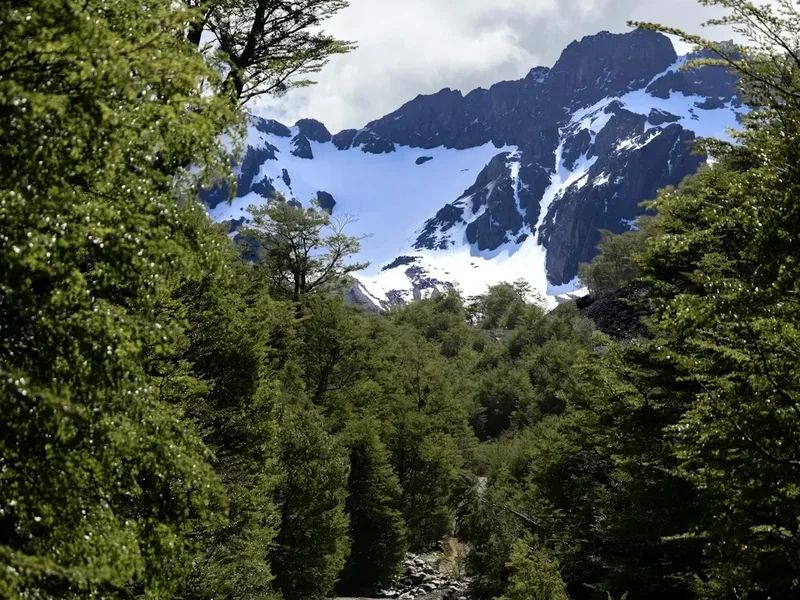
- You will soon enter the lenga forests, which provide welcome shade and shelter from the wind.
- Pass the Mirador del Fitz Roy viewpoint, offering a classic perspective of the mountain.
- Continue through the forest, following the well-marked path.
- The Fitz Roy River will be visible and audible for much of this section.
Midday (Approx. 12:30 PM - 1:30 PM): Arrival at Laguna Torre and Lunch
- Distance covered: Approximately 10.5 km from trailhead
- Elevation gain: Reaching the final ascent towards the lake
- The final kilometre or so involves a steeper climb as you approach the glacial moraine.
- Arrive at Laguna Torre.
- Spend time admiring the breathtaking view: the turquoise glacial lake, often filled with icebergs calved from the Torre Glacier, and the imposing granite spires of the Cerro Torre massif.
- Find a suitable spot to enjoy your packed lunch and soak in the magnificent scenery.
Afternoon (Approx. 1:30 PM - 4:30 PM): Exploration and Return Journey
- Explore the shores of Laguna Torre. Walk along the moraine ridge for different perspectives of the lake and the glacier.
- Begin the descent back towards El Chaltén.
- The return journey offers a different perspective of the landscape, with the mountains now behind you.
- The descent is generally quicker than the ascent, but care should be taken on steeper sections.
Late Afternoon (Approx. 4:30 PM - 5:30 PM): Return to El Chaltén
- Arrive back in El Chaltén, tired but exhilarated by the day's adventure.
- Enjoy a well-deserved meal or drink in one of the town's many restaurants or breweries.
Important Notes:
- This is a day hike; no overnight accommodation is required.
- Carry sufficient water or a water filter, as water sources are available but should be treated.
- Pack plenty of high-energy snacks and a substantial lunch.
- The weather can change rapidly; always carry layers of warm and waterproof clothing.
- Strong winds are common; be prepared for challenging conditions.
- Wear sturdy, broken-in hiking boots.
Planning and Bookings
Book Your Trip
Everything you need to plan your journey
Accommodation
Find places to stay near El Chalten
Flights
Search flights to El Chalten
Essential Preparation
The Laguna Torre Trail is a popular day hike, and while no advance bookings are required for the trail itself, planning your trip to El Chaltén is essential. El Chaltén is a small town that experiences significant visitor numbers during the peak season (December to February). It's advisable to book accommodation and any desired tours or transport well in advance. El Chaltén is accessible via El Calafate, which has the nearest airport (FTE). Regular bus services operate between El Calafate and El Chaltén, taking approximately 3 hours. The trailhead for Laguna Torre is within walking distance of most accommodations in El Chaltén, eliminating the need for special transport to the start of the hike.
Trail Accommodation
This is a day hike requiring no overnight accommodation.
Required Gear
- Sturdy Hiking Boots: Waterproof and well broken-in, with good ankle support.
- Waterproof Jacket: Essential for protection against rain and wind. Look for breathable materials like Gore-Tex.
- Waterproof Overtrousers: To keep your legs dry during downpours.
- Warm Layers: Including a fleece or down jacket, and thermal base layers. Patagonian weather can be unpredictable, and temperatures can drop quickly.
- Hat and Gloves: Even in summer, mornings and evenings can be chilly, and wind can make it feel colder.
- Sun Protection: High SPF sunscreen, sunglasses, and a wide-brimmed hat. The sun can be intense at this latitude, especially at higher elevations.
- Backpack: A comfortable daypack (20-30 litres) to carry your essentials.
- Navigation: While the trail is well-marked, a map and compass or a GPS device with an offline map app is always recommended.
- First-Aid Kit: Including blister treatment, pain relievers, antiseptic wipes, and any personal medications.
- Head Torch: With spare batteries, in case of unexpected delays or early starts/late finishes.
What to Bring
- Food: Plenty of high-energy snacks (nuts, dried fruit, energy bars) and a substantial packed lunch. There are no facilities to purchase food along the trail.
- Water: Carry at least 1.5-2 litres of water per person. Alternatively, bring a water filter or purification tablets, as water from streams is generally safe to drink but treating it is always recommended.
- Toiletries: Biodegradable toilet paper, hand sanitiser, and any personal hygiene items. Pack out all used toilet paper.
- Camera: To capture the stunning scenery.
- Trekking Poles: Optional, but can be very helpful for the ascents and descents, especially on the moraine sections.
- Insect Repellent: While not as prevalent as in some other regions, sandflies can be present, especially near water sources.
- Small Trash Bag: To pack out all your rubbish.
Permits
No permits are required to hike the Laguna Torre Trail. As a popular day hike within Los Glaciares National Park, access is generally open to all visitors. However, it is always advisable to check the official website of Los Glaciares National Park or the Argentinian National Parks Administration for any last-minute changes or specific regulations that may be in place.
While no permits are needed for the trail itself, visitors are expected to adhere to the park's regulations, which include staying on marked trails, packing out all rubbish, and respecting the natural environment. Entrance fees may apply to Los Glaciares National Park, depending on your point of entry and how you are accessing the park. However, for day hikes originating from El Chaltén, the primary access points are typically covered by the general park entry, and specific trail permits are not issued for Laguna Torre.
Other Activities in the Area
El Chaltén and its surroundings offer a wealth of activities for outdoor enthusiasts:
- Mount Fitz Roy Trek (Laguna de los Tres): The most famous hike in El Chaltén, leading to the base of Mount Fitz Roy. This is a more challenging day hike (approx. 20-25 km return, 8-10 hours) with a very steep final ascent.
- Chorrillo del Salto: A short, easy walk (approx. 4 km return) from El Chaltén to a beautiful waterfall. Ideal for a relaxed afternoon or for those seeking a less strenuous option.
- Mirador de los Cóndores and Mirador de las Águilas: Two short, relatively easy hikes from El Chaltén offering panoramic views of the town, the valley, and the surrounding mountains.
- Cerro Huemul Trail: A more challenging multi-day trek that offers stunning views of the Viedma Glacier and the Southern Patagonian Ice Field. Requires more planning and potentially permits for camping.
- Ice Trekking on Viedma Glacier: Guided tours are available for ice trekking on the Viedma Glacier, offering a unique perspective of glacial formations.
- Rock Climbing: El Chaltén is a world-renowned destination for rock climbing, with routes for all skill levels on various granite formations.
- Horseback Riding: Explore the Patagonian steppe on horseback with guided tours offering a different way to experience the landscape.
- Kayaking on Lago Viedma: Guided kayaking tours on Lago Viedma provide opportunities to get close to icebergs and enjoy the grandeur of the glacier.
Safety and Conditions
Weather Preparedness: Patagonian weather is notoriously unpredictable. Always check the forecast before you set out, but be prepared for rapid changes. Strong winds are common and can make hiking difficult and dangerous. Carry waterproof and windproof layers, even on seemingly clear days.
Trail Conditions: The Laguna Torre Trail is generally well-maintained. However, sections can become muddy or slippery after rain. The final approach to Laguna Torre involves walking over a glacial moraine, which can be uneven and rocky. Wear sturdy hiking boots with good grip.
Water: While there are numerous streams along the trail, it is always recommended to treat water from natural sources using a filter, purification tablets, or by boiling. Carry sufficient water to start your hike, especially during warmer months.
Navigation: The trail is clearly marked for most of its length. However, in case of fog or poor visibility, it's essential to have a map and compass or a GPS device with an offline map. Inform someone of your hiking plans and expected return time.
Wildlife: You may encounter guanacos, condors, and various bird species. Keep a safe distance and do not feed any wildlife. Sandflies can be present, particularly in sheltered, damp areas, so consider bringing insect repellent.
Emergency: Cell phone reception can be unreliable along the trail. Consider carrying a personal locator beacon (PLB) or satellite messenger for remote areas. The nearest emergency services are in El Chaltén.
Physical Fitness: The hike is moderately challenging due to its length and elevation gain. Ensure you are physically fit enough to complete the 19 km round trip with significant elevation changes. Take breaks as needed and listen to your body.
Side Trips and Points of Interest
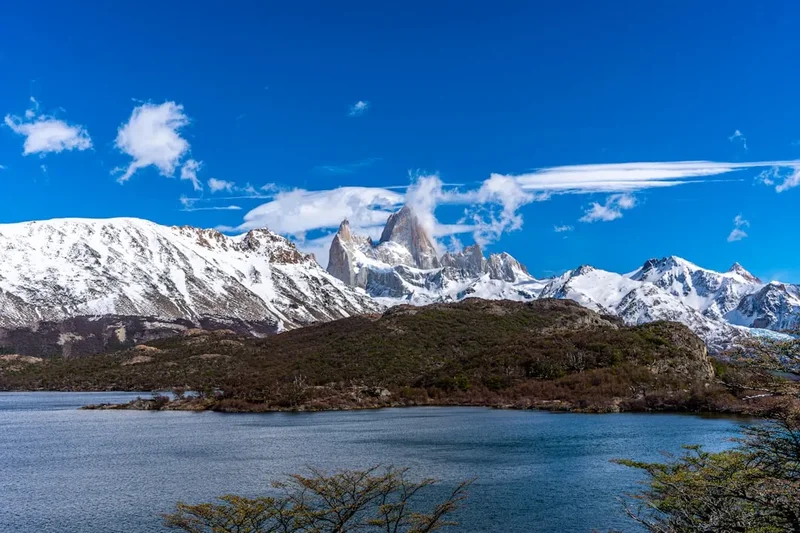
Mirador del Fitz Roy: Located approximately halfway along the trail, this viewpoint offers a classic, postcard-perfect vista of Mount Fitz Roy and its surrounding peaks, often framed by the lenga trees. It's an excellent spot for photographs and a good place to take a short break.
Laguna Torre Icebergs: The most significant point of interest is Laguna Torre itself. The lake is fed by the Torre Glacier, and it is common to see icebergs of various sizes floating in the water, having calved from the glacier. These icebergs create a dynamic and ever-changing landscape, reflecting the dramatic colours of the sky and mountains.
Cerro Torre Massif: The star attraction. Cerro Torre is a legendary granite spire, renowned for its extreme technical difficulty and its dramatic, often cloud-shrouded appearance. The views of Cerro Torre, along with its neighbouring peaks like Torre Egger and Standhardt, are simply awe-inspiring from the lake's edge.
Torre Glacier: While you cannot walk directly onto the glacier, its presence is felt through the icebergs in the lake and the sheer scale of the ice flow visible from the shore. The glacier is a powerful force shaping the landscape.
The Moraine: The final approach to Laguna Torre involves traversing a rocky moraine, a ridge of debris deposited by the glacier. This offers a rugged, natural foreground to the spectacular mountain views and a sense of the immense geological forces at play.
Leave No Trace
The Laguna Torre Trail passes through the pristine environment of Los Glaciares National Park, a UNESCO World Heritage site. It is crucial for all visitors to practice Leave No Trace principles to preserve this fragile ecosystem for future generations.
- Plan Ahead and Prepare: Familiarise yourself with the trail, weather conditions, and any park regulations before you go. Pack appropriately for the conditions.
- Travel and Camp on Durable Surfaces: Stay on the marked trail at all times. Avoid walking on vegetation, especially in the lenga forests, as it is easily damaged and slow to recover.
- Dispose of Waste Properly: Pack out everything you pack in, including all food scraps, wrappers, and used toilet paper. Use the designated toilets in El Chaltén or carry a trowel to bury human waste at least 70 metres away from water sources and trails if no facilities are available (though this is generally not applicable for this day hike).
- Leave What You Find: Do not remove any natural objects, such as rocks, plants, or flowers. Take only photographs and memories.
- Minimise Campfire Impacts: Campfires are not permitted on this day hike.
- Respect Wildlife: Observe wildlife from a distance and never feed them. Feeding wildlife can alter their natural behaviour and diet, and can be harmful to their health.
- Be Considerate of Other Visitors: Keep noise levels down, yield to uphill hikers, and be courteous to fellow trekkers.
By adhering to these principles, you help ensure that the beauty and wildness of Laguna Torre and its surroundings are protected.
 Argentina