
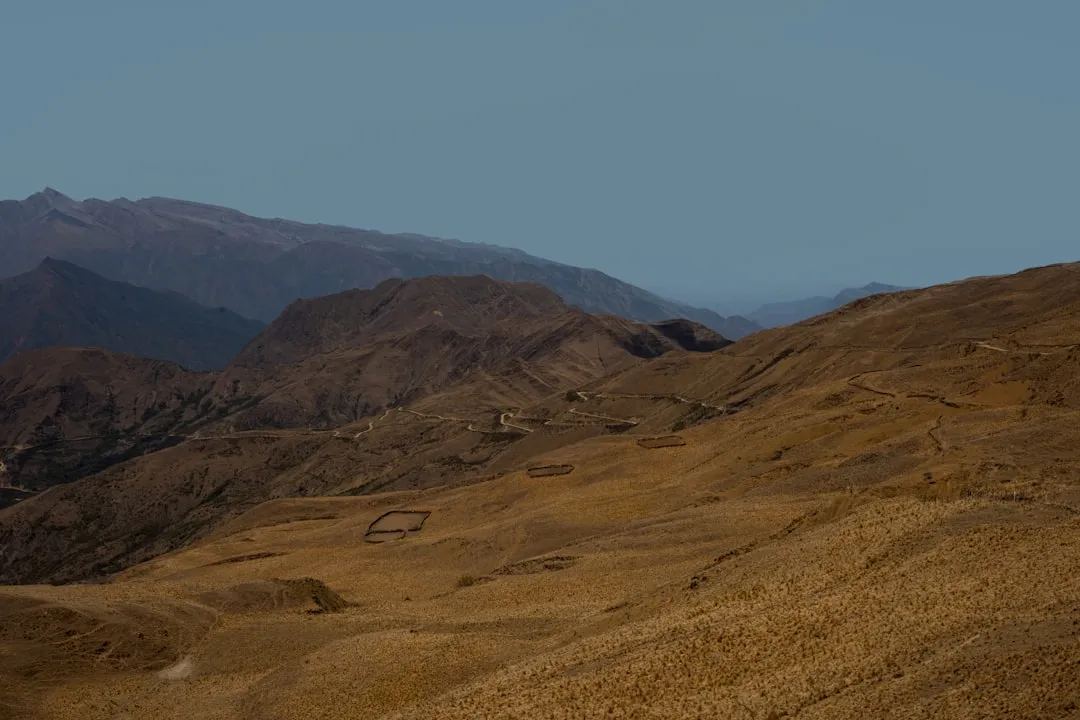
Laguna Ilon Trail
The Laguna Ilon Trail is a captivating day walk located in the heart of Argentina's Patagonian Andes, near the popular tourist hub of San Carlos de Bariloche. This trail offers a quintessential Patagonian experience, leading hikers through diverse landscapes of native Lenga forests, open alpine meadows, and rocky scree slopes to reach the stunning, turquoise waters of Laguna Ilon. The trail is renowned for its accessibility, moderate challenge, and the breathtaking reward of the glacial lake, making it a favourite for both locals and visitors seeking a taste of the region's natural grandeur.
- Distance: 12.0 km return
- Elevation Gain: 400 m
- Duration: 5-6 hours
- Difficulty: Moderate
- Best Time: October to April
- Closest City: San Carlos de Bariloche
- Trailhead Access: From San Carlos de Bariloche, take Ruta Provincial 82 towards Cerro Catedral. Continue past Cerro Catedral. The trailhead is located approximately 15km further along a dirt road. Car recommended; 4x4 advised in winter. Parking available. Check local park regulations for permit requirements.
- Coordinates: -41.1333, -71.4667
Overview
The Laguna Ilon Trail is a journey into the wild beauty of the Patagonian Andes, offering a moderate challenge with a significant scenic payoff. Starting from a trailhead accessible by car, the path immediately immerses you in the dense, ancient Lenga forests that characterise the lower slopes. These forests, with their gnarled trees and vibrant undergrowth, provide a cool, shaded environment for the initial part of the hike. As you ascend, the forest gradually thins, giving way to more open terrain. Here, the landscape transforms into rolling alpine meadows dotted with wildflowers during the warmer months, offering increasingly expansive views of the surrounding mountain ranges and valleys.
The final section of the trail involves a steeper climb over rocky ground and scree. This part requires careful footing but is well within the capabilities of most reasonably fit hikers. The effort is rewarded as you crest the final rise and are greeted by the spectacular sight of Laguna Ilon. This glacial lake, often a brilliant turquoise or emerald hue depending on the light and mineral content, is nestled in a dramatic cirque, framed by rugged peaks and often still holding patches of snow even in summer. The sheer beauty and pristine nature of the lake make it a perfect destination for a picnic lunch and a moment of quiet contemplation amidst the vastness of the Patagonian wilderness.
The trail is well-marked for most of its length, though conditions can vary, especially after periods of heavy rain or snow. The moderate elevation gain and distance make it an achievable day hike for those looking to experience the Andean landscape without committing to a multi-day trek. The accessibility from San Carlos de Bariloche further enhances its appeal, allowing for a full day of exploration before returning to the comforts of the city.
History and Cultural Context
The region surrounding San Carlos de Bariloche, including the area around Laguna Ilon, has a rich history shaped by indigenous peoples, early European settlers, and the development of tourism. For millennia, the lands were inhabited by indigenous groups such as the Mapuche and Tehuelche peoples, who traversed these mountains for hunting, gathering, and seasonal migration. Their deep connection to the land and its resources is an integral part of the region's heritage, though much of their traditional way of life has been impacted by historical changes.
European settlement in the late 19th and early 20th centuries brought significant changes. Pioneers, often of European descent, began to explore and exploit the natural resources of the Patagonian Andes. The establishment of estancias (ranches) and the development of infrastructure, such as roads and early tourism facilities, gradually transformed the landscape. San Carlos de Bariloche itself grew from a small settlement into a major tourist destination, particularly after the establishment of Nahuel Huapi National Park in 1934, one of Argentina's oldest national parks.
The Laguna Ilon Trail, while not associated with a specific dramatic historical event or famous explorer in the same vein as some other world-renowned trails, represents the ongoing human interaction with this wild landscape. It is a path forged by the desire to explore, appreciate, and connect with the natural beauty of the Andes. The trail's existence and popularity are a testament to the enduring allure of Patagonia and its ability to draw people seeking adventure and natural wonder. The surrounding national park protects not only the ecological integrity of the region but also the historical and cultural layers that have shaped it over centuries.
Seasonal Highlights and Weather Reality
The Laguna Ilon Trail is best enjoyed during the warmer months, from October to April, which constitute the Patagonian spring, summer, and early autumn. During this period, the weather is generally more stable, and the trails are typically free of snow, making for safer and more pleasant hiking conditions.
Spring (October–November): This is a time of renewal. The Lenga forests begin to bud, and alpine meadows start to bloom with wildflowers. The air is crisp, and while there can still be occasional late snowfalls at higher elevations, the lower parts of the trail are usually clear. The lakes are often at their most vibrant as snowmelt feeds them. Wildlife may be more active as they emerge from winter dormancy.
Summer (December–February): This is the peak season for hiking in Patagonia. Days are longest, and temperatures are generally mild, though they can fluctuate significantly. The alpine meadows are in full bloom, creating a colourful spectacle. This is also the time when sandflies can be most prevalent, especially in shaded, damp areas. The weather can be unpredictable, with sunny spells often interrupted by strong winds and sudden rain showers. It is essential to be prepared for all conditions.
Autumn (March–April): This season offers a spectacular display of colour as the Lenga trees turn shades of gold, orange, and red. The air becomes cooler, and the crowds of summer begin to thin. The light is often softer, making for beautiful photography opportunities. While generally pleasant, the risk of early snow increases towards the end of April, and days become shorter.
Winter (May–September): The Laguna Ilon Trail is generally not recommended for hiking during winter due to heavy snowfall, icy conditions, and extreme cold. Access roads may also be difficult or impassable. This period is more suited for experienced mountaineers with appropriate winter gear and knowledge.
Weather Considerations: Patagonian weather is notoriously changeable. Even in summer, it is common to experience four seasons in one day. Strong winds, often referred to as "Patagonian wind," are a frequent feature and can make hiking challenging. Always check the weather forecast before setting out and be prepared for rain, wind, and temperature drops, regardless of the season.
Recommended Itinerary
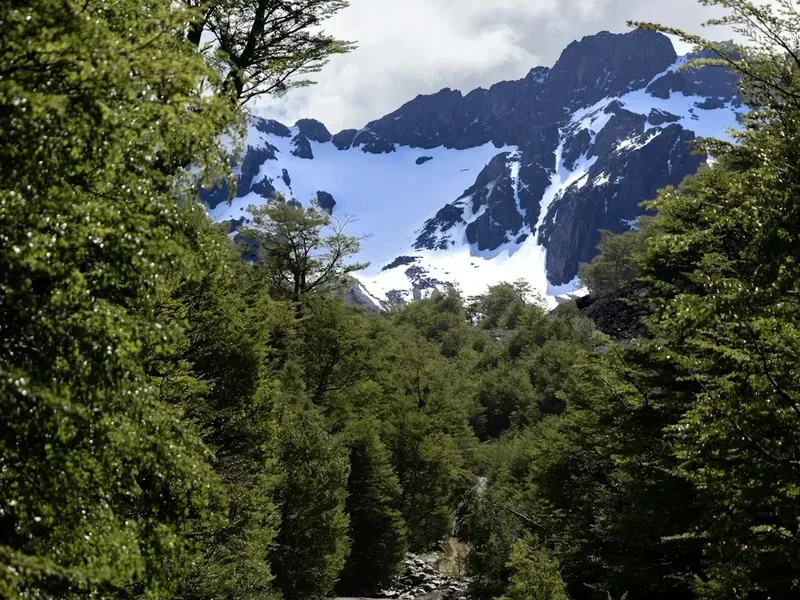
Laguna Ilon Trail - Day Hike Itinerary
Early Morning (Approx. 8:00 AM): Departure from San Carlos de Bariloche
- Begin your journey from San Carlos de Bariloche.
- Drive along Ruta Provincial 82 towards Cerro Catedral.
- Continue past the Cerro Catedral ski resort area.
- The trailhead is located approximately 15 km further along a dirt road. A 4x4 vehicle is advised, especially outside of peak summer, though a standard car can often manage in good conditions.
- Ensure you have checked local park regulations regarding any necessary permits or access fees.
Morning (Approx. 9:30 AM - 10:00 AM): Trailhead Arrival and Start of Hike
- Arrive at the trailhead for Laguna Ilon.
- Organise your gear, apply sunscreen and insect repellent.
- Begin the hike. The initial section is a gradual ascent through dense Lenga forests.
- Enjoy the shade and the sounds of the forest.
- Distance covered: Approximately 2.0 km.
- Elevation gain: Approx. 150 m.
- Time: 1-1.5 hours.
Midday (Approx. 12:00 PM - 1:00 PM): Reaching Laguna Ilon
- The trail transitions from forest to open alpine meadows and then rocky terrain.
- The ascent becomes steeper in the final kilometre.
- Arrive at Laguna Ilon.
- Distance covered: Approximately 6.0 km from trailhead.
- Total elevation gain: 400 m.
- Time: 2.5-3 hours from trailhead.
- Spend time admiring the lake, taking photographs, and enjoying a packed lunch.
- Observe the surrounding peaks and the glacial cirque.
Afternoon (Approx. 1:00 PM - 3:00 PM): Descent and Return to Trailhead
- Begin the descent back towards the trailhead.
- The descent can be faster but requires careful footing, especially on the rocky sections.
- Retrace your steps through the alpine meadows and Lenga forests.
- Distance covered: Approximately 6.0 km.
- Elevation loss: 400 m.
- Time: 1.5-2 hours.
Late Afternoon (Approx. 3:00 PM - 4:00 PM): Departure from Trailhead
- Arrive back at the trailhead.
- Pack up your belongings and begin the drive back to San Carlos de Bariloche.
Important Notes:
- This is a day hike; no overnight accommodation is required.
- Carry sufficient water and food for the entire duration.
- Be prepared for rapidly changing weather conditions.
- Wear sturdy hiking boots and dress in layers.
- Insect repellent is highly recommended, especially during warmer months.
Planning and Bookings
Book Your Trip
Everything you need to plan your journey
Accommodation
Find places to stay near San Carlos de Bariloche
Flights
Search flights to San Carlos de Bariloche
Essential Preparation
The Laguna Ilon Trail is a popular day hike, and while it doesn't require the extensive advance booking of multi-day treks, proper preparation is key to a successful and enjoyable experience. San Carlos de Bariloche is the primary logistical hub for accessing this trail. It offers a wide range of accommodation options, from budget hostels to luxury hotels, and is well-equipped with supermarkets for purchasing food and supplies, outdoor gear shops for any last-minute equipment needs, and transport services.
Access to the trailhead is best achieved by private vehicle. Renting a car in Bariloche is highly recommended, as public transport options to the trailhead are limited and infrequent. A 4x4 vehicle is advisable, particularly during the shoulder seasons or if there has been recent rainfall, as the final 15 km of the route to the trailhead is on a dirt road that can become challenging. Ensure you have a reliable map or GPS device, as mobile phone reception can be intermittent in the mountains.
Trail Accommodation
This is a day hike requiring no overnight accommodation.
Required Gear
- Sturdy hiking boots: Waterproof and with good ankle support are essential for navigating varied terrain, including rocky sections and potentially damp forest paths.
- Waterproof and windproof jacket: Patagonia's weather is notoriously unpredictable; a reliable outer shell is crucial for protection against rain and strong winds.
- Warm layers: Fleece or down jacket, thermal base layers. Temperatures can drop significantly, especially at higher elevations or if the weather turns.
- Trousers: Comfortable, quick-drying hiking trousers. Avoid jeans.
- Backpack: A daypack (20-30 litres) to carry essentials.
- Navigation tools: A map of the area, compass, and/or a GPS device or smartphone with offline maps downloaded.
- Head torch: With spare batteries, in case of unexpected delays or early starts/late finishes.
- First-aid kit: Including blister treatment, pain relievers, antiseptic wipes, and any personal medications.
- Sun protection: High SPF sunscreen, sunglasses, and a wide-brimmed hat. The sun can be intense at altitude, even on cloudy days.
What to Bring
- Food: Plenty of high-energy snacks (nuts, dried fruit, energy bars) and a substantial packed lunch.
- Water: At least 2 litres of water per person. While there are streams, it is advisable to treat or filter water from natural sources.
- Water treatment: Water filter or purification tablets.
- Insect repellent: Especially important during spring and summer months to ward off sandflies and other biting insects.
- Toiletries: Biodegradable soap, hand sanitiser, toilet paper. Pack out all waste.
- Trekking poles: Optional, but can be very helpful for stability on ascents and descents, particularly on rocky or uneven ground.
- Camera: To capture the stunning Patagonian scenery.
- Small plastic bags: For packing out all rubbish.
Permits
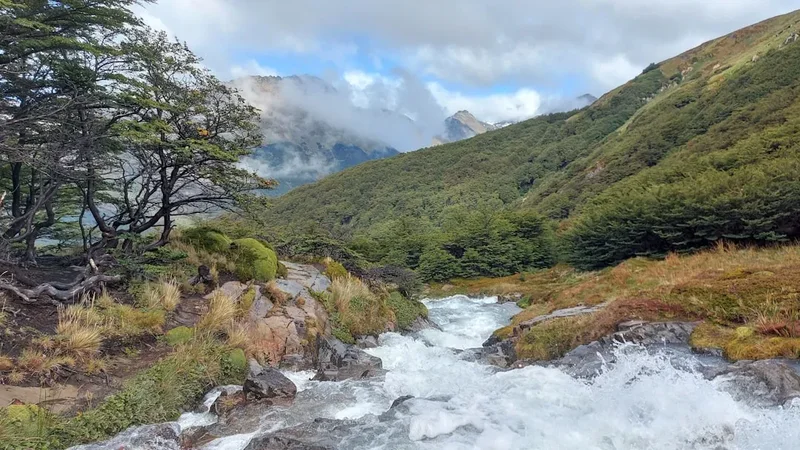
The Laguna Ilon Trail is located within or adjacent to Nahuel Huapi National Park. While many trails within national parks in Argentina do not require specific permits for day hiking, it is always advisable to check the latest regulations with the National Parks Administration (Administración de Parques Nacionales) or local park authorities before your visit. Information regarding any access fees, parking regulations, or specific trail rules should be confirmed.
Key points to consider:
- National Park Entry: Depending on the specific access point and current park management policies, there may be an entrance fee for Nahuel Huapi National Park.
- Trailhead Information: Local information centres in San Carlos de Bariloche or at park entrances can provide the most up-to-date details on permits, fees, and trail conditions.
- Vehicle Access: If driving, be aware of any regulations concerning the dirt road leading to the trailhead. Parking is generally available at the trailhead, but it is advisable to arrive early, especially during peak season, to secure a spot.
- No Overnight Permits: As this is a day hike, no specific overnight permits are required.
It is always best practice to be prepared for potential fees and to respect the regulations designed to protect the natural environment of the national park.
Other Activities in the Area
San Carlos de Bariloche and its surroundings offer a wealth of activities for visitors, complementing the hiking experience:
- Cerro Catedral: Located near the trailhead, this is a major ski resort in winter and offers scenic chairlift rides and hiking opportunities in summer. The views from the higher points are spectacular.
- Nahuel Huapi National Park: Explore other trails within the park, such as the hike to Refugio Frey or the Circuito Chico, a scenic loop offering panoramic views of lakes and mountains.
- Lake Nahuel Huapi: Enjoy boat trips on the vast lake, visit islands like Isla Victoria and the Arrayanes Forest, or try water sports such as kayaking and sailing.
- Bariloche City: Explore the charming town centre, known for its Swiss-Alps-inspired architecture, chocolate shops, craft breweries, and excellent restaurants offering Patagonian cuisine.
- Patagonian Chocolate Route: Indulge in the region's famous artisanal chocolates, with numerous shops offering a wide variety of flavours.
- Andean Museum (Museo de la Patagonia): Learn about the natural history, indigenous cultures, and pioneering history of the region.
- Fishing and Angling: The numerous lakes and rivers in the area are popular for trout fishing.
Safety and Conditions
Weather Preparedness: The most critical safety aspect for the Laguna Ilon Trail is being prepared for Patagonia's unpredictable weather. Always check the forecast before you leave Bariloche and be ready for sudden changes. Carry waterproof and windproof gear, warm layers, and sun protection. Hypothermia is a risk even in summer if you get wet and cold.
Trail Conditions: The trail is generally well-maintained, but sections can be rocky, uneven, and slippery, especially after rain. Wear sturdy hiking boots with good grip. The final ascent to the lake can be steep and may involve loose scree, requiring careful footing.
Navigation: While the trail is marked, it is essential to carry a map and compass or a GPS device with offline maps. Do not rely solely on mobile phone signal, as it is often unreliable in mountainous areas.
Water: Carry sufficient water for the entire hike. While streams are present, it is always recommended to treat or filter water from natural sources to avoid waterborne illnesses.
Wildlife: Be aware of local wildlife. While large predators are rare, you might encounter guanacos, foxes, or various bird species. Keep a safe distance and do not feed any animals.
Sandflies: During warmer months, sandflies can be a nuisance, particularly in shaded, damp areas and during dawn and dusk. Use effective insect repellent containing DEET or picaridin, and consider wearing long sleeves and trousers.
Emergency: Inform someone of your hiking plans, including your intended route and expected return time. In case of an emergency, try to stay calm and use your mobile phone if you have signal, or use a whistle to signal for help. The nearest emergency services would be based in San Carlos de Bariloche.
Physical Fitness: The trail is rated as moderate. Hikers should have a reasonable level of fitness and be comfortable with sustained uphill walking and some steeper, rocky sections. If you have any health concerns, consult your doctor before undertaking the hike.
Side Trips and Points of Interest
Laguna Ilon: The primary destination, this stunning glacial lake is the highlight of the hike. Its vibrant turquoise waters, set against a backdrop of rugged Andean peaks, offer a breathtaking reward for your efforts. The lake is an ideal spot for a picnic, photography, and simply soaking in the magnificent Patagonian scenery. Depending on the season, you might see snow patches clinging to the surrounding slopes.
Alpine Meadows and Wildflowers: During spring and summer, the meadows along the trail come alive with a variety of native wildflowers. These colourful displays add to the beauty of the hike and provide excellent opportunities for nature photography.
Lenga Forests: The initial and final sections of the trail wind through ancient Lenga forests. These trees, with their distinctive twisted trunks and branches, create a magical, almost primeval atmosphere. In autumn, these forests transform into a spectacle of vibrant reds, oranges, and yellows.
Panoramic Views: As you ascend, the trail opens up to provide increasingly expansive views of the surrounding mountain ranges, valleys, and potentially glimpses of other lakes in the distance. These viewpoints offer excellent opportunities to appreciate the vastness and grandeur of the Patagonian Andes.
Rocky Outcrops and Scree Slopes: The upper sections of the trail feature more rugged terrain, including rocky outcrops and scree slopes. While requiring careful navigation, these areas offer a different perspective on the geological forces that have shaped the landscape and provide a sense of being truly in the high mountains.
Leave No Trace
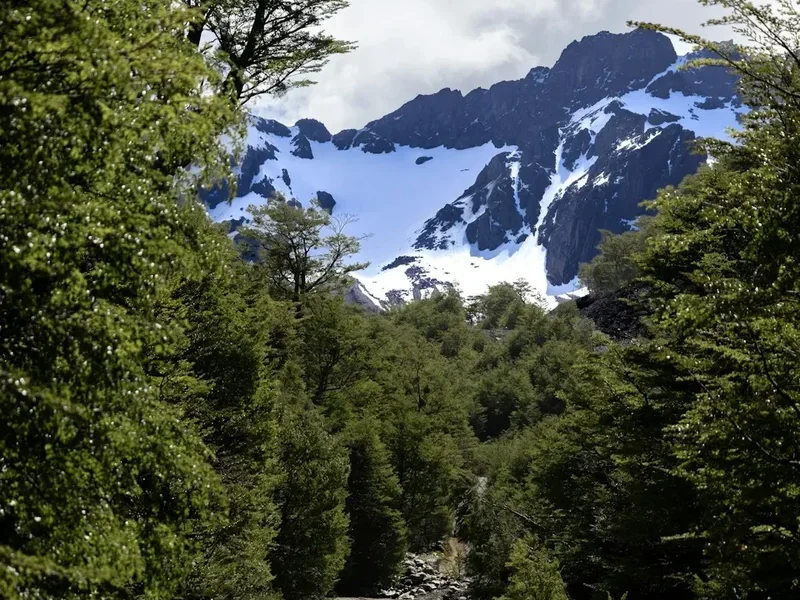
The Laguna Ilon Trail, like all natural environments, requires visitors to practice Leave No Trace principles to minimise their impact and preserve its beauty for future generations. Adhering to these guidelines ensures that the delicate ecosystems of the Patagonian Andes remain healthy and vibrant.
Plan Ahead and Prepare: Research the trail, check weather forecasts, and be prepared for all conditions. Know the regulations for Nahuel Huapi National Park. Pack appropriate gear and sufficient food and water.
Travel and Camp on Durable Surfaces: Stick to the marked trail at all times. Avoid walking on vegetation, especially in the alpine meadows, as it is slow to recover from damage. The trail itself is the designated durable surface.
Dispose of Waste Properly: Pack out everything you pack in, including all food scraps, wrappers, and any other litter. Use designated toilet facilities if available, or if not, dig a cathole at least 60 metres away from water sources, trails, and campsites, and bury human waste. Pack out toilet paper.
Leave What You Find: Do not remove any natural objects, such as rocks, plants, or flowers. Take only photographs and memories.
Minimise Campfire Impacts: Campfires are generally not permitted on day hikes and are highly discouraged in natural areas due to the risk of wildfires. Use a portable stove for cooking if necessary.
Respect Wildlife: Observe wildlife from a distance. Never feed animals, as it can disrupt their natural behaviours and diets, and can be harmful to their health. Store food securely.
Be Considerate of Other Visitors: Keep noise levels down, yield to other hikers on the trail, and maintain a respectful attitude towards fellow visitors and the natural environment.
 Argentina