
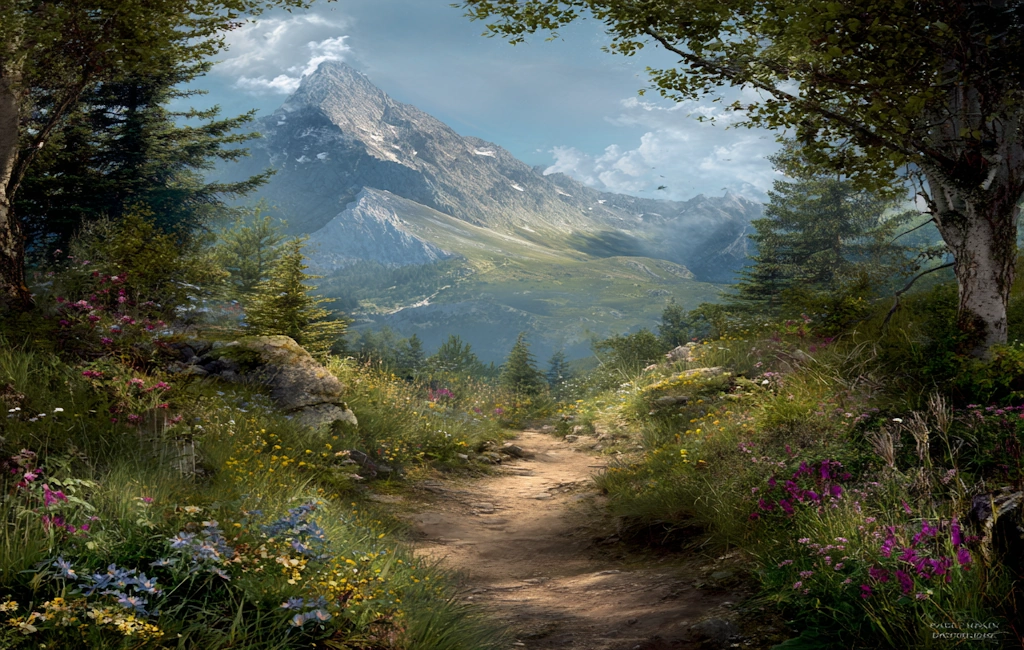
Laguna Grande de Gredos: A Jewel of the Sierra de Gredos
The Laguna Grande de Gredos trail is a quintessential day walk in Spain's stunning Sierra de Gredos mountain range, offering a moderate challenge with spectacular rewards. This route leads hikers to the heart of the Gredos massif, culminating at the breathtaking Laguna Grande, a glacial cirque lake nestled beneath the imposing peaks of Almanzor and Morezón. The journey is characterised by granite landscapes, alpine meadows, and the raw beauty of high-altitude terrain. It's a popular destination for both seasoned hikers and those seeking a memorable day out in nature, easily accessible from Madrid.
- Distance: 15.0 km (return)
- Elevation Gain: 750 m
- Duration: 5-6 hours
- Difficulty: Moderate
- Best Time: June to October
- Closest City: Madrid
- Trailhead Access: Plataforma de Gredos
- Permits: Not required for day access, but check park regulations
Overview
The hike to Laguna Grande de Gredos is a journey into the dramatic granite heart of the Sierra de Gredos Natural Park. Starting from the Plataforma de Gredos, a popular access point and parking area, the trail ascends steadily through a landscape sculpted by ancient glaciers. The initial section winds through open terrain, offering expansive views of the surrounding peaks and valleys. As you climb, the vegetation transitions from scrubland to more alpine flora, with hardy wildflowers dotting the meadows during the warmer months.
The trail is well-marked, though the terrain can be rocky and uneven in places, requiring sturdy footwear. The ascent is consistent, building a good level of fitness without being overly strenuous for those accustomed to mountain walking. Key landmarks include the Refugio Elola, a mountain hut situated near the Laguna, providing a welcome resting point and a base for further exploration. The final approach to Laguna Grande reveals its full glory: a pristine, deep blue lake reflecting the towering granite spires of Almanzor (2,592 m), the highest peak in the Gredos range, and Morezón (2,389 m).
The surrounding cirque, carved by glaciers millennia ago, creates a dramatic amphitheatre of rock. The air is crisp and clean, and the sense of remoteness is profound, despite its relative accessibility. The return journey offers a different perspective on the landscape, with the vastness of the mountains unfolding before you as you descend. This walk is a perfect introduction to the rugged beauty of the Sierra de Gredos, combining natural splendour with a satisfying physical challenge.
History and Cultural Context
The Sierra de Gredos has a long history of human interaction, primarily related to pastoralism and resource extraction. For centuries, these mountains have been used for grazing livestock, particularly sheep and goats, with shepherds establishing seasonal routes and temporary shelters. The granite formations themselves have been a source of building materials and, historically, for the extraction of stone for various purposes.
The development of the trail to Laguna Grande is linked to the rise of mountaineering and hiking in Spain during the 20th century. As national parks and protected areas became more established, routes like this were formalised to allow public access while aiming to preserve the natural environment. The Refugio Elola, built and maintained by the Real Federación Española de Montañismo (RFME), plays a significant role in supporting hikers and climbers, offering a vital point of refuge and information in this high-altitude environment.
The Gredos region is also steeped in local folklore and legends, often tied to the imposing natural features. The granite formations, with their unique shapes, have inspired tales and myths passed down through generations. The area's geological history, marked by glacial activity, has shaped not only the landscape but also the human stories associated with it, from ancient shepherds to modern-day adventurers seeking the wild beauty of the Spanish mountains.
Seasonal Highlights and Weather Reality
The best time to hike to Laguna Grande de Gredos is generally from June to October. During these months, the weather is typically more stable, and the snow has usually melted from the higher trails, making access easier and safer.
Spring (April-May): While beautiful, spring can be unpredictable. Snow can linger at higher elevations, and some sections of the trail might be icy or impassable, especially in early spring. Wildflowers begin to bloom, adding colour to the landscape, but temperatures can still be cool, and rain is common.
Summer (June-August): This is the peak season. The weather is generally warm and sunny, ideal for hiking. Wildflowers are in full bloom, creating vibrant meadows. However, summer can also bring afternoon thunderstorms, which are common in mountainous regions. It's crucial to start early to avoid the heat and potential storms. The Refugio Elola is usually open and can be a welcome stop.
Autumn (September-October): Autumn offers crisp air, clear skies, and stunning autumnal colours in the lower valleys. The crowds thin out, making for a more peaceful experience. The temperatures are cooler, and the risk of snow increases later in October. This is an excellent time for photography, with the golden hues of the landscape.
Winter (November-March): Winter in the Sierra de Gredos is harsh. The trail is often covered in deep snow, and temperatures can drop well below freezing. Ice is a significant hazard, and mountaineering equipment (crampons, ice axe) is essential. The Refugio Elola may have limited services or be closed. This season is only recommended for experienced winter mountaineers.
Weather Considerations: Mountain weather is notoriously changeable. Even in summer, conditions can shift rapidly. Be prepared for sun, wind, rain, and potentially even snow at higher altitudes. Always check the forecast before you go and be ready to turn back if conditions deteriorate.
Recommended Itinerary
Day Walk: Laguna Grande de Gredos
Early Morning (Approx. 8:00 AM): Arrival at Plataforma de Gredos
- Start your journey from Madrid, travelling by bus or car to Hoyos del Espino, then to the Plataforma de Gredos (trailhead).
- Ensure you have all your gear organised and have had breakfast.
- Check the weather forecast one last time.
Morning (Approx. 8:30 AM - 12:30 PM): Ascent to Laguna Grande
- Begin the hike from the Plataforma de Gredos (1,940 m).
- The trail is initially well-defined, ascending through open terrain with sparse vegetation.
- Follow the marked path, which gradually becomes rockier and steeper.
- Pass through areas with granite boulders and scree slopes.
- The elevation gain is steady, offering increasingly panoramic views of the surrounding Gredos massif.
- Key waypoints include signs indicating the direction towards Laguna Grande and Refugio Elola.
- Approximate distance covered: 7.5 km.
- Approximate elevation gain: 600 m.
Midday (Approx. 12:30 PM - 1:30 PM): Arrival at Laguna Grande and Refugio Elola
- Reach the stunning Laguna Grande (2,130 m).
- Take time to admire the glacial lake and the imposing peaks of Almanzor and Morezón.
- Optional: Visit the Refugio Elola for a rest, refreshments, or a packed lunch.
- Enjoy the spectacular scenery and the sense of accomplishment.
Afternoon (Approx. 1:30 PM - 4:30 PM): Descent to Plataforma de Gredos
- Begin the descent back to the Plataforma de Gredos.
- The descent follows the same path as the ascent.
- Be mindful of footing on the rocky and potentially loose terrain.
- Enjoy the changing light and perspectives on the landscape as you descend.
- Approximate distance covered: 7.5 km.
- Approximate elevation loss: 750 m.
Late Afternoon (Approx. 4:30 PM onwards): Departure
- Arrive back at Plataforma de Gredos.
- Allow time to rest and pack up your belongings.
- Begin your journey back to Hoyos del Espino and then to Madrid.
Important Notes:
- This is a day hike; no overnight accommodation is required on the trail itself.
- Carry sufficient water and food for the entire duration of the walk.
- Wear sturdy hiking boots and dress in layers, as mountain weather can change quickly.
- Sun protection (hat, sunglasses, sunscreen) is essential, even on cloudy days.
- Mobile phone signal can be intermittent in the mountains.
Planning and Bookings
Book Your Trip
Everything you need to plan your journey
Accommodation
Find places to stay near Madrid
Flights
Search flights to Madrid
Essential Preparation
The Sierra de Gredos is a popular destination, especially for those travelling from Madrid. Planning your trip in advance is crucial for a smooth experience. The closest major city is Madrid, from which you can reach the region. The most common access point for the Laguna Grande hike is the Plataforma de Gredos. This can be reached by public transport, though it requires a combination of bus and taxi/local transport. Buses run from Madrid to Hoyos del Espino (approximately 3 hours). From Hoyos del Espino, a taxi or a local bus service (which may be infrequent) can take you to the Plataforma de Gredos. Driving is also a viable option, taking around 2.5 hours from Madrid, with good road conditions leading to the trailhead. Parking is available at the Plataforma de Gredos, though it can get busy during peak season.
Fitness is a key consideration. While classified as moderate, the 750 metres of elevation gain over 15 km requires a reasonable level of cardiovascular fitness and leg strength. It is advisable to have prior hiking experience and to be comfortable walking on uneven, rocky terrain for 5-6 hours. Ensure you are well-hydrated and have adequate food supplies for the day.
Trail Accommodation
This is a day hike requiring no overnight accommodation.
Required Gear
- Hiking Boots: Sturdy, waterproof hiking boots with good ankle support are essential due to the rocky and uneven terrain. Ensure they are well broken-in to prevent blisters.
- Backpack: A comfortable daypack (20-30 litres) to carry your essentials.
- Clothing: Wear moisture-wicking base layers, an insulating mid-layer (fleece or down jacket), and a waterproof and windproof outer shell. Trousers should be durable and comfortable for hiking.
- Headwear: A sun hat or cap for protection from the sun, and a warm hat (beanie) for cooler temperatures or wind.
- Gloves: Lightweight gloves can be useful, especially in the early morning or if the weather turns cold.
- Navigation: While the trail is generally well-marked, a map of the area and a compass or GPS device are recommended. A mobile phone with a downloaded offline map is also advisable.
- Safety Gear: A basic first-aid kit including blister treatment, pain relievers, antiseptic wipes, and any personal medications. A head torch with spare batteries is useful in case of unexpected delays.
What to Bring
- Food: Plenty of high-energy snacks (nuts, dried fruit, energy bars) and a substantial packed lunch.
- Water: At least 2-3 litres of water per person. Water sources may be available, but it is advisable to treat or filter any water collected from natural sources.
- Sun Protection: High SPF sunscreen, sunglasses, and lip balm.
- Toiletries: Hand sanitiser, toilet paper, and a small bag for carrying out any waste.
- Personal Items: Camera, mobile phone, power bank, identification, and any personal comfort items.
- Trekking Poles: Optional, but can be very helpful for stability on ascents and descents, and for reducing strain on knees.
Permits
No specific permits are required for day access to the Laguna Grande de Gredos trail or the surrounding Sierra de Gredos Natural Park. However, it is always advisable to check the official website of the Junta de Castilla y León or the relevant park authorities for any temporary regulations, fire restrictions, or access changes that may be in effect, especially during peak seasons or periods of high fire risk.
While no booking is necessary for the trail itself, if you plan to stay at the Refugio Elola, it is highly recommended to book your spot in advance, particularly during the summer months and weekends. Bookings for the refuge can typically be made through the Real Federación Española de Montañismo (RFME) or directly with the refuge management. Information on booking the refuge can usually be found on hiking forums or the RFME website.
Other Activities in the Area
The Sierra de Gredos offers a wealth of activities for nature enthusiasts beyond the hike to Laguna Grande:
- Climbing and Bouldering: The granite formations of Gredos are renowned for their climbing opportunities, attracting climbers from across Spain and Europe. The area around Almanzor and Morezón offers challenging routes for experienced climbers.
- Other Hiking Trails: Numerous other hiking routes exist within the Sierra de Gredos, ranging from short, easy walks to multi-day treks. Popular options include the ascent of Pico Almanzor (for experienced mountaineers), the Circo de Gredos circuit, and trails leading to other high-altitude lakes like Laguna de los Caballeros.
- Wildlife Watching: The Gredos region is home to diverse wildlife, including Iberian ibex (cabras montesas), which are frequently seen on the rocky slopes. Birdwatchers can spot various raptors and alpine species.
- Photography: The dramatic landscapes, unique rock formations, and vibrant alpine flora provide endless opportunities for landscape photography, especially during sunrise and sunset.
- Visiting Hoyos del Espino: This charming mountain village serves as a gateway to the Gredos. It offers local amenities, restaurants serving regional cuisine, and a base for exploring the wider area.
- Star Gazing: Due to its remote location and minimal light pollution, the Sierra de Gredos is an excellent spot for stargazing, particularly on clear nights.
Safety and Conditions
Weather: Mountain weather is unpredictable. Always check the forecast before you leave and be prepared for rapid changes. Conditions can vary significantly between the base and the summit. Afternoon thunderstorms are common in summer and can develop quickly.
Terrain: The trail is rocky, uneven, and can be steep in sections. Sturdy hiking boots with good ankle support are essential. Loose scree can be present, requiring careful footing.
Altitude: The hike reaches an altitude of over 2,100 metres. While not extremely high, some individuals may experience mild altitude sickness. Ascend gradually and stay hydrated.
Water: Carry sufficient water for the entire hike. While there are natural water sources, it is advisable to treat or filter any water collected from streams or the lake.
Navigation: The main trail to Laguna Grande is generally well-marked. However, it is always recommended to carry a map and compass or a GPS device, especially if you plan to explore off the main path. Mobile phone signal can be unreliable in the mountains.
Refugio Elola: If you plan to use the refuge, check its opening times and booking status in advance. It provides a valuable point of reference and potential shelter in case of emergencies.
Emergency Contacts: In case of an emergency, dial 112 (the European emergency number). It is advisable to have the contact details for local mountain rescue services if available.
Ibex: While generally not aggressive, Iberian ibex are wild animals. Maintain a safe distance and do not attempt to feed them.
Side Trips and Points of Interest
Pico Almanzor Ascent: For experienced and well-equipped mountaineers, the ascent of Pico Almanzor (2,592 m), the highest peak in the Gredos, is a challenging but rewarding undertaking. This requires advanced climbing and navigation skills, often involving scrambling and potentially snow/ice conditions depending on the season. It is a significant undertaking separate from the Laguna Grande hike.
Laguna de los Caballeros: A beautiful, larger glacial lake located a further hike from Laguna Grande. This offers an extension for those seeking a longer day or an overnight trip (if camping is permitted and organised). The route to Laguna de los Caballeros is more rugged and less frequented.
Circo de Gredos: The entire area surrounding Laguna Grande is known as the Circo de Gredos, a dramatic glacial cirque. Exploring the immediate vicinity of the lake allows for appreciation of the immense scale of the granite walls and the geological forces that shaped the landscape.
Refugio Elola: While primarily a functional mountain hut, the Refugio Elola itself is a point of interest. Its location at the edge of Laguna Grande makes it a picturesque landmark and a testament to the human presence in this wild environment. It offers a place to rest and soak in the atmosphere.
Granite Formations: The unique and often whimsical shapes of the granite rocks throughout the Gredos are a constant point of interest. Many have been sculpted by erosion into fascinating forms, inviting imagination and photography.
Leave No Trace
The Sierra de Gredos is a precious natural environment, and it is vital to minimise our impact when visiting. Adhering to Leave No Trace principles ensures that this beautiful landscape remains pristine for future generations.
- Plan Ahead and Prepare: Familiarise yourself with the trail, weather conditions, and any regulations before you go. Pack appropriately for the conditions.
- Travel and Camp on Durable Surfaces: Stick to the marked trails to avoid damaging fragile vegetation. Avoid creating new paths.
- Dispose of Waste Properly: Pack out everything you pack in, including all food scraps, wrappers, and any other litter. Use designated toilet facilities where available, or bury human waste at least 60 metres away from water sources, trails, and campsites.
- Leave What You Find: Do not remove rocks, plants, or any other natural objects. Take only photographs and memories.
- Minimise Campfire Impacts: Campfires are generally not permitted on this day hike. If camping in designated areas (where permitted), use established fire rings and keep fires small. Ensure fires are completely extinguished.
- Respect Wildlife: Observe wildlife from a distance and never feed animals. Feeding can alter their natural behaviour and diet, and can be harmful to their health.
- Be Considerate of Other Visitors: Keep noise levels down, yield to other hikers on the trail, and be respectful of the natural environment and other people's enjoyment of it.
By following these principles, you help preserve the natural beauty and ecological integrity of the Sierra de Gredos.
 Spain
Spain