
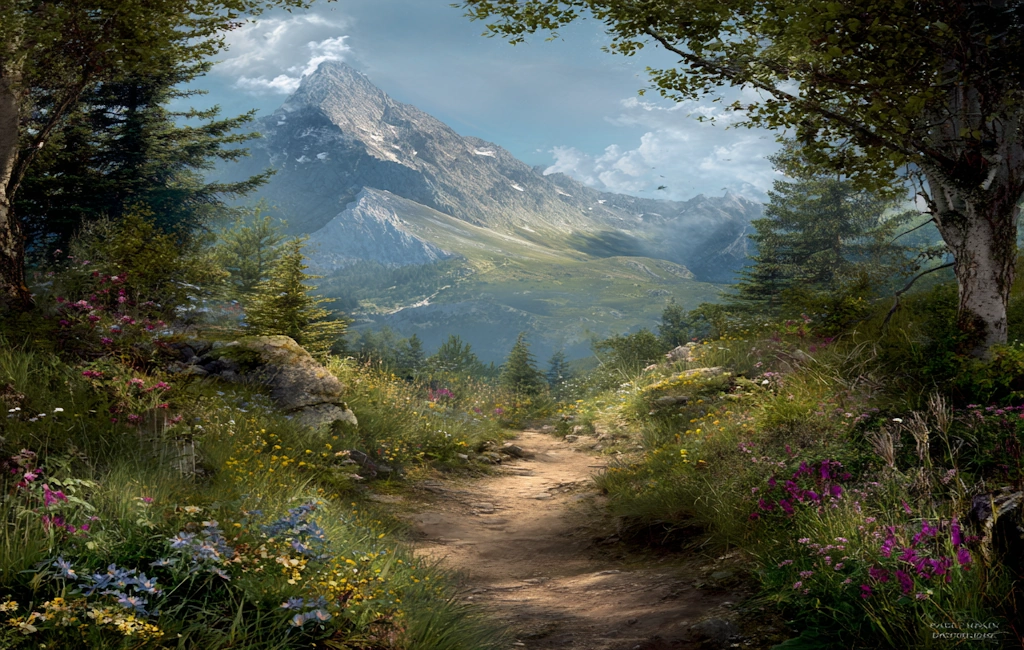
Caraiman Cross Trail - The Sentinel of the Bucegi Mountains
The Caraiman Cross Trail leads to one of Romania’s most awe-inspiring national monuments: the Commemorative Cross to the Romanian Heroes of the First World War. Perched at an altitude of 2,291 metres on Mount Caraiman in the Bucegi Mountains, this massive steel structure is the tallest summit cross in the world at such an elevation, recognized by Guinness World Records. The journey to the cross is as much a pilgrimage as it is a hike, traversing a dramatic alpine plateau where limestone cliffs drop nearly a vertical kilometre into the Prahova Valley below. Whether reached by a demanding scramble from the town of Bușteni or a scenic trek across the plateau from the Babele cable car station, the Caraiman Cross offers a profound sense of scale and history, standing as a permanent beacon above the clouds.
- Distance: ~13–15 km (Day trip from Bușteni or plateau loop)
- Duration: 5–6 hours
- Season: June to October (accessible in winter only for experts with alpine gear)
- Elevation: 2,291 m at the Cross
- Difficulty: Moderate to Challenging (terrain dependent)
- Direction: Circular or Out-and-back
Overview
Hiking to the Caraiman Cross is a quintessential Romanian alpine experience that combines technical mountain terrain with breathtaking monumental views. The trail character varies significantly depending on your approach. From the Bucegi plateau, the route is a relatively gentle trek across high-altitude meadows and rocky ridges, while the direct ascent from Bușteni (via the Jepii Mici trail) is a relentless, steep climb through narrow limestone corridors that requires the use of hands and metal chains. The landscape is a masterclass in Carpathian geology, featuring weathered rock formations like the nearby "Sphinx" and "Babele" (The Old Women), which have been sculpted by wind and rain over millennia.
The "wow" factor of this trail is unparalleled. As you approach the cross from the plateau, the ground suddenly falls away, revealing a panoramic view of the entire Prahova Valley. The cross itself, standing nearly 40 metres tall, dominates the horizon and provides a humbling focal point for the journey. The weather on Mount Caraiman is dynamic; on a clear day, the sun glares off the white limestone, but cloud banks can roll in from the valley in minutes, completely engulfing the cross in a ghostly, ethereal mist. For hikers, this is a landscape defined by verticality and the raw power of the elements, making it a bucket-list destination for anyone visiting the Southern Carpathians.
History and Cultural Context
The Heroes' Cross on Mount Caraiman was built between 1926 and 1928 to honour the Romanian railway workers and soldiers who fell during World War I. The project was an incredible engineering feat for its time, initiated by King Ferdinand and Queen Marie of Romania. Materials, including metal sleepers joined by riveting, were transported by train to Bușteni and then hauled up the mountain by oxen or a dedicated funicular owned by the local paper mill. The final sections were carried on narrow trails by horses and donkeys to the very edge of the Caraiman cliff.
The monument was inaugurated on Holy Cross Day, September 14, 1928. Originally powered by a generator housed in its stone pedestal, the cross featured 120 lightbulbs that could be seen from the valley below. In 1939, it was connected to the national grid via one of the highest underground cables in the world. Today, it remains a symbol of national resilience and peace, illuminated at night with 300 lightbulbs, serving as a guiding light for travellers in the Prahova Valley. For the local people, the "Cross on Caraiman" is more than a monument; it is a sacred part of the landscape that bridges the earth and the heavens.
Want more background? Read extended notes on history and cultural context → Learn more
Seasonal Highlights and Weather Reality
During the summer season (June to October), the trail operates in its peak condition. This is when the plateau is free of snow and the alpine flowers are in bloom. However, summer also brings the risk of afternoon thunderstorms, which are frequent and dangerous on the exposed plateau. Hikers are strongly advised to start at sunrise to reach the cross and return before the clouds gather in the early afternoon.
The shoulder months of late May and early November can be unpredictable, with lingering snow patches making some steep sections dangerous. Outside the June–October window, the Caraiman Cross transforms into a serious alpine route. Heavy snow often covers the plateau from November through April, requiring expert winter navigation, crampons, and ice axes. Winter hiking is strictly for those with mountaineering experience, as avalanche risks in the surrounding gullies are genuine and deadly.
Recommended Itinerary
Caraiman Cross Loop Itinerary (Starting from Babele)
Early Morning: Ascent via Cable Car
- Take the morning cable car from Bușteni to the Babele station (2,206 m).
- Visit the Babele and Sphinx rock formations near the station.
- Begin the hike following the blue-marked trail towards Caraiman Hut.
Morning: The Plateau Trek
- Walk across the relatively flat Bucegi plateau, enjoying views of the Coștila radio relay tower.
- Reach the Caraiman Hut (Cabana Caraiman) perched on a spectacular rock ledge.
- Take a short rest and enjoy the first clear views into the valley.
Midday: Reaching the Cross
- Follow the trail from the hut towards the Heroes' Cross.
- Arrive at the Caraiman Cross (2,291 m) and explore the small museum inside the pedestal (check opening times locally).
- Enjoy lunch at the base of the monument with the Prahova Valley spreading out 1,000 m below.
Afternoon: Return Loop
- Take the "upper mountain trail" back towards the Babele station for a change of scenery.
- The return journey offers a different perspective of the mountain's limestone cliffs.
- Catch the afternoon cable car back down to Bușteni or continue the hike if you are staying overnight in a mountain hut.
Important Notes:
- Cable car operations are weather-dependent and can be suspended in high winds.
- The direct ascent from Bușteni via Jepii Mici is significantly harder and takes 3–5 hours of steep climbing.
- Always follow the official markings (blue, red, or yellow patterns) to avoid straying into dangerous terrain.
Planning and Bookings
Book Your Trip
Everything you need to plan your journey
Accommodation
Find places to stay near Mendoza
Flights
Search flights to Mendoza
Essential Preparation
Preparing for the Caraiman Cross requires a focus on weather and logistics. Bușteni serves as the primary hub for the walk, offering easy access via train from Bucharest or Brașov. While the plateau walk is accessible for moderately fit individuals, the weather can change rapidly; checking the mountain forecast (Meteo.ro or Salvamont) is mandatory before departure. If you plan to take the cable car, arrive early as queues can exceed two hours on summer weekends.
Trail Accommodation
The Bucegi Mountains feature an extensive network of mountain huts (cabanas) that allow for multi-day trekking.
- Babele Hut: Located right at the top of the cable car station, ideal for an early start.
- Caraiman Hut: Situated on a cliff edge near the cross, offering one of the most scenic stays in Romania.
- Facilities: Huts are basic, usually offering shared bunk rooms, common dining areas, and limited electricity. Bedding is provided, but a lightweight sleeping liner is recommended.
- Booking: Reservations are essential during summer and should be made by phone or email directly with the hut managers.
Required Gear
- Hiking Boots: Sturdy boots with a Vibram-style sole for grip on loose limestone.
- Waterproof Layer: A high-quality Gore-Tex jacket; afternoon rain is common.
- Navigation: Offline maps (Zenithmaps or Komoot) or a physical map of the Bucegi Mountains.
- Trekking Poles: Highly recommended to save your knees on the steep descents.
What to Bring
- Water: Minimum 3 litres per person; there are very few reliable water sources on the plateau.
- Sun Protection: SPF 50+ sunscreen and a hat; the alpine sun is intense even when it feels cool.
- Energy Food: Nuts, chocolate, and salty snacks to maintain energy levels.
- Cash: Romanian Lei (RON) for the cable car and hut meals, as card machines often fail at high altitudes.
Permits
No formal permits are required for individual hikers to access the trails in the Bucegi Natural Park. However, visitors must pay a small entrance fee to the park, which is often included in the cable car ticket or can be paid at park info points. Large commercial groups or those conducting professional photography may require specific group activity permits from the park administration.
Logistics Checklist:
- Cable Car Cost: Approximately 70–100 RON for a round trip (check current rates locally).
- Parking: Available near the Telecabina Bușteni station, but fills up early.
- Transport: Trains from Bucharest to Bușteni run frequently and take about 1.5 to 2 hours.
Other Activities in the Area
Extend your stay in the Prahova Valley with these nearby attractions:
- Cantacuzino Castle: A stunning neo-Romanian castle in Bușteni with panoramic views of Mount Caraiman.
- Peleș Castle: Located in nearby Sinaia, this is one of the most beautiful royal residences in Europe.
- Ialomița Cave and Monastery: A massive cave network and monastery built into the rock face on the opposite side of the Bucegi plateau.
- Rock Climbing: The Costila region of Bucegi is Romania’s premier alpine climbing destination.
Safety and Conditions
Mountain Hazards: The Bucegi Mountains are prone to sudden weather shifts. Thunderstorms on the exposed plateau are a serious lightning hazard—descend immediately if you hear thunder. Wildlife: Romania has one of the highest populations of brown bears in Europe. Stay on marked trails, make noise if walking in low-visibility areas, and never leave food outside. Technical Terrain: The Jepii Mici and Brâna Mare tracks involve exposed sections with metal cables; these should only be attempted by confident hikers with no fear of heights. Rescue: The local mountain rescue unit (Salvamont) is highly efficient, but response times to the high plateau can be slow in bad weather.
Side Trips and Points of Interest
The Sphinx and Babele: These natural rock monuments are symbols of the Bucegi Mountains and are a short walk from the cable car station. Omu Peak: At 2,507 m, this is the highest point in the Bucegi Mountains and features a historic meteorological station. A 2-3 hour extension from Babele will take you to this iconic summit. Brâna Mare a Caraimanului: A spectacular, narrow trail that skirts the base of the Caraiman cliffs, offering some of the most dramatic "air" in the Carpathians—recommended only for experienced hikers.
Leave No Trace
The Bucegi Mountains are a protected Natural Park. Pack out all waste, including fruit peels and tissues, as decomposition is slow at high altitudes. Stay on the marked trails to prevent erosion and protect fragile alpine flora like the Edelweiss. Respect the wildlife; never feed foxes or marmots, as it alters their natural behaviour. Tread lightly—this landscape is a national treasure that relies on the respect of its visitors.
 Argentina