
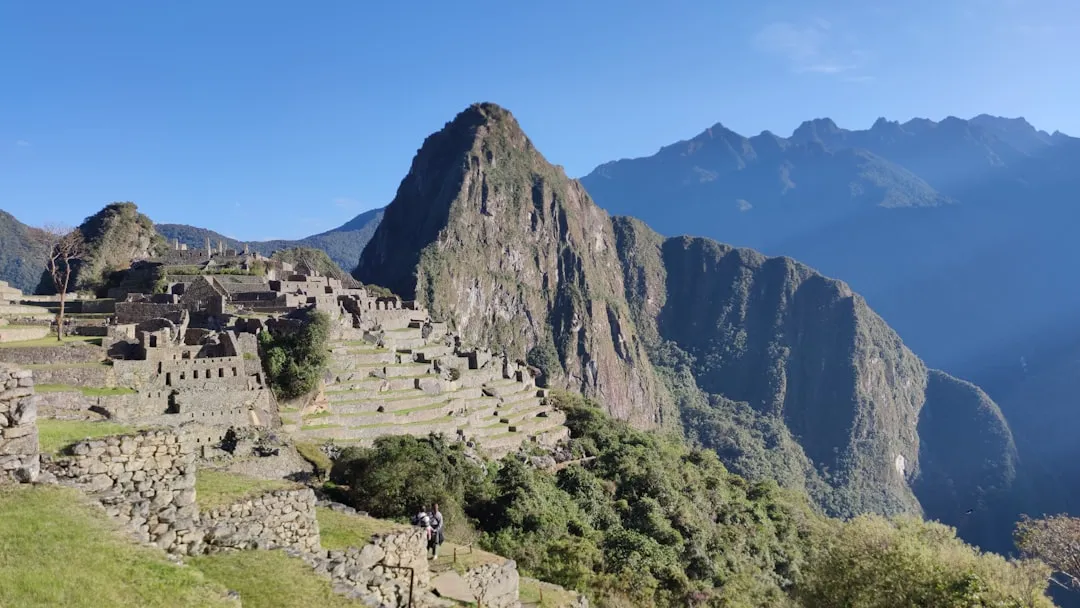
Laguna Churup Hike
The Laguna Churup hike is a quintessential day walk in Peru's Cordillera Blanca, offering a challenging yet incredibly rewarding experience for those seeking high-altitude adventure and breathtaking glacial lake scenery. Located within the Huascarán National Park, this trail leads to the stunning Laguna Churup, a turquoise jewel nestled at the foot of the imposing Nevado Churup. The trek is renowned for its steep ascents, rocky terrain, and a memorable scramble near the lake's edge, making it a popular choice for trekkers acclimatising to the altitude of the Cordillera Blanca region. While demanding, the panoramic views and the vibrant colour of the lake make every step worthwhile.
- Distance: 6.0 km (round trip)
- Elevation Gain: 1400 m
- Duration: 6-8 hours
- Difficulty: Challenging
- Best Time: May to September (dry season)
- Closest City: Huaraz
- Trailhead Access: Taxi or collectivo from Huaraz to Pitec (trailhead)
- Permits: Huascarán National Park entrance fee required
- Coordinates: -9.5270, -77.4045
Overview
The Laguna Churup hike is a strenuous but immensely satisfying day trip from Huaraz, the gateway city to Peru's Cordillera Blanca. This trek is a true test of endurance, primarily due to the significant elevation gain packed into a relatively short distance. Starting from the small community of Pitec, the trail immediately begins to climb, winding its way through rocky paths and alpine meadows. The air thins considerably as you ascend, and the landscape transforms from scrubby vegetation to stark, rocky slopes dotted with hardy alpine flora.
The initial part of the hike involves a steady, often steep, ascent. You'll pass through areas where the path is well-defined, interspersed with sections that require careful footing due to loose scree and uneven rocks. As you gain altitude, the views back towards the Santa Cruz Valley and the surrounding peaks become increasingly spectacular. The air is crisp and cool, and the silence of the mountains is broken only by the sound of your own breathing and the occasional call of a bird.
The final approach to Laguna Churup is particularly memorable. It involves a short, but steep, rock scramble using fixed ropes and chains to navigate a near-vertical section. This section requires a good head for heights and a degree of physical strength, but it is manageable for most reasonably fit hikers. Once you overcome this final obstacle, you are rewarded with the breathtaking sight of Laguna Churup. The lake's vibrant turquoise waters, fed by glacial melt, are set against a dramatic backdrop of snow-capped peaks, most notably Nevado Churup. The contrast between the deep blue sky, the vivid lake, and the stark grey rock is simply stunning. You can spend time by the lake, enjoying the serene atmosphere and the magnificent views, before undertaking the equally challenging descent back to Pitec.
This hike is an excellent introduction to the high-altitude trekking available in the Cordillera Blanca and is a must-do for anyone visiting Huaraz with a good level of fitness and a spirit for adventure. The dramatic elevation gain and the technical scramble make it a challenging but ultimately unforgettable experience.
History and Cultural Context
The Cordillera Blanca, and the region surrounding Laguna Churup, has a rich history deeply intertwined with the indigenous peoples of the Andes. For centuries, these mountains have been considered sacred by local communities, who have long revered the peaks and glacial lakes as powerful natural forces. The Quechua people, descendants of the Inca and earlier civilisations, have traditionally used the lower slopes for agriculture and grazing, while the higher reaches were often considered the domain of spirits and deities.
The specific history of the Laguna Churup trail as a formalised hiking route is more recent, emerging with the growth of mountaineering and trekking in the Cordillera Blanca during the 20th century. As Huaraz became a hub for adventurers seeking to explore the Andes, trails like the one to Laguna Churup were developed and popularised. The establishment of Huascarán National Park in 1975 was a crucial step in preserving the region's unique biodiversity and natural beauty, including the pristine environment around Laguna Churup.
The park's designation aimed to protect not only the dramatic mountain landscapes and glaciers but also the fragile ecosystems that support a variety of Andean wildlife. The trail itself, while appearing natural, has been shaped over time by the passage of hikers and the efforts of park authorities to maintain its accessibility while minimising environmental impact. The presence of fixed ropes and chains in the final scramble section indicates human intervention to make the route safer and more accessible, reflecting a balance between preserving the wild character of the landscape and facilitating human exploration.
Today, Laguna Churup represents a confluence of natural wonder and human endeavour. It is a place where the ancient reverence for the mountains meets the modern pursuit of adventure, offering a tangible connection to the powerful forces that have shaped this extraordinary Andean landscape.
Seasonal Highlights and Weather Reality
The best time to hike to Laguna Churup is during the dry season, which typically runs from May to September. This period offers the most stable weather conditions, with clear blue skies and minimal rainfall, making the trek safer and more enjoyable.
Dry Season (May to September):
- Weather: Characterised by sunny days and cold nights. Daytime temperatures can be pleasant, especially when hiking in direct sunlight, but can drop significantly at higher altitudes and after sunset. Frost and even light snow are possible, particularly in the early morning or late evening.
- Trail Conditions: The path is generally dry and firm, though some sections may remain damp from snowmelt. The rock scramble near the lake is usually free of ice and snow, making it safer to navigate.
- Visibility: Excellent visibility is common, offering stunning panoramic views of Nevado Churup and the surrounding peaks.
- Crowds: This is the peak trekking season, so expect more hikers on the trail, especially during weekends and public holidays.
Wet Season (October to April):
- Weather: Frequent afternoon thunderstorms are common. While mornings might be clear, heavy rain, hail, and even lightning can occur, making the trail hazardous.
- Trail Conditions: The trail can become muddy, slippery, and treacherous. The rock scramble section can be particularly dangerous if wet or icy. Flash floods are a risk in the valleys after heavy rain.
- Visibility: Often poor due to cloud cover and rain, obscuring the spectacular mountain views.
- Crowds: Significantly fewer hikers during this period, offering a more solitary experience, but the risks associated with the weather are considerably higher.
Acclimatisation: Regardless of the season, it is crucial to acclimatise properly to the altitude before attempting the Laguna Churup hike. Huaraz itself is at 3,052 metres, and the lake sits at approximately 4,450 metres. Spending at least 2-3 days in Huaraz or undertaking shorter, lower-altitude hikes before tackling Laguna Churup is highly recommended to avoid altitude sickness.
Recommended Itinerary
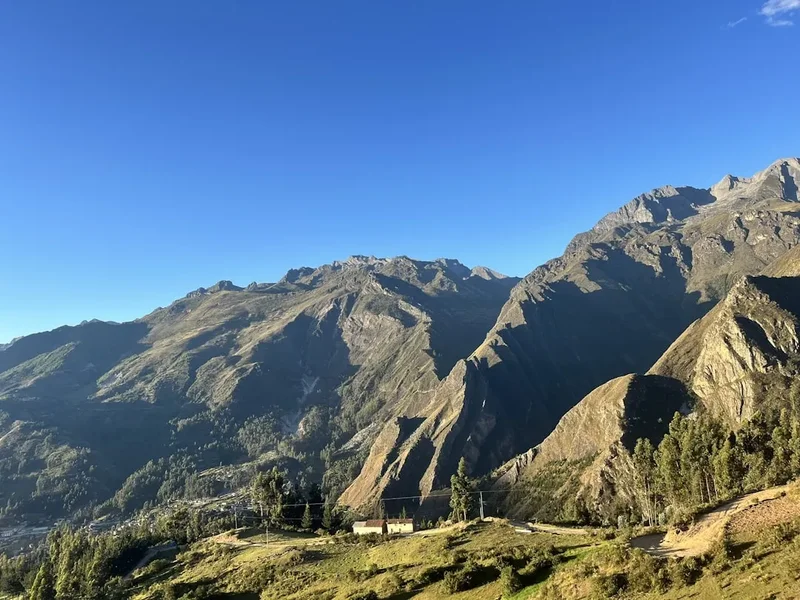
Laguna Churup Hike - Day Trip Itinerary
Early Morning (approx. 6:00 AM - 7:00 AM): Departure from Huaraz
- Arrange a taxi or collectivo from Huaraz to Pitec (the trailhead).
- The journey takes approximately 1 hour and the road is partially unpaved, so a sturdy vehicle is recommended.
- Ensure you have breakfast and carry plenty of water and snacks.
Morning (approx. 7:00 AM - 11:00 AM): Ascent to Laguna Churup
- Arrive at Pitec (approx. 3,850 m) and complete any necessary park registration.
- Begin the hike. The trail immediately starts climbing steeply.
- The path is rocky and uneven, requiring careful footing.
- Pass through alpine meadows and rocky terrain.
- Gain significant altitude rapidly; pace yourself and take short breaks.
- The trail can be steep and demanding, testing your cardiovascular fitness and acclimatisation.
Midday (approx. 11:00 AM - 1:00 PM): The Rock Scramble and Arrival at Laguna Churup
- Reach the final section of the ascent, which involves a challenging rock scramble.
- Utilise fixed ropes and chains to navigate the steep, near-vertical rock face.
- This section requires concentration, strength, and a good head for heights.
- Upon completing the scramble, you will arrive at the stunning Laguna Churup (approx. 4,450 m).
- Spend time admiring the vibrant turquoise waters and the surrounding peaks, including Nevado Churup.
- Enjoy your packed lunch and take photographs.
Afternoon (approx. 1:00 PM - 4:00 PM): Descent to Pitec
- Begin the descent back down the same trail.
- The descent can be hard on the knees; use trekking poles if you have them.
- Exercise caution on the rocky sections, especially the scramble, which can be more challenging going down.
- Continue descending through the alpine landscape.
Late Afternoon (approx. 4:00 PM - 5:00 PM): Return to Huaraz
- Arrive back at Pitec.
- Meet your pre-arranged taxi or collectivo for the return journey to Huaraz.
- Reflect on your challenging and rewarding day in the Cordillera Blanca.
Important Notes:
- This is a strenuous hike due to the altitude and steepness. Proper acclimatisation is essential.
- Carry sufficient water (at least 2-3 litres per person) and high-energy snacks.
- Wear sturdy hiking boots with good ankle support.
- Bring layers of clothing, including warm insulation and waterproofs, as weather can change rapidly.
- Trekking poles are highly recommended for both ascent and descent.
- A headlamp is advisable in case of unexpected delays.
- Sun protection (hat, sunglasses, sunscreen) is crucial due to the high altitude.
Planning and Bookings
Book Your Trip
Everything you need to plan your journey
Accommodation
Find places to stay near Huaraz
Flights
Search flights to Huaraz
Essential Preparation
The Laguna Churup hike is a demanding day trip that requires careful planning, especially concerning acclimatisation and logistics. Huaraz is the primary base for this trek, offering a range of accommodation options from budget hostels to comfortable hotels. It is crucial to spend at least two to three days in Huaraz before attempting this hike to allow your body to adjust to the high altitude (3,052 metres). During this acclimatisation period, consider undertaking shorter, less strenuous hikes in the surrounding areas, such as the Laguna Wilcacocha or Laguna 69 (though Laguna 69 is also very challenging and often done on a separate day).
Transportation to the trailhead at Pitec is typically arranged via taxi or a shared collectivo. Taxis offer more flexibility and comfort but are more expensive. Collectivos are a more economical option, but you may need to wait for them to fill up. Ensure your transport is arranged in advance, especially if you plan to start early. The road to Pitec is partially unpaved and can be rough, so a vehicle with good clearance is beneficial.
Packing appropriately is vital. The weather in the Cordillera Blanca can change rapidly, and temperatures at Laguna Churup can be significantly colder than in Huaraz. You will need to be prepared for sun, wind, and potentially rain or even snow, even during the dry season.
Trail Accommodation
This is a day hike requiring no overnight accommodation.
Required Gear
- Hiking Boots: Sturdy, waterproof hiking boots with good ankle support are essential for navigating the rocky and uneven terrain. Ensure they are well broken-in to prevent blisters.
- Backpack: A daypack (20-30 litres) is sufficient to carry essentials. Ensure it has a comfortable harness and hip belt.
- Clothing Layers: Due to the significant temperature fluctuations and altitude, layering is key. Bring a moisture-wicking base layer (synthetic or merino wool), an insulating mid-layer (fleece or down jacket), and a waterproof and windproof outer shell.
- Headwear: A warm hat or beanie for cold temperatures and a sun hat or cap for protection from the intense high-altitude sun.
- Gloves: Warm gloves are recommended, especially for the early morning start and the higher altitudes.
- Trekking Poles: Highly recommended for stability and to reduce strain on your knees during the steep ascent and descent.
- Headlamp: Essential in case of an early start or a late finish due to unexpected delays. Carry spare batteries.
- First-Aid Kit: A basic kit including blister treatment, pain relievers, antiseptic wipes, bandages, and any personal medications.
- Navigation: While the trail is generally well-trodden, a map, compass, or GPS device/app is advisable, especially if visibility is poor.
What to Bring
- Food: High-energy snacks such as nuts, dried fruit, energy bars, and chocolate. Pack a substantial packed lunch, as there are no facilities on the trail.
- Water: Carry at least 2-3 litres of water per person. Water sources are available but should be treated (filtered or purified) before drinking.
- Water Treatment: Water filter or purification tablets.
- Sun Protection: High SPF sunscreen (SPF 50+), sunglasses, and lip balm with SPF. The sun at high altitudes is very strong.
- Toiletries: Hand sanitiser, toilet paper (pack out used paper), and any personal hygiene items.
- Camera: To capture the stunning scenery.
- Cash: For transport, park entrance fees, and any small purchases in Huaraz.
- Identification: Passport or ID for park registration.
- Plastic Bags: For packing out all rubbish.
Permits
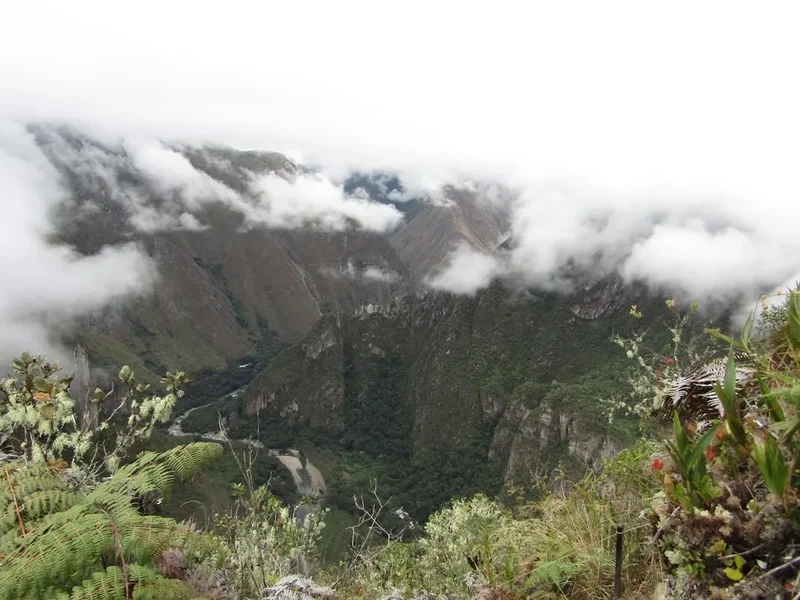
To hike to Laguna Churup, you will need to pay an entrance fee for the Huascarán National Park. This fee is typically paid at the park entrance checkpoint in Pitec, where you will also register your visit. It is advisable to carry sufficient Peruvian Soles (PEN) in cash for this payment, as card facilities may not always be available.
Huascarán National Park Entrance Fee:
- The cost of the entrance fee can vary, but it is generally around 30 Peruvian Soles (PEN) for a one-day pass. It is recommended to confirm the current fee with your accommodation or a local tour operator in Huaraz before your hike.
- The fee contributes to the conservation and maintenance of the national park, its trails, and its unique biodiversity.
Registration:
- At Pitec, you will likely be required to register your name, nationality, and the intended destination (Laguna Churup). This is a standard procedure for safety and park management purposes.
- Keep your entrance ticket or receipt safe, as it may be checked by park rangers.
Important Considerations:
- Ensure you have enough cash in Peruvian Soles to cover the entrance fee and any other potential expenses. ATMs are available in Huaraz, but not at the trailhead.
- Check the latest park regulations and fee structures before your visit, as these can be subject to change.
Other Activities in the Area
Huaraz and the surrounding Cordillera Blanca region offer a wealth of activities for outdoor enthusiasts and cultural explorers:
- Laguna 69 Hike: Another iconic day hike, leading to a stunningly vibrant turquoise lake at over 4,600 metres. It's a challenging but incredibly rewarding trek.
- Pastoruri Glacier: Visit the rapidly receding Pastoruri Glacier, a stark reminder of climate change, and see the Puya Raimondi plants, the world's largest bromeliad.
- Nevado Pisco Climb: For experienced mountaineers, Nevado Pisco offers a relatively accessible 5,752-metre peak with spectacular views of the Cordillera Blanca.
- Trekking Circuits: Explore multi-day treks such as the Santa Cruz Trek (3-4 days) or the Cordillera Huayhuash Circuit (8-12 days), renowned for their dramatic mountain scenery.
- Huaraz City Tour: Explore the bustling city of Huaraz, visit the Museo Arqueológico de Ancash to learn about local pre-Inca cultures, and enjoy the local markets and cuisine.
- Chavín de Huántar: A UNESCO World Heritage site, this ancient archaeological complex was a major ceremonial centre for the Chavín culture, dating back over 3,000 years.
- Thermal Baths: Relax in the hot springs of Monterrey or Baños Termales de Chancos after a long day of trekking.
- Mountain Biking: Numerous trails around Huaraz offer opportunities for mountain biking, from scenic routes to challenging downhill tracks.
Safety and Conditions
Altitude Sickness (Soroche): This is the most significant risk for hikers in the Cordillera Blanca. Laguna Churup reaches approximately 4,450 metres, and symptoms of altitude sickness can include headache, nausea, dizziness, fatigue, and shortness of breath. Proper acclimatisation is the best prevention. If symptoms are severe, descend immediately.
Trail Conditions: The trail is steep, rocky, and can be slippery, especially after rain or if there is lingering snow or ice. The final rock scramble requires careful navigation and a good head for heights. Always wear appropriate footwear and use trekking poles for stability.
Weather: Mountain weather is unpredictable. Be prepared for rapid changes, including strong winds, sudden downpours, hail, and freezing temperatures, even during the dry season. Check the weather forecast before you go, but be ready for anything.
Hydration and Nutrition: Dehydration can exacerbate altitude sickness. Carry plenty of water and drink regularly. High-energy snacks are essential to maintain your energy levels on the strenuous climb.
Navigation: While the main trail to Laguna Churup is generally clear, it's always wise to have a map or GPS device, especially if visibility is poor due to fog or cloud. Inform someone of your hiking plans and expected return time.
Emergency Contact: In Huaraz, you can obtain information on emergency services. It is advisable to have a local SIM card or ensure your phone is capable of international roaming. Consider carrying a personal locator beacon (PLB) for remote areas, although for a day hike like Laguna Churup, it may be considered optional by some.
Physical Fitness: This hike is challenging. Ensure you have a good level of cardiovascular fitness and strength. If you have any pre-existing medical conditions, consult your doctor before undertaking this trek.
Side Trips and Points of Interest
The Rock Scramble: The most distinctive feature of the Laguna Churup hike is the final, near-vertical rock scramble. This section, often aided by fixed ropes and chains, presents a thrilling challenge and a memorable part of the ascent. It requires using your hands and feet to navigate the steep rock face, offering a sense of accomplishment upon completion.
Laguna Churup itself: The destination is a spectacular glacial lake with incredibly vibrant turquoise waters. The colour is due to the fine glacial silt suspended in the water, which reflects sunlight. The lake is cradled by the imposing Nevado Churup (5,495 m), creating a dramatic and picturesque setting.
Panoramic Views: As you ascend, the trail offers increasingly impressive panoramic views of the surrounding Cordillera Blanca. You can see other peaks, valleys, and the sprawling landscape stretching out below. These viewpoints provide excellent opportunities for photography and appreciating the scale of the Andes.
Alpine Flora and Fauna: While the higher reaches are stark, the lower parts of the trail pass through areas with hardy alpine vegetation. Keep an eye out for unique high-altitude plants adapted to the harsh environment. You might also spot Andean birds.
Nevado Churup: The majestic Nevado Churup dominates the skyline above the lake. Its snow-capped summit and rugged slopes provide a constant, awe-inspiring backdrop throughout the hike.
Leave No Trace
The Laguna Churup hike traverses a sensitive alpine environment within the Huascarán National Park. Adhering to Leave No Trace principles is crucial to preserve this natural beauty for future visitors and to protect the fragile ecosystem.
Plan Ahead and Prepare: Research the trail, understand its challenges, and be prepared for the conditions. Ensure you have the necessary gear and acclimatise properly to the altitude.
Travel and Camp on Durable Surfaces: Stick to the established trail. Avoid cutting switchbacks or walking on fragile vegetation, which can take years to recover.
Dispose of Waste Properly: Pack out everything you pack in, including all food scraps, wrappers, and used toilet paper. There are no bins on the trail. Use designated toilet facilities if available at the trailhead, or dig catholes at least 70 metres away from water sources, trails, and campsites if necessary (though this is a day hike, so this is less relevant).
Leave What You Find: Do not remove any natural objects, such as rocks, plants, or flowers. Take only photographs and memories.
Minimise Campfire Impacts: Campfires are not permitted on this day hike. If camping were an option, use established fire rings and keep fires small.
Respect Wildlife: Observe wildlife from a distance. Do not feed any animals, as this can disrupt their natural behaviours and diets. Be aware of your surroundings.
Be Considerate of Other Visitors: Keep noise levels down, yield to uphill hikers, and maintain a respectful attitude towards fellow trekkers. The goal is to enjoy the natural environment and allow others to do the same.