
Laguna Cerro Castillo: Patagonian Wilderness Trek
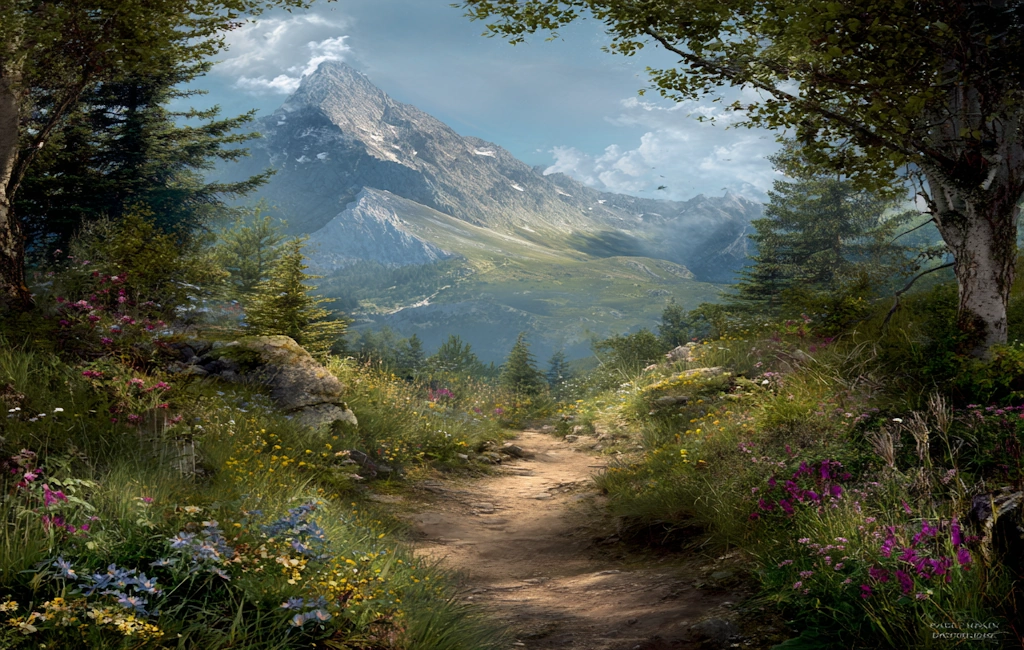
The Laguna Cerro Castillo trek is a spectacular multi-day walk located in the heart of Chilean Patagonia, within the Cerro Castillo National Park. This challenging route offers an immersive experience through dramatic Patagonian landscapes, featuring jagged granite peaks, turquoise glacial lakes, ancient lenga forests, and vast open steppe. It is renowned for its raw beauty, demanding ascents, and the breathtaking reward of reaching Laguna Cerro Castillo, a jewel-like lake nestled beneath the imposing Cerro Castillo massif.
This trek is a true Patagonian adventure, requiring good physical fitness and preparedness for variable weather conditions. It is less developed than some of the more famous international treks, offering a more rugged and authentic wilderness experience. The trail winds through diverse ecosystems, from the dense, moss-laden forests of the lower valleys to the exposed alpine environments of the higher passes, culminating in panoramic views that are simply unforgettable.
- Distance: 52.0 km one-way
- Duration: 4 days / 3 nights
- Season: December to March (Southern Hemisphere summer)
- Accommodation: Basic refugios and campsites
- Highest point: Approximately 1,500 m
- Difficulty: Challenging
- Closest City: Coyhaique
Overview
The Laguna Cerro Castillo trek is a journey into the wild heart of Patagonia, a region synonymous with dramatic natural beauty and untamed wilderness. This route is a testament to the raw power of glacial forces, with towering granite spires, U-shaped valleys, and the vibrant blue of glacial lakes serving as constant reminders of nature's artistry. The trek is typically undertaken over four days, allowing ample time to appreciate the diverse ecosystems and challenging terrain.
The trail begins in the lower valleys, often near the Carretera Austral, and gradually ascends through dense lenga forests. These ancient trees, with their gnarled branches and vibrant autumn colours (in March), provide a sense of timelessness. As the elevation increases, the forest thins, giving way to more open alpine meadows and scree slopes. The air becomes crisper, and the views expand, revealing the immense scale of the surrounding mountain ranges.
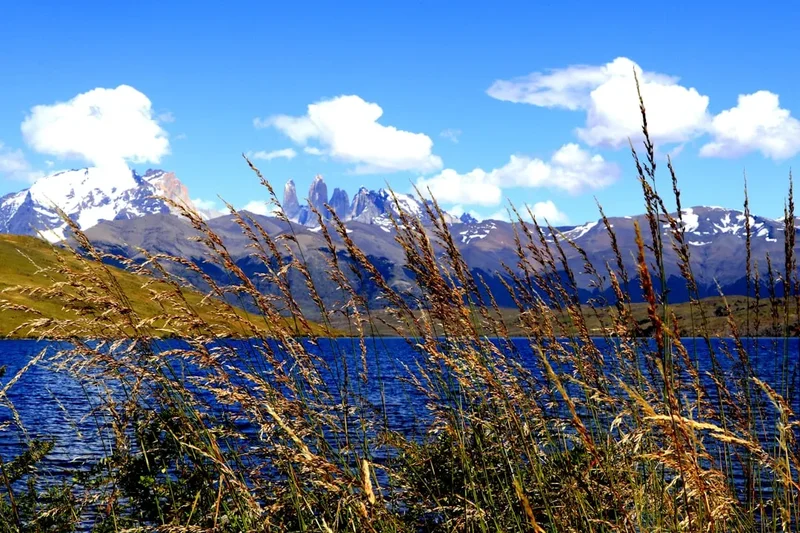
The highlight of the trek is undoubtedly Laguna Cerro Castillo. This stunning glacial lake, often a vivid turquoise or emerald hue, sits in a dramatic cirque beneath the iconic, jagged peaks of Cerro Castillo. The reflection of the mountains in the still waters is a sight that stays with hikers long after they have descended. The trek also offers opportunities to observe Patagonian wildlife, including condors soaring overhead, guanacos grazing on the hillsides, and various bird species.
While challenging, the Laguna Cerro Castillo trek is immensely rewarding. It offers a genuine Patagonian experience, far from the crowds, where the silence is broken only by the wind and the sounds of nature. It is a trek that tests your physical limits while nourishing your soul with unparalleled natural beauty.
History and Cultural Context
The region now known as Cerro Castillo National Park has a rich history stretching back millennia. Indigenous peoples, including the Tehuelche (Aonikenk) and later the Mapuche, have traversed these lands for centuries, utilising the valleys for hunting and as routes connecting different territories. The dramatic peaks of Cerro Castillo would have been significant landmarks and spiritual sites for these early inhabitants.
European exploration and settlement in Patagonia began in earnest in the 19th and early 20th centuries. The Carretera Austral, a monumental road project initiated in the 1970s and largely completed in the 1980s, opened up this remote region to greater access. The establishment of Cerro Castillo National Park in 1970 was a crucial step in preserving its unique natural heritage, including its iconic peaks, diverse flora and fauna, and vital glacial systems.
The trek itself follows ancient pathways and routes used by early settlers and park rangers. While not as historically documented as some European or New Zealand trails, the Laguna Cerro Castillo trek is part of a broader Patagonian narrative of exploration, resilience, and the ongoing effort to balance human access with environmental conservation. The park's designation as a protected area underscores its ecological significance and its role in safeguarding the Patagonian wilderness for future generations.
Seasonal Highlights and Weather Reality
The trekking season for Laguna Cerro Castillo is strictly limited to the Southern Hemisphere summer months, from December to March. Outside this period, the park is subject to heavy snowfall, extreme cold, and dangerous weather conditions, making it inaccessible and hazardous for recreational hikers.
December to February (Summer): This is the peak season. Days are longest, and temperatures are generally mildest, though still cool by global standards. Expect average daytime temperatures to range from 10°C to 18°C. However, Patagonian weather is notoriously unpredictable. Sunshine can quickly give way to strong winds, rain, or even snow flurries, even in mid-summer. This is also the period with the highest chance of encountering other hikers. The lenga forests are lush and green.
March (Late Summer/Early Autumn): This month offers a unique spectacle as the lenga forests begin to turn vibrant shades of red, orange, and yellow. The colours are spectacular, making it a favourite time for photographers. While the days are shorter, temperatures can still be pleasant, but the likelihood of encountering colder weather and early snow increases, especially towards the end of the month. The wind can also be a significant factor.
Weather Considerations: Regardless of the month, hikers must be prepared for all types of weather. Strong, persistent winds are a hallmark of Patagonia and can make even short ascents feel arduous. Rain is frequent, and temperatures can drop significantly, especially at higher elevations. Hypothermia is a real risk, even in summer, if hikers are caught unprepared.
Recommended Itinerary
4-Day Laguna Cerro Castillo Itinerary
Day 1: Villa Cerro Castillo to El Bosque Campsite/Refugio
- Distance: Approximately 10 km
- Elevation gain: Approximately 400 m
- Time: 3–4 hours
- Start from the CONAF ranger station or designated trailhead near Villa Cerro Castillo.
- The trail initially follows a well-defined path through agricultural land before entering the lenga forest.
- Ascend gradually through the dense, moss-covered forest, with occasional glimpses of the surrounding mountains.
- The path can be muddy and root-strewn, requiring careful footing.
- Arrive at El Bosque campsite or the nearby refugio, offering basic facilities.
- This day is designed to ease you into the trek and acclimatise to the Patagonian environment.
Day 2: El Bosque Campsite/Refugio to Las Horquetas Campsite/Refugio
- Distance: Approximately 12 km
- Elevation gain: Approximately 700 m
- Time: 5–7 hours
- The trail continues its ascent, leaving the dense forest behind and entering more open terrain.
- You will traverse alpine meadows and cross several small streams.
- The gradient becomes steeper as you approach the pass.
- The views begin to open up, offering expansive vistas of the valley and surrounding peaks.
- Arrive at Las Horquetas, a campsite and basic refugio located in a strategic position before the main pass.
- This day is physically demanding, with significant elevation gain.
Day 3: Las Horquetas Campsite/Refugio to Laguna Cerro Castillo and Descend to Lower Campsite
- Distance: Approximately 15 km (including side trip to the lake)
- Elevation gain: Approximately 400 m to the lake, then significant descent
- Time: 6–8 hours
- The most challenging and rewarding day.
- Begin with a steep climb towards the pass overlooking Laguna Cerro Castillo.
- Reach the viewpoint for Laguna Cerro Castillo, a breathtaking turquoise lake nestled beneath the iconic jagged peaks. Spend time here for photos and to soak in the views.
- Descend from the pass, either returning to Las Horquetas to continue or, more commonly, descending further down the valley towards a lower campsite (e.g., Campamento La Tetera or similar, depending on park facilities).
- The descent can be steep and rocky, requiring careful navigation.
- Set up camp at the designated lower campsite.
Day 4: Lower Campsite to Trailhead/Villa Cerro Castillo
- Distance: Approximately 15 km
- Elevation loss: Approximately 800 m
- Time: 4–5 hours
- The final day involves a steady descent back towards Villa Cerro Castillo.
- The trail winds through a mix of open terrain and lenga forest.
- You will follow a river valley for much of the descent.
- The path is generally well-trodden but can be uneven in places.
- Arrive back at the trailhead or a designated pickup point near Villa Cerro Castillo.
- Arrange transport from Villa Cerro Castillo to Coyhaique.
Important Notes:
- This itinerary is a guideline; actual distances and times can vary based on trail conditions and individual pace.
- Accommodation is basic: campsites with limited facilities or simple refugios. Bookings are highly recommended, especially during peak season.
- Weather can change rapidly; always be prepared for rain, wind, and cold.
- Carry all necessary food and water purification supplies.
- Navigation skills are essential, especially in adverse weather.
Planning and Bookings
Book Your Trip
Everything you need to plan your journey
Accommodation
Find places to stay near Coyhaique
Flights
Search flights to Coyhaique
Essential Preparation
The Laguna Cerro Castillo trek requires careful planning due to its remote location and basic infrastructure. The closest major hub is Coyhaique, a city accessible by air and road. From Coyhaique, you will need to arrange transport to Villa Cerro Castillo, the gateway town to the national park. This typically involves a bus or a pre-booked taxi, taking approximately 1.5 to 2 hours. The road is a mix of paved and gravel sections.
It is crucial to register your trek with the CONAF (Corporación Nacional Forestal) office in Villa Cerro Castillo upon arrival. This is for safety purposes and to ensure you are aware of any current park conditions or regulations. Accommodation in Villa Cerro Castillo is limited but available, and it's advisable to book in advance, especially during the peak trekking season.
Fitness is paramount. The trek involves significant elevation gain and loss, often on uneven and steep terrain. Hikers should be comfortable with carrying a backpack for multiple days and have experience with challenging hikes. Training that includes hill work and carrying a weighted pack is highly recommended.
Trail Accommodation
Accommodation along the Laguna Cerro Castillo trek is basic, reflecting its status as a national park with a focus on wilderness preservation. Options include designated campsites and simple refugios (huts).
Campsites:
- Facilities: Typically include a flat area for pitching tents, a communal cooking shelter (often basic), and pit toilets. Water is usually available from nearby streams, but purification is essential.
- What's NOT provided: Tents, sleeping bags, cooking equipment, food, or any amenities beyond the basic shelter and sanitation.
- Seasonal Availability: Open during the trekking season (December to March).
- Booking Requirements: While not always mandatory, booking campsites in advance through CONAF or local operators is highly recommended, especially during peak season (January-February), to secure a spot.
- Costs: Fees are generally modest, often around CLP 10,000-15,000 per person per night.
Refugios (Huts):
- Facilities: These are very basic shelters, often with communal sleeping areas (bunk beds or floor space), a communal cooking/dining area, and pit toilets. They offer protection from the elements but are unheated.
- What's NOT provided: Sleeping bags, mattresses, food, cooking gear, or any personal items.
- Seasonal Availability: Open during the trekking season (December to March).
- Booking Requirements: Essential to book in advance, as capacity is very limited.
- Costs: Refugios are typically more expensive than campsites, potentially ranging from CLP 20,000-30,000 per person per night.
Note: Facilities can vary, and it's advisable to check the latest information with CONAF or your tour operator before your trek. This is a wilderness trek; expect rustic conditions.
Required Gear
- Waterproof and windproof jacket and trousers: Essential for Patagonian weather. Gore-Tex or similar breathable, waterproof material is recommended.
- Sturdy hiking boots: Waterproof, well broken-in, with good ankle support.
- Warm layers: Multiple synthetic or wool layers (base layer, mid-layer fleece or down jacket). Avoid cotton.
- Hat and gloves: Warm, windproof hat and insulated gloves are crucial, even in summer.
- Backpack: A 50-65 litre backpack with a rain cover.
- Sleeping bag: Rated for cold temperatures (comfort rating of 0°C to -5°C is advisable).
- Sleeping mat: For insulation and comfort at campsites.
- Headlamp or torch: With spare batteries.
- Navigation tools: Map of the area, compass, and/or GPS device. Mobile signal is unreliable.
- First-aid kit: Comprehensive kit including blister treatment, pain relievers, antiseptic wipes, bandages, and any personal medications.
- Sun protection: High SPF sunscreen, sunglasses, and a wide-brimmed hat. The sun can be intense at altitude.
- Trekking poles: Highly recommended for steep ascents and descents, and for stability in windy conditions.
What to Bring
- Food: Sufficient non-perishable food for 4 days (breakfasts, lunches, dinners, snacks). Lightweight, high-energy options are best. No food is available on the trail.
- Water bottles or hydration reservoir: Capacity for at least 2 litres per person.
- Water purification method: Filter, purification tablets, or UV steriliser. Stream water is available but must be treated.
- Cooking equipment: Lightweight stove, fuel, pot, utensils, mug, plate/bowl.
- Toiletries: Biodegradable soap, toothbrush, toothpaste, toilet paper, hand sanitiser.
- Personal items: Camera, power bank for electronics, book or journal.
- Trash bags: To pack out all waste.
- Insect repellent: While not as notorious as Milford Sound, biting insects can be present.
- Duct tape and repair kit: For gear repairs.
- Cash: Chilean Pesos (CLP) for park fees, potential campsite/refugio payments, and transport in Villa Cerro Castillo.
Permits
Access to Cerro Castillo National Park and its trekking routes requires registration and potentially a permit, depending on current park regulations. It is essential to confirm the latest requirements with CONAF (Corporación Nacional Forestal) prior to your visit.
Registration: Hikers are generally required to register their trek at the CONAF ranger station in Villa Cerro Castillo. This is a crucial safety measure, allowing park authorities to know who is on the trails and to provide assistance in emergencies. You will likely need to provide your itinerary, contact details, and information about your group.
Park Entrance Fees: There is typically an entrance fee for the national park. This fee contributes to the maintenance and conservation of the park. The exact cost can vary, so it's advisable to check the current rates with CONAF.
Accommodation Fees: Fees are charged for using the designated campsites and refugios within the park. These fees are usually paid at the ranger station upon registration or directly at the campsite/refugio if a warden is present. Booking in advance, especially for refugios, is highly recommended during the peak season (December to March) as capacity is limited.
Booking Accommodation: While registration is mandatory, booking specific campsites or refugios in advance is often possible and recommended. This can usually be done through CONAF's official channels or sometimes via local tour operators. It's best to check the CONAF website or contact them directly for the most up-to-date information on booking procedures and fees.
Important: Always verify the latest permit and fee requirements directly with CONAF Chile before your trip, as regulations can change. Arriving in Villa Cerro Castillo without confirming these details could lead to delays or inability to start your trek.
Other Activities in the Area
The region surrounding Cerro Castillo National Park offers several other attractions and activities for those looking to extend their Patagonian adventure:
- Exploring Coyhaique: The regional capital, Coyhaique, is a vibrant city with a lively market, museums, and a good selection of restaurants and cafes. It's a great place to stock up on supplies, relax, and experience local Patagonian culture.
- Carretera Austral Exploration: The famous Carretera Austral highway itself is an attraction. Renting a vehicle (4x4 recommended for some sections) allows for exploration of nearby national parks, glaciers, and remote fjords.
- Queulat National Park: Located further north along the Carretera Austral, this park is famous for its hanging glaciers and the stunning Ventisquero Colgante (Hanging Glacier).
- Patagonia General Carrera Lake: Further south, this vast lake straddles the border with Argentina and is home to the Marble Caves (Capillas de Mármol), a series of stunning rock formations sculpted by the lake's waters.
- Horseback Riding: Many estancias (ranches) in the region offer guided horseback riding tours, providing a traditional Patagonian experience through the pampas and foothills.
- Fishing: The rivers and lakes around Coyhaique are renowned for their excellent trout and salmon fishing opportunities.
- Cerro Castillo Town: The small town of Villa Cerro Castillo itself offers a glimpse into rural Patagonian life and serves as a base for shorter hikes and local exploration.
Safety and Conditions
Weather Preparedness: Patagonian weather is notoriously volatile. Be prepared for strong winds, heavy rain, fog, and sudden temperature drops, even in summer. Hypothermia is a significant risk. Always carry waterproof and windproof outer layers, warm insulating layers, a hat, and gloves. Check the weather forecast before you depart and be prepared to alter your plans if conditions become dangerous.
Navigation: While the main trail to Laguna Cerro Castillo is generally well-marked, conditions can change, and visibility can be poor due to fog or snow. Carry a detailed map, compass, and/or GPS device, and know how to use them. Inform someone of your trekking plans and expected return time.
Water Sources: Water is generally abundant from streams and rivers. However, it is crucial to treat all water before drinking using a filter, purification tablets, or boiling to prevent waterborne illnesses.
Terrain: The trail involves steep ascents and descents, rocky sections, and potentially muddy or slippery paths, especially after rain. Trekking poles are highly recommended to aid stability and reduce strain on your knees.
Wildlife: While large predators are absent, be aware of guanacos and other wildlife. Do not feed animals, as this can disrupt their natural behaviour and health. Keep a safe distance.
Emergency: Cell phone reception is extremely limited or non-existent on most of the trail. Register your trek with CONAF in Villa Cerro Castillo. Consider carrying a personal locator beacon (PLB) or satellite messenger for emergencies.
Physical Fitness: This is a challenging trek. Ensure you are physically fit and have experience with multi-day hiking before attempting it. Proper acclimatisation and preparation are key to a safe and enjoyable experience.
Side Trips and Points of Interest
Laguna Cerro Castillo Viewpoint: The primary objective of the trek, this stunning glacial lake is a photographer's dream. Nestled in a dramatic cirque beneath the jagged peaks of Cerro Castillo, its vibrant turquoise waters reflect the imposing mountain landscape. Allow ample time to admire the view, take photographs, and appreciate the raw beauty of this Patagonian icon.
Cerro Castillo Massif: The namesake of the park, this iconic mountain range features sharp, dramatic peaks that are a defining feature of the Patagonian skyline. While climbing the main peaks is for experienced mountaineers, the trek offers constant, awe-inspiring views of these formidable formations.
Lenga Forests: The trek passes through extensive lenga (Nothofagus pumilio) forests. In autumn (March), these forests transform into a riot of colour, with leaves turning brilliant shades of red, orange, and yellow. Even in summer, the ancient, moss-draped trees create a magical, primeval atmosphere.
Alpine Meadows and Steppe: As you gain elevation, the landscape transitions to open alpine meadows and rolling steppe. These areas offer expansive views and are often dotted with wildflowers during the summer months. Keep an eye out for guanacos grazing in these open spaces.
River Valleys: The trek follows and crosses several river valleys. These provide a constant soundtrack to your journey and offer opportunities to observe the dynamic geological processes that have shaped the region.
Leave No Trace
The Laguna Cerro Castillo trek traverses a pristine natural environment within a national park. Adhering to Leave No Trace principles is paramount to preserving this fragile ecosystem for future generations.
Plan Ahead and Prepare: Research the trail, understand its challenges, and be prepared for variable weather. Register your trek with CONAF.
Travel and Camp on Durable Surfaces: Stick to marked trails to avoid damaging vegetation. Use designated campsites and refugios. If wild camping is permitted in specific areas, choose sites that are already impacted or on bare ground, away from water sources.
Dispose of Waste Properly: Pack out everything you pack in, including all food scraps, wrappers, and toilet paper. Use designated pit toilets where available. If no toilets are present, dig catholes at least 60 metres away from water, trails, and campsites.
Leave What You Find: Do not remove plants, rocks, or any natural objects. Leave them for others to enjoy and for the ecosystem to thrive.
Minimize Campfire Impacts: Campfires are often prohibited in national parks due to fire risk and environmental impact. Use a lightweight stove for cooking. If fires are permitted, use existing fire rings and keep fires small.
Respect Wildlife: Observe wildlife from a distance. Never feed animals, as this can harm their health and alter their natural behaviour. Store food securely to prevent attracting animals.
Be Considerate of Other Visitors: Keep noise levels down, especially in campsites and refugios. Yield to other hikers on the trail. Respect the wilderness experience of others.
Useful Links
- CONAF - Parque Nacional Cerro Castillo (Official Information)
- Chile Travel - Cerro Castillo Information
- Patagonia Chile - Cerro Castillo Trek Guide
- South America Wanderer - Cerro Castillo Trek
- Aerolíneas Argentinas (for flights to Balmaceda)
- Sky Airline (for flights to Balmaceda)
- Bus Sur (for bus routes to Coyhaique)
 Chile
Chile