
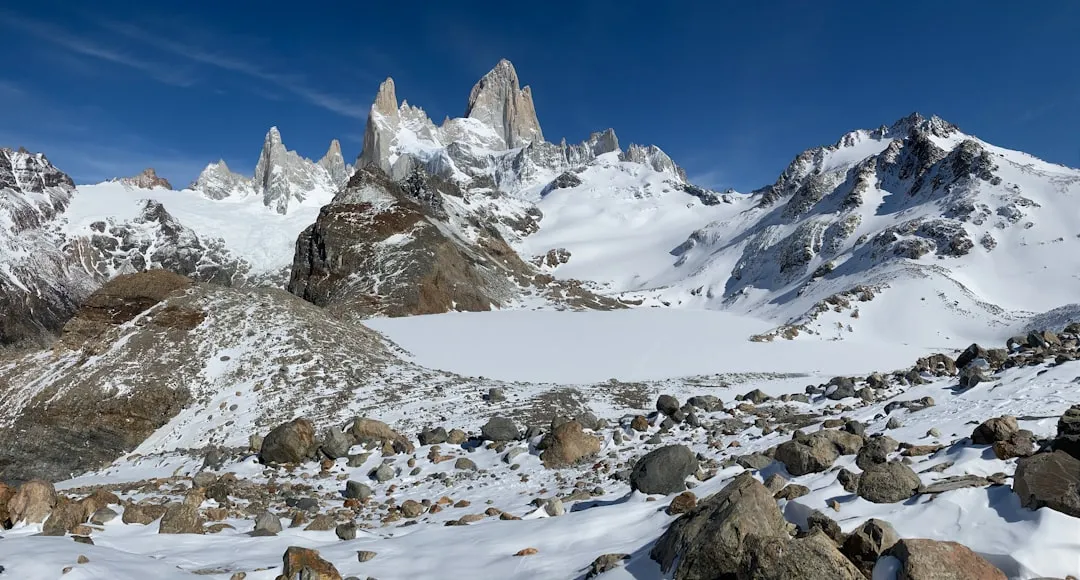
Laguna Brava Trail - Argentina's High Andean Gem
The Laguna Brava Trail is a spectacular day walk located in the heart of Argentina's La Rioja province, offering a breathtaking glimpse into the rugged beauty of the Andes. This trail leads to the stunning Laguna Brava, a high-altitude saline lake renowned for its vibrant turquoise waters and the dramatic mountain scenery that surrounds it. The walk is a journey through a stark yet beautiful desert landscape, characterized by arid plains, imposing rock formations, and the ever-present, awe-inspiring Andean peaks. It's a place where the silence is profound, broken only by the wind and the calls of high-altitude birds. The trail is relatively short in distance but offers significant rewards in terms of natural beauty and a sense of remote wilderness, making it a must-do for adventurers exploring this unique region of South America.
- Distance: 15.0 km one-way
- Elevation gain: 300 m
- Duration: 5-6 hours
- Difficulty: Moderate
- Season: October to April (spring and summer in Argentina)
- Closest City: Villa Union
- Trailhead Access: From Villa Union, take Ruta 76 north for approximately 140km. Road is mostly paved but can be rough in sections. High clearance vehicle recommended. Allow 3-4 hours driving time. Limited parking available at trailhead. No permits required, but check local conditions before heading out.
- Coordinates: -28.6435, -68.7298
Overview
The Laguna Brava Trail is a testament to the raw, untamed beauty of the Argentine Andes. This moderate day hike, spanning 15 kilometres and involving a modest 300 metres of elevation gain, culminates at the ethereal Laguna Brava. The name "Laguna Brava" translates to "Wild Lagoon," a fitting description for this high-altitude saline lake that shimmers with an almost unreal turquoise hue, often dotted with flocks of flamingos. The journey to the lake is as captivating as the destination itself. The trail winds through a landscape that feels ancient and untouched, a high-altitude desert where hardy vegetation clings to life amidst vast expanses of rock and sand. The air is thin and crisp, and the silence is a palpable presence, amplifying the grandeur of the surrounding peaks, which often wear caps of snow even in the warmer months.
The trail's moderate difficulty is primarily due to the altitude and the uneven terrain. While the elevation gain is not extreme, walkers will experience the effects of being at over 4,000 metres above sea level. The path is generally well-defined but can be rocky and sandy in places, requiring sturdy footwear and careful footing. The visual rewards are immense: panoramic views of the Andes, the stark beauty of the high desert, and the vibrant colours of Laguna Brava itself. The lake's salinity and mineral content contribute to its striking colour, and it serves as a vital habitat for various bird species, most notably the Andean flamingo, which can often be seen wading in its shallows. The experience is one of profound immersion in a remote and powerful natural environment, offering a stark contrast to the more verdant landscapes found at lower altitudes.
This trail is an excellent introduction to the unique ecosystems and geological wonders of the Argentine Andes. It offers a sense of adventure and discovery, allowing hikers to connect with a landscape that feels both wild and profoundly peaceful. The drive to the trailhead itself is an adventure, traversing remote roads that offer increasingly dramatic vistas as you ascend into the mountains. The Laguna Brava Trail is more than just a hike; it's an expedition into a world where nature reigns supreme, a place of stark beauty and enduring wilderness.
History and Cultural Context
The region surrounding Laguna Brava has a long and rich history, deeply intertwined with the indigenous peoples who have inhabited the Andes for millennia. Archaeological evidence suggests that these high-altitude areas were utilized by ancient cultures for hunting and as seasonal routes. The vast, open landscapes and the presence of water sources like Laguna Brava would have been crucial for survival in this challenging environment. The indigenous communities, such as the Diaguita-Calchaquí people, developed sophisticated knowledge of the land, its resources, and its weather patterns, adapting to life at extreme altitudes.
In more recent history, the area was part of the vast territories explored and settled by the Spanish conquistadors in the 16th century. However, the extreme altitude and harsh conditions meant that permanent settlements were scarce, and the region remained largely a frontier, traversed by explorers, miners, and pastoralists. The discovery and mapping of these high-altitude lakes and mountain passes were part of the broader exploration of the Andes, a process that continued for centuries. The establishment of national parks and protected areas in the 20th century aimed to preserve the unique natural and cultural heritage of these remote Andean landscapes.
Laguna Brava itself, due to its remote location and saline nature, has likely been a significant ecological feature for both wildlife and human passage for thousands of years. The presence of flamingos, which rely on saline lakes for their food source, indicates a long-standing ecological balance. The trail, while not a historically significant trade route in the same vein as some other Andean passes, represents a modern access point to a landscape that has witnessed centuries of human and natural history. The stark beauty and relative isolation of the area contribute to a sense of timelessness, allowing visitors to connect with a landscape that has remained largely unchanged for generations.
Seasonal Highlights and Weather Reality
The best time to undertake the Laguna Brava Trail is during the Argentine spring and summer, from October to April. This period offers the most favourable weather conditions for high-altitude hiking, with longer daylight hours and generally more stable weather patterns.
Spring (October to November): This is an excellent time to visit as the snow begins to melt from the higher peaks, and the landscape starts to awaken. Temperatures are milder, and the risk of extreme weather is lower than in mid-summer. The flora, though sparse, may show signs of new growth. The drive to the trailhead is usually clear, and the lake is typically accessible.
Summer (December to February): This is the peak season for visiting Laguna Brava. The days are long and warm, providing ample time for the hike and exploration. However, summer in the Andes can also bring unpredictable weather. Afternoon thunderstorms are common and can develop rapidly, bringing heavy rain, hail, and a significant drop in temperature. The altitude means that even in summer, temperatures can be cool, especially in the early morning and late afternoon. The lake is at its most vibrant, and birdlife is abundant.
Autumn (March to April): The shoulder months of autumn offer a beautiful, crisp experience. The crowds are thinner, and the colours of the landscape can be stunning as the vegetation changes. Temperatures begin to drop, and there's an increased chance of early snowfalls, particularly towards the end of April. The drive to the trailhead may become more challenging if snow accumulates.
Winter (May to September): This period is generally not recommended for the Laguna Brava Trail. The Andes experience harsh winter conditions, with heavy snowfall, freezing temperatures, and strong winds. The roads leading to the trailhead can become impassable, and the trail itself would be covered in snow, requiring advanced mountaineering skills and equipment. Access is severely restricted, and the risk of avalanches is high.
Weather Considerations: Regardless of the season, always be prepared for rapid weather changes at high altitudes. The weather can shift from clear and sunny to stormy and cold within a matter of hours. It is crucial to check the local forecast before setting out and to be equipped for all conditions, including rain, wind, and cold, even on a seemingly clear day.
Recommended Itinerary
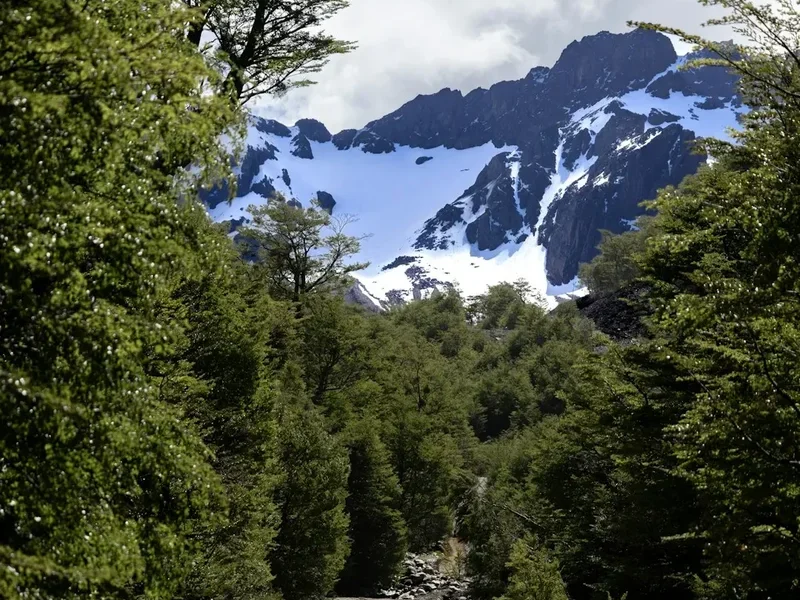
Laguna Brava Trail - Day Hike Itinerary
Early Morning (Approx. 7:00 AM - 8:00 AM): Departure from Villa Union
- Begin your journey from Villa Union, the closest town to the trailhead.
- Ensure you have a full tank of fuel, as services are non-existent on the route.
- Pack all necessary food, water, and gear for the day.
- The drive along Ruta 76 is scenic, gradually ascending into the pre-Andean landscape.
Morning (Approx. 10:00 AM - 11:00 AM): Arrival at Trailhead & Start of Hike
- Arrive at the designated trailhead for Laguna Brava.
- Note the coordinates: -28.6435, -68.7298.
- Take time to acclimatise to the altitude (over 4,000 metres).
- Begin the hike towards Laguna Brava. The initial section may involve traversing arid plains and rocky terrain.
- Keep an eye out for hardy desert flora and potential wildlife sightings.
Midday (Approx. 12:00 PM - 2:00 PM): Ascent and Views
- Continue the ascent towards Laguna Brava.
- The trail will become more defined, with sections of loose scree and rocky paths.
- Enjoy increasingly spectacular panoramic views of the surrounding Andean peaks and valleys.
- The elevation gain of 300 metres will be noticeable; take breaks as needed.
- Look for signs of high-altitude fauna, such as vicuñas or condors.
Afternoon (Approx. 2:00 PM - 3:00 PM): Arrival at Laguna Brava & Exploration
- Reach the stunning Laguna Brava.
- Spend time admiring the vibrant turquoise waters and the dramatic mountain backdrop.
- Observe any flamingos or other birdlife present in or around the lake.
- Find a suitable spot for a picnic lunch, taking in the serene and wild atmosphere.
- Remember to stay on marked paths and avoid disturbing the fragile ecosystem.
Late Afternoon (Approx. 3:00 PM - 5:00 PM): Descent and Return Journey
- Begin the descent back to the trailhead.
- The descent can be as challenging as the ascent, with loose terrain requiring careful footing.
- Continue to appreciate the changing light and perspectives of the Andean landscape.
- Arrive back at the trailhead.
Evening (Approx. 5:00 PM onwards): Drive back to Villa Union
- Commence the drive back to Villa Union.
- Reflect on the incredible experience of visiting this remote and beautiful high-Andean lake.
- Ensure you have adequate lighting for the drive if returning after dark.
Important Notes:
- This is a day hike; no overnight accommodation is required or available on the trail.
- Altitude sickness is a real risk; acclimatise properly and stay hydrated.
- Carry sufficient water (at least 2-3 litres per person) and high-energy snacks.
- Wear sturdy, broken-in hiking boots and dress in layers.
- Sun protection (hat, sunglasses, sunscreen) is essential due to the high altitude and intense sun.
- A high-clearance vehicle is recommended for the drive to the trailhead.
- Check local conditions and weather forecasts before departing.
Planning and Bookings
Book Your Trip
Everything you need to plan your journey
Accommodation
Find places to stay near Villa Union
Flights
Search flights to Villa Union
Essential Preparation
The Laguna Brava Trail is a remote day hike, and preparation is key to a safe and enjoyable experience. The closest significant town is Villa Union, which serves as the primary base for accessing the trail. Villa Union offers basic services, including accommodation, fuel stations, and some food supplies. However, once you leave Villa Union, services become extremely limited, so it is crucial to be self-sufficient.
The drive to the trailhead is a significant part of the adventure. Ruta 76 is the main route, and while parts are paved, sections can be rough, unpaved, and prone to washouts, especially after rain. A high-clearance vehicle is strongly recommended, and a 4x4 can be beneficial, particularly if conditions are less than ideal. The drive can take 3-4 hours each way, so factor this into your daily schedule. It is advisable to start your journey from Villa Union early in the morning to allow ample time for the hike and the return drive.
Acclimatisation to the altitude is paramount. Laguna Brava sits at over 4,000 metres, and attempting the hike without adequate acclimatisation can lead to altitude sickness. If possible, spend a night in Villa Union or a similarly elevated location before undertaking the hike. Stay well-hydrated in the days leading up to and during your hike, and avoid alcohol and strenuous activity on the day before.
Trail Accommodation
This is a day hike requiring no overnight accommodation.
Required Gear
- Sturdy hiking boots: Waterproof and well broken-in, with good ankle support for uneven terrain.
- Backpack: A comfortable daypack (20-30 litres) to carry essentials.
- Waterproof and windproof jacket: Essential for protection against sudden weather changes, including rain and strong winds.
- Warm layers: Including a fleece or down jacket, as temperatures can drop significantly at altitude, especially in the mornings and evenings.
- Sun protection: Wide-brimmed hat, sunglasses with UV protection, and high SPF sunscreen. The sun's rays are intense at high altitudes.
- Navigation tools: A GPS device or a reliable offline map application on your smartphone, along with a physical map and compass as a backup. The trail is generally marked but can be faint in places.
- First-aid kit: Comprehensive kit including blister treatment, pain relievers, antiseptic wipes, bandages, and any personal medications.
- Head torch: With spare batteries, in case of unexpected delays or an early start/late finish.
What to Bring
- Water: At least 2-3 litres per person. There are no water sources on the trail that are safe to drink without treatment.
- Food: High-energy snacks and a packed lunch. Options for purchasing food are non-existent once you leave Villa Union.
- Water treatment: A water filter or purification tablets if you plan to refill from any potential (though unlikely) water sources.
- Toiletries: Biodegradable toilet paper, hand sanitiser, and a small trowel for burying waste if necessary (though packing out is preferred).
- Camera: To capture the stunning landscapes and wildlife.
- Binoculars: For observing distant wildlife, particularly birds.
- Personal Locator Beacon (PLB) or satellite phone: Recommended for remote areas where mobile phone reception is unreliable.
- Cash: For any small purchases in Villa Union or for emergencies.
Permits
No specific permits are required to hike the Laguna Brava Trail. The area is generally accessible to the public. However, it is always advisable to check with local authorities or the tourist information office in Villa Union for any temporary restrictions or advisories that may be in place due to weather conditions or local events.
While no permits are needed, responsible behaviour and adherence to Leave No Trace principles are expected. This includes staying on marked trails, not disturbing wildlife, and packing out all rubbish. The remoteness of the location means that visitor numbers are typically low, contributing to a pristine natural environment.
It is crucial to be aware of the local conditions before embarking on the journey. The drive to the trailhead can be challenging, and weather can change rapidly in the Andes. Informing someone of your hiking plans, including your expected return time, is a good safety practice.
Other Activities in the Area
The region around Villa Union and Laguna Brava offers several other attractions for visitors interested in exploring the natural and cultural heritage of La Rioja province:
- Talampaya National Park: A UNESCO World Heritage site, renowned for its spectacular red rock formations, canyons, and ancient fossils. Guided tours are available to explore its unique geological wonders, including the "Cañón de Talampaya" and the "Borgias."
- Ischigualasto Provincial Park (Valle de la Luna): Also a UNESCO World Heritage site, this park is famous for its moon-like landscapes and exceptionally well-preserved fossils from the Triassic period. Visitors can drive or take guided tours through its surreal rock formations, such as the "Sphinx" and the "Mushroom."
- Cuesta de Miranda: A scenic mountain pass offering breathtaking views as you drive between Villa Union and the town of Nonogasta. The winding road provides dramatic vistas of the surrounding valleys and mountains.
- Sanagasta: A charming town known for its pottery and traditional crafts, offering a glimpse into local culture and artisan traditions.
- Local Vineyards: The La Rioja province is a significant wine-producing region, particularly known for its Torrontés and Malbec varieties. Visiting local bodegas for wine tastings can be a delightful experience.
- Hiking in the Sierras de Velasco: Beyond Laguna Brava, the Sierras de Velasco offer numerous opportunities for further exploration and hiking, with varying levels of difficulty and diverse landscapes.
Safety and Conditions
Altitude Sickness: Laguna Brava is situated at an altitude of over 4,000 metres. Altitude sickness (soroche) can affect anyone, regardless of fitness level. Symptoms include headache, nausea, dizziness, and fatigue. To mitigate risk:
- Acclimatise properly by spending at least one night at a lower altitude (e.g., Villa Union) before hiking.
- Ascend gradually.
- Stay well-hydrated by drinking plenty of water.
- Avoid alcohol and caffeine.
- If symptoms worsen, descend immediately.
Weather: Andean weather is notoriously unpredictable. Be prepared for rapid changes, including strong winds, rain, hail, and a significant drop in temperature, even during summer. Always check the forecast before you leave Villa Union and carry appropriate gear for all conditions.
Trail Conditions: The trail is generally well-marked but can be rocky, sandy, and uneven. Loose scree can make the descent challenging. Wear sturdy hiking boots and watch your footing. The road to the trailhead can also be rough, requiring a high-clearance vehicle.
Remoteness and Communication: Mobile phone reception is unreliable or non-existent in the area. It is highly recommended to carry a Personal Locator Beacon (PLB) or a satellite phone for emergencies. Inform someone of your hiking plans, including your expected return time.
Wildlife: While generally not dangerous, be aware of local wildlife. Flamingos are a common sight at Laguna Brava. Respect their space and do not attempt to feed them. Keep a safe distance from any other animals you may encounter.
Water and Food: Carry all necessary water and food. There are no facilities on the trail. Dehydration is a significant risk at altitude.
Vehicle: Ensure your vehicle is in good condition and has sufficient fuel for the round trip. A high-clearance vehicle is strongly recommended for the drive to the trailhead.
Side Trips and Points of Interest
While the Laguna Brava Trail itself is a rewarding day hike, the journey to and from the trailhead, as well as the surrounding region, offers several points of interest:
The Drive along Ruta 76: The journey from Villa Union to the Laguna Brava trailhead is an experience in itself. As you ascend, the landscape transforms from arid plains to rugged pre-Andean terrain. The road offers increasingly dramatic vistas of vast valleys, imposing mountain ranges, and the stark beauty of the high desert. Keep an eye out for unique rock formations and hardy desert vegetation.
Laguna Brava Flamingos: The primary attraction of the trail is Laguna Brava itself, and its resident population of Andean flamingos. These elegant birds, with their distinctive pink plumage, are often seen wading in the shallow, saline waters, feeding on algae and small crustaceans. Observing them in their natural habitat, against the backdrop of the Andes, is a truly memorable experience.
Andean Peaks: The trail is surrounded by impressive Andean peaks, many of which are over 5,000 metres high. While the hike does not ascend these giants, their majestic presence dominates the skyline, offering spectacular photographic opportunities and a sense of the immense scale of the mountain range.
High-Altitude Desert Flora: Despite the arid conditions, the landscape supports a surprising variety of plant life adapted to the harsh environment. Look for low-lying shrubs, hardy grasses, and colourful desert flowers that bloom after infrequent rains. These resilient plants are a testament to nature's ability to thrive even in extreme conditions.
Geological Formations: The region is characterized by ancient geological processes. The exposed rock faces and varied terrain offer insights into the tectonic activity and erosion that have shaped the Andes over millions of years. The colours and textures of the rocks add to the visual richness of the landscape.
Leave No Trace
The Laguna Brava Trail traverses a fragile high-Andean ecosystem. As a visitor, it is your responsibility to minimise your impact and preserve the natural beauty of this pristine environment for future generations. Adhering to Leave No Trace principles is paramount:
- Plan Ahead and Prepare: Research the trail, understand the conditions, and be prepared for remoteness. Carry all necessary supplies, including food and water, and know how to use your navigation tools.
- Travel and Camp on Durable Surfaces: Stick to the marked trail to avoid damaging fragile vegetation and soil. The high-altitude desert is particularly susceptible to erosion.
- Dispose of Waste Properly: Pack out everything you pack in, including all food scraps, wrappers, and any other litter. Use designated toilet facilities if available, or bury human waste at least 10 metres away from water sources and trails, and pack out toilet paper.
- Leave What You Find: Do not remove any natural objects, such as rocks, plants, or feathers. Take only photographs and memories.
- Minimise Campfire Impacts: Campfires are generally not permitted or advisable in this high-altitude, arid environment due to the risk of wildfires and the scarcity of fuel. Use a portable stove for cooking.
- Respect Wildlife: Observe wildlife from a distance and never feed them. Feeding animals can disrupt their natural behaviours and diets, and can be harmful to their health.
- Be Considerate of Other Visitors: Keep noise levels down and allow others to enjoy the peace and solitude of the natural environment.
By following these guidelines, you help ensure that the Laguna Brava Trail remains a wild and beautiful place for all to experience.
 Argentina