
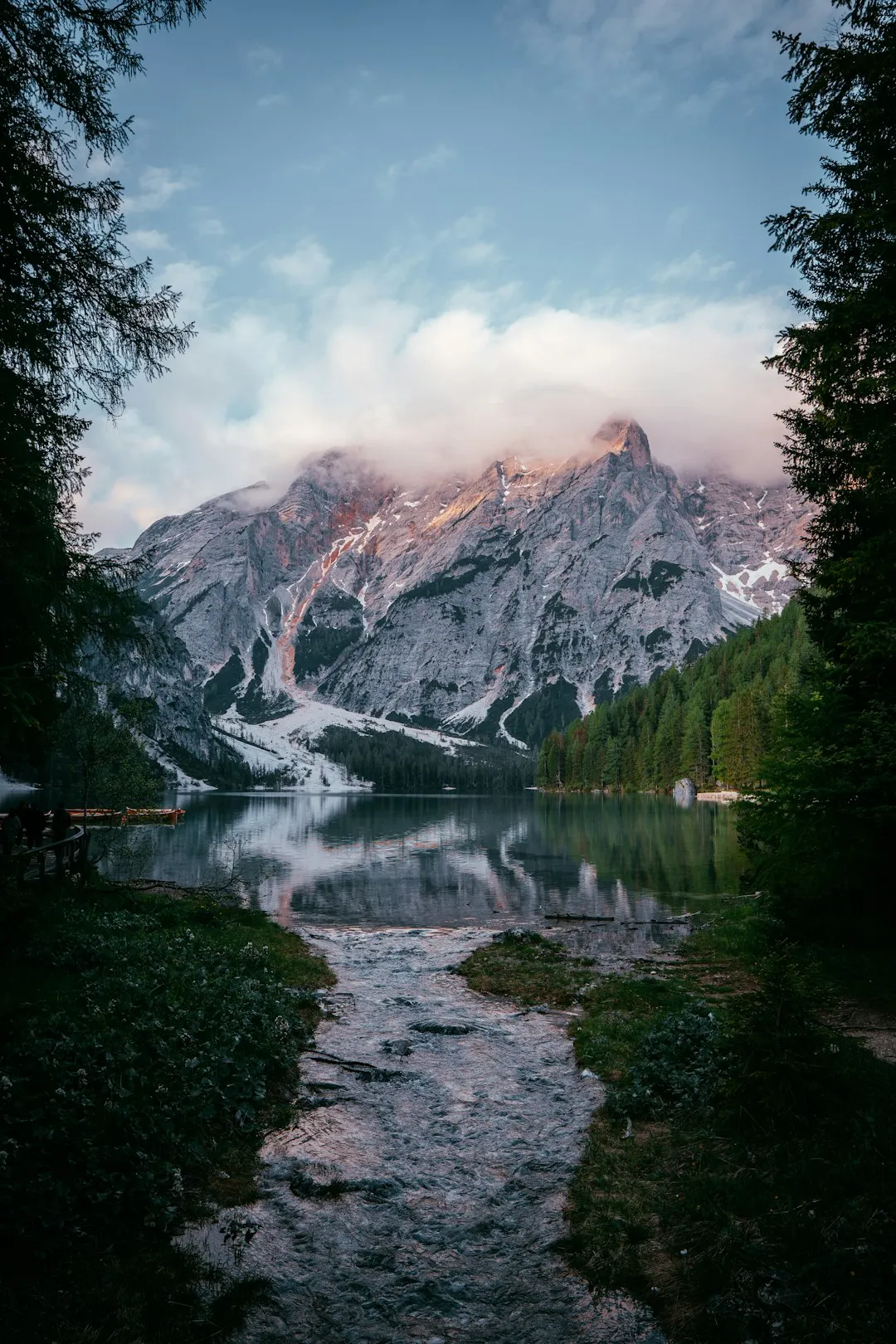
Lago di Braies Circuit - The Emerald Jewel of the Dolomites
The Lago di Braies Circuit is a relatively short, accessible, and incredibly scenic day walk encircling the stunning Lago di Braies (Pragser Wildsee) in the South Tyrolean Dolomites, Italy. This iconic lake, renowned for its emerald-green waters, dramatic mountain backdrop, and the charming boathouse, offers a quintessential alpine experience without the need for extensive trekking or overnight stays. The circuit provides ever-changing perspectives of the lake and the imposing Seekofel (Croda del Becco) massif, making it a popular destination for photographers, nature lovers, and families alike. Its ease of access and relatively flat terrain make it a perfect introduction to the breathtaking beauty of the Dolomites, a UNESCO World Heritage site.
- Distance: 4.9 km
- Elevation Gain: 100 m
- Duration: 2-3 hours
- Difficulty: Easy
- Best Time: June to September
- Closest City: Dobbiaco (Toblach)
- Trailhead Access: Via car or public transport to Lago di Braies
- Permits: No specific permits required for the circuit walk itself, but access restrictions may apply during peak season.
Overview
The Lago di Braies Circuit is a testament to the power of natural beauty concentrated in a relatively small area. The walk itself is a gentle amble around the perimeter of the lake, offering continuous, postcard-perfect vistas. The path is well-maintained, mostly flat, and wide enough to accommodate many visitors, though it can become busy during peak times. The primary attraction is, of course, the lake itself. Its vibrant emerald hue, a result of the mineral-rich waters flowing from the surrounding mountains, is mesmerising. The lake is framed by the imposing Seekofel (Croda del Becco) and its neighbouring peaks, which rise dramatically from the water's edge, their rugged slopes reflected in the still surface on calm days. The iconic wooden boathouse, a picturesque structure jutting out into the lake, serves as a focal point and a popular spot for photographs. The circuit path winds through sections of forest, open lakeside areas, and rocky outcrops, providing varied scenery throughout the short loop. While the walk is easy, the sheer visual impact of the landscape makes it an unforgettable experience. The accessibility of the trailhead, coupled with the relatively short duration of the walk, makes it an ideal activity for a wide range of visitors, from seasoned hikers to families with young children.
The experience of walking the circuit is one of constant visual delight. As you circumnavigate the lake, the angle of the sun and the position of the mountains create a dynamic interplay of light and shadow, constantly altering the mood and appearance of the landscape. The northern end of the lake offers a classic view of the boathouse with the Seekofel massif towering behind it. As you move along the western shore, the perspective shifts, revealing different facets of the mountain range and the lake's contours. The eastern shore provides a more open, expansive view, often with fewer crowds, allowing for moments of quiet contemplation. The path is generally smooth, with only minor undulations, making it suitable for most fitness levels. The air is crisp and clean, carrying the scent of pine and damp earth, a refreshing contrast to urban environments. Even with the presence of other visitors, the sheer grandeur of the Dolomites ensures that moments of awe and wonder are readily found.
History and Cultural Context
Lago di Braies, or Pragser Wildsee in German, has a history deeply intertwined with the natural landscape and the cultural heritage of the South Tyrol region. The area has been inhabited for centuries, with evidence of human presence dating back to prehistoric times. The lake itself is a natural phenomenon, formed by a landslide that dammed the Braies Valley. Its striking colour is attributed to the high mineral content of the water, which is fed by underground springs and streams originating from the surrounding peaks.
Historically, the region was part of the Austro-Hungarian Empire until the end of World War I, after which it became part of Italy. This dual heritage is reflected in the bilingual signage and the distinct cultural identity of South Tyrol, where German is widely spoken and traditions are a blend of Austrian and Italian influences. The lake gained significant popularity in the 20th century, particularly after World War II, as tourism began to flourish in the Dolomites. Its dramatic beauty made it a sought-after destination for photographers and nature enthusiasts.
The iconic boathouse, a wooden structure that has become synonymous with Lago di Braies, was built in the 1930s. It originally served as a base for rowing boats, which are still available for rent during the summer months, allowing visitors to experience the lake from its surface. The boathouse and the boats add a romantic and nostalgic element to the landscape, contributing to the lake's enduring appeal. The surrounding mountains, including the Seekofel (Croda del Becco), have also played a role in local folklore and history, often serving as natural boundaries and sources of resources for the communities in the valleys below.
In recent years, Lago di Braies has experienced a surge in popularity, partly due to its frequent appearance on social media and in films and television series, such as the Italian drama "Un passo dal cielo" (A Step from Heaven). This increased attention has led to efforts to manage visitor numbers and protect the fragile environment, including seasonal restrictions on private vehicle access to the lake road.
Seasonal Highlights and Weather Reality
The Lago di Braies Circuit is best enjoyed during the warmer months, typically from June to September. During this period, the weather is generally favourable for walking, with longer daylight hours and milder temperatures.
Spring (May): While the snow begins to melt, some higher sections of the path might still be damp or have lingering snow patches early in the month. The surrounding landscape starts to awaken, with wildflowers beginning to bloom. The crowds are usually thinner than in mid-summer, offering a more tranquil experience. Temperatures can be cool, and rain is possible.
Summer (June to August): This is the peak season for visiting Lago di Braies. The lake is at its most vibrant, and the surrounding mountains are clear and accessible. The weather is typically warm and sunny, ideal for walking and enjoying the lake's beauty. However, this is also the busiest time, and the circuit path can be crowded, especially during midday. Afternoon thunderstorms are common in the mountains, so starting your walk earlier in the day is advisable. Temperatures can range from 15°C to 25°C.
Autumn (September to October): September offers a beautiful transition with fewer crowds and pleasant temperatures. The autumn colours begin to appear in the forests surrounding the lake, adding a new dimension of beauty. The weather can be crisp and clear, with excellent visibility. By late October, the temperatures start to drop significantly, and the first snowfalls may occur, potentially closing the road to private vehicles and making the path less accessible.
Winter (November to April): Lago di Braies is largely inaccessible during winter due to heavy snowfall. The road leading to the lake is often closed to private vehicles, and the lake itself freezes over, becoming a popular spot for ice skating and winter walks. However, the circuit path may be covered in snow and ice, requiring winter hiking gear and experience. Access is typically via special shuttle services or cross-country skiing.
Weather Considerations: The Dolomites are known for their rapidly changing weather. Even during summer, it is essential to be prepared for rain, wind, and cooler temperatures, especially at higher elevations. Always check the local weather forecast before your visit and pack accordingly.
Recommended Itinerary
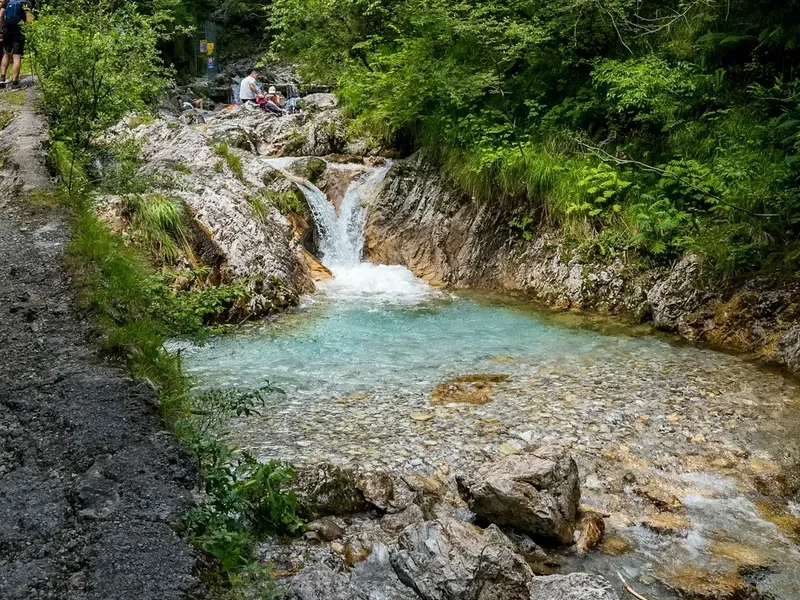
Lago di Braies Circuit - Day Walk Itinerary
Early Morning (Approx. 8:00 AM - 9:00 AM): Arrival and Initial Views
- Arrive at Lago di Braies. If travelling by car, park in the designated parking area (fee applies). If using public transport, alight at the bus stop near the lake.
- Take your first breathtaking views of the lake and the Seekofel massif. The early morning light often provides the most dramatic colours and fewer crowds.
- Walk towards the iconic boathouse. This is an excellent time for photography before the main crowds arrive.
Morning (Approx. 9:00 AM - 11:00 AM): Circumnavigating the Lake (West to East)
- Begin the circuit walk, typically starting by heading left from the boathouse along the western shore.
- The path is well-maintained and mostly flat, winding through sections of forest and open lakeside areas.
- Enjoy continuous views of the lake's emerald waters and the surrounding mountain peaks.
- Pass by various viewpoints offering different perspectives of the landscape.
- The walk is leisurely, allowing ample time to stop, take photos, and simply absorb the scenery.
Midday (Approx. 11:00 AM - 1:00 PM): Eastern Shore and Return Leg
- Continue along the eastern shore of the lake. This section often offers wider, more open views and can be slightly less crowded than the western side.
- Observe the reflections of the mountains in the water, especially on calm days.
- The path may involve some gentle inclines and descents as it navigates the lake's contours.
- You will start to see the boathouse and the main hotel complex come back into view as you approach the starting point.
Afternoon (Approx. 1:00 PM onwards): Optional Activities and Departure
- Complete the circuit walk, returning to the starting point near the boathouse.
- Optional: Rent a rowboat from the boathouse for a unique perspective of the lake and mountains from the water (allow 1-2 hours).
- Optional: Enjoy refreshments at the lakeside hotel or one of the nearby cafes.
- Optional: Explore the small visitor centre or browse the local shops for souvenirs.
- Depart from Lago di Braies.
Important Notes:
- The circuit is approximately 4.9 km and takes 2-3 hours at a relaxed pace.
- Wear comfortable walking shoes.
- Carry water and snacks, although facilities are available at the lake.
- Be prepared for changing weather conditions.
- During peak season (July-August), consider arriving very early or later in the afternoon to avoid the largest crowds.
- Check local regulations regarding vehicle access to the lake road, as it is often restricted during peak hours and seasons.
Planning and Bookings
Book Your Trip
Everything you need to plan your journey
Accommodation
Find places to stay near Dobbiaco
Flights
Search flights to Dobbiaco
Essential Preparation
Lago di Braies is a highly popular destination, especially during the summer months. Effective planning is crucial to ensure a pleasant visit. The closest major town is Dobbiaco (Toblach), which serves as a good base for exploring the region. Dobbiaco offers a range of accommodation options, from hotels to guesthouses, and has good transport links. Access to Lago di Braies is primarily via public transport (bus 442 from Dobbiaco) or by car. If travelling by car, be aware that private vehicle access to the lake road is often restricted during peak hours and seasons (typically from July to early October, between 9:30 AM and 4:30 PM). During these times, you must park in designated areas outside the restricted zone and take a shuttle bus or walk to the lake. It is advisable to check the official website for the most up-to-date information on access restrictions and parking fees. Booking accommodation in Dobbiaco or nearby towns in advance is highly recommended, especially if travelling during the summer holidays.
Trail Accommodation
This is a day hike requiring no overnight accommodation.
Required Gear
- Footwear: Comfortable walking shoes or hiking boots with good grip are essential. The path is generally well-maintained but can be uneven in places.
- Clothing: Layers are key. Bring a waterproof and windproof jacket, even in summer, as mountain weather can change rapidly. A fleece or warm jumper is advisable for cooler mornings or evenings.
- Sun Protection: Sunglasses, a wide-brimmed hat, and high-SPF sunscreen are necessary, as the sun can be intense at this altitude, even on cloudy days.
- Backpack: A small daypack to carry essentials like water, snacks, a camera, and extra clothing.
- Navigation: While the circuit is well-marked and easy to follow, a map or a reliable offline navigation app on your phone can be useful for orientation and exploring potential extensions.
- Safety: A basic first-aid kit for minor injuries.
What to Bring
- Water: Carry at least 1-2 litres of water per person. Refillable water bottles are recommended.
- Food: Pack snacks such as energy bars, fruit, or sandwiches. There are cafes and a hotel at the lake, but they can be busy and expensive.
- Camera: Essential for capturing the stunning scenery.
- Insect Repellent: While not usually a major issue, it can be useful to have on hand, especially in the early morning or late evening.
- Cash: Some smaller vendors or parking facilities might prefer cash, although card payments are widely accepted in most places.
- Binoculars: For spotting wildlife or appreciating distant mountain details.
- Walking Poles (Optional): Can provide extra stability and reduce strain on knees, especially on any slight inclines.
Permits
No specific permits are required to walk the Lago di Braies Circuit itself. The path is publicly accessible. However, access to the lake road by private vehicle is often restricted during peak season (typically July to early October, from 9:30 AM to 4:30 PM). During these restricted hours, private cars are not allowed to drive directly to the lake. Visitors must park in designated car parks located further away and use a shuttle bus service or walk the remaining distance. It is crucial to check the official regulations for the current year, as these restrictions can vary. Parking at the lake is also subject to a fee, and it is advisable to book parking in advance online, especially during the busiest periods, as spaces are limited and can sell out quickly.
Key Points Regarding Access:
- Vehicle Restrictions: Be aware of the times when private vehicle access is prohibited.
- Shuttle Bus: A shuttle service operates during restricted hours, providing transport from designated parking areas to the lake.
- Parking Fees: A fee applies for parking, and pre-booking online is highly recommended.
- Public Transport: Bus line 442 from Dobbiaco (Toblach) is a reliable alternative to driving and avoids parking issues.
- Walking: If you park further away, the walk to the lake is scenic and manageable.
Other Activities in the Area
Beyond the circuit walk, Lago di Braies and its surroundings offer several other engaging activities:
- Boating on Lago di Braies: Rent a traditional wooden rowboat from the iconic boathouse and experience the lake from its serene waters. This is a quintessential Lago di Braies experience, offering unique photographic opportunities and a peaceful way to admire the scenery. Boat rentals are available seasonally and weather permitting.
- Hiking to Seekofel (Croda del Becco): For experienced hikers, a more challenging ascent to the summit of Seekofel (2,810 m) offers unparalleled panoramic views of the Dolomites. This is a strenuous, full-day hike requiring good fitness, proper gear, and navigation skills. The trail starts from the eastern side of the lake.
- Exploring the Fanes-Sennes-Braies Nature Park: Lago di Braies is situated within this vast nature park, which offers numerous other hiking trails, alpine huts (Rifugi), and opportunities for exploring the unique geological formations and biodiversity of the Dolomites.
- Visiting nearby towns: Dobbiaco (Toblach) itself is a charming town with a historic centre, thermal baths, and excellent facilities. Cortina d'Ampezzo, a more glamorous resort town, is also within driving distance.
- Cycling: The Drava Cycle Path (Ciclabile della Drava) passes through Dobbiaco, offering a scenic and mostly flat cycling route through the Puster Valley.
- Photography: The entire area is a photographer's paradise, with dramatic landscapes, vibrant colours, and charming architectural elements. Sunrise and sunset are particularly magical times.
Safety and Conditions
Trail Conditions: The Lago di Braies Circuit is a well-maintained, mostly flat path. It is generally safe and accessible for most visitors. However, the path can be uneven in places, with some gravel sections and minor inclines. During peak season, the path can become very crowded, requiring patience and awareness of other walkers.
Weather: Mountain weather is unpredictable. Even during summer, temperatures can drop significantly, and rain or thunderstorms can occur suddenly. Always check the local weather forecast before your visit and be prepared for a range of conditions. Hypothermia is a risk if you get wet and cold, so carrying appropriate layers is essential.
Crowds: Lago di Braies is one of the most popular tourist destinations in the Dolomites. During peak season (July and August) and on weekends, expect large crowds, especially between 10:00 AM and 4:00 PM. Arriving early in the morning or later in the afternoon can help you avoid the busiest times. If you prefer a more tranquil experience, consider visiting during the shoulder seasons (May-June or September-October).
Access Restrictions: Be aware of the seasonal restrictions on private vehicle access to the lake road. Failure to comply can result in fines. Plan your transport accordingly, either by using public transport, shuttle buses, or by booking parking in advance.
Emergency Contacts: In case of an emergency, the general emergency number in Italy is 112. It is advisable to have a fully charged mobile phone with you.
Hydration and Sun Protection: Carry sufficient water and use sun protection, as the sun's rays can be strong at this altitude.
Side Trips and Points of Interest
The Boathouse: The iconic wooden boathouse is a central point of interest and a must-see for any visitor. Its charming architecture and the availability of rowboat rentals make it a focal point for photography and a romantic experience on the lake.
Seekofel (Croda del Becco) Views: While the circuit walk offers excellent views of Seekofel, for those seeking a more challenging adventure, the hike to the summit of Seekofel provides a spectacular reward. The trail is steep and demanding but offers breathtaking 360-degree panoramas of the surrounding Dolomites, including Lago di Braies from above.
Pragser Alm (Alpe di Braies): Located above the lake, this high alpine pasture offers a different landscape with rolling meadows and traditional mountain huts (Malga). It's accessible via hiking trails and provides a sense of the traditional alpine farming life. The views from Pragser Alm back towards the lake and the surrounding peaks are also magnificent.
Lake Reflections: On calm mornings or evenings, the lake's surface acts as a mirror, perfectly reflecting the dramatic peaks of the Dolomites. This phenomenon is a highlight for photographers and offers a moment of serene beauty.
Hidden Coves and Beaches: As you walk the circuit, you'll discover smaller, less crowded coves and pebble beaches along the lake's edge. These offer quiet spots to sit, relax, and enjoy the tranquil atmosphere away from the main viewing points.
Leave No Trace
Lago di Braies is a natural treasure within the Fanes-Sennes-Braies Nature Park, a UNESCO World Heritage site. Protecting its pristine beauty is a shared responsibility. Adhering to Leave No Trace principles ensures that this stunning location remains unspoiled for future generations.
Plan Ahead and Prepare: Research access restrictions, parking availability, and weather forecasts before your visit. Consider visiting during off-peak times to reduce your impact.
Travel and Camp on Durable Surfaces: Stick to the designated paths and trails. Avoid walking on vegetation or creating new paths, as this can damage fragile ecosystems. The circuit path is well-defined and designed to minimise impact.
Dispose of Waste Properly: Pack out everything you pack in. This includes all litter, food scraps, and any other waste. Use the bins provided at the lake facilities, but if they are full, take your rubbish with you. Do not leave any items behind.
Leave What You Find: Do not remove any natural items, such as rocks, plants, or flowers, from the area. Take only photographs and memories.
Minimise Campfire Impacts: Campfires are not permitted at Lago di Braies. If you are visiting other areas within the nature park, always use designated fire pits and follow local regulations.
Respect Wildlife: Observe wildlife from a distance and never feed the animals. Feeding them can disrupt their natural behaviour and diet, and can be harmful.
Be Considerate of Other Visitors: Keep noise levels down, especially in natural settings. Be mindful of other people's experience and maintain a respectful distance. The popularity of Lago di Braies means that being considerate is crucial for everyone's enjoyment.
 Italy
Italy