
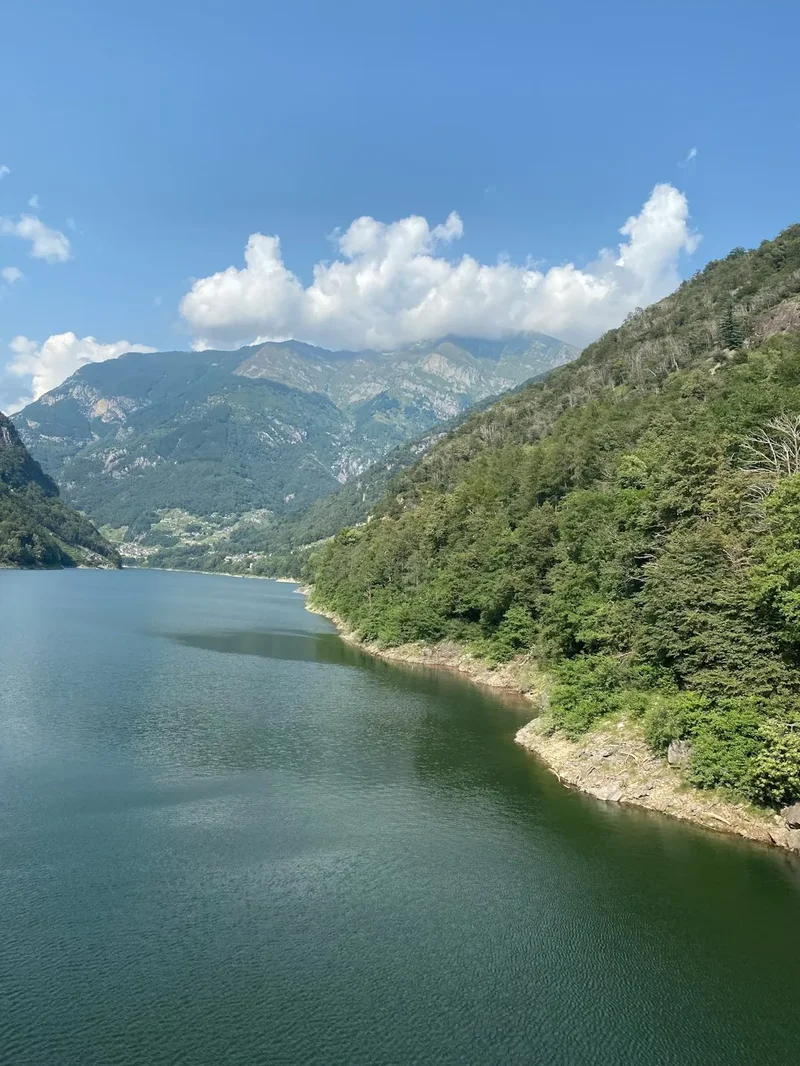
Lac de Louvie Loop
The Lac de Louvie Loop is a stunning day walk nestled in the heart of the Swiss Alps, offering a captivating blend of alpine scenery, crystal-clear waters, and challenging ascents. This circular route, accessible from the charming village of Fionnay, takes hikers on a journey through verdant mountain pastures, past the breathtaking turquoise waters of Lac de Louvie, and over rugged terrain that rewards with panoramic vistas. It's a quintessential Swiss alpine experience, showcasing the raw beauty and dramatic landscapes that make the region so renowned. The loop provides a substantial physical challenge, making it a rewarding endeavour for those seeking an immersive mountain experience without the commitment of an overnight trek.
- Distance: 13.5 km
- Elevation Gain: 850 m
- Duration: 5-6 hours
- Difficulty: Moderate
- Best Time: June to October
- Closest City: Verbier
- Trailhead Access: Nearest airport: Geneva (GVA). Train to Martigny, then bus to Fionnay. By car: Drive to Fionnay via Martigny. Road is paved. Parking available in Fionnay. Coordinates: 46.0550, 7.2480. No permits needed.
Overview
The Lac de Louvie Loop is a moderately challenging day hike that encapsulates the dramatic beauty of the Swiss Alps. Starting from the picturesque village of Fionnay, the trail immediately begins its ascent, winding through alpine meadows dotted with wildflowers during the warmer months. The initial climb is steady, offering increasingly expansive views of the surrounding peaks and valleys. The highlight of the hike is undoubtedly Lac de Louvie, a magnificent glacial lake whose vibrant turquoise waters are a stark contrast to the rugged grey rock and green slopes that encircle it. The path often hugs the shoreline, providing ample opportunities for stunning photographs and moments of quiet contemplation.
Beyond the lake, the loop continues its ascent, often on steeper, more exposed terrain, leading to higher vantage points. These sections offer breathtaking panoramic views of the Grand Combin massif and the wider Val de Bagnes. The descent typically follows a different path, often a more direct route back towards Fionnay, which can be steep and rocky in places, requiring careful footing. The trail is well-marked, but its elevation gain and the nature of the terrain classify it as moderate to challenging, demanding a reasonable level of fitness and sure-footedness. The combination of challenging ascents, spectacular lake views, and sweeping mountain panoramas makes the Lac de Louvie Loop a memorable and rewarding alpine adventure.
The best time to undertake this hike is from June to October, when the snow has typically receded from the higher passes and the weather is generally more stable. Even during summer, however, alpine weather can change rapidly, so hikers should always be prepared for cooler temperatures, wind, and rain. The accessibility from Verbier, a well-known Swiss resort town, makes it a popular choice for both locals and tourists seeking to experience the natural beauty of the region.
History and Cultural Context
The Val de Bagnes, where the Lac de Louvie Loop is situated, has a rich history deeply intertwined with pastoralism and the challenges of alpine life. For centuries, these high pastures have been used for grazing livestock, a practice that has shaped the landscape and the local culture. The construction of the Grande Dixence Dam, one of the world's tallest gravity dams, in the mid-20th century, significantly altered the hydrology of the region, creating the vast Lac des Dix, which is fed by meltwater and streams, including those originating from the area around Lac de Louvie. While Lac de Louvie itself is a natural glacial lake, its setting is within a landscape profoundly influenced by human engineering and historical land use.
The trails in this region, including those that form the Lac de Louvie Loop, often follow ancient routes used by shepherds and farmers for generations. These paths, though now popular hiking trails, retain a sense of their historical purpose, connecting remote pastures and providing access to the high alpine environment. The village of Fionnay, the starting point for the loop, is a small, traditional Swiss mountain hamlet that has historically served as a base for agricultural activities and, more recently, for tourism. The presence of old stone buildings and the enduring agricultural practices offer a glimpse into the region's past.
The development of tourism in the Val de Bagnes, particularly with the proximity to Verbier, has transformed some of these historical routes into well-maintained hiking trails. However, the core character of the landscape—its ruggedness, its natural beauty, and the challenges it presents—remains. The loop offers a tangible connection to this history, allowing hikers to traverse paths that have been trodden for centuries, experiencing the same awe-inspiring scenery that has sustained life and culture in this alpine valley for generations.
Seasonal Highlights and Weather Reality
The Lac de Louvie Loop is best enjoyed during the warmer months, typically from June to October. During this period, the alpine meadows are often carpeted with vibrant wildflowers, creating a picturesque contrast with the stark mountain scenery. The lake's turquoise waters are at their most inviting, and the higher elevations are generally free of snow, making the entire loop accessible.
Spring (May to early June): While the lower sections of the trail may be clear, higher elevations can still be snow-covered. This period is generally not ideal for the full loop, as snow can obscure the path and create hazardous conditions. However, for experienced hikers with appropriate gear, early spring can offer a unique, quieter experience with fewer crowds.
Summer (July to August): This is peak season for the Lac de Louvie Loop. The weather is typically warmer, and the days are long, allowing ample time for the hike. The wildflowers are in full bloom, and the lake is a stunning spectacle. However, this is also the busiest time, and trails can be crowded. Afternoon thunderstorms are common in the Alps during summer, so starting early is highly recommended.
Autumn (September to October): Autumn offers a different kind of beauty. The foliage in the lower valleys begins to change, creating a colourful display. The air is crisp, and the crowds thin out considerably. The weather can be more stable than in summer, with clear, sunny days being frequent. However, temperatures will be cooler, and there is an increased chance of early snowfall, especially at higher elevations towards the end of October. Hikers should be prepared for colder conditions and potentially icy patches.
Winter (November to April): The Lac de Louvie Loop is generally inaccessible and dangerous during winter due to heavy snowfall, avalanche risk, and extreme cold. The trails are covered in snow, and the lake is likely to be frozen. This period is strictly for experienced winter mountaineers with specialised equipment and knowledge.
Weather Reality: It is crucial to remember that alpine weather is notoriously unpredictable. Even on a clear summer day, conditions can change rapidly. Be prepared for sudden drops in temperature, strong winds, rain, and even snow at higher altitudes. Always check the local weather forecast before setting out and carry appropriate layers of clothing.
Recommended Itinerary
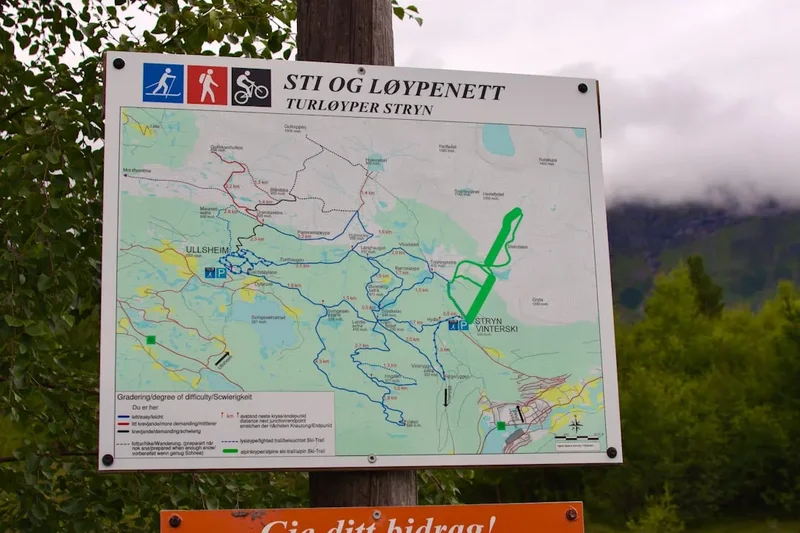
Lac de Louvie Loop - Day Hike Itinerary
Early Morning (Approx. 8:00 AM): Arrival in Fionnay & Trailhead Start
- Arrive in Fionnay village. Park your vehicle in the designated parking area.
- Locate the trailhead for the Lac de Louvie loop, typically well-signposted.
- Begin the ascent from Fionnay. The initial section is a steady climb through pastures and light woodland.
- Enjoy the emerging views of the Val de Bagnes and surrounding peaks.
Morning (Approx. 10:00 AM - 11:00 AM): Reaching Lac de Louvie
- Continue climbing, with the terrain becoming more rugged.
- The trail opens up to reveal the stunning Lac de Louvie.
- Spend time admiring the vibrant turquoise waters and the dramatic mountain backdrop.
- This is an excellent spot for a short break and some photographs.
Midday (Approx. 11:00 AM - 1:00 PM): Ascending Beyond the Lake
- Follow the trail as it continues to climb, often leaving the immediate vicinity of the lake.
- The path may become steeper and more exposed, offering expansive panoramic views.
- This section tests your stamina and rewards with sweeping vistas of the alpine landscape, including potential views of the Grand Combin massif.
- Find a suitable spot for a picnic lunch, taking in the grandeur of the surroundings.
Afternoon (Approx. 1:00 PM - 3:00 PM): The Descent and Loop Completion
- Begin the descent, which may follow a different route than the ascent, completing the loop.
- The descent can be steep and rocky in places, requiring careful footing and sturdy hiking boots.
- The trail winds back down through alpine terrain, offering different perspectives of the valley.
- As you approach Fionnay, the landscape may transition back to more cultivated pastures.
Late Afternoon (Approx. 3:00 PM - 4:00 PM): Return to Fionnay
- Arrive back in Fionnay village.
- Reflect on your alpine adventure and enjoy the sense of accomplishment.
- Consider a refreshing drink at a local establishment if available.
Important Notes:
- This is a day hike; no overnight accommodation is required.
- The trail is well-marked but can be challenging due to elevation gain and rocky terrain.
- Always check the weather forecast before you go and be prepared for rapid changes.
- Carry sufficient water and snacks, as facilities are limited on the trail.
- Wear sturdy hiking boots with good ankle support.
Planning and Bookings
Book Your Trip
Everything you need to plan your journey
Accommodation
Find places to stay near Verbier
Flights
Search flights to Verbier
Essential Preparation
The Lac de Louvie Loop is a day hike, meaning no overnight accommodation bookings are required. However, essential preparation focuses on logistics, fitness, and understanding the trail's demands. The closest major town with comprehensive services is Verbier, which is a popular ski resort and summer destination. Access to the trailhead in Fionnay is typically via public transport or private vehicle. From Geneva Airport (GVA), you can take a train to Martigny, then a bus to Fionnay. Alternatively, driving directly to Fionnay via Martigny is feasible, with paved roads leading to the village. Parking is available in Fionnay, though it can be limited during peak season. It is crucial to assess your fitness level; the 850 metres of elevation gain over 13.5 km requires a moderate level of cardiovascular fitness and leg strength. Familiarise yourself with the route using maps or GPS devices, and ensure you have a reliable way to navigate.
Trail Accommodation
This is a day hike requiring no overnight accommodation.
Required Gear
- Hiking Boots: Sturdy, waterproof hiking boots with good ankle support are essential due to the rocky and uneven terrain. Ensure they are well broken-in to prevent blisters.
- Waterproof Jacket: A waterproof and windproof jacket is crucial, as alpine weather can change rapidly.
- Waterproof Overtrousers: Recommended for protection against rain and wind, especially at higher elevations.
- Layers of Clothing: Pack synthetic or merino wool base layers, an insulating mid-layer (fleece or down jacket), and an outer shell. Avoid cotton, which retains moisture and can lead to hypothermia.
- Backpack: A comfortable daypack (20-30 litres) to carry essentials.
- Navigation Tools: A map of the area, a compass, and a GPS device or smartphone with offline maps downloaded. Mobile signal can be unreliable.
- Head Torch: Essential in case of unexpected delays or if you start very early or finish late. Ensure it has fresh batteries.
- First-Aid Kit: A comprehensive kit including blister treatment, pain relievers, antiseptic wipes, bandages, and any personal medications.
- Sun Protection: High SPF sunscreen, sunglasses, and a wide-brimmed hat or cap are vital, as the sun's intensity is higher at altitude.
What to Bring
- Food: Sufficient high-energy snacks and a packed lunch for the duration of the hike. There are no food services on the trail.
- Water: Carry at least 1.5-2 litres of water per person. Water sources may be available, but purification (filter or tablets) is strongly recommended.
- Toiletries: Biodegradable soap, toothbrush, toothpaste, hand sanitiser, and toilet paper. Pack out all waste.
- Personal Items: Mobile phone (fully charged), power bank, camera, identification, and some cash for emergencies or potential small purchases in Fionnay.
- Trekking Poles: Highly recommended, especially for the steep ascents and descents, to reduce strain on knees and improve stability.
- Insect Repellent: While not as notorious as some other alpine regions, insects can be present, especially near water.
Permits
No specific permits are required to hike the Lac de Louvie Loop. As a public hiking trail in Switzerland, access is generally free and open to all. However, it is always advisable to check for any local regulations or temporary restrictions that might be in place, particularly concerning fire bans or specific access rules during certain times of the year. The trail is part of the natural landscape and does not fall under the strict booking systems seen in some national parks or protected areas elsewhere in the world. Hikers are expected to adhere to general principles of responsible outdoor recreation and respect the natural environment.
Other Activities in the Area
The region surrounding Fionnay and Verbier offers a wealth of activities for outdoor enthusiasts and those seeking to experience the Swiss Alps:
- Verbier Exploration: As a world-renowned resort, Verbier offers extensive hiking and mountain biking trails during the summer months. The extensive lift system can provide access to higher altitudes for more challenging routes or simply for enjoying the views.
- Grande Dixence Dam: Visit one of the world's tallest gravity dams. Guided tours are often available, offering insights into its construction and operation, as well as spectacular views from the dam crest.
- Val de Bagnes Hiking: Beyond the Lac de Louvie Loop, the entire Val de Bagnes is crisscrossed with hiking trails catering to all levels of experience, from gentle valley walks to demanding multi-day treks.
- Mountain Biking: Verbier and the surrounding areas are popular for mountain biking, with dedicated trails and bike parks.
- Paragliding and Hang Gliding: For the adventurous, the high altitudes and open spaces offer excellent conditions for paragliding and hang gliding, with operators in Verbier providing tandem flights.
- Via Ferrata: Several Via Ferrata routes are available in the wider region, offering a thrilling way to experience cliff faces with the aid of steel cables, ladders, and bridges.
- Local Gastronomy: Enjoy traditional Swiss cuisine in the restaurants and chalets of Fionnay and Verbier, sampling local cheeses, charcuterie, and regional specialities.
Safety and Conditions
Weather Preparedness: Alpine weather is highly unpredictable. Always check the local forecast from a reliable source (e.g., MeteoSwiss) before setting out. Be prepared for rapid changes, including sudden drops in temperature, strong winds, rain, and even snow, especially at higher elevations. Start your hike early to avoid afternoon thunderstorms, which are common in summer.
Terrain and Footing: The trail involves significant elevation gain and loss, with sections that can be steep, rocky, and uneven. Sturdy hiking boots with good ankle support are essential. Trekking poles can significantly aid stability and reduce strain on your joints, particularly during descents.
Navigation: While the Lac de Louvie Loop is generally well-marked, it is crucial to carry a map and compass and know how to use them. A GPS device or a smartphone with downloaded offline maps is also highly recommended, as mobile phone reception can be intermittent in the mountains.
Hydration and Nutrition: Carry ample water (at least 1.5-2 litres per person) and high-energy snacks. While there may be water sources along the route, it is advisable to treat any water from natural sources using a filter or purification tablets to avoid waterborne illnesses.
Physical Fitness: The hike involves 850 metres of elevation gain, which requires a moderate level of fitness. Ensure you are adequately prepared and have a reasonable level of cardiovascular and leg strength. If you are unsure, consider a shorter or less strenuous hike first.
Emergency Procedures: Inform someone of your hiking plans, including your intended route and estimated return time. Carry a fully charged mobile phone and consider a power bank. In case of emergency, the Swiss emergency number is 144 for medical assistance and 112 for general emergencies. For mountain rescue, contact Rega (Swiss Air Rescue) at +41 33 826 50 50 or via their app.
Wildlife: While large predators are rare in this region, be aware of your surroundings. Respect any wildlife you encounter and maintain a safe distance.
Side Trips and Points of Interest
Lac de Louvie Shoreline Exploration: While the main loop trail often skirts the lake, taking time to walk closer to the water's edge offers different perspectives and photographic opportunities. The vibrant turquoise colour of the lake is particularly striking against the surrounding grey rock and green slopes.
Panoramic Viewpoints: As you ascend beyond Lac de Louvie, numerous natural viewpoints emerge. These offer breathtaking vistas of the Val de Bagnes, the surrounding mountain ranges including the imposing Grand Combin massif, and the vast alpine landscape. Pausing at these points allows for appreciation of the scale and grandeur of the Alps.
Fionnay Village: The starting and ending point of the loop, Fionnay is a charming traditional Swiss mountain village. Exploring its quiet streets, observing the traditional architecture, and appreciating its tranquil atmosphere can be a pleasant addition to the hiking experience.
Grande Dixence Dam Vicinity: Although not directly on the loop, the proximity to the Grande Dixence Dam means that a visit to this engineering marvel can be easily combined with the hike. The dam itself is a significant point of interest, and the surrounding area offers further exploration opportunities.
Leave No Trace
The principles of Leave No Trace are paramount for preserving the pristine beauty of the Swiss Alps and ensuring that trails like the Lac de Louvie Loop remain enjoyable for future generations. As you hike, please adhere to the following guidelines:
- Plan Ahead and Prepare: Understand the trail conditions, weather, and any local regulations before you go. Pack appropriately for the conditions.
- Travel and Camp on Durable Surfaces: Stick to the marked trails to avoid damaging fragile alpine vegetation. Avoid creating new paths or shortcuts.
- Dispose of Waste Properly: Pack out everything you pack in, including all food scraps, wrappers, and any other litter. Use designated toilet facilities where available, or if not, dig a cathole at least 60 metres away from water sources, trails, and campsites, and bury human waste. Pack out toilet paper.
- Leave What You Find: Do not remove or disturb natural objects such as rocks, plants, or flowers. Take only photographs and memories.
- Minimise Campfire Impacts: Campfires are generally not permitted on day hikes and are highly discouraged in alpine environments due to the risk of wildfires and damage to vegetation. Use a portable stove for cooking if necessary.
- Respect Wildlife: Observe wildlife from a distance and never feed animals. Feeding wildlife can disrupt their natural behaviours and diets, and can make them dependent on humans.
- Be Considerate of Other Visitors: Keep noise levels down, yield to other hikers, and maintain a respectful attitude towards fellow outdoor enthusiasts.
By following these principles, you help protect the natural environment and ensure a positive experience for everyone who enjoys the Lac de Louvie Loop and the wider alpine landscape.
 Switzerland