
Lac de Gaube Hike
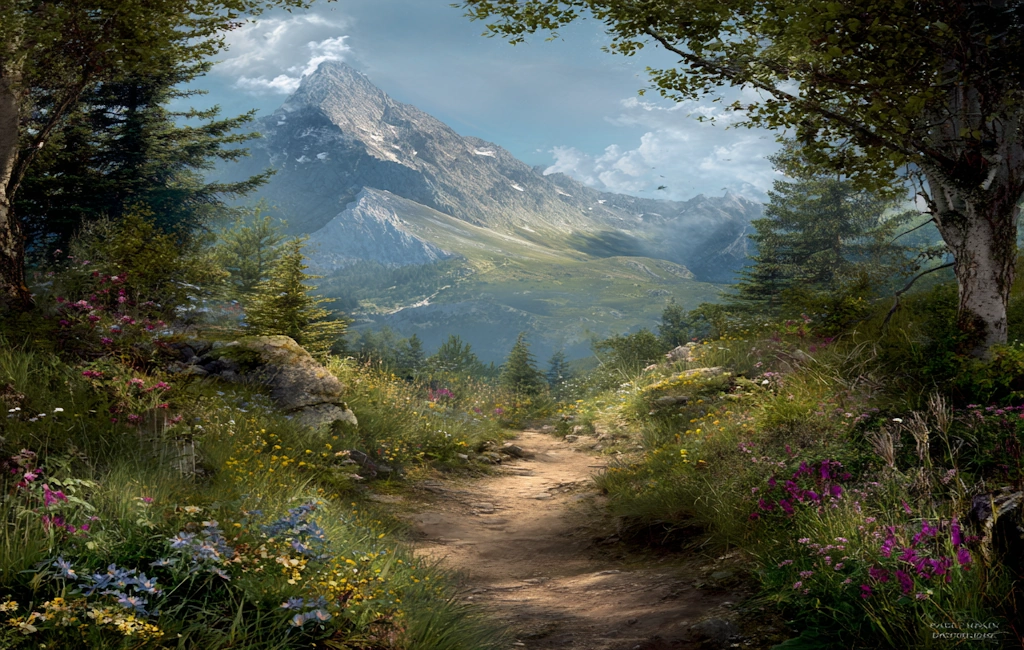
The Lac de Gaube hike is a classic Pyrenean day walk, renowned for its stunning alpine scenery, accessible trailhead, and the breathtaking beauty of its destination lake. Nestled high in the French Pyrenees, this trail offers a rewarding experience for hikers of moderate fitness, leading to a glacial lake that mirrors the majestic Vignemale massif. The journey is a perfect blend of forest paths, open mountain terrain, and spectacular vistas, making it a must-do for anyone visiting the region. The accessibility via a cable car and chairlift significantly reduces the ascent, allowing more time to savour the views and the tranquil atmosphere of the lake itself.
- Distance: 9.0 km (return from Pont d'Espagne)
- Elevation gain: 800 m (from Pont d'Espagne)
- Duration: 4-5 hours (round trip)
- Season: June to October
- Difficulty: Moderate
- Closest City: Lourdes, France
- Trailhead Access: Pont d'Espagne, near Cauterets
- Permits: None required for the trail itself, but local park regulations may apply.
Overview
The Lac de Gaube hike is a quintessential Pyrenean experience, offering a relatively accessible route to a truly spectacular glacial lake. The trail begins at Pont d'Espagne, a picturesque area known for its cascading waterfalls and stone bridge, serving as the gateway to the high mountains. From here, the path ascends steadily, initially through fragrant pine forests, before opening up to more rugged, rocky terrain as it climbs towards the lake.
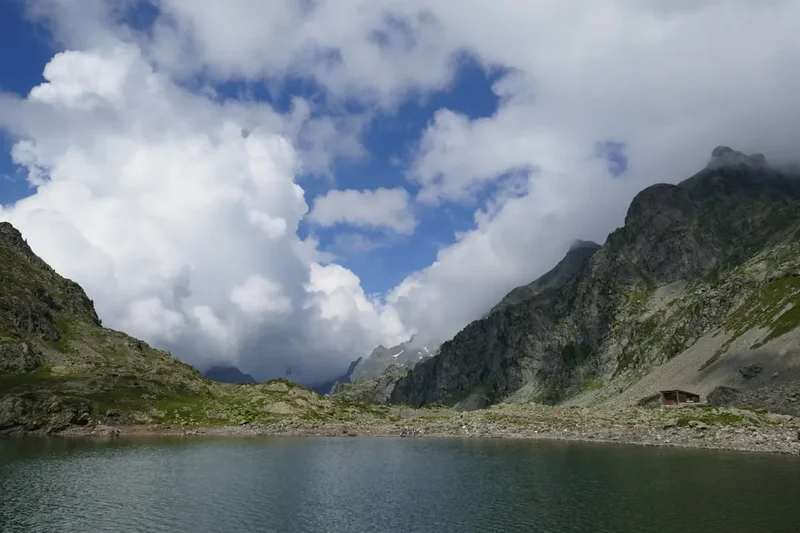
The primary draw is Lac de Gaube itself, a jewel-like body of water situated at an altitude of 1,720 metres. Its crystal-clear waters reflect the imposing granite peaks of the Vignemale massif, including the highest summit, Grande Pique d'Est (3,077 m), and the iconic Petit Vignemale. The setting is dramatic and awe-inspiring, with sheer rock faces and snow-capped peaks providing a magnificent backdrop. The lake is fed by glacial meltwater, contributing to its pristine, often turquoise hue.
The hike is considered moderate due to the significant elevation gain over a relatively short distance. However, the path is generally well-maintained, with sections of stone steps and clear signage. The presence of a cable car and chairlift from the nearby ski resort of Cauterets to the Refuge des Oulettes de Gaube significantly shortens the approach to the lake, making it achievable for a wider range of hikers. Those who choose to walk the entire route from Pont d'Espagne will experience a more strenuous but equally rewarding journey through diverse mountain landscapes.
The surrounding area is part of the Parc National des Pyrénées, a protected natural reserve that boasts rich biodiversity, including chamois, marmots, and a variety of alpine flora. The air is crisp and clean, and the sounds of nature—rushing water, birdsong, and the distant bleating of sheep—create a serene atmosphere. Whether approached on foot from Pont d'Espagne or via the lift system, Lac de Gaube offers an unforgettable encounter with the raw beauty of the French Pyrenees.
History and Cultural Context
The Pyrenees, and specifically the region around Cauterets and the Vignemale massif, have a long history of human interaction, primarily driven by pastoralism, resource extraction, and later, tourism. The trails leading to Lac de Gaube have likely been used by shepherds for centuries, guiding their flocks to high mountain pastures during the summer months. The presence of stone shelters and ancient pathways hints at this long-standing relationship between humans and the mountain environment.
The late 19th and early 20th centuries saw a surge in mountaineering and alpine tourism across Europe. The French Pyrenees, with their dramatic peaks and accessible valleys, became a popular destination for adventurers and nature lovers. Cauterets, already a well-established spa town, capitalised on this trend, developing infrastructure to facilitate access to its stunning natural attractions. The construction of the Pont d'Espagne bridge itself, a picturesque stone structure spanning the Gave de Gaube, dates back to the mid-19th century, becoming a focal point for visitors.
The development of the cable car and chairlift system from Cauterets to the Refuge des Oulettes de Gaube was a significant factor in popularising the Lac de Gaube hike. This modern infrastructure, implemented in the latter half of the 20th century, made the lake accessible to a much broader audience, transforming it from a challenging mountain trek into a more manageable day excursion. The refuge itself, situated near the lake, has served as a vital point of rest and sustenance for hikers and climbers for decades.
The Vignemale massif, looming over Lac de Gaube, has also played a role in mountaineering history. The first ascent of the highest peak, Grande Pique d'Est, was achieved in 1789. The massif's glaciers, though receding, are a testament to the region's alpine character. Today, the area is protected as part of the Parc National des Pyrénées, ensuring that its natural beauty and ecological integrity are preserved for future generations, while still welcoming visitors to experience its grandeur.
Seasonal Highlights and Weather Reality
The best time to hike to Lac de Gaube is generally from June to October. During these months, the weather is typically more stable, and the trails are free of snow, making for safer and more enjoyable conditions.
Spring (May to early June): While the lower trails may be clear, higher sections, including the path to Lac de Gaube, can still hold significant snow. Waterfalls are at their most powerful due to snowmelt, creating a dramatic spectacle. However, conditions can be unpredictable, and snowshoes or crampons might be necessary for certain sections. The cable car and chairlift may not be fully operational until later in June.
Summer (July to August): This is peak season. The weather is generally warm and sunny, ideal for hiking. The lake is at its most vibrant, and the surrounding meadows are often carpeted with wildflowers. However, this is also the busiest time, and trails can be crowded. Afternoon thunderstorms are common in the Pyrenees, so starting early is advisable. Sandflies can be present, though generally less problematic than in some other mountain regions.
Autumn (September to October): Autumn offers a quieter experience with crisp, clear air and stunning autumnal colours in the forests. The crowds thin out, and the light can be particularly beautiful for photography. Temperatures begin to drop, and early snowfalls are possible, especially in late October. The cable car and chairlift typically cease operation by the end of October.
Winter (November to April): The area is transformed into a winter wonderland, with heavy snowfall. The trails are impassable for hiking without advanced winter mountaineering skills and equipment (skis, snowshoes, ice axe, crampons). The cable car and chairlift are closed during this period. This season is strictly for experienced winter adventurers.
Weather Considerations: Mountain weather in the Pyrenees can change rapidly. Even in summer, be prepared for sudden drops in temperature, strong winds, and rain or thunderstorms. Always check the forecast before setting out and carry appropriate layers.
Recommended Itinerary
Lac de Gaube Day Hike Itinerary
Option 1: Full Hike from Pont d'Espagne
- Early Morning (approx. 8:00 AM): Arrive at Pont d'Espagne. Park your vehicle (fee applies) or take a bus from Cauterets. Begin the hike from the Pont d'Espagne bridge.
- Morning (approx. 8:30 AM - 11:30 AM): Ascend through the forest along the Gave de Gaube. The path is well-marked and initially follows the river, passing smaller cascades and enjoying the shade of pine and beech trees. The gradient becomes steeper as you gain altitude.
- Midday (approx. 11:30 AM - 1:00 PM): Emerge from the forest into more open, rocky terrain. The views begin to open up, offering glimpses of the surrounding peaks. Continue the steady climb towards the lake.
- Afternoon (approx. 1:00 PM - 3:00 PM): Arrive at Lac de Gaube. Spend time admiring the lake, its reflections of the Vignemale massif, and the surrounding landscape. Enjoy a packed lunch.
- Late Afternoon (approx. 3:00 PM - 5:00 PM): Begin the descent back to Pont d'Espagne, retracing your steps.
Option 2: Using Cable Car and Chairlift
- Morning (approx. 9:00 AM): Travel from Cauterets to Pont d'Espagne. From Pont d'Espagne, walk a short distance (approx. 10-15 minutes) to the base of the Lac de Gaube cable car.
- Mid-Morning (approx. 9:30 AM - 10:00 AM): Take the Lac de Gaube cable car up to the Refuge des Oulettes de Gaube.
- Late Morning (approx. 10:00 AM - 10:30 AM): From the refuge, take the chairlift (if operational and desired) or walk the final section to Lac de Gaube. The walk from the refuge is approximately 30-45 minutes.
- Midday (approx. 10:30 AM - 1:00 PM): Arrive at Lac de Gaube. Enjoy the spectacular views, take photographs, and have lunch.
- Afternoon (approx. 1:00 PM - 3:00 PM): Descend via the chairlift and cable car back to Pont d'Espagne.
Important Notes:
- The cable car and chairlift operate seasonally (typically June to October) and have specific operating hours. Check these in advance.
- The full hike from Pont d'Espagne is approximately 9 km return with 800 m of elevation gain and takes 4-5 hours.
- The hike using the lifts is significantly shorter in terms of walking time and elevation gain.
- Always carry water, snacks, sun protection, and a waterproof jacket, regardless of the chosen option.
- The path can be rocky and uneven; sturdy footwear is essential.
Planning and Bookings
Book Your Trip
Everything you need to plan your journey
Accommodation
Find places to stay near Lourdes
Flights
Search flights to Lourdes
Essential Preparation
The Lac de Gaube hike is a popular day trip, and while it doesn't require extensive booking like multi-day treks, proper preparation is key to a successful and enjoyable experience. The closest major city is Lourdes, a well-known pilgrimage site, from which you can drive or take public transport to Cauterets. Cauterets is a charming mountain town and a popular base for exploring the Pyrenees, offering a range of accommodation, restaurants, and outdoor gear shops.
Logistics:
- Getting to Cauterets: From Lourdes, the drive to Cauterets takes approximately 30-40 minutes. Regular bus services also operate between Lourdes and Cauterets.
- Getting to Pont d'Espagne: From Cauterets, you can drive to Pont d'Espagne (approx. 20-30 minutes). The road is generally well-maintained but can be narrow and winding. Parking is available at Pont d'Espagne, but it is a paid service and can fill up quickly during peak season. Alternatively, during the summer months, a shuttle bus service often runs from Cauterets to Pont d'Espagne, which is a convenient option to avoid parking issues.
- Lift System: If opting to use the cable car and chairlift, you will need to factor in their operating times and purchase tickets. These are usually available at the base station near Pont d'Espagne.
- Base Town: Cauterets is the ideal base town. It offers a wide selection of hotels, guesthouses, and apartments, catering to various budgets. It also has supermarkets for purchasing food and supplies, and outdoor shops for any last-minute gear needs.
Trail Accommodation
This is a day hike requiring no overnight accommodation. The primary facilities available are at the start and end points, and near the lake:
- Pont d'Espagne: Basic facilities such as toilets and a few small cafés or snack bars may be available.
- Refuge des Oulettes de Gaube: Located near Lac de Gaube, this mountain refuge offers accommodation (dormitory-style beds) and meals for hikers wishing to stay overnight or break up their journey. Booking in advance is highly recommended, especially during peak season.
- Lac de Gaube: There are no formal camping facilities directly at the lake. Wild camping is generally not permitted within national parks.
Required Gear
- Sturdy Hiking Boots: Waterproof and with good ankle support are essential due to the rocky and uneven terrain.
- Waterproof Jacket: Mountain weather can change rapidly; a reliable waterproof and windproof jacket is crucial.
- Warm Layers: Even in summer, temperatures at altitude can be cool. Bring a fleece or insulating jacket.
- Sun Protection: High SPF sunscreen, sunglasses, and a wide-brimmed hat are necessary, as the sun is intense at altitude, especially reflecting off snow or water.
- Navigation: While the trail is generally well-marked, a map of the area and a compass or GPS device are recommended, especially if you plan to explore beyond the main path.
- First-Aid Kit: Include essentials like plasters, antiseptic wipes, pain relievers, and any personal medications.
- Head Torch: Useful if starting very early or finishing late, or in case of unexpected delays.
What to Bring
- Water: Carry at least 1.5-2 litres of water per person. There are streams along the route, but water treatment (filter or purification tablets) is recommended if you plan to refill.
- Food: Pack a substantial lunch, snacks (energy bars, fruit, nuts), and drinks. There are limited food options at the lake or refuge.
- Backpack: A comfortable daypack (20-30 litres) to carry your gear.
- Trekking Poles: Highly recommended, especially for the descent, to reduce strain on knees.
- Insect Repellent: While not usually a major issue, it's wise to have some on hand, particularly in early summer.
- Camera: To capture the spectacular scenery.
- Cash: For parking fees, lift tickets, and any purchases at cafés or the refuge. Card payment facilities may be limited.
Permits
No specific permits are required to hike the trail to Lac de Gaube from Pont d'Espagne. The area is part of the Parc National des Pyrénées, which is a protected natural reserve. While there are no entry fees or permits for the hiking trails themselves, visitors are expected to adhere to the park's regulations, which generally focus on conservation and responsible tourism.
Park Regulations to Note:
- Respect Wildlife: Do not feed or disturb animals.
- Stay on Marked Trails: To protect fragile alpine vegetation and prevent erosion.
- Leave No Trace: Pack out all rubbish, including food scraps.
- No Wild Camping: Overnight stays are restricted to designated accommodation like the Refuge des Oulettes de Gaube.
- Fires: Open fires are strictly prohibited.
Parking and Lift Fees:
- Parking at Pont d'Espagne: A fee is typically charged for parking.
- Cable Car and Chairlift: Tickets must be purchased for the lift system if you choose to use it. Prices vary and are subject to seasonal changes.
It is always advisable to check the official website of the Parc National des Pyrénées or local tourist information offices for any updated regulations or specific advisories before your visit.
Other Activities in the Area
The region around Cauterets and Pont d'Espagne offers a wealth of activities for outdoor enthusiasts:
- Cauterets Ski Resort: In winter, Cauterets is a popular ski destination. In summer, some lifts may operate for scenic rides or access to hiking trails.
- Thermal Baths of Cauterets: The town is famous for its thermal spas, offering relaxation and wellness treatments.
- Cirque de Gavarnie: A UNESCO World Heritage site, this spectacular glacial cirque is a longer day trip from Cauterets but offers breathtaking scenery and challenging hikes.
- Luz-Saint-Sauveur: Another charming town in the vicinity, known for its historic Templar sites and proximity to other mountain passes.
- Vignemale Massif Climbing: For experienced mountaineers, the Vignemale massif offers numerous climbing routes, including ascents of Grande Pique d'Est.
- Other Hikes: Numerous other trails radiate from Pont d'Espagne and Cauterets, leading to different lakes, valleys, and viewpoints within the Parc National des Pyrénées. Examples include the hike to the Lac d'Estom or the Col de la Sègue.
- Cycling: The mountain roads around Cauterets are popular with road cyclists, offering challenging climbs and scenic descents.
Safety and Conditions
Weather: Mountain weather is unpredictable. Always check the forecast before you go and be prepared for rapid changes. Temperatures can drop significantly with altitude and wind chill. Thunderstorms are common in the afternoons during summer.
Trail Conditions: The path from Pont d'Espagne to Lac de Gaube is generally well-maintained but can be rocky, uneven, and steep in places. In early spring or late autumn, snow and ice can make sections hazardous, requiring appropriate gear and experience.
Altitude: Lac de Gaube is at 1,720 metres. While not extremely high, some individuals may experience mild effects of altitude. Ascend gradually and stay hydrated.
Water: While streams are present, it is advisable to treat water from natural sources before drinking, or carry sufficient water for the entire hike.
Wildlife: You may encounter chamois, marmots, or other mountain animals. Observe them from a distance and do not feed them.
Emergency: In case of emergency, contact the local mountain rescue services. The emergency number in France is 112. Carry a fully charged mobile phone, though signal coverage can be intermittent in mountainous areas.
Footwear: Sturdy, broken-in hiking boots are essential to prevent blisters and provide ankle support on the uneven terrain.
Navigation: While the main trail is clear, carrying a map and compass or GPS device is recommended, especially if venturing off the primary route or in poor visibility.
Side Trips and Points of Interest
Refuge des Oulettes de Gaube: Situated just a short walk from Lac de Gaube, this mountain refuge is a focal point for hikers and climbers. It offers a place to rest, enjoy a meal, or even stay overnight. The views from the refuge itself are spectacular, providing a different perspective on the Vignemale massif.
Vignemale Massif: The imposing mountain range that dominates the skyline above Lac de Gaube. The highest peak, Grande Pique d'Est (3,077 m), is a significant challenge for experienced mountaineers. Even from the lake, the sheer scale and rugged beauty of these peaks are awe-inspiring.
Gave de Gaube Waterfalls: Along the initial ascent from Pont d'Espagne, the Gave de Gaube river cascades down the mountainside, forming numerous beautiful waterfalls. The most prominent is the Cascade de Pont d'Espagne, a powerful and picturesque waterfall easily accessible from the parking area.
Pont d'Espagne Bridge: The historic stone bridge that gives the area its name. It spans the Gave de Gaube and offers excellent views of the main waterfall. It's a popular spot for photographs and a good starting point for the hike.
Flora and Fauna: Keep an eye out for the diverse plant life of the Pyrenean alpine meadows, which can include various species of gentians, saxifrages, and alpine roses in season. You might also spot marmots sunning themselves on rocks or chamois grazing on the slopes.
Leave No Trace
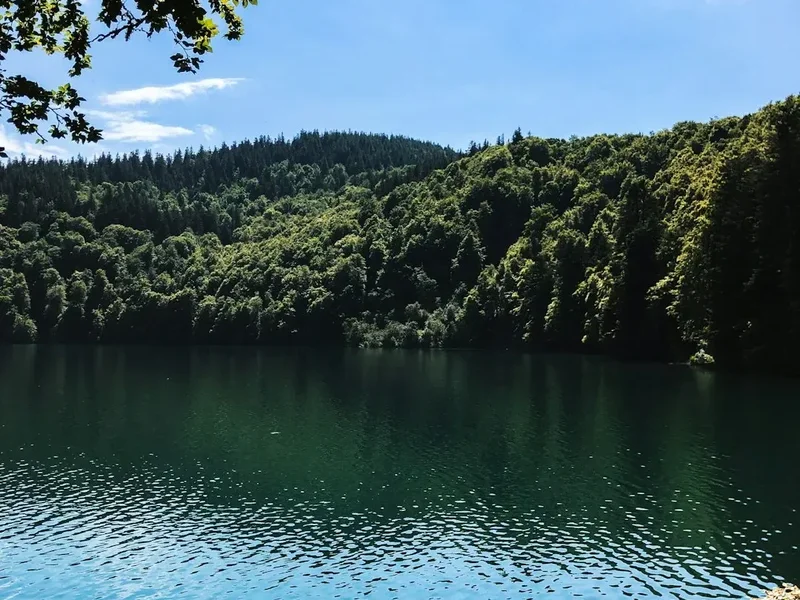
The Lac de Gaube area is a precious natural environment within the Parc National des Pyrénées. Practising Leave No Trace principles ensures its preservation for future visitors and its ecological integrity.
- Plan Ahead and Prepare: Understand the trail conditions, weather, and any regulations before you go.
- Travel and Camp on Durable Surfaces: Stick to marked trails to avoid damaging fragile vegetation. The path to Lac de Gaube is well-defined; do not cut switchbacks or create new paths.
- Dispose of Waste Properly: Pack out everything you pack in. This includes all food scraps, wrappers, and any other litter. Use designated bins where available, but be prepared to carry everything back down.
- Leave What You Find: Do not pick wildflowers, collect rocks, or disturb natural features.
- Minimize Campfire Impacts: Campfires are prohibited in this area. Use a portable stove if you need to cook.
- Respect Wildlife: Observe animals from a distance and never feed them. Feeding wildlife can harm their health and alter their natural behaviour.
- Be Considerate of Other Visitors: Keep noise levels down, yield to uphill hikers, and maintain a respectful attitude towards fellow visitors enjoying the natural beauty.
By following these principles, you help maintain the pristine beauty of Lac de Gaube and its surroundings.
 France