
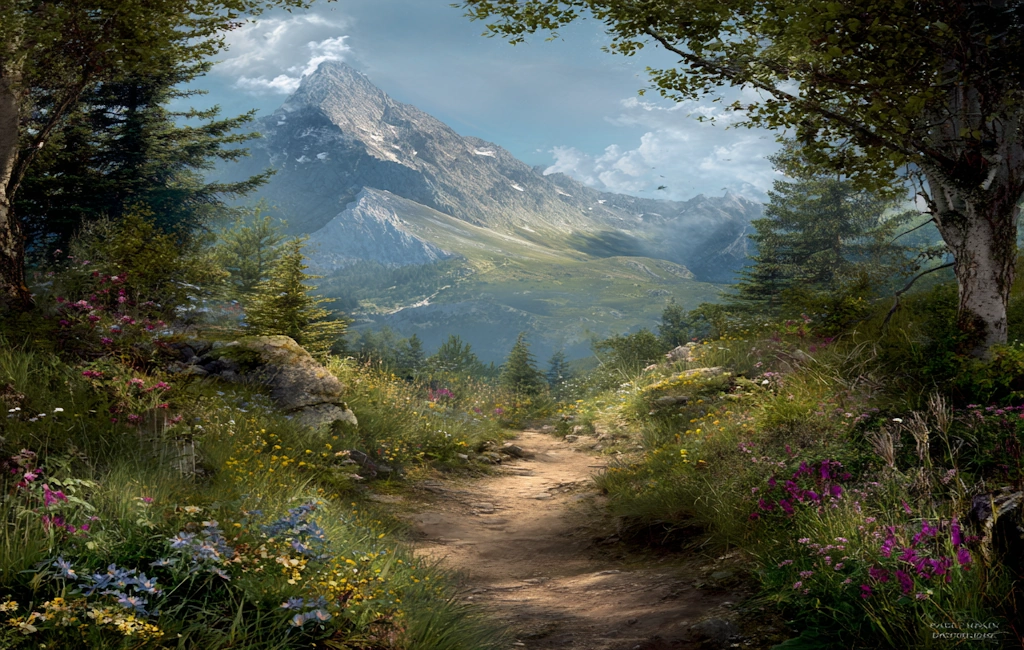
Lac Blanc via Index Lift - The Mirror of the French Alps
The hike to Lac Blanc via the Index lift is arguably the most iconic day walk in the Chamonix Valley, offering a front-row seat to the architectural grandeur of the Mont Blanc massif. Situated at an altitude of 2,352 metres within the Réserve Naturelle des Aiguilles Rouges, this turquoise alpine lake serves as a natural mirror, reflecting the jagged spires of the Aiguille Verte, Les Drus, and the snow-capped dome of Mont Blanc itself. By utilising the Flégère cable car followed by the Index chairlift, hikers are transported high above the valley floor, allowing for a spectacular high-level traverse that minimises vertical ascent while maximising panoramic exposure. This route is not merely a walk; it is a sensory immersion into the high-alpine environment of the Haute-Savoie, where the air is thin and crisp, the terrain is a rugged mosaic of granite and gneiss, and the views are consistently world-class.
- Distance: 9.0 km (loop or out-and-back depending on descent choice)
- Duration: 4-5 hours
- Elevation Gain: 500 m
- Highest Point: 2,352 m (Lac Blanc)
- Difficulty: Moderate (rocky terrain and high altitude)
- Best Time: Mid-June to September
- Closest City: Chamonix-Mont-Blanc, France
Overview
The Lac Blanc trail via the Index lift is a masterclass in alpine efficiency. While many hikers choose to ascend from the Flégère mid-station, taking the extra step up the Index chairlift transforms the experience into a stunning balcony walk. This approach allows you to traverse the mountainside at a relatively consistent elevation, crossing boulder fields and alpine meadows that teem with marmots and ibex. The landscape here is defined by the contrast between the Aiguilles Rouges (the Red Needles) on which you stand—named for the iron-rich, reddish hue of the rock—and the stark, glaciated white of the Mont Blanc range across the valley. The geological divide is profound; the Aiguilles Rouges are older, metamorphic rocks, while the Mont Blanc massif is a younger, more aggressive granite intrusion.
As you navigate the trail, the scale of the surroundings is difficult to overstate. To the south, the Mer de Glace, France's largest glacier, snakes down from the heights of the Géant glacier, though its retreat is a sobering reminder of the changing climate. The Aiguille du Midi stands like a sentinel above Chamonix, its needle-like summit piercing the sky at 3,842 metres. The trail itself is well-maintained but demands concentration, as the path is often composed of loose scree and large granite slabs. Reaching Lac Blanc is the ultimate reward; the lake is divided into two sections, often remaining partially frozen well into July. The presence of the Refuge du Lac Blanc on its shores provides a sanctuary for hikers to enjoy a coffee or a meal while staring directly at the highest peaks in Western Europe.
This hike is a quintessential Chamonix experience, blending technical mountain beauty with the accessibility of the French lift system. It is a journey that appeals to both the casual hiker looking for a "big mountain" feel and the seasoned alpinist seeking a recovery day with unparalleled views. Whether you are watching the morning light hit the "Grandes Jorasses" or observing the reflection of the "Dent du Géant" in the still waters of the lake, the Lac Blanc via Index route delivers a visual spectacle that remains etched in the memory long after the descent.
History and Cultural Context
The history of the Lac Blanc trail is inextricably linked to the birth of modern mountaineering in Chamonix. In the late 18th century, the valley was a remote outpost until the "discovery" of the glaciers by English explorers Richard Pococke and William Windham in 1741. Their accounts of the "Mer de Glace" sparked a wave of European interest, leading to the first ascent of Mont Blanc by Jacques Balmat and Michel-Gabriel Paccard in 1786. As Chamonix evolved from a farming village into the world's mountaineering capital, the Aiguilles Rouges became a favoured training ground for climbers and a scenic destination for the early "voyageurs" who sought the best vantage points to admire the glaciers.
The development of the lift system in the 20th century democratised these views. The first Flégère cable car was opened in 1956, followed by the Index chairlift, which allowed visitors to reach the high-altitude scree slopes without the arduous 1,300-metre climb from the valley floor. This infrastructure turned Lac Blanc from a remote alpine tarn into one of the most visited spots in the Alps. However, the French authorities recognised the need to balance tourism with conservation. In 1974, the Réserve Naturelle des Aiguilles Rouges was established, encompassing 3,276 hectares of land, including Lac Blanc. This protection ensures that the delicate alpine flora and the populations of Alpine Ibex (Bouquetin) and Chamois are preserved despite the thousands of hikers who visit each summer.
The Refuge du Lac Blanc also holds a place in local lore. Originally a simple stone shelter, it has been rebuilt and modernised over the decades to accommodate the growing number of hikers and Tour du Mont Blanc (TMB) trekkers. It remains a family-run establishment, symbolising the mountain hospitality that is central to Savoyard culture. Walking this trail is not just a physical exercise; it is a walk through the history of alpine exploration, where every peak across the valley has a story of a first ascent, a legendary guide, or a daring rescue.
Want more background? Read extended notes on history and cultural context → Learn more
Seasonal Highlights and Weather Reality
The window for hiking to Lac Blanc is dictated by the snowpack and the operating dates of the Flégère and Index lifts. Generally, the lifts run from mid-June to mid-September, which coincides with the primary hiking season. However, the high altitude of the lake (2,352 m) means that winter conditions can linger well into the summer months.
Early Season (June to early July): This is a period of dramatic transition. While the valley floor is lush and green, the trail to Lac Blanc may still be covered in significant snow patches. Hikers should be prepared for "névés" (permanent snow fields) that can be slippery and require caution. The lake itself is often still partially frozen, creating a stunning turquoise and white mosaic. This is also the best time to see the alpine rhododendrons (Rhododendron ferrugineum) blooming in vibrant pink across the lower slopes.
High Summer (July and August): This is the most popular time to visit. The weather is generally stable, with warm days and cool nights. The trail is completely clear of snow, and the lake is fully thawed. However, afternoon thunderstorms are a common occurrence in the Alps. Hikers should aim for early starts to ensure they are off the high ridges before the clouds build up. This is also the peak season for wildlife spotting, as marmots are active and ibex often descend toward the lake to graze.
Autumn (September): Many locals consider September the best month for Lac Blanc. The crowds dissipate, the air becomes exceptionally clear, and the first dustings of snow may appear on the highest peaks, enhancing the contrast of the landscape. The "golden hour" light in September is particularly spectacular for photography. However, the days are shorter, and the temperature can drop rapidly as soon as the sun dips behind the Aiguilles Rouges. Hikers must check the lift closing dates carefully, as they usually shut down by the third week of September.
Winter and Spring (October to May): Outside of the lift operating season, Lac Blanc becomes a serious mountaineering or ski touring objective. The trail is buried under metres of snow, and the risk of avalanches from the steep slopes of the Aiguilles Rouges is high. This period is strictly for those with winter navigation skills, avalanche safety equipment, and the physical fitness to climb 1,300 metres from the valley floor.
Recommended Itinerary
Lac Blanc via Index Lift Day Hike
Early Morning: The Ascent from Chamonix
- 08:30 – Arrive at the Flégère cable car station in Les Praz (accessible by bus or train from Chamonix centre).
- Purchase a return ticket for the Flégère and Index lifts (or use a Mont Blanc Multi-pass).
- Take the cable car up to the Flégère mid-station (1,877 m).
- Immediately transfer to the Index chairlift, which whisks you up to 2,396 m.
- The ride offers breathtaking views of the Mer de Glace and the Aiguille Verte.
- Take a moment at the top of the Index lift to orient yourself and admire the Aiguille de l'Index, a popular rock climbing spire.
Morning: The High-Level Traverse
- 09:15 – Begin the hike from the Index lift station. Follow the signs for "Lac Blanc".
- The trail starts with a slight descent before traversing a vast boulder field.
- Distance: Approximately 3 km from Index to Lac Blanc.
- Time: 1.5 to 2 hours.
- The path is rocky and requires steady footwork. You will pass beneath the towering cliffs of the Aiguilles Rouges.
- Keep an eye out for Alpine Ibex, which are frequently seen in this area, often unfazed by human presence.
- The trail eventually joins the main path coming up from Flégère for the final, steeper ascent to the lake.
Midday: Lac Blanc and the Refuge
- 11:00 – Arrive at Lac Blanc (2,352 m).
- Spend time exploring both the lower and upper sections of the lake.
- The classic "reflection" photo is best taken from the far side of the lower lake, looking back toward Mont Blanc.
- Lunch at the Refuge du Lac Blanc or enjoy a picnic on the granite slabs surrounding the water.
- If you have extra energy, follow the path toward the Lacs des Chéserys (15-20 minutes further) for a different perspective and fewer crowds.
- Refill water at the refuge (bottled water for purchase is recommended as tap water is limited).
Afternoon: The Descent to Flégère
- 13:30 – Begin the descent. Instead of returning to the Index lift, follow the direct trail down toward La Flégère.
- Distance: 3 km.
- Elevation loss: ~500 m.
- Time: 1.5 hours.
- This section of the trail is steeper and involves some stone steps and winding paths through alpine scrub.
- Pass by the small Lac de la Flégère before reaching the cable car station.
- 15:00 – Take the Flégère cable car back down to Les Praz.
- Enjoy a well-earned drink at one of the cafés in Les Praz or head back into Chamonix.
Important Notes:
- Check the last lift time! Missing the final cable car results in a 2-hour, 1,000 m descent on foot to the valley.
- The Index lift is a chairlift; ensure you are comfortable with heights and have secured your belongings.
- The trail is entirely above the treeline; there is no shade from the sun.
- Weather can change in minutes; always carry a waterproof shell even if the sky is blue.
Planning and Bookings
Book Your Trip
Everything you need to plan your journey
Accommodation
Find places to stay near Chamonix
Flights
Search flights to Chamonix
Essential Preparation
Planning for Lac Blanc requires a mix of logistical timing and physical readiness. While the use of lifts makes the hike "moderate," you are still operating in a high-alpine environment above 2,000 metres. Fitness requirements include the ability to walk for 4-5 hours on uneven, rocky terrain. If you are coming from sea level, consider spending a day or two in Chamonix (1,035 m) to acclimatise before heading to the higher elevations of the Index lift.
Chamonix-Mont-Blanc is the primary base for this hike. It is a world-class mountain town with every imaginable amenity. Logistics are simplified by the excellent "Chamonix Bus" and "Mont Blanc Express" train systems, which connect the various lift stations. If you are staying in the valley, your accommodation will likely provide a "Carte d'Hôte" (Guest Card), which gives you free travel on buses and trains within the valley. Booking your lift tickets online in advance can save time, especially during the busy July and August periods.
Trail Accommodation
As this is primarily a day hike, most visitors stay in the Chamonix Valley. However, for those wishing to experience a high-altitude sunset and sunrise, the Refuge du Lac Blanc offers overnight stays.
Refuge du Lac Blanc:
- Type: High-altitude mountain hut (Refuge).
- Capacity: Approximately 40 people in dormitory-style bunks.
- Booking: Mandatory and must be done months in advance via their official website. It is one of the most popular huts on the Tour du Mont Blanc route.
- Facilities: Half-board (dinner and breakfast) is the standard. Simple toilets and limited washing facilities. No showers are typically available due to water scarcity at this altitude.
- Cost: Approximately €60-€75 per night for half-board.
- Note: The refuge is only open during the summer season (mid-June to mid-September).
Valley Options:
- Les Praz: The closest village to the Flégère lift. Offers several high-end hotels and charming chalets.
- Chamonix Centre: A 10-minute bus ride away, offering everything from budget hostels to 5-star luxury hotels.
- Camping: Several campsites are located in the valley, such as Camping des Ecureuils or Camping de la Mer de Glace.
Required Gear
- Hiking boots: Sturdy boots with good ankle support and a "Vibram" or equivalent high-grip sole are essential for the granite slabs and scree.
- Waterproof jacket: A high-quality hardshell (Gore-Tex or similar) to protect against sudden alpine storms and wind chill.
- Insulating layer: A lightweight down jacket or fleece, as temperatures at 2,300 m are significantly lower than in the valley.
- Sun protection: High SPF sunscreen, lip balm with UV protection, and Category 3 or 4 sunglasses (the alpine sun is intense, especially near snow or water).
- Backpack: A 20-30 litre daypack with a rain cover.
- Trekking poles: Highly recommended for the descent from Lac Blanc to Flégère to save your knees.
- Navigation: A physical map (IGN 3630 OT Chamonix) or a reliable offline GPS app (like Fatmap or AllTrails).
What to Bring
- Water: At least 2 litres per person. There are no reliable natural water sources on the trail that are safe to drink without treatment.
- Snacks: High-energy food like nuts, dried fruit, and energy bars.
- Lunch: If not eating at the refuge, bring a hearty sandwich or salad.
- Personal First Aid: Blister plasters (Compeed), antiseptic wipes, and any personal medications.
- Mobile Phone: Fully charged, with the PGHM (Mountain Rescue) number saved (+33 4 50 53 16 89).
- Power Bank: Cold temperatures can drain phone batteries quickly.
- Cash: Small denominations for the refuge (they may not always accept cards due to connectivity issues).
Permits
One of the advantages of hiking in the French Alps is the lack of a formal permit system for day hiking. You do not need to register or pay a fee to enter the Réserve Naturelle des Aiguilles Rouges. However, you do need to "permit" yourself via the lift system if you wish to avoid the massive climb from the valley.
Lift Pass Options:
- Flégère + Index Return: This is the specific ticket for this hike. It costs approximately €38-€42 for an adult.
- Mont Blanc Multi-pass: If you plan on doing other famous Chamonix activities (like the Aiguille du Midi or the Montenvers Train), this pass is much better value. A 1-day pass is around €80, while a 3-day pass offers significant savings.
- Where to buy: Tickets can be purchased at the base of the Flégère cable car in Les Praz or online at the Compagnie du Mont-Blanc website.
Regulations:
- While no permit is required, strict regulations apply within the Nature Reserve. Wild camping (bivouacking) is generally prohibited near the lake to protect the environment, though it is sometimes tolerated between 19:00 and 07:00 in specific areas further from the water (check local signage as rules change).
- Dogs are strictly prohibited in the Aiguilles Rouges Nature Reserve, even on a lead, to protect the local wildlife.
Other Activities in the Area
Chamonix is the "adventure capital of the world," and your hike to Lac Blanc is just the beginning. Consider these nearby experiences:
- Aiguille du Midi: Take the highest vertical ascent cable car in the world to 3,842 m. Step into "The Void," a glass box over a 1,000-metre drop, and view Mont Blanc from its closest accessible point.
- Montenvers Railway & Mer de Glace: Ride the historic red cogwheel train to the Mer de Glace glacier. Explore the ice cave (Grotte de Glace) carved into the heart of the glacier.
- Paragliding (Parapente): Chamonix is a world-class site for tandem paragliding. Many flights launch from the Planpraz or Flégère mid-stations, offering a bird's-eye view of the massif.
- QC Terme Chamonix: After a long hike, relax in the heated outdoor infinity pools of this luxury spa, which looks directly up at the Bossons Glacier.
- Alpine Coaster: Located at the Parc de Loisirs, this is a fun, family-friendly luge track that operates year-round.
- Rock Climbing at Les Gaillands: A famous outdoor climbing crag just outside the town centre, suitable for all levels with a beautiful lake and Mont Blanc views.
Safety and Conditions
Alpine Weather: The most significant danger on the Lac Blanc trail is the weather. Conditions can shift from clear blue skies to a violent thunderstorm in less than 30 minutes. Always check the "Météo Chamonix" forecast, which is posted daily at the lift stations and the Office de Haute Montagne (OHM). If the forecast predicts "orages" (thunderstorms), do not attempt the high-level traverse.
Terrain and Altitude: The path from the Index lift involves navigating large boulders and uneven rock. Ankle sprains are the most common injury on this trail. Furthermore, at 2,352 m, some hikers may experience mild symptoms of altitude sickness, such as headaches or shortness of breath. Stay hydrated and move at a steady, sustainable pace.
Lift Times: This cannot be stressed enough. The lifts in Chamonix are punctual. If the last Index chairlift is at 16:30 and the last Flégère cable car is at 17:00, you must be there. If you miss them, you face a very steep, knee-jarring descent of over 1,300 vertical metres to the valley floor, which can take 2-3 hours and may result in finishing in the dark.
Wildlife Encounters: While the Ibex and Marmots appear tame, they are wild animals. Do not attempt to feed them or get too close for a "selfie." Ibex are powerful animals with large horns; give them at least 5-10 metres of space.
Emergency Contacts: In case of a serious accident, the PGHM (Peloton de Gendarmerie de Haute Montagne) is the elite mountain rescue unit. Call 112 (European emergency number) or the local PGHM number. Be prepared to give your exact location (GPS coordinates are best) and the nature of the injury.
Side Trips and Points of Interest
Lacs des Chéserys: Located just below Lac Blanc, these smaller tarns are often overlooked by the crowds. They offer arguably better views of the Mont Blanc massif because they are situated at a slightly lower angle, allowing for a more expansive perspective of the glaciers. The reflection of the Aiguille Verte in the Chéserys lakes is a favourite for professional photographers. The path between Lac Blanc and Chéserys involves a series of wooden ladders and stone steps, which adds a touch of adventure.
Aiguille de l'Index: For those with rock climbing experience, the Aiguille de l'Index is a classic "moderate" climb. Even for hikers, walking to the base of this sharp granite needle provides a sense of the vertical scale that defines Chamonix climbing. The "Arête des Papillons" is a nearby famous climbing route visible from the trail.
Grand Balcon Sud: If you decide not to take the Index lift back, you are essentially walking a portion of the Grand Balcon Sud. This trail continues toward Planpraz and is considered one of the most beautiful balcony walks in the world, maintaining a constant view of the Mont Blanc range across the valley.
The "Ladders" Section: If you choose to hike up from Argentière instead of taking the lift, you will encounter the famous ladders of the Aiguilles Rouges. These are vertical metal ladders bolted into the rock. While not technically difficult, they require a good head for heights and are a memorable feature of the TMB route.
Leave No Trace
The Réserve Naturelle des Aiguilles Rouges is a sanctuary for biodiversity. With thousands of visitors each day, the cumulative impact can be devastating if Leave No Trace principles are not followed. The alpine environment is extremely slow to recover; a wildflower picked today may have taken years to establish itself in the thin soil.
Your responsibility as a hiker:
- Carry out all litter: This includes organic waste like orange peels and banana skins, which do not decompose quickly at high altitudes and can be harmful to local wildlife.
- Stay on the marked path: Short-cutting switchbacks causes erosion and destroys the fragile alpine tundra. The "braided" trails seen in some areas are a sign of environmental stress.
- No Dogs: As mentioned, dogs are prohibited in the reserve to prevent the disturbance of nesting birds and grazing mammals.
- Respect the water: Do not swim in Lac Blanc. Sunscreen, sweat, and skin oils can disrupt the delicate chemical balance of these high-altitude lakes, which support unique micro-organisms.
- No Drones: The use of drones is strictly prohibited in the nature reserve to maintain the peace for both wildlife and other hikers.
- Quiet Enjoyment: Chamonix is a social place, but in the mountains, keep noise levels down. Let the sounds of the wind and the occasional whistle of a marmot be the soundtrack to your hike.
 France