
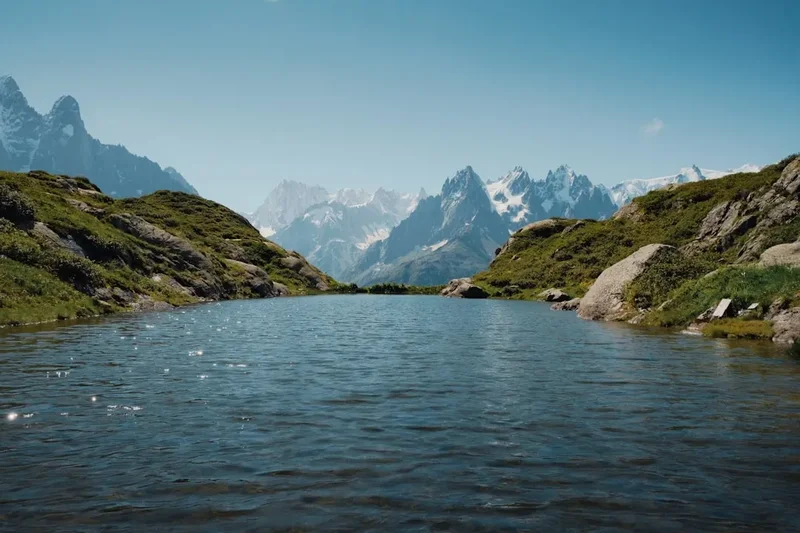
Lac Blanc via Flegere: A Chamonix Gem
The Lac Blanc trail, accessed via the Flegere cable car in the heart of the Mont Blanc massif, offers a quintessential Chamonix alpine experience without the need for multi-day commitment. This popular day walk ascends through fragrant pine forests and across rocky moraines to reach the stunning Lac Blanc (White Lake), a pristine alpine tarn renowned for its mirror-like reflections of the Aiguille Verte, the Drus, and the Mont Blanc range itself. The trail is a testament to the accessibility of high-mountain scenery in the Chamonix valley, providing breathtaking panoramas and a genuine sense of alpine adventure within a manageable timeframe.
- Category: Day Walk
- Distance: 8.5 km (round trip from Flegere station)
- Elevation Gain: 750 m
- Duration: 4-5 hours (walking time)
- Difficulty: Moderate
- Best Time: June to September
- Closest City: Chamonix-Mont-Blanc, France
- Trailhead Access: Flegere cable car from Les Praz village
- Permits: None required for the trail itself
Overview
The journey to Lac Blanc is a classic Chamonix day hike, celebrated for its dramatic scenery and the rewarding arrival at a jewel-like alpine lake. Starting from the upper station of the Flegere cable car, the path immediately immerses you in the high alpine environment. The initial section is relatively gentle, winding through larch and pine forests, offering tantalising glimpses of the surrounding peaks. As you gain altitude, the vegetation thins, giving way to a more rugged, rocky terrain characteristic of the high Alps.
The trail is well-maintained but involves significant elevation gain, making it a moderate challenge. The path is often stony and can be steep in places, requiring sturdy footwear and a reasonable level of fitness. The reward for your efforts is the spectacular sight of Lac Blanc itself. Nestled in a dramatic cirque, the lake's crystal-clear waters perfectly reflect the imposing granite spires of the Aiguille Verte, the iconic needles of the Drus, and the majestic massif of Mont Blanc. The contrast between the vibrant blue of the sky, the stark grey of the rock, and the emerald green of the sparse alpine vegetation creates a breathtaking tableau.
The trail is popular, especially during the summer months, so expect to encounter other hikers. However, the sheer scale of the landscape and the numerous viewpoints along the way ensure that the experience remains awe-inspiring. The return journey follows a similar path, allowing for further appreciation of the changing light and perspectives on the valley below.
History and Context
The Chamonix valley has been a focal point for mountaineering and alpine exploration since the late 18th century, with the ascent of Mont Blanc in 1786 marking the dawn of modern alpinism. The development of cable cars and ski lifts in the 20th century transformed access to the higher reaches of the mountains, making previously remote areas accessible to a wider range of visitors.
The Flegere cable car, established to provide access to hiking trails and ski slopes, opened up routes like the one to Lac Blanc. This facilitated the growth of summer hiking tourism, allowing people to experience the high alpine environment without undertaking arduous multi-day ascents. The trail to Lac Blanc has become a staple for visitors to Chamonix, offering a taste of the dramatic scenery that defines the region.
Historically, these high pastures and rocky slopes would have been used for seasonal grazing by shepherds. The construction of the trail itself represents a significant human intervention to manage and facilitate access to this sensitive alpine environment. The name "Lac Blanc" (White Lake) likely derives from the colour of the water, which can appear milky or pale due to glacial silt or the reflection of the surrounding snow-capped peaks.
Seasonal Highlights and Weather
The prime season for hiking the Lac Blanc trail is from June to September. During these months, the Flegere cable car typically operates, and the trails are generally free of snow, making for safe and enjoyable hiking.
June: The early summer can still see patches of snow at higher elevations, particularly on north-facing slopes. Wildflowers begin to bloom, adding vibrant colours to the landscape. The weather can be variable, with a mix of sunny days and potential for afternoon thunderstorms.
July and August: These are the peak months for hiking. The weather is generally warmer and more stable, though thunderstorms remain a possibility, especially in the afternoons. The trails are busy with hikers and climbers. The reflections in Lac Blanc are often at their most spectacular during this period.
September: Autumn brings crisp air and clearer skies. The larch trees begin to turn golden, offering a beautiful contrast to the granite peaks. The crowds thin out, providing a more tranquil experience. However, temperatures start to drop, and early snowfalls are possible towards the end of the month.
October to May: The Flegere cable car is usually closed during these months, and the trails are covered in snow, making them inaccessible for standard hiking. This period is suitable for experienced ski tourers or winter mountaineers with appropriate equipment and knowledge.
Weather Considerations: Alpine weather is notoriously unpredictable. Even in summer, conditions can change rapidly. Be prepared for sunshine, rain, wind, and potentially even snow at higher altitudes. Always check the weather forecast before you set out and be ready to turn back if conditions deteriorate.
Recommended Itinerary
Lac Blanc Day Walk Itinerary
Early Morning: Arrival in Chamonix & Travel to Les Praz
- Arrive in Chamonix-Mont-Blanc.
- Travel to the village of Les Praz, located a short bus or taxi ride from Chamonix centre.
- Locate the Flegere cable car station.
Morning: Ascent via Flegere Cable Car
- Purchase your cable car ticket.
- Board the Flegere cable car for the scenic ascent to the upper station (2,000 m).
- Enjoy panoramic views of the Chamonix valley and the surrounding peaks during the ride.
- The cable car ride itself takes approximately 15-20 minutes.
Late Morning: Trailhead to Lac Blanc
- From the Flegere station (2,000 m), begin your hike towards Lac Blanc.
- The trail is well-marked (usually with red and white GR markings or specific trail signs for Lac Blanc).
- Follow the path as it ascends through pine and larch forests.
- The initial section is a moderate climb, offering increasingly impressive views.
- Approximate distance to Lac Blanc: 4.25 km one-way.
- Approximate elevation gain: 750 m.
- Approximate walking time: 2-2.5 hours.
Midday: Arrival at Lac Blanc & Lunch
- Arrive at the stunning Lac Blanc (2,352 m).
- Take time to admire the breathtaking reflections of the Aiguille Verte, Les Drus, and Mont Blanc in the clear water.
- Find a suitable spot to enjoy your packed lunch and soak in the alpine atmosphere.
- There is a mountain refuge (Refuge du Lac Blanc) near the lake, which may offer refreshments (check opening times).
Afternoon: Return Journey to Flegere
- Begin your descent back towards the Flegere cable car station.
- The return route generally follows the same path, offering a different perspective on the landscape.
- Take care on the descent, as the terrain can be steep and rocky.
- Approximate walking time for descent: 1.5-2 hours.
Late Afternoon: Descent via Cable Car & Departure
- Arrive back at the Flegere cable car upper station.
- Descend to Les Praz via the cable car.
- From Les Praz, take a bus or taxi back to Chamonix centre.
Important Notes:
- This is a day hike; no overnight accommodation is required.
- The trail can be busy, especially during peak season. Start early to avoid the largest crowds.
- Always carry sufficient water and snacks.
- Wear sturdy hiking boots and dress in layers.
- Check the Flegere cable car operating times and prices in advance.
Planning and Bookings
Book Your Trip
Everything you need to plan your journey
Accommodation
Find places to stay near Chamonix
Flights
Search flights to Chamonix
Essential Preparation
The Lac Blanc hike is a popular day trip from Chamonix, and while it doesn't require extensive logistical planning like multi-day treks, proper preparation is key to a safe and enjoyable experience. The primary logistical consideration is accessing the trailhead via the Flegere cable car. Ensure you know the operating times and purchase your tickets in advance, especially during peak season, to avoid queues.
Chamonix-Mont-Blanc is the main hub for this region. It is well-served by public transport, with regular bus and train services connecting it to major cities like Geneva (Switzerland) and Annecy. Geneva Airport (GVA) is the closest international airport, approximately 1.5 hours away by bus or shuttle. Within Chamonix, a local bus network and the Mont Blanc Express train line provide excellent transport options to reach Les Praz, the departure point for the Flegere cable car.
Fitness is important. While the walking time is manageable (4-5 hours), the 750 metres of elevation gain means it's a strenuous climb. Ensure you are comfortable with sustained uphill walking on uneven terrain. A moderate level of fitness is recommended.
Trail Accommodation
This is a day hike requiring no overnight accommodation.
Required Gear
- Hiking Boots: Sturdy, waterproof hiking boots with good ankle support are essential. The trail is rocky and uneven, and good grip is crucial for both ascent and descent.
- Waterproof Jacket: A waterproof and windproof jacket is vital. Alpine weather can change rapidly, and you may encounter rain or strong winds even on a sunny day.
- Waterproof Overtrousers: Recommended for protection against rain and wind, especially if the forecast is uncertain.
- Backpack: A comfortable daypack (20-30 litres) to carry essentials like water, food, extra layers, and a first-aid kit.
- Navigation: While the trail is generally well-marked, a map of the area and a compass or GPS device are advisable, especially if you plan to explore any side routes or if visibility is poor. A smartphone with an offline map app is also useful.
- Sun Protection: High-altitude sun is intense. Bring a wide-brimmed hat, sunglasses, and high SPF sunscreen.
- First-Aid Kit: A basic kit including plasters, antiseptic wipes, pain relievers, and any personal medications.
- Head Torch: Useful if you start very early or finish late, or in case of unexpected delays.
What to Bring
- Food: Pack a substantial packed lunch, energy bars, and snacks. There are limited options for purchasing food on the trail, although the Refuge du Lac Blanc may offer refreshments.
- Water: Carry at least 1.5-2 litres of water per person. There are no reliable water sources on the trail itself, so it's best to carry all you need.
- Warm Layers: Even in summer, temperatures at 2,352 metres can be cool, especially with wind chill. Bring a fleece or insulating jacket and a warm hat and gloves.
- Trekking Poles: Highly recommended for reducing strain on knees during the ascent and descent, particularly on the steep sections.
- Camera: You'll want to capture the incredible views and reflections.
- Small Towel: Useful if you get caught in rain or for drying hands.
- Cash: For the cable car tickets and any potential purchases at the refuge.
Permits
No specific permits are required to hike the trail to Lac Blanc. The trail is part of the public hiking network in the Chamonix-Mont-Blanc area. However, access to the trailhead is dependent on the operation of the Flegere cable car, which requires a ticket. These tickets can be purchased at the cable car station in Les Praz.
Flegere Cable Car Information:
- Operating Season: Typically from early June to mid-September, but dates can vary annually. Always check the official website for current operating times and dates.
- Operating Hours: Generally opens around 8:30 AM and closes for ascent around 4:30 PM, with the last descent around 5:00 PM. These times can change, so verification is essential.
- Cost: Return tickets for the Flegere cable car are a significant part of the planning cost. Prices vary depending on the season and any potential multi-day passes you might purchase if staying longer in the area. Expect to pay approximately €20-€30 for a return adult ticket.
- Booking: While not strictly necessary, purchasing tickets online in advance can sometimes save time, especially during peak season.
Important Considerations:
- The cable car is essential for accessing the trailhead at a reasonable altitude. Walking from Les Praz to the Flegere station would add significant distance and elevation gain to an already challenging hike.
- If the Flegere cable car is closed due to weather or maintenance, this specific route to Lac Blanc becomes impractical as a day hike.
Other Activities in the Area
Chamonix-Mont-Blanc is a world-renowned destination for outdoor activities, offering a vast array of options for all levels of experience and interest:
- Aiguille du Midi: Take the cable car to the summit of this iconic peak (3,842 m) for unparalleled views of Mont Blanc and the surrounding Alps. The "Step into the Void" glass skywalk is a must-do for thrill-seekers.
- Mer de Glace: Accessible via the Montenvers rack railway, this is France's largest glacier. Visit the ice caves carved into the glacier and learn about its history and retreat.
- Grand Balcon Sud: A spectacular panoramic trail connecting various cable car stations (including Flegere and Plan Praz) at mid-altitude, offering continuous views of the Mont Blanc massif. The section between Flegere and Plan Praz is particularly scenic.
- Mont Blanc Tramway: A charming rack railway that climbs towards the Bionnassay glacier, offering stunning views of the Mont Blanc massif from a different angle.
- Paragliding: Chamonix is a world-class destination for paragliding, offering tandem flights with experienced instructors for breathtaking aerial views of the valley.
- Via Ferrata: Several via ferrata routes are available in the Chamonix area, providing a safe and exciting way to experience cliff faces and exposed terrain.
- Mountain Biking: Numerous trails cater to mountain bikers of all levels, from gentle valley paths to challenging downhill runs.
- Rock Climbing: The Chamonix valley is a mecca for rock climbers, with routes ranging from beginner-friendly crags to challenging multi-pitch ascents.
- Chamonix Town: Explore the vibrant town centre, with its excellent restaurants, shops, museums, and lively atmosphere.
Safety and Conditions
Weather: The most critical safety factor is the unpredictable alpine weather. Always check the local Chamonix weather forecast and the mountain forecast for the Aiguille du Midi/Mont Blanc region before you depart. Be prepared for rapid changes, including sudden storms, strong winds, and temperature drops. If the weather looks poor or is forecast to deteriorate, it is wise to postpone your hike.
Trail Conditions: While the trail to Lac Blanc is generally well-maintained, it can be steep, rocky, and uneven. Wear appropriate footwear with good grip. In early season (June), there may still be snow patches, especially on shaded sections, which can be slippery. Always be aware of your footing.
Altitude: Lac Blanc is situated at 2,352 metres. While this is not extremely high, some individuals may experience mild altitude sickness. Ascend gradually, stay hydrated, and listen to your body. If you feel unwell, descend.
Navigation: The main trail to Lac Blanc is clearly marked. However, it is always prudent to carry a map and compass or use a reliable GPS device/app. Visibility can drop significantly in fog or cloud, making navigation more challenging.
Crowds: Lac Blanc is a very popular hike. During peak season (July-August), you will encounter many other hikers. Be patient and courteous on the trail. If you prefer solitude, start your hike very early in the morning.
Wildlife: You may encounter marmots, chamois, or ibex. Keep a respectful distance and do not feed any wildlife.
Emergency Contacts: In case of an emergency, dial 112 (European emergency number). The local mountain rescue service is highly professional and equipped to handle incidents in the alpine environment.
Cable Car Safety: Adhere to all safety instructions provided by the Flegere cable car operators. Ensure you are aware of the last descent time.
Side Trips and Points of Interest
Refuge du Lac Blanc: Located just beside the lake, this mountain refuge offers a place to rest, enjoy refreshments, and potentially stay overnight (booking essential). Even if you don't plan to eat or stay, it's a good landmark and a place to check conditions or ask for information.
Views of the Drus: The iconic granite spires of the Drus are a prominent feature of the view from Lac Blanc. Their distinctive shape and sheer faces make them a favourite subject for photographers and climbers.
Aiguille Verte: The highest peak in the Chamonix valley (3,983 m), the Aiguille Verte dominates the skyline from Lac Blanc. Its formidable glaciers and steep slopes are a testament to the wildness of the Alps.
Mont Blanc Massif: While not directly in view from Lac Blanc itself, the broader Mont Blanc massif forms the dramatic backdrop to the entire Chamonix valley. The reflections in the lake often capture the essence of this immense mountain range.
Alternative Descent Routes: For those seeking a longer or more varied hike, it's possible to descend via other trails, such as the Grand Balcon Sud towards Plan Praz, which would then require a separate cable car descent. This significantly extends the hike and requires careful route planning and knowledge of the trail network.
Leave No Trace
The Chamonix valley and its high alpine environments are precious natural resources that must be protected. Practising Leave No Trace principles ensures that these beautiful landscapes remain pristine for future generations of hikers and for the benefit of the local ecosystem.
Plan Ahead and Prepare: Research your hike, know the trail conditions, and be aware of the weather. Pack appropriately for the conditions and carry all necessary safety equipment.
Travel and Camp on Durable Surfaces: Stick to the marked trails. Avoid walking on fragile alpine vegetation, which can take years to recover from damage. The trails are designed to concentrate impact and protect the surrounding environment.
Dispose of Waste Properly: Pack out everything you pack in. This includes all food scraps, wrappers, and any other litter. There are no bins on the trail. Use the toilet facilities at the Flegere station or the Refuge du Lac Blanc if available. If caught short, dig a cathole at least 70 metres away from water sources, trails, and campsites.
Leave What You Find: Do not disturb or remove any natural objects, such as rocks, plants, or flowers. Take only photographs and memories.
Minimize Campfire Impacts: Campfires are not permitted on this day hike. Even if you were camping, use established fire rings where available and keep fires small.
Respect Wildlife: Observe wildlife from a distance. Do not feed animals, as this can disrupt their natural behaviours and diets, and can be harmful to their health.
Be Considerate of Other Visitors: Keep noise levels down, yield to other hikers on narrow trails, and be respectful of the natural quiet of the mountains.
 France