
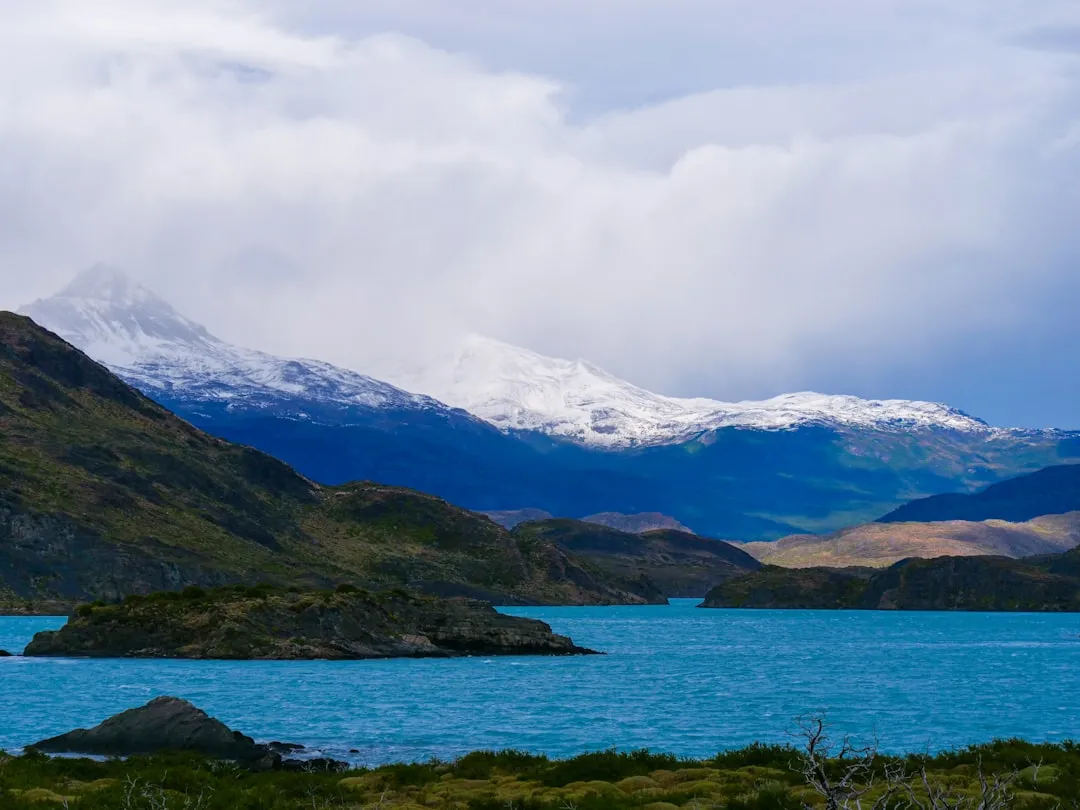
La Campana Summit Trail
The La Campana Summit Trail, located within Chile's La Campana National Park, offers a challenging yet rewarding day hike through a landscape rich in biodiversity and geological significance. This trail leads to the summit of Cerro La Campana, a prominent peak that provides panoramic views of the surrounding valleys, the Pacific Ocean, and on exceptionally clear days, even the Andes mountains. The park itself is a UNESCO Biosphere Reserve, celebrated for its unique Mediterranean climate and its role in the conservation of the Chilean palm (Jubaea chilensis), a species found naturally in only a few isolated areas. The hike is steep and demanding, requiring good physical fitness and preparation, but the summit experience and the journey through diverse flora make it a standout destination for hikers visiting central Chile.
- Distance: 12.0 km one-way
- Elevation Gain: 950 m
- Duration: 6-8 hours
- Difficulty: Challenging
- Season: Spring to Autumn (September - May)
- Closest City: Santiago
- Trailhead Access: Via Granizo near Olmue
- Highest Point: Cerro La Campana summit (1,828 m)
Overview
The La Campana Summit Trail is a strenuous ascent that tests the endurance of even seasoned hikers. Beginning at a lower elevation within the park, the trail gradually climbs through varied terrain, showcasing the unique flora of the region. Initially, the path winds through areas dominated by shrubs and smaller trees, characteristic of the Mediterranean scrubland. As the elevation increases, the landscape transitions, offering glimpses of the iconic Chilean palm trees, which are a significant feature of La Campana National Park. These palms, with their distinctive stout trunks and feathery fronds, create a surreal and ancient atmosphere, a testament to the park's ecological importance.
The ascent is relentless, with sections of steep, rocky terrain that require careful footing and significant effort. The trail is well-defined but can be exposed to the sun, making hydration and sun protection crucial, especially during the warmer months. The higher reaches of the trail offer increasingly dramatic views, with the vegetation becoming sparser and the rockier outcrops more prominent. The final push to the summit is the most demanding, involving a steep climb over scree and boulders. However, the reward at the top is immense. From the summit of Cerro La Campana, at 1,828 metres, hikers are treated to a breathtaking 360-degree panorama. On a clear day, the vast expanse of the Pacific Ocean stretches to the west, while the fertile valleys of central Chile unfold to the east. The distant snow-capped peaks of the Andes may also be visible, providing a stunning backdrop. The descent, while easier on the lungs, is equally taxing on the legs and requires concentration due to the steep and often loose terrain.
La Campana National Park is a vital conservation area, protecting a unique ecosystem that has adapted to the region's dry summers and mild, wet winters. The park's designation as a UNESCO Biosphere Reserve highlights its global importance for biodiversity and sustainable land management. The La Campana Summit Trail is not just a physical challenge; it's an immersion into a unique natural environment, offering a profound connection with the Chilean landscape and its endemic species.
History and Cultural Context
La Campana National Park holds significant historical and cultural importance for Chile. The park's name, "La Campana" (The Bell), is believed to derive from the bell-like shape of the summit of Cerro La Campana itself. This prominent peak has served as a natural landmark for centuries, guiding travellers and inhabitants of the region.
The area has a long history of human interaction, dating back to pre-Columbian times. Indigenous peoples, including the Picunche, inhabited these lands, utilising the natural resources for sustenance and shelter. The presence of the Chilean palm (Jubaea chilensis) is particularly noteworthy. This palm species, endemic to a small region of central Chile, was historically important for its edible fruit (coquito) and the production of a honey-like syrup. The conservation of these palms within La Campana National Park is a testament to the foresight of early conservation efforts.
In the 19th century, the area gained international recognition. Charles Darwin visited La Campana National Park during his voyage on HMS Beagle in 1834. He was fascinated by the unique flora, particularly the Chilean palms, and documented his observations, contributing to the scientific understanding of the region's biodiversity. His visit underscored the ecological significance of the area and contributed to its eventual protection.
La Campana National Park was established in 1967, consolidating efforts to preserve its unique ecosystems and historical heritage. The park's designation as a UNESCO Biosphere Reserve in 1984 further solidified its global importance, recognising its role in balancing human needs with the conservation of nature. The La Campana Summit Trail, as a primary access route to the park's highest point, allows visitors to connect with this rich history and experience the natural wonders that have captivated explorers and scientists for generations.
Seasonal Highlights and Weather Reality
The best time to hike the La Campana Summit Trail is during the spring and autumn months, generally from September to May. During these periods, the weather is typically more temperate, making the strenuous climb more manageable.
Spring (September - November): This season offers a vibrant display of wildflowers, transforming the park's hillsides into a colourful spectacle. Temperatures are mild, and rainfall is less frequent than in winter. The air is fresh, and the landscape is lush and green. This is an ideal time for hiking, with comfortable temperatures for the challenging ascent.
Summer (December - February): While the days are long and sunny, summer in central Chile can be extremely hot, with temperatures often exceeding 30 degrees Celsius. The trail can be exposed and offer little shade, making the hike particularly arduous and increasing the risk of heatstroke and dehydration. If hiking during summer, starting very early in the morning (before sunrise) is essential, and carrying ample water is non-negotiable. The landscape can appear drier and more parched during these months.
Autumn (March - May): Autumn brings cooler temperatures and a beautiful change in the foliage. The intense heat of summer subsides, making for pleasant hiking conditions. The colours of the landscape can be striking, with golden hues appearing on the hillsides. Rainfall begins to increase towards the end of autumn, but generally, the weather remains favourable for hiking.
Winter (June - August): Winter in this region is characterised by cooler temperatures and higher rainfall. While the park remains open, the summit trail can be affected by rain, fog, and potentially even snow at higher elevations. Visibility can be significantly reduced, and the trails can become slippery and muddy, making the ascent more hazardous. Hiking during winter is generally not recommended for this specific trail unless one is experienced in adverse weather conditions and has appropriate gear.
Weather Considerations: Regardless of the season, weather in mountainous regions can change rapidly. It is crucial to check the forecast before your hike and be prepared for variations in temperature, wind, and precipitation. The summit of Cerro La Campana can be significantly cooler and windier than the base of the trail.
Recommended Itinerary
La Campana Summit Trail - Day Hike Itinerary
Early Morning (06:00 - 07:00): Departure from Santiago/Valparaíso
- Depart from your accommodation in Santiago or Valparaíso.
- Travel towards Granizo, the gateway town to La Campana National Park.
- The drive typically takes 1.5 to 2 hours, depending on traffic and starting point.
- Aim to arrive at the park entrance as early as possible to secure parking and begin your hike before the heat of the day.
Morning (08:00 - 09:00): Park Arrival and Trailhead Start
- Arrive at the park entrance near Granizo.
- Pay the park entry fee and register your hike.
- Locate the trailhead for the Summit Trail (Sendero al Cerro La Campana).
- Begin the ascent. The initial section is relatively gentle, passing through areas with scrub and smaller trees.
- Note the presence of Chilean palm trees as you gain elevation.
Midday (11:00 - 13:00): Mid-Ascent and Challenging Sections
- The trail becomes steeper and more demanding.
- You will encounter rocky sections and switchbacks that require careful navigation and physical exertion.
- Take regular breaks to hydrate and enjoy the changing scenery.
- The vegetation may transition, with more exposed rocky terrain becoming dominant.
- Keep an eye out for the unique flora and fauna of the park.
Afternoon (13:00 - 15:00): Summit Push and Panoramic Views
- The final section of the trail to the summit is the most challenging, involving a steep climb over scree and boulders.
- Reach the summit of Cerro La Campana (1,828 m).
- Spend time at the summit, taking in the spectacular 360-degree panoramic views.
- Enjoy your packed lunch and rest, appreciating the vastness of the landscape.
- On clear days, you may see the Pacific Ocean, the central valleys, and the Andes mountains.
Late Afternoon (15:00 - 18:00): Descent and Return to Trailhead
- Begin the descent. This can be as challenging as the ascent, requiring careful footing on loose and steep terrain.
- Take your time to avoid slips and falls.
- Continue through the park's diverse vegetation zones.
- Arrive back at the trailhead and park entrance.
Evening (18:00 onwards): Departure from Park and Return Journey
- Depart from La Campana National Park.
- Return to Santiago or Valparaíso.
- Consider stopping for a meal in Granizo or Olmue to celebrate your accomplishment.
Important Notes:
- This is a challenging day hike; ensure you are physically prepared.
- Start as early as possible, especially during warmer months, to avoid the midday heat.
- Carry plenty of water (at least 3-4 litres per person).
- Wear sturdy hiking boots with good ankle support.
- Bring sun protection: hat, sunglasses, and high SPF sunscreen.
- Pack a substantial lunch and snacks.
- Check the weather forecast before you go and be prepared for rapid changes.
- Mobile phone signal may be intermittent within the park.
Planning and Bookings
Book Your Trip
Everything you need to plan your journey
Accommodation
Find places to stay near Santiago
Flights
Search flights to Santiago
Essential Preparation
The La Campana Summit Trail is a demanding day hike that requires thorough preparation. The closest major cities offering comprehensive services are Santiago and Valparaíso. From Santiago, the journey to La Campana National Park typically involves driving approximately 100-120 kilometres north-west, taking about 1.5 to 2 hours. Public transport options exist but are less convenient for reaching the park entrance directly and on time for an early start. Buses run from Santiago to Olmue, and from there, a taxi or local transport would be needed to reach Granizo and the park entrance. Driving your own vehicle or a rental car offers the most flexibility and is highly recommended for an early start.
It is crucial to check the official website of CONAF (Corporación Nacional Forestal), the Chilean National Forest Corporation, for the most up-to-date information regarding park opening hours, entry fees, trail conditions, and any specific regulations or alerts. The park entrance fee is typically modest, and there may be additional charges for vehicle parking. Ensure you have sufficient Chilean Pesos (CLP) in cash, as card payment facilities may not always be available or reliable at the park entrance.
Given the challenging nature of the hike and the potential for extreme heat during summer months, physical fitness is paramount. Regular cardiovascular exercise and strength training, particularly for the legs, are advisable in the weeks leading up to your hike. Familiarise yourself with the trail's elevation profile and distance to gauge your preparedness.
Trail Accommodation
This is a day hike requiring no overnight accommodation. La Campana National Park is primarily visited for day excursions, with the summit trail being a popular objective for those seeking a significant physical challenge and panoramic views. There are no huts, lodges, or campsites available for overnight stays within the park itself. Visitors are expected to complete the hike and depart the park by closing time.
Accommodation options are available in the nearby towns of Olmue and Granizo, or more extensively in the larger cities of Valparaíso and Santiago, should you wish to stay overnight before or after your hike. These towns offer a range of hotels, hostels, and guesthouses to suit various budgets.
Required Gear
- Hiking Boots: Sturdy, waterproof hiking boots with good ankle support are essential. The terrain is steep, rocky, and can be loose, requiring reliable footwear. Ensure they are well broken-in to prevent blisters.
- Backpack: A comfortable daypack (20-35 litres) is sufficient for carrying essentials. Ensure it has a good hip belt for stability on steep ascents and descents.
- Waterproof Jacket: A lightweight, breathable waterproof jacket is advisable, as mountain weather can change unexpectedly, bringing rain or strong winds.
- Navigation: While the summit trail is generally well-marked, carrying a map of the park and a compass or GPS device is recommended. A downloaded offline map on your smartphone is also a good backup.
- First Aid Kit: A comprehensive personal first aid kit including blister treatment, pain relievers, antiseptic wipes, bandages, and any personal medications.
- Head Torch: Essential if you plan to start very early or finish late, or in case of unexpected delays. Ensure it has fresh batteries.
- Sun Protection: A wide-brimmed hat, sunglasses, and high SPF sunscreen (SPF 50+) are crucial due to the intense sun exposure, especially at higher altitudes and during summer.
What to Bring
- Water: This is the most critical item. Carry at least 3-4 litres of water per person. There are no reliable water sources on the trail, and dehydration is a significant risk, especially in warmer months.
- Food: A substantial packed lunch and plenty of high-energy snacks (e.g., nuts, dried fruit, energy bars, sandwiches). You will need to replenish your energy reserves throughout the demanding hike.
- Clothing Layers: Wear moisture-wicking base layers, an insulating mid-layer (fleece or lightweight down jacket), and your waterproof outer layer. Temperatures can vary significantly between the base and the summit, and with changes in weather.
- Trekking Poles: Highly recommended for the steep ascents and descents. They help reduce strain on your knees and ankles and improve stability on uneven terrain.
- Toiletries: Hand sanitiser, biodegradable toilet paper (pack out used paper), and any personal hygiene items.
- Insect Repellent: While not as notorious as in some other regions, insects can be present, especially during warmer months.
- Camera: To capture the stunning scenery and panoramic views from the summit.
- Identification and Park Fee: Bring your identification and sufficient cash for the park entrance fee and any other required payments.
Permits
Access to La Campana National Park and its trails, including the Summit Trail, requires an entrance fee. This fee is typically paid at the park's administrative office or entrance gate upon arrival. The exact amount can vary, so it is advisable to check the official CONAF website for the most current pricing information. As of recent information, the fee is generally modest, designed to support park maintenance and conservation efforts.
No specific permits are required for day hiking the La Campana Summit Trail beyond the standard park entrance fee. However, it is essential to register your hike at the park entrance, especially for the summit trail, as this allows park rangers to be aware of who is on the mountain. This registration process is a safety measure, enabling authorities to track hikers in case of emergencies.
For those planning to visit during peak seasons or on weekends, arriving early is highly recommended. The park has a limited capacity for vehicles, and parking areas can fill up quickly, particularly during spring and autumn when the weather is most favourable for hiking. While there are no booking systems for individual hikers for day use, being aware of potential capacity limits is prudent.
If you are planning any activities beyond standard day hiking, such as scientific research or organised group events, specific permits from CONAF would likely be required. For the typical visitor undertaking the summit hike, the primary requirement is the entrance fee and registration.
Other Activities in the Area
While the La Campana Summit Trail is a major draw, the surrounding region and La Campana National Park itself offer several other attractions and activities for visitors:
- Exploring the Park's Lower Trails: La Campana National Park features several other well-maintained trails that offer different perspectives of the park's diverse flora and fauna. The "Sendero El Andinista" (The Mountaineer's Trail) and the "Sendero Las Palmas" (The Palms Trail) are shorter, less strenuous options that allow visitors to appreciate the unique ecosystem, including the iconic Chilean palm trees, without the demanding ascent to the summit.
- Picnicking and Nature Observation: Designated picnic areas are available within the park, providing pleasant spots to relax and enjoy the natural surroundings. These areas are ideal for observing the local birdlife and enjoying the tranquility of the park.
- Visiting Granizo and Olmue: The nearby towns of Granizo and Olmue offer a glimpse into rural Chilean life. Olmue, in particular, is known for its artisanal crafts and local cuisine. Visitors can explore local markets, sample regional dishes, and experience the relaxed pace of life in this part of the country.
- Exploring the Coast: The Pacific coast is relatively accessible from La Campana National Park. Towns like Concón, Viña del Mar, and Valparaíso offer beaches, seafood restaurants, and vibrant cultural experiences. A day trip to the coast can complement a mountain excursion.
- Wine Tasting: The Casablanca Valley, renowned for its white wines, is located within a reasonable driving distance from La Campana National Park. Several vineyards offer tours and wine-tasting experiences, providing an opportunity to explore Chile's celebrated wine regions.
- Cultural Exploration in Valparaíso: The UNESCO World Heritage city of Valparaíso, with its colourful hillside houses, bohemian atmosphere, and historic funiculars, is a must-visit. It offers a stark contrast to the natural beauty of the park and is easily accessible for a day trip or as part of a longer itinerary.
Safety and Conditions
Pre-Hike Checks:
- Weather Forecast: Always check the most up-to-date weather forecast for the La Campana National Park area and specifically for the summit of Cerro La Campana. Mountain weather can change rapidly, with significant temperature drops, increased wind, and potential for rain or fog, even on otherwise clear days.
- Park Alerts: Visit the official CONAF website for any park alerts, trail closures, or specific advisories related to La Campana National Park.
- Trail Conditions: While the summit trail is generally well-maintained, heavy rainfall can make sections slippery and hazardous. Be aware of potential loose scree and rocky sections, especially on the descent.
On the Trail:
- Hydration: Carry an ample supply of water (minimum 3-4 litres per person). There are no water sources on the trail, and dehydration is a serious risk, particularly during warmer months.
- Sun Protection: The trail is largely exposed, especially at higher elevations. Use sunscreen, wear a hat and sunglasses, and consider wearing long-sleeved, lightweight clothing to protect your skin from the sun's intense rays.
- Footwear: Wear sturdy, broken-in hiking boots with good ankle support. The terrain is steep, rocky, and can be uneven, increasing the risk of slips and sprains.
- Pacing: The ascent is strenuous. Pace yourself, take regular breaks, and listen to your body. Do not push yourself beyond your limits.
- Navigation: Stay on the marked trail. Wandering off-trail can lead to getting lost, damaging fragile vegetation, and increasing the risk of injury.
- Wildlife: While large dangerous animals are not a concern, be aware of smaller wildlife. Do not feed any animals you encounter.
- Communication: Mobile phone reception can be intermittent within the park and on the trail. Inform someone of your hiking plans, including your expected return time. Consider carrying a personal locator beacon (PLB) if hiking alone or in remote areas.
- Emergency: In case of an emergency, remain calm. If you have a mobile signal, call park rangers or emergency services. If not, try to make your way back to the park entrance or a point where you can get assistance.
General Safety:
- Start Early: Begin your hike as early as possible, especially during summer, to avoid the hottest part of the day and allow ample time for the descent.
- Group Hiking: It is generally safer to hike with at least one other person.
- Respect the Environment: Follow Leave No Trace principles to minimise your impact on the park.
Side Trips and Points of Interest
Cerro La Campana Summit (1,828 m): The primary objective of this hike, the summit offers unparalleled 360-degree panoramic views. On a clear day, the vista extends to the Pacific Ocean in the west, the fertile central valleys of Chile to the east, and the majestic Andes mountain range in the distance. The summit area is rocky and exposed, providing a dramatic sense of accomplishment upon arrival.
Chilean Palm Groves: As you ascend, particularly on the lower to mid-sections of the trail, you will pass through areas where the endemic Chilean palm (Jubaea chilensis) is prevalent. These ancient trees, with their distinctive stout trunks and feathery fronds, are a significant feature of La Campana National Park and a symbol of its unique biodiversity. Observing these palms in their natural habitat is a highlight for many visitors.
Diverse Flora and Fauna: The trail traverses varied ecological zones, from scrubland and Mediterranean forest to more arid, rocky slopes near the summit. Keep an eye out for the diverse plant life, including various cacti, shrubs, and wildflowers (especially vibrant in spring). Birdwatching opportunities are also present, with various native species inhabiting the park.
Panoramic Viewpoints along the Trail: Even before reaching the summit, several points along the trail offer stunning vistas of the surrounding valleys and mountains. These viewpoints provide excellent opportunities for rest stops and photography, allowing you to appreciate the scale and beauty of the landscape as you climb.
Historical Significance: The area has historical ties, notably with Charles Darwin's visit in 1834. While specific historical markers may be limited on the trail itself, understanding the park's past adds another layer of appreciation to the experience.
Leave No Trace
La Campana National Park is a precious natural resource, and adhering to Leave No Trace principles is crucial for preserving its beauty and ecological integrity for future generations. As a UNESCO Biosphere Reserve, the park's unique ecosystems are sensitive to human impact.
Your responsibility as a hiker:
- Plan Ahead and Prepare: Understand the trail's difficulty, check weather conditions, and pack appropriately. This includes carrying sufficient water and food to avoid relying on natural resources within the park.
- Travel and Camp on Durable Surfaces: Stick to the marked trails at all times. The vegetation, especially near the summit, can be fragile. Avoid creating new paths or shortcuts, which can lead to erosion and habitat destruction.
- Dispose of Waste Properly: Pack out everything you pack in. This includes all food scraps, wrappers, and any other litter. There are no bins on the trail or at the summit. Use the designated waste disposal facilities at the park entrance.
- Leave What You Find: Do not remove any natural objects, such as rocks, plants, or flowers. Take only photographs and memories.
- Minimise Campfire Impacts: Campfires are not permitted on the summit trail or within the park for day hikes. If camping were permitted in designated areas (which it is not for this trail), strict regulations would apply.
- Respect Wildlife: Observe wildlife from a distance and never feed them. Feeding animals can alter their natural behaviour and diet, and can be harmful to their health.
- Be Considerate of Other Visitors: Keep noise levels down, especially on the summit. Allow faster hikers to pass, and yield to those ascending when on narrow sections.
By following these principles, you help ensure that La Campana National Park remains a pristine and enjoyable destination for everyone.
 Chile
Chile