
Kurobe Gorge Trail - Japan's Grand Canyon
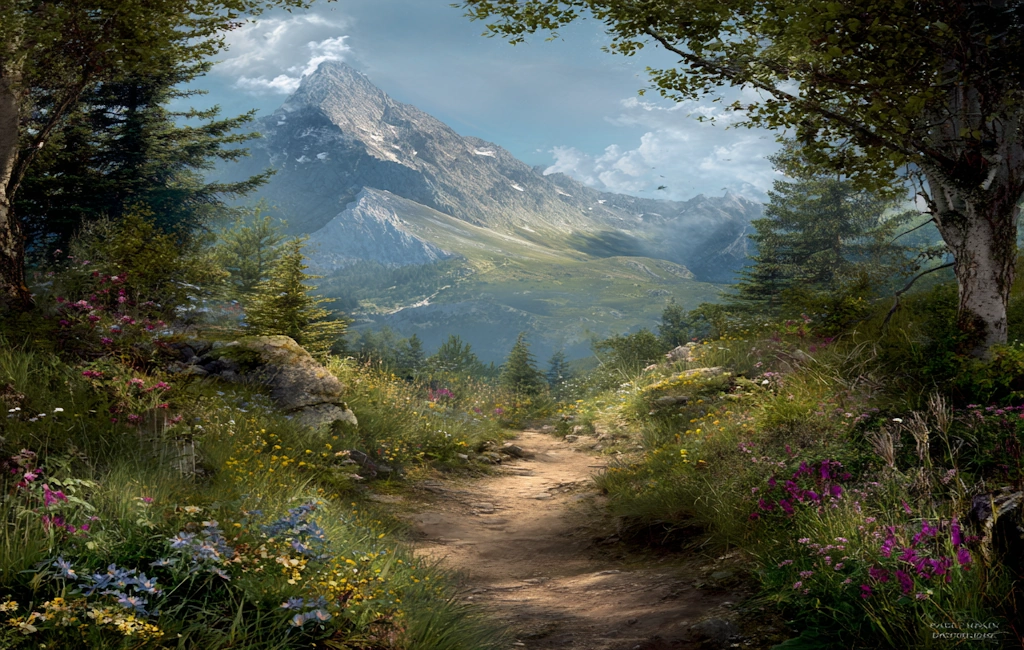
The Kurobe Gorge Trail is a spectacular day walk that winds through one of Japan's most dramatic and rugged natural landscapes. Often referred to as "Japan's Grand Canyon," the gorge is carved by the powerful Kurobe River, creating sheer cliffs, lush forests, and breathtaking vistas. This trail offers a unique opportunity to experience the raw beauty of the Japanese Alps, with its crystal-clear turquoise waters, vibrant green foliage, and imposing rock formations. The walk is renowned for its accessibility via the Kurobe Gorge Railway, which provides a scenic journey to the trailhead, making it a popular destination for nature lovers and hikers seeking a moderate challenge with immense scenic rewards.
- Distance: 20.0 km one-way
- Duration: 6–8 hours
- Season: Late spring to early autumn (May–October)
- Difficulty: Moderate
- Closest City: Toyama
- Trailhead Access: Unazuki Onsen Station (via Toyama Chiho Railway)
- No permits required for day hiking
Overview
The Kurobe Gorge Trail is a testament to the power of nature and the ingenuity of human engineering. The trail itself is largely a well-maintained path, often following the route of the Kurobe Gorge Railway, which was built to facilitate the construction of the Kurobe Dam, one of Japan's largest hydroelectric power stations. This unique symbiosis between a hiking trail and a functional railway line means that much of the route is relatively accessible, yet it still plunges you deep into a wild and awe-inspiring environment.
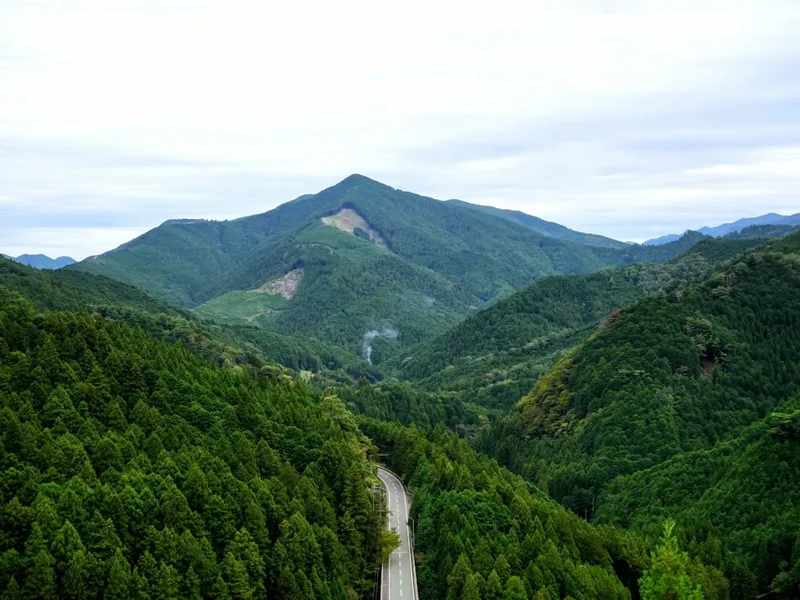
The walk begins at Unazuki Onsen, a popular hot spring resort town, and gradually ascends along the Kurobe River. As you progress, the gorge walls become steeper and more dramatic, with the river below a vibrant, almost impossibly blue-green colour. The trail passes through dense forests of cedar and beech, offering shade and a sense of immersion in nature. You'll encounter numerous bridges, tunnels, and viewpoints, each offering a new perspective on the immense scale of the gorge. The sound of the rushing river is a constant companion, a powerful reminder of the forces that shaped this landscape.
While the trail is generally considered moderate, there are sections with significant elevation gain and uneven terrain, particularly as you approach the higher reaches of the gorge. The reward for your efforts is unparalleled: panoramic views of the surrounding mountains, the winding river, and the sheer, imposing cliffs. The Kurobe Gorge is a place of profound natural beauty, offering a serene escape from the hustle and bustle of urban life and a chance to connect with the wild heart of Japan.
History and Cultural Context
The history of the Kurobe Gorge is intrinsically linked to the development of hydroelectric power in Japan. The Kurobe River, with its steep gradient and abundant water flow, was identified as an ideal location for generating electricity. The construction of the Kurobe Dam, completed in 1963, was a monumental undertaking, often referred to as "the greatest dam construction in the world." This project involved immense challenges, including navigating treacherous terrain, extreme weather conditions, and the sheer scale of the engineering required.
The Kurobe Gorge Railway was built primarily to transport materials and workers to the dam site. Its construction was a feat in itself, carving a narrow-gauge railway line along the precipitous gorge walls. The railway line, which now serves as a popular tourist attraction, follows a route that was once the lifeline of the dam's construction. The trail often runs parallel to or incorporates sections of the old railway path, allowing hikers to trace the footsteps of the engineers and labourers who built this incredible infrastructure.
Beyond its industrial history, the Kurobe Gorge has long been appreciated for its natural beauty. The region has been a destination for those seeking to experience the grandeur of the Japanese Alps. The contrast between the raw power of the river and the delicate beauty of the surrounding flora creates a unique aesthetic that has captivated visitors for generations. The trail offers a chance to appreciate both the natural wonders and the human endeavour that have shaped this remarkable landscape.
Seasonal Highlights and Weather Reality
The Kurobe Gorge Trail is best enjoyed during the warmer months, from late spring to early autumn. Each season offers a distinct experience, with varying colours, temperatures, and atmospheric conditions.
Late Spring (May–June): This is an ideal time to visit as the snow melts from the higher elevations, and the gorge comes alive with vibrant greenery. The Kurobe River is at its most powerful and visually striking, with its intense turquoise hue. Temperatures are generally mild and pleasant, making for comfortable hiking. Wildflowers begin to bloom, adding splashes of colour to the landscape. The Kurobe Gorge Railway also recommences its full service during this period.
Summer (July–August): Summer brings lush, dense foliage to the gorge. The forests are at their greenest, and the air is filled with the sounds of nature. However, this is also the peak of the rainy season in Japan, and the gorge can experience heavy downpours. While rain can enhance the dramatic effect of the waterfalls and the river's flow, it can also lead to slippery conditions on the trail and reduced visibility. Temperatures can be warm and humid, especially at lower elevations.
Early Autumn (September–October): This is arguably the most spectacular season for the Kurobe Gorge. As the summer heat subsides, the autumn colours begin to emerge, transforming the mountainsides into a breathtaking tapestry of reds, oranges, and yellows. The air is crisp and clear, offering excellent visibility and comfortable hiking temperatures. The Kurobe River remains a stunning feature, contrasting beautifully with the autumnal foliage. This period is also popular for its pleasant weather and stunning scenery.
Weather Considerations: The Kurobe Gorge is a mountainous region, and weather can change rapidly. Even during the summer months, rain is common, and temperatures can drop significantly at higher elevations. It is essential to check the weather forecast before your visit and be prepared for all conditions. Waterproof clothing and sturdy footwear are recommended regardless of the season.
Recommended Itinerary
Day Hike: Unazuki Onsen to Keyakidaira and return
This itinerary focuses on a full-day exploration of the Kurobe Gorge, utilising the Kurobe Gorge Railway for access and return, and walking sections of the trail between stations.
Early Morning (approx. 8:00 AM): Arrival at Unazuki Onsen Station
- Arrive at Unazuki Onsen Station, the starting point for the Kurobe Gorge Railway.
- Purchase your round-trip tickets for the scenic railway. Consider booking in advance, especially during peak season.
- Allow time to explore the immediate vicinity of Unazuki Onsen, known for its hot springs and views of the Kurobe River.
Morning (approx. 8:30 AM - 11:00 AM): Scenic Train Journey to Keyakidaira
- Board the Kurobe Gorge Railway train towards Keyakidaira.
- The journey itself is a highlight, offering stunning views of the gorge from the open-air carriages (weather permitting).
- Key waypoints and sights along the train route include:
- Kuronagi Station: A stop with a hot spring facility.
- Kanetsuri Station: Known for its natural hot spring that flows into the river.
- Keyakidaira Station: The furthest accessible point by train.
- The train ride takes approximately 1 hour and 20 minutes to reach Keyakidaira.
Midday (approx. 11:00 AM - 2:00 PM): Exploration around Keyakidaira
- Upon arrival at Keyakidaira, you will be at the heart of the gorge.
- Walk to the Kurobe Dam Observation Deck: A short, paved walk (approx. 15-20 minutes) leads to an observation deck offering spectacular views of the Kurobe Dam and the surrounding mountains. This is a must-see.
- Explore the Keyakidaira area: Wander along the short walking paths near the station. There are several viewpoints offering different perspectives of the gorge and the river.
- Lunch: Enjoy a packed lunch at one of the designated rest areas, or dine at one of the local restaurants near Keyakidaira Station.
Afternoon (approx. 2:00 PM - 5:00 PM): Trail Walk and Return Journey
- Option 1 (Full Trail Experience): Walk back from Keyakidaira towards a lower station, such as Kanetsuri or Kuronagi, and catch the train from there. This allows you to experience a section of the trail on foot. The path is generally well-maintained but can be uneven in places.
- Distance: Varies depending on the chosen section (e.g., Keyakidaira to Kanetsuri is approximately 3.5 km).
- Elevation: Gradual descent or ascent depending on the direction.
- Time: Allow 1.5–2 hours for a 3.5 km walk.
- Option 2 (Focus on Views): Spend more time at the Kurobe Dam observation deck and surrounding viewpoints.
- Board the Kurobe Gorge Railway train for your return journey to Unazuki Onsen Station. Ensure you check the last train departure times.
Late Afternoon (approx. 5:00 PM onwards): Departure from Unazuki Onsen
- Arrive back at Unazuki Onsen Station.
- If time permits, consider a brief visit to one of the local onsen (hot springs) to relax after your day of hiking and sightseeing.
Important Notes:
- The Kurobe Gorge Railway operates from late April to late November.
- The trail sections can be steep and uneven; sturdy hiking boots are essential.
- Carry sufficient water and snacks, as facilities are limited between stations.
- Check the train schedule carefully for return journeys.
- Weather can change rapidly; be prepared for rain and cooler temperatures.
Planning and Bookings
Book Your Trip
Everything you need to plan your journey
Accommodation
Find places to stay near Toyama
Flights
Search flights to Toyama
Essential Preparation
The Kurobe Gorge Trail is primarily a day hike, making logistical planning relatively straightforward. The main considerations involve accessing the trailhead and understanding the operational times of the Kurobe Gorge Railway, which is integral to the experience. The closest major city is Toyama, which serves as a convenient base for travellers. From Toyama, you can easily reach Unazuki Onsen, the gateway to the gorge.
Getting to Unazuki Onsen: The most common way to reach Unazuki Onsen is by taking the Toyama Chiho Railway from Toyama Station. The journey takes approximately 1 hour and 20 minutes and offers scenic views as you approach the mountains. Unazuki Onsen Station is the terminus for this line.
Accommodation: Unazuki Onsen offers a range of accommodation options, from traditional ryokans with onsen (hot springs) to modern hotels and guesthouses. Booking accommodation in advance is highly recommended, especially during peak tourist seasons (spring and autumn) and weekends.
Logistics: Ensure you have sufficient Japanese Yen in cash, as some smaller establishments or ticket vendors may not accept credit cards. Familiarise yourself with the operating hours of the Kurobe Gorge Railway, as these can vary seasonally.
Trail Accommodation
This is a day hike requiring no overnight accommodation.
Required Gear
- Hiking Boots: Sturdy, waterproof hiking boots with good ankle support are essential. The trail can be uneven, rocky, and potentially slippery, especially after rain.
- Waterproof Jacket: A lightweight, breathable waterproof jacket is crucial. Fiordland's weather is notoriously unpredictable, and rain can occur at any time, even in summer.
- Waterproof Overtrousers: Essential for keeping dry during prolonged rain.
- Backpack: A comfortable daypack (20-30 litres) to carry essentials like water, food, extra layers, and safety equipment.
- Navigation: While the main trail is generally well-marked, a map of the gorge and surrounding area, or a reliable GPS device/app with downloaded maps, is advisable. Mobile phone signal can be intermittent.
- First-Aid Kit: A basic kit including plasters, antiseptic wipes, pain relievers, blister treatment, and any personal medications.
- Head Torch: Useful if you plan to walk through any of the tunnels or if your hike extends into dusk. Ensure it has fresh batteries.
What to Bring
- Food: Pack plenty of high-energy snacks and a substantial lunch. While there are some eateries near Keyakidaira and at some railway stations, options can be limited, and it's wise to be self-sufficient.
- Water: Carry at least 1.5–2 litres of water per person. While the Kurobe River is abundant, the water is untreated and should not be drunk without purification. Water treatment tablets or a filter are recommended if you intend to refill from natural sources.
- Toiletries: Biodegradable soap, toothbrush, toothpaste, hand sanitiser, and toilet paper. Public toilets are available at stations, but carrying your own supply is always wise.
- Sun Protection: Sunscreen (SPF 30+), sunglasses, and a wide-brimmed hat. The sun can be intense at higher altitudes, even on cloudy days.
- Warm Layers: Even in summer, temperatures can drop significantly at higher elevations or in shaded areas of the gorge. Pack a fleece or insulating mid-layer.
- Insect Repellent: Mosquitoes and other biting insects can be present, particularly in the warmer months.
- Camera: To capture the stunning scenery.
- Cash: For train tickets, food, and any small purchases.
Permits
No specific permits are required for day hiking on the Kurobe Gorge Trail. The primary requirement for accessing the gorge and its trails is the purchase of a ticket for the Kurobe Gorge Railway. This railway is the main mode of transport into the gorge and is operated by the Kurobe Gorge Railway Company.
Ticket Information:
- Types of Tickets: Standard round-trip tickets are available. Special tickets may be offered for specific services or reserved seating during peak periods.
- Purchase Locations: Tickets can be purchased at Unazuki Onsen Station. It is advisable to purchase tickets in advance, especially during the popular spring and autumn seasons, as they can sell out.
- Operating Season: The Kurobe Gorge Railway typically operates from late April to late November. The exact dates can vary annually, so it's essential to check the official schedule.
- Fares: Fares are subject to change but generally depend on the distance travelled. A round trip to Keyakidaira (the furthest accessible point) is the most common option for hikers. Expect fares to be in the range of ¥4,000–¥5,000 per adult for a round trip to Keyakidaira.
Trail Access: While no permits are needed for the trail itself, access is facilitated by the railway. Hikers can alight at various stations along the route to explore different sections of the gorge on foot. The most popular destination is Keyakidaira, from where you can walk to the Kurobe Dam observation deck and explore the immediate surroundings.
Important Considerations:
- Advance Booking: During peak seasons (Golden Week in May, Obon in August, and autumn foliage season), it is highly recommended to book your train tickets online or by phone well in advance to avoid disappointment.
- Last Train: Always be aware of the schedule for the last train departing from Keyakidaira and other stations back to Unazuki Onsen. Missing the last train can leave you stranded.
Other Activities in the Area
The Kurobe Gorge and its surrounding region offer a variety of activities beyond the main trail:
- Onsen (Hot Springs): Unazuki Onsen is a renowned hot spring resort. After a day of hiking, relax in one of the many ryokans or public bathhouses to soothe tired muscles.
- Kurobe Dam Exploration: While the observation deck offers a great view, you can also explore the dam itself. Guided tours may be available, providing insights into the engineering marvel and its history.
- Kurobe Gorge Railway (Scenic Ride): Even if you don't plan to hike extensively, the train journey itself is a major attraction, offering unparalleled views of the gorge from open-air carriages.
- Hiking in the Surrounding Alps: For experienced hikers, the wider Tateyama Kurobe Alpine Route offers more challenging multi-day treks and access to higher alpine environments.
- Local Cuisine: Sample regional specialities in Unazuki Onsen and Toyama. This might include fresh seafood from the Sea of Japan, local vegetables, and sake.
- Museums and Cultural Sites: Explore local museums in Toyama that detail the region's history, art, and industrial heritage, including the construction of the Kurobe Dam.
Safety and Conditions
Trail Conditions: The Kurobe Gorge Trail is generally well-maintained, especially the sections that run parallel to the railway line. However, some parts can be steep, rocky, and uneven. Be prepared for potential slippery surfaces, particularly after rain or in shaded areas where moss may grow.
Weather: The weather in the Kurobe Gorge can change rapidly. Expect cool temperatures, especially at higher elevations and in the early morning or late afternoon. Rain is common, even during summer. Always check the weather forecast before you go and be prepared for wet and windy conditions. Hypothermia is a risk if you get wet and cold, so carrying adequate layers is essential.
River Safety: The Kurobe River is powerful and fast-flowing. Never attempt to cross the river outside of designated bridges. Stay well back from the riverbanks, especially during periods of heavy rain when water levels can rise dramatically.
Wildlife: While large dangerous wildlife is rare in this specific area, be aware of your surroundings. Small animals and insects are common. Sandflies can be present, especially in damp areas, so insect repellent is recommended.
Navigation: The main trail is usually clear, but it's wise to carry a map and compass or a GPS device. Mobile phone reception can be unreliable within the gorge.
Emergency Procedures:
- Emergency Numbers: In Japan, the general emergency number is 110 for police and 119 for fire and ambulance.
- Communication: If you have a mobile phone, try to get to a higher elevation or an open area for better signal.
- First Aid: Be prepared to administer basic first aid to yourself or companions.
- Railway Staff: If you encounter any issues on the trail, seek assistance from railway staff at stations or on the train.
Personal Locator Beacon (PLB): For those venturing onto less-travelled sections or seeking extra peace of mind, consider carrying a PLB. However, for the standard day hike using the railway, this is generally not considered essential.
Side Trips and Points of Interest
Kurobe Dam Observation Deck: Located a short walk from Keyakidaira Station, this is the primary attraction. The sheer scale of the dam, one of Japan's largest, is awe-inspiring. The observation deck provides panoramic views of the dam, the reservoir, and the surrounding peaks. You can often witness the dam releasing water, creating a spectacular display.
Kurobe River Waterfalls: Throughout the gorge, numerous waterfalls cascade down the steep cliffs. After rainfall, these become even more impressive, adding to the dramatic scenery. Keep an eye out for smaller, unnamed falls that add to the lush, verdant atmosphere.
Tunnels and Bridges: The trail and railway line traverse numerous tunnels and cross many bridges. These are not just functional elements but also offer unique perspectives. Some tunnels are short and well-lit, while others might be longer and require a head torch. The bridges provide thrilling vantage points over the river below.
Kanetsuri Station Hot Spring: If you alight at Kanetsuri Station, you can find a natural hot spring that flows directly into the Kurobe River. While not a formal onsen facility, it's a unique natural phenomenon to observe.
Unazuki Onsen Town: Before or after your hike, explore the charming resort town of Unazuki Onsen. It offers a pleasant atmosphere with souvenir shops, restaurants, and the opportunity to experience a traditional Japanese onsen.
Views of the Japanese Alps: Depending on the season and weather, you will be treated to stunning views of the surrounding Japanese Alps. In autumn, the foliage transforms the mountainsides into a riot of colour, making the gorge even more breathtaking.
Leave No Trace
The Kurobe Gorge is a place of immense natural beauty and ecological significance. Practising Leave No Trace principles is vital to preserve its pristine condition for future visitors and for the health of the ecosystem.
Plan Ahead and Prepare:
- Familiarise yourself with the trail and railway schedules.
- Pack appropriate gear for varying weather conditions.
- Carry sufficient food and water to minimise the need for reliance on limited facilities.
Travel and Camp on Durable Surfaces:
- Stay on marked trails and designated paths. Avoid walking on fragile vegetation, especially mosses and alpine flowers.
- When resting, use established viewpoints or clearings.
Dispose of Waste Properly:
- Pack out everything you pack in. This includes all food scraps, wrappers, and any other litter.
- Use designated bins at stations if available, but be prepared to carry all waste back with you.
- Dispose of human waste in designated toilets. If caught in an emergency situation without facilities, dig a cathole at least 70 metres away from water sources, trails, and campsites.
Leave What You Find:
- Do not remove any natural items, such as rocks, plants, or flowers.
- Respect historical and cultural sites.
Minimise Campfire Impacts:
- Campfires are not permitted on this day hike.
Respect Wildlife:
- Observe wildlife from a distance. Do not feed any animals, as this can disrupt their natural behaviour and diet.
- Keep food stored securely to avoid attracting animals.
Be Considerate of Other Visitors:
- Keep noise levels down, especially on the train and along the trail.
- Yield to others on the trail, particularly when passing.
- Be mindful of the cultural context and local customs.
By adhering to these principles, you help ensure that the Kurobe Gorge remains a spectacular natural wonder for generations to come.
 Japan
Japan