Sweden — Kiruna
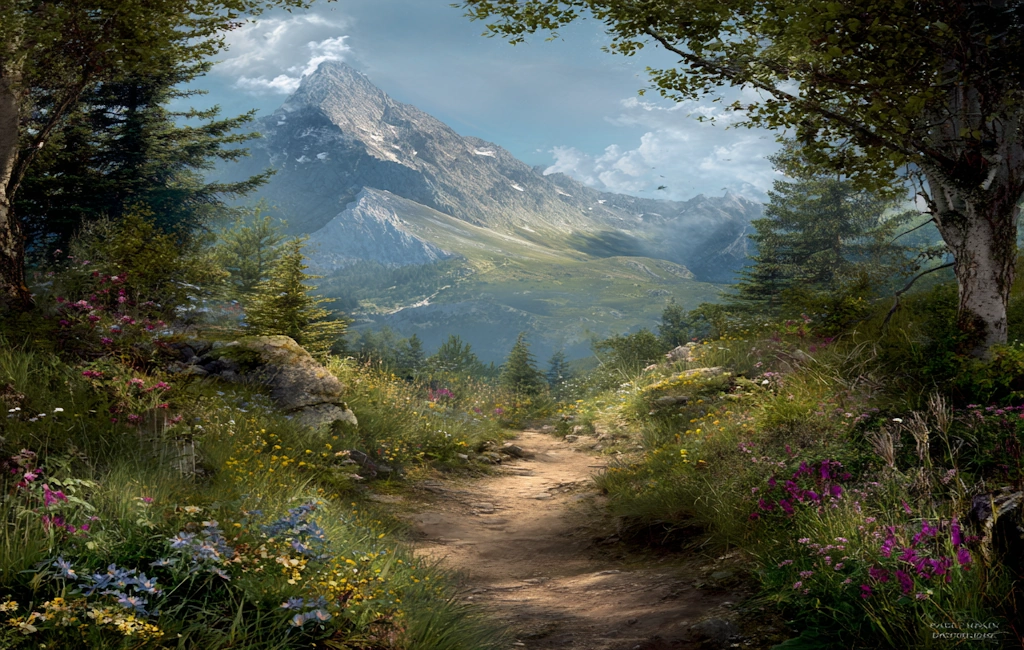
Sweden's Kungsleden (Abisko-Nikkaluokta) offers a moderate 105km wilderness traverse through the Scandinavian Mountains. This 5-7 day route winds through pristine Arctic landscapes, from Abisko's birch forests to rugged alpine highlands. Expect stunning panoramas, diverse terrain including valleys and ridges, and a truly memorable walk.
Distance: 105.0 km
Elevation Gain: 1500 m
Difficulty: Moderate
Duration: 5-7 days
The Kungsleden, or "The King's Trail," is Sweden's most iconic wilderness journey, stretching over 440 kilometres through the heart of the Scandinavian Mountains. While the entire trail takes nearly a month to traverse, the northernmost section from Abisko to Nikkaluokta is widely considered the most spectacular and culturally significant. This 105-kilometre odyssey takes hikers through a landscape of staggering Arctic beauty, from the lush birch forests of Abisko National Park to the high alpine tundra surrounding Kebnekaise, Sweden's highest peak. It is a journey through the ancestral lands of the Sami people, where reindeer roam freely across U-shaped glacial valleys and crystal-clear meltwater streams provide endless refreshment. The route is defined by its accessibility and its infrastructure; a network of well-maintained mountain huts (fjällstugor) managed by the Svenska Turistföreningen (STF) allows walkers to experience the raw Arctic wilderness without the necessity of carrying heavy camping gear, though the option to pitch a tent under the midnight sun remains a quintessential Swedish experience.
The Abisko to Nikkaluokta section of the Kungsleden is a masterclass in Arctic geography. The trail begins at the Abisko Turiststation, located 200 kilometres north of the Arctic Circle, where the landscape is dominated by the "Lapporten" (The Gateway to Lapland)—a distinctive U-shaped valley that has served as a navigational landmark for centuries. As you move south, the terrain transitions from the sheltered, verdant birch forests of the Abisko Valley into the vast, treeless expanses of the high fells. This is a land of immense scale, where the horizon is defined by jagged granite peaks and massive glaciers that have carved the landscape over millennia.
One of the most striking features of the Kungsleden is the "spångar"—extensive wooden plankways laid over boggy ground and fragile tundra. These planks not only protect the delicate Arctic flora from erosion but also allow hikers to maintain a steady pace through terrain that would otherwise be impassable. The trail follows the natural contours of the valleys, meaning that while the surrounding peaks rise to over 2,000 metres, the trail itself remains relatively level, with the notable exception of the Tjäktja Pass. This makes the Kungsleden accessible to hikers of moderate fitness, provided they are prepared for the psychological and physical demands of Arctic weather.
The experience is defined by the light. In June and July, the midnight sun ensures 24 hours of daylight, allowing for flexible hiking schedules and a surreal sense of timelessness. By September, the landscape is set ablaze with "höstfärger" (autumn colours), as the dwarf birch and shrubs turn brilliant shades of gold, orange, and crimson. This is also the time when the Aurora Borealis begins to dance across the night sky, offering a celestial reward for those braving the crisper temperatures. Whether you are staying in the social atmosphere of the STF huts or camping in the absolute silence of the tundra, the Kungsleden offers a profound connection to the natural world that is increasingly rare in modern Europe.
The Kungsleden was the brainchild of the Svenska Turistföreningen (Swedish Tourist Association), founded in 1885 with the mission of making the Swedish mountains accessible to the public. The vision for a "King's Trail" began to take shape in the early 1900s, with the first sections being marked and huts constructed between Abisko and Kvikkjokk. The goal was to create a route that showcased the most beautiful parts of the Swedish highlands, and by the 1920s, the trail had become a symbol of Swedish national identity and the burgeoning "friluftsliv" (open-air life) culture.
However, the history of this land stretches back far beyond the arrival of tourists. This is Sápmi, the traditional territory of the Sami people, who have inhabited these northern regions for thousands of years. The route followed by the Kungsleden often aligns with ancient paths used by Sami herders to move their reindeer between seasonal grazing grounds. Even today, reindeer husbandry remains a vital part of the local economy and culture. Hikers will frequently encounter large herds of reindeer, particularly in the valleys around Alesjaure and Sälka. It is essential to remember that this is a working landscape; the reindeer are not wild animals but are owned and managed by Sami communities (Sami villages or "samebyar").
The trail also holds modern cultural significance. The Tjäktja Pass and the surrounding valleys were a source of inspiration for Dag Hammarskjöld, the former Secretary-General of the United Nations and a passionate hiker. His posthumously published journal, *Markings*, contains many reflections on the solitude and spiritual clarity he found in these mountains. A series of meditation stones inscribed with his words can be found along the trail between Abisko and Singi, inviting hikers to pause and reflect on their own journey through the wilderness.
Want more background? Read extended notes on history and cultural context → Learn more
The hiking season on the Kungsleden is relatively short, dictated by the arrival and departure of the Arctic snowpack. Each month offers a distinct experience, and choosing the right time to go is crucial for setting expectations.
Late June to July: This is the season of the midnight sun. The sun never sets, providing an incredible energy and the ability to hike at any hour. However, this is also the peak season for mosquitoes and "knott" (biting midges), which can be relentless in the lower birch forests. Snow may still linger on the Tjäktja Pass, and river levels are often high due to the spring melt. The flora is at its most vibrant, with wildflowers like the mountain avens and glacier crowfoot carpeting the meadows.
August: Generally considered the prime hiking month. The mosquito population begins to dwindle as the nights get cooler, and the trail is usually dry and clear of snow. The weather is often more stable, though Arctic storms can still roll in with little warning. This is the busiest time on the trail, particularly during the "Fjällräven Classic" event in mid-August, which sees thousands of participants trekking the route.
September: For many, this is the best time to visit. The "birke" (birch) forests turn a stunning gold, and the tundra becomes a mosaic of deep reds. The air is crisp and clear, and the first dustings of snow may appear on the high peaks. Most importantly, the darkness returns, bringing with it the chance to see the Northern Lights. Be aware that STF huts begin to close in mid-to-late September, and temperatures can drop well below freezing at night.
Winter (February to April): The Kungsleden transforms into a world-class ski touring route. The trail is marked with red winter crosses, and hikers swap boots for backcountry skis. This requires significant experience in winter navigation and cold-weather survival, as temperatures can plummet to -30 degrees Celsius. The huts remain open during this period, providing essential refuge from the winter elements.
Day 1: Abisko Turiststation to Abiskojaure
Day 2: Abiskojaure to Alesjaure
Day 3: Alesjaure to Tjäktja
Day 4: Tjäktja to Sälka via Tjäktja Pass
Day 5: Sälka to Singi
Day 6: Singi to Kebnekaise Mountain Station
Day 7: Kebnekaise Mountain Station to Nikkaluokta
Important Notes:
Planning a Kungsleden trek requires a balance of logistical coordination and physical preparation. While the trail is well-marked and the huts provide a safety net, you are still entering a remote Arctic environment where help can be hours or days away. Fitness requirements are moderate; you should be comfortable walking 15–20 kilometres per day with a 12–15 kg pack. If you plan to camp, your pack will likely be heavier, requiring greater core and leg strength.
The logistical hub for the Kungsleden is the city of Kiruna. It is accessible via a 15-hour overnight train from Stockholm (a classic Swedish experience) or a 90-minute flight. From Kiruna, you can take a bus or train to Abisko to start your hike. At the end of the trek in Nikkaluokta, a dedicated bus service (Nikkaluoktaexpressen) runs twice daily back to Kiruna. It is wise to book your transport to and from Kiruna well in advance, especially during the peak months of July and August.
The STF mountain huts (fjällstugor) are a unique feature of the Swedish mountains. They are not hotels, but rather self-catering hostels designed to provide shelter and community in the wilderness. Between Abisko and Singi, huts are spaced approximately 12–20 kilometres apart.
Hut Facilities:
Booking Requirements:
One of the greatest joys of hiking in Sweden is the lack of a formal permit system. Thanks to "Allemansrätten" (The Right of Public Access), you do not need a permit to hike the Kungsleden or to camp in the wilderness. This ancient right allows everyone to roam freely in the countryside, provided they do not disturb or destroy.
Key Considerations:

Detailed route notes, maps, logistics & tips for the Kungsleden Section: Abisko To Nikkaluokta (PDF).

Precisely traced GPX for the Kungsleden Section: Abisko To Nikkaluokta, ready for your GPS or favourite mapping app.
The region around Abisko and Kebnekaise offers numerous opportunities to extend your Arctic adventure:
Arctic Weather: The most significant danger on the Kungsleden is the weather. Even in July, temperatures can drop to near freezing, and snowstorms are possible at higher elevations like the Tjäktja Pass. Hypothermia is a genuine risk if you are not equipped with proper layers and waterproofs. Always check the "Fjällprognos" (mountain forecast) at the huts before setting out.
River Crossings: Most major river crossings on the Kungsleden are bridged. However, after heavy rain or rapid snowmelt, smaller streams can become challenging. If a crossing looks dangerous, walk upstream to find a wider, shallower point or wait for the water level to drop (often lower in the early morning).
Navigation: The trail is very well-marked with red paint and cairns. However, in heavy mist or "whiteout" conditions, it is easy to lose the path. You must be proficient with a map and compass. GPS is a useful tool, but batteries fail in the cold; always have a paper backup.
Emergency Communication: Cell phone coverage is non-existent for most of the trail between Abiskojaure and Kebnekaise. Each STF hut is equipped with an emergency radio (hjälptelefon) connected to the mountain rescue service (Fjällräddningen). Carrying a Personal Locator Beacon (PLB) or a satellite messenger (like a Garmin inReach) is highly recommended for solo hikers or those camping away from the huts.
Reindeer: While generally shy, reindeer should be treated with respect. During the calving season (May/June) and the autumn rut, they can be more sensitive. Never approach them closely, and if you have a dog, it *must* be on a lead at all times—this is a legal requirement in the reindeer herding areas.
Tjäktja Pass Viewpoint: Don't just rush over the pass. If the weather is clear, spend some time at the summit. The view looking south into the Tjäktja Valley is the quintessential Kungsleden photograph—a vast, glacial trough that stretches to the horizon, flanked by jagged peaks.
Tarfala Valley: From the trail between Singi and Kebnekaise, you can take a detour into the Tarfala Valley. This is a high-alpine cirque containing several massive glaciers and a research station. The landscape here is much more rugged and "alpine" than the main Kungsleden valley, with turquoise glacial lakes filled with icebergs.
Lapporten (The Gateway to Lapland): While the trail doesn't go through it, the view of this iconic U-shaped valley from Abisko is legendary. For a closer look, you can take a half-day hike from Abisko Turiststation towards the base of the valley.
The Meditation Stones: Between Abisko and Singi, look for the seven meditation stones placed in memory of Dag Hammarskjöld. Each stone is inscribed with a short, poetic quote in both Swedish and Sami, providing a moment of quiet contemplation amidst the grand landscape.
Sami Settlements: Near Alesjaure and between Sälka and Singi, you will pass seasonal Sami villages. While these are private residences, seeing the traditional "kåta" (hut) structures and the reindeer corrals provides a glimpse into a way of life that has remained connected to this land for millennia.
The Arctic environment is incredibly fragile. The growing season is short, and damage to the tundra can take decades to heal. As a visitor to Sápmi and the Swedish mountains, you have a responsibility to minimise your impact.
Leave No Trace Principles:
