
Kuelap Fortress Hike
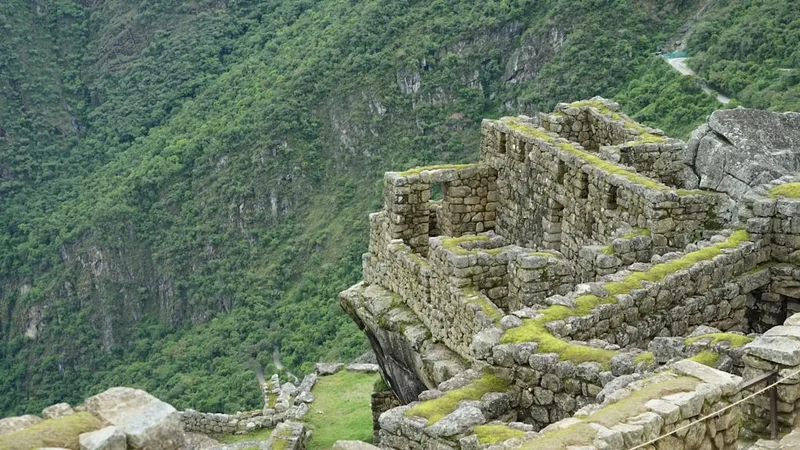
The Kuelap Fortress Hike is a captivating day walk in the Amazonas region of Peru, leading to the magnificent pre-Inca citadel of Kuelap. This ancient stone city, built by the Chachapoyas people, predates the Inca Empire and stands as a testament to their advanced civilisation and architectural prowess. Perched atop a mountain ridge at an elevation of approximately 3,000 metres, Kuelap offers breathtaking panoramic views of the surrounding cloud forest and valleys. The hike itself is a journey through lush vegetation, with the anticipation building as you ascend towards the imposing fortress walls. It's a moderate challenge, rewarding hikers with a profound connection to history and stunning natural beauty.
- Country: Peru
- Category: Day Walk
- Distance: 9.0 km (round trip from cable car station to fortress entrance and back)
- Elevation Gain: 600 m (cumulative from cable car station to fortress)
- Duration: 5-6 hours (including exploration time at Kuelap)
- Difficulty: Moderate
- Best Time: May to September (dry season)
- Closest City: Chachapoyas
- Trailhead Access: Via cable car from Nuevo Tingo, then a short walk to the fortress entrance.
Overview
The Kuelap Fortress Hike is more than just a trek; it's an immersion into a lost world. The journey begins with a scenic cable car ride from Nuevo Tingo, offering spectacular aerial views of the Utcubamba Valley and the verdant slopes that cradle the ancient citadel. Upon arrival at the upper cable car station, the trail commences, winding through a landscape of dense cloud forest. The air is often cool and misty, alive with the sounds of exotic birds and the rustling of leaves. As you ascend, the path becomes steeper, testing your stamina, but the increasing proximity to Kuelap fuels your determination.
The Chachapoyas, known as the "Warriors of the Clouds," constructed Kuelap between the 6th and 16th centuries. This formidable fortress, with its massive stone walls reaching up to 20 metres high in places, served as a defensive stronghold and a ceremonial centre. The sheer scale and precision of the stonework are awe-inspiring, especially considering the challenging terrain and the lack of modern tools. Exploring the fortress reveals hundreds of circular stone dwellings, ceremonial platforms, and intricate passageways, each whispering tales of a sophisticated society.
The hike culminates at the fortress entrance, where you are greeted by the imposing sight of Kuelap's outer walls. Inside, you can wander through the complex, imagining life centuries ago. The strategic location of Kuelap provides unparalleled vistas, allowing you to survey the vast expanse of the Amazonas region. The return journey offers a different perspective on the landscape, and the sense of accomplishment is palpable. This hike is a perfect blend of physical activity, historical discovery, and natural wonder, making it a highlight for any visitor to northern Peru.
History and Cultural Context
The history of Kuelap is intrinsically linked to the Chachapoyas culture, a civilisation that flourished in the northern Peruvian Andes for over a thousand years, from approximately 700 AD to 1572 AD. The Chachapoyas, meaning "people of the clouds" or "warriors of the clouds" in Quechua, were renowned for their fierce independence and their distinctive architectural style, which is most famously exemplified by Kuelap.
Construction of Kuelap began around the 6th century AD and continued for centuries, with the city reaching its peak in the 12th century. It was a vast urban centre, housing an estimated 3,000 to 5,000 inhabitants. The fortress was strategically built on a limestone ridge, offering natural defences and commanding views of the surrounding valleys. Its massive walls, constructed from precisely cut limestone blocks, some weighing several tonnes, are a marvel of ancient engineering. The city's layout includes residential areas, ceremonial spaces, and defensive structures, all integrated into the natural topography.
The Chachapoyas maintained their autonomy for a considerable period, resisting both the Inca and later Spanish incursions. However, they were eventually conquered by the Inca Empire under Pachacuti in the mid-15th century, shortly before the arrival of the Spanish conquistadors. The Spanish found Kuelap already partially abandoned, with many of its inhabitants having succumbed to diseases introduced by Europeans. The fortress was eventually reclaimed by the jungle, remaining largely forgotten until its rediscovery by the Peruvian government in the mid-19th century.
Today, Kuelap is a UNESCO World Heritage tentative site and a major archaeological attraction. Its preservation and study offer invaluable insights into the pre-Columbian history of the Andes, revealing a complex society with sophisticated social structures, advanced agricultural techniques, and remarkable architectural achievements. The Kuelap Fortress Hike allows visitors to walk in the footsteps of this ancient civilisation and experience the grandeur of their legacy firsthand.
Seasonal Highlights and Weather Reality
The Amazonas region of Peru experiences a tropical climate, with distinct wet and dry seasons. The best time to undertake the Kuelap Fortress Hike is during the dry season, which typically runs from May to September. During these months, rainfall is significantly reduced, leading to clearer skies and more stable weather conditions, ideal for hiking and exploring the open-air fortress.
Dry Season (May to September): This period offers the most favourable conditions for the hike. Days are generally sunny, with cooler temperatures, especially at the higher altitudes of Kuelap. The cloud forest is lush and vibrant, and the panoramic views from the fortress are often spectacular. However, even in the dry season, occasional light showers can occur, particularly in the afternoons. Temperatures can range from 10°C to 20°C.
Wet Season (October to April): This season is characterised by heavy rainfall, often occurring in daily downpours. While the landscape is incredibly green and vibrant during this time, the trails can become muddy and slippery, making the hike more challenging and potentially hazardous. Visibility at Kuelap may be reduced due to fog and clouds, obscuring the expansive views. The cable car service may also be subject to delays or cancellations due to severe weather. Temperatures are generally warmer, ranging from 15°C to 25°C.
Microclimates: It's important to note that the region experiences microclimates. Even during the dry season, the higher elevation of Kuelap can be cooler and more exposed to wind and mist than the lower valleys. Always be prepared for changing weather conditions, regardless of the season.
Recommended Itinerary
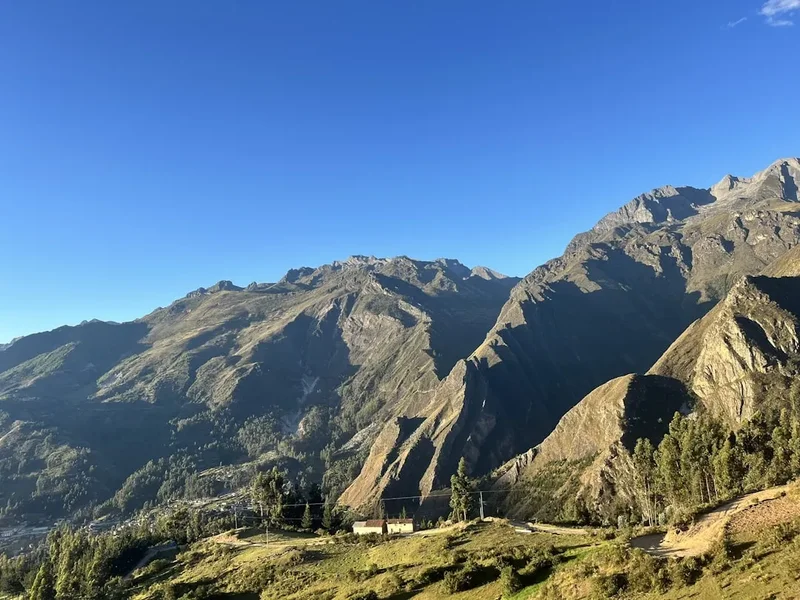
Kuelap Fortress Day Hike Itinerary
Early Morning (Approx. 7:00 AM - 8:00 AM): Travel to Nuevo Tingo
- Depart from Chachapoyas via 'colectivo' (shared taxi) or private taxi.
- Journey time is approximately 1 hour.
- Enjoy the scenic drive through the Utcubamba Valley, observing the changing landscape.
Morning (Approx. 8:00 AM - 9:00 AM): Cable Car to Kuelap Access Point
- Arrive at the cable car station in Nuevo Tingo.
- Purchase cable car tickets.
- Board the cable car for a breathtaking ride up to the upper station, near Kuelap.
- The cable car journey offers stunning aerial views of the cloud forest and the fortress in the distance.
- Duration of cable car ride: approximately 20-25 minutes.
Midday (Approx. 9:00 AM - 12:00 PM): Hike to Kuelap Fortress and Exploration
- From the upper cable car station, begin the hike towards the Kuelap Fortress entrance.
- Distance: Approximately 2 km (one way).
- Elevation gain: Approximately 300 m (cumulative from cable car station).
- Trail conditions: Mostly well-maintained path, with some steeper sections and uneven terrain.
- Allow 45-60 minutes for the hike up to the fortress.
- Upon arrival at Kuelap, spend ample time exploring the citadel.
- Key areas to visit: the main entrance, residential sectors, ceremonial platforms, and the northern sector.
- Take in the panoramic views of the surrounding valleys and mountains.
- Engage with the history and architecture of this ancient site.
Afternoon (Approx. 12:00 PM - 2:00 PM): Return Hike and Cable Car Descent
- Begin the hike back down from Kuelap to the upper cable car station.
- Allow 45-60 minutes for the descent.
- Board the cable car for the return journey to Nuevo Tingo.
Late Afternoon (Approx. 2:00 PM onwards): Return to Chachapoyas
- From Nuevo Tingo, take a 'colectivo' or taxi back to Chachapoyas.
- Reflect on the incredible experience of visiting Kuelap.
Important Notes:
- Wear comfortable, sturdy hiking shoes.
- Carry water, snacks, and sun protection.
- Be prepared for changing weather conditions; bring a rain jacket.
- Allow ample time for exploration within the fortress.
- Check cable car operating hours in advance.
Planning and Bookings
Book Your Trip
Everything you need to plan your journey
Accommodation
Find places to stay near Chachapoyas
Flights
Search flights to Chachapoyas
Essential Preparation
The Kuelap Fortress Hike is a day trip, but thorough preparation is still crucial for an enjoyable and safe experience. The closest major city and logistical hub is Chachapoyas. From Chachapoyas, you will need to arrange transport to Nuevo Tingo, the base for the cable car that ascends towards Kuelap. 'Colectivos' (shared taxis) are a common and affordable option, taking approximately one hour. Alternatively, private taxis can be hired. It is advisable to book your transport in advance, especially during peak tourist seasons.
Accommodation in Chachapoyas ranges from budget hostels to comfortable mid-range hotels. It is recommended to spend at least one night in Chachapoyas before and after your Kuelap visit to allow for travel time and acclimatisation to the altitude, which can be around 2,300 metres in Chachapoyas itself, with Kuelap reaching approximately 3,000 metres.
Familiarise yourself with the operating hours of the cable car, as these can vary. Purchasing tickets for the cable car and the entrance to Kuelap Fortress in advance can save time on the day of your hike.
Trail Accommodation
This is a day hike requiring no overnight accommodation.
Required Gear
- Hiking Boots: Sturdy, waterproof hiking boots with good ankle support are essential for navigating the uneven terrain and potential mud.
- Waterproof Jacket: A lightweight, breathable waterproof jacket is crucial, as weather can change rapidly in the cloud forest, with sudden rain showers being common.
- Backpack: A comfortable daypack (20-30 litres) to carry essentials.
- Navigation: While the trail to Kuelap is generally well-marked, a map or GPS device is always a good precaution. A downloaded offline map of the area is recommended.
- Safety Gear: A basic first-aid kit including blister treatment, pain relievers, antiseptic wipes, and any personal medications. A whistle for emergencies.
- Headlamp/Torch: Useful if you plan to start very early or finish late, though not typically required for a standard day hike.
What to Bring
- Water: Carry at least 1.5 to 2 litres of water per person. Water sources on the trail are not guaranteed to be potable.
- Food: Pack high-energy snacks such as trail mix, energy bars, fruit, and sandwiches. There are limited food options near the fortress itself.
- Sun Protection: High SPF sunscreen, a wide-brimmed hat, and sunglasses are essential, as the sun can be intense at higher altitudes, even on cloudy days.
- Insect Repellent: Especially important during the wet season, to protect against mosquitoes and other biting insects.
- Camera: To capture the stunning scenery and the impressive architecture of Kuelap.
- Binoculars: For enhanced wildlife viewing and appreciating distant landscapes.
- Cash: For cable car tickets, fortress entrance fees, local transport ('colectivos'), and any small purchases. Credit card facilities may be limited.
- Toiletries: Hand sanitiser, tissues, and any personal hygiene items.
- Warm Layers: Even during the dry season, temperatures can drop, especially in the early morning and late afternoon. A fleece or light jumper is advisable.
Permits
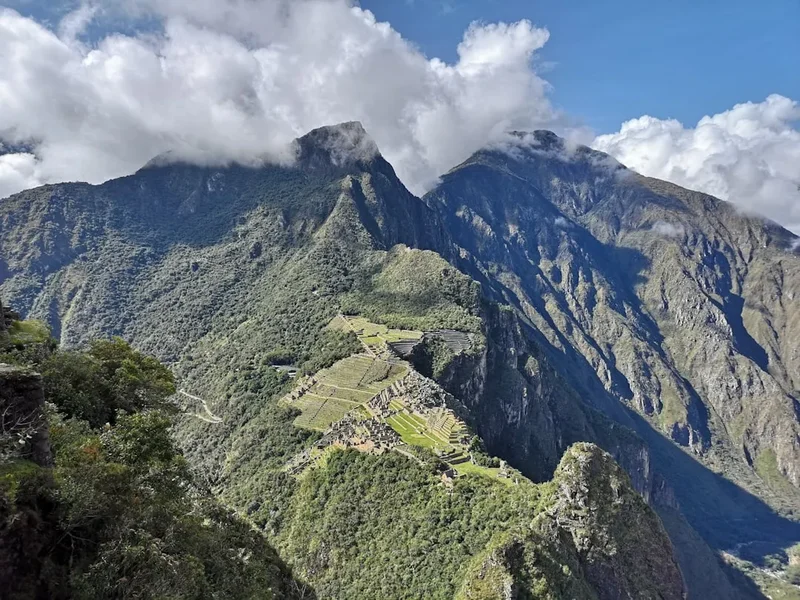
To access the Kuelap Fortress, visitors are required to purchase an entrance ticket. This ticket covers entry to the archaeological site itself. Additionally, a separate ticket is required for the cable car service that transports visitors from Nuevo Tingo to the vicinity of the fortress.
Entrance Fees:
- Kuelap Fortress Entrance Fee: Typically around 30 Peruvian Soles (PEN) for adults. Prices may vary, and concessions for students or children might be available. It is advisable to check the official Peruvian Ministry of Culture website or local tourist information centres for the most up-to-date pricing.
- Cable Car Ticket: The cost for the round-trip cable car journey is approximately 20 Peruvian Soles (PEN) for adults.
Where to Purchase:
- Kuelap Fortress Tickets: These can usually be purchased at the ticket office located near the fortress entrance or at designated ticket booths in Chachapoyas or Nuevo Tingo. Purchasing in advance, if possible, can save time.
- Cable Car Tickets: Tickets for the cable car are purchased at the cable car station in Nuevo Tingo.
Important Considerations:
- It is highly recommended to carry sufficient Peruvian Soles in cash, as card payment facilities may not always be available or reliable, especially at smaller ticket offices or for local transport.
- Prices are subject to change, so it is wise to verify current costs before your visit.
- During peak tourist seasons, purchasing tickets in advance can help avoid long queues.
Other Activities in the Area
The Amazonas region offers a wealth of attractions beyond Kuelap, making it a destination for adventure and cultural exploration:
- Gocta Waterfall: Hike to one of the world's tallest free-leaping waterfalls, Gocta Falls, which plunges over 771 metres in two stages. The hike through lush cloud forest to reach the falls is spectacular.
- Karajia Sarcophagi: Visit the impressive cliff-side sarcophagi of Karajia, where the Chachapoyas people buried their elite. These anthropomorphic coffins are remarkably well-preserved.
- Revash Mausoleums: Explore the colourful, house-like mausoleums of Revash, perched precariously on cliff faces, offering another glimpse into Chachapoyas burial practices.
- Chachapoyas City and Museum: Spend time exploring the charming colonial city of Chachapoyas itself, and visit the Leymebamba Museum, which houses an extraordinary collection of over 200 Chachapoyas mummies.
- Quiocta Cave: Discover the Quiocta Cave, an impressive underground system featuring stalactites, stalagmites, and ancient cave paintings.
- Yumbilla Waterfall: Another magnificent waterfall in the region, Yumbilla is considered one of the tallest in Peru and offers a less crowded alternative to Gocta.
- Sarcophagi of the Chachapoyas: Various sites throughout the region showcase these unique burial structures, each offering a distinct perspective on Chachapoyas culture.
Safety and Conditions
Altitude Sickness: Kuelap is situated at approximately 3,000 metres above sea level. Chachapoyas itself is at around 2,300 metres. Visitors arriving from sea level may experience symptoms of altitude sickness (soroche), such as headaches, nausea, dizziness, and fatigue. It is recommended to:
- Spend at least one night in Chachapoyas to acclimatise before ascending to Kuelap.
- Avoid strenuous activity on your first day at altitude.
- Stay hydrated by drinking plenty of water.
- Limit alcohol and caffeine intake.
- Eat light meals.
- Consider consulting your doctor about altitude sickness medication (e.g., Diamox) before your trip.
Trail Conditions: The trail from the cable car station to Kuelap is generally well-maintained but can be steep and uneven in places. During the wet season (October to April), the path can become muddy and slippery, increasing the risk of falls. Sturdy hiking boots with good grip are essential.
Weather: The weather in the cloud forest can be unpredictable. Be prepared for sudden changes, including rain, mist, and wind, even during the dry season. Always carry a waterproof jacket and wear layers of clothing.
Sun Exposure: The sun's rays are stronger at higher altitudes. Use high SPF sunscreen, wear a hat, and sunglasses to protect yourself from sunburn and UV damage.
Insect Bites: Mosquitoes and other biting insects can be present, particularly during the wet season. Use insect repellent to prevent bites.
General Safety:
- Stay on marked trails to avoid getting lost and to protect the archaeological site.
- Do not touch or climb on the ancient structures.
- Carry a fully charged mobile phone, although signal coverage may be intermittent.
- Inform someone of your hiking plans and expected return time.
- Carry a basic first-aid kit and know how to use it.
- Ensure you have adequate travel insurance that covers medical emergencies and evacuation.
Side Trips and Points of Interest
While the primary focus of this hike is the magnificent Kuelap Fortress itself, the journey and its surroundings offer several points of interest:
Cable Car Views: The cable car ride from Nuevo Tingo to the upper station is an experience in itself. It provides breathtaking panoramic views of the Utcubamba Valley, the lush cloud forest, and the distant peaks. Keep an eye out for diverse birdlife and the dramatic landscape unfolding below.
Cloud Forest Environment: The trail leading from the cable car station to Kuelap winds through a vibrant cloud forest ecosystem. Take time to appreciate the rich biodiversity, including various species of orchids, bromeliads, ferns, and the calls of exotic birds. The air is often filled with mist, creating a mystical atmosphere.
Kuelap's Defensive Walls: The sheer scale and construction of Kuelap's outer walls are a major point of interest. These massive limestone structures, some reaching up to 20 metres in height, are a testament to the Chachapoyas' engineering skills and their determination to protect their city.
The Three Entrances: Kuelap features three narrow, defensible entrances. Exploring these passages provides a sense of the fortress's strategic design and the challenges faced by any potential invaders.
Residential and Ceremonial Areas: Within the fortress, you can explore the hundreds of circular stone dwellings, ceremonial platforms, and plazas. Imagining the daily life and rituals of the Chachapoyas people in these spaces is a key part of the experience.
Panoramic Vistas: The elevated position of Kuelap offers spectacular 360-degree views of the surrounding valleys and mountains. These viewpoints are ideal for photography and for appreciating the strategic importance of the fortress's location.
Leave No Trace
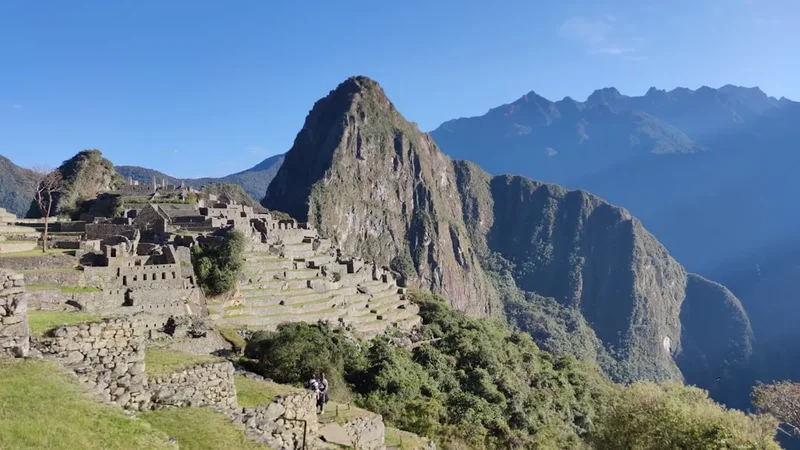
The Kuelap Fortress is a precious archaeological site and a natural environment that requires careful stewardship. Practising Leave No Trace principles ensures its preservation for future generations and minimises our impact on the delicate ecosystem.
Plan Ahead and Prepare: Research the site, understand its significance, and be aware of any specific regulations. Pack appropriately for the weather and terrain.
Travel and Camp on Durable Surfaces: Stick to designated paths and trails. Avoid walking on or disturbing the ancient stone structures of Kuelap. The cloud forest vegetation is also sensitive; stay on the marked routes.
Dispose of Waste Properly: Pack out everything you pack in. This includes all food scraps, wrappers, and any other litter. There are limited waste disposal facilities at Kuelap, so be prepared to carry your rubbish back with you.
Leave What You Find: Do not remove any artefacts, stones, plants, or other natural items from the site. Kuelap is a protected historical monument, and its integrity must be maintained.
Minimise Campfire Impacts: This is a day hike, so campfires are not applicable. However, if visiting other areas, always use established fire rings and ensure fires are completely extinguished.
Respect Wildlife: Observe wildlife from a distance and never feed animals. The cloud forest is home to diverse species, and their natural behaviours should not be disrupted.
Be Considerate of Other Visitors: Maintain a respectful noise level. Allow others to enjoy the peace and historical significance of Kuelap. Avoid blocking pathways or viewpoints.
By adhering to these principles, you contribute to the long-term preservation of Kuelap and its surrounding natural beauty.