
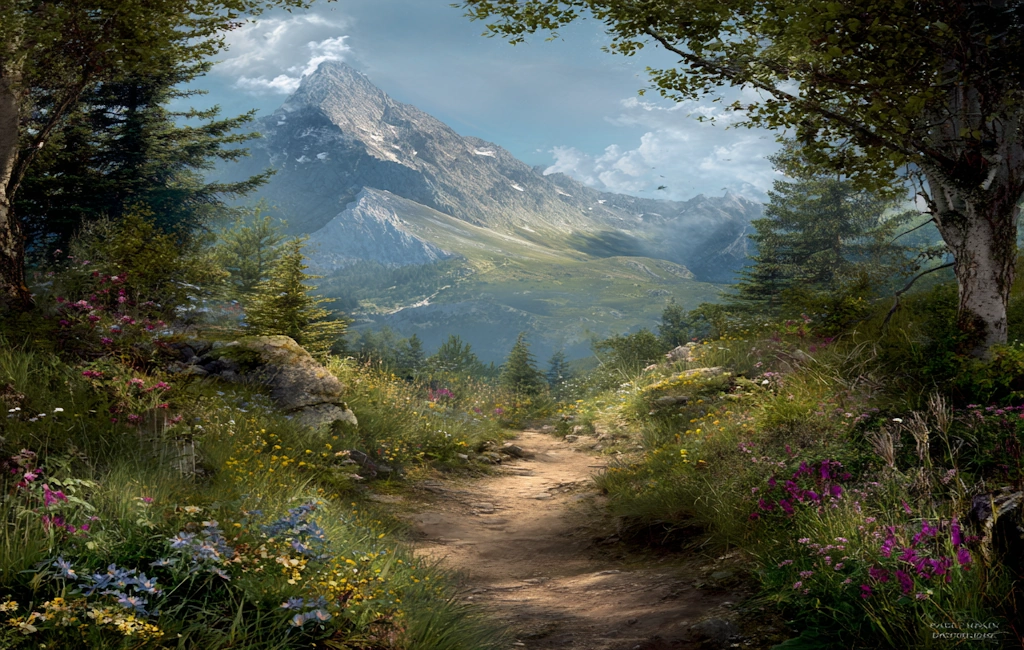
Kosciuszko Walk (Charlotte Pass)
The Kosciuszko Walk from Charlotte Pass is a quintessential Australian alpine day hike, offering a spectacular journey to the summit of mainland Australia's highest peak, Mount Kosciuszko. This well-maintained track winds through the stunning Kosciuszko National Park, showcasing a unique alpine environment characterised by vast, rolling plateaus, delicate wildflowers in summer, and dramatic mountain vistas. Starting from the historic Charlotte Pass, the walk ascends gradually, providing an accessible yet rewarding experience for a wide range of fitness levels. It's a chance to stand on the roof of Australia, surrounded by a landscape that feels both ancient and alive, a true testament to the raw beauty of the Snowy Mountains.
- Distance: 18.6 km return
- Duration: 6–8 hours
- Season: November to May (summer and shoulder seasons); snow can persist into early summer
- Highest point: Mount Kosciuszko summit (2,228 m)
- Trail type: Well-formed path, boardwalks, and gravel sections
- Access: Charlotte Pass (sealed road, parking available, fees may apply)
- Permits: No specific permits required for day hiking during summer/autumn
Overview
The Kosciuszko Walk from Charlotte Pass is a journey through a high-altitude environment that transforms with the seasons. Beginning at Charlotte Pass (1,765 m), the walk initially follows the Snowy River before ascending towards the Main Range. The path is largely a well-constructed gravel track, interspersed with extensive boardwalks that protect the fragile alpine vegetation and provide a comfortable walking surface, especially over boggy sections or sensitive areas. The route is designed to be accessible, with a gradual gradient for much of the way, making it achievable for most reasonably fit individuals.
As you gain elevation, the landscape opens up, revealing sweeping panoramas of the surrounding Snowy Mountains. The views are expansive, with rolling hills and distant peaks stretching towards the horizon. The alpine flora is a highlight, particularly from late spring through summer, with a vibrant display of wildflowers painting the landscape in hues of purple, yellow, and white. The air is crisp and clean, and the sense of space is profound. The walk culminates at the summit of Mount Kosciuszko (2,228 m), marked by a cairn and a trig station, offering 360-degree views that, on a clear day, can extend for hundreds of kilometres.
The return journey offers a different perspective on the same magnificent scenery. The descent is generally easier on the legs, allowing for more time to appreciate the subtle details of the alpine environment. The walk is a popular choice for families, day hikers, and those seeking to experience Australia's highest point without the need for technical climbing or overnight camping. It’s a chance to connect with a unique Australian landscape, breathe in the mountain air, and achieve a significant personal milestone.
History and Cultural Context
The Kosciuszko National Park and its highest peak hold deep cultural significance for the Ngarigo people, the traditional custodians of this land. For millennia, they have traversed these mountains, utilising them for seasonal hunting and gathering, and holding them in spiritual reverence. The alpine country was a vital part of their ancestral lands, and their connection to this landscape is an enduring legacy.
The modern history of the area is intertwined with the exploration and development of the Snowy Mountains. European settlers began exploring the region in the 19th century, drawn by pastoral opportunities and the allure of the rugged terrain. The discovery of gold in the region also played a role in its early development. However, it was the establishment of the Snowy Mountains Hydro-Electric Scheme in the mid-20th century that truly transformed the area, bringing infrastructure and increased accessibility to the high country.
Mount Kosciuszko itself was named by Polish explorer Paweł Edmund Strzelecki in 1840, in honour of Tadeusz Kościuszko, a Polish national hero and a veteran of the American Revolutionary War. Strzelecki's expedition was one of the first to systematically explore the Australian Alps. The establishment of a walking track to the summit, and the development of ski resorts at Thredbo and Perisher, further cemented the region's popularity as a destination for outdoor recreation.
Charlotte Pass, the starting point for this walk, has a history dating back to the early days of alpine exploration and tourism. It was once the highest permanently inhabited settlement in Australia and served as a crucial access point for early mountaineers and skiers. The historic Charlotte Pass Chalet, though no longer operating as it once did, stands as a reminder of this pioneering era. The walk to the summit from Charlotte Pass has evolved from a challenging trek for hardy explorers to a well-managed and accessible route, allowing a broader audience to experience the majesty of Australia's highest peak.
Seasonal Highlights and Weather Reality
The Kosciuszko Walk from Charlotte Pass is best enjoyed during the warmer months, typically from November to May. During this period, the alpine environment is at its most accessible and visually appealing for hikers.
Summer (December to February): This is the peak season for wildflowers. The alpine meadows burst into colour with a stunning array of native blooms, including the iconic snow daisies, alpine buttercups, and various heaths. The days are longest, offering ample time for the walk, and the weather is generally milder. However, summer can also bring thunderstorms, so it's essential to be prepared for rapid changes. Sandflies can also be present, though generally less of an issue than in wetter coastal regions.
Autumn (March to May): As summer transitions to autumn, the landscape takes on a different beauty. The vegetation may turn golden and russet hues, offering a striking contrast to the summer greens. The air becomes crisper, and the skies are often clear, providing excellent visibility. This is a fantastic time for photography and for enjoying the tranquillity of the mountains before the onset of winter. Snow can begin to fall on the higher peaks from April onwards.
Spring (November to December): While technically part of summer, early spring can still see significant snow cover, particularly on the higher sections of the track and around the summit. Snowmelt can create boggy conditions in places, and some sections of boardwalk may be submerged. However, it's also the time when the first wildflowers begin to emerge, and the landscape slowly awakens from its winter slumber. It's crucial to check conditions before heading out, as snow can persist well into November or even December at higher elevations.
Winter (June to October): This walk is generally not recommended during winter due to heavy snow, ice, and extreme cold. The track can be completely obscured by snow, and avalanche risk is a serious concern. Access to Charlotte Pass can also be restricted, often requiring oversnow transport. For winter ascents, specialised equipment, navigation skills, and experience in alpine conditions are essential. This description focuses on the summer/autumn walking season.
Weather Considerations: The alpine weather in Kosciuszko National Park is notoriously unpredictable. Even on a clear summer day, conditions can change rapidly. Be prepared for strong winds, sudden drops in temperature, rain, and even snow at any time of year. Always check the forecast before you go and carry appropriate layers.
Recommended Itinerary
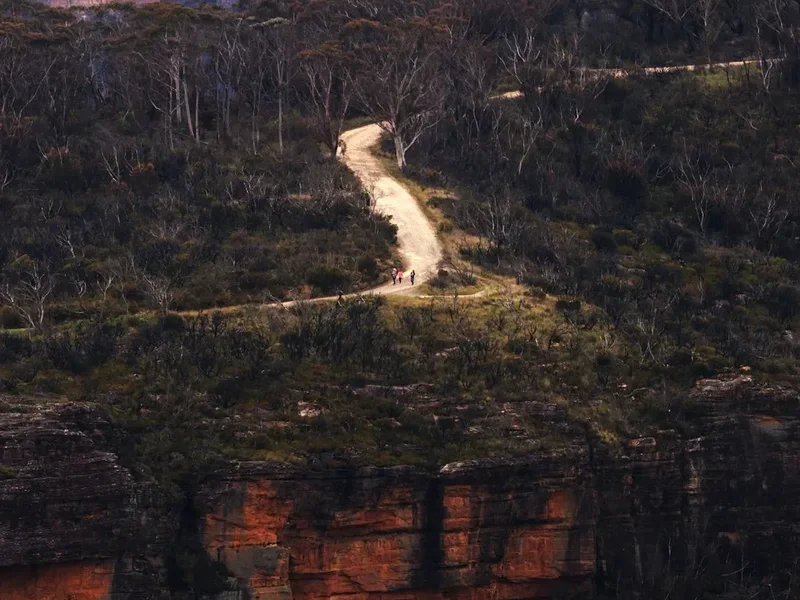
Kosciuszko Walk (Charlotte Pass) - Day Hike Itinerary
Early Morning (Approx. 8:00 AM): Arrival at Charlotte Pass
- Arrive at Charlotte Pass Village.
- Park your vehicle in the designated parking area (fees may apply).
- Take in the initial views and the historic atmosphere of Charlotte Pass.
- Final gear check and preparation.
Morning (Approx. 8:30 AM): Commence Walk to Summit
- Begin the walk from Charlotte Pass.
- The initial section follows a well-formed gravel path, often alongside the Snowy River.
- The gradient is gentle, allowing for acclimatisation.
- Pass through alpine meadows and open country.
- Distance covered: Approximately 5-7 km.
- Elevation gain: Gradual ascent.
- Estimated time: 2–3 hours.
Midday (Approx. 11:30 AM - 1:00 PM): Reaching the Main Range and Kosciuszko Plateau
- The track begins to ascend more noticeably towards the Main Range.
- You will encounter extensive boardwalk sections designed to protect the fragile alpine environment.
- Views open up to reveal the vastness of the Kosciuszko Plateau.
- Pass the iconic Thredbo-Charlotte Pass track junction (if you were to walk towards Thredbo).
- Continue towards the summit path.
- Distance covered: Approximately 12-14 km (cumulative).
- Elevation gain: Significant ascent towards the plateau.
- Estimated time: 3–4 hours (cumulative).
Afternoon (Approx. 1:00 PM - 2:00 PM): Summit of Mount Kosciuszko
- Reach the summit of Mount Kosciuszko (2,228 m).
- Enjoy the panoramic 360-degree views.
- Take photos and celebrate your achievement.
- Have lunch or snacks at the summit.
- Spend time appreciating the alpine landscape.
- Distance covered: Approximately 9.3 km from Charlotte Pass to summit.
- Elevation gain: Reached summit.
- Estimated time: 1–1.5 hours at summit.
Late Afternoon (Approx. 2:00 PM onwards): Return Journey
- Begin the descent back towards Charlotte Pass.
- The return journey offers a different perspective on the scenery.
- The well-maintained track makes for a relatively easy descent.
- Take care on boardwalks and gravel sections.
- Distance covered: Approximately 9.3 km from summit back to Charlotte Pass.
- Elevation loss: Gradual descent.
- Estimated time: 2–3 hours for descent.
End of Day (Approx. 4:00 PM - 5:00 PM): Arrival back at Charlotte Pass
- Arrive back at Charlotte Pass Village.
- Reflect on your alpine adventure.
- Optional: Visit the Charlotte Pass General Store for refreshments.
Important Notes:
- This is a day hike; no overnight accommodation is required on the track itself.
- Weather can change rapidly; always be prepared for cold, wind, and rain, even in summer.
- Carry sufficient water and food for the entire duration of the walk.
- Wear sturdy, broken-in walking shoes or boots.
- Sun protection is crucial at altitude: sunscreen, hat, and sunglasses.
- Mobile phone reception can be intermittent.
Planning and Bookings
Book Your Trip
Everything you need to plan your journey
Accommodation
Find places to stay near Jindabyne
Flights
Search flights to Jindabyne
Essential Preparation
The Kosciuszko Walk from Charlotte Pass is a popular day hike, and while it doesn't require the extensive booking coordination of multi-day treks, proper preparation is key to a safe and enjoyable experience. The primary logistical consideration is access to Charlotte Pass itself. The road to Charlotte Pass is sealed but can be subject to closures due to snow, particularly in late spring. It's advisable to check road conditions with NSW National Parks and Wildlife Service (NPWS) or Transport for NSW before your trip.
The closest major town to Charlotte Pass is Jindabyne, which serves as the main gateway to the Snowy Mountains region. Jindabyne offers a full range of services, including accommodation (hotels, motels, apartments, holiday rentals), supermarkets, outdoor gear shops, restaurants, and cafes. It's the ideal place to base yourself before and after your hike, allowing for last-minute supply runs and rest. Canberra is the nearest major airport, approximately a 2.5 to 3-hour drive away, making it a convenient option for travellers flying in.
Fitness is an important consideration. While the walk is not technically demanding, the distance (18.6 km return) and the altitude (reaching 2,228 m) require a reasonable level of cardiovascular fitness and stamina. It's recommended to be able to comfortably walk for 6-8 hours, with some sustained uphill sections. Training with regular walks, including some with elevation gain, will enhance your enjoyment of the hike.
Trail Accommodation
This is a day hike requiring no overnight accommodation on the trail itself. Walkers typically start from Charlotte Pass, complete the walk to the summit of Mount Kosciuszko and return to Charlotte Pass within the same day. Accommodation options are available in the nearby towns and villages, with Jindabyne being the most comprehensive hub. Charlotte Pass Village itself historically offered accommodation, and while its primary function has shifted, it's worth checking for any available lodging or day-use facilities.
Required Gear
- Sturdy walking boots or shoes: Waterproof and with good ankle support are recommended. Ensure they are well broken-in to prevent blisters.
- Backpack: A comfortable daypack (20-30 litres) to carry essentials.
- Waterproof jacket: Essential for protection against wind and rain, which can occur suddenly at altitude.
- Warm layers: Including a fleece or down jacket, thermal base layers, and a beanie. Temperatures can drop significantly, especially at the summit.
- Sun protection: High SPF sunscreen, sunglasses, and a wide-brimmed hat are crucial due to the intense UV radiation at altitude.
- Navigation: While the track is well-marked, a map and compass or a GPS device/app with downloaded offline maps is advisable, especially if conditions deteriorate.
- First-aid kit: Including blister treatment, pain relievers, antiseptic wipes, and any personal medications.
- Head torch: With spare batteries, in case of unexpected delays or an early start/late finish.
What to Bring
- Water: Carry at least 2-3 litres of water per person. There are no reliable water sources along the main track to refill.
- Food: Plenty of high-energy snacks and a packed lunch. Options for purchasing food are limited to the start/end point.
- Insect repellent: While not as prevalent as in some other Australian environments, sandflies can be present, especially near water sources or during warmer, still conditions.
- Camera: To capture the stunning alpine scenery.
- Trekking poles: Optional, but can be helpful for stability on descents and ascents, and for reducing strain on knees.
- Emergency shelter: A lightweight emergency blanket or bivvy bag can be a lifesaver in unexpected situations.
- Mobile phone: Fully charged, though reception is unreliable in many parts of the park.
Permits
For day hiking on the Kosciuszko Walk from Charlotte Pass during the summer and autumn seasons (typically November to May), no specific permits are required. Access to Kosciuszko National Park itself does not require a permit for day visitors. However, standard NSW National Parks and Wildlife Service (NPWS) regulations apply, which include adhering to track conditions, safety guidelines, and general park rules.
Parking Fees: While no entry permit is needed, there may be parking fees applicable at Charlotte Pass. It is advisable to check the latest information regarding parking charges with NPWS or the relevant local authority before your visit. These fees are typically modest and contribute to the maintenance of park facilities.
Seasonal Access: It is crucial to be aware of seasonal access restrictions. During winter and early spring, the road to Charlotte Pass may be closed due to snow, and access might require special arrangements or oversnow transport. If you plan to visit outside the main summer/autumn walking season, always verify road conditions and access requirements well in advance.
Camping: This walk is a day hike, and overnight camping is not permitted along the track itself. If you wish to camp in Kosciuszko National Park, you must do so in designated camping areas and adhere to NPWS camping regulations. Backcountry camping permits may be required for overnight stays in certain areas, but this does not apply to the Kosciuszko Walk from Charlotte Pass.
Group Hikes: For larger organised groups or commercial tours, specific permits or bookings might be necessary. It is always best to contact NSW National Parks and Wildlife Service directly if you are planning a group excursion to confirm any requirements.
Other Activities in the Area
Kosciuszko National Park and the surrounding Snowy Mountains region offer a wealth of activities for visitors:
- Thredbo Village: A popular alpine resort town offering a range of activities, including chairlift rides for scenic views, mountain biking in summer, and a vibrant village atmosphere with shops and restaurants. The Kosciuszko Summit Walk can also be accessed from Thredbo via the Kosciuszko Express Chairlift, offering a shorter, albeit less scenic, route to the summit.
- Perisher Valley: Another major ski resort that transforms into a hub for summer activities. While primarily known for skiing, it offers opportunities for scenic drives and access to various walking trails.
- Jindabyne: The main service town for the region, situated on the shores of Lake Jindabyne. Activities here include water sports on the lake (sailing, kayaking, fishing), cycling the foreshore paths, and exploring local art galleries and shops.
- Alpine Lakes: Explore the stunning alpine lakes such as Lake Jindabyne, Lake Eucumbene, and the smaller glacial lakes in the higher country. These offer opportunities for fishing, boating, and picnicking.
- Other Walks: Kosciuszko National Park boasts numerous other walking trails, ranging from short, easy strolls to challenging multi-day treks. Popular options include the Main Range Track (a longer loop from Charlotte Pass or Thredbo), the Jagungal Wilderness area, and various shorter walks around Thredbo and Perisher.
- Scenic Drives: Enjoy the breathtaking mountain scenery from the comfort of your car. The drive to Charlotte Pass itself is spectacular, and other scenic routes offer panoramic views of the Snowy Mountains.
- Horse Riding: Several operators in the region offer guided horse riding tours through the alpine meadows and forests, providing a unique way to experience the landscape.
Safety and Conditions
Weather Preparedness: The most critical safety aspect for this walk is being prepared for the unpredictable alpine weather. Conditions can change from sunny and warm to cold, windy, and wet within minutes. Always check the latest weather forecast from the Bureau of Meteorology (BOM) or a reliable source before you depart and be prepared for all conditions. Hypothermia is a real risk, even in summer.
Navigation: The track from Charlotte Pass to the summit of Mount Kosciuszko is generally well-marked and easy to follow, especially the sections with boardwalks. However, in poor visibility (fog, heavy rain, snow), it is possible to lose the track. Carry a map and compass and know how to use them, or have a reliable GPS device or app with offline maps downloaded. Inform someone of your plans, including your expected return time.
Altitude: While not extreme, the altitude can affect some individuals. Ascend gradually and listen to your body. If you experience symptoms of altitude sickness (headache, nausea, dizziness), descend to a lower elevation.
Water and Food: Carry more water than you think you will need, as there are no reliable water sources along the main track. Similarly, pack ample high-energy food and snacks. Do not rely on finding food or water on the trail.
Footwear and Clothing: Wear sturdy, broken-in walking boots. Avoid cotton clothing, as it retains moisture and can lead to hypothermia. Opt for wool or synthetic layers that wick away moisture and provide insulation.
Sun Protection: The UV radiation at altitude is intense. Always wear sunscreen, a hat, and sunglasses, even on cloudy days.
Emergency Contacts: In case of an emergency, dial 000 for Police, Fire, or Ambulance. For park-specific issues, contact the NSW National Parks and Wildlife Service (NPWS) visitor centre. Consider carrying a personal locator beacon (PLB) for remote areas where mobile reception is non-existent.
Track Conditions: Check the NSW National Parks and Wildlife Service website for any alerts or track closures before your visit. Snow can persist on higher sections well into summer, and boardwalks can be slippery when wet.
Side Trips and Points of Interest
Main Range Track (Partial): While the full Main Range Track is a multi-day undertaking, sections of it are incorporated into the walk from Charlotte Pass. As you ascend towards the Kosciuszko Plateau, you will be walking on parts of this iconic route, offering glimpses of its grandeur. The path from Charlotte Pass to the summit is essentially the most accessible and popular segment of the Main Range.
Seaman's Hut: Located on the Main Range, Seaman's Hut is a historic emergency shelter built in memory of Arthur "Bluey" Seaman, a renowned mountaineer who died in a blizzard in 1929. While not directly on the most direct path from Charlotte Pass to the summit, it's a significant landmark for those exploring the broader Main Range. It serves as a stark reminder of the harshness of the alpine environment and the importance of preparedness.
Kosciuszko Summit Cairn and Trig Station: The summit itself is marked by a substantial cairn and a trig station, providing a clear indicator of Australia's highest point. The summit area is a popular spot for photos and for taking in the expansive views. On a clear day, you can see for hundreds of kilometres in all directions, with other peaks of the Snowy Mountains stretching out before you.
Alpine Wildflowers: Depending on the season (late spring to summer), the alpine meadows along the route are adorned with a spectacular display of native wildflowers. Keep an eye out for snow daisies, alpine buttercups, triggerplants, and various species of heath. These delicate blooms are a testament to the resilience of life in this harsh environment.
Charlotte Pass Village: The starting and ending point of the walk holds historical significance. It was once the highest permanently inhabited settlement in Australia and the centre of early alpine tourism and skiing. The historic chalets and the general atmosphere of the village offer a glimpse into the region's pioneering past.
Leave No Trace
The Kosciuszko Walk traverses a fragile alpine environment, and adhering to Leave No Trace principles is paramount to preserving its beauty and ecological integrity for future generations. The alpine zone is particularly sensitive to human impact, with slow-growing vegetation and delicate ecosystems that can take decades to recover from damage.
Plan Ahead and Prepare: Research the trail, understand the weather, and pack appropriately. This minimises the need for unexpected actions that could harm the environment.
Travel and Camp on Durable Surfaces: Stick to the marked track and boardwalks. These are specifically designed to protect the vegetation and soil from erosion. Avoid walking on the delicate alpine meadows, especially during wildflower season.
Dispose of Waste Properly: Pack out everything you pack in. This includes all food scraps, wrappers, and any other litter. There are no bins on the trail. Use designated toilet facilities where available, or if necessary, dig a cathole at least 100 metres away from water sources, trails, and campsites, and bury human waste.
Leave What You Find: Do not take rocks, plants, or any other natural objects. Leave them for others to enjoy and for the ecosystem to thrive.
Minimise Campfire Impacts: Campfires are generally not permitted in Kosciuszko National Park, especially in the alpine zone. If you are camping elsewhere in the park, use designated fire rings and ensure fires are completely extinguished.
Respect Wildlife: Observe wildlife from a distance and never feed them. Feeding native animals can disrupt their natural behaviours, diets, and health. This is particularly important for birds and small mammals in the alpine environment.
Be Considerate of Other Visitors: Keep noise levels down and yield to other walkers. The alpine environment offers a sense of peace and solitude; help preserve it for everyone.
By following these principles, you contribute to the ongoing protection of Kosciuszko National Park, ensuring its natural wonders can be appreciated by all.
 Australia