
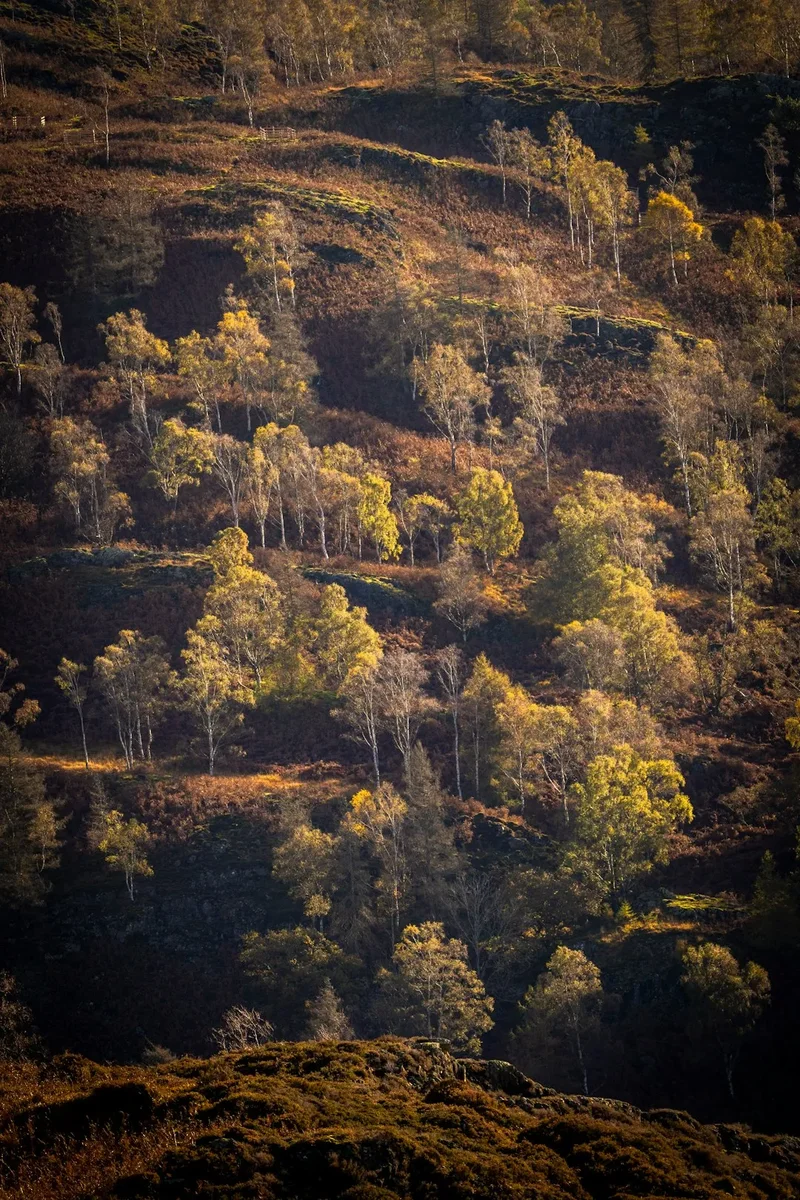
Knocknarea Queen Maeve Trail
The Knocknarea Queen Maeve Trail is a captivating day walk located in County Sligo, Ireland, offering a blend of natural beauty, historical intrigue, and panoramic vistas. This moderate trail culminates at the summit of Knocknarea Mountain, crowned by the legendary Queen Maeve's Cairn, a substantial prehistoric monument. The path winds through diverse landscapes, from coastal heathland to open moorland, providing a rewarding experience for walkers of all levels. Its accessibility from the vibrant city of Sligo makes it a popular choice for both locals and tourists seeking an accessible yet significant outdoor adventure.
- Distance: 6.0 km one-way
- Elevation gain: 250 m
- Duration: 2 hours
- Difficulty: Moderate
- Best Time: April–October
- Closest City: Sligo
- Trailhead Access: Knocknarea car park
- Permits: Not required
Overview
The Knocknarea Queen Maeve Trail is a journey that marries the rugged beauty of the Sligo coastline with the mystique of ancient Irish mythology. The trail is primarily a well-maintained path, ascending the gentle slopes of Knocknarea Mountain. As you climb, the landscape transitions from the coastal fringes, offering glimpses of the Atlantic Ocean and the surrounding countryside, to the more exposed moorland characteristic of the mountain's upper reaches. The air is often fresh, carrying the scent of gorse and heather, and the sounds are those of the wind and the distant sea.
The highlight of the walk is undoubtedly Queen Maeve's Cairn, a massive prehistoric burial mound situated at the summit. Legend has it that the formidable warrior queen, Maeve of Connacht, is buried here, standing upright with her sword in hand. The cairn itself is a testament to ancient engineering and a focal point for local folklore. From the summit, the views are truly spectacular. On a clear day, you can see for miles across Sligo Bay, the Ox Mountains, and the dramatic coastline stretching north and south. The iconic Benbulben mountain, with its distinctive flat-topped silhouette, is a prominent feature in the northern panorama.
The trail is designed to be accessible, making it a popular choice for a half-day excursion. While the ascent is steady, the moderate difficulty rating reflects the sustained climb and the exposed nature of the summit. The path is generally clear, but sturdy footwear is recommended due to the uneven terrain in places. The experience is not just about the physical act of walking but also about immersing oneself in a landscape steeped in history and legend, offering a profound connection to Ireland's ancient past and its enduring natural beauty.
History and Cultural Context
Knocknarea Mountain and its summit cairn are deeply intertwined with Irish mythology, most famously with the legendary warrior queen, Maeve of Connacht. Maeve was a powerful and ambitious figure in the Ulster Cycle of Irish mythology, a series of epic tales detailing the lives and exploits of heroes and kings in ancient Ireland. The most famous story associated with Maeve is the "Táin Bó Cúailnge" (The Cattle Raid of Cooley), where she wages war against Ulster to steal a prize bull.
According to legend, Maeve was buried upright at the summit of Knocknarea, facing her enemies in Ulster, with her sword in her hand. This monumental cairn, a vast collection of stones, is believed to be her final resting place. The cairn is one of the largest of its kind in Ireland, estimated to contain over 40,000 tonnes of stone. Its construction dates back to the Neolithic period, predating Maeve's legendary era by thousands of years, suggesting that the site held significance long before it became associated with the warrior queen. This layering of history—from prehistoric burial site to legendary queen's tomb—adds a unique depth to the experience of visiting Knocknarea.
The mountain itself has been a landmark for centuries, visible from afar and likely used for navigation and as a place of spiritual importance by ancient peoples. The surrounding landscape also bears traces of human activity, with evidence of prehistoric settlements and field systems in the lower reaches. The trail today follows paths that have likely been trodden for millennia, connecting the modern visitor to the ancient inhabitants of this land. The enduring presence of Queen Maeve's Cairn serves as a powerful reminder of Ireland's rich mythological heritage and the enduring human connection to this sacred landscape.
Seasonal Highlights and Weather Reality
The Knocknarea Queen Maeve Trail is accessible year-round, but the experience varies significantly with the seasons. The best time for walking is generally from April to October, when the weather is typically milder and daylight hours are longer.
Spring (April–May): This is a beautiful time to visit as the landscape awakens. Gorse and broom begin to bloom, painting the hillsides with vibrant yellow. The weather can be unpredictable, with a mix of sunshine and showers, but the trails are usually less crowded. The air is fresh, and the views can be exceptionally clear after a spring rain.
Summer (June–August): Summer offers the warmest temperatures and longest days, ideal for enjoying the panoramic views from the summit. Wildflowers are in full bloom, and the heather may start to show its colours. However, this is also the busiest period, and the summit can be quite popular. Sandflies can be present, especially on calmer, humid days, so insect repellent is advisable.
Autumn (September–October): Autumn brings a different kind of beauty to Knocknarea. The heather may be in full bloom, creating a carpet of purple across the moorland. The colours of the landscape become richer, and the light can be particularly stunning, especially in the late afternoon. The weather can become more changeable, with increased chances of wind and rain, but the crowds tend to thin out.
Winter (November–March): While accessible, winter presents the most challenging conditions. Days are short, and the weather can be harsh, with strong winds, heavy rain, and even frost or snow at higher elevations. The summit can be exposed and cold, and visibility may be significantly reduced. However, for experienced walkers prepared for winter conditions, the solitude and dramatic atmosphere can be very rewarding. Always check the weather forecast before setting out in winter.
Weather Reality: Knocknarea, like much of the west coast of Ireland, is subject to changeable weather. Even on a seemingly clear day, conditions can shift rapidly. Wind is a constant factor, especially at the exposed summit. It is essential to be prepared for rain, wind, and cooler temperatures, regardless of the season. Layering clothing is highly recommended.
Recommended Itinerary
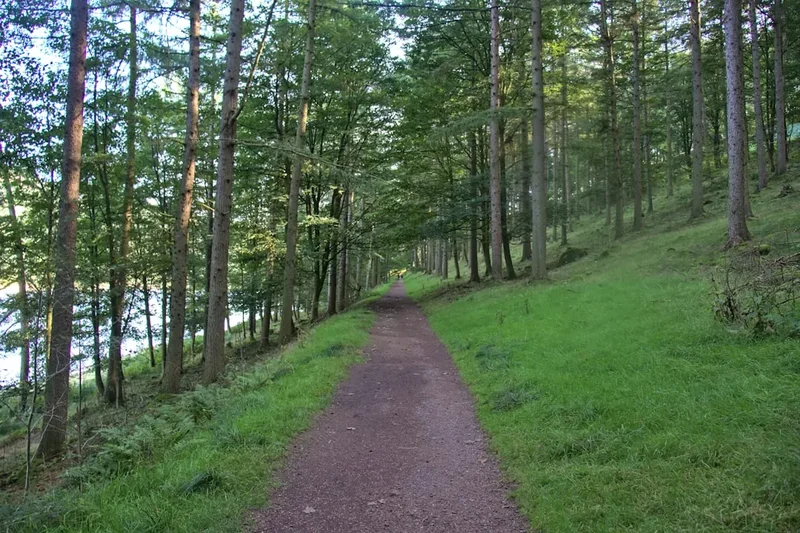
Knocknarea Queen Maeve Trail - Day Walk
Morning (Approx. 10:00 AM): Arrival and Trailhead Start
- Arrive at the Knocknarea car park, located off the R292 road near Strandhill.
- Take time to prepare your gear, apply sunscreen, and check the trail information board.
- Begin the ascent from the car park, following the clearly marked path.
- The initial section of the trail may pass through areas of gorse and heather, offering early views of the surrounding countryside.
Late Morning (Approx. 10:30 AM - 11:30 AM): Ascent and Vistas
- The trail gradually gains elevation, becoming more exposed as you climb higher on Knocknarea Mountain.
- Enjoy increasingly expansive views of Sligo Bay, the town of Sligo, and the coastline.
- Observe the changing vegetation from coastal heath to open moorland.
- The path is well-defined, making navigation straightforward.
Midday (Approx. 11:30 AM - 12:30 PM): Summit and Queen Maeve's Cairn
- Reach the summit of Knocknarea Mountain.
- Explore Queen Maeve's Cairn, the large prehistoric burial mound.
- Take time to absorb the 360-degree panoramic views.
- Identify key landmarks such as Benbulben, the Ox Mountains, and the Atlantic Ocean.
- This is an ideal spot for a break, a snack, and photography.
Early Afternoon (Approx. 12:30 PM - 1:30 PM): Descent and Return
- Begin the descent back towards the car park.
- The descent offers a different perspective on the landscape you ascended.
- Take care on the downhill sections, especially if the path is wet.
- Return to the Knocknarea car park, completing the walk.
Optional Extension:
- Consider a visit to the nearby village of Strandhill for refreshments or to explore its famous beach and surf culture.
- Explore other historical sites in the vicinity, such as Carrowkeel or Knocknarea's smaller cairns.
Planning and Bookings
Book Your Trip
Everything you need to plan your journey
Accommodation
Find places to stay near Sligo
Flights
Search flights to Sligo
Essential Preparation
The Knocknarea Queen Maeve Trail is a day walk, meaning no overnight accommodation is required. Preparation primarily focuses on ensuring you have the right gear for the conditions and understanding the logistics of reaching the trailhead. The closest major city is Sligo, which offers a full range of accommodation options, from hotels and guesthouses to hostels and B&Bs. Sligo is well-connected by road and rail, making it an accessible base. From Sligo, it's a short drive (approximately 15-20 minutes) west towards Strandhill to reach the Knocknarea car park. Public transport options to the trailhead are limited, so a car is generally recommended for ease of access. Ensure you have a reliable map or GPS device, although the trail is generally well-marked.
Trail Accommodation
This is a day hike requiring no overnight accommodation.
Required Gear
- Footwear: Sturdy walking boots or trail shoes with good grip are essential. The terrain can be uneven, especially on the ascent and descent.
- Clothing: Layering is key. Bring moisture-wicking base layers, an insulating mid-layer (fleece or down jacket), and a waterproof and windproof outer shell. Even on a warm day, the summit can be exposed and cool.
- Headwear: A warm hat or beanie is advisable, especially outside of summer, and a sun hat for protection during warmer months.
- Gloves: Lightweight gloves can be useful for cooler conditions or if the wind is strong.
- Navigation: While the trail is generally well-marked, a map of the area and a compass or GPS device are recommended, especially if you plan to explore off the main path. A mobile phone with a mapping app can also be useful, but signal strength can be variable.
- Safety: A basic first-aid kit including blister treatment, pain relievers, and any personal medications. A whistle can be useful in an emergency.
What to Bring
- Food: Pack sufficient snacks and a packed lunch to sustain you during the walk. There are no facilities on the trail.
- Water: Carry at least 1-2 litres of water per person. Refill options are not available on the trail.
- Sun Protection: Sunscreen (SPF 30 or higher), sunglasses, and lip balm are important, even on cloudy days, due to the reflective nature of the landscape and potential for strong UV exposure at the summit.
- Insect Repellent: Especially during warmer months (June-August), sandflies can be present. A good quality repellent with DEET or picaridin is recommended.
- Backpack: A comfortable daypack (20-30 litres) to carry your essentials.
- Camera: To capture the stunning views from the summit.
- Walking Poles (Optional): Can provide extra stability and reduce strain on knees during the ascent and descent.
- Binoculars (Optional): For enhanced wildlife spotting or distant landscape viewing.
Permits
No permits are required to walk the Knocknarea Queen Maeve Trail. The trail and access to Knocknarea Mountain are open to the public free of charge. The car park at the trailhead is also free to use.
While no formal booking or permit is necessary, it is always advisable to check local conditions and weather forecasts before your visit. For those travelling from further afield, ensuring your transport to the Sligo region and the trailhead is arranged is the primary logistical consideration.
Other Activities in the Area
The region around Knocknarea offers a wealth of activities and attractions, making it an ideal destination for a longer stay:
- Strandhill Beach: Located just a short drive from Knocknarea, Strandhill is a renowned surfing destination with a beautiful sandy beach. It's also a great spot for coastal walks and enjoying the Atlantic atmosphere.
- Sligo City: Explore the vibrant city of Sligo, known for its literary heritage (home of W.B. Yeats), lively pubs, excellent restaurants, and cultural attractions like the Model Arts and Niland Gallery.
- Carrowkeel Megalithic Cemetery: A significant Neolithic passage tomb complex, older than Newgrange, offering a fascinating glimpse into Ireland's prehistoric past. It's located a short drive south of Knocknarea.
- Benbulben Forest Walk: Explore the dramatic landscape at the base of Benbulben mountain, with well-marked trails through woodland offering stunning views of the iconic rock formation.
- Lough Gill: A beautiful lake south of Sligo, famous for its association with W.B. Yeats and the "Lake Isle of Innisfree." Boat trips are available, offering scenic views and a chance to visit the ruins of Holywood Abbey.
- County Sligo Coastline: Discover other scenic coastal drives and beaches, such as Mullaghmore Head, known for its dramatic cliffs and surfing waves.
- Museums and Heritage Sites: Visit sites like the Sligo Abbey, a well-preserved 13th-century Dominican friary, or the Yeats Memorial Building.
Safety and Conditions
Weather: The most significant safety consideration is the unpredictable weather. Conditions on Knocknarea can change rapidly. Always check the Met Éireann (Irish Meteorological Service) forecast before you go. Be prepared for wind, rain, and cooler temperatures, even in summer. Hypothermia is a risk if you get wet and cold, especially on the exposed summit.
Terrain: While the main trail is generally well-maintained, sections can be uneven, rocky, or muddy, particularly after rain. Wear appropriate footwear with good ankle support and grip. Be cautious on descents, as loose stones can cause slips.
Visibility: Fog or mist can descend quickly, significantly reducing visibility. If visibility drops, stay on the marked path and consider turning back if you are unsure of your route. If you have a GPS device or mapping app, ensure it is charged and functioning.
Sandflies: During warmer months, sandflies can be a nuisance. They are most active in calm, humid conditions. Use a strong insect repellent and cover exposed skin when stationary. They are generally not dangerous but their bites can be itchy and irritating.
Emergency: In case of an emergency, dial 112 or 999 for the emergency services. Mobile phone reception can be variable on the mountain, so be prepared for this. Inform someone of your hiking plans, including your expected return time.
Respect the Cairn: Queen Maeve's Cairn is a protected archaeological monument. Do not disturb the stones or remove any material from the cairn. Treat the site with respect.
Side Trips and Points of Interest
Queen Maeve's Cairn: The undisputed highlight of the trail. This massive prehistoric burial mound is the focal point of Knocknarea. Standing at its summit, you can appreciate its scale and the immense effort involved in its construction thousands of years ago. The legend of Queen Maeve adds a layer of mystique and historical intrigue.
Summit Views: The panoramic views from the summit are exceptional. On a clear day, you can see:
- Sligo Bay: The expansive bay stretches out to the west, with the popular seaside town of Strandhill visible below.
- Benbulben: The iconic flat-topped mountain dominates the northern skyline, a striking geological formation.
- Ox Mountains: These rolling hills form a scenic backdrop to the east.
- The Atlantic Ocean: The vast expanse of the Atlantic stretches to the horizon, offering a sense of wildness and remoteness.
- Surrounding Countryside: The patchwork of fields, roads, and smaller hills provides a detailed map of the local landscape.
Smaller Cairns: Scattered around the summit area and on the slopes of Knocknarea are several smaller prehistoric cairns and earthworks. While Queen Maeve's Cairn is the most prominent, these smaller sites hint at a wider ritual landscape that existed in ancient times.
Coastal Heathland: The lower slopes of Knocknarea are covered in vibrant coastal heathland, particularly rich in gorse and heather. The colours and scents of this vegetation add to the sensory experience of the walk, especially during spring and summer.
Leave No Trace
The Knocknarea Queen Maeve Trail, while a popular day walk, traverses a landscape of significant natural and archaeological importance. Adhering to Leave No Trace principles ensures that this beautiful area remains pristine for future visitors and that its delicate ecosystems and historical integrity are preserved.
Plan Ahead and Prepare: Familiarise yourself with the trail, check the weather forecast, and pack appropriate gear. Understand the local conditions and any potential hazards.
Travel and Camp on Durable Surfaces: Stick to the marked trails. Avoid walking on fragile vegetation, especially the heather and mosses, which can take a long time to recover. The summit area is exposed, so be mindful of your impact.
Dispose of Waste Properly: Pack out everything you pack in. This includes all litter, food scraps, and anything else you bring onto the mountain. There are no bins on the trail or at the summit. Use the facilities in Sligo or Strandhill if needed.
Leave What You Find: Do not remove any natural objects, such as stones or plants, or disturb archaeological features like Queen Maeve's Cairn. These are part of the natural and cultural heritage of the area.
Minimize Campfire Impacts: Not applicable for this day walk, as camping is not permitted on the trail or at the summit.
Respect Wildlife: Observe wildlife from a distance and do not feed any animals you may encounter. This includes birds and any farm animals that might be grazing in the vicinity.
Be Considerate of Other Visitors: Keep noise levels down, especially at the summit. Yield to other walkers on narrow sections of the trail. Allow others to enjoy the peace and quiet of the mountain.