
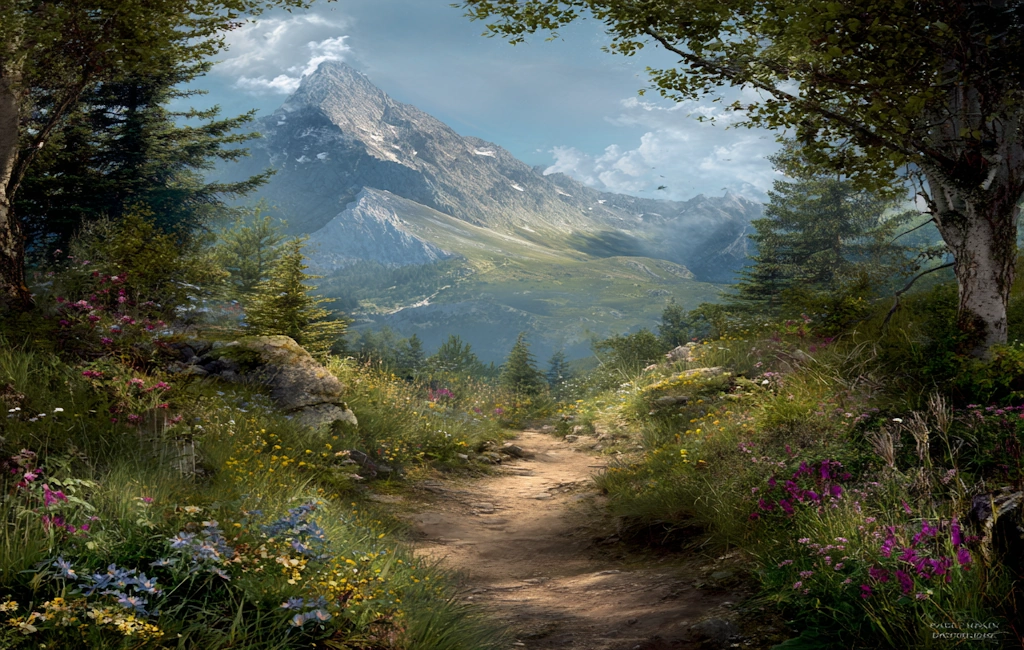
Kinner Kailash Trek - A Sacred Himalayan Pilgrimage
The Kinner Kailash Trek is a challenging yet profoundly rewarding pilgrimage route in the Indian Himalayas, renowned for its spiritual significance and breathtaking mountain vistas. This trek leads to the sacred Kinner Kailash peak, believed to be the winter abode of Lord Shiva. The journey traverses rugged terrain, high-altitude passes, and remote villages, offering a unique blend of adventure and spiritual immersion. Unlike many commercialised treks, Kinner Kailash retains a raw, untamed beauty, demanding respect for its formidable environment and deep cultural heritage.
- Distance: Approximately 60 km one-way
- Duration: 7–10 days
- Season: May to October
- Difficulty: Challenging
- Highest point: Kinner Kailash Peak (approx. 6,050 m - though the trek typically reaches around 4,500 m at the Parikrama point)
- Base Camp: Thangi or Kalpa
- Permits: Inner Line Permit required for foreign nationals
- Access: Nearest airport Shimla (SLV), ~230 km. Road access to Thangi can be challenging.
Overview
The Kinner Kailash Trek is more than just a physical journey; it is a spiritual odyssey through the heart of Kinnaur, a region steeped in ancient traditions and dramatic landscapes. The trek typically begins from the village of Thangi, a picturesque settlement nestled in the Sutlej River valley. From here, the path ascends through dense forests of deodar and pine, gradually opening up to reveal panoramic views of snow-capped peaks, including the majestic Kinner Kailash itself. The route is often undertaken as a parikrama (circumambulation) around the sacred peak, a ritualistic journey for pilgrims.
The trek is characterised by its challenging ascents, steep descents, and the ever-present grandeur of the Himalayas. Trekkers will encounter remote hamlets where life moves at a slower pace, offering glimpses into the unique culture of the Kinnauri people. The air is crisp and thin, and the silence is broken only by the sounds of nature and the distant chanting of pilgrims. The landscape shifts dramatically, from lush green valleys to barren, rocky terrains, all under the watchful gaze of the towering Kinner Kailash.
The spiritual significance of Kinner Kailash cannot be overstated. It is considered one of the most sacred abodes of Lord Shiva, and many pilgrims undertake this trek to seek blessings and spiritual enlightenment. The journey is often undertaken during the auspicious month of Shravan (July-August), when the spiritual energy is believed to be at its peak. The trek demands physical endurance, mental fortitude, and a deep respect for the natural and spiritual environment.
History and Cultural Context
The Kinnaur region, and Kinner Kailash in particular, has a rich history intertwined with Hindu mythology and ancient trade routes. Legend has it that Kinner Kailash is the winter residence of Lord Shiva, where he meditates amidst the snow-clad peaks. The name "Kinner" itself is believed to be derived from "Kinnara," celestial musicians in Hindu mythology, suggesting a divine and ethereal connection to the region.
Historically, Kinnaur was a vital link on the ancient Silk Road, connecting India with Tibet and Central Asia. The region's strategic location facilitated trade and cultural exchange, leaving behind a legacy of diverse influences. The local inhabitants, the Kinnauri people, have preserved their unique customs, traditions, and dialects, which are a blend of Tibetan and Indian influences. Their way of life is deeply connected to the land and the spiritual beliefs associated with the mountains.
The Kinner Kailash Parikrama has been a pilgrimage for centuries, undertaken by devotees seeking spiritual merit and divine blessings. The trek route follows ancient paths used by local shepherds and pilgrims, passing through villages that have remained largely unchanged for generations. The presence of numerous ancient monasteries and temples along the route further attests to the region's deep spiritual heritage. The trek is not merely a physical challenge but a journey of self-discovery and devotion, connecting trekkers to the profound spiritual energy of the Himalayas.
Seasonal Highlights and Weather Reality
The Kinner Kailash Trek is best undertaken during the summer and early autumn months when the weather is relatively stable and the passes are clear of snow. The region experiences harsh winters, with heavy snowfall that makes the trek inaccessible and dangerous.
Spring (May to June): This is the beginning of the trekking season. The snow starts to melt, and the lower valleys begin to bloom with wildflowers. The weather is generally pleasant, with clear skies and moderate temperatures. However, higher passes might still have residual snow, and occasional rain showers are possible. This is a good time for those who prefer fewer crowds and cooler temperatures.
Summer (July to August): This is the peak trekking season for Kinner Kailash. The weather is generally warm and sunny, with clear views of the surrounding peaks. However, this is also the monsoon season in the Himalayas, and Kinnaur, being on the rain shadow side, receives less rainfall compared to other regions. Despite this, occasional heavy showers can occur, leading to landslides and disruptions on the road. The Kinner Kailash Parikrama is particularly popular during the auspicious month of Shravan, attracting a large number of pilgrims.
Autumn (September to October): This is arguably the best time to trek Kinner Kailash. The monsoon recedes, and the skies are crystal clear, offering unparalleled views of the snow-capped mountains. The temperatures are cool and pleasant during the day, and cold at night. The autumn foliage adds a splash of colour to the landscape. This season is ideal for photography and for those seeking clear, crisp mountain air.
Winter (November to April): The region experiences extreme cold and heavy snowfall during winter, making the trek impossible and dangerous. The passes are blocked by snow, and most of the villages are cut off. This period is strictly for experienced mountaineers with advanced winter survival skills, and even then, it is highly discouraged for general trekking.
Recommended Itinerary
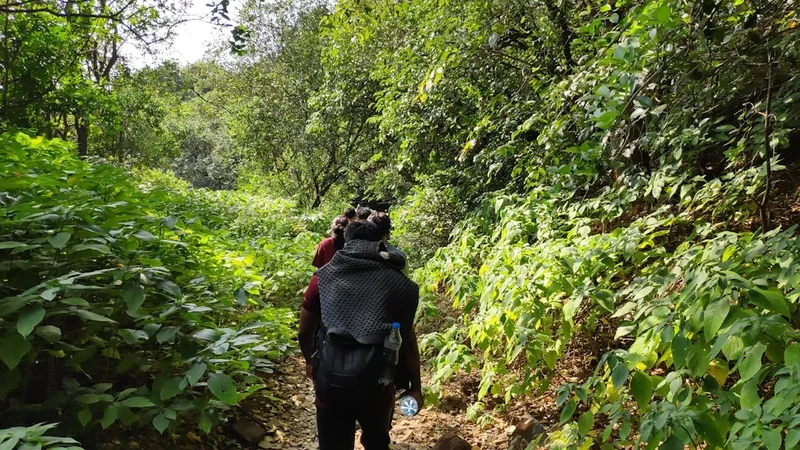
7-Day Kinner Kailash Trek Itinerary (Sample)
Day 1: Arrival in Shimla & Transfer to Reckong Peo
- Distance: ~230 km
- Time: 8–10 hours
- Arrive at Shimla airport (SLV) or bus station.
- Begin the scenic drive towards Reckong Peo, the district headquarters of Kinnaur.
- The journey offers stunning views of the Sutlej River and the changing landscape.
- Check into a hotel in Reckong Peo and rest.
- Obtain Inner Line Permit if required for foreign nationals.
Day 2: Reckong Peo to Thangi (Base Camp)
- Distance: ~30 km
- Time: 2–3 hours
- After breakfast, drive to Thangi, the starting point of the trek.
- Thangi is a beautiful village with traditional Kinnauri houses.
- Organise porters and supplies for the trek.
- Short acclimatisation walk around Thangi village.
- Overnight stay in a guesthouse or tented accommodation.
Day 3: Thangi to Mulgaon
- Distance: ~12 km
- Elevation gain: ~800 m
- Time: 5–6 hours
- Begin the trek from Thangi.
- The trail ascends through dense forests of deodar and pine.
- Enjoy first glimpses of the surrounding snow-capped peaks.
- Reach Mulgaon, a small settlement with basic facilities.
- Set up camp or stay in a local homestay.
Day 4: Mulgaon to Charang Pass Base Camp
- Distance: ~10 km
- Elevation gain: ~1000 m
- Time: 6–7 hours
- Continue the ascent towards the higher altitudes.
- The landscape becomes more rugged and alpine.
- Cross streams and navigate rocky terrain.
- Reach the base camp for Charang Pass, a high-altitude meadow.
- Enjoy panoramic views of the Kinner Kailash range.
- Overnight camping.
Day 5: Charang Pass Base Camp to Kinner Kailash Parikrama Point (Shiva Lingam)
- Distance: ~8 km
- Elevation gain: ~700 m
- Time: 5–6 hours
- Trek to the sacred Kinner Kailash Parikrama point, often marked by a natural Shiva Lingam.
- This is a significant spiritual site for pilgrims.
- Experience the awe-inspiring presence of Kinner Kailash peak.
- Spend time in meditation and reflection.
- Return to Charang Pass Base Camp for overnight stay.
Day 6: Charang Pass Base Camp to Thangi
- Distance: ~22 km
- Elevation loss: ~1800 m
- Time: 7–8 hours
- Descend back towards Thangi, retracing your steps.
- Enjoy the changing perspectives of the landscape.
- Reach Thangi by late afternoon.
- Celebrate the completion of the trek with the local community.
- Overnight in Thangi.
Day 7: Thangi to Shimla
- Distance: ~230 km
- Time: 8–10 hours
- After breakfast, drive back to Shimla.
- Reflect on the incredible journey and spiritual experience.
- Departure from Shimla.
Note: This is a sample itinerary and can be adjusted based on fitness levels, acclimatisation, and weather conditions. It is highly recommended to hire local guides and porters.
Planning and Bookings
Book Your Trip
Everything you need to plan your journey
Accommodation
Find places to stay near Reckong Peo
Flights
Search flights to Reckong Peo
Essential Preparation
The Kinner Kailash Trek requires meticulous planning due to its remote location and challenging terrain. Physical fitness is paramount; trekkers should engage in regular cardiovascular exercises, strength training, and hiking with a loaded backpack for at least 2-3 months prior to the trek. Acclimatisation is crucial to prevent altitude sickness. The trek involves ascending to altitudes of around 4,500 metres, so understanding the symptoms of Acute Mountain Sickness (AMS) and taking necessary precautions is vital. For foreign nationals, obtaining an Inner Line Permit (ILP) is mandatory. This permit can be obtained from the District Magistrate's office in Reckong Peo or through authorised travel agents. It is advisable to book your travel and accommodation in advance, especially during the peak season (July-August). Local guides and porters are highly recommended for navigation, safety, and cultural insights. Ensure you have comprehensive travel insurance that covers high-altitude trekking and emergency evacuation.
Trail Accommodation
Accommodation along the Kinner Kailash Trek is primarily basic and often involves camping. There are no established lodges or hotels on the main trekking route. Trekkers will typically stay in:
- Tented Camps: This is the most common form of accommodation. Campsites are usually set up in meadows or relatively flat areas near water sources. Basic camping gear, including tents, sleeping bags, and sleeping mats, will be required.
- Homestays/Guesthouses: In villages like Thangi and Mulgaon, there might be limited homestay options or basic guesthouses. These offer a more local experience but are often rudimentary in terms of facilities.
- Shelters: Basic stone shelters or dhabas might be available at certain points, offering minimal protection from the elements.
Booking Requirements: For camping, you will need to arrange your own tents and camping equipment or hire them through trekking agencies. Homestays, if available, can often be booked through local contacts or trekking guides. It is advisable to confirm accommodation arrangements with your guide or trekking agency well in advance.
Facilities Provided: Basic shelter, sometimes a common dining area. In villages, basic amenities like toilets might be available.
What's NOT Provided: Hot water, electricity, charging facilities, private bathrooms, meals (unless arranged with a guide/agency), and any form of luxury. Trekkers must be self-sufficient.
Seasonal Availability: Accommodation options are generally available from May to October. Outside this period, the route is inaccessible due to snow.
Costs: Camping costs vary depending on whether you bring your own gear or hire it. Homestays can range from ₹1,000 to ₹3,000 per night, depending on the facilities and location. Hiring guides and porters typically includes their accommodation and food.
Required Gear
- Sturdy Trekking Boots: Waterproof, high-ankle support, well-broken-in boots are essential for navigating rough terrain and preventing injuries.
- Waterproof and Windproof Outerwear: A high-quality waterproof and breathable jacket and trousers are crucial for protection against rain, snow, and strong winds.
- Warm Layers: Thermal base layers (merino wool or synthetic), fleece jackets, and down jackets are necessary to combat the cold at higher altitudes.
- Sleeping Bag: A 4-season sleeping bag with a comfort rating of at least -10°C to -15°C is recommended due to the extreme cold at night.
- Backpack: A 50-70 litre trekking backpack with a rain cover.
- Headlamp/Torch: With extra batteries, essential for navigating in the dark and for use inside tents.
- First-Aid Kit: Comprehensive kit including bandages, antiseptic wipes, pain relievers, blister treatment, altitude sickness medication (Diamox), and any personal medications.
- Sun Protection: High SPF sunscreen, lip balm with SPF, sunglasses (UV protection), and a wide-brimmed hat or cap.
- Navigation Tools: Map of the area, compass, and a GPS device or smartphone with offline maps.
- Trekking Poles: Highly recommended for stability and reducing strain on knees during ascents and descents.
- Water Bottles/Hydration Reservoir: At least 2-3 litres capacity.
What to Bring
- Food Supplies: High-energy, non-perishable food items such as dried fruits, nuts, energy bars, instant noodles, and ready-to-eat meals. Carry enough for the entire trek, plus extra for emergencies.
- Water Purification: Water filter or purification tablets are essential as stream water may not be safe to drink directly.
- Toiletries: Biodegradable soap, toothbrush, toothpaste, toilet paper, hand sanitiser, and wet wipes.
- Personal Items: Camera, power bank for charging devices, a good book, and any personal comfort items.
- Documents: Identification (passport/ID card), Inner Line Permit (for foreigners), and any other necessary permits. Keep photocopies separate from originals.
- Cash: Carry sufficient Indian Rupees in small denominations, as ATMs are scarce in remote areas.
- Duct Tape and Repair Kit: For minor gear repairs.
- Whistle: For emergency signalling.
- Small Towel: Quick-drying microfibre towel.
Permits
For foreign nationals planning to trek the Kinner Kailash route, an Inner Line Permit (ILP) is mandatory. This permit is required to enter certain restricted border areas in the Indian Himalayas, including parts of Kinnaur. The ILP can be obtained from the District Magistrate's office in Reckong Peo, the district headquarters of Kinnaur.
Process for obtaining the Inner Line Permit:
- Application Form: Fill out the prescribed application form, which is usually available at the District Magistrate's office.
- Required Documents: You will need to submit photocopies of your passport, visa, and passport-sized photographs.
- Sponsorship: In some cases, you may need a sponsor from India, or the permit can be arranged through registered local trekking agencies. It is advisable to check the latest requirements with the local authorities or your trekking operator.
- Processing Time: The processing time for the ILP can vary, so it is recommended to apply at least a few days in advance of your planned trek start date.
- Fees: There is usually a nominal fee associated with obtaining the ILP.
For Indian Nationals: While an ILP is not typically required for Indian citizens, it is always advisable to check with local authorities or your trekking agency for any specific regulations or permits that might be in place for certain sections of the trek, especially those close to the border.
Other Potential Permits: Depending on the exact route and any specific protected areas you might traverse, there could be other minor permits required. Your trekking agency or local guide will be able to advise on this.
Important Note: Always carry your original permit along with photocopies during the trek, as you may be asked to produce it at various checkpoints.
Other Activities in the Area
Beyond the Kinner Kailash Trek, the Kinnaur region offers a wealth of experiences for travellers:
- Visit Kalpa: A picturesque village offering stunning views of the Kinner Kailash range. Explore the ancient temples, apple orchards, and enjoy the serene atmosphere.
- Explore Sangla Valley: Known for its lush green meadows, cedar forests, and traditional Kinnauri villages like Chitkul (the last inhabited village near the Indo-Tibetan border).
- Visit Reckong Peo: The district headquarters, offering a glimpse into local administration and culture. The town also has a beautiful Buddhist monastery.
- Explore Chitkul: The last village on the Indo-Tibetan border, offering breathtaking views and a unique cultural experience. The Baspa River flows through this valley.
- Visit Nako Lake: A sacred lake in the Spiti Valley region, accessible from Kinnaur. It's surrounded by a small village and a monastery.
- Experience Kinnauri Culture: Interact with the local people, learn about their unique traditions, cuisine, and handicrafts.
- Visit Kamru Fort: An ancient fort near Sangla, offering historical insights and panoramic views of the valley.
Safety and Conditions
Altitude Sickness (AMS): This is the most significant risk on the Kinner Kailash Trek. Symptoms include headache, nausea, dizziness, and fatigue. To prevent AMS:
- Acclimatise Properly: Spend adequate time at higher altitudes before pushing higher.
- Ascend Gradually: Avoid rapid ascents.
- Stay Hydrated: Drink plenty of water.
- Avoid Alcohol and Smoking: These can exacerbate AMS symptoms.
- Recognise Symptoms: If symptoms appear, descend immediately. Consult your guide and carry Diamox (acetazolamide) as prescribed by your doctor.
Weather: Mountain weather is unpredictable. Be prepared for sudden changes, including rain, snow, strong winds, and temperature drops, even during the trekking season. Always check the weather forecast before setting out each day.
Terrain: The trail can be steep, rocky, and slippery, especially after rain or snow. Loose scree and narrow paths are common. Trekking poles are highly recommended for stability.
Road Conditions: The road to Thangi can be rough and prone to landslides, particularly during the monsoon season. Ensure your vehicle is suitable for mountain terrain, or rely on local transport and experienced drivers.
Communication: Mobile network coverage is limited and often non-existent in remote areas. Carry a satellite phone or a Personal Locator Beacon (PLB) for emergencies.
Guides and Porters: Hiring experienced local guides and porters is strongly advised. They are familiar with the terrain, weather patterns, and local conditions, and can provide invaluable assistance in case of emergencies.
Emergency Contacts: Keep a list of emergency contact numbers, including local police, ambulance services, and your trekking agency.
Travel Insurance: Ensure your travel insurance covers high-altitude trekking, medical emergencies, and helicopter evacuation.
Side Trips and Points of Interest
Shiva Lingam: The natural rock formation resembling a Shiva Lingam is the spiritual heart of the Kinner Kailash Parikrama. It is considered a sacred site, and many pilgrims perform rituals here. The sheer scale and natural beauty of this formation, set against the backdrop of the Kinner Kailash peak, are awe-inspiring.
Charang Pass: While the main trek focuses on the parikrama around Kinner Kailash, the route often passes near the base of Charang Pass (approximately 5,200 metres). For experienced mountaineers, this pass offers a challenging extension, leading to the Spiti Valley. However, this requires significant additional planning, acclimatisation, and technical expertise.
Local Villages: The villages along the route, such as Thangi and Mulgaon, offer a glimpse into the traditional Kinnauri way of life. Observe the unique architecture, interact with the friendly locals, and learn about their customs and beliefs. The villages are often adorned with prayer flags and small monasteries.
Flora and Fauna: Keep an eye out for the diverse flora and fauna of the region. Depending on the season, you might spot various species of Himalayan birds, and the meadows can be carpeted with wildflowers. The forests are home to deodar and pine trees.
Panoramic Viewpoints: The entire trek is dotted with numerous viewpoints offering spectacular vistas of the Kinner Kailash range, the Sutlej River valley, and the surrounding snow-capped peaks. Take time to pause, soak in the scenery, and capture photographs.
Leave No Trace
The Kinner Kailash region is a pristine natural environment and a sacred pilgrimage site. It is imperative that all trekkers adhere to the principles of Leave No Trace to preserve its beauty and sanctity for future generations.
Plan Ahead and Prepare: Research the trek, understand the conditions, and pack appropriately. Inform someone of your itinerary.
Travel and Camp on Durable Surfaces: Stick to the established trails and camp in designated areas or on durable surfaces like rock or dry grass. Avoid camping on fragile vegetation.
Dispose of Waste Properly: Pack out everything you pack in, including all food scraps, wrappers, and toilet paper. Use designated toilets where available, or dig catholes at least 60 metres away from water sources, trails, and campsites. Never bury human waste or toilet paper.
Leave What You Find: Do not remove any natural objects, rocks, or plants. Respect the cultural and historical significance of the area; do not disturb ancient sites or artefacts.
Minimise Campfire Impacts: Campfires are generally discouraged in high-altitude areas due to the scarcity of firewood and the risk of wildfires. Use a portable stove for cooking.
Respect Wildlife: Observe wildlife from a distance. Never feed animals, as it can disrupt their natural behaviour and diet. Store your food securely to prevent attracting animals.
Be Considerate of Other Visitors: Keep noise levels down, especially in campsites and sacred areas. Respect the spiritual nature of the Kinner Kailash pilgrimage.
By following these principles, you contribute to the conservation of this magnificent Himalayan landscape and ensure a positive experience for yourself and others.