
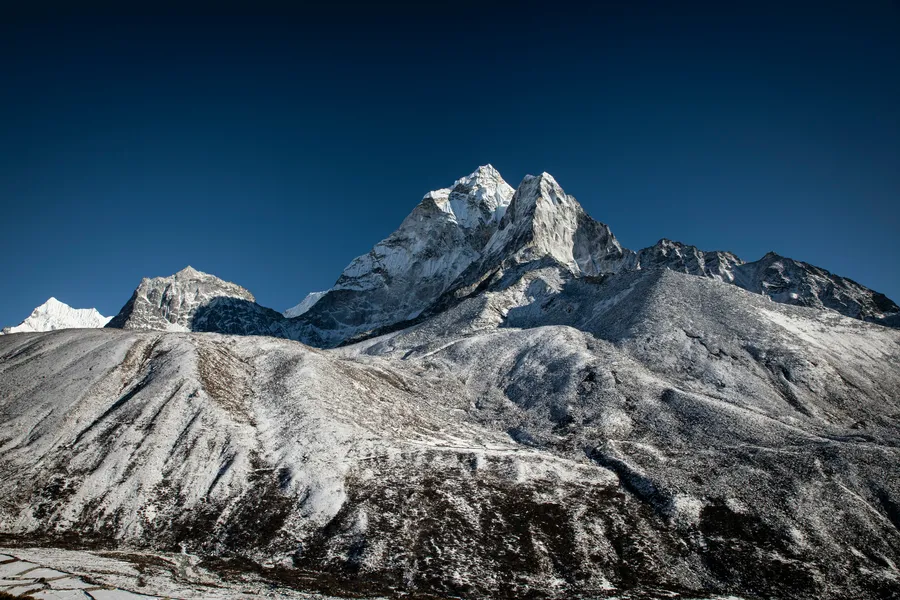
Khumbu Three Passes Trek - The Ultimate Himalayan Circuit
The Khumbu Three Passes Trek is widely considered the definitive trekking experience in the Everest region of Nepal. Spanning approximately 55 kilometres of high-altitude terrain, this 18 to 21-day odyssey traverses the heart of the Sagarmatha National Park, a UNESCO World Heritage site. Unlike the standard out-and-back route to Everest Base Camp, the Three Passes Trek forms a grand loop that crosses three formidable alpine passes: Kongma La (5,535 metres), Cho La (5,420 metres), and Renjo La (5,360 metres). This journey offers a profound immersion into the scale of the Himalayas, taking trekkers through four distinct valleys—the Imja, Khumbu, Gokyo, and Bhote Koshi—each possessing its own unique character, geological features, and cultural heritage.
This is not merely a walk; it is a high-altitude endurance challenge that demands physical resilience, mental fortitude, and a deep respect for the mountain environment. The route provides unparalleled views of four of the world's fourteen 8,000-metre peaks: Mount Everest (8,848 m), Lhotse (8,516 m), Makalu (8,481 m), and Cho Oyu (8,188 m). Beyond the physical landmarks, the trek offers an intimate look at the Sherpa culture, passing through ancient monasteries, high-altitude summer pastures, and remote villages that remain largely untouched by the heavy commercial traffic of the main Everest trail. For those seeking the most comprehensive, challenging, and rewarding circuit in the Khumbu, the Three Passes Trek stands alone.
- Distance: 54.8 km (main loop, excluding side trips)
- Duration: 18–21 days
- Season: October–November (Autumn) or April–May (Spring)
- Accommodation: Teahouses (mountain lodges)
- Highest point: Kongma La Pass (5,535 m)
- Difficulty: Very Challenging (requires high fitness and acclimatisation)
- Direction: Clockwise or Anti-clockwise (Anti-clockwise is recommended for better acclimatisation)
Overview
The Khumbu Three Passes Trek is the "grand tour" of the Everest region. While the standard Everest Base Camp (EBC) trek focuses on a singular destination, the Three Passes Trek focuses on the journey across the entire landscape. It is a route designed for those who find the main trails too crowded and the standard itineraries too linear. By crossing the high ridges that separate the major valleys of the Khumbu, trekkers gain a three-dimensional perspective of the Himalayan range that is impossible to achieve from the valley floors.
The trek typically begins and ends with a dramatic flight into Lukla, often cited as one of the most exhilarating airport landings in the world. From Lukla, the trail follows the Dudh Koshi River northward, climbing through lush pine and rhododendron forests into the bustling Sherpa capital of Namche Bazaar. It is here that the real journey begins, as the trail diverges from the main tourist highway. The route ascends into the high alpine zone, where the trees disappear, replaced by hardy shrubs, lichens, and the stark, monochromatic beauty of rock and ice.
The three passes themselves represent the physical and emotional highlights of the trek. Kongma La is the highest and often considered the most difficult due to its steep, scree-covered slopes and the crossing of the Khumbu Glacier. Cho La involves a traverse across a small glacier, requiring careful footwork and often the use of micro-spikes. Renjo La, the final pass for those travelling anti-clockwise, offers what many consider the finest view in the entire Himalayas: a panoramic sweep of the Gokyo Lakes with Everest, Lhotse, and Makalu towering in the background. This trek is a masterclass in high-altitude geography, taking you from the humid lowlands to the very edge of the "Death Zone," providing a sense of scale that is both humbling and exhilarating.
History and Cultural Context
The history of the Khumbu region is inextricably linked to the Sherpa people, an ethnic group of Tibetan origin who migrated across the high passes of the Himalayas approximately 500 years ago. The word "Sherpa" literally translates to "People from the East." Historically, the Sherpas were nomadic herders and traders, moving salt, wool, and grain between the Tibetan plateau and the middle hills of Nepal. The very passes that trekkers now cross for recreation—Kongma La, Cho La, and Renjo La—were once vital trade arteries used by Sherpa caravans long before the arrival of Western mountaineers.
The cultural landscape of the Khumbu is defined by Tibetan Buddhism. Every village is marked by mani walls (stone tablets inscribed with prayers), chortens (stupas), and colourful prayer flags that send blessings on the wind. The Tengboche Monastery, though often a side trip on this trek, serves as the spiritual heart of the region. The Three Passes route takes trekkers through Thame, the childhood home of Tenzing Norgay, who, along with Sir Edmund Hillary, made the first successful ascent of Mount Everest in 1953. This event transformed the Khumbu from a remote mountain sanctuary into a global destination for adventure.
In recent decades, the region has seen significant change. The establishment of the Sagarmatha National Park in 1976 helped preserve the natural environment, while the growth of the trekking industry has brought economic opportunities to the Sherpa communities. However, the Three Passes Trek remains a bastion of the "old" Khumbu. Because it is significantly more difficult than the standard EBC route, it sees a fraction of the traffic, allowing the traditional rhythms of mountain life to persist. Walking these trails is not just a physical journey; it is a walk through a living history of exploration, faith, and human endurance in one of the harshest environments on Earth.
Want more background? Read extended notes on history and cultural context → Learn more
Seasonal Highlights and Weather Reality
Timing is everything in the Himalayas. The Khumbu region experiences a monsoon-driven climate, which dictates two primary trekking windows. Outside of these windows, the high passes can become impassable due to deep snow or extreme cold.
Autumn (October to November): This is widely considered the best time for the Three Passes Trek. Following the monsoon rains, the air is washed clean of dust, resulting in exceptionally clear skies and the sharpest views of the peaks. The weather is generally stable, though temperatures at high altitudes (above 5,000 metres) will frequently drop well below freezing at night. This is the peak season, so teahouses will be busy, but the social atmosphere is vibrant.
Spring (April to May): The second premier window. While the skies may be slightly hazier than in autumn, the landscape comes alive with blooming rhododendrons in the lower elevations. This is also the primary climbing season for Mount Everest; trekkers will see the massive tent city of Everest Base Camp at its most active. Temperatures are slightly warmer than in autumn, but the risk of afternoon clouds and occasional spring snowstorms is higher.
Winter (December to February): For the truly adventurous and well-equipped, winter offers solitude and crystal-clear days. However, the reality is brutal. Temperatures can drop to -30°C at night, and many teahouses at higher elevations close for the season. Most importantly, the three passes are often blocked by heavy snow, making the circuit impossible without technical mountaineering equipment and expertise. This is not recommended for standard trekking.
Monsoon (June to September): Trekking during the monsoon is generally avoided. Heavy rains lead to leeches in the lower forests, frequent landslides, and obscured mountain views. Most critically, flights to Lukla are frequently cancelled for days or even weeks at a time due to poor visibility, making logistics a nightmare.
Recommended Itinerary
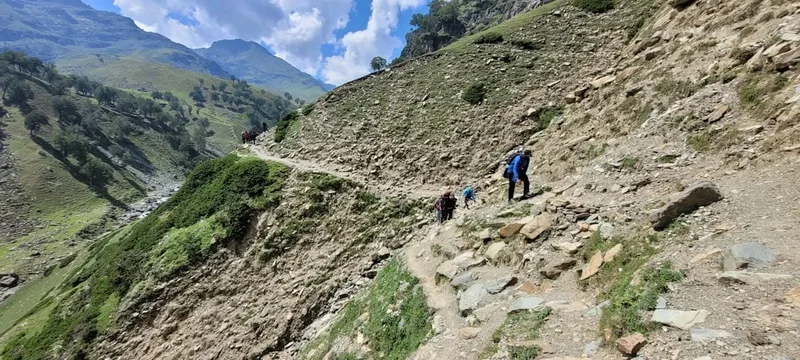
20-Day Khumbu Three Passes Itinerary (Anti-Clockwise)
Day 1: Kathmandu to Lukla and Phakding
- Distance: 8 km
- Elevation: 2,860 m (Lukla) to 2,610 m (Phakding)
- Time: 3–4 hours
- Early morning flight from Kathmandu to Lukla
- Begin trekking with a descent towards the Dudh Koshi River
- Pass through small Sherpa settlements and mani walls
- Overnight in Phakding
Day 2: Phakding to Namche Bazaar
- Distance: 11 km
- Elevation gain: 830 m
- Time: 6–7 hours
- Enter Sagarmatha National Park at Monjo
- Cross the high Hillary Suspension Bridge
- Steep final climb to Namche Bazaar (3,440 m)
- First views of Everest and Lhotse from the trail
Day 3: Acclimatisation Day in Namche Bazaar
- Elevation: 3,440 m
- Hike to Everest View Hotel (3,880 m) for panoramic views
- Visit the Sherpa Culture Museum and Everest Photo Gallery
- Explore the local market and bakeries
- Crucial day for allowing the body to adjust to the altitude
Day 4: Namche Bazaar to Tengboche
- Distance: 10 km
- Elevation gain: 420 m
- Time: 5–6 hours
- Spectacular winding trail with views of Ama Dablam
- Descent to Phunki Tenga for lunch by the river
- Steep afternoon climb through rhododendron forests to Tengboche (3,860 m)
- Visit the famous Tengboche Monastery
Day 5: Tengboche to Dingboche
- Distance: 9 km
- Elevation gain: 550 m
- Time: 5–6 hours
- Descend to Deboche and cross the Imja Khola
- Climb gradually past Pangboche, with Ama Dablam dominating the skyline
- Enter the wide Imja Valley to reach Dingboche (4,410 m)
- Dingboche is a beautiful village surrounded by stone walls to protect crops
Day 6: Acclimatisation Day in Dingboche
- Elevation: 4,410 m
- Hike to Nangkartshang Peak (5,083 m) for views of Makalu and Island Peak
- Rest and hydrate in the afternoon
- Essential preparation for the first high pass
Day 7: Dingboche to Chhukung
- Distance: 5 km
- Elevation gain: 320 m
- Time: 3 hours
- Short, gradual climb further into the Imja Valley
- Arrive in Chhukung (4,730 m), the final settlement before Kongma La
- Optional afternoon hike to Chhukung Ri (5,550 m) for those feeling strong
Day 8: Chhukung to Lobuche via Kongma La Pass
- Distance: 10 km
- Elevation: 805 m gain to pass, 620 m descent
- Time: 8–10 hours
- The most challenging day of the trek
- Steep ascent to Kongma La (5,535 m)
- Cross the Khumbu Glacier—a complex landscape of ice, rock, and meltwater lakes
- Arrive in Lobuche (4,910 m) late afternoon
Day 9: Lobuche to Gorak Shep and Everest Base Camp
- Distance: 12 km (return)
- Elevation gain: 250 m
- Time: 7–8 hours
- Follow the lateral moraine of the Khumbu Glacier to Gorak Shep (5,160 m)
- After lunch, trek to Everest Base Camp (5,364 m)
- Stand at the foot of the world's highest peak
- Return to Gorak Shep for the night
Day 10: Gorak Shep to Kala Patthar and Dzongla
- Distance: 12 km
- Elevation: 385 m gain (Kala Patthar), 330 m descent to Dzongla
- Time: 7–8 hours
- Pre-dawn climb to Kala Patthar (5,545 m) for the ultimate Everest sunrise
- Descend to Gorak Shep for breakfast
- Trek back towards Lobuche and diverge towards Dzongla (4,830 m)
Day 11: Dzongla to Gokyo via Cho La Pass
- Distance: 13 km
- Elevation: 590 m gain to pass, 670 m descent
- Time: 7–9 hours
- Steep climb over rock and a small glacier to Cho La (5,420 m)
- Micro-spikes often required for the glacier section
- Long descent to Thagnak and then across the Ngozumpa Glacier (the longest in Nepal)
- Arrive at the turquoise Gokyo Lakes (4,750 m)
Day 12: Rest and Exploration in Gokyo
- Elevation: 4,750 m
- Optional early morning climb of Gokyo Ri (5,357 m) for views of four 8,000 m peaks
- Walk to the fourth and fifth Gokyo Lakes for a closer view of Cho Oyu
- Relax by the lakeside and enjoy the scenery
Day 13: Gokyo to Lungden via Renjo La Pass
- Distance: 11 km
- Elevation: 610 m gain to pass, 980 m descent
- Time: 7–8 hours
- Climb the western ridge of the Gokyo Valley to Renjo La (5,360 m)
- Iconic view of Everest and the Gokyo Lakes from the pass
- Long, steep descent into the remote Bhote Koshi Valley
- Arrive in Lungden (4,380 m), a quiet village on the old trade route to Tibet
Day 14: Lungden to Thame
- Distance: 12 km
- Elevation loss: 580 m
- Time: 5–6 hours
- Easy downhill walk through traditional Sherpa villages
- Observe the ancient salt trade route infrastructure
- Arrive in Thame (3,800 m), home to many famous Everest summiters
- Visit the Thame Monastery perched on the cliffs
Day 15: Thame to Namche Bazaar
- Distance: 10 km
- Elevation loss: 360 m
- Time: 4–5 hours
- Gradual descent through pine forests
- Pass through the village of Thamo
- Return to the relative luxury of Namche Bazaar (3,440 m)
Day 16: Namche Bazaar to Lukla
- Distance: 19 km
- Elevation loss: 580 m
- Time: 7–8 hours
- Long final day of trekking
- Descend the Namche hill and follow the river back to Lukla
- Celebrate the completion of the circuit with your team
Day 17: Lukla to Kathmandu
- Morning flight back to Kathmandu
- Transfer to hotel and well-deserved rest
Day 18-20: Buffer Days
- Essential for potential flight delays in Lukla
- Can be used for sightseeing in Kathmandu or extra rest on the trail
Planning and Bookings
Book Your Trip
Everything you need to plan your journey
Accommodation
Find places to stay near Kathmandu
Essential Preparation
The Khumbu Three Passes Trek is a serious undertaking that requires months of physical and logistical preparation. Fitness is paramount; you should be comfortable walking 6–8 hours a day for three weeks with a 10–15 kg pack. Focus on cardiovascular endurance and leg strength. Equally important is mental preparation for the basic living conditions and the effects of high altitude.
Logistically, your journey begins in Kathmandu. You will need to coordinate your domestic flights to Lukla, which are notorious for weather-related delays. It is highly recommended to book these flights for the earliest possible time slot in the morning. Most trekkers choose to hire a guide or a porter-guide through a reputable agency in Kathmandu or Namche. While experienced trekkers can do this route independently, a guide provides invaluable assistance with navigation on the glaciers and passes, as well as cultural insights and emergency support.
Trail Accommodation
Accommodation on the Three Passes Trek consists of teahouses—locally owned mountain lodges that provide a bed and hot meals. The quality and facilities vary significantly depending on the altitude and remoteness of the village.
Hut Facilities:
- Twin-share rooms with basic wooden beds and foam mattresses
- Common dining area heated by a central yak-dung or wood stove
- Extensive menus featuring Dal Bhat (lentils and rice), pasta, potatoes, and soups
- Boiled or filtered water available for purchase
- Charging facilities for electronics (usually for a fee, increasing with altitude)
- Wi-Fi available in most villages (via Everest Link cards, though reliability varies)
- Hot showers available in lower villages (gas or solar-powered, for a fee)
What Teahouses Don't Provide:
- Bedding beyond a basic pillow and blanket (a high-quality sleeping bag is essential)
- Heating in the bedrooms (rooms will be near freezing at high altitudes)
- Toiletries or towels
- Indoor plumbing in higher settlements (expect squat toilets and bucket flushes)
Booking Requirements:
- During peak season (October/November), teahouses in popular spots like Gorak Shep or Gokyo can fill up. If trekking with a guide, they will usually call ahead to secure rooms.
- Costs: Rooms are relatively cheap (approx. 500–1,000 NPR per night), but there is a strict expectation that you eat breakfast and dinner at the lodge where you stay.
Required Gear
- High-altitude boots - waterproof, well broken-in, with good ankle support
- Down jacket - rated for -15°C or lower (essential for evenings and pass crossings)
- Sleeping bag - 4-season rated (comfort rating of -10°C to -20°C)
- Trekking pack - 50–65L if carrying your own gear; 20–30L daypack if using a porter
- Micro-spikes - essential for the glacier crossing on Cho La Pass
- Trekking poles - highly recommended for saving knees on long descents
- Head torch - with spare batteries for early morning pass starts
- First aid kit - including Diamox (for altitude), antibiotics, and blister care
What to Bring
- Water treatment - UV purifier (SteriPEN) or purification tablets (avoid plastic bottles)
- High-calorie snacks - energy bars, nuts, chocolate, and electrolyte powder
- Sun protection - SPF 50+ sunscreen, lip balm, and Category 4 sunglasses
- Layered clothing - merino wool base layers, fleece mid-layers, and waterproof shell
- Personal hygiene - wet wipes, hand sanitiser, and biodegradable soap
- Cash - Nepalese Rupees (NPR) are essential; there are no ATMs after Namche Bazaar
- Power bank - high capacity for charging phones and cameras in the cold
Permits
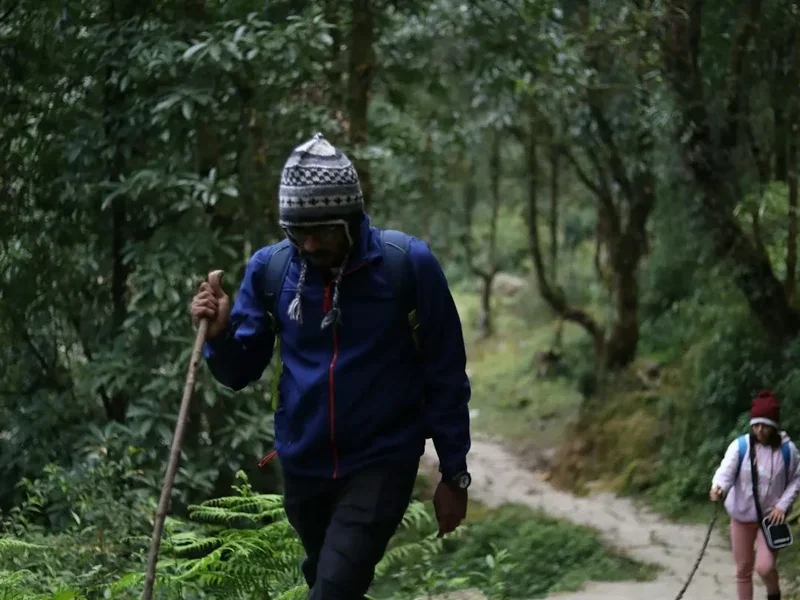
Trekking in the Khumbu region requires specific permits that contribute to the maintenance of the trails and the protection of the national park. As of 2024, the permit system has been streamlined, but it is essential to have the correct documentation to pass through the various checkpoints.
Required Permits:
- Khumbu Pasang Lhamu Rural Municipality Permit: This local government permit replaced the old TIMS card for the Everest region. It costs 2,000 NPR per person for the first four weeks. It can be obtained in Lukla or Monjo.
- Sagarmatha National Park Entry Permit: This permit is required for all visitors entering the park. It costs 3,000 NPR per person (plus 13% VAT). It can be obtained at the Department of National Parks and Wildlife Conservation office in Kathmandu or at the park entrance in Monjo.
Important Notes:
- Keep your permits in a waterproof folder and easily accessible in your daypack. You will be asked to show them at multiple checkpoints (e.g., Monjo, Namche, and various points along the trail).
- If you are planning to climb a "trekking peak" like Island Peak or Lobuche East as part of your journey, you will need an additional climbing permit from the Nepal Mountaineering Association (NMA).
- Carry several passport-sized photos, as they are occasionally required for permit processing or local SIM cards.
Other Activities in the Area
The Khumbu region offers several world-class side trips and cultural experiences that can be integrated into a Three Passes itinerary:
- Kala Patthar Ascent: A non-technical climb from Gorak Shep to 5,545 metres. It offers the most famous view of Mount Everest, as the peak itself is hidden from Base Camp by the Nuptse ridge.
- Everest Base Camp: While not a "viewpoint" for the summit, standing at the base of the Khumbu Icefall and seeing the scale of the expeditions is a bucket-list experience.
- Gokyo Ri: A 5,357-metre peak above Gokyo village. Many trekkers consider this view superior to Kala Patthar, as it encompasses four 8,000-metre peaks and the massive Ngozumpa Glacier.
- Chhukung Ri: A challenging rocky peak (5,550 m) near Chhukung that provides a stunning "birds-eye" view of the Lhotse face and Ama Dablam.
- Thame Monastery: One of the oldest and most picturesque monasteries in the region, offering a peaceful alternative to the busier Tengboche.
- Kathmandu Sightseeing: Before or after your trek, visit the UNESCO sites of Boudhanath Stupa, Pashupatinath Temple, and Swayambhunath (the Monkey Temple).
Safety and Conditions
Altitude Sickness (AMS): Acute Mountain Sickness is the primary safety concern on the Three Passes Trek. The route spends significant time above 4,000 metres and crosses three passes over 5,300 metres. It is vital to follow the "climb high, sleep low" principle and include mandatory acclimatisation days in Namche and Dingboche. Recognise the symptoms: headache, nausea, dizziness, and loss of appetite. If symptoms persist or worsen, the only cure is immediate descent.
Weather and Pass Conditions: The high passes are subject to extreme weather. Snowstorms can occur even in the peak seasons, obscuring the trail and making the passes dangerous. Never attempt a pass in poor visibility or heavy snow without a guide. The crossing of the Khumbu and Ngozumpa glaciers involves walking over "living" ice covered in debris; the trail changes constantly as the ice melts and shifts.
Water Safety: Never drink untreated water from streams or taps. Use a reliable purification method (UV or chemical) or purchase boiled water from teahouses. Dehydration exacerbates altitude sickness, so aim to drink 3–4 litres of treated water daily.
Insurance: Standard travel insurance is insufficient. You must have a policy that specifically covers trekking up to 6,000 metres and includes emergency helicopter evacuation. In the event of serious AMS or injury, a helicopter is often the only way out of the Khumbu.
Communication: While Wi-Fi and mobile signals (Ncell/Nepal Telecom) are improving, they are unreliable in the high valleys and on the passes. Consider carrying a satellite messenger (like a Garmin inReach) for emergency communication, especially if trekking independently.
Side Trips and Points of Interest
The Fifth Gokyo Lake (Ngozumpa Tsho): For those with an extra day in Gokyo, the walk to the fifth lake is highly recommended. It takes you further up the valley towards the base of Cho Oyu. The view from the ridge overlooking the lake and the glacier is one of the most pristine and quiet spots in the entire Khumbu.
Ama Dablam Base Camp: A detour from Pangboche leads to the base camp of Ama Dablam (6,812 m), often called the "Matterhorn of the Himalayas." The camp sits in a beautiful alpine meadow and offers a close-up look at one of the world's most beautiful mountains.
The Khumbu Glacier Crossing: Between Chhukung and Lobuche, you must cross the Khumbu Glacier. This is not a flat walk; it is a scramble over mounds of rock and ice. It is a fascinating geological experience where you can hear the glacier "groaning" and see the raw power of the ice carving the landscape.
The Hillary School in Khumjung: A short walk from Namche Bazaar takes you to Khumjung, where Sir Edmund Hillary established the first school for Sherpa children. The village also features a monastery that claims to house a "Yeti scalp."
Leave No Trace
The Khumbu region is under immense environmental pressure from the volume of trekkers. As a visitor, you have a responsibility to minimise your impact on this fragile high-altitude ecosystem.
Leave No Trace Principles:
- Pack it in, pack it out: Carry all your trash back to Lukla or Kathmandu. The Khumbu has limited waste management facilities, and plastic pollution is a significant issue.
- Avoid plastic bottles: Use a refillable bottle and treat your own water. Thousands of plastic water bottles are discarded in the region every year.
- Stay on the trail: High-altitude vegetation is extremely slow-growing. Stepping off the trail can destroy plants that have taken decades to reach maturity.
- Respect the culture: Always walk to the left of mani walls and chortens. Ask for permission before taking photos of people or religious ceremonies.
- Do not use firewood: Teahouses use yak dung or kerosene for heating. Never encourage the use of wood, as deforestation is a major threat to the lower valleys.
- Proper waste disposal: Use the toilets provided by teahouses. If you must go on the trail, ensure you are at least 50 metres from water sources and bury waste deeply.