
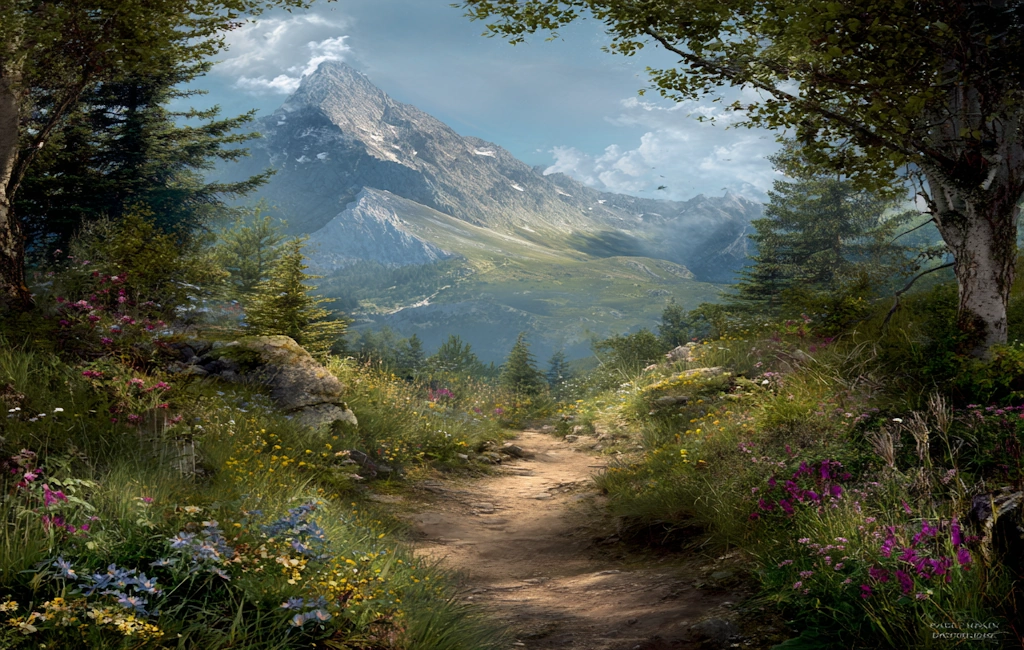
Khopra Danda Trek - Gateway to Annapurna's Majesty
The Khopra Danda Trek is a captivating mountain journey in Nepal's Annapurna region, offering a less-trodden path that rewards trekkers with unparalleled views of the world's tenth-highest peak, Annapurna I, alongside the iconic Machhapuchhre (Fishtail) and Hiunchuli. This trek is celebrated for its cultural immersion, passing through traditional Gurung and Magar villages, and its dramatic landscapes that transition from rhododendron forests to high alpine meadows and rugged ridges. Unlike the more crowded Annapurna Circuit or Base Camp treks, Khopra Danda provides a sense of discovery and solitude, allowing for a more intimate connection with the Himalayas and the local way of life.
The trek's namesake, Khopra Danda (Ridge), is a high ridge offering a breathtaking vantage point for sunrise and sunset over the Annapurna massif. A significant highlight is the sacred Khayar Lake, a turquoise alpine jewel nestled at the base of a sacred mountain, often visited by local pilgrims. The trail is characterised by its challenging ascents and descents, demanding a good level of fitness, but the panoramic vistas and cultural encounters make every step worthwhile. It's a trek that balances physical exertion with profound spiritual and visual rewards, showcasing the raw beauty and rich heritage of the Nepalese Himalayas.
- Distance: Approximately 45.0 km (main route)
- Duration: 7–9 days (including travel to/from Pokhara)
- Season: October–November (autumn) and March–May (spring)
- Difficulty: Moderate to Strenuous
- Highest point: Khopra Danda (3,660 m) and Khayar Lake (4,600 m - optional day trip)
- Closest City: Pokhara, Nepal
- Trailhead Access: Fly or bus to Pokhara, then taxi/bus to Nayapul
- Permits Required: Annapurna Conservation Area Permit (ACAP) and Trekkers' Information Management System (TIMS) card
Overview
The Khopra Danda Trek is a gem for those seeking an authentic Himalayan experience away from the main tourist trails. It offers a diverse range of scenery, from the terraced fields and lush forests of the lower Annapurna foothills to the stark, majestic beauty of the high Himalayas. The trek typically begins from Nayapul, a bustling gateway town accessible from Pokhara, and winds its way through charming villages like Ghandruk, a picturesque settlement renowned for its traditional Gurung architecture and stunning mountain views. From Ghandruk, the trail ascends through dense rhododendron and oak forests, gradually gaining altitude and offering increasingly spectacular panoramas.
The trek's defining feature is the ridge walk along Khopra Danda. This elevated path provides unobstructed, 360-degree views of the Annapurna and Dhaulagiri ranges. The sunrise from Khopra Danda is particularly memorable, with the first rays of light illuminating the snow-capped giants, painting them in hues of orange and pink. The trek also includes a significant cultural element, with opportunities to interact with local communities, observe their daily lives, and learn about their traditions. The optional day trip to Khayar Lake adds a spiritual dimension, as the lake is considered sacred by locals and is a site of pilgrimage, especially during the Janai Purnima festival.
The trail's moderate to strenuous difficulty is due to significant elevation gains and descents, often on steep, rocky paths. Trekkers need to be prepared for varying weather conditions, as mountain weather can change rapidly. The best times to undertake this trek are during the autumn (October-November) and spring (March-May) months, when the skies are generally clear, offering excellent visibility and pleasant temperatures. The autumn season is particularly favoured for its crisp air and vibrant foliage, while spring brings blooming rhododendrons, adding a splash of colour to the landscape.
History and Cultural Context
The Annapurna region, including the areas traversed by the Khopra Danda Trek, has a long and rich history intertwined with human settlement, trade, and spiritual practices. For centuries, these valleys have been home to various ethnic groups, primarily the Gurung and Magar people, who have adapted their lives to the challenging mountain environment. These communities have traditionally relied on agriculture, animal husbandry, and, historically, served as soldiers in the Gurkha armies, contributing significantly to Nepal's military heritage.
The Gurung people, in particular, have a strong cultural presence in villages like Ghandruk. Their traditional stone houses, slate roofs, and intricate wood carvings are a testament to their unique architectural style and craftsmanship. The Gurung Museum in Ghandruk offers a glimpse into their history, culture, and traditional way of life, showcasing artefacts, traditional attire, and historical photographs. The Magar people, another significant ethnic group in the region, also have a distinct cultural identity, with their own languages, customs, and traditions that have been passed down through generations.
The concept of sacred mountains and lakes is deeply ingrained in the local culture and religion. Khayar Lake, for instance, is revered as a dwelling place of deities and is a significant pilgrimage site. Local legends speak of its spiritual power and the blessings it bestows upon devotees. The annual Janai Purnima festival, celebrated in August, sees many local Hindus and Buddhists undertake a pilgrimage to Khayar Lake, performing rituals and seeking spiritual merit. The presence of ancient monasteries and chortens (stupas) along the trekking routes further underscores the region's spiritual significance.
The development of trekking in Nepal, particularly in the Annapurna region, began in the latter half of the 20th century. While the Annapurna Circuit and Annapurna Base Camp treks gained popularity earlier, routes like Khopra Danda have emerged as alternatives for trekkers seeking a more authentic and less commercialised experience. The establishment of teahouses and lodges along these routes has made them more accessible, but efforts are often made to preserve the traditional character of the villages and the natural environment.
Seasonal Highlights and Weather Reality
The Khopra Danda Trek is best enjoyed during two primary seasons, each offering distinct advantages:
Autumn (October–November): This is widely considered the prime trekking season in Nepal. The monsoon rains have subsided, leaving the air clear and crisp. Visibility is excellent, offering stunning, unobstructed views of the Himalayan giants. Temperatures are generally pleasant during the day, though nights can become quite cold, especially at higher altitudes. The skies are typically a deep, vibrant blue, providing a dramatic backdrop to the snow-capped peaks. The foliage in the lower forests can be golden and brown, adding to the scenic beauty. This season is ideal for photography and for those who prefer stable weather conditions.
Spring (March–May): Spring is another excellent time to trek in the Annapurna region. The weather is warming up, and the landscape comes alive with blooming rhododendrons, which paint the hillsides in vibrant shades of red, pink, and white. This is a particularly beautiful time to trek through the forested sections of the trail. While visibility is generally good, it can sometimes be slightly hazier than in autumn due to increased dust and pollen. Temperatures are mild, making for comfortable trekking days. However, spring can also bring occasional afternoon showers or thunderstorms, especially towards the end of the season.
Monsoon (June–September): This season is characterised by heavy rainfall, which can lead to landslides, trail disruptions, and poor visibility. The trails can become muddy and slippery, making trekking more challenging and potentially dangerous. While the lush green landscapes are vibrant, the constant rain and cloud cover often obscure mountain views. This season is generally not recommended for trekking in this region.
Winter (December–February): Winter can be very cold, with temperatures dropping well below freezing at higher altitudes. Snowfall is common, which can block trails and make conditions treacherous. While the mountain views can be spectacular on clear winter days, the extreme cold and potential for heavy snow make this season challenging and suitable only for experienced trekkers with appropriate winter gear and knowledge. The lower sections of the trail may be accessible, but higher passes and ridges can be impassable.
Recommended Itinerary
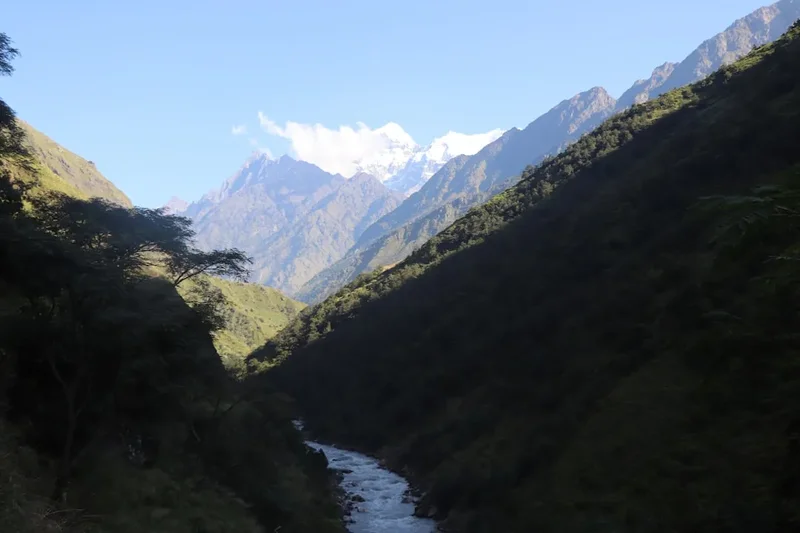
7-Day Khopra Danda Trek Itinerary (Sample)
Day 1: Arrival in Pokhara & Drive to Nayapul, Trek to Ghandruk (1,940 m)
- Distance: Approx. 1.5-2 hours drive from Pokhara to Nayapul, then 5-6 hours trek
- Elevation Gain: Approx. 1,000 m
- Time: 5-6 hours trekking
- Morning drive from Pokhara to Nayapul (28.3215, 83.7143)
- Begin trek from Nayapul, following the Modi Khola river
- Pass through Birethanti, a large village where permits are checked
- Ascend through terraced fields and small settlements
- Arrive in Ghandruk, a beautiful Gurung village with traditional houses and stunning views of Annapurna South and Machhapuchhre
- Overnight in a teahouse in Ghandruk
Day 2: Ghandruk to Chhomrong (2,170 m)
- Distance: Approx. 15 km
- Elevation Gain: Approx. 700 m, then 500 m descent
- Time: 6-7 hours trekking
- Descend from Ghandruk towards the Kimrong Khola
- Cross a suspension bridge over the Kimrong Khola
- Ascend steeply towards Chhomrong village
- Chhomrong is a large village situated on a hillside, offering excellent views of Machhapuchhre and Annapurna South
- Overnight in a teahouse in Chhomrong
Day 3: Chhomrong to Sinuwa (2,360 m) then Bamboo (2,310 m)
- Distance: Approx. 10 km
- Elevation Gain: Approx. 400 m, then 300 m descent
- Time: 5-6 hours trekking
- Descend a long stone staircase from Chhomrong to the Chhomrong Khola
- Cross a suspension bridge and ascend to Sinuwa
- Continue through dense rhododendron and oak forests
- Descend to Bamboo, a settlement nestled in a bamboo forest
- Overnight in a teahouse in Bamboo
Day 4: Bamboo to Dobhan (2,600 m) then Deurali (3,200 m)
- Distance: Approx. 12 km
- Elevation Gain: Approx. 1,000 m
- Time: 6-7 hours trekking
- Trek through a narrow gorge with steep ascents and descents
- Pass through Dobhan and reach Himalaya
- Continue ascending towards Deurali, a more open area with stunning mountain views
- The vegetation becomes sparser as you gain altitude
- Overnight in a teahouse in Deurali
Day 5: Deurali to Annapurna Base Camp (ABC) (4,130 m) via Machhapuchhre Base Camp (MBC) (3,700 m)
- Distance: Approx. 8 km
- Elevation Gain: Approx. 900 m
- Time: 5-6 hours trekking
- Trek to Machhapuchhre Base Camp (MBC), offering close-up views of Machhapuchhre
- Continue the ascent to Annapurna Base Camp (ABC)
- ABC is a spectacular amphitheatre surrounded by towering peaks, including Annapurna I, Annapurna South, Hiunchuli, and Machhapuchhre
- Spend the afternoon exploring ABC and soaking in the panoramic mountain vistas
- Overnight in a teahouse at ABC (basic facilities)
Day 6: Sunrise at ABC, Trek to Bamboo (2,310 m)
- Distance: Approx. 16 km
- Elevation Loss: Approx. 1,800 m
- Time: 7-8 hours trekking
- Wake up early for a breathtaking sunrise over the Annapurna massif from ABC
- After breakfast, begin the descent back towards Bamboo
- This is a long descent, retracing steps through MBC, Deurali, Himalaya, and Dobhan
- Overnight in a teahouse in Bamboo
Day 7: Bamboo to Jhinu Danda (1,780 m) with Hot Springs
- Distance: Approx. 10 km
- Elevation Loss: Approx. 530 m
- Time: 4-5 hours trekking
- Trek from Bamboo towards Chhomrong, but then descend towards Jhinu Danda
- Jhinu Danda is known for its natural hot springs, a perfect place to relax and soothe tired muscles
- Enjoy a dip in the hot springs overlooking the Modi Khola river
- Overnight in a teahouse in Jhinu Danda
Day 8: Jhinu Danda to Nayapul, Drive to Pokhara
- Distance: Approx. 5-6 hours trek, then 1.5-2 hours drive
- Elevation Loss: Approx. 700 m
- Time: 5-6 hours trekking
- Trek from Jhinu Danda down to the Modi Khola river
- Follow the river downstream towards Syauli Bazaar and then to Nayapul
- From Nayapul, take a taxi or bus back to Pokhara
- Celebrate the completion of your trek in Pokhara
Note: This is a sample itinerary and can be adjusted based on fitness levels, time constraints, and personal preferences. Some itineraries may include a detour to Khopra Danda itself, which would add 1-2 days and involve trekking from Chhomrong or a similar point towards the ridge.
Planning and Bookings
Book Your Trip
Everything you need to plan your journey
Accommodation
Find places to stay near Pokhara
Flights
Search flights to Pokhara
Essential Preparation
The Khopra Danda Trek, while less frequented than some of its neighbours, still requires careful planning. The closest major city and logistical hub is Pokhara, a vibrant lakeside town that serves as the starting point for most treks in the Annapurna region. Flights and tourist buses connect Kathmandu to Pokhara. From Pokhara, you will need to arrange transportation (taxi or local bus) to Nayapul, the primary trailhead for this trek. The road to Nayapul can be rough and bumpy, especially during the monsoon season.
Fitness: This trek involves significant elevation gains and descents, often on steep and uneven terrain. A good level of cardiovascular fitness is essential. Regular hiking, running, or cycling in the months leading up to your trek will be highly beneficial. Being accustomed to walking for 5-7 hours a day with a backpack is recommended. Altitude acclimatisation is crucial, especially if you plan to visit Khayar Lake, which is at a considerably higher elevation.
Logistics: You will need to obtain two main permits before starting your trek: the Annapurna Conservation Area Permit (ACAP) and the Trekkers' Information Management System (TIMS) card. These can be purchased in Kathmandu or Pokhara. It is advisable to arrange your accommodation in Pokhara before and after the trek, as well as transportation to and from Nayapul. Hiring a local guide and/or porter is highly recommended, as they can assist with navigation, cultural insights, and carrying your gear, making the trek more enjoyable and safer.
Base Town: Pokhara is the ideal base town. It offers a wide range of accommodation options, from budget guesthouses to luxury hotels. You can find numerous trekking gear shops for any last-minute purchases, ATMs for cash withdrawal, and restaurants serving local and international cuisine. Pokhara also provides a relaxing environment to prepare for your trek and recover afterwards.
Trail Accommodation
Accommodation along the Khopra Danda Trek primarily consists of teahouses (also known as lodges). These are simple, family-run establishments that offer basic lodging and meals to trekkers. They are found in most villages and settlements along the route.
Teahouse Facilities:
- Rooms: Typically small, basic rooms with two single beds, a mattress, and a pillow. Bedding is usually provided, but a sleeping bag is recommended for warmth and hygiene.
- Dining Area: A communal dining room, often heated by a wood-burning stove in the evenings, where trekkers eat and socialise.
- Toilets: Shared squat toilets are common. Some higher-altitude teahouses may have basic flush toilets, but this is not guaranteed.
- Showers: Hot showers are usually available, often solar-heated, but may come at an extra charge. Availability can be limited at higher altitudes.
- Electricity: Charging electronic devices is usually possible in the dining area for a fee.
What's NOT Provided:
- High-speed internet or reliable Wi-Fi
- Private bathrooms
- Luxurious amenities
- Bottled water (it is recommended to use water purification methods or buy boiled water)
- Heating in rooms (rooms are unheated; rely on your sleeping bag and layers)
Seasonal Availability: Teahouses are generally open year-round, but services might be more limited during the off-season (monsoon and winter). During peak seasons (autumn and spring), it is advisable to book accommodation in advance, especially in popular villages like Ghandruk and at higher altitudes like ABC, to secure a room.
Costs: Room rates are generally low, often ranging from $5-$15 USD per night. However, teahouses expect trekkers to eat their meals there. The cost of meals (dal bhat, noodles, soups, etc.) is typically higher than in cities, increasing with altitude. Expect to pay $5-$15 USD per meal.
Note on Khopra Danda and Khayar Lake: Accommodation at Khopra Danda itself is more basic, and facilities can be limited. If visiting Khayar Lake, you might stay in a basic shelter or return to Khopra Danda for the night.
Required Gear
- Hiking Boots: Sturdy, waterproof, and well-broken-in hiking boots with good ankle support are essential.
- Backpack: A comfortable trekking backpack (40-60 litres) with a rain cover. If hiring a porter, a smaller daypack (20-30 litres) for essentials is sufficient.
- Sleeping Bag: A warm sleeping bag rated to at least -10°C (-17°C) is highly recommended, even in peak season, as teahouse rooms are unheated.
- Waterproof Jacket: A good quality, breathable waterproof and windproof jacket.
- Waterproof Trousers: Essential for protection against rain and wind.
- Warm Layers: Fleece jacket or down vest, thermal base layers (merino wool or synthetic), warm hat (beanie), and gloves.
- Trekking Trousers: Comfortable, quick-drying trekking trousers (avoid jeans).
- Headlamp/Torch: With spare batteries, for navigating in the dark and for early morning starts.
- First-Aid Kit: Comprehensive kit including blister treatment, pain relievers, antiseptic wipes, bandages, personal medications, and altitude sickness medication (consult your doctor).
- Sun Protection: High SPF sunscreen, lip balm with SPF, sunglasses, and a wide-brimmed hat or cap.
- Trekking Poles: Highly recommended for reducing strain on knees during descents and for stability on uneven terrain.
- Navigation: Map of the region and a compass, or a GPS device/smartphone with offline maps. While guides are recommended, it's good to have your own navigation tools.
What to Bring
- Food and Snacks: While teahouses provide meals, carrying high-energy snacks like nuts, dried fruits, energy bars, and chocolate is advisable for between meals and for longer trekking days.
- Water Bottles/Hydration Reservoir: Carry at least 2 litres of water capacity.
- Water Purification: Water purification tablets, a filter, or a SteriPEN are essential. Do not drink untreated tap water.
- Toiletries: Biodegradable soap, toothbrush and toothpaste, toilet paper (often not provided in teahouses), hand sanitiser, and any personal hygiene items.
- Quick-Dry Towel: A small, lightweight towel.
- Camera and Extra Batteries/Power Bank: To capture the stunning scenery.
- Personal Items: Passport, visa, travel insurance details, cash (Nepalese Rupees – ATMs are scarce on the trail), small notebook and pen.
- Duct Tape: Invaluable for quick repairs to gear.
- Ziploc Bags: For keeping items dry and organised.
- Book or Journal: For downtime in the evenings.
Permits
To trek in the Annapurna region, including the Khopra Danda Trek, you are required to obtain two essential permits:
1. Annapurna Conservation Area Permit (ACAP):
- This permit is mandatory for entry into the Annapurna Conservation Area, which protects the region's rich biodiversity and cultural heritage.
- Cost: Approximately NPR 3,000 per person (subject to change).
- Where to Obtain: ACAP permits can be purchased from the Nepal Tourism Board offices in Kathmandu or Pokhara. They can also be obtained at the ACAP check post in Birethanti, the first major village on the trek after Nayapul. It is generally recommended to obtain them in Pokhara to avoid delays at the trailhead.
2. Trekkers' Information Management System (TIMS) Card:
- The TIMS card is a registration system designed to enhance the safety of trekkers by providing essential information in case of emergencies.
- Cost: Approximately NPR 2,000 for individual trekkers or NPR 1,000 if trekking with a registered agency.
- Where to Obtain: Similar to the ACAP permit, TIMS cards can be obtained from the Nepal Tourism Board offices in Kathmandu or Pokhara, or from registered trekking agencies.
Important Considerations:
- Validity: Both permits are typically valid for the duration of your trek.
- Checkpoints: You will be asked to show your permits at various checkpoints along the trail, most notably in Birethanti. Ensure you carry them with you at all times.
- Agency Assistance: If you book your trek through a registered trekking agency, they will usually handle the permit acquisition process for you as part of their service.
- Changes: Permit fees and regulations can change. It is advisable to check the latest requirements with the Nepal Tourism Board or your trekking agency before your trip.
Other Activities in the Area
Beyond the core trekking experience, the Annapurna region offers a wealth of other activities and points of interest:
- Pokhara Lakeside Exploration: Spend time in Pokhara, enjoying boat rides on Phewa Lake, visiting the World Peace Pagoda for panoramic views, exploring the International Mountain Museum, or simply relaxing in the vibrant lakeside cafes and markets.
- Paragliding in Pokhara: For adrenaline seekers, Pokhara is a world-renowned destination for paragliding, offering tandem flights with stunning views of the Annapurna range and Phewa Lake.
- Zip-lining: Experience one of the world's longest and highest zip-lines near Pokhara, offering thrilling descents with spectacular mountain vistas.
- Canyoning: Several locations near Pokhara offer canyoning adventures, involving rappelling down waterfalls and navigating through natural water channels.
- Village Homestays: Consider extending your cultural immersion by arranging homestays in villages like Ghandruk or Lumre, offering a deeper insight into local life and traditions.
- Yoga and Meditation Retreats: Pokhara is a hub for wellness, with numerous centres offering yoga and meditation retreats for those seeking relaxation and spiritual rejuvenation.
- Exploring the Annapurna Base Camp (ABC) Trail: While the Khopra Danda trek offers different perspectives, a separate trek to ABC is a popular option for its iconic status and close-up views of Annapurna I.
- Short Treks from Pokhara: For those with limited time, shorter treks like the Poon Hill trek (often combined with parts of the Khopra Danda route) offer excellent mountain views and cultural experiences.
Safety and Conditions
Altitude Sickness (Acute Mountain Sickness - AMS):
- AMS is a serious risk on this trek, especially if ascending too quickly or visiting Khayar Lake.
- Symptoms: Headache, nausea, dizziness, fatigue, loss of appetite, difficulty sleeping.
- Prevention: Ascend gradually, stay well-hydrated (drink plenty of water), avoid alcohol and smoking, and consider Diamox (acetazolamide) after consulting your doctor.
- Management: If symptoms appear, do not ascend further. Rest, hydrate, and if symptoms worsen, descend immediately.
Trail Conditions:
- The trails can be steep, rocky, and uneven.
- During the monsoon season (June-September), trails can become muddy, slippery, and prone to landslides.
- In winter (December-February), higher sections may be covered in snow and ice, requiring appropriate gear and experience.
- Suspension bridges are common and generally safe but can be swaying and intimidating for some.
Weather:
- Mountain weather is unpredictable and can change rapidly.
- Be prepared for a wide range of temperatures, from warm in the lower valleys to freezing at higher altitudes.
- Carry waterproof and windproof gear at all times.
- Sun protection is crucial, as the sun's rays are intense at altitude, even on cloudy days.
Health and Hygiene:
- Drink only purified or boiled water.
- Practice good hand hygiene to prevent gastrointestinal illnesses.
- Be cautious with street food and uncooked vegetables.
Communication:
- Mobile phone reception is intermittent and often unavailable at higher altitudes.
- Consider hiring a satellite phone or personal locator beacon (PLB) for emergencies, especially if trekking independently.
Guides and Porters: Hiring a local guide and porter significantly enhances safety. Guides are experienced with the terrain, weather, and altitude, and can assist in emergencies. Porters carry your main backpack, reducing fatigue and the risk of injury. Ensure your guide and porter are properly equipped and insured.
Side Trips and Points of Interest
Khayar Lake (4,600 m): This is the most significant side trip and a highlight for many trekkers. A challenging day hike from Khopra Danda, the trail ascends steeply through alpine meadows and rocky terrain to reach the sacred turquoise lake. The journey offers spectacular panoramic views of the Annapurna and Dhaulagiri ranges. The lake is considered holy by local Hindus and Buddhists, and many pilgrims visit during festivals. The altitude gain is substantial, so it's crucial to be well-acclimatised and start early.
Khopra Danda Ridge: The ridge itself is a point of interest, offering breathtaking 360-degree views. Sunrise and sunset from Khopra Danda are particularly magical, with the peaks of Annapurna I, Dhaulagiri, Nilgiri, and Machhapuchhre bathed in golden light. The ridge walk provides a sense of being on top of the world.
Ghandruk Village: A large and well-preserved Gurung village, Ghandruk is a cultural gem. Its traditional stone houses, slate roofs, and narrow alleyways offer a glimpse into the past. The Gurung Museum provides insights into the local history and traditions. The views of Annapurna South and Machhapuchhre from Ghandruk are iconic.
Chhomrong Village: Perched on a hillside, Chhomrong is the last major village before entering the higher reaches of the Annapurna Sanctuary. It offers excellent views of Machhapuchhre and Annapurna South and is a popular stop for trekkers. The descent and subsequent ascent from Chhomrong are significant physical challenges.
Rhododendron Forests: During spring (March-May), the trails through the lower and mid-altitudes are adorned with blooming rhododendrons, creating a vibrant and colourful spectacle. These forests are particularly beautiful between Sinuwa and Bamboo.
Natural Hot Springs at Jhinu Danda: After days of trekking, a dip in the natural hot springs by the Modi Khola river at Jhinu Danda is a welcome and therapeutic experience. It's a perfect way to relax and soothe tired muscles.
Leave No Trace
The Khopra Danda Trek traverses pristine natural environments and culturally rich villages. Adhering to Leave No Trace principles is paramount to preserving this beauty for future generations and respecting the local communities.
1. Plan Ahead and Prepare:
- Research the trail, understand its challenges, and pack appropriately.
- Obtain necessary permits and be aware of local regulations.
- Consider hiring local guides and porters to support the local economy and ensure safety.
2. Travel and Camp on Durable Surfaces:
- Stick to marked trails to avoid damaging vegetation and causing erosion.
- In villages, use established teahouses and avoid camping outside designated areas unless absolutely necessary and permitted.
3. Dispose of Waste Properly:
- Pack out everything you pack in, including all food scraps, wrappers, and toilet paper.
- Use designated toilets in teahouses. If no toilet is available, dig a cathole at least 60 metres (60 m) away from water sources, trails, and campsites.
- Do not burn or bury trash.
4. Leave What You Find:
- Do not disturb or remove natural objects (rocks, plants, flowers) or cultural artefacts.
- Respect local customs and traditions.
5. Minimize Campfire Impacts:
- Campfires are generally not permitted on the trail, and teahouses provide cooking facilities.
- If a campfire is absolutely necessary and permitted, use existing fire rings and keep fires small. Ensure they are completely extinguished before leaving.
6. Respect Wildlife:
- Observe wildlife from a distance and never feed animals. Feeding can alter their natural behaviour and diet, and can be harmful to their health.
- Store food securely to prevent attracting animals.
7. Be Considerate of Other Visitors:
- Keep noise levels down, especially in villages and at teahouses.
- Yield to ascending trekkers on narrow trails.
- Be respectful of local culture and dress modestly when in villages.
 Nepal
Nepal