
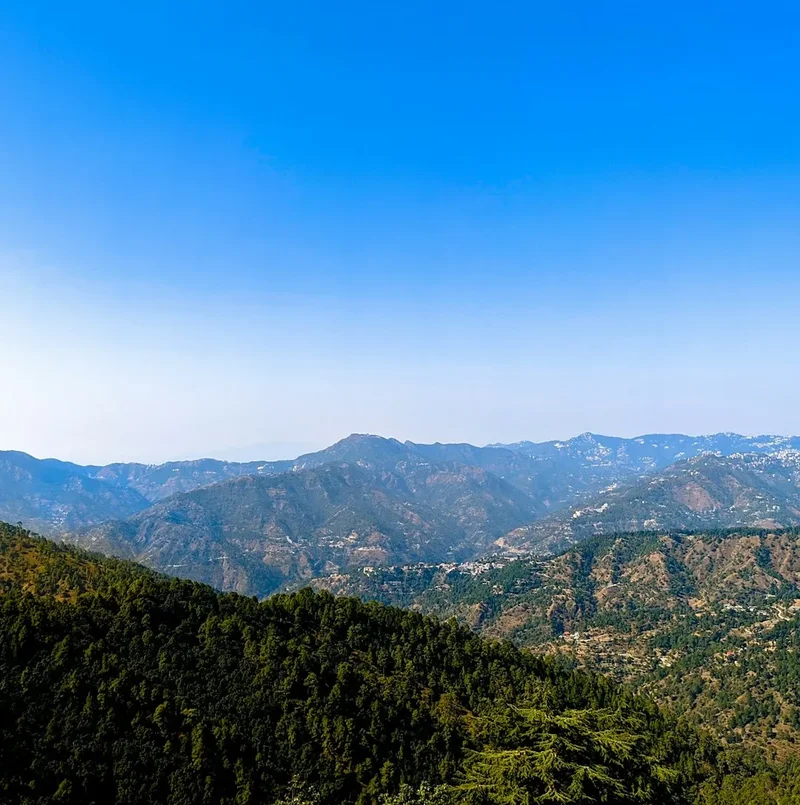
Kedarkantha Trek - A Himalayan Gem
The Kedarkantha Trek is a captivating journey through the Garhwal Himalayas in Uttarakhand, India, renowned for its stunning panoramic views, especially of snow-capped peaks like Swargarohini, Bandarpoonch, and Kalanag. This moderate-difficulty trek, typically spanning 4 to 6 days, offers an accessible yet profoundly rewarding experience for trekkers of all levels. The trail winds through dense pine forests, picturesque meadows, and charming villages, culminating in a summit that provides breathtaking 360-degree vistas. Kedarkantha is particularly famous for its winter beauty, transforming into a wonderland of snow, making it a prime destination for snow trekking. The trek's accessibility from major cities like Dehradun and its well-defined trails make it a popular choice for those seeking an authentic Himalayan adventure without extreme technical challenges.
- Distance: Approximately 20.0 km (one-way, depending on exact route and side trips)
- Duration: 4-6 days (typical itinerary)
- Season: October to April (peak snow season from December to March)
- Huts/Campsites: Designated campsites at Juda Ka Talab, Base Camp, and summit camp (if applicable)
- Highest point: Kedarkantha Peak (3,810 metres)
- Daily walkers: No strict daily limit, but popular during peak season
- Direction: Typically an out-and-back route from Sankri
Overview
The Kedarkantha Trek is a quintessential Himalayan experience, offering a perfect blend of natural beauty, cultural immersion, and physical challenge. Its allure lies in its accessibility, stunning scenery, and the sheer joy of reaching a summit that opens up to a vast expanse of the majestic Himalayas. The trek begins in the quaint village of Sankri, a gateway to many Garhwal treks, and gradually ascends through diverse landscapes. Initially, the path meanders through dense forests of oak, pine, and maple, alive with the sounds of nature. As you gain altitude, the trees give way to expansive meadows, particularly vibrant in spring and summer, and blanketed in pristine snow during winter.
The trek is structured to allow for acclimatisation, with overnight stays at scenic campsites like Juda Ka Talab, a beautiful glacial lake, and Kedarkantha Base Camp. The highlight, of course, is the summit day. An early morning start from Base Camp leads trekkers up a well-trodden path to the Kedarkantha peak. The ascent is steep in parts but manageable, and the reward at the top is unparalleled. From the summit, a breathtaking 360-degree panorama unfolds, showcasing the snow-clad giants of the Himalayas. The experience is further enhanced by the presence of ancient temples and prayer flags adorning the summit, adding a spiritual dimension to the journey.
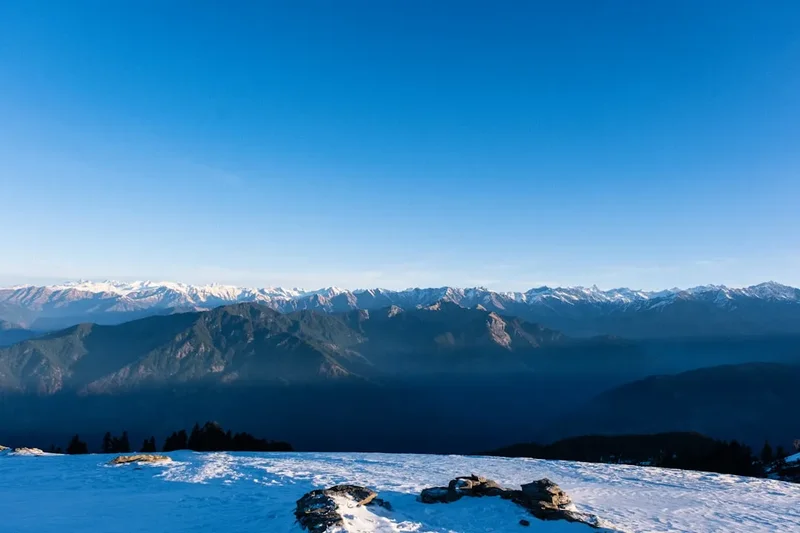
Kedarkantha's popularity surges during winter months (December to March) when the entire landscape is covered in a thick layer of snow. This transforms the trek into a magical winter wonderland, offering opportunities for snow trekking, playing in the snow, and experiencing the serene beauty of the Himalayas in its most pristine form. The moderate difficulty level makes it suitable for beginners and intermediate trekkers, while the stunning vistas and the sense of accomplishment ensure it remains a memorable adventure for all.
History and Cultural Context
The Kedarkantha region, like much of the Garhwal Himalayas, has a rich history intertwined with local folklore, spirituality, and ancient trade routes. The name "Kedarkantha" itself is believed to derive from "Kedar," referring to Lord Shiva, and "Kanth," meaning throat or neck, suggesting a sacred connection to the deity. Local legends speak of Lord Shiva pausing here on his journey, making the peak a place of spiritual significance.
Historically, these trails were used by local villagers for seasonal migration, herding, and as part of ancient routes connecting different Himalayan valleys. The villages along the trek route, such as Sankri, are repositories of traditional Himachali and Garhwali culture. The architecture, customs, and way of life in these villages reflect centuries of adaptation to the mountain environment. The presence of small, ancient temples, often dedicated to local deities or Hindu gods like Shiva and Durga, scattered along the trails and at campsites, points to the long-standing spiritual practices of the communities inhabiting this region.
The modern trekking era began to gain traction in the mid-20th century, with Kedarkantha emerging as a popular destination due to its accessibility and stunning scenery. It has since become a staple for trekkers looking for a relatively easy yet spectacular Himalayan summit experience. The trek also offers a glimpse into the lives of the local people, their resilience, and their deep connection to the land. The prayer flags fluttering at the summit and the small shrines are constant reminders of the enduring spiritual heritage of the Himalayas.
Seasonal Highlights and Weather Reality
The Kedarkantha Trek offers distinct experiences throughout its trekking season, primarily from October to April. Each season paints the landscape in different hues, presenting unique challenges and rewards.
Autumn (October to November): This is arguably the best time to trek Kedarkantha for clear skies and pleasant temperatures. The monsoon rains have receded, leaving the air crisp and clean. The forests are vibrant with autumn colours, and the meadows are lush. Daytime temperatures are comfortable, typically ranging from 10°C to 20°C, while nights can drop to around 0°C to 5°C. Visibility of the Himalayan peaks is excellent during this period.
Winter (December to March): This is the peak season for Kedarkantha, especially for those seeking a snow-covered landscape. The trek transforms into a magical winter wonderland. Snowfall is common, blanketing the trails, forests, and meadows in thick white snow. Temperatures can plummet significantly, with daytime highs around 0°C to 10°C and nighttime lows dropping to -5°C to -15°C. The summit offers spectacular views of snow-laden peaks. Trekkers must be prepared for cold weather, snow, and potential icy conditions. This season requires appropriate winter gear and caution.
Spring (March to April): As winter recedes, spring brings a refreshing change. The snow begins to melt, revealing the green meadows underneath. Wildflowers start to bloom, adding splashes of colour to the landscape. The weather becomes milder, with daytime temperatures ranging from 15°C to 25°C and nights around 5°C to 10°C. This is a good time for trekkers who prefer milder weather and want to witness the transition from winter to spring in the Himalayas.
Weather Reality: While the seasons provide a general guide, Himalayan weather is notoriously unpredictable. Even during the best seasons, sudden changes can occur. Expect clear, sunny days to be interspersed with cloudy periods or light rain/snow showers. Temperatures can fluctuate significantly between day and night, and at higher altitudes. It is crucial to pack layers and be prepared for a range of conditions regardless of the season.
Recommended Itinerary
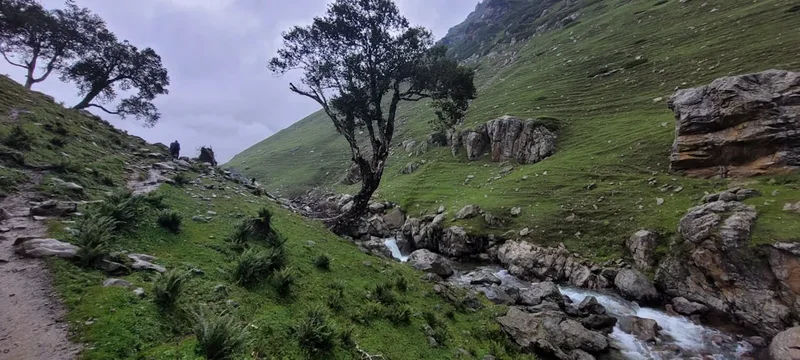
Typical 5-Day Kedarkantha Trek Itinerary
Day 1: Dehradun to Sankri (Drive)
- Distance: Approximately 200 km
- Time: 8-10 hours drive
- Start from Dehradun, the nearest major city and transport hub.
- Scenic drive through Mussoorie, Yamuna Nagar, and Purola, following the Tons River.
- Road conditions can be challenging in certain stretches, especially during monsoon or winter.
- Arrive in Sankri, a picturesque village and the base for the Kedarkantha trek.
- Check into a guesthouse or homestay, rest and prepare for the trek.
- Briefing by the trek leader regarding the upcoming days.
Day 2: Sankri to Juda Ka Talab Campsite
- Distance: Approximately 4 km
- Elevation Gain: 600 metres
- Time: 4-5 hours trek
- Begin the trek from Sankri after breakfast.
- The trail ascends through dense pine and oak forests.
- Pass through charming small villages and enjoy the fresh mountain air.
- Reach Juda Ka Talab, a beautiful glacial lake surrounded by pine trees.
- Set up camp near the lake.
- Enjoy the serene atmosphere and the reflections in the lake.
- Overnight stay at Juda Ka Talab campsite.
Day 3: Juda Ka Talab to Kedarkantha Base Camp
- Distance: Approximately 4 km
- Elevation Gain: 500 metres
- Time: 3-4 hours trek
- After breakfast, continue the ascent towards Kedarkantha Base Camp.
- The trail becomes steeper in parts, offering glimpses of the surrounding peaks.
- Pass through meadows that are carpeted with wildflowers in spring and covered in snow in winter.
- Reach Kedarkantha Base Camp, situated at a higher altitude with stunning views.
- Set up camp and acclimatise to the altitude.
- Explore the vicinity and enjoy the panoramic views.
- Overnight stay at Kedarkantha Base Camp.
Day 4: Kedarkantha Base Camp to Kedarkantha Peak and descend to Base Camp/Sankri
- Distance: Approximately 6 km (round trip to summit)
- Elevation Gain: 570 metres to summit
- Time: 7-9 hours (including descent)
- Early morning start (around 4:00 AM) for the summit push to witness the sunrise.
- The trail to the summit is well-defined but can be steep and challenging, especially with snow.
- Reach the Kedarkantha summit (3,810 metres) and be mesmerised by the 360-degree Himalayan panorama.
- Spend time at the summit, taking photographs and soaking in the views.
- Descend back to Kedarkantha Base Camp.
- After lunch at Base Camp, descend further down to Sankri village.
- Alternatively, some itineraries may involve descending to a lower campsite like Hargaon or Juda Ka Talab for the night before descending to Sankri the next day.
- Overnight stay at Sankri or a designated campsite.
Day 5: Sankri to Dehradun (Drive)
- Distance: Approximately 200 km
- Time: 8-10 hours drive
- After breakfast in Sankri, begin the drive back to Dehradun.
- Reflect on the incredible journey and the memories made.
- Arrive in Dehradun by evening.
Note: This is a typical itinerary and can be adjusted based on the trekker's pace, fitness, and chosen tour operator. Some operators offer a 6-day itinerary which includes an extra day at base camp or a more relaxed descent.
Planning and Bookings
Book Your Trip
Everything you need to plan your journey
Accommodation
Find places to stay near Dehradun
Flights
Search flights to Dehradun
Essential Preparation
Embarking on the Kedarkantha Trek requires careful planning, especially regarding logistics and fitness. The nearest major city and transport hub is Dehradun. From Dehradun, the journey to Sankri, the trek's starting point, is a scenic but long drive of approximately 8-10 hours. It is advisable to reach Dehradun a day prior to your departure for Sankri to acclimatise and make any last-minute arrangements. Hiring a taxi or taking a shared jeep are common options for reaching Sankri. Road conditions can vary, particularly during winter when snow might affect travel times. It's crucial to book your transport in advance, especially during peak trekking seasons. For accommodation in Sankri, there are basic guesthouses and homestays available. Booking these in advance is recommended, particularly during the popular winter months.
Trail Accommodation
The Kedarkantha Trek involves overnight stays at designated campsites. There are no permanent lodges or huts along the trekking route itself, apart from basic facilities in Sankri village. The primary accommodation is camping.
- Sankri Village: Basic guesthouses and homestays are available. These offer simple rooms with essential amenities. Booking in advance is recommended.
- Juda Ka Talab Campsite: This is a popular camping spot located near a beautiful glacial lake. Trekkers typically camp here in tents provided by trekking agencies or their own. Basic toilet facilities might be available, but expect minimal amenities.
- Kedarkantha Base Camp: This campsite is situated at a higher altitude, offering a strategic location for the summit push. Tents are the standard accommodation here. Facilities are very basic, focusing on providing shelter from the elements.
- Summit Day: While some itineraries might include a night at a higher camp closer to the summit, most trekkers ascend to the peak and descend back to Base Camp or even Sankri on the same day.
Booking Requirements: Accommodation in Sankri can be booked directly with the guesthouses or through trekking agencies. Campsites are usually managed by trekking operators who provide tents, sleeping bags, and sometimes meals. If you are trekking independently, you will need to carry your own camping gear and arrange for permits if required by local authorities (though typically not for standard campsites on this route).
Facilities Provided: Trekking agencies usually provide tents, sleeping bags, sleeping mats, and sometimes a common dining tent with basic cooking arrangements. They also often provide meals (breakfast, lunch, dinner) at the campsites.
What's NOT Provided: Personal toiletries, sleeping bag liners, trekking poles, and personal medical kits are generally not provided. Huts or lodges are not available on the trail itself.
Seasonal Availability: Campsites are generally accessible throughout the trekking season (October to April). However, winter months (December to March) require specialised winter camping gear due to heavy snowfall and extreme cold.
Costs: Costs vary significantly depending on whether you book through a trekking agency or are trekking independently. Agency packages typically range from ₹8,000 to ₹15,000 per person for a 4-5 day trek, including accommodation, meals, guide, and porter services. Independent trekkers will incur costs for transport, food, and potentially campsite fees if any are levied.
Required Gear
- Trekking Boots: Waterproof, sturdy, and well-broken-in trekking boots with good ankle support are essential. For winter treks, insulated, waterproof boots are a must.
- Backpack: A comfortable backpack of 40-60 litres capacity with a rain cover. Ensure it has a good hip belt for weight distribution.
- Clothing Layers:
- Base Layer: Thermal innerwear (merino wool or synthetic) to wick away moisture.
- Mid Layer: Fleece jacket or down jacket for insulation.
- Outer Layer: Waterproof and windproof jacket (Gore-Tex or similar) and trousers.
- Headwear: A warm beanie or woollen cap to protect from cold and sun. A balaclava is recommended for winter.
- Gloves: Warm, waterproof gloves or mittens. For winter, insulated gloves are crucial.
- Socks: Several pairs of woollen or synthetic trekking socks. Avoid cotton.
- Headlamp/Torch: With extra batteries, essential for early morning summit attempts and navigating campsites at night.
- Sunglasses: UV-protected sunglasses to shield eyes from intense sunlight, especially with snow glare.
- Sunscreen: High SPF sunscreen to protect skin from strong UV rays at altitude.
- Lip Balm: With SPF protection.
- Trekking Poles: Highly recommended, especially for descents and snow trekking, to reduce strain on knees and improve balance.
- First-Aid Kit: Personal medications, blister treatment, antiseptic wipes, bandages, pain relievers, and any specific items recommended by your doctor.
What to Bring
- Food and Snacks: High-energy snacks like nuts, dried fruits, energy bars, and chocolates. While trekking agencies provide meals, carrying personal snacks is advisable.
- Water Bottles/Hydration Pack: At least 2 litres capacity. Water sources are available, but purification is essential.
- Water Purification: Water filter, purification tablets, or boiling water.
- Toiletries: Biodegradable soap, toothbrush, toothpaste, hand sanitiser, wet wipes.
- Toilet Paper: Carry enough for your entire trek.
- Personal Items: Camera, power bank for charging devices, a good book for downtime.
- Documents: Identification (ID card/passport), permits (if any), and emergency contact details.
- Cash: Sufficient Indian Rupees for personal expenses, tips, and any unforeseen costs, as ATMs are not available on the trek.
- Sleeping Bag Liner: For added warmth and hygiene inside your sleeping bag.
- Small Towel: Quick-drying travel towel.
- Garbage Bags: To pack out all your waste.
Permits
For the Kedarkantha Trek, specific permits are generally not required for individual trekkers or small groups for the standard route and campsites. The trek passes through areas that are part of the Govind Pashu Vihar National Park and Wildlife Sanctuary. While entry fees or permits might be levied by the Forest Department, these are often managed by local authorities or trekking agencies. It is always advisable to check the latest regulations with local tour operators or the Uttarakhand Forest Department before your trek, as rules can change.
National Park Entry: If an entry fee is applicable for Govind Pashu Vihar National Park, it is usually a nominal amount per person and per vehicle. Trekking agencies typically include these charges in their package costs. If you are trekking independently, you may need to pay these fees at the park entrance or at the Forest Department office in Sankri.
Camping Permits: For designated campsites like Juda Ka Talab and Kedarkantha Base Camp, specific camping permits are usually not required for independent trekkers. However, if you are using services from a local trekking agency, they will handle any necessary arrangements. It's good practice to confirm this with your agency.
Important Considerations:
- Check with Local Authorities: Always verify the latest permit requirements with the Uttarakhand Forest Department or the local tourism office in Dehradun or Sankri before your trek.
- Trekking Agencies: If you book through a reputable trekking agency, they will usually manage all necessary permits and fees as part of their service.
- Respect Regulations: Adhere to all rules and regulations set by the national park authorities to ensure the preservation of the environment.
Other Activities in the Area
While the Kedarkantha Trek is the primary draw, the region surrounding Sankri offers several other attractions and activities for trekkers to explore:
- Sankri Village Exploration: Spend time exploring the charming village of Sankri itself. Observe the traditional Himachali architecture, interact with the friendly locals, and get a feel for the rural mountain lifestyle.
- Trekking to Har Ki Dun Valley: Sankri is also the base for the popular Har Ki Dun trek, known for its stunning valley views and rich biodiversity. If you have extra time, this could be a subsequent trek.
- Trekking to Ruinsara Lake: Another beautiful trek from the Sankri region, leading to the pristine Ruinsara Lake, offering serene landscapes and a less crowded experience.
- Local Temples: Visit the small, ancient temples scattered in and around Sankri and along the trekking routes. These often hold significant cultural and religious importance for the local communities.
- Photography: The entire region is a photographer's paradise, from the quaint villages and winding trails to the majestic Himalayan peaks and the vibrant flora and fauna.
- Bird Watching: The forests around Sankri are home to a variety of Himalayan bird species, making it an excellent spot for birdwatchers.
- Stargazing: Away from city lights, the night skies in Sankri and at the campsites offer spectacular views of the stars and constellations.
Safety and Conditions
Altitude Sickness (AMS): Kedarkantha summit is at 3,810 metres. While this is not extremely high, altitude sickness can affect anyone. Symptoms include headache, nausea, dizziness, and fatigue. The gradual ascent to Base Camp helps with acclimatisation. Stay hydrated, avoid alcohol and smoking, and ascend slowly. If symptoms worsen, descend immediately.
Weather: Himalayan weather is unpredictable. Be prepared for sudden changes, including rain, snow, fog, and strong winds, even during the trekking season. Check weather forecasts before you start and during the trek. Winter treks require specific preparation for extreme cold and snow.
Trail Conditions: The trails are generally well-defined but can be steep and rocky. In winter, they are covered in snow and ice, making them slippery. Proper footwear and trekking poles are essential. Avalanches are a risk in winter, especially on steeper slopes; always follow your guide's advice.
Guides and Porters: Hiring a local guide is highly recommended, especially for first-time trekkers or during winter. Guides are knowledgeable about the terrain, weather, and local conditions. Porters can help carry your load, making the trek more enjoyable.
Communication: Mobile network coverage is limited to non-existent on most parts of the trek. Inform your family and friends about your itinerary and expected return time. Consider carrying a satellite phone or personal locator beacon (PLB) for emergencies, especially if trekking independently.
Water: Water sources are available along the trail, but it is crucial to purify all drinking water using filters, purification tablets, or by boiling to prevent waterborne diseases.
Emergency Evacuation: In case of a serious medical emergency, evacuation might be necessary. This can be expensive and time-consuming. Ensure you have adequate travel insurance that covers high-altitude trekking and emergency evacuation.
Wildlife: While encounters are rare, be aware of local wildlife. Do not feed animals, and maintain a safe distance.
Side Trips and Points of Interest
Kedarkantha Summit (3,810 m): The primary objective of the trek. The summit offers a breathtaking 360-degree panoramic view of the Garhwal Himalayas, including prominent peaks like Swargarohini, Bandarpoonch, and Kalanag. The sunrise from the summit is a particularly magical experience.
Juda Ka Talab: A picturesque glacial lake located en route to the base camp. The serene waters, surrounded by dense pine forests, make it an ideal spot for camping and photography. The reflections of the trees and the sky in the lake are captivating.
Kedarkantha Base Camp: Situated at a strategic altitude, the base camp offers stunning views of the surrounding mountains and valleys. It's a great place to acclimatise and prepare for the summit push. The open meadows around the base camp are beautiful, especially during spring and autumn.
Local Villages (Sankri, Taluka): The villages along the route, such as Sankri and Taluka (if starting from there), offer a glimpse into the traditional rural life of the Garhwal region. The architecture, culture, and hospitality of the locals are noteworthy.
Forests of Oak, Pine, and Maple: The trek passes through diverse forests. In autumn, the leaves turn vibrant shades of yellow, orange, and red, creating a spectacular visual display. In winter, these forests are covered in snow, offering a serene and enchanting experience.
Churches and Temples: Small, ancient churches and temples are often found in the villages and along the trails. These add a spiritual and historical dimension to the trek, reflecting the region's cultural heritage.
Leave No Trace
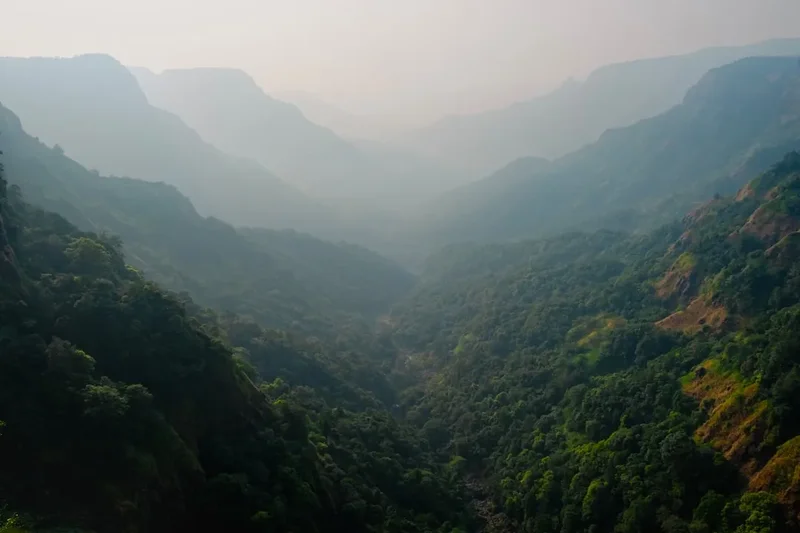
The Kedarkantha Trek traverses pristine natural environments, including forests and meadows within the Govind Pashu Vihar National Park. It is imperative that all trekkers adhere to the principles of Leave No Trace (LNT) to preserve the beauty and ecological integrity of this region for future generations.
Plan Ahead and Prepare: Research the trail, understand the weather conditions, and pack appropriately. Organise your group and make necessary arrangements for food and waste disposal.
Travel and Camp on Durable Surfaces: Stick to the established trails to avoid damaging vegetation. Camp in designated areas or on durable surfaces like rock, gravel, or dry grass. Avoid camping on fragile meadows or near water sources.
Dispose of Waste Properly: Pack out everything you pack in, including all food scraps, wrappers, and toilet paper. Use designated toilets where available, or dig catholes at least 60 metres away from water sources, trails, and campsites. Carry a trowel and pack out all toilet paper.
Leave What You Find: Do not disturb or remove any natural objects, plants, or cultural artifacts. Take photographs and memories, but leave the environment as you found it.
Minimise Campfire Impacts: Campfires are often prohibited in national parks and sensitive areas due to the risk of wildfires and damage to the environment. Use a portable stove for cooking instead. If fires are permitted and necessary, use existing fire rings and keep fires small.
Respect Wildlife: Observe wildlife from a distance. Never feed animals, as it can disrupt their natural behaviours and diets, and can be harmful to them. Store your food securely to prevent attracting animals.
Be Considerate of Other Visitors: Keep noise levels down, especially in campsites and on trails. Yield to other trekkers and be courteous. Respect the local culture and traditions.
By following these LNT principles, you contribute to the conservation of the Kedarkantha region and ensure that its natural beauty remains for others to enjoy.