
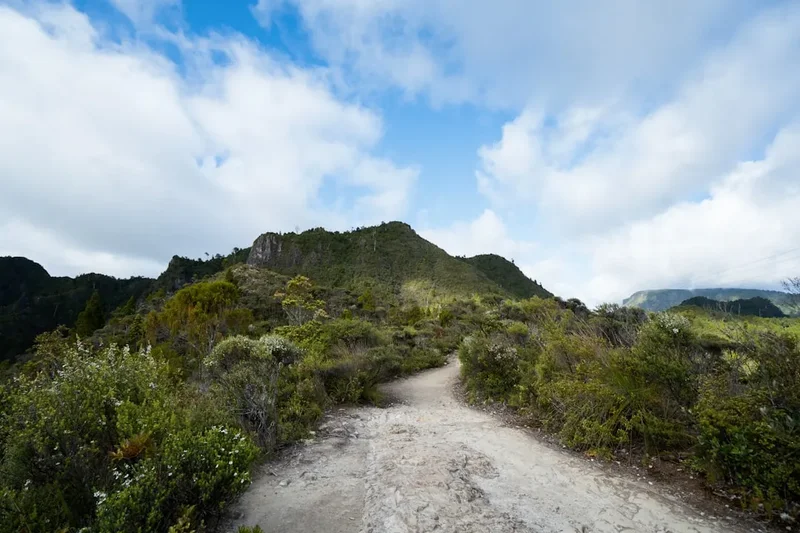
Kauri Grove Walk
The Kauri Grove Walk is a short, accessible, and highly rewarding day walk located within the Waipoua Forest on the North Island of New Zealand. This easy trail offers a unique opportunity to immerse yourself in one of the country's most significant native forests, home to ancient kauri trees, including Tāne Mahuta, the largest living kauri tree in the world. The walk is designed to be informative and awe-inspiring, providing a glimpse into the ecological and cultural importance of these magnificent giants. It's an ideal excursion for families, nature enthusiasts, and anyone seeking a connection with New Zealand's natural heritage.
- Distance: 3.5 km loop
- Duration: 1–2 hours
- Season: All year round
- Difficulty: Easy
- Elevation Gain: 100 m
- Trail Type: Loop
- Access: Paved road, ample parking
- Facilities: Toilets, information panels
- Permits: Not required
- Closest City: Dargaville (~30 minutes drive)
Overview
The Kauri Grove Walk is a beautifully crafted loop that winds through a section of the Waipoua Forest, a vital sanctuary for the endangered kauri tree (Agathis australis). This forest is not just a collection of trees; it's a living museum, a testament to ancient ecosystems, and a place of deep spiritual significance for Māori, particularly the local iwi, Te Roroa. The walk is designed to be an educational and sensory experience, allowing visitors to appreciate the sheer scale and majesty of the kauri, understand their ecological role, and learn about the threats they face, most notably kauri dieback disease.
The trail itself is well-maintained, featuring boardwalks and compacted earth paths that minimise impact on the forest floor and protect the sensitive root systems of the kauri. Informative panels along the way provide insights into the kauri's life cycle, the forest's biodiversity, and the cultural stories associated with these venerable trees. The gentle gradients make it accessible for most fitness levels, and the relatively short duration means it can be easily incorporated into a day trip exploring the Northland region.
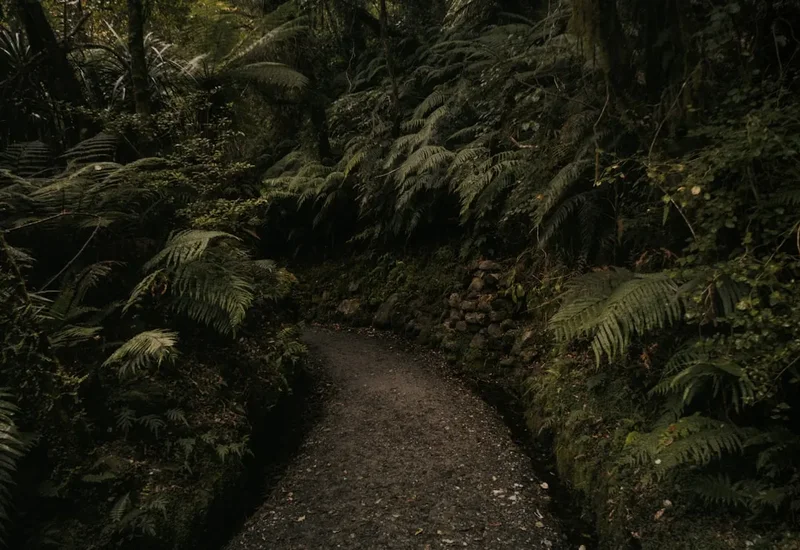
The highlight for many is the opportunity to stand in the presence of Tāne Mahuta, a colossal kauri tree estimated to be over 2,000 years old. Its immense trunk, reaching over 45 metres in height and 13.77 metres in circumference, is a humbling sight. The walk also passes through dense fern gullies, past other impressive kauri specimens, and offers a chance to hear the unique sounds of the native New Zealand bush. The air is often cool and damp, carrying the earthy scent of decaying leaves and the fresh aroma of native flora, creating an immersive and tranquil atmosphere.
History and Cultural Context
The Waipoua Forest, and the Kauri Grove Walk within it, holds immense historical and cultural significance. For centuries, Māori have lived in and utilised this forest. The kauri tree itself was, and remains, a taonga (treasure) of immense value. Its timber was essential for building waka taua (war canoes), houses, and other vital structures. The resin, known as kauri gum, was also highly prized for its use in varnishes and as a medicinal substance.
The most revered tree in Waipoua Forest is Tāne Mahuta, named after the Māori god of forests and birds. According to Māori tradition, Tāne Mahuta was the offspring of Ranginui (Sky Father) and Papatūānuku (Earth Mother). He was the one who separated his parents, allowing light and life to enter the world. Standing beneath Tāne Mahuta is considered a deeply spiritual experience by many, a connection to ancient whakapapa (genealogy) and the natural forces that shaped New Zealand.
In the late 19th and early 20th centuries, the Waipoua Forest faced significant threats from logging. The immense size and valuable timber of the kauri made them a prime target for exploitation. However, a strong public outcry and the efforts of conservationists, including the legendary Māori leader and conservationist Dame Whina Cooper, led to the protection of large areas of the forest. Tāne Mahuta was declared a sacred tree, and the surrounding forest was eventually designated as a scenic reserve and later a protected forest park. The establishment of the Kauri Grove Walk is a modern manifestation of this long history of reverence and protection, aiming to share the forest's wonders while ensuring its survival.
Seasonal Highlights and Weather Reality
The Kauri Grove Walk is accessible and enjoyable throughout the year, but each season offers a slightly different experience.
Spring (September–November): The forest floor begins to burst with new life. Ferns unfurl, and native flowers may start to bloom. The weather is generally mild, though rain is still common. The forest can feel particularly vibrant and fresh after winter rains.
Summer (December–February): This is the warmest period, with longer daylight hours. The forest canopy provides welcome shade from the sun. However, summer can also bring higher humidity and more frequent rain showers, which can enhance the lushness of the forest. Sandflies can be present, though generally less of an issue than in some coastal areas.
Autumn (March–May): The forest takes on a rich, earthy palette. The air is often crisp and clear, offering excellent visibility. The humidity decreases, making for very pleasant walking conditions. This is a fantastic time to visit for photography and a tranquil experience.
Winter (June–August): The forest is at its most dramatic and atmospheric. Rain is frequent, and the mist can lend an ethereal quality to the ancient trees. The sounds of the forest are amplified in the quiet of winter. While cooler, the walk is still very manageable with appropriate clothing. The boardwalks and well-maintained paths ensure the trail remains accessible even after rain.
Weather: Northland experiences a subtropical climate. Rainfall is distributed throughout the year, with higher totals in winter and spring. Temperatures are generally mild, with summer highs averaging around 22–25°C and winter lows around 8–12°C. It is always advisable to check the local weather forecast before your visit and be prepared for rain, as conditions can change rapidly.
Recommended Itinerary
Kauri Grove Walk - Day Itinerary
Morning (Approx. 9:00 AM - 11:00 AM): Arrival and Exploration
- Arrive at the Kauri Grove Walk car park.
- Utilise the toilet facilities available at the trailhead.
- Read the introductory information panels to familiarise yourself with the forest's ecology and cultural significance.
- Begin the loop walk, taking your time to absorb the surroundings.
- Follow the well-marked path, paying attention to the informative signs about kauri trees, native flora, and fauna.
- Stop at designated viewpoints to admire the scale of the kauri trees.
- Allow ample time to appreciate Tāne Mahuta, the largest kauri tree, and its immediate surroundings.
- Observe the unique root systems and the dense undergrowth of ferns and other native plants.
Midday (Approx. 11:00 AM - 12:00 PM): Deeper Immersion and Reflection
- Continue along the loop, which may include sections of boardwalk to protect the forest floor and kauri roots.
- Listen for the calls of native birds such as the tūī, bellbird, and fantail.
- Pause at quieter sections of the walk to experience the profound silence and tranquility of the ancient forest.
- Reflect on the age and resilience of the kauri trees and the importance of their conservation.
- If visiting with children, engage them with the educational aspects of the walk and encourage observation.
Afternoon (Approx. 12:00 PM - 1:00 PM): Completion and Departure
- Complete the loop, returning to the car park.
- Take a final moment to appreciate the forest environment.
- Consider visiting the nearby Waipoua Forest Visitor Centre (if open and accessible) for further information or souvenirs.
- Depart from the Kauri Grove Walk, carrying with you the memories of this ancient forest.
Important Notes:
- This is a day walk; no overnight accommodation is available or required.
- The trail is well-maintained and suitable for most fitness levels.
- Wear comfortable walking shoes and bring insect repellent, especially during warmer months.
- Always stay on the marked paths to protect the kauri and their environment.
- Do not touch or lean on kauri trees, as this can spread kauri dieback disease.
- Carry water and any snacks you might need.
Planning and Bookings
Book Your Trip
Everything you need to plan your journey
Accommodation
Find places to stay near Auckland
Flights
Search flights to Auckland
Essential Preparation
The Kauri Grove Walk is a straightforward day walk, making preparation relatively simple. The primary logistical consideration is reaching the trailhead, which is located off State Highway 12 on the North Island's west coast. The closest significant town is Dargaville, approximately a 30-minute drive south. Auckland is about a 3.5 to 4-hour drive north. Ensure your vehicle is in good condition, as the drive involves winding rural roads. There are no booking requirements for the walk itself, and access is generally unrestricted during daylight hours.
Base Town/City Information:
- Dargaville: Offers basic amenities including accommodation (motels, holiday parks), supermarkets, petrol stations, and a few cafes and restaurants. It's a good starting point for stocking up on supplies.
- Auckland: As New Zealand's largest city, Auckland provides extensive accommodation options, car rental services, and all necessary supplies. It's the most common entry point for international visitors and domestic travellers heading north.
Trail Accommodation
This is a day hike requiring no overnight accommodation.
Required Gear
- Footwear: Comfortable walking shoes or sturdy trainers are sufficient. The paths are well-maintained, but good grip is advisable.
- Clothing: Lightweight, breathable clothing suitable for the prevailing weather. Layers are recommended, as temperatures can fluctuate. A waterproof jacket is essential, as rain is common in the region.
- Navigation: While the Kauri Grove Walk is a clearly marked loop, carrying a map of the Waipoua Forest area or using a GPS device/app is always a good precaution for exploring beyond the main trail.
- Safety Gear: A basic first-aid kit for minor injuries, a mobile phone (though reception can be patchy in the forest), and a whistle are recommended.
What to Bring
- Food: Pack snacks and a packed lunch. There are no food facilities within the immediate vicinity of the Kauri Grove Walk.
- Water: Carry sufficient drinking water. While the forest is lush, stream water should not be consumed without treatment.
- Toiletries: Sunscreen, insect repellent (especially for sandflies), hand sanitiser.
- Personal Items: Camera, binoculars (for birdwatching), a small backpack to carry your supplies.
- Optional: A field guide to New Zealand native plants and birds can enhance the experience.
Permits
No permits are required to access the Kauri Grove Walk or to visit the Waipoua Forest. The area is managed by the Department of Conservation (DOC) and is open to the public for day use. Entry is free of charge.
Important Considerations:
- Kauri Dieback Protection: While no permit is needed, strict biosecurity measures are in place to protect the kauri trees from kauri dieback disease. Visitors are required to use the cleaning stations provided at the entrances to the forest and at the start of the Kauri Grove Walk. This involves thoroughly cleaning your footwear and any equipment that has been on the ground before entering and after leaving the forest. Failure to comply can result in fines and, more importantly, contribute to the spread of this devastating disease.
- Respect for Cultural Sites: The Waipoua Forest is a place of deep cultural significance. Visitors are asked to treat the area with respect, stay on marked tracks, and refrain from disturbing any natural or cultural features.
Other Activities in the Area
The Waipoua Forest and its surroundings offer several other attractions and activities for visitors:
- Tāne Mahuta: While part of the Kauri Grove Walk, Tāne Mahuta is a destination in itself and warrants dedicated time. The short, accessible track to its base allows for close appreciation of its immense size and presence.
- Four Sisters and the Giant: These are other significant kauri trees located within the Waipoua Forest, accessible via short walking tracks. The "Four Sisters" are a striking cluster of four kauri trees growing close together, while "The Giant" is another impressive specimen.
- Waipoua Forest Visitor Centre: Located near the main entrance to the forest, this centre provides valuable information about the kauri, the forest ecosystem, and the conservation efforts underway. Staff can offer insights and answer questions.
- Hokianga Harbour: A short drive from Waipoua Forest, Hokianga Harbour is a region rich in Māori history and natural beauty. Explore charming coastal towns like Rawene and Kohukohu, enjoy the sand dunes, or take a ferry across the harbour.
- Opononi and Omapere: These coastal towns are famous for their beautiful beaches and the legend of Opo the dolphin. They offer opportunities for swimming, fishing, and enjoying the coastal scenery.
- Dargaville Museum: Located in the nearby town of Dargaville, this museum offers a comprehensive look at the region's history, including its kauri gum industry, early settlement, and Māori heritage.
- Kai Iwi Lakes: A short drive from Waipoua Forest, these stunning freshwater lakes offer opportunities for swimming, kayaking, and picnicking in a beautiful natural setting.
Safety and Conditions
Trail Conditions: The Kauri Grove Walk is a well-maintained loop with boardwalks and compacted earth paths. It is generally easy to navigate. However, conditions can change after heavy rain, with some sections potentially becoming slippery. Always wear appropriate footwear.
Weather: Northland experiences a subtropical climate with rainfall distributed throughout the year. Be prepared for sudden changes in weather, including rain showers, even on seemingly clear days. Temperatures are mild, but it's advisable to check the forecast before your visit.
Kauri Dieback Disease: This is the most significant threat to the kauri trees. Strict hygiene protocols are in place to prevent its spread. Visitors MUST use the provided cleaning stations to thoroughly clean their footwear and equipment before entering and after leaving the forest. Do not touch or lean on kauri trees, as this can transmit the disease. Stay on marked tracks to avoid damaging sensitive root systems.
Insects: Sandflies can be present, particularly during warmer months and after rain. Carry insect repellent and apply it to exposed skin. Wearing long sleeves and trousers can also provide protection.
Wildlife: While the forest is home to native birds, there are no large dangerous animals. Exercise caution and respect the natural habitat of the wildlife.
Communication: Mobile phone reception can be unreliable within the dense forest. Inform someone of your plans and expected return time, especially if you intend to explore other areas of Waipoua Forest.
Emergency: In case of an emergency, contact the Department of Conservation or emergency services. The nearest town with comprehensive services is Dargaville.
Side Trips and Points of Interest
Tāne Mahuta: The undisputed star of the Waipoua Forest and the Kauri Grove Walk. This magnificent kauri tree is estimated to be over 2,000 years old, standing approximately 51.2 metres tall with a trunk circumference of 13.77 metres. Its Māori name, Tāne Mahuta, means "Lord of the Forest," reflecting its status as the god of forests and birds in Māori mythology. A short, accessible track leads to its base, allowing visitors to stand in awe of its sheer scale and ancient presence. The atmosphere around Tāne Mahuta is often described as serene and spiritual.
The Four Sisters: Located a short distance from Tāne Mahuta, the Four Sisters are a striking cluster of four kauri trees growing in close proximity. This unique formation showcases the natural regeneration and growth patterns of kauri, offering a different perspective on these ancient giants. The track to the Four Sisters is also well-maintained and easily accessible.
The Giant: Another impressive kauri specimen within the Waipoua Forest. While perhaps not as universally famous as Tāne Mahuta, "The Giant" is a substantial tree that further illustrates the grandeur of the kauri species. Its presence adds to the overall experience of walking through this ancient forest.
Boardwalks and Information Panels: Throughout the Kauri Grove Walk, strategically placed boardwalks protect the delicate kauri root systems and the forest floor from erosion. These boardwalks are often elevated, allowing you to walk through the forest canopy and observe the undergrowth without disturbing it. Informative panels are strategically located along the route, providing fascinating details about the kauri's life cycle, the forest's biodiversity, the cultural significance of the trees, and the ongoing conservation efforts to combat kauri dieback disease.
Leave No Trace
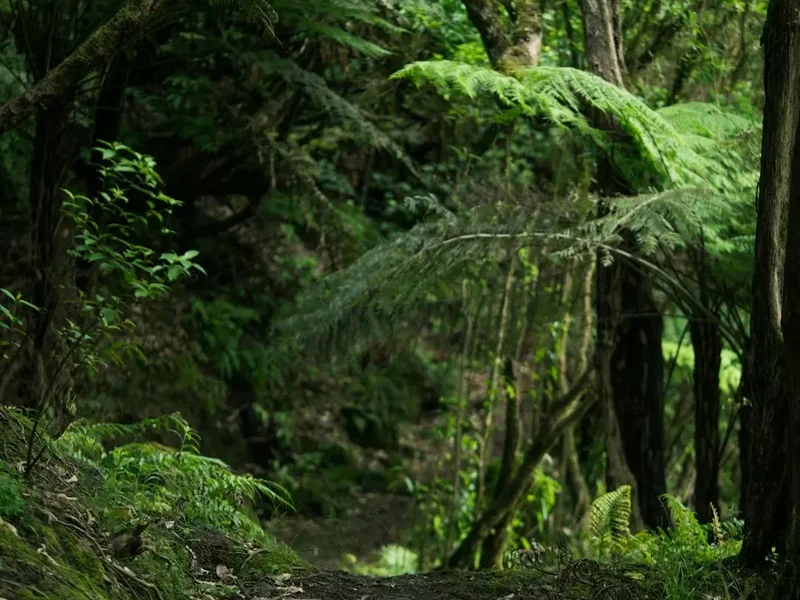
The Waipoua Forest, and particularly the Kauri Grove Walk, is a precious natural and cultural heritage site. Adhering to Leave No Trace principles is paramount to preserving its integrity for future generations and protecting the vulnerable kauri trees.
Key Principles for the Kauri Grove Walk:
- Stay on the Track: Always remain on the designated paths and boardwalks. This is crucial for protecting the kauri's sensitive root systems, which are easily damaged by foot traffic. Straying from the path can also disturb native flora and fauna.
- Clean Your Gear: This is the most critical principle for this walk due to the threat of kauri dieback disease. Use the provided cleaning stations to thoroughly scrub your footwear, and any other equipment that has been in contact with soil, before entering and after leaving the forest. This prevents the spread of the microscopic pathogen Phytophthora agathidicida.
- Do Not Touch or Lean on Kauri Trees: Avoid any physical contact with kauri trees. Your skin oils, clothing fibres, and any soil carried on your person can potentially transmit the kauri dieback pathogen.
- Pack It In, Pack It Out: Carry out all rubbish, including food scraps, wrappers, and any other waste. There are no bins within the forest.
- Respect Wildlife: Observe native birds and insects from a distance. Do not feed any animals, as this can disrupt their natural behaviour and diet.
- Minimise Impact: Keep noise levels down to appreciate the natural sounds of the forest and avoid disturbing wildlife.
- Dispose of Waste Properly: Use the toilet facilities provided at the trailhead. If nature calls elsewhere, ensure you are well away from water sources and bury human waste deeply, packing out all toilet paper.
By following these principles, you contribute to the long-term health and survival of the magnificent kauri trees and the unique ecosystem they inhabit.
 New Zealand