
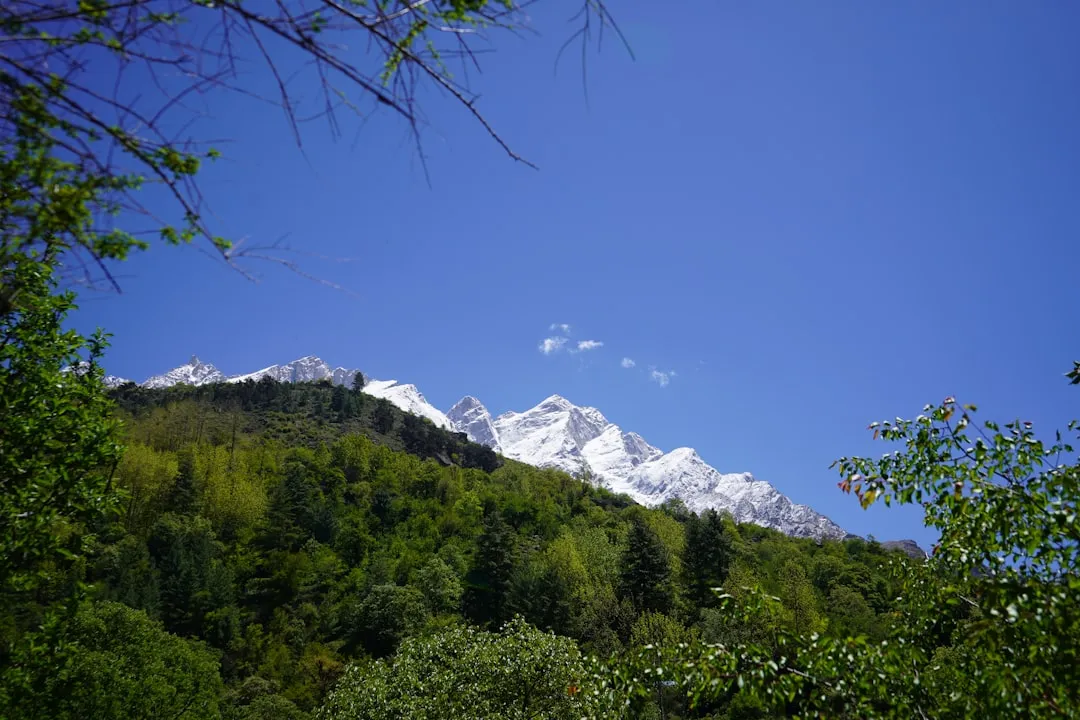
Kareri Lake Trek - A Himalayan Gem Near Dharamshala
The Kareri Lake Trek is a captivating multi-day walk nestled in the Kangra Valley of Himachal Pradesh, India. This moderate-difficulty trail offers a refreshing escape into the lower Himalayas, leading trekkers to the serene Kareri Lake, a picturesque glacial water body situated at an altitude of approximately 1,800 metres. Unlike the more strenuous high-altitude treks, Kareri Lake provides a more accessible yet equally rewarding Himalayan experience, making it a popular choice for both seasoned trekkers and enthusiastic beginners.
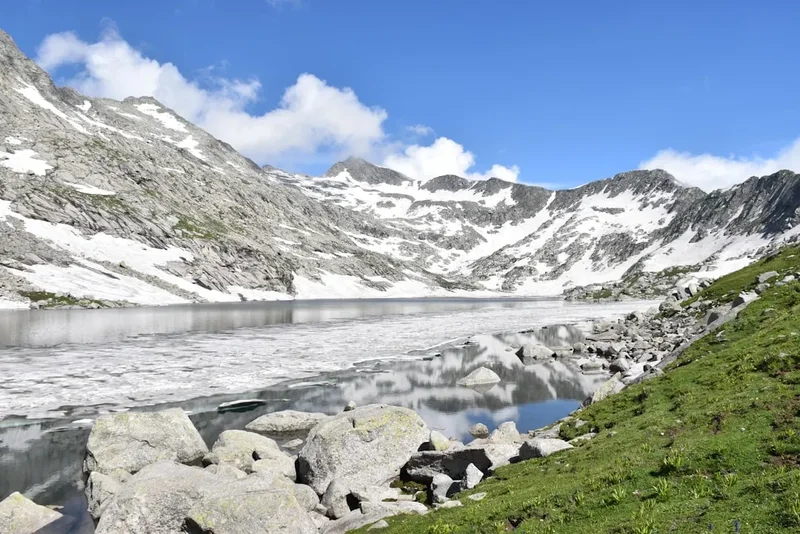
The trek begins from Kareri Village, a charming settlement that serves as the gateway to this natural wonder. The route winds through dense pine and rhododendron forests, traverses gurgling streams, and offers glimpses of traditional Himachali life. The journey is punctuated by the changing flora and fauna, with the landscape gradually opening up as you ascend towards the lake. The highlight, Kareri Lake itself, is a stunning expanse of clear blue water, often reflecting the surrounding snow-capped peaks and lush green meadows. The presence of a Shiva temple on an island in the middle of the lake adds a spiritual dimension to the serene setting.
This trek is particularly appealing for its relatively short duration and manageable elevation gain, allowing for a fulfilling adventure without requiring extensive acclimatisation or extreme physical conditioning. The trail is well-defined for most parts, though some sections can be steep and rocky, demanding a moderate level of fitness. The best times to undertake this trek are during the spring and autumn months, when the weather is pleasant and the skies are clear, offering panoramic views of the Dhauladhar range.
- Distance: 26.0 km (one-way from Kareri Village to Kareri Lake and back)
- Duration: 2-3 days
- Season: May-June and September-October
- Difficulty: Moderate
- Highest point: Kareri Lake (approx. 1,800 m)
- Base Town: Dharamshala / McLeod Ganj
- Trailhead Access: Kareri Village
- Accommodation: Camping is the primary option near the lake; basic guesthouses/homestays in Kareri Village.
Overview
The Kareri Lake Trek is a journey that encapsulates the essence of the lower Himalayas—verdant forests, pristine water bodies, and the majestic presence of the Dhauladhar range. The trek is typically undertaken over two to three days, allowing ample time to soak in the natural beauty and enjoy the tranquility of the surroundings. The trail is a delightful mix of ascents and descents, passing through diverse ecosystems that change with altitude.
The trek commences from Kareri Village, a picturesque hamlet accessible by road from McLeod Ganj. The initial part of the trail is relatively gentle, meandering through terraced fields and small settlements before entering the dense pine forests. As you gain altitude, the path becomes more rugged, with rocky sections and steeper inclines. The sound of the Chola River, a tributary of the Beas River, accompanies you for a significant portion of the trek, its clear waters a constant companion.
Kareri Lake, the ultimate destination, is a natural marvel. Its crystal-clear waters, fed by melting snow from the surrounding peaks, create a breathtaking spectacle. The lake is shallow, and its bed is visible in many places. The island in the centre, housing a small temple dedicated to Lord Shiva, adds a unique charm. The Dhauladhar range forms a dramatic backdrop, its snow-clad peaks often visible on clear days, enhancing the surreal beauty of the location. The absence of commercialisation and the relative remoteness of the lake contribute to its pristine and untouched aura.
The trek is classified as moderate due to the sustained ascents and the rocky terrain in certain sections. However, it is well within the reach of individuals with a reasonable level of fitness and prior trekking experience. The trek offers a fantastic opportunity to disconnect from the urban hustle and reconnect with nature, providing a sense of peace and rejuvenation. The local culture, evident in the villages along the route, adds another layer of richness to the trekking experience.
History and Cultural Context
The region surrounding Kareri Lake has a rich history intertwined with the local Gaddi shepherds and their traditional migratory routes. For centuries, the Gaddi community, a semi-nomadic pastoral group, has used these lower Himalayan trails for grazing their sheep and goats. Kareri Lake and its surrounding meadows would have served as vital resting and grazing grounds during their seasonal movements between the higher pastures in summer and the lower valleys in winter.
The presence of the Shiva temple on the island in Kareri Lake points to the deep-rooted spiritual significance of the area. Lord Shiva is a principal deity in Hinduism, and numerous temples dedicated to him are found throughout the Himalayas, often in remote and scenic locations. The temple likely serves as a place of worship for the local shepherds and occasional trekkers, adding a sacred aura to the natural beauty of the lake.
The Kangra Valley, in general, has a long history of human settlement and cultural exchange. It has been influenced by various dynasties and empires over the centuries, including the Katoch dynasty, which ruled the region for a considerable period. The valley is also known for its distinct art forms, particularly the Kangra miniature paintings, which flourished under royal patronage.
In more recent times, with the rise of Dharamshala and McLeod Ganj as popular tourist and spiritual destinations, the surrounding trekking routes, including the Kareri Lake Trek, have gained prominence. While the trek retains its rustic charm and relative remoteness, it has become an accessible adventure for those seeking an authentic Himalayan experience away from the more crowded trails.
Seasonal Highlights and Weather Reality
The Kareri Lake Trek is best enjoyed during specific seasons, each offering a unique perspective of the landscape.
Spring (May to June): This is an ideal time to undertake the trek. The weather is generally pleasant, with temperatures ranging from 10°C to 20°C. The rhododendron flowers bloom during this period, painting the forests in vibrant shades of red and pink. The snow from the higher reaches begins to melt, feeding the lake and its streams, and the skies are usually clear, offering excellent views of the Dhauladhar range. The days are long, providing ample time for trekking and exploration.
Autumn (September to October): Another prime season for the Kareri Lake Trek. The monsoon rains have subsided, leaving the air fresh and the vegetation lush. The skies are typically clear and crisp, offering spectacular panoramic views of the snow-capped peaks. The temperatures are cool and comfortable, ranging from 5°C to 15°C. The forests begin to take on autumnal hues, adding to the scenic beauty. This period is also less crowded than the peak summer months.
Monsoon (July to August): While the monsoon season brings lush greenery to the region, it is generally not recommended for trekking. Heavy rainfall can make the trails slippery and treacherous, increasing the risk of landslides. Visibility can be poor, obscuring the stunning views. However, for those who don't mind the rain and are equipped for wet conditions, the landscape is exceptionally vibrant and the waterfalls are at their most impressive.
Winter (November to April): The winter months bring cold temperatures and snowfall to the higher reaches, including Kareri Lake. The lake may freeze over, and the surrounding landscape can be covered in a blanket of snow. While this offers a different kind of beauty, the trek becomes significantly more challenging and requires specialised winter trekking gear and experience. Temperatures can drop well below freezing, and the trails can be difficult to navigate.
Weather Reality: Even during the recommended seasons, mountain weather can be unpredictable. It is essential to be prepared for sudden changes, including rain showers, strong winds, and a drop in temperature, especially at higher altitudes. Layering clothing is crucial to adapt to varying conditions.
Recommended Itinerary
2-Day Kareri Lake Trek Itinerary
Day 1: Kareri Village to Kareri Lake Campsite
- Distance: 13.0 km
- Elevation gain: 1,200 m
- Time: 6–8 hours
- Morning: Arrive at Kareri Village (approx. 1.5 hours from McLeod Ganj). Complete registration at the forest check post.
- Late Morning: Begin the trek from Kareri Village. The initial part is a gradual ascent through pine forests and small streams.
- Midday: Reach the village of Rioti (approx. 4-5 hours from Kareri Village). This is a good spot for a lunch break. There are basic dhabas here.
- Afternoon: Continue the ascent. The trail becomes steeper and rockier as you approach Kareri Lake.
- Late Afternoon: Arrive at Kareri Lake. Set up camp at the designated campsite near the lake.
- Evening: Explore the lake, visit the Shiva temple on the island, and enjoy the serene surroundings.
Day 2: Kareri Lake to Kareri Village and Departure
- Distance: 13.0 km
- Elevation loss: 1,200 m
- Time: 4–6 hours
- Early Morning: Wake up to the sunrise over the lake. Enjoy breakfast at the campsite.
- Morning: Begin the descent back to Kareri Village. The downhill trek is faster but requires caution on the rocky sections.
- Midday: Reach Rioti for a brief rest or refreshment.
- Afternoon: Continue the descent to Kareri Village.
- Late Afternoon: Arrive back at Kareri Village. You can arrange transport back to McLeod Ganj or Dharamshala from here.
Optional 3-Day Kareri Lake Trek Itinerary (for a more relaxed pace)
Day 1: Kareri Village to Rioti Campsite
- Distance: 7.0 km
- Elevation gain: 600 m
- Time: 3–4 hours
- A more relaxed start, allowing more time to explore Kareri Village and its surroundings. Camp at Rioti.
Day 2: Rioti Campsite to Kareri Lake Campsite
- Distance: 6.0 km
- Elevation gain: 600 m
- Time: 3–4 hours
- Continue the ascent to Kareri Lake. This day allows for more leisurely exploration of the trail and photography.
Day 3: Kareri Lake Campsite to Kareri Village and Departure
- Distance: 13.0 km
- Elevation loss: 1,200 m
- Time: 4–6 hours
- Descend back to Kareri Village.
Important Notes:
- Accommodation at Kareri Lake is primarily camping. Basic tents and sleeping bags can often be rented from local operators in McLeod Ganj or Kareri Village.
- There are a few basic dhabas (eateries) in Rioti and near Kareri Lake, but it is advisable to carry your own snacks and water.
- Registration at the Kareri Village forest check post is mandatory.
- The trail can be steep and rocky in sections; sturdy trekking boots are essential.
- Carry sufficient water or a water filter/purification tablets.
Planning and Bookings
Book Your Trip
Everything you need to plan your journey
Accommodation
Find places to stay near Dharamshala
Flights
Search flights to Dharamshala
Essential Preparation
The Kareri Lake Trek is a moderate adventure, but proper preparation is key to a safe and enjoyable experience. The closest major town and transportation hub is Dharamshala, with McLeod Ganj being the immediate base for most trekkers. From Dharamshala, one can hire a taxi or take a local bus to McLeod Ganj, which is about 30 minutes away. From McLeod Ganj, a taxi is the most convenient way to reach Kareri Village, the starting point of the trek, which takes approximately 1.5 hours. The road conditions are generally good until Kareri Village.
Fitness: A moderate level of fitness is required. Regular cardiovascular exercise, including walking, jogging, and stair climbing, for at least a month prior to the trek will be beneficial. The trek involves sustained ascents and descents over rocky terrain.
Logistics: Arrange your transport to Dharamshala and then to McLeod Ganj. From McLeod Ganj, book a taxi to Kareri Village. It is advisable to book your return taxi from Kareri Village in advance, especially if you are on a tight schedule. Consider staying a night in McLeod Ganj before and after the trek to acclimatise and rest.
Base Town Information: McLeod Ganj is a vibrant town with numerous guesthouses, hotels, restaurants, and cafes. It is also a hub for trekking gear rentals and local guides. Dharamshala offers more extensive accommodation and transport options.
Trail Accommodation
The Kareri Lake Trek is primarily a camping trek. There are no established lodges or guesthouses directly at Kareri Lake. However, basic facilities are available at certain points along the trail.
Kareri Village: Before starting the trek, you can find basic homestays and guesthouses in Kareri Village offering simple accommodation and meals. These are ideal for an overnight stay before or after the trek.
Rioti: This is a popular stopping point approximately halfway to Kareri Lake. There are a few basic dhabas (eateries) that also offer rudimentary camping facilities or basic shelters for trekkers. It's a good place to break the journey on a 3-day itinerary or for a lunch stop on a 2-day trek.
Kareri Lake Campsite: The area around Kareri Lake is designated for camping. You can pitch your own tent or rent one from local operators in McLeod Ganj or Kareri Village. There are often temporary camps set up by local vendors during the peak season, offering tents and basic meals. Facilities are minimal, typically consisting of open spaces for pitching tents and access to the lake for water (treatment recommended).
Booking Requirements: For homestays in Kareri Village, booking in advance is recommended during peak season. For camping at Rioti or Kareri Lake, arrangements can often be made on the spot with local vendors, but it's wise to confirm availability, especially during busy periods.
Facilities Provided: Basic shelter (if renting tents), access to water sources, and often simple meal options at dhabas.
What's NOT Provided: Sleeping bags, sleeping mats, cooking equipment, toiletries, electricity, and formal toilet facilities (except for basic arrangements at some dhabas).
Seasonal Availability: Camping is generally feasible from May to October. During winter months, the area can experience heavy snowfall, making camping difficult and potentially dangerous.
Costs: Tent rentals can range from ₹500-₹1000 per night. Meals at dhabas are typically inexpensive.
Required Gear
- Trekking Boots: Sturdy, waterproof, ankle-supporting trekking boots that are well broken-in.
- Backpack: A comfortable backpack (40-50 litre capacity) with a rain cover.
- Clothing:
- Moisture-wicking base layers (thermals)
- Insulating mid-layers (fleece jacket or down vest)
- Waterproof and windproof outer jacket
- Waterproof and windproof overtrousers
- Comfortable trekking trousers (quick-drying)
- Warm hat (beanie) and gloves
- Sun hat or cap
- Navigation:
- Map of the area
- Compass
- GPS device or smartphone with offline maps (optional but recommended)
- Safety Gear:
- First-aid kit (including blister treatment, pain relievers, antiseptic wipes, bandages)
- Headlamp or torch with extra batteries
- Whistle
- Sunscreen (SPF 30 or higher)
- Sunglasses
- Insect repellent
What to Bring
- Food and Water:
- High-energy snacks (nuts, dried fruits, energy bars, chocolate)
- Packed lunches for trekking days
- Water bottles or hydration reservoir (minimum 2 litres capacity per person)
- Water filter or purification tablets (essential, as stream water should be treated)
- Sleeping Gear:
- Sleeping bag (rated for temperatures down to 0°C or lower, depending on the season)
- Sleeping mat (for insulation and comfort)
- Toiletries:
- Biodegradable soap and shampoo
- Toothbrush and toothpaste
- Toilet paper (carry out used paper)
- Hand sanitiser
- Quick-drying towel
- Personal Items:
- Camera and extra batteries/power bank
- Personal medications
- Trekking poles (highly recommended for ascents and descents)
- Small knife or multi-tool
- Duct tape (for repairs)
- Cash (for dhabas, local transport, and potential rentals)
Permits
For the Kareri Lake Trek, a permit is generally required to enter the forest area. This permit is usually obtained from the Forest Department check post located at the beginning of the trek in Kareri Village. The process is typically straightforward, involving a nominal fee and registration of your details.
Permit Requirements:
- Forest Department Permit: You will need to register your trek at the check post in Kareri Village. This is a mandatory requirement for all trekkers.
- Fee: The permit fee is usually a small amount, often around ₹100-₹200 per person. This fee contributes to the maintenance of the trails and the local forest ecosystem.
- Registration: You will be asked to provide your name, contact details, group size, and intended duration of the trek.
- Timing: It is advisable to obtain the permit early in the morning before commencing your trek. The check post operates during daylight hours.
Important Considerations:
- Always carry your identification (ID card or passport) as it may be required during registration.
- It is good practice to confirm the latest permit requirements and fees with local authorities or your trekking operator before your trip, as these can change.
- While no specific permits are required for camping at Kareri Lake itself, adhering to the forest department's regulations is crucial.
- There are no restrictions on the number of trekkers allowed on the Kareri Lake trail, unlike some of the more popular high-altitude treks in India.
Other Activities in the Area
The region around Dharamshala and McLeod Ganj offers a variety of activities for trekkers to enjoy before or after their Kareri Lake adventure:
- Explore McLeod Ganj: Visit the Tsuglagkhang Complex, the residence of His Holiness the Dalai Lama, the Tibetan Museum, and the Bhagsu Nag Temple and Waterfall. Wander through the vibrant markets, sample Tibetan cuisine, and soak in the spiritual atmosphere.
- Dharamshala Sightseeing: Visit the Kangra Art Museum, Norbulingka Institute (a centre for Tibetan arts and culture), and the ancient Masroor Rock Cut Temple.
- Day Hikes: Several shorter day hikes are available in the vicinity, such as the Triund Trek (a popular overnight trek with stunning views of the Dhauladhar range), the Guna Devi Temple trek, and the Naddi viewpoint walk.
- Yoga and Meditation Retreats: McLeod Ganj is a centre for spiritual learning, offering numerous opportunities for yoga and meditation classes and retreats.
- Local Culture and Cuisine: Immerse yourself in the local Himachali culture by visiting nearby villages, interacting with the Gaddi shepherds, and trying out authentic regional dishes.
- Paragliding in Bir Billing: For the adventure enthusiasts, Bir Billing, located a few hours away, is a world-renowned destination for paragliding.
Safety and Conditions
Pre-Trek Checks:
- Weather Forecast: Always check the local weather forecast for Dharamshala and the higher altitudes before starting your trek. Mountain weather can change rapidly.
- Trail Conditions: Inquire about the current trail conditions at the Kareri Village check post. Heavy rainfall can make certain sections slippery and prone to minor landslides.
- Health: Ensure you are in good health and have no pre-existing medical conditions that could be aggravated by trekking. Carry a personal first-aid kit with all necessary medications.
Altitude Sickness: Kareri Lake is at a moderate altitude (1,800 m), so the risk of severe altitude sickness is low. However, it is still advisable to ascend gradually, stay hydrated, and avoid strenuous activity on the first day. If you experience symptoms like headache, nausea, or dizziness, rest and descend if symptoms persist.
Trail Hazards:
- Slippery Trails: Sections of the trail can be slippery, especially after rain or in shaded areas. Wear appropriate footwear with good grip.
- Rocky Terrain: Be cautious of loose rocks and uneven surfaces, particularly on steeper ascents and descents.
- River Crossings: While the Chola River is generally manageable, its water levels can rise after heavy rain. Exercise caution when crossing streams.
- Wildlife: While encounters are rare, be aware of local wildlife. It is advisable not to approach or feed any animals.
Water and Food Safety:
- Water: Always treat water from streams and rivers before drinking, even if it appears clear. Use a water filter or purification tablets.
- Food: Consume food from reliable sources. If eating at dhabas, ensure the food is freshly prepared and hot. Carry your own snacks for energy.
Communication: Mobile network coverage can be intermittent along the trek route, especially in forested areas. Inform someone about your trekking plans and expected return time. Consider carrying a power bank for your phone.
Emergency Contacts: Keep a list of emergency contact numbers, including local police, forest department, and your accommodation provider in McLeod Ganj.
Environmental Awareness: Respect the natural environment. Do not litter, stay on marked trails, and avoid disturbing the flora and fauna.
Side Trips and Points of Interest
Kareri Lake Island Temple: The most prominent point of interest at Kareri Lake is the small temple dedicated to Lord Shiva, situated on an island in the middle of the lake. A small bridge or stepping stones often connect the island to the mainland, allowing visitors to reach it. The temple adds a spiritual and picturesque element to the serene lake setting.
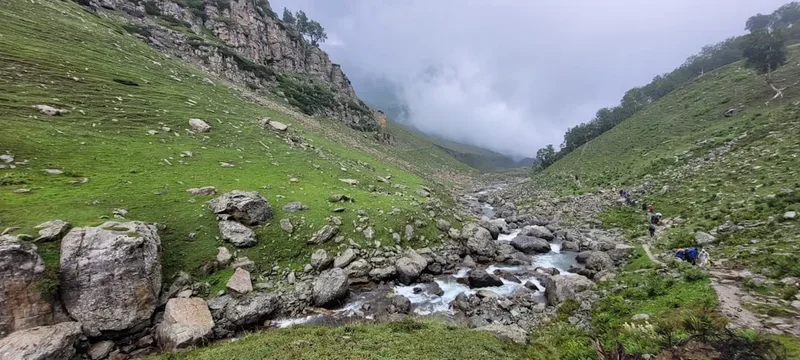
Chola River: The trek follows the course of the Chola River for a significant part of the journey. The river's clear, gurgling waters, the small waterfalls, and the rocky riverbeds provide constant scenic beauty and a soothing soundtrack to the trek. Several points along the river offer excellent opportunities for photography and rest stops.
Dense Pine and Rhododendron Forests: The trail winds through beautiful forests of pine, oak, and rhododendron. During spring, the rhododendrons burst into bloom, creating a spectacular display of colours. These forests provide shade and a refreshing atmosphere, making the trek a pleasant experience.
Rioti Village and Dhabas: Rioti serves as a natural resting point and a small settlement along the trek. The presence of basic dhabas here offers a chance to interact with locals, enjoy simple refreshments, and experience the rustic charm of the region. It's a good place to take a break and refuel.
Panoramic Views of the Dhauladhar Range: On clear days, especially from higher points on the trail and around Kareri Lake, you can enjoy breathtaking views of the snow-capped Dhauladhar mountain range. These majestic peaks form a stunning backdrop to the entire trek.
Leave No Trace
The Kareri Lake Trek traverses through pristine natural landscapes, and it is crucial for every trekker to adhere to the principles of Leave No Trace (LNT) to preserve its beauty and ecological integrity for future generations.
Plan Ahead and Prepare: Research the trail, understand its challenges, and pack accordingly. Inform someone about your trekking plans and expected return time.
Travel and Camp on Durable Surfaces: Stick to the established trails to avoid damaging vegetation. Camp in designated areas or on durable surfaces like rock or dry grass, away from water sources.
Dispose of Waste Properly: Pack out everything you pack in, including all food scraps, wrappers, and used toilet paper. Use designated toilets where available, or dig a cathole at least 60 metres away from water sources, trails, and campsites. Pack out all toilet paper.
Leave What You Find: Do not remove any natural objects, such as rocks, plants, or flowers. Respect the natural environment and leave it as you found it.
Minimize Campfire Impacts: Campfires are generally discouraged on treks like Kareri Lake due to the risk of forest fires and damage to the environment. Use a portable stove for cooking instead.
Respect Wildlife: Observe wildlife from a distance. Never feed animals, as it can disrupt their natural behaviours and diets. Store your food securely to prevent attracting animals.
Be Considerate of Other Visitors: Keep noise levels down, especially in natural settings. Yield to other trekkers on narrow trails. Respect the local culture and traditions.
By following these LNT principles, you contribute to the conservation of the Kareri Lake ecosystem and ensure a positive experience for yourself and others.